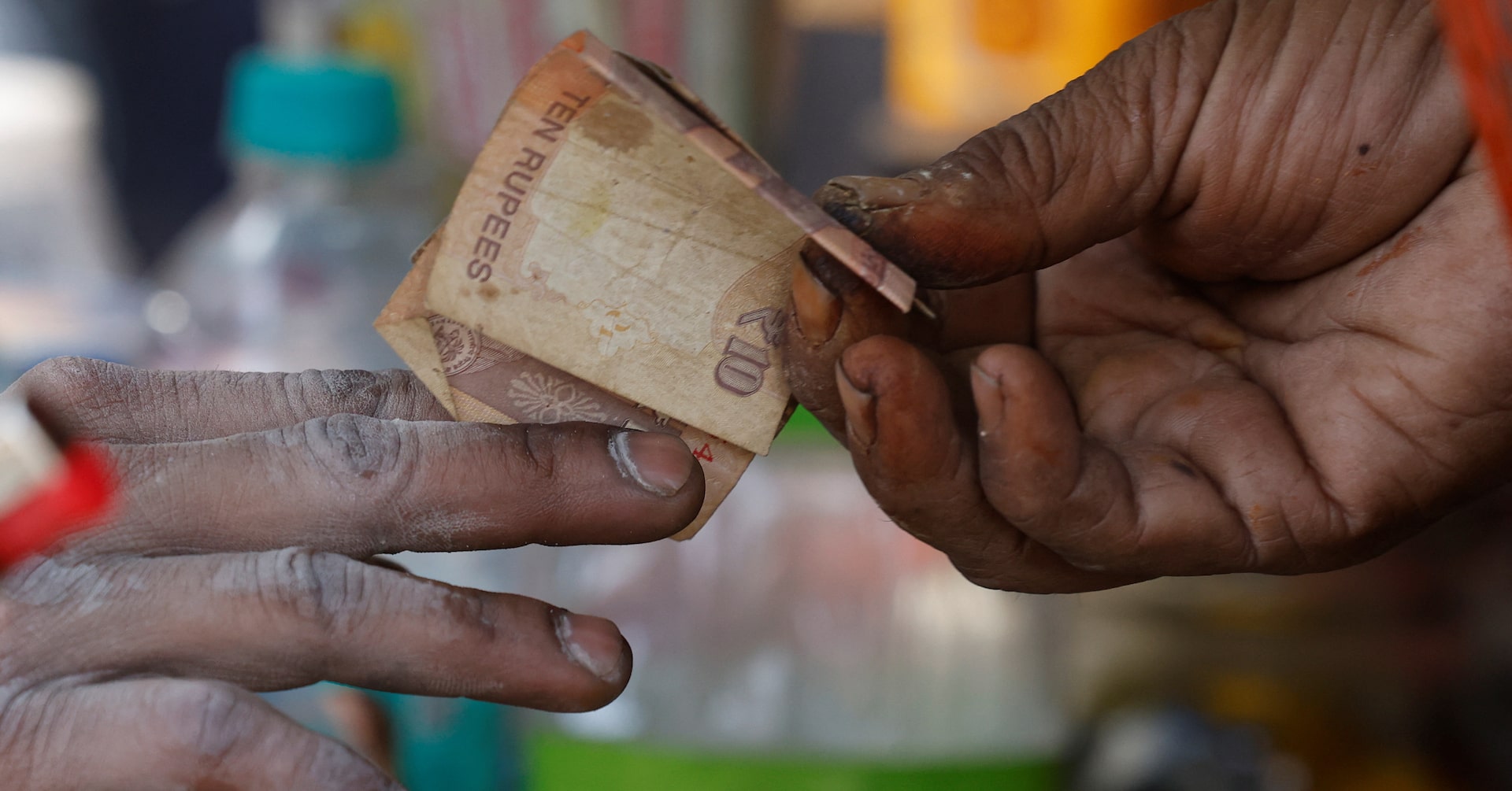
The Indian rupee faced significant pressure on Friday, September 19, 2025, as Asian currencies continued to weaken in the wake of a stronger U.S. dollar and rising Treasury yields. The rupee hit an intraday low of 88.32 against the dollar, dangerously close to its all-time low of 88.4550 recorded the previous week. By the end of the trading session, the currency was quoted at 88.30, reflecting persistent downward momentum. A currency trader at a private sector bank described the rupee’s trajectory as a ‘whippy down move,’ noting that the currency had briefly shown signs of recovery earlier in the week before succumbing to renewed pressure. The rupee had climbed past the 88 mark on Wednesday, sparking optimism among interbank traders that the worst might be over. However, this sentiment was short-lived, as the Federal Reserve’s recent decision to cut rates—coupled with Chair Jerome Powell’s hawkish press conference—reignited the dollar’s strength and weighed heavily on emerging market currencies. The Korean won and Indonesian rupiah also fell by 0.5% each, mirroring the broader regional trend. The dollar index, which had dipped to 96.22 on Wednesday, rebounded to 97.46, supported by positive U.S. jobless claims data showing a decline in new unemployment applications. Analysts attributed the dollar’s resurgence to a combination of the Fed’s mixed signals and robust economic indicators, leaving the rupee and its Asian counterparts vulnerable to further losses.
标签: Asia
亚洲
-

Exclusive: China snaps up Australian canola after trade spat with Canada, sources say
In a significant move reflecting shifting trade dynamics, Chinese state trading firm COFCO has secured up to nine cargoes of Australian canola, totaling approximately 540,000 metric tons. This decision comes in the wake of Beijing’s imposition of preliminary anti-dumping duties of 75.8% on Canadian canola imports in August, effectively halting shipments from Canada, its traditional supplier. The purchases represent about 8% of China’s total canola imports last year, highlighting the nation’s ability to pivot to alternative sources amid ongoing trade tensions.
-
GE Healthcare exploring sale of China unit, source says
GE Healthcare, a leading U.S. medical device manufacturer, is reportedly evaluating strategic options for its China operations, including a potential outright sale or partnership. According to a confidential source, the company is working with advisors to explore these possibilities, though discussions remain in the early stages. The China unit, which produces CT and MRI scanners among other devices, could be valued in the billions of dollars, though precise figures are yet to be determined. Bloomberg first reported the news, citing sources familiar with the matter. GE Healthcare, with a market value of approximately $34 billion, has not officially commented on the potential sale. A spokesperson reiterated the company’s commitment to supporting Chinese patients but declined to address market rumors. The China unit operates six manufacturing bases but faced a 15% revenue decline in 2024, attributed to tariffs and economic challenges. GE Healthcare’s CFO previously indicated plans to shift production to more tariff-friendly regions. The move reflects broader concerns among U.S. companies operating in China, where political tensions, domestic competition, and slowing economic growth have dampened confidence. A recent survey by the American Chamber of Commerce in Shanghai revealed that only 41% of U.S. firms are optimistic about their five-year business outlook in China, the lowest level since the survey began in 1999. This development follows similar actions by other U.S. companies, such as Bristol Myers Squibb, which recently sold its stake in a Chinese pharmaceutical joint venture.
-
China expected to leave benchmark lending rates unchanged despite Fed easing
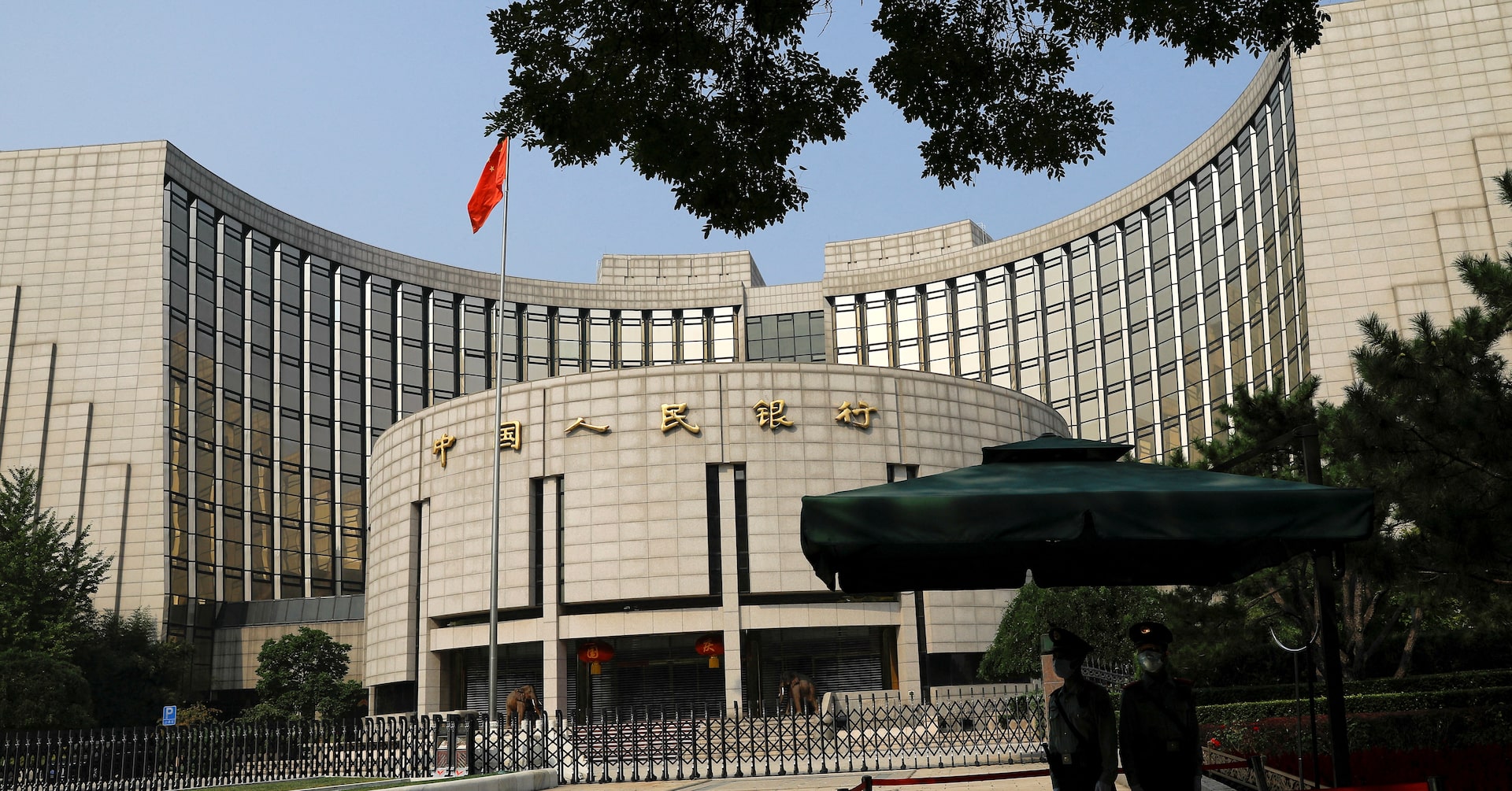
China is anticipated to keep its benchmark lending rates unchanged for the fourth consecutive month, according to a Reuters survey. This decision follows the People’s Bank of China’s (PBOC) move to hold steady a key policy rate after the U.S. Federal Reserve’s recent rate cut. Despite signs of economic deceleration, Chinese authorities seem reluctant to implement significant stimulus measures, buoyed by resilient export figures and a recent stock market rally. The loan prime rate (LPR), which is typically applied to banks’ top clients, is determined monthly based on submissions from 20 designated commercial banks to the PBOC. All 20 market watchers surveyed by Reuters predicted that both the one-year and five-year LPRs would remain at 3.00% and 3.5%, respectively. A brokerage trader noted that any adjustments to the LPRs would likely follow reductions in the policy rate, specifically the seven-day reverse repo rate, which the PBOC left unchanged last Thursday. While most new and outstanding loans in China are tied to the one-year LPR, the five-year rate affects mortgage pricing. Both rates were last reduced by 10 basis points in May. Analysts at Barclays highlighted that although the recent economic slowdown has increased the urgency for new stimulus, the likelihood of substantial fiscal measures may be diminished if the trade truce between the U.S. and China holds. However, some experts predict marginal monetary easing later this year to help China achieve its annual growth target of around 5%. Larry Hu, chief China economist at Macquarie, suggested that policymakers might take incremental steps to stabilize the economy, emphasizing that major stimulus is unnecessary to meet the GDP target.
-
Philippines central bank tightens rules on large cash withdrawals amid corruption crackdown
The Bangko Sentral ng Pilipinas (BSP), the central bank of the Philippines, has introduced stringent measures to monitor large cash withdrawals in a bid to combat money laundering and illegal financial activities. Effective immediately, banks are required to conduct “enhanced due diligence” for transactions exceeding 500,000 pesos (approximately $8,748.75). This directive, outlined in a circular issued on September 18, mandates that such transactions be traceable through methods like cheques, online transfers, direct credits to deposit accounts, or digital payments. The regulation applies to both single transactions and cumulative transactions within a single banking day. The BSP emphasized that this reform aims to bolster safeguards against the misuse of cash for illicit purposes, enhance public trust in the financial system, and address emerging risks. Banks are also permitted to set lower thresholds based on their internal risk assessments and customer profiles. This move aligns with the Philippine government’s broader anti-corruption campaign, which has already led to the freezing of over a hundred bank accounts linked to contractors and public officials under investigation for alleged irregularities in infrastructure projects. President Ferdinand Marcos Jr. has established an independent commission to spearhead corruption inquiries, particularly focusing on flood control expenditures, which have drawn scrutiny following devastating storms. Meanwhile, civil society groups, including church leaders, are organizing anti-corruption rallies on September 21, coinciding with the anniversary of the declaration of martial law by former President Ferdinand Marcos Sr., a period widely regarded as a dark chapter in Philippine history.
-
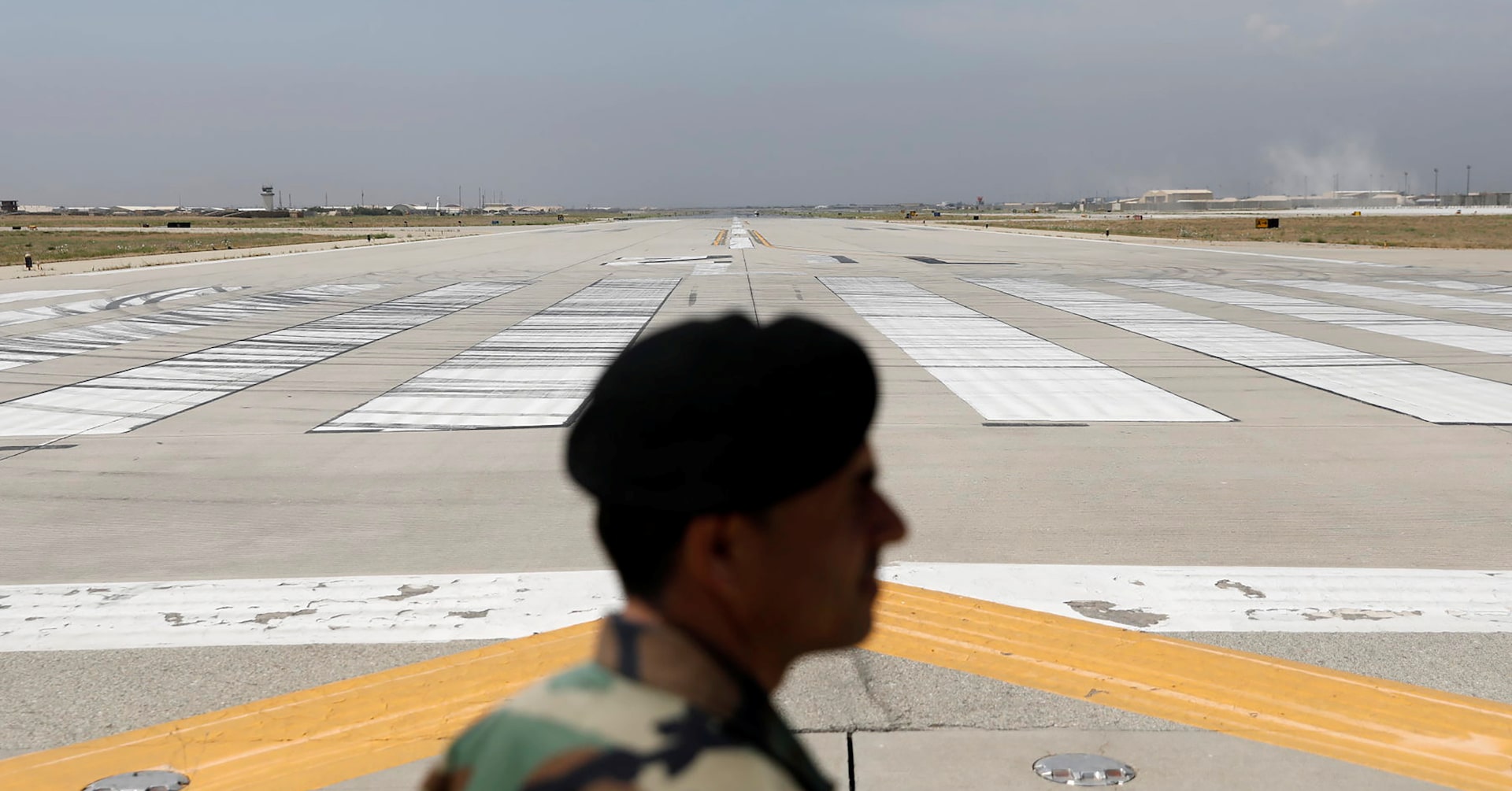
Trump says US seeks control of Afghanistan’s Bagram air base given up in withdrawal
In a significant geopolitical development, the United States has expressed its intention to regain control of the Bagram air base in Afghanistan. President Donald Trump announced this ambition during a joint press conference with British Prime Minister Keir Starmer in London on Thursday. Trump emphasized the strategic importance of the base, particularly its proximity to China, stating, “We want that base back.”
Bagram air base, originally constructed by the Soviet Union, served as the primary hub for U.S. military operations in Afghanistan following the September 11, 2001, attacks. It remained operational until the U.S. withdrawal in 2021, which led to the Taliban’s resurgence and control over the country. The base has since been vacated, leaving behind a symbol of America’s two-decade-long military presence in the region.
However, the Afghan government has dismissed the possibility of a U.S. return. Zakir Jalal, an official from Afghanistan’s foreign ministry, stated on social media platform X that Afghanistan and the U.S. should engage without any American military presence. He advocated for bilateral relations grounded in mutual respect and shared interests.
Meanwhile, U.S. officials have been engaging with Afghan authorities to address the issue of American citizens detained in Afghanistan. Adam Boehler, the Trump administration’s special hostage envoy, and Zalmay Khalilzad, a former U.S. special envoy for Afghanistan, met with the Taliban’s foreign minister, Amir Khan Muttaqi, to discuss these matters. Notably, the U.S. does not officially recognize the Taliban government, which assumed power after the 2021 withdrawal.
The push to reclaim Bagram underscores the complex and evolving dynamics between the U.S. and Afghanistan, as both nations navigate their post-withdrawal relationship. While the U.S. views the base as a strategic asset, Afghanistan remains firm in its stance against foreign military presence on its soil.
-
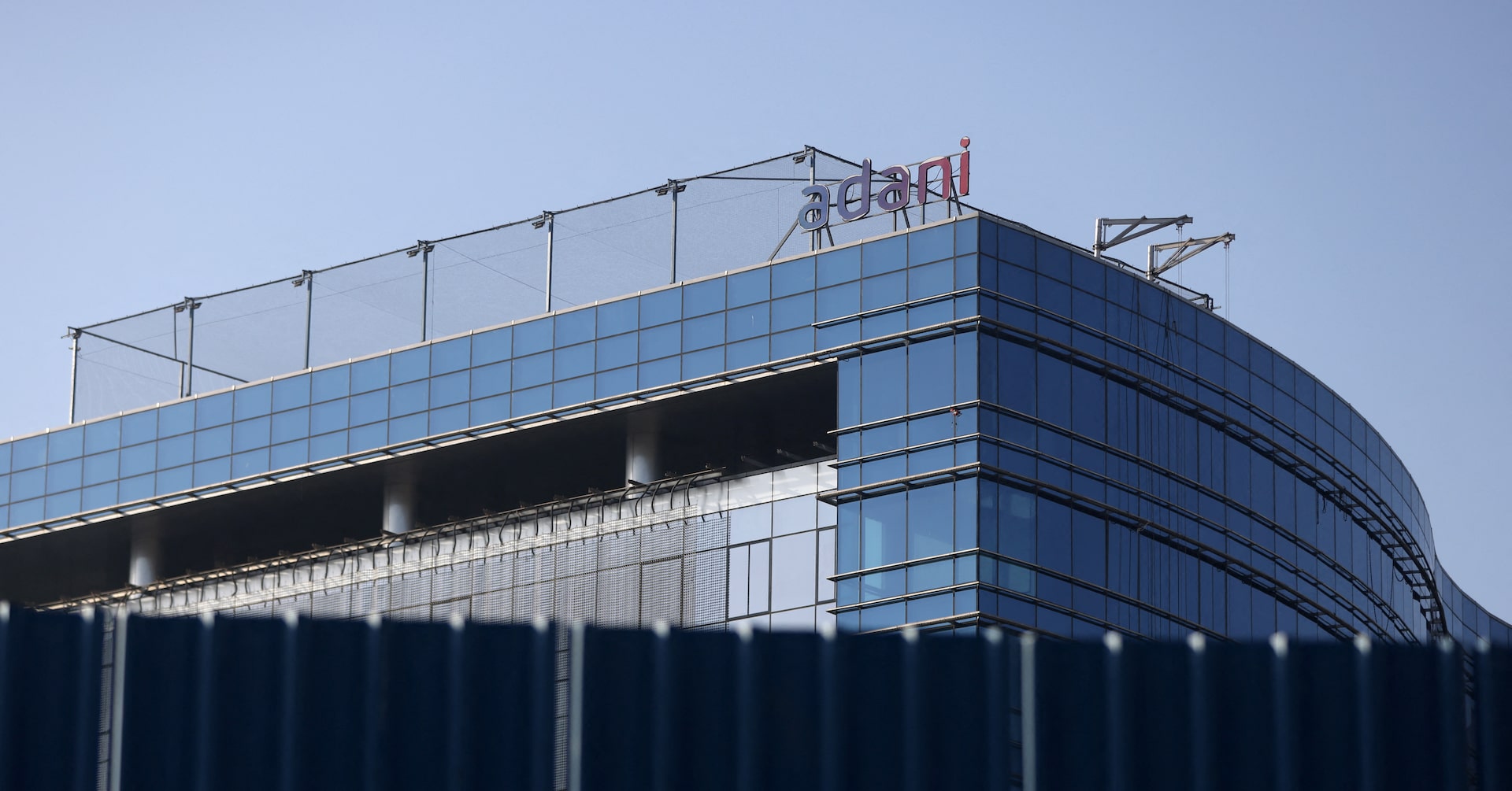
Adani Group stocks rise as SEBI’s dismissal signals end to Hindenburg overhang
Adani Group stocks experienced a significant uptick on Friday, with gains ranging from 0.2% to 8.4%, following the Indian markets regulator’s dismissal of certain allegations made by short-seller Hindenburg Research. The Securities and Exchange Board of India (SEBI) cleared two charges against the conglomerate, signaling a potential end to its regulatory challenges. Adani Total Gas led the surge with an 8.4% rise, marking its best performance in over four months, while Adani Enterprises saw a 4.2% increase. Adani Power climbed 7.4%, bolstered by Morgan Stanley’s ‘overweight’ rating. The SEBI’s investigation, initiated in 2023, scrutinized claims of tax haven usage and undisclosed related-party transactions. However, the regulator concluded that these transactions did not violate disclosure norms or constitute market manipulation. Deven Choksey of DRChoksey FinServ noted that the SEBI order could restore investor confidence, which had been shaken by the Hindenburg report. Despite the initial $150 billion market value loss, some Adani stocks have rebounded, with Adani Power, Adani Ports, and Ambuja Cement recovering significantly. However, other group stocks remain 20% to 80% below pre-Hindenburg levels. ICICI Securities highlighted that the regulator’s decision removes a major overhang, potentially boosting institutional investor confidence in Adani Ports.
-
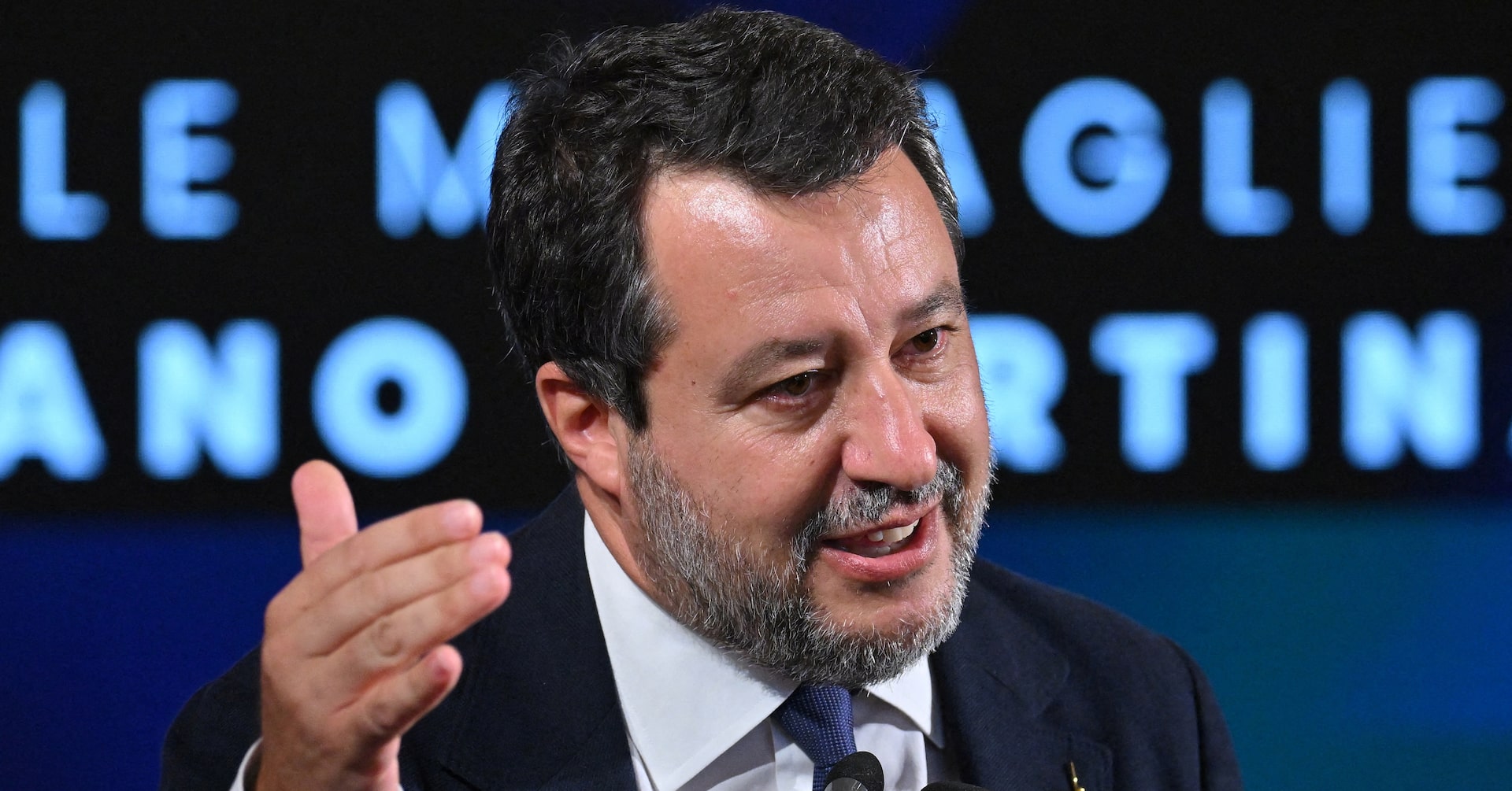
Italian deputy PM talks up autos ties with China amid EU trade tensions
Italy’s Deputy Prime Minister Matteo Salvini emphasized the potential for enhanced collaboration between Italy and China in the automotive and transportation sectors during an interview with China’s state news agency Xinhua. The remarks were made amidst ongoing trade tensions between Beijing and the European Union (EU), particularly over allegations of unfair subsidies to Chinese carmakers. Salvini, who also serves as Italy’s transport minister, highlighted the ‘broad prospects for cooperation’ in areas such as smart roads, high-speed rail, and autonomous driving technologies. He praised China’s advancements in high-speed rail, noting that while Italy aims to achieve speeds of 300 km per hour, China is already exploring speeds of up to 500 km per hour. Additionally, he lauded China’s progress in artificial intelligence and innovation. Despite Italy’s support for the European Commission’s 2024 decision to impose tariffs on Chinese electric vehicles, the country has sought to maintain positive relations with Beijing. Prime Minister Giorgia Meloni’s government has continued to welcome Chinese investment, even after Italy’s withdrawal from China’s Belt and Road Initiative. Salvini expressed optimism about the potential for infrastructure development between the two nations. However, the broader EU-China relationship remains strained, with the EU imposing tariffs on Chinese electric vehicles and China retaliating with anti-dumping duties on European pork and brandy, as well as investigations into the dairy sector.
-

India’s Urban Company plans big bet on instant home services, CEO says
Urban Company, India’s leading home-services provider, is intensifying its focus on delivering services within an hour, aiming to cater to the growing demand for instant solutions in a market accustomed to rapid deliveries of groceries and gadgets. This strategic shift comes on the heels of the company’s successful IPO, which marked one of the most anticipated stock market debuts of the year. Traditionally known for allowing customers to schedule services like facials and faucet repairs, Urban Company is now emphasizing speed with its new ‘Insta Help’ service, enabling users to book domestic workers in just 15 minutes. CEO Abhiraj Singh Bhal highlighted the significance of instant services, stating that they could create a sustainable competitive advantage and drive customer engagement. As of June 30, the company boasted 7.02 million annual transacting customers. Urban Company plans to invest heavily over the next two to three years to build a dense network of service professionals in its core markets, though this may pressure profit margins. The company faces competition from startups like Pronto and Snabbit, which promise services in as little as 10 minutes. Analysts note that while the market potential for instant services is significant, logistical challenges and operational complexities could hinder growth. Despite these hurdles, Urban Company’s online on-demand services market is projected to grow at a compound annual growth rate of 22.4% from 2023 to 2030.
-

Apple’s iPhone 17 launch draws hundreds in long queue at its Beijing store
On September 19, 2025, Apple’s latest iPhone 17 series made its debut in Beijing, drawing hundreds of eager customers to the flagship store in the bustling Sanlitun district. The launch marked a significant moment for Apple in China, the world’s second-largest economy, as analysts predict the new models could revitalize the company’s market share amid fierce competition from local brands like Xiaomi and Huawei. Shuke Wang, a 35-year-old customer, was among the early adopters, opting for the Pro Max model priced at 9,999 yuan ($1,406). He praised the series’ redesign, particularly the orange variant, though he found it slightly flashy. The Pro Max’s extended battery life also stood out as a key selling point. Apple highlighted the base model’s enhanced features, including a brighter, scratch-resistant screen and an improved front-facing camera optimized for horizontal selfies. Despite a 6% decline in shipments during the first eight weeks of Q3, analysts remain optimistic. Chiew Le Xuan of Omdia forecasts an 11% year-over-year increase in iPhone shipments in China for the second half of 2025, driven by the new series. The iPhone 17 Pro Max, with its major redesign, is expected to outperform its predecessor and become Apple’s top-performing model in the Chinese market by 2026. Meanwhile, the iPhone Air, featuring e-SIM support, is seen as a technological testbed for future innovations, though its slim design compromises battery life and camera quality, which may limit its appeal among Chinese consumers. Apple’s ability to navigate regulatory hurdles for e-SIM services with Chinese telecom operators will also play a crucial role in its success.