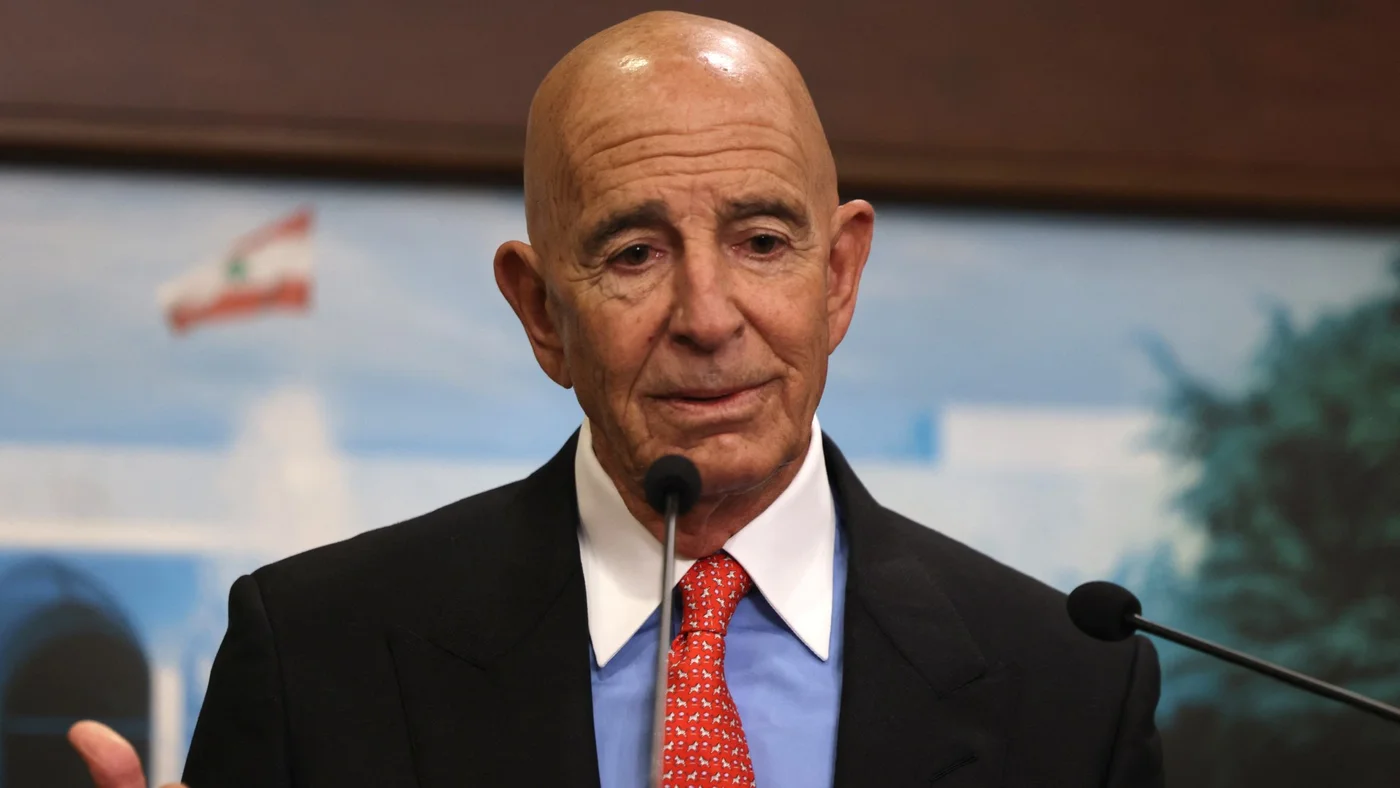
In a revealing interview with The National, Tom Barrack, the US Special Envoy to Syria and Ambassador to Turkey, offered a candid assessment of the Middle East’s geopolitical landscape and US foreign policy. Barrack, who has Lebanese heritage and has served as President Donald Trump’s envoy since May, described regional peace as ‘an illusion’ and criticized Israel’s aggressive actions, including its strikes on Syria, Lebanon, and Tunisia. He also addressed the recent Israeli attack on Qatar, calling it ‘not good’ and revealing that groups like Hamas and the Taliban are in Doha at America’s request. Barrack emphasized that the US administration is stepping back from direct intervention, focusing instead on counterterrorism cooperation while maintaining a special relationship with Israel, which receives $4-5 billion in annual subsidies. He dismissed the idea of a Palestinian state, arguing that the global community lacks the commitment to enforce it. Barrack also highlighted the challenges of disarming Hezbollah in Lebanon, noting the group’s financial and military strength, funded by Iran. He expressed concern over the Gaza conflict, calling it ‘unsettling’ and questioning why neighboring Arab countries won’t take in Palestinians. Barrack concluded by expressing distrust in all regional actors, including Israel, and hinted at the possibility of further US or Israeli action against Iran to stabilize the region.
标签: Asia
亚洲
-
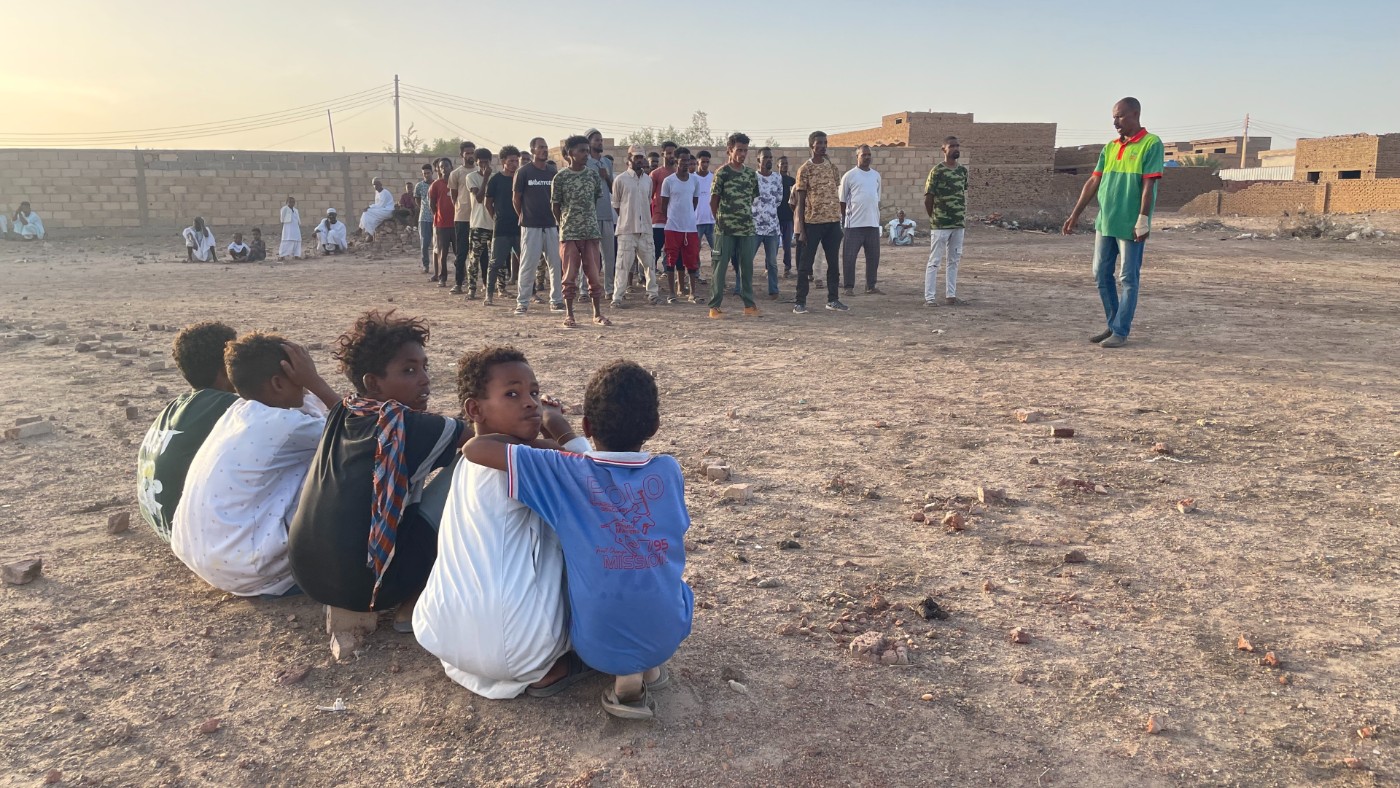
Sudan PM visits village following MEE coverage of fight against RSF
In a historic move, Sudanese Prime Minister Kamil Idris visited the village of al-Tekeina in al-Jazira state on August 30, 2025, marking the first visit by a senior Sudanese official in over six decades. The visit followed extensive coverage by Middle East Eye (MEE) of the village’s struggles against the Rapid Support Forces (RSF), a paramilitary group accused of committing genocide. During his visit, Idris pledged to implement widespread reforms, including infrastructure development, improved public services, and political representation for the villagers. Al-Tekeina, located 70 kilometers south of Khartoum, had been neglected by the central government for years, forcing residents to defend themselves against the RSF using weapons and tactics learned from YouTube tutorials. The village’s resistance committee, led by Magd Omer Ibrahim, played a pivotal role in organizing the defense and advocating for the community’s needs. Idris’s delegation, which included ministers and the governor of al-Jazira, promised to reconstruct roads, maintain water and electricity stations, build a technical college, drill wells, and expand healthcare facilities. Villagers credited media coverage, particularly by MEE, for drawing government attention to their plight. The visit was seen as a moral restitution for the sacrifices made by the villagers, who had been abandoned by the Sudanese Armed Forces (SAF) during the conflict. The war in Sudan, which began in April 2023, has displaced nearly 12 million people and claimed at least 150,000 lives, making it one of the world’s worst humanitarian crises. The people of al-Tekeina hope that the promises made during the visit will bring lasting change to their community.
-

All is not lost for China in US TikTok deal
In a significant development in the ongoing US-China tech rivalry, Beijing has signaled its approval for American investors to take over TikTok’s operations in the United States. This move marks a rare thaw in the tense standoff between the two global powers, following a pivotal phone conversation between US President Donald Trump and Chinese President Xi Jinping on September 19, where the TikTok issue was reportedly a central topic.
-

‘Why does China prefer war?’ The K-drama line that infuriated the Chinese internet
South Korean actress Jun Ji-hyun, renowned for her breakout role in the 2001 romantic comedy *My Sassy Girl*, has found herself at the center of a heated controversy following her portrayal in the Disney+ spy romance series *Tempest*. In the show, Jun plays a diplomat investigating a deadly assassination, and a fictional line from her character—questioning China’s preference for war—has ignited outrage among Chinese social media users. Many have accused the series of misrepresenting China as belligerent, leading to calls for brands to sever ties with the actress. The backlash has reignited debates over China’s unofficial ban on South Korean entertainment, which has been in place since 2016 following South Korea’s deployment of a US anti-missile system. While recent months saw signs of easing tensions, with some South Korean performers returning to China, the *Tempest* controversy has fueled renewed support for the ban. Social media users have also criticized other aspects of the series, such as scenes depicting China’s Dalian city with dilapidated buildings and a table setting resembling the Chinese flag. Jun’s agency has clarified that her brand campaigns concluded before the show’s release, but Chinese consumers have continued to pressure brands like La Mer, Louis Vuitton, and Piaget to distance themselves from her. Despite some defending Jun, arguing she did not write the controversial line, the backlash has overshadowed such sentiments. The incident highlights the fragile state of cultural exchanges between China and South Korea, with the future of K-pop and K-dramas in China remaining uncertain.
-
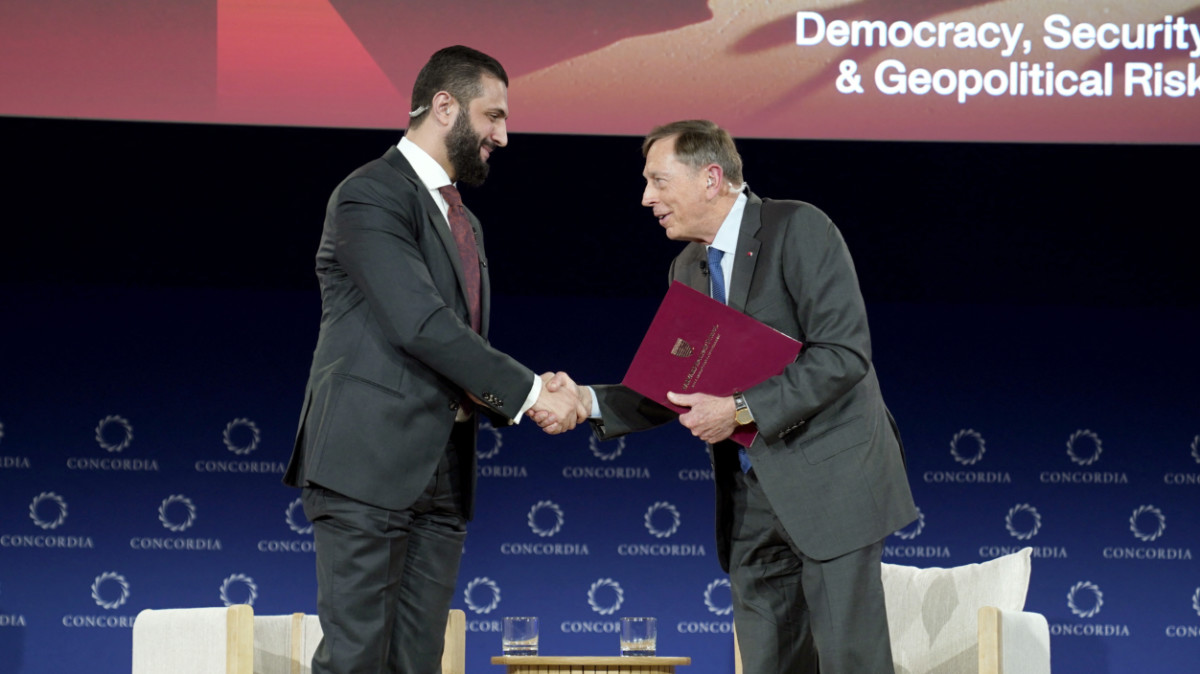
Syria’s Sharaa distances himself from Abraham Accords in surreal interview with former CIA foe
Syrian President Ahmed al-Sharaa has revealed that Syria and Israel are engaged in advanced security discussions, though any potential agreement will not mirror the normalization seen in the Abraham Accords. Speaking at an event alongside former CIA director David Petraeus during the United Nations General Assembly in New York, Sharaa emphasized the complexities of Syria’s relationship with Israel, citing historical grievances and regional anger over the Gaza conflict. Sharaa’s visit marks the first time a Syrian leader has attended the UN General Assembly since 1967, underscoring the significance of his presence. Despite the ongoing talks, Sharaa dismissed the possibility of Syria joining the Abraham Accords, highlighting Syria’s unique position as a neighboring country subjected to over 1,000 Israeli military actions. He also expressed skepticism about Israel’s intentions, referencing its past violations of peace agreements with Egypt and Jordan. The discussions, mediated by US envoy Tom Barrack, aim to address Israel’s security concerns while preserving Syria’s sovereignty. However, Sharaa’s government faces internal challenges, including tensions with Druze militias and efforts to integrate the Kurdish-led Syrian Democratic Forces (SDF) into the national military. Sharaa’s broader objectives include lobbying for the complete lifting of US sanctions on Syria, a move initiated by former President Donald Trump but still partially in place due to congressional mandates. As Sharaa prepares to address the UN Assembly, his administration’s ability to protect minority groups and navigate regional alliances remains under scrutiny.
-
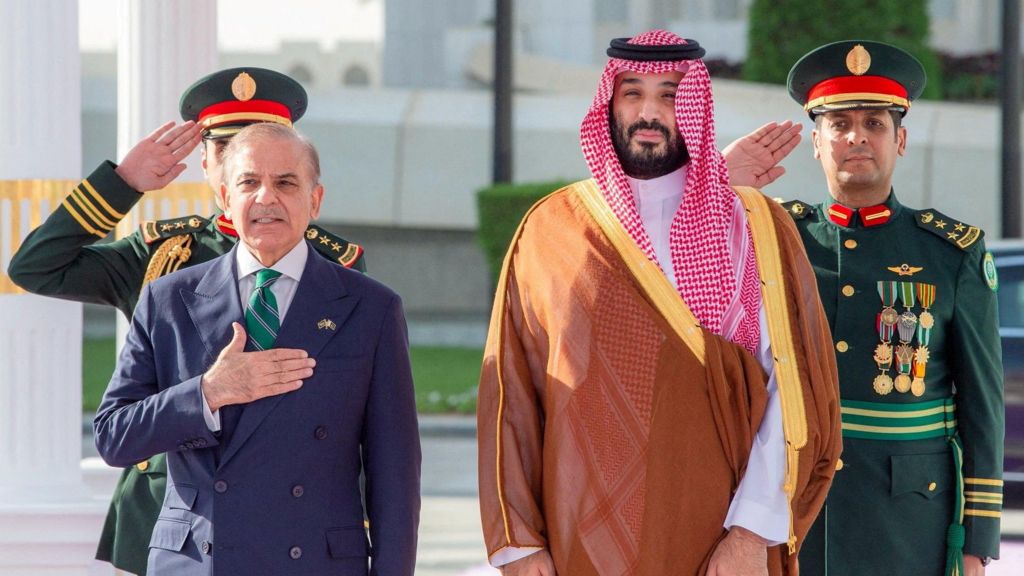
Why the Pakistan-Saudi Arabia defence pact is unsettling India
In a significant geopolitical development, Saudi Crown Prince Mohammed bin Salman and Pakistani Prime Minister Shehbaz Sharif inked a landmark strategic mutual defense agreement last week in Riyadh. The pact, described as an “institutionalization of long-standing and deep cooperation” by a senior Saudi official, has stirred considerable debate, particularly in India, which views the agreement as a potential threat to its national security. The agreement stipulates that “any aggression against either country shall be considered an aggression against both,” a clause that has unsettled Indian analysts. Brahma Chellaney, an Indian strategist, argued that the pact reflects Saudi Arabia’s ambitions rather than Pakistan’s strength, binding a “chronically dependent” partner to gain manpower and nuclear “insurance.” Former Indian foreign secretary Kanwal Sibal labeled the agreement a “grave misstep,” warning of its implications for India’s security. While India’s government has adopted a cautious stance, stating it will study the pact’s implications, the move has reignited tensions between India and Pakistan, who have a history of conflicts, particularly over Kashmir. Some analysts, however, downplay the immediate risks, noting Saudi Arabia’s extensive economic ties with India, its second-largest trading partner. Michael Kugelman, a foreign policy analyst, suggested that the pact does not directly hinder India but embeds Pakistan in the Middle East’s security architecture, leaving India facing a coalition of Pakistan, China, Turkey, and now Saudi Arabia. Husain Haqqani, a former Pakistani ambassador, warned that the pact could position Saudi Arabia as a Cold War-style patron for Pakistan, bolstering its military capabilities against India. The agreement also signals Saudi Arabia’s broader strategic shift, diversifying its security partnerships amid declining faith in the US security umbrella. Ahmed Aboudouh of Chatham House noted that the pact is more about signaling intent than battlefield commitments, reflecting Saudi Arabia’s perception of threats from both Iran and Israel. For India, the pact’s broader geopolitical implications could complicate its ‘Look West’ strategy, potentially hardening into an “Islamic Nato” that challenges its trade and investment interests in the Gulf. While the immediate security threat to India remains unclear, the pact has undoubtedly reshaped regional alignments, leaving Delhi to recalibrate its diplomatic and strategic approach.
-
Israel and Eurovision: Why do countries want to boycott a song contest?
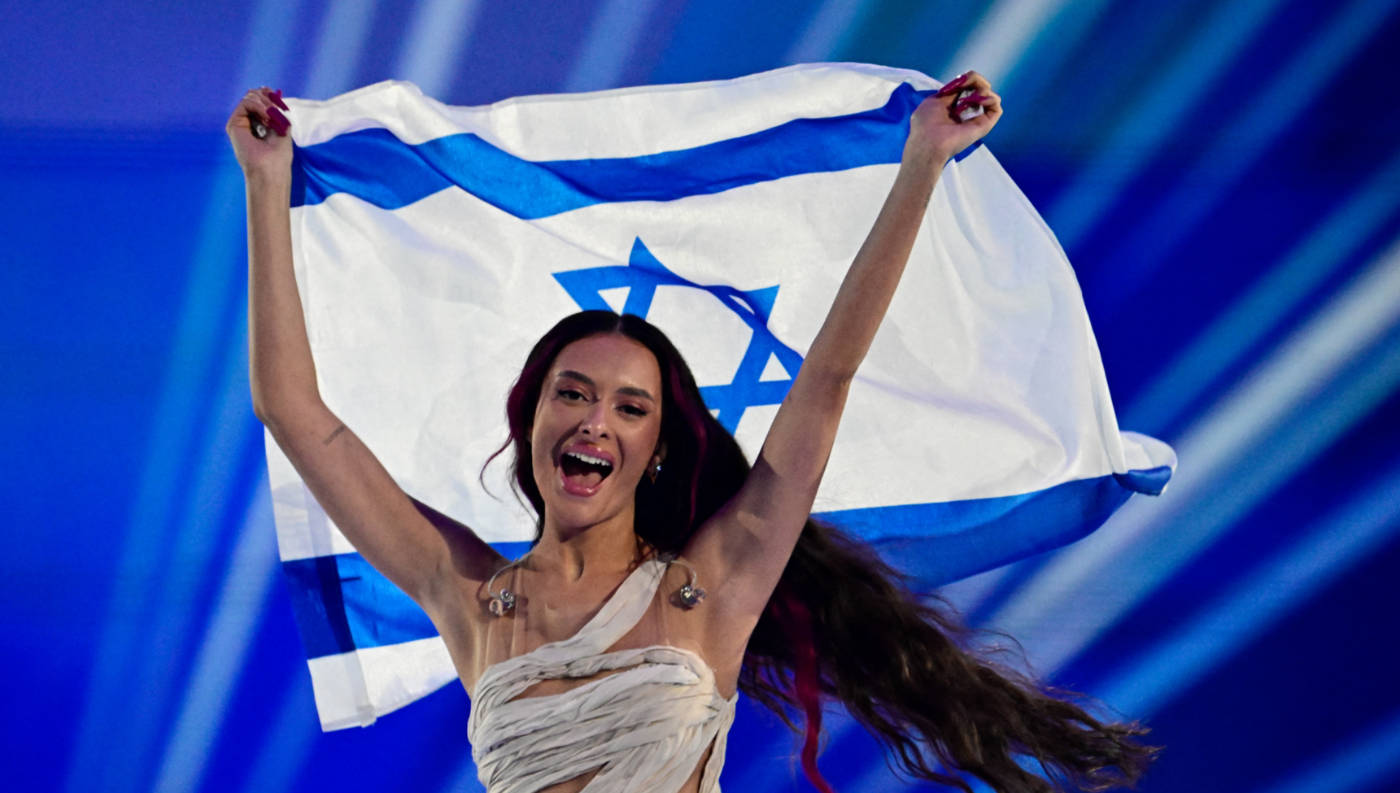
The Eurovision Song Contest, a globally celebrated cultural phenomenon attracting hundreds of millions of viewers annually, is now at the center of a brewing political storm. As tensions escalate over Israel’s participation, at least five nations—Iceland, Ireland, the Netherlands, Slovenia, and Spain—are threatening to withdraw from the 2026 event in Vienna if Israel is allowed to compete. This unprecedented move could significantly disrupt the contest, which has been a platform for unity and musical excellence since its inception in 1956. The controversy stems from the ongoing war in Gaza, where over 65,000 Palestinians have been killed since October 2023. Israel faces accusations of genocide from a United Nations commission of inquiry and major human rights organizations, further fueling calls for its exclusion from Eurovision. The European Broadcasting Union (EBU), which organizes the event, has long maintained that Eurovision is apolitical. However, the 2022 ban on Russia following its invasion of Ukraine has set a precedent for excluding nations embroiled in geopolitical conflicts. Spain’s Prime Minister Pedro Sanchez has cited this example, arguing that Israel’s participation would constitute a double standard. Meanwhile, Israel’s national broadcaster, Kan, has confirmed its intent to participate, and the EBU has denied reports of pressuring Israel to withdraw. The situation has divided the Eurovision community, with some countries, including France and Germany, opposing the boycott. As the deadline for attendance confirmation approaches, the EBU faces a critical decision that could redefine the future of the iconic competition.
-
Global reactions pour in as UK, Australia and Canada recognise Palestinian state
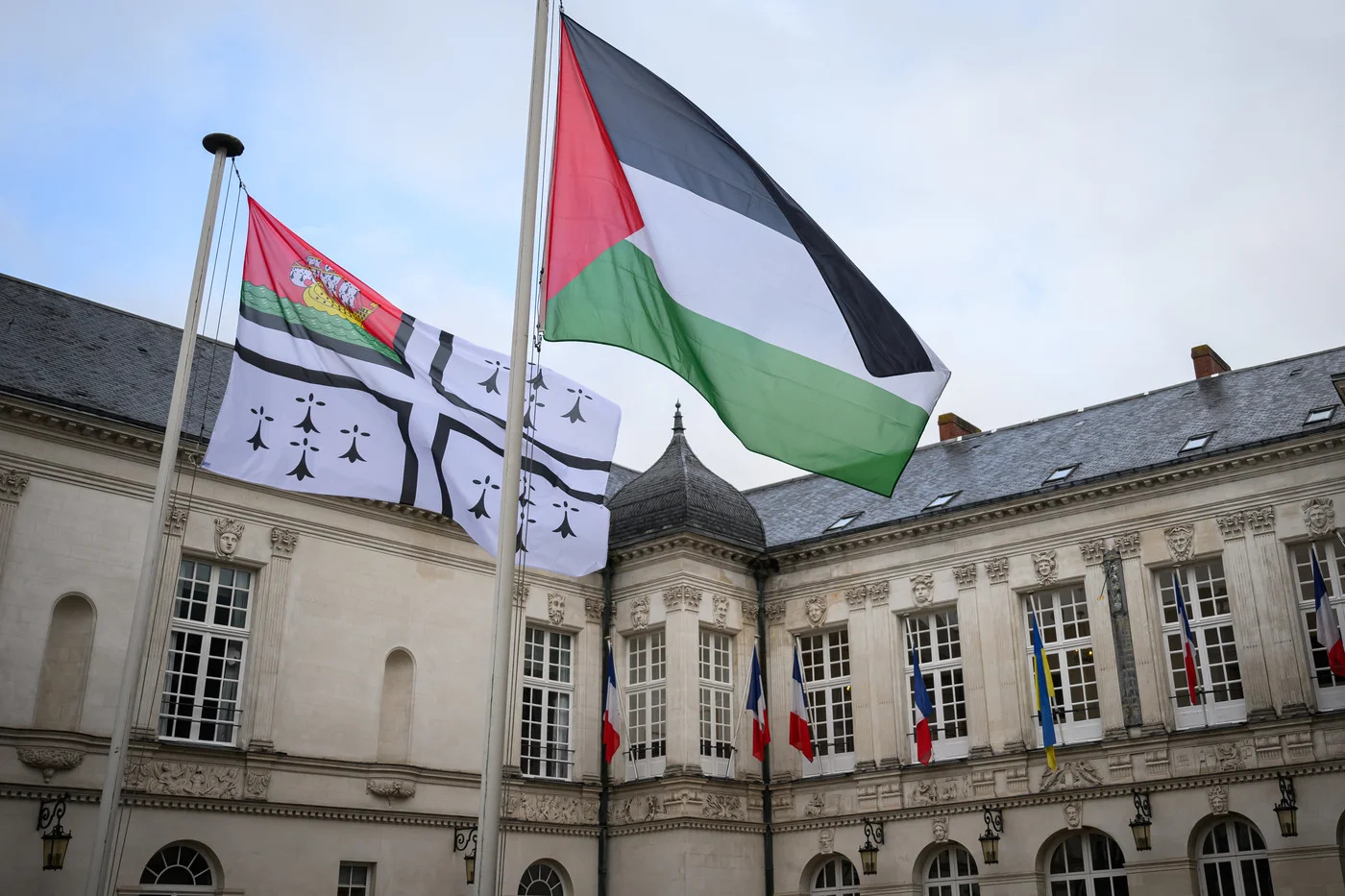
Over a century after the Balfour Declaration endorsed the establishment of a Jewish national home in Palestine, the United Kingdom, alongside Canada, Australia, and Portugal, officially recognized a Palestinian state on Sunday. France is anticipated to follow suit shortly. This historic decision has ignited fierce backlash from the Israeli government, with Prime Minister Benjamin Netanyahu vowing to prevent the establishment of a Palestinian state and promising a response upon his return from the United States. Israeli government spokesperson David Mencer labeled the move as a “betrayal” by the UK Labour Party, stating that the Jewish community would not forgive them. The announcement has sparked a polarized response on social media, with some dismissing it as “performative recognition” that fails to address the ongoing genocide in Gaza and the annexation of the West Bank. Palestinian writer Yara Hawari criticized the gesture as a symbolic shield for Israel’s war crimes, while others highlighted the continued arms exports to Israel by the UK, Canada, and Australia. Palestinian journalist Abubaker Abed emphasized that recognition would be meaningless without concrete actions to end the genocide, secure the right of return, and release Palestinian hostages. Despite some hailing the move as a victory for the Palestinian cause, many in the occupied West Bank expressed skepticism, noting that daily settler attacks and Israeli raids persist. Decolonial scholar Sabreena Ghaffar-Siddiqui viewed the recognition as a symbolic acknowledgment of Israel’s inevitable decline, while former PLO politician Hanan Ashrawi urged that the gesture not be underestimated, calling for punitive measures against Israel to stop the genocide.
-
South Korea would accept a Trump-Kim deal to freeze nuclear programme, president tells BBC
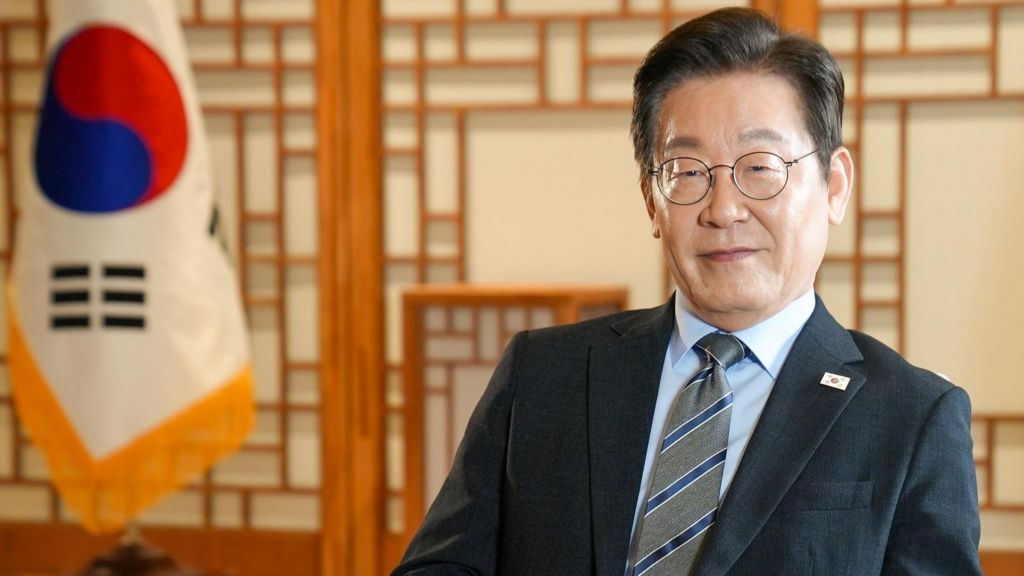
In a recent interview with the BBC, South Korean President Lee Jae Myung expressed his willingness to support an interim agreement between former U.S. President Donald Trump and North Korean leader Kim Jong Un, which would involve freezing North Korea’s nuclear weapons production rather than pursuing full denuclearization. President Lee described this approach as a “feasible, realistic alternative” to the long-term goal of denuclearization, emphasizing the need for pragmatic solutions in the face of North Korea’s ongoing nuclear advancements. North Korea, which declared itself a nuclear power in 2022, has consistently vowed to retain its nuclear arsenal, making immediate denuclearization an unlikely prospect. Lee argued that halting North Korea’s nuclear and missile development would offer significant benefits while maintaining the ultimate goal of denuclearization. President Lee, who assumed office in June, has prioritized reducing tensions with North Korea, a stark contrast to his predecessor Yoon Suk Yeol, whose aggressive policies led to heightened regional instability. Lee has also called for the resumption of nuclear talks between the U.S. and North Korea, which stalled in 2019 after the U.S. demanded the dismantling of North Korea’s nuclear facilities. He expressed optimism about the potential for renewed dialogue, citing a degree of mutual trust between Trump and Kim. However, Lee acknowledged the challenges posed by the growing alliance between North Korea, China, and Russia, which he described as a “very difficult situation” for South Korea. Despite these complexities, Lee emphasized the importance of maintaining balanced relationships with both the U.S. and China, while cautiously navigating South Korea’s position in a rapidly shifting global order. Domestically, Lee faces a polarized nation still recovering from the political turmoil of his predecessor’s failed martial law attempt. He has taken steps to rebuild trust with North Korea, including halting radio broadcasts into the North, a move criticized by human rights groups. While North Korea has dismissed Lee’s overtures as “delusional,” the South Korean president remains committed to pursuing a pragmatic path toward peace on the Korean Peninsula.
-
Trump’s $100,000 H-1B visa shock: Why US may lose more than India
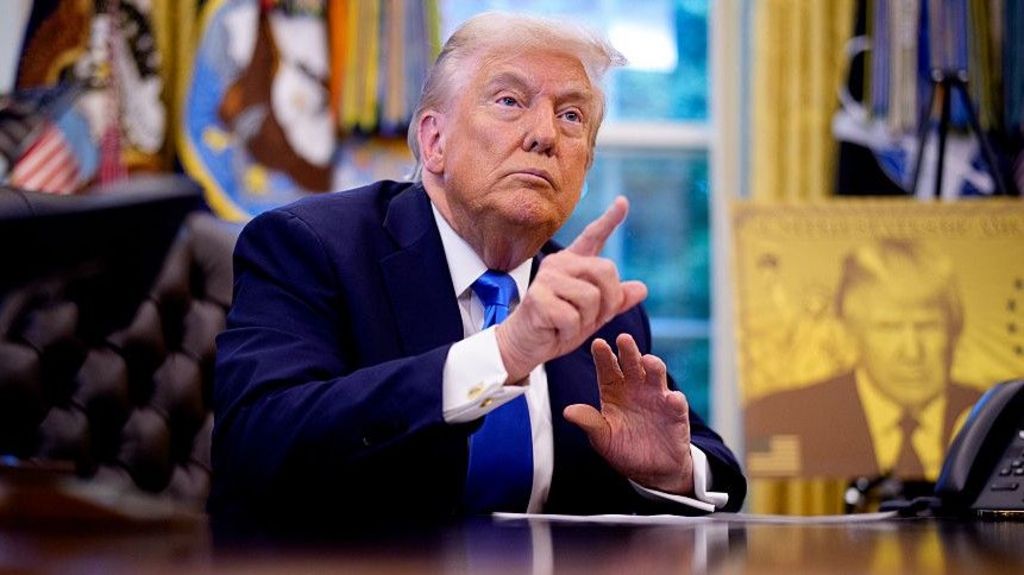
The recent announcement by US President Donald Trump to increase the cost of H-1B visas by up to 50 times has sent shockwaves through the tech industry and beyond. The proposed fee hike, raising the cost to $100,000, initially caused widespread panic among Indian workers and Silicon Valley firms. However, the White House later clarified that the fee would only apply to new applicants and be a one-time charge. Despite this adjustment, the long-term implications of the policy remain uncertain, raising concerns about its impact on both the US and Indian economies. The H-1B visa program, which has been a cornerstone of the American tech industry for decades, has allowed millions of skilled workers, predominantly from India, to contribute to the US economy. Indians account for over 70% of H-1B recipients, with significant representation in tech, medicine, and academia. The fee hike, experts argue, could lead to medium and long-term labor shortages in the US, particularly in critical sectors like healthcare and technology. Indian outsourcing giants like TCS and Infosys have already begun adapting by building local workforces and shifting operations offshore. However, the broader impact on the US could be severe, with hospitals facing doctor shortages, universities struggling to attract STEM students, and startups losing access to global talent. Immigration policy analysts warn that the move could force US companies to radically change their hiring policies, potentially offshoring more work and dealing a blow to US innovation and competitiveness. The decision has also left Indian students, who make up a quarter of international students in the US, in a state of uncertainty. Many have already invested significant sums in their education, and the new policy could deter future students from choosing the US as their destination. Legal challenges to the policy are expected, and its full impact remains to be seen. As the dust settles, the H-1B shake-up appears less like a tax on foreign workers and more like a stress test for the US economy and its ability to attract and retain global talent.