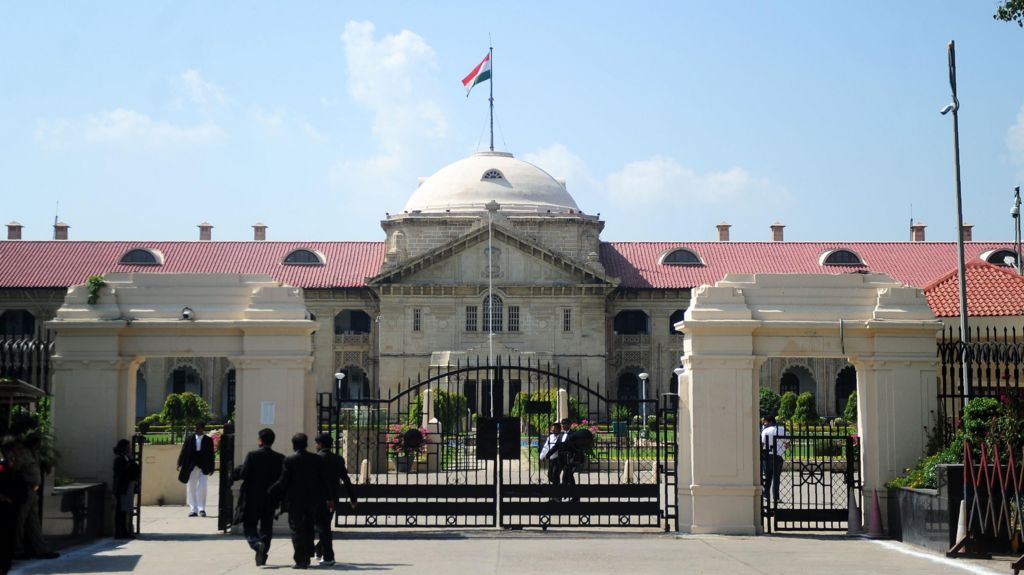
The Allahabad High Court, one of India’s oldest and most esteemed judicial institutions, is grappling with an unprecedented crisis. With over a million pending cases, ranging from criminal trials to property disputes, the court has become a symbol of the broader challenges facing India’s judiciary. The court’s inability to resolve cases promptly has left thousands of litigants, particularly in Uttar Pradesh, India’s most populous state, in prolonged legal limbo.
标签: Asia
亚洲
-
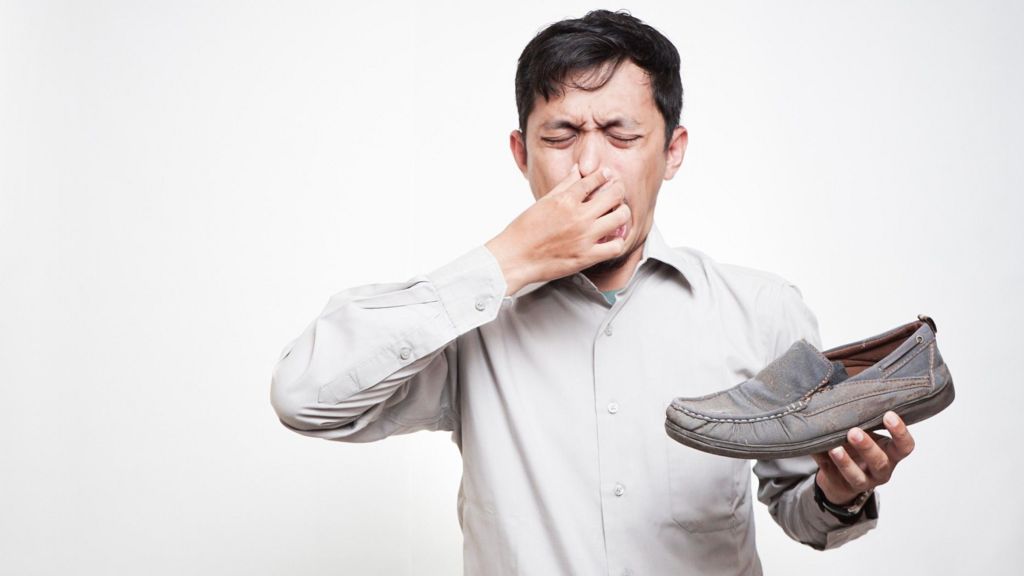
How smelly shoes inspired India’s Ig Nobel prize-winning study
A peculiar yet pervasive problem in households worldwide—smelly shoes—has inspired two Indian researchers to delve into the science behind the stench. Vikash Kumar, an assistant professor of design at Shiv Nadar University, and his former student Sarthak Mittal, embarked on a journey to understand how foul-smelling footwear affects the experience of using a shoe rack. Their innovative research not only addressed a common annoyance but also earned them the Ig Nobel Prize, a prestigious award celebrating unusual and imaginative scientific endeavors. The duo’s study began with a simple observation: students often left their shoes outside their rooms due to the overpowering odor, not due to a lack of space. A survey of 149 university students revealed that more than half had felt embarrassed by their own or someone else’s smelly shoes. Traditional remedies like tea bags or baking soda proved ineffective. Turning to science, the researchers identified Kytococcus sedentarius, a bacterium thriving in sweaty shoes, as the primary culprit. Their experiments demonstrated that a brief exposure to UVC light effectively killed the bacteria and eliminated the odor. However, timing was crucial—too much exposure damaged the shoes. Their solution? A prototype shoe rack equipped with UVC tube lights, designed to store and sterilize shoes simultaneously. The Ig Nobel Prize recognized their work, highlighting the fun and imaginative side of science. The award has not only brought recognition but also inspired the researchers to explore more unconventional scientific questions. As Kumar aptly put it, today’s smelly sneakers could pave the way for tomorrow’s groundbreaking discoveries.
-

Instagram vs reality: Bali is becoming a victim of its own success
Bali, Indonesia’s iconic tropical haven, has long been a magnet for travelers seeking serenity and natural beauty. However, recent social media outcries reveal a growing disillusionment among tourists, who find the reality of Bali starkly different from the idyllic images portrayed online. Zoe Rae, a visitor who documented her experience on YouTube, expressed her disappointment, stating that the island’s charm was overshadowed by congestion and unfulfilled expectations. Her sentiments echo a broader trend of ‘expectations vs reality’ posts, highlighting issues like overcrowded beaches, traffic jams, and environmental degradation.
-

Dozens dead in crush at political rally in India
A devastating stampede at a political rally in Tamil Nadu, India, has resulted in the deaths of at least 36 people, including children, according to state officials. The incident occurred on Saturday during a campaign event for actor-turned-politician Vijay in the Karur district, where tens of thousands of supporters had gathered. The event, which was delayed by several hours, saw chaotic scenes as people fainted in the overcrowded venue. Images from the scene depicted shoes and water bottles scattered across the road, highlighting the severity of the crush. Politician Senthil Balaji confirmed the fatalities outside a local hospital, noting that over 50 others were injured. The victims included 16 women, nine men, and six children, as reported by state health minister Ma Subramanian. Tamil Nadu Chief Minister MK Stalin announced that additional medical assistance had been requested from nearby districts and promised compensation of one million rupees ($11,300) to the families of the deceased. An inquiry into the incident has also been initiated. Vijay expressed his “deepest sympathies and condolences” in an online statement, while Indian Prime Minister Narendra Modi described the event as “unfortunate” and “deeply saddening” in a post on X. This tragedy adds to a series of similar incidents in India this year, including deadly crushes at the Kumbh Mela festival and outside a cricket stadium.
-
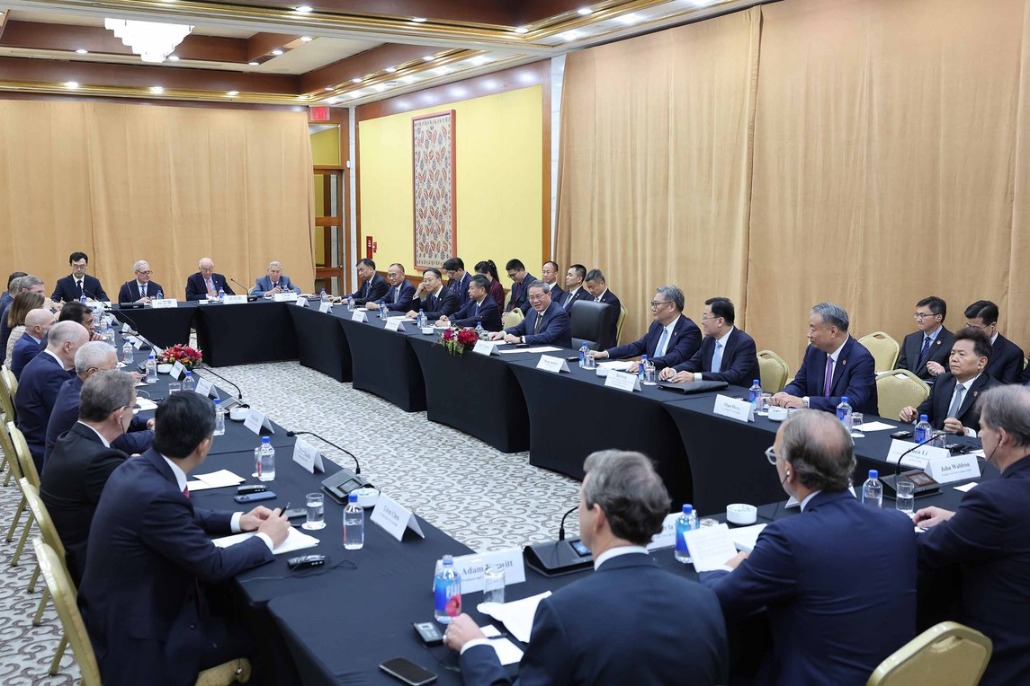
Premier calls for efforts to enhance China-US ties
Premier Li Qiang has emphasized the critical importance of fostering a stable and mutually beneficial relationship between China and the United States. Speaking during a meeting with representatives from key US organizations, including the US-China Business Council, the National Committee on US-China Relations, the US Chamber of Commerce, and the Council on Foreign Relations, Li underscored the necessity for both nations to find a harmonious way to coexist and collaborate. The meeting took place in New York on September 25, 2025, coinciding with the 80th session of the United Nations General Assembly.
Li highlighted that China-US relations are among the most significant bilateral ties globally, urging both countries to act as partners rather than adversaries. He stressed the importance of mutual respect, peaceful coexistence, and win-win cooperation, particularly in the realm of economic and trade relations. The Premier expressed confidence in China’s ability to sustain stable economic growth, which he believes will create opportunities for businesses worldwide, including those from the US.
Reiterating China’s commitment to foreign enterprises, Li pledged to provide greater certainty for their development, regardless of external challenges. He also affirmed China’s dedication to working with the US to stabilize and enhance bilateral economic and trade ties, grounded in principles of equality, respect, and mutual benefit.
The meeting followed a recent phone conversation between Chinese President Xi Jinping and US President Donald Trump, marking their third discussion this year. Both leaders have been actively working to stabilize the relationship between their nations. Sean Stein, president of the US-China Business Council, described the meeting as a crucial platform to address the concerns of the US business community in China and to advance discussions on trade and investment issues.
In a related development, Vice-Foreign Minister Ma Zhaoxu met with US Deputy Secretary of State Christopher Landau in New York. Their discussions focused on China-US relations and regional issues, with Ma emphasizing the importance of the US adhering to the one-China policy to maintain peace and stability across the Taiwan Strait.
-

Champions League football: Why Israel competes in Europe – and what Uefa could do
Amid the ongoing conflict in Gaza, demands for a sporting boycott of Israel have gained momentum across Europe, particularly in football. Several European nations recently recognized Palestinian statehood at the United Nations General Assembly, further fueling the debate. Human rights experts from the UN Human Rights Council (UNHRC) have urged football’s governing bodies to ban Israel, emphasizing that they must not ignore grave human rights violations or allow their platforms to normalize injustices.
-

Rolling back a rising tide of antisemitism
The global landscape is witnessing a concerning rise in antisemitism, which is significantly impacting Israel’s traditional alliances and support base. Countries such as Australia, Britain, Canada, and France are increasingly inclined to recognize a Palestinian state, while the United States, Israel’s long-standing ally, shows a notable decline in public support. According to The Economist, American favorability toward Israel has hit a 25-year low, with 53% of adults holding an unfavorable view. This shift is particularly pronounced among younger evangelicals and Democrats, signaling a broader change in public sentiment. Pro-Palestinian narratives, amplified by harrowing images of Gaza’s devastation, accuse Israel of committing genocide, further polarizing opinions. The absence of a clear Israeli vision for the future of Palestinians exacerbates the situation, allowing groups like Hamas to position themselves as the sole representatives of Palestinian interests. This dynamic is reshaping political discourse in the West, where antisemitism, once taboo, is increasingly normalized. The Vatican’s diplomatic efforts, led by Secretary of State Cardinal Pietro Parolin, aim to foster dialogue, but skepticism remains. As antisemitism resurfaces and Arab states gain influence, Israel faces a critical juncture. To counter this, Israel must address broader geopolitical challenges, articulate a vision for Palestinian self-determination, and strengthen its international alliances. The ongoing conflict in Gaza risks transforming military victories into political losses, echoing historical parallels with the Vietnam War. Ultimately, Israel’s ability to navigate these complexities will determine its future in the region and its relationship with the global Jewish diaspora.
-

China’s K-visa woos STEM talent put off by H-1B fee hikes
China is set to launch its new K-visa scheme on October 1, targeting young foreign professionals in science, technology, engineering, and mathematics (STEM) fields. This initiative comes at a time when global competition for skilled workers is intensifying, particularly as the United States imposes a hefty $100,000 fee on new H-1B visa applications, the primary route for skilled foreign workers to enter the U.S. job market. The K-visa, introduced as part of China’s revised visa rules on August 14, brings the total number of visa categories to 13. It is specifically designed for individuals aged 18 to 25 with a bachelor’s degree or higher from reputable universities or research institutions, particularly in STEM or related fields. The visa is expected to attract specialists in artificial intelligence, quantum communication, and life sciences. Unlike traditional visa schemes, the K-visa does not require applicants to secure a job offer or sponsorship from a Chinese employer. Additionally, it allows holders to bring their spouses and minor children to China and offers flexible terms regarding the number of entries, validity period, and length of stay. Once in China, K-visa holders can engage in various activities, including education, scientific research, entrepreneurship, and business. Liu Shaoshan, director of the Center for Embodied AI at the Shenzhen Institute of Artificial Intelligence and Robotics for Society, highlighted that the K-visa significantly lowers barriers for foreign talent to work and innovate in China. The move contrasts sharply with the U.S. H-1B visa program, which has faced criticism for its high costs and restrictive policies. China’s approach aims to foster global collaboration and innovation, positioning itself as a hub for technological advancement. However, concerns about national security and espionage may pose challenges for some foreign professionals considering the K-visa.
-
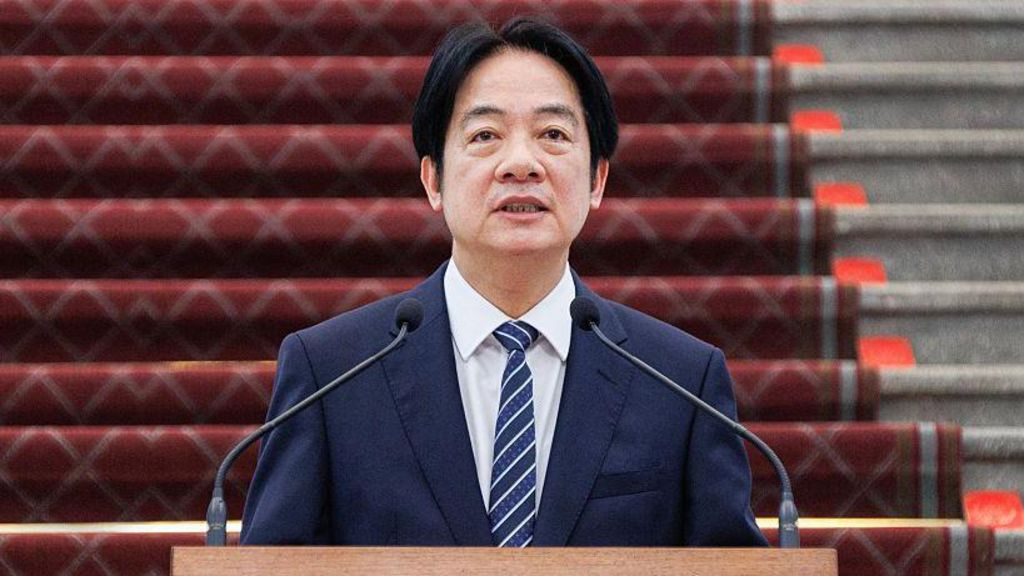
Taiwan convicts ex-presidential aide of spying for China
A Taiwan court has convicted four individuals, including a former presidential aide, for espionage activities on behalf of China. Among the convicted is Huang Chu-jung, a former assistant to a Taipei councillor, who received the harshest sentence of 10 years. The other three, including Ho Jen-chieh, a former staffer in the office of then Foreign Minister Joseph Wu, were sentenced to jail terms ranging from four to 10 years. The court revealed that the espionage activities spanned a significant period and involved the leakage of critical diplomatic intelligence. Huang was accused of instructing Ho to gather information from Wu, which was then transmitted to Chinese Communist Party intelligence using encrypted software. Additionally, Huang collaborated with Chiu Shih-yuan, another ex-DPP staffer, to collect further intelligence, including details about President Lai Ching-te’s travel itineraries. The court disclosed that Huang received nearly NT$5 million from the Chinese government, while Chiu was paid over NT$2 million. The convictions are part of Taiwan’s intensified efforts to combat alleged Chinese espionage, with 64 individuals prosecuted in 2024 alone, a notable increase from previous years. The espionage cases have further strained Taiwan-China relations, with President Lai’s Democratic Progressive Party (DPP) taking a firm stance against China, while the opposition Kuomintang (KMT) advocates for more dialogue. Critics of the DPP accuse the ruling party of using espionage allegations to suppress opposition voices. Meanwhile, China continues to assert its claims over Taiwan, regularly testing the island’s naval and air defenses.
-

Sikh granny deported after ‘unacceptable’ treatment by US immigration
A 73-year-old Sikh grandmother, Harjit Kaur, who had lived in the United States for over three decades, has been deported to India. Kaur, who had unsuccessfully applied for asylum in the US, was arrested by US Immigration and Customs Enforcement (ICE) officials on September 8, causing widespread shock and sympathy within the Sikh community. Kaur moved to California in 1991 with her two young sons to escape political turmoil in Punjab. Despite living and working in the US for years, her asylum attempts were repeatedly denied. Her lawyer, Deepak Ahluwalia, has criticized ICE’s treatment of Kaur, describing it as ‘unacceptable.’ He alleged that Kaur, who has no criminal record, was forced to sleep on the floor for 60-70 hours despite having undergone double knee replacements. She was also reportedly given ice to take medication and denied appropriate food. Kaur was moved to a holding facility in Georgia on September 19 and deported to India on September 22, without the opportunity to bid farewell to her family and friends. Her deportation has sparked outrage in the Sikh community, with protests held in California. Kaur’s case highlights the broader crackdown on immigration under the Trump administration, which has targeted both undocumented immigrants and asylum seekers. Critics argue that even individuals without criminal records, who follow due process, have been affected. Kaur’s story underscores the challenges faced by long-term residents caught in the complexities of US immigration policy.