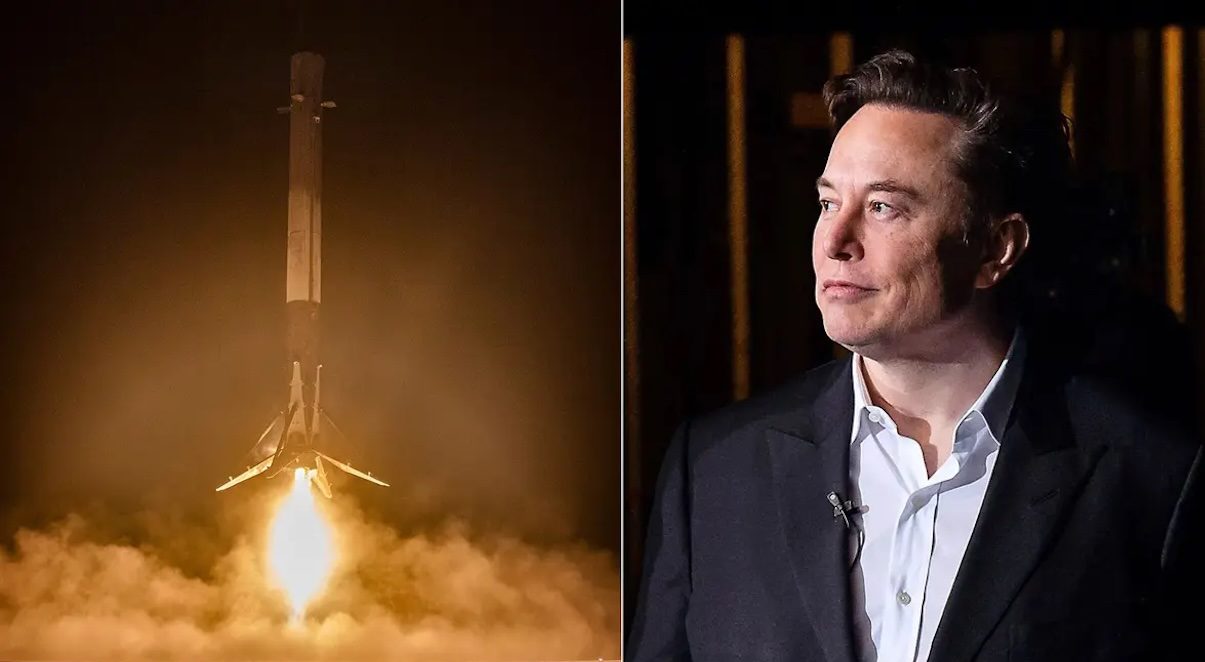
Elon Musk’s SpaceX, a cornerstone of U.S. aerospace and defense, has reportedly accepted direct investments from Chinese investors, according to recently unsealed court testimony. This revelation, disclosed during a legal case involving a major SpaceX investor, Iqbaljit Kahlon, has ignited fresh debates over foreign ownership in one of America’s most critical military contractors. While Chinese investment in U.S. defense contractors is not prohibited, it is tightly regulated due to national security implications. Kahlon’s testimony, though not detailing the extent or identities of the Chinese investors, confirms their presence on SpaceX’s capitalization table, a list of shareholders. This marks the first acknowledgment of direct Chinese investment in the privately held company, which has long kept its ownership structure under wraps. Previously, Chinese investors were known to hold indirect stakes in SpaceX through intermediary funds. The disclosure has raised alarms among national security experts, who warn that such investments could provide China with access to sensitive information, potentially compromising U.S. security. SpaceX, which has secured significant government contracts, including those with NASA and the Pentagon, has not commented on the matter. The testimony emerged from a Delaware court case involving Kahlon, who has facilitated investments in SpaceX for wealthy individuals worldwide, including those from China. The U.S. government’s growing concerns over Chinese investments in sensitive industries have led to increased scrutiny, with House Democrats urging the Department of Defense to investigate SpaceX’s investment practices. Despite these concerns, SpaceX’s valuation continues to soar, with Musk’s 42% stake estimated at $168 billion, solidifying his position among the world’s wealthiest individuals.
标签: Asia
亚洲
-
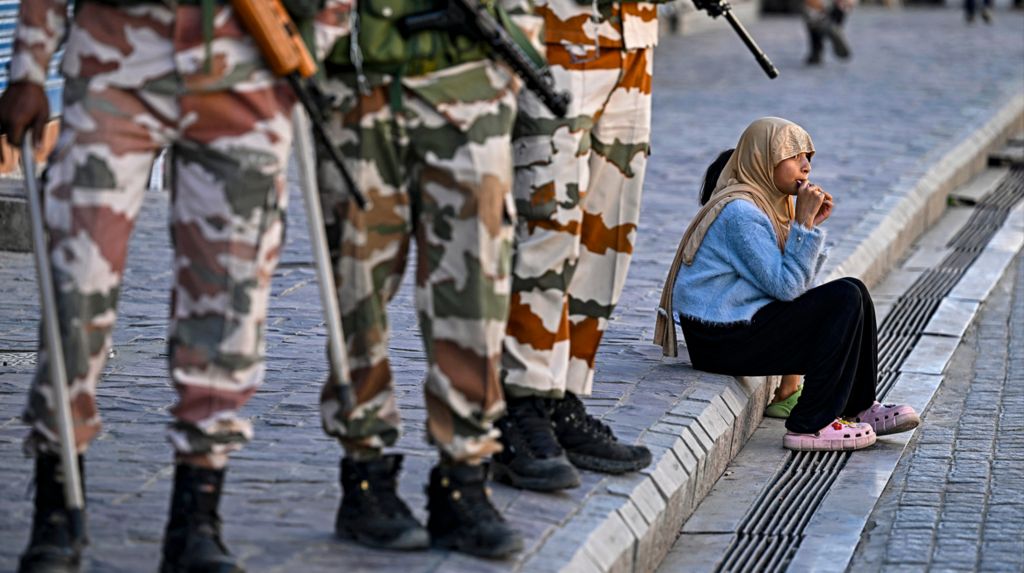
‘Broken promises’ and deadly violence push Himalayan beauty spot to the edge
Ladakh, a serene Himalayan region renowned for its spiritual allure and breathtaking landscapes, has been thrust into turmoil following violent protests demanding greater autonomy from India. Last week, peaceful demonstrations escalated into deadly clashes between protesters and police, resulting in four civilian deaths and over 80 injuries. The unrest marks the deadliest violence in the region in decades. Authorities responded by arresting Sonam Wangchuk, a prominent scientist and activist accused of inciting the crowd, and imposing a curfew in Leh, Ladakh’s capital. Internet services were cut, and paramilitary troops were deployed to restore order. The protests stem from long-standing grievances over the region’s political status and cultural preservation. In 2019, Ladakh was separated from Indian-administered Kashmir and placed under direct federal rule, a move initially welcomed by residents who hoped for greater autonomy. However, disillusionment grew as promises of economic development and cultural protection remained unfulfilled. The region’s Buddhist and Muslim communities, historically divided, have united in their demand for statehood, job quotas, and inclusion in the Sixth Schedule, which grants protections to tribal areas. The recent violence has deepened mistrust and fear among locals, with many accusing the government of prioritizing industrial interests over their rights. Political and defense experts warn that further escalation could destabilize this strategically sensitive region, which borders both China and Pakistan. Despite the crackdown, protesters vow to continue their struggle peacefully, emphasizing their demands are rooted in legitimate concerns for their identity and future. The road to reconciliation remains uncertain, with hundreds of soldiers stationed in Leh and many protesters fearing reprisals.
-
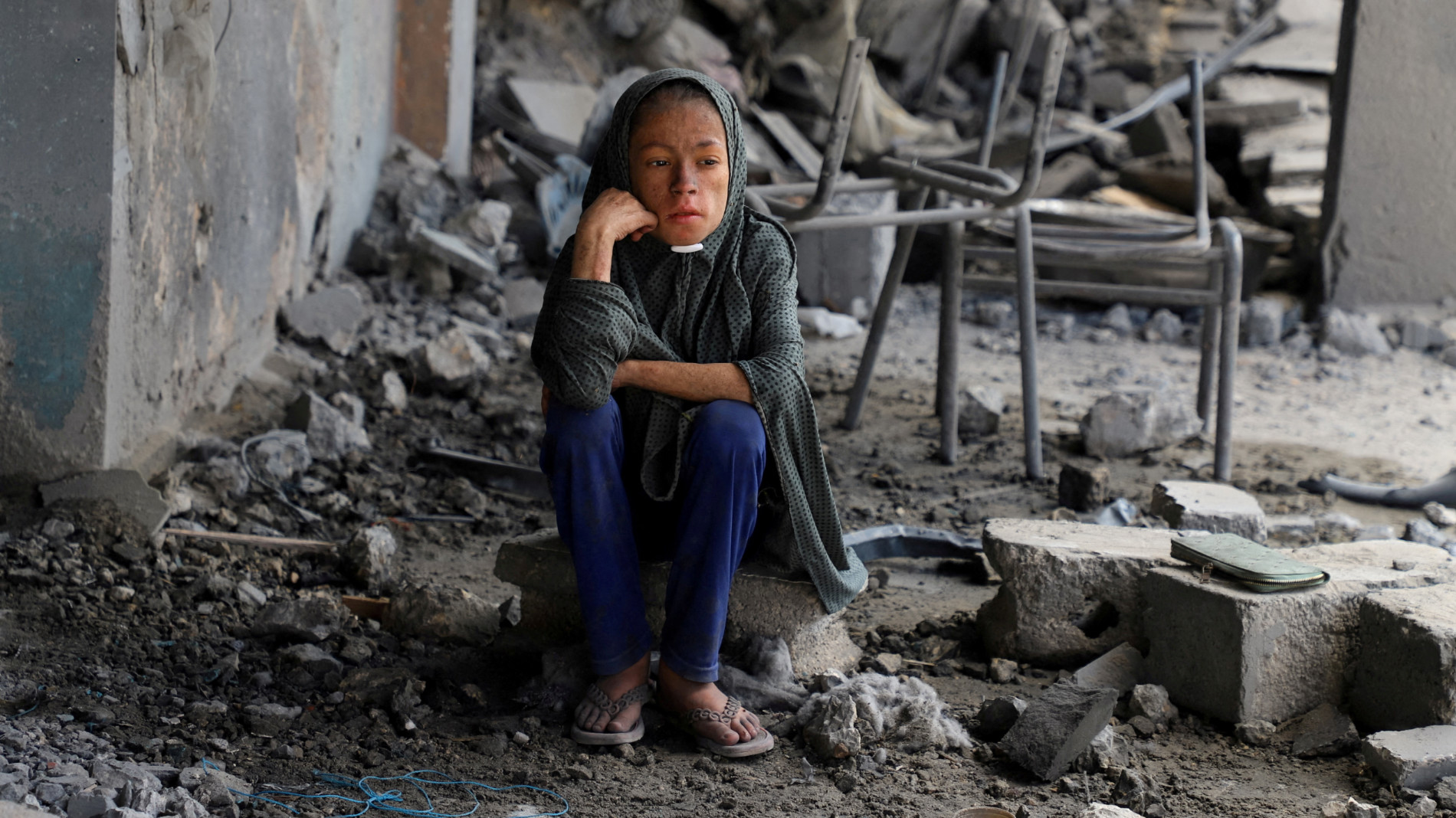
Growing up amid genocide: Gaza’s girls navigate puberty under siege and scarcity
In the midst of relentless Israeli air strikes, young girls in Gaza are enduring not only the horrors of war but also the profound challenges of puberty. This pivotal stage of life, marked by significant physical and emotional changes, is exacerbated by the dire conditions of the besieged enclave. With families struggling to survive, essential resources like menstrual products, clean water, and private spaces are scarce, leaving girls to navigate this transition in isolation and distress. Dima Mohammed, a 12-year-old displaced in Gaza City, shared her shock and unpreparedness for the onset of puberty, highlighting the scarcity of hygiene supplies and the overwhelming focus on survival. Her mother lamented the lack of medical care and the compounded physical and psychological suffering caused by the war. Similarly, Maryam Ahmed, another 12-year-old, expressed her unpreparedness for puberty, both mentally and physically, as her mother recounted the impossibility of providing the usual support and celebration due to the war’s devastation. The United Nations Population Fund (UNFPA) estimates that around 691,300 women and girls of menstruating age are living in Gaza, with a monthly need for approximately 10,369,500 menstrual pads. However, the Israeli blockade has severely restricted the entry of hygiene supplies, making these products either unavailable or unaffordable. Many women and girls have resorted to makeshift alternatives, such as torn pieces of cloth, further stripping them of dignity. Palestinian psychologist Anhar Farajallah emphasized the heightened physical and emotional risks faced by girls entering puberty under such conditions, noting the lack of privacy, clean water, and essential hygiene products. Umm Ibrahim, a displaced mother in Gaza City, spoke of her daughter’s severe abdominal pain during menstruation and the unaffordable cost of sanitary pads. Eleven-year-old Maria Sharif, despite being prepared by her mother, expressed her feelings of adding a burden to her family due to the high cost of sanitary pads, resorting to improvised alternatives. The war has not only disrupted the lives of these young girls but has also robbed them of the support and resources needed to navigate this crucial stage of life.
-
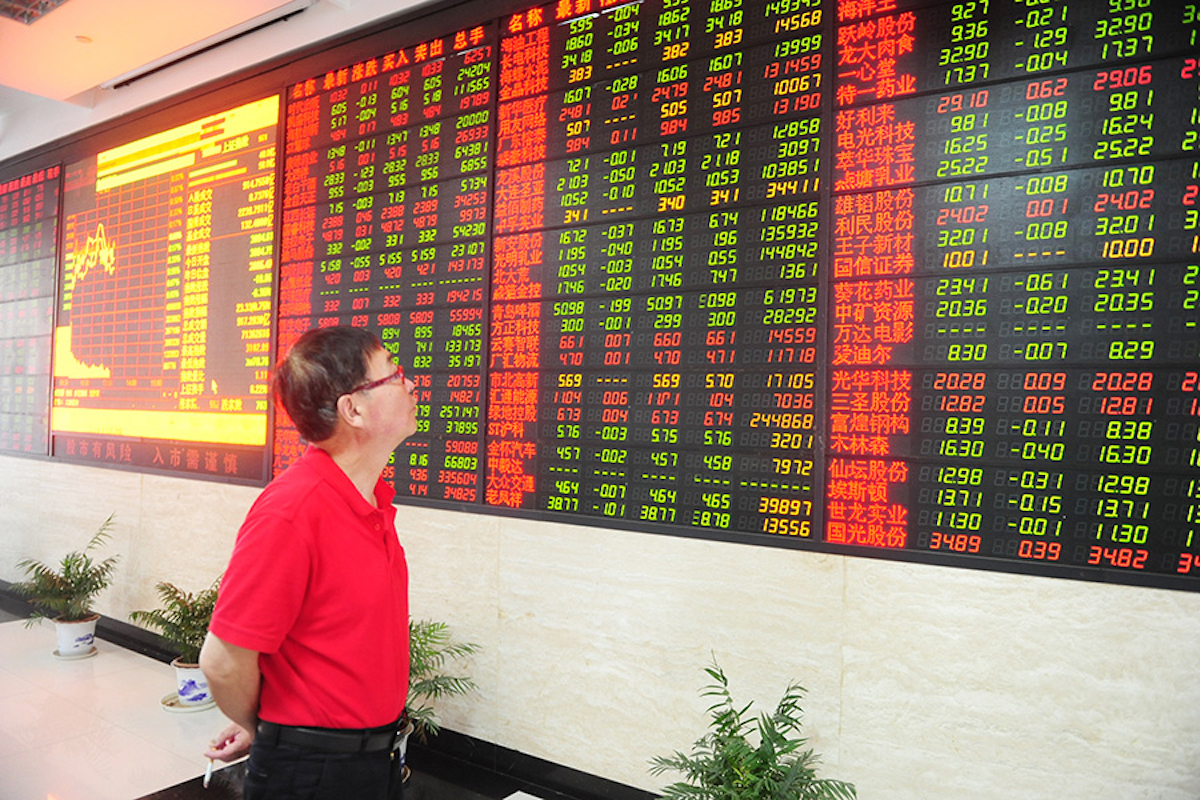
China’s $3 trillion stock rally is outrunning its economy
China’s equity markets have experienced one of their most significant rallies in recent years, with a combined market capitalization increase exceeding US$3 trillion across mainland China and Hong Kong. The CSI 300 index has soared by approximately 16% in 2025, while technology indices have reached their highest levels in a decade. This surge is primarily driven by retail investors, who, bolstered by substantial savings and state-backed liquidity support, are leading the charge. Despite slowing industrial output growth and underwhelming retail sales figures, investors are focusing on China’s long-term economic transformation, shifting away from property dependence toward innovation, advanced manufacturing, and green technology. This rally is distinct from previous speculative cycles, reflecting a deeper confidence in structural reforms and the government’s strategic direction. Individual investors dominate trading volumes, accounting for nearly 90% of daily flows, while Beijing’s efforts to deepen capital markets through policy support and foreign participation are further fueling the momentum. Although certain sectors, such as biotech and AI-linked firms, appear overvalued, the overall rally is seen as a sign of capital aggressively seeking exposure to China’s future economic drivers. The state’s active role in guiding this transition underscores the rally’s sustainability, with measures like widening access to stock options and strengthening market infrastructure laying the groundwork for long-term institutional participation. While caution is advised due to macroeconomic uncertainties and external pressures, the rally signals investors’ belief in China’s ability to reinvent its growth model. If reforms translate into tangible results, this surge could mark the early stages of a transformative economic evolution.
-
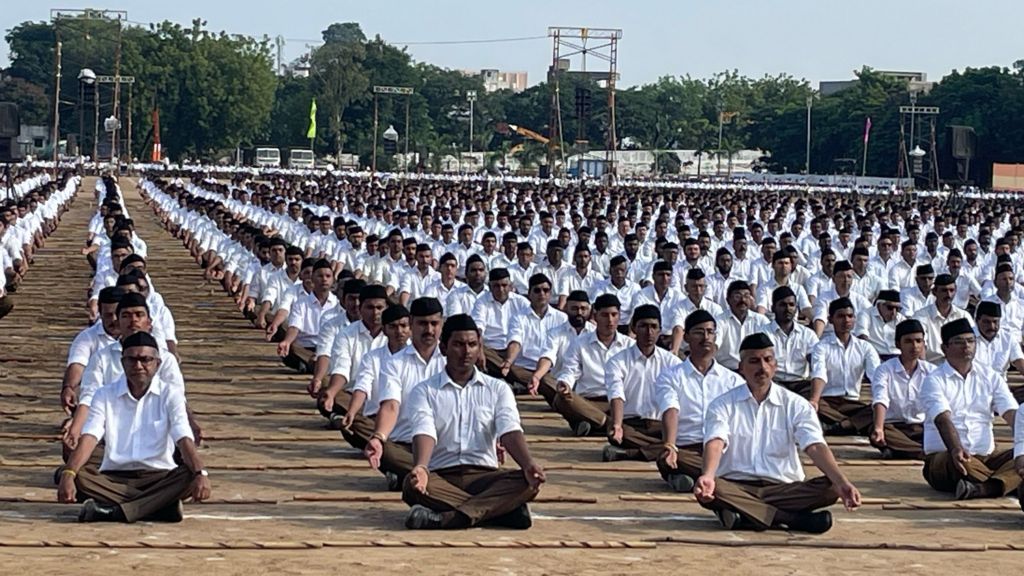
India’s most powerful Hindu nationalist organisation marks centenary
The Rashtriya Swayamsevak Sangh (RSS), a prominent Hindu nationalist organization and a key ideological force behind Indian Prime Minister Narendra Modi’s rise to power, celebrated its 100th anniversary with a grand event attended by thousands of volunteers. The centenary celebrations, held at the RSS headquarters in Nagpur, saw 3,800 participants donning the organization’s iconic khaki uniforms and performing synchronized exercises in a military-like formation. RSS chief Mohan Bhagwat addressed the gathering, touching on topics ranging from India’s recent conflict with Pakistan to climate change and economic inequality. He emphasized interdependence among nations, echoing Modi’s advocacy for self-reliance in the face of global challenges. Despite its claims of being a non-political entity, the RSS wields significant influence in Indian politics, particularly through its ties to the ruling Bharatiya Janata Party (BJP). Founded in 1925 by Keshav Baliram Hedgewar, the RSS has grown into the world’s largest volunteer organization, though its membership numbers remain undisclosed. Critics accuse the RSS of promoting divisive ideologies, particularly its alleged Islamophobia and exclusionary stance toward non-Hindus. The organization’s history is marred by controversies, including its involvement in the 1992 demolition of the Babri Mosque, which triggered nationwide riots. While the RSS has recently sought to soften its image through public outreach, minority communities remain skeptical of its core belief that India is primarily for Hindus. Prime Minister Modi, a former RSS member, lauded the organization during the celebrations and released commemorative stamps and coins, drawing criticism from opposition parties.
-
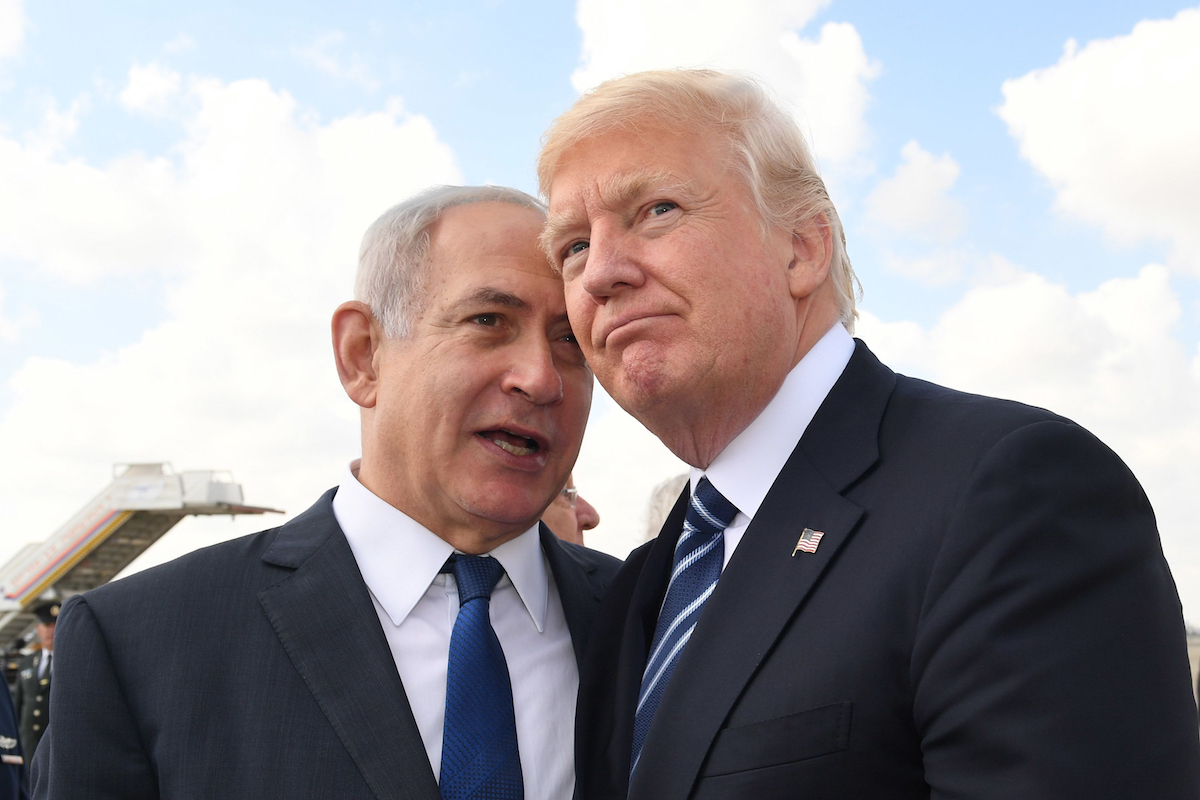
Gaza gambit: peace plan or prelude to escalation?
President Donald Trump’s recently unveiled 21-point plan for resolving the Israel-Palestine conflict has been framed as a bold and unprecedented initiative. The proposal includes a ceasefire, the release of hostages, Palestinian governance under international supervision, and the eventual possibility of statehood. While Israel has provisionally endorsed the plan, Hamas has predictably rejected it. On the surface, the plan appears to balance Israeli security concerns with Palestinian aspirations. Trump has vowed to block Israeli annexation of the West Bank, called for the dismantling of Hamas’s military wing, and left the door open to a two-state solution—positions that might once have been considered centrist. However, beneath the diplomatic veneer lie significant risks that could undermine both the plan and U.S. credibility. The Israel-Palestine conflict is not merely a governance or security issue but a deeply rooted ethnic and national dispute, with both Jewish Israelis and Palestinian Arabs asserting historical and territorial claims to the same land. Any peace framework that overlooks this fundamental reality risks addressing symptoms while leaving the underlying grievances unresolved. This is why past attempts, from the Oslo Accords to the Camp David Summit, have faltered, and why Trump’s rapid-fire blueprint may struggle to gain legitimacy across both communities. The plan’s governance model, which places Gaza under a technocratic Palestinian committee supervised by an international “Board of Peace” chaired by Trump himself, raises sovereignty concerns. Palestinians may perceive this as foreign control, while Arab partners could resist what appears to be a trusteeship arrangement. Trump’s promise to block West Bank annexation could also fracture Israeli politics, alienating hard-right factions in Netanyahu’s coalition. Furthermore, the plan’s vagueness on key issues such as prisoner exchanges, demilitarization, and international enforcement risks disputes at every step. These gaps carry significant dangers, including overpromising a quick peace that may inflame grievances, straining U.S. military readiness if enforcement falls on American troops without congressional or allied backing, triggering regional escalation from Iran, Hezbollah, or other militias, and undermining U.S. credibility if adversaries see the effort as rushed or unsustainable. The stakes were heightened when Defense Secretary Pete Hegseth summoned every U.S. general to a closed-door meeting days before Trump unveiled his plan. To supporters, this demonstrated strength and unity behind a serious push for peace. To critics, it appeared more like coercion than diplomacy. The European Union has also expressed cautious skepticism toward Trump’s plan, with several EU countries, including France, Luxembourg, and Belgium, recently recognizing Palestinian statehood. EU officials have stressed that any plan must uphold international law, ensure equitable treatment of both Israelis and Palestinians, and avoid unilateral impositions. Trump’s approach, which is rapid, top-down, and heavily reliant on U.S. enforcement, has prompted European leaders to warn that it could disrupt ongoing mediation efforts and complicate Europe’s role as a neutral broker. Analysts suggest that if the plan is implemented without EU coordination, it may provoke diplomatic friction and further politicize international recognition of Palestine, amplifying geopolitical tensions. Both China and Russia are maneuvering to exploit the situation. For Beijing, stability in the region protects energy flows and Belt and Road Initiative investments. China positions itself as a peace broker while quietly deepening its regional energy ties. However, an American-led “Board of Peace” sidelines its influence, and Chinese officials are likely to denounce the plan as neo-colonial. Moscow, on the other hand, stands to gain if the plan falters. Russia has long courted Hamas and Iran, presenting itself as a counterweight to Washington. Failure would reinforce its narrative that U.S. peace efforts are militarized and self-serving, while success would be framed as exclusionary, monopolizing diplomacy at others’ expense. In the complex and volatile Middle East, Trump’s initiative is a high-stakes gamble. The region’s crowded geopolitical chessboard leaves little margin for error. Trump’s plan could either pave the way for peace if Hamas capitulates or trigger escalation if it resists. Rivals are already positioning themselves to exploit the aftershocks. The world is left with a paradox: a peace plan that risks seeding more conflict, and a superpower asserting control even as its influence is contested. Trump’s Gaza blueprint is seen as decisive leadership in Washington, strategic overreach in Brussels, Moscow, and Beijing, and yet another imposition from afar in the Middle East. The real question is not whether Trump’s plan can deliver peace, but whether the players are prepared to accept rules imposed by one hand.
-
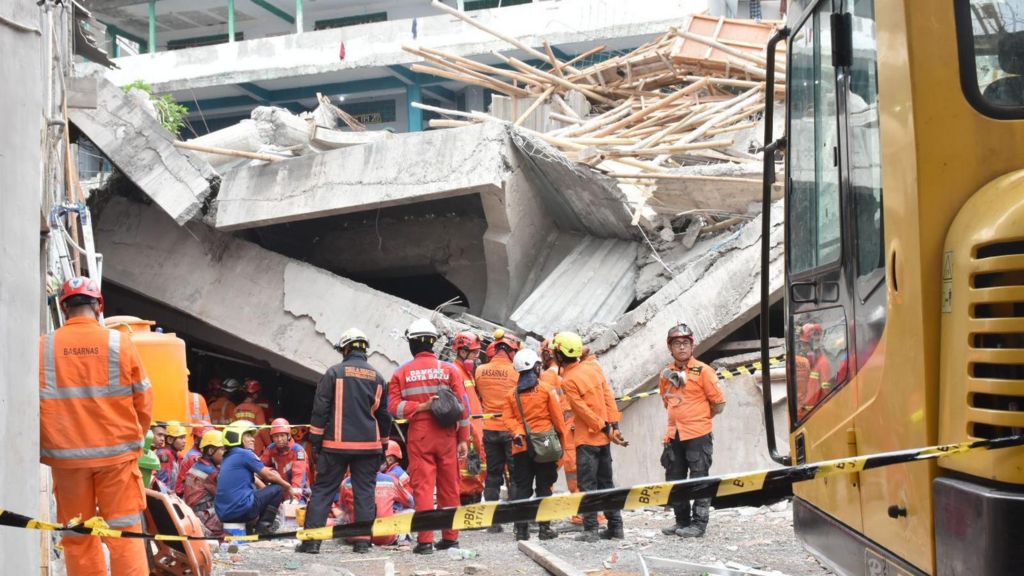
‘No signs of life’ for dozens missing in Indonesia school collapse
In a grim turn of events, Indonesia’s National Search and Rescue Agency (BNBP) has announced the transition to heavy machinery in the ongoing rescue mission at the site of a collapsed Islamic boarding school in Sidoarjo. The two-storey building, which was under construction with additional floors being added, crumbled on Monday, trapping hundreds of students, predominantly teenage boys, beneath its wreckage. So far, the tragedy has claimed the lives of at least five students, left approximately 100 injured, and left 59 individuals unaccounted for. Despite initial hopes, thermal drone scans conducted on Thursday revealed no signs of life beneath the rubble. Rescue efforts have been severely hampered by the unstable structure of the building, which collapsed due to an overburdened foundation. BNBP head Lt Gen Suharyanto stated that the team had cleared the area for silence in a desperate attempt to detect any signs of life but found none. The next phase of operations will involve using cranes and cutting equipment to remove concrete slabs, a risky move previously avoided due to fears of further collapse. The school’s management had reportedly failed to secure the necessary permits for the additional floors, raising questions about regulatory oversight. As anxious relatives continue to camp outside the site, authorities grapple with fluctuating casualty figures, a common challenge in the chaotic aftermath of such disasters.
-
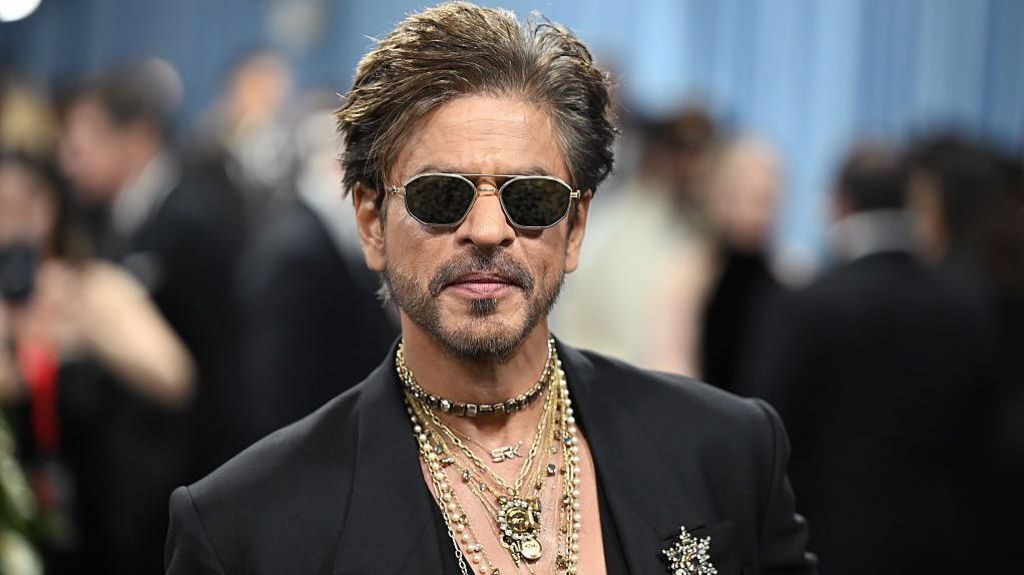
Bollywood superstar Shah Rukh Khan enters the billionaire club
Bollywood icon Shah Rukh Khan has achieved a monumental milestone by entering the billionaire club, marking his debut as one of the world’s wealthiest actors. According to the Hurun India Rich List 2025, the 59-year-old superstar boasts a net worth of $1.4 billion (£1.03 billion), placing him among global luminaries like Arnold Schwarzenegger, Rihanna, Tiger Woods, and Taylor Swift. Known as Bollywood’s ‘King of Romance,’ Khan has spent over three decades in the Hindi film industry, evolving from a celebrated actor to a powerhouse entrepreneur. His wealth is primarily driven by his stakes in Red Chillies Entertainment, his production company, and Knight Rider Sports, his IPL cricket team. Additional income streams include film earnings, endorsements, and global real estate investments. Khan’s billionaire status underscores a broader shift in India’s economic landscape, where sports, entertainment, and intellectual property-driven businesses are emerging as significant wealth generators. This mirrors trends seen in the U.S., where celebrity-led brands and sports-team owners now dominate rich lists. While other Bollywood figures like Juhi Chawla, Hrithik Roshan, and Karan Johar also feature on the list, Khan’s wealth far surpasses theirs. India’s billionaire count has surged past 350 this year, with Mukesh Ambani and Gautam Adani retaining the top spots. Khan’s ascent reflects not only his enduring appeal but also the evolving dynamics of wealth creation in modern India.
-
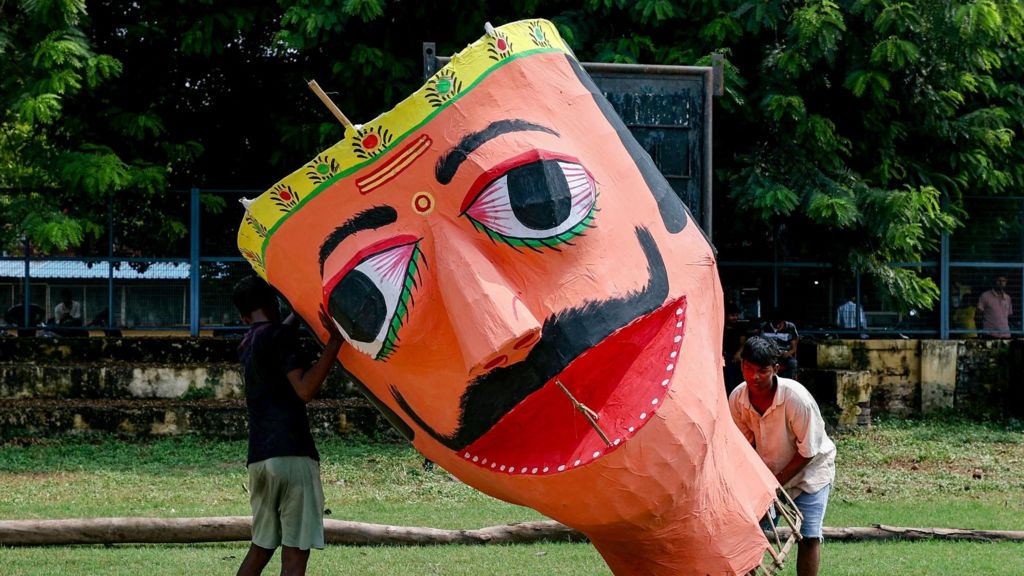
In pictures: Celebrations across India as devotees mark Dussehra festival
Millions across India are immersed in the vibrant celebrations of Dussehra, one of Hinduism’s most significant festivals, symbolizing the eternal victory of good over evil. This festival, observed on the tenth day of the seventh month in the lunar calendar, commemorates Lord Ram’s triumph over the ten-headed demon king Ravan. The festivities are preceded by Navratri, a nine-night period dedicated to worshipping the Hindu goddess Durga in her various forms.
-
When Beijing makes a climate pledge, the world should listen
In a revealing exchange at a climate conference, a Chinese delegate once explained why Beijing chose ‘carbon neutrality’ over more fashionable terms like ‘climate neutrality’ or ‘net zero’: ‘Because we know what it means.’ This response underscores China’s pragmatic approach to climate commitments—unlike many nations that set lofty goals without clear plans. China’s latest pledge, to cut greenhouse gas emissions by 7-to-10% by 2035 as part of its Paris Agreement commitments, is more significant than it might appear. While other countries often rely on aspirational targets to drive climate discussions, China’s track record suggests it only promises what it can deliver. Having pledged to peak emissions this decade, barely 50 years after industrialization, China is on track to achieve this and emerge as a global leader in renewable energy and electric vehicles. A recent study published in *Nature Communications* by climate scientists Junting Zhong and colleagues provides context for China’s announcement. Their ‘reality-aligned scenario’ outlines a plausible pathway for global emissions, with China’s carbon dioxide emissions peaking soon and nearing zero by 2060. The study highlights the importance of understanding China’s contributions to global temperature goals, particularly through methane reductions and land-use changes. Despite its relevance, the study received little attention, overshadowed by a controversial U.S. Department of Energy review. This oversight is a missed opportunity, as China’s targets are grounded in practicality and intent, setting a precedent for others to follow. President Xi’s call to ‘do better’ applies not just to nations but to scientists and policymakers worldwide, urging them to focus on actionable solutions rather than distractions.