标签: Asia

亚洲

  • China halts US soybean imports to hit Trump’s MAGA supporters

    China halts US soybean imports to hit Trump’s MAGA supporters

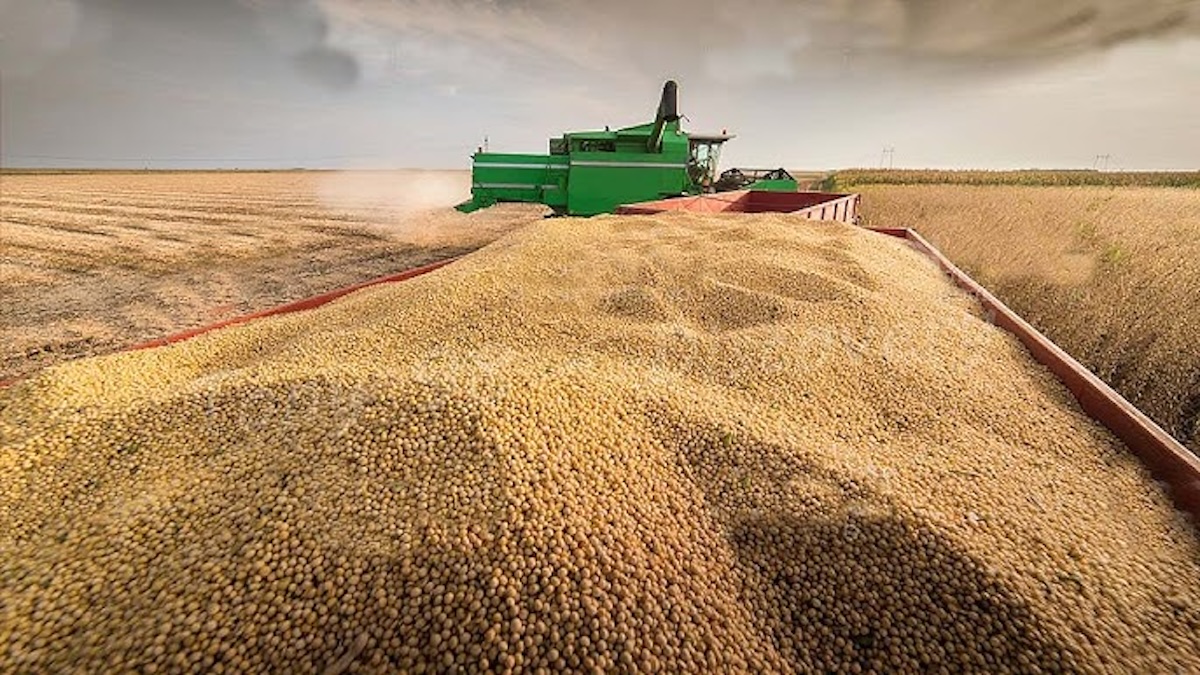
    In a strategic move amid escalating trade tensions, China has ceased its purchases of US soybeans in recent months, significantly impacting the agricultural trade relationship between the two nations. This decision has sent shockwaves through America’s farming community, particularly as both countries prepare for a potential meeting between US President Donald Trump and Chinese President Xi Jinping later this month, though plans remain unconfirmed.

    President Trump expressed his concerns in a social media post on October 1, stating, ‘The soybean farmers of our country are being hurt because China is, for ‘negotiating’ reasons only, not buying.’ He added that the US would allocate a portion of tariff revenues to support affected farmers.

    Historically, the soybean trade has been a cornerstone of Sino-US agricultural cooperation. Following China’s 2001 accession to the World Trade Organization, the country removed import quotas and imposed a uniform 3% tariff, leading to a surge in US soybean imports. However, the trade war initiated by the Trump administration in 2018 caused a significant decline, with imports dropping from 32.58 million tons in 2017 to 16.64 million tons in 2018. Despite a brief stabilization, the 2022 pandemic further disrupted supplies, prompting China to diversify its sourcing to Brazil and Argentina.

    In 2025, US soybean exports to China plummeted to 218 million bushels from January to August, with no deliveries recorded in June, July, and August. This stark decline contrasts with the 985 million bushels shipped in the previous year, which accounted for 51% of the US’s total soybean exports.

    Brazil, the world’s largest soybean producer, is expected to harvest 169 million metric tons in the 2024/25 crop year, representing approximately 40% of global output. The US, with a crop of 119 million tonnes, accounts for 28%, meaning the two countries together supply 68% of the world’s soybeans.

    A columnist under the pseudonym ‘Old Farmer’ on Guancha.cn criticized the trade standoff, stating, ‘American soybean farmers have become the sacrificial victims of their own domestic political struggle.’ He argued that the tariff war carries limited economic meaning but significant political implications, reflecting the deep ideological rift in the US.

    Wang Chong, director of the Center for American Studies at Zhejiang International Studies University, noted that China’s halt in soybean imports has deeply affected farmers in states like Illinois, Iowa, and Minnesota, which are strongholds of Trump’s MAGA movement. He suggested that China could use soybean imports as a bargaining chip in trade talks, seeking concessions such as easing restrictions on chip export controls or opening the US market to Chinese electric vehicles.

    The US-China trade standoff intensified on April 2 when Trump announced a plan to impose reciprocal tariffs on all countries, warning of heavier duties for any nation retaliating against the US. Although both sides agreed on May 12 to ease the confrontation, Chinese goods continue to face tariffs ranging from 30% to 50% in the US, while US exporters pay a 10% tariff in China.

    The current trade truce is set to expire on November 10 if negotiations fail to progress. Meanwhile, Beijing has ordered its importers not to purchase any US soybeans since May. Chinese Foreign Ministry spokesperson Guo Jiakun emphasized the need for consultation based on equality, respect, and mutual benefit.

    In response to the mounting pressure on farmers, the Trump administration is reportedly preparing a $10 billion bailout package to offset losses in export markets. US Treasury Secretary Scott Bessent criticized China’s decision to use American soybean farmers as pawns in trade negotiations.

    The halt in China’s soybean purchases has significantly impacted US exports to China, which fell 16.8% in the three months between June and August 2025 compared to the same period last year. This decline underscores the broader implications of the ongoing trade tensions between the two economic giants.

  • Chinese EV giant BYD sees UK sales soar by 880%

    Chinese EV giant BYD sees UK sales soar by 880%

    Chinese automotive giant BYD has achieved a remarkable milestone in the UK, with its sales skyrocketing by 880% in September compared to the same period last year. The company sold 11,271 vehicles in the UK last month, with the plug-in hybrid version of its Seal U sports utility vehicle (SUV) leading the charge. This surge has positioned the UK as BYD’s largest market outside China, underscoring the growing demand for electric vehicles (EVs) in the region.

  • Controversial Israeli minister visits UK as colleague invites Tommy Robinson to Israel

    Controversial Israeli minister visits UK as colleague invites Tommy Robinson to Israel

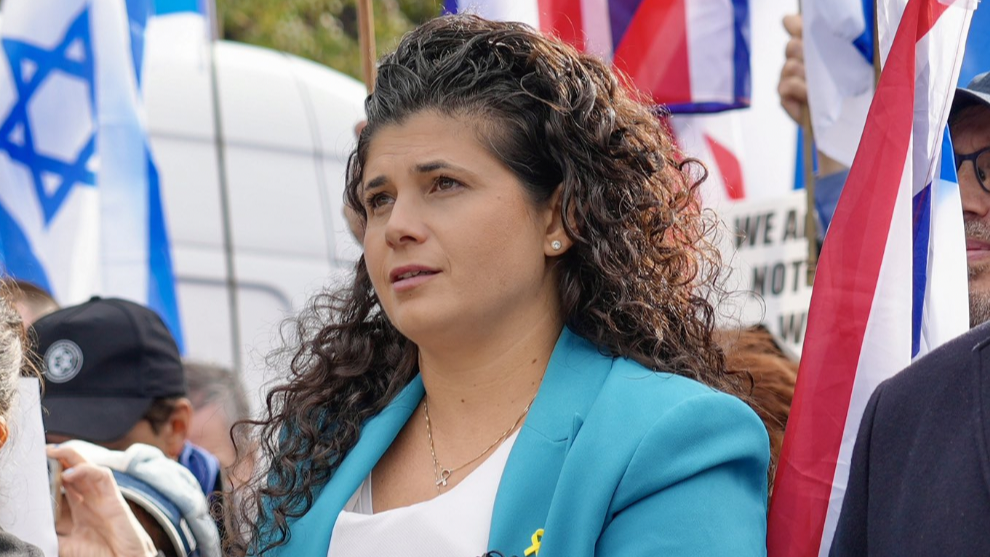
    In a striking display of defiance and concern, Israel’s Deputy Minister of Foreign Affairs, Sharren Haskel, addressed a crowd in Manchester on Sunday while wearing a bulletproof vest. Her appearance came just days after her colleague, Diaspora Minister Amichai Chikli, invited far-right activist Tommy Robinson to Israel, sparking widespread controversy. Haskel’s visit followed a deadly attack on a Manchester synagogue on October 2, which left two dead and four wounded. Greater Manchester Police later admitted to shooting one of the victims, further intensifying tensions. Speaking to hundreds of mourners, Haskel declared, ‘Here as a Jew, I am not safe in your streets,’ emphasizing the threats faced by Jewish communities globally. She framed her bulletproof vest as a symbol of strength and unity, stating, ‘Wherever Jews are threatened, we stand united.’ Haskel’s presence in the UK has been contentious. Earlier this year, she faced condemnation from British parliamentarians for secretly filming them during a visit to Israel and posting disparaging remarks on social media. Despite this, she was permitted entry into the UK last week. Her visit coincided with Chikli’s announcement to host Tommy Robinson, a convicted criminal and far-right figure, in Israel. Robinson, whose real name is Stephen Yaxley-Lennon, has a history of stoking anti-Islamic sentiment and has been accused of antisemitism. Haskel defended Chikli’s decision, claiming that ‘people are entitled to speak their minds,’ while also calling for stronger measures against antisemitism in the UK. Chikli’s invitation to Robinson has drawn criticism from major British Jewish organizations, including the Board of Deputies of British Jews and the Jewish Leadership Council, who argue that Robinson’s presence undermines efforts to combat extremism. Chikli, however, has dismissed these concerns, labeling the Board as ‘openly aligned with left-wing, woke, pro-Palestinian parties.’ Meanwhile, Haskel met with UK Conservative Party leader Kemi Badenoch to discuss the alarming rise in antisemitism across Europe. She also addressed the Conservative Friends of Israel reception at the party’s annual conference, reinforcing her commitment to protecting Jewish communities worldwide.

  • Chautauqua: Finding freedom on China’s highways

    Chautauqua: Finding freedom on China’s highways

    The concept of the open road has long been a symbol of freedom, adventure, and self-discovery, deeply ingrained in American culture. From iconic road songs like ‘Born to Be Wild’ and ‘Desperado’ to classic road films such as ‘Easy Rider,’ the highway has represented the ultimate pursuit of liberty. However, this narrative is no longer exclusive to the United States. China, with its rapidly expanding highway network of 190,000 kilometers—more than twice that of the U.S.—has embraced the allure of the open road, offering a new frontier for exploration and transformation.

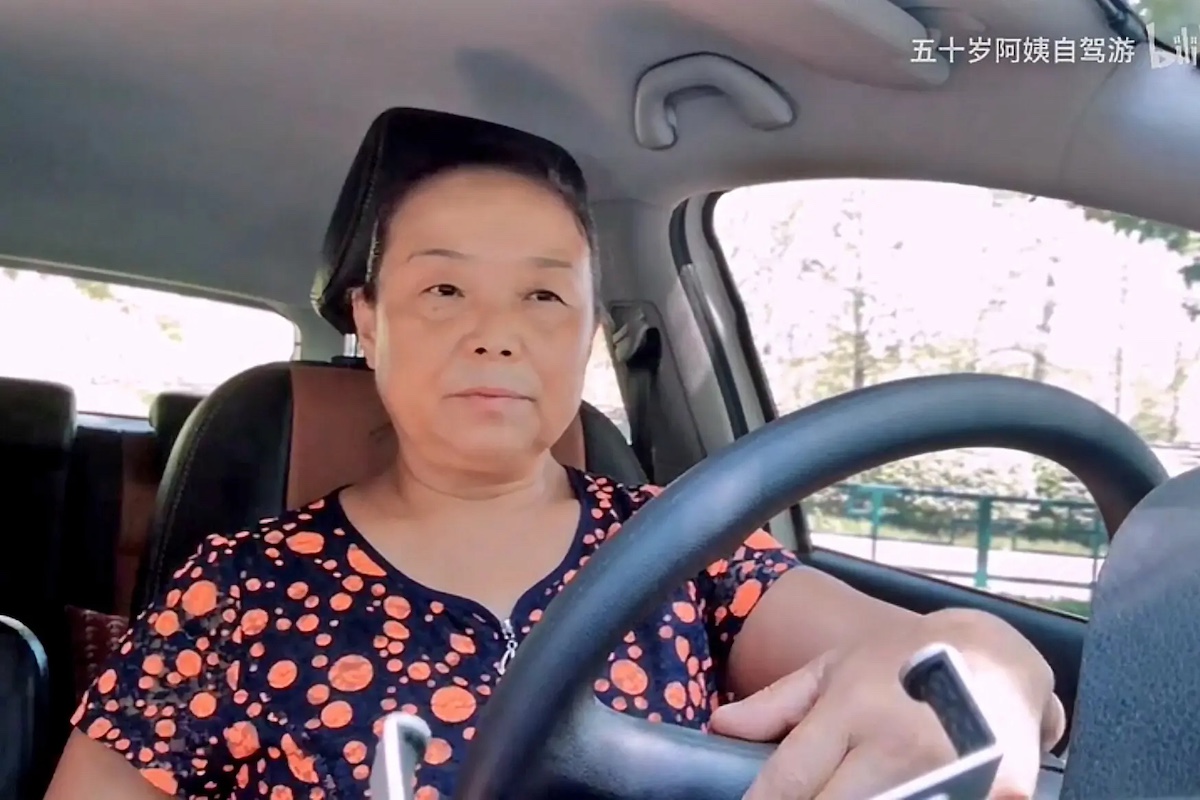
    China’s highways, built over the past three decades, now host over 350 million vehicles, including 81 million motorcycles. This infrastructure has become a canvas for stories of personal liberation, exemplified by figures like Auntie Su Min, who abandoned a life of domestic drudgery to embark on a solo journey across the country. Her viral Douyin videos captured the hearts of millions, showcasing the freedom and beauty of China’s diverse landscapes. Su Min’s story, later adapted into the film ‘Like a Rolling Stone,’ highlights the evolving nature of freedom in China—a freedom earned through responsibility and resilience, rather than assumed recklessness.

    Unlike the American road narrative, which often intertwines with themes of alienation, nihilism, and loneliness, China’s road culture is marked by a communal ethos and a supportive vibe. Travelers like Su Min find solace in the country’s advanced infrastructure, intelligent highways, and a genteel citizenry. The Chinese road experience is less about escaping societal constraints and more about rediscovering oneself within a connected and evolving society.

    As China’s highways continue to beckon, they offer a unique perspective on freedom—one that contrasts sharply with the American ideal. While the U.S. road dog may grapple with the price of isolation, China’s road warriors find liberation in the collective journey, proving that the open road can mean different things in different cultures. The highways of China are not just pathways to physical destinations but also to personal and societal transformation.

  • Shoe thrown at India’s top judge in religious row

    Shoe thrown at India’s top judge in religious row

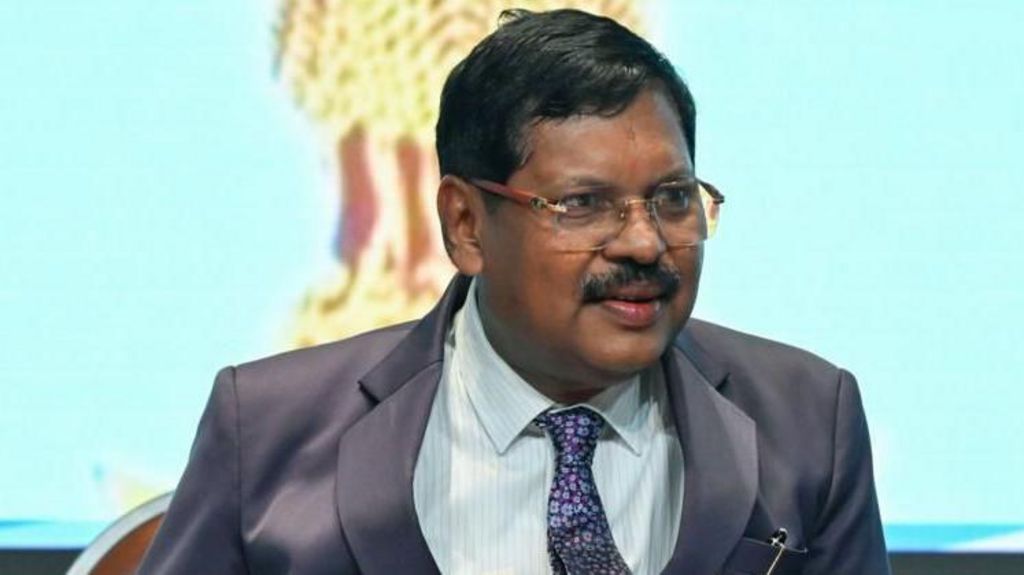
    In a shocking incident that has sparked widespread condemnation, an Indian lawyer, Rakesh Kishore, hurled a shoe at Chief Justice BR Gavai during a court proceeding in New Delhi on Monday. The act, widely regarded as a grave insult and security breach, occurred after Kishore allegedly took offense at remarks made by the judge concerning Hinduism. Witnesses confirmed that the shoe narrowly missed the Chief Justice and another judge before landing behind them. Kishore was heard shouting, ‘India won’t tolerate insult to Sanatan Dharma [Hinduism],’ as he was escorted out by security personnel. He has since been suspended from legal practice. Despite the disruption, Chief Justice Gavai remained composed, instructing lawyers to continue their arguments without distraction. The incident has drawn sharp criticism from across the political spectrum, with Prime Minister Narendra Modi labeling it ‘utterly condemnable.’ While the specific remarks that provoked Kishore remain unclear, some reports suggest they may be linked to a recent court petition dismissed by a bench led by Justice Gavai, during which he made comments about the Hindu deity Vishnu. The Chief Justice has not publicly addressed the incident, and Indian authorities have stated that no charges will be filed against Kishore. This episode underscores the sensitivity surrounding religious sentiments in India and raises concerns about courtroom security.

  • No 10 denies government involved in collapse of China spying case

    No 10 denies government involved in collapse of China spying case

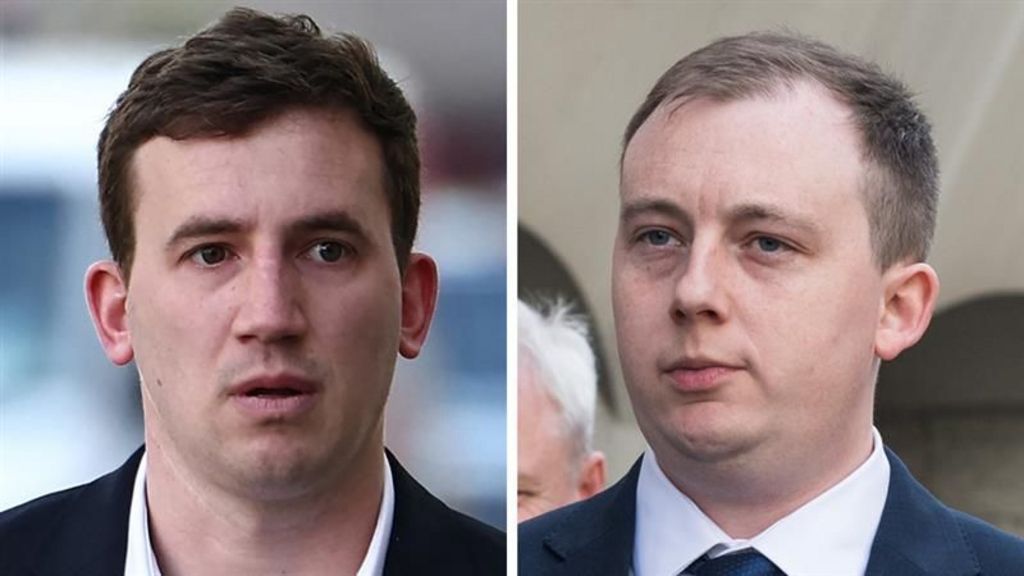
    The UK government has firmly rejected allegations of its involvement in the collapse of a high-profile prosecution against two men accused of espionage for China. Christopher Cash, a former parliamentary researcher, and Christopher Berry were charged under the Official Secrets Act in April 2024, accused of gathering and sharing state-sensitive information between December 2021 and February 2023. However, the charges were unexpectedly dropped in September, sparking criticism from ministers and MPs. Downing Street has denied claims that the government withheld evidence or influenced the decision, emphasizing that the Crown Prosecution Service (CPS) acted independently. The CPS stated that the case could no longer proceed as the evidence no longer met the required legal threshold. The decision has raised concerns about national security, with MPs warning that it could leave Parliament vulnerable to espionage. Conservative MP Alicia Kearns, who previously employed Cash, described the collapse of the trial as ‘inexplicable’ and suggested that external factors may have influenced the CPS’s ability to prosecute. The case has also reignited debates over the UK’s relationship with China, particularly as the Labour government seeks to strengthen trade ties with Beijing. Foreign Secretary David Lammy’s visit to China in October 2024 highlighted this shift, as he emphasized the need for pragmatic solutions to complex challenges. Critics, however, argue that prioritizing economic relations with China could compromise national security.

  • Exiled leader to return to Bangladesh for historic vote after uprising

    Exiled leader to return to Bangladesh for historic vote after uprising

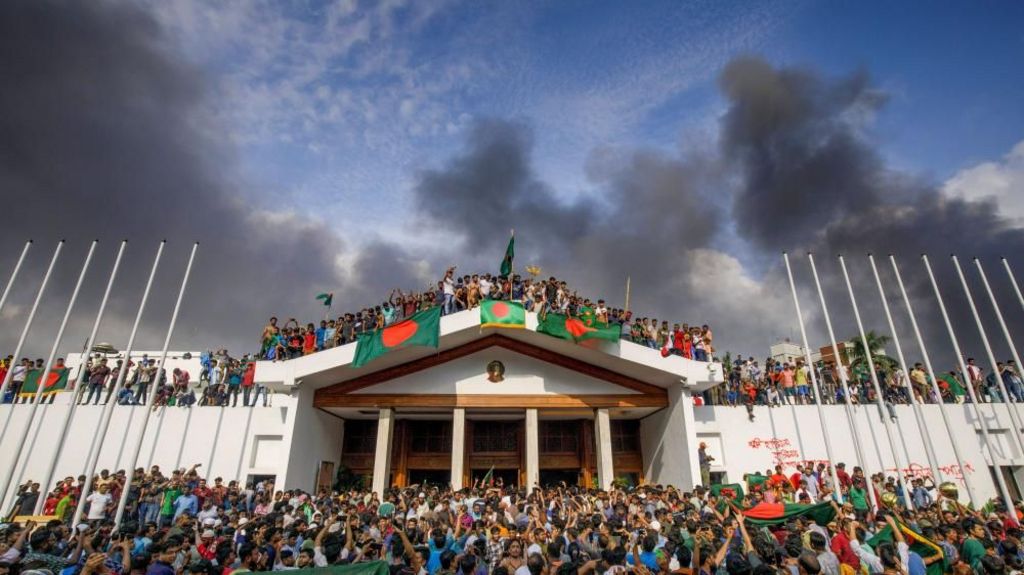
    In a landmark announcement, Tarique Rahman, the acting chairman of the Bangladesh Nationalist Party (BNP), has declared his intention to return to Bangladesh after two decades abroad to contest the upcoming elections. Speaking in his first face-to-face interview in nearly 20 years with BBC Bangla, Rahman stated, ‘The time has come, God willing, I will return soon.’ The elections, scheduled for February, are widely regarded as one of the most consequential in Bangladesh’s history, following the mass protests in 2024 that ousted three-time Prime Minister Sheikh Hasina. Her Awami League party is unlikely to participate due to ongoing legal proceedings. Rahman, the son of ailing BNP leader Khaleda Zia, is expected to lead the country if the BNP secures victory. The 2024 unrest, which saw up to 1,400 deaths according to UN investigators, marked a turning point in Bangladeshi politics. Hasina, now in exile in India, faces trial in absentia for alleged crimes against humanity. Rahman, who was cleared of all charges after Hasina’s ousting, emphasized the importance of the upcoming elections, stating, ‘This is an election for which people had been waiting, I cannot keep myself away during this time.’ The interim government, led by Nobel laureate Prof Muhammad Yunus, has banned the Awami League from political activities until the trial concludes. While the BNP has criticized the interim government for delays in announcing the election date, both share a common stance on the Awami League’s exclusion. Rahman also addressed concerns about the rise of Jamaat-e-Islami, the country’s largest Islamist party, which has gained momentum in recent student union elections. However, he remains confident in the BNP’s prospects, citing its historical resilience. The election is expected to focus on democratic reforms and freedom of speech, issues that were heavily suppressed under the Awami League. Rahman pledged to ensure such restrictions are not repeated if he assumes power. The interim government’s efforts to build consensus on reforms have been slow, but for many Bangladeshis, particularly the youth who led the 2024 uprising, ensuring basic freedoms will be a critical test for the next government.

  • US doctor’s legacy remembered after 80 yrs

    US doctor’s legacy remembered after 80 yrs

    The enduring legacy of Dr. Ruth V. Hemenway, a pioneering US missionary doctor who dedicated her life to serving the Chinese people during one of the nation’s most tumultuous periods, has been commemorated on the 80th anniversary of the victory in the Chinese People’s War of Resistance Against Japanese Aggression (1931-45) and the World Anti-Fascist War. Dr. Hemenway, who arrived in China in 1924, played a pivotal role in addressing the dire lack of medical resources and facilities during Japan’s brutal wartime occupation. Her unwavering commitment to saving lives amidst widespread atrocities, including bombings, looting, and violence, has left an indelible mark on Chinese history. Born in 1894 in Williamsburg, Massachusetts, Dr. Hemenway pursued her medical education at Tufts Medical School, graduating in 1921. Inspired by her missionary calling, she embarked on a journey to China, where she spent 17 years, primarily in Minqing, Fujian province. There, she directed a hospital that later became Minqing Liudu Hospital, expanding its services, establishing branch clinics, and improving healthcare access for rural communities. Dr. Hemenway’s contributions extended beyond medical care; she promoted vaccinations, disseminated health knowledge, and trained local medical personnel. Her dedication to serving the most vulnerable, even in the face of immense danger, has been hailed as a testament to her courage and compassion. Today, her descendants and admirers continue to honor her remarkable life and the profound impact she had on the lives of countless Chinese people.

  • Six patients killed in a fire at an ICU ward of India hospital

    Six patients killed in a fire at an ICU ward of India hospital

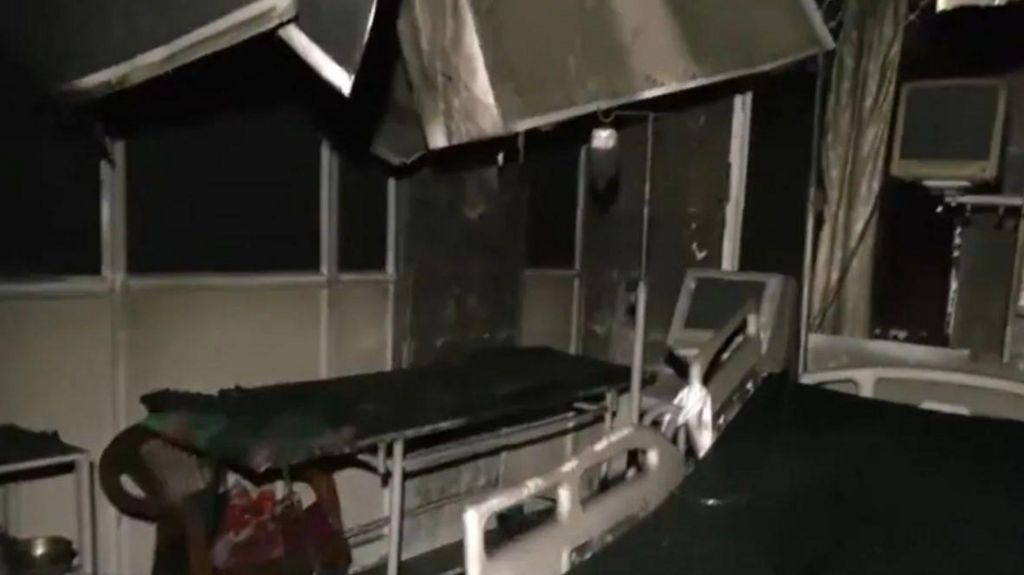
    A devastating fire at the intensive care unit (ICU) of Sawai Man Singh Hospital in Jaipur, Rajasthan, has resulted in the deaths of six critically ill patients. The blaze, believed to have been caused by a short circuit, erupted late on Sunday night in the ICU’s storage area. At the time of the incident, eleven patients were in the unit, with two women and four men among the victims. Relatives of the deceased have accused hospital staff of negligence, a claim vehemently denied by hospital authorities. Rajasthan Chief Minister Bhajanlal Sharma announced an investigation into the tragedy, emphasizing that all measures are being taken to ensure patient safety and care for those affected. The fire, which started in the hospital’s trauma center just before midnight, quickly spread, forcing the evacuation of fourteen patients from a nearby ICU ward. Firefighters battled the flames for nearly two hours before gaining control. Families of the victims have expressed outrage, alleging that staff ignored initial warnings and that the hospital lacked essential firefighting equipment. Hospital Deputy Superintendent Jagdish Modi refuted these claims, stating that staff members risked their lives to evacuate patients. Prime Minister Narendra Modi expressed his condolences on social media, wishing a speedy recovery to the injured. This incident is part of a troubling pattern of hospital fires in India, with a 2024 fire in Jhansi claiming the lives of ten newborns. A 2023 analysis by The Indian Express revealed that 11 major hospital fires since 2019 have claimed 107 lives, often due to safety lapses and inadequate firefighting systems.

  • Death toll from Indonesia school collapse rises to 54

    Death toll from Indonesia school collapse rises to 54

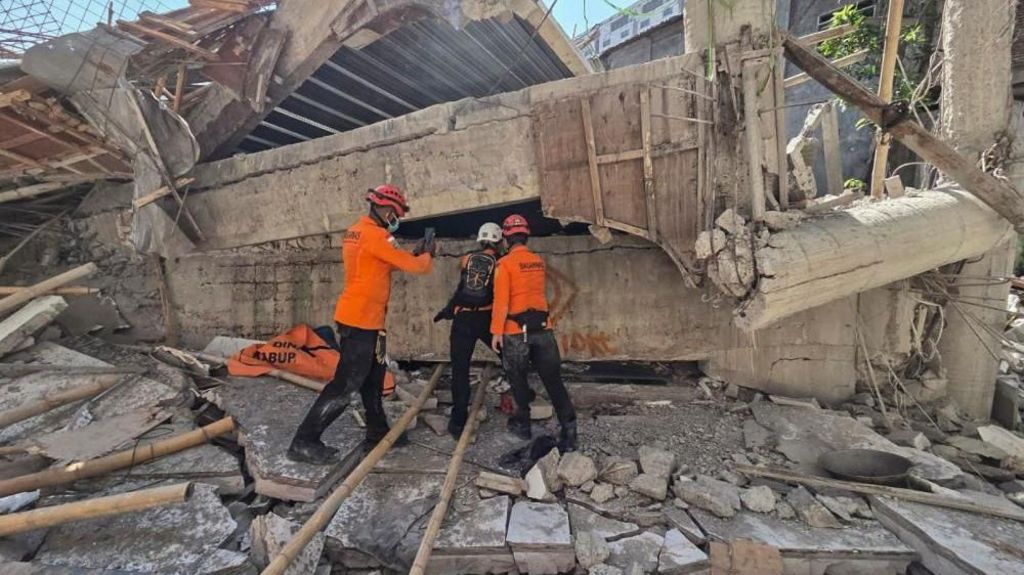
    A devastating collapse at the Al Khoziny Islamic boarding school in East Java, Indonesia, has resulted in the death of 54 people, with rescuers still searching for over a dozen missing individuals. The incident occurred last Monday while the two-storey building was undergoing construction. Hundreds of students, predominantly teenage boys, were gathered for prayers when the structure gave way. This tragedy marks the deadliest disaster in Indonesia this year, according to the country’s disaster mitigation agency. Rescuers are expected to conclude their search for the remaining 13 victims trapped under the rubble by the end of the day. Investigators are probing the cause of the collapse, with some officials attributing it to an unstable foundation. Budi Irawan, a deputy at the disaster mitigation agency, stated that the death toll surpasses that of any other disaster in 2025, whether natural or man-made. The victims include at least two individuals who were rescued from the debris but later succumbed to their injuries in the hospital. Al Khoziny, a traditional Islamic boarding school known as a pesantren, operates in a largely informal sector with minimal regulation. It remains unclear whether the school had the necessary permits for the additional construction. The search and rescue operations have been particularly challenging due to the manner in which the building collapsed, leaving only narrow voids for rescuers to navigate. Survivors have recounted their terrifying escapes to local media, with 13-year-old Muhammad Rijalul Qoib describing the escalating sound of falling rocks before he managed to flee, albeit injured by debris from the roof.