
In a commanding display of cricketing prowess, India clinched a comprehensive seven-wicket victory over West Indies on Tuesday, completing a 2-0 sweep in their test series. K.L. Rahul emerged as the standout performer, crafting an unbeaten 58 to guide India to the win. The triumph was sealed on Day 5, with India resuming at 63-1 and needing just 58 more runs to secure the second test. This victory followed their earlier success in the first test at Ahmedabad, where India triumphed by an innings and 40 runs. West Indies, forced to follow on after being dismissed for 248 in response to India’s formidable first-innings total of 518-5 declared, managed to put up a fight in their second innings. Shai Hope and John Campbell both notched centuries, with Hope scoring his first test century in eight years and Campbell posting his maiden test ton. Their efforts propelled West Indies to 390, ensuring India had to bat again to win. This marked only the fourth instance since 1961 that India was compelled to bat twice after enforcing the follow-on. The result extends West Indies’ winless streak against India to 26 tests, a drought that dates back to 2002.
标签: Asia
亚洲
-
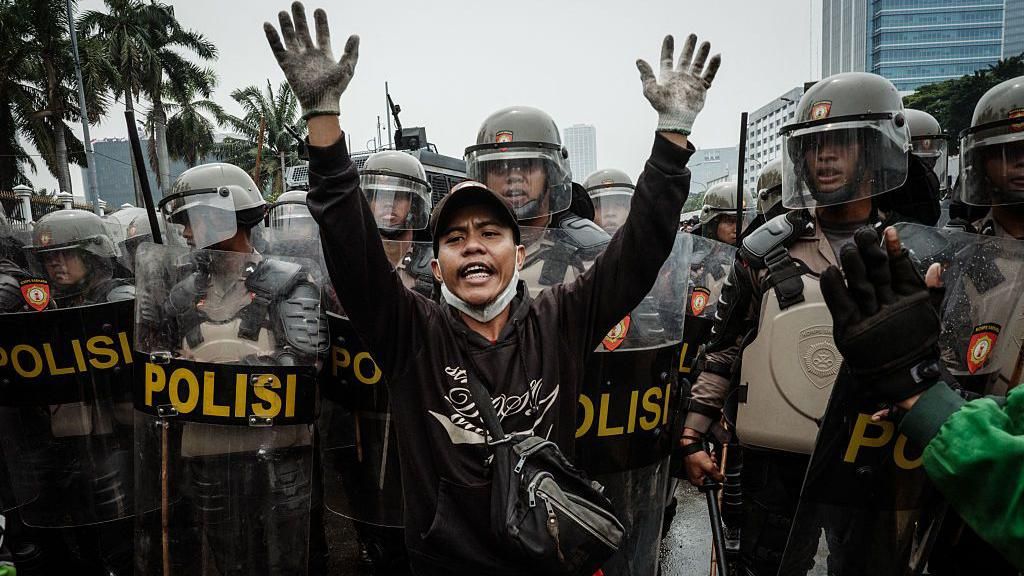
Renewed anger in Indonesia over new allowance raise for lawmakers
Indonesia is once again grappling with widespread public discontent as lawmakers’ recess allowances have been significantly increased, sparking fresh protests. The new allowance, set at 702 million rupiah ($42,400; £31,800), nearly doubles the previous amount of 400 million rupiah. This decision, announced by the country’s deputy house speaker, Sufmi Dasco Ahmad, has reignited controversy over the perceived impunity of the political elite. The recess allowance is intended to support lawmakers in their official duties, such as visiting constituents, during parliamentary recesses. However, the timing of this hike, following earlier protests in August over housing allowances, has fueled public anger. In August, thousands took to the streets to protest against lawmakers’ $3,000 monthly housing allowances, which were nearly ten times the minimum wage in Jakarta. Although the housing allowances were later cut to quell the unrest, the latest increase in recess allowances has renewed calls for accountability. Dasco Ahmad defended the hike, citing increased activities by lawmakers during recesses and rising food and transport costs. He also announced plans to launch a publicly accessible app where lawmakers must report their expenditure of recess funds, aiming to enhance transparency. Critics, however, remain skeptical. Lucius Karus from Formappi, a parliamentary watchdog, likened the situation to a ‘prank,’ expressing dissatisfaction with the emergence of another ‘fantastic allowance.’ Reports of some lawmakers receiving an extra 54 million rupiah due to human error have further exacerbated public frustration. This incident underscores a broader discontent with economic inequality and corruption in Southeast Asia’s largest economy, as many Indonesians question the government’s priorities and accountability.
-
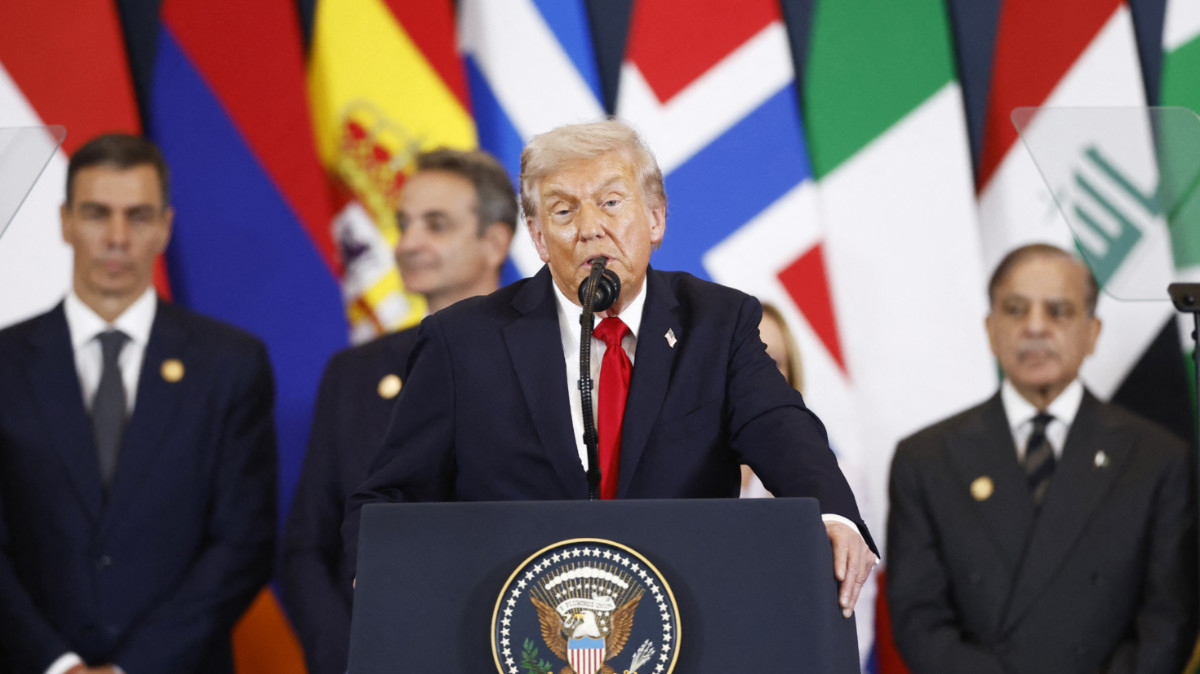
Trump’s Gaza victory lap: A Nobel prize, lots of money and ‘a beautiful woman’
President Donald Trump’s recent Middle East tour was a masterclass in political theater, blending high-profile engagements with significant diplomatic achievements. The journey began with a landmark address at the Israeli Knesset, where Trump reaffirmed his commitment to the Gaza peace deal and the Abraham Accords. He also urged Israel’s president to pardon Prime Minister Benjamin Netanyahu, who is embroiled in a corruption trial. The tour’s second leg took Trump to Egypt’s Sharm el-Sheikh, where he declared the end of the Gaza war and the start of reconstruction efforts. Dozens of world leaders, including Egyptian President Abdel Fattah el-Sisi, Turkish President Recep Tayyip Erdogan, and Qatari Emir Tamim bin Hamad al-Thani, gathered to sign documents recognizing the ceasefire. Trump’s visit was marked by praise for Sisi’s role in brokering the deal and a public nomination for the Nobel Peace Prize by Pakistani Prime Minister Shehbaz Sharif. However, behind the pageantry, Arab states expressed concerns about Trump’s sustained interest in the peace process. Analysts noted that the summit’s internationalization of the Israel-Palestine conflict was unprecedented. While phase one of the ceasefire is complete, with Israeli troops withdrawing from central Gaza and captives released, the hard questions of Hamas’s demilitarization and Gaza’s governance remain unresolved. Trump’s expectation of Gulf funding for Gaza’s reconstruction faces skepticism, as regional powers like Qatar, the UAE, and Saudi Arabia have divergent priorities. Despite the diplomatic successes, the absence of direct references to Palestinian suffering in Trump’s speeches drew criticism, underscoring the complexities of the ongoing conflict.
-
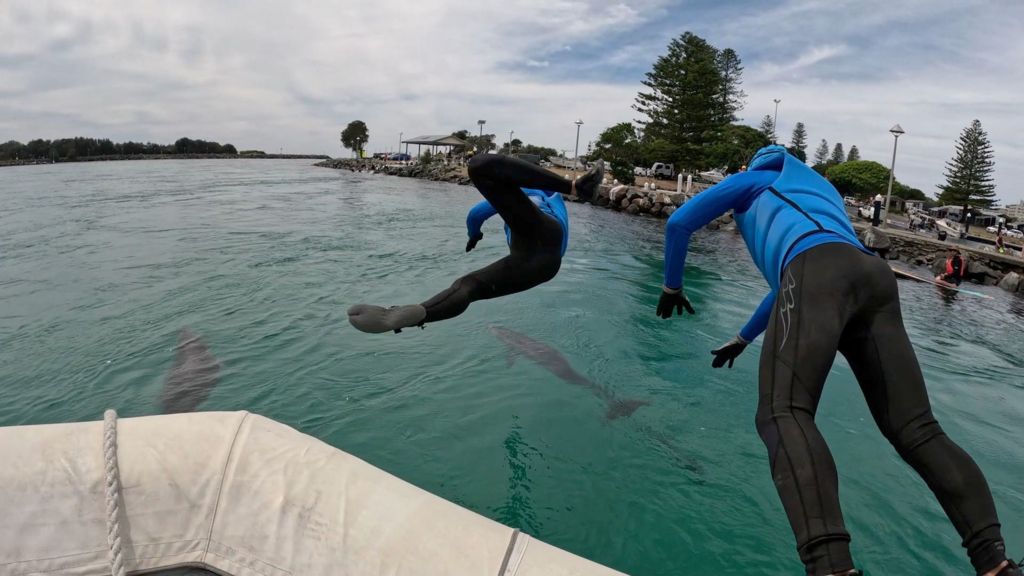
Watch: Dolphin calf rescued from fishing line entanglement
In a remarkable display of human compassion and wildlife conservation, a dolphin calf was successfully rescued after becoming entangled in a fishing line. The incident, which occurred in late September, involved a mother dolphin and her calf swimming off the coast. Observers noted that the young dolphin’s mobility was severely restricted due to the fishing line wrapped tightly around its tail. Marine rescue teams were promptly alerted and sprang into action. Using specialized equipment and techniques, they carefully approached the distressed pair, ensuring minimal stress to the animals. After a delicate operation, the fishing line was removed, allowing the calf to swim freely once again. This rescue highlights the ongoing challenges marine life faces due to human activities and underscores the importance of conservation efforts. Experts have urged the public to dispose of fishing gear responsibly to prevent similar incidents in the future.
-
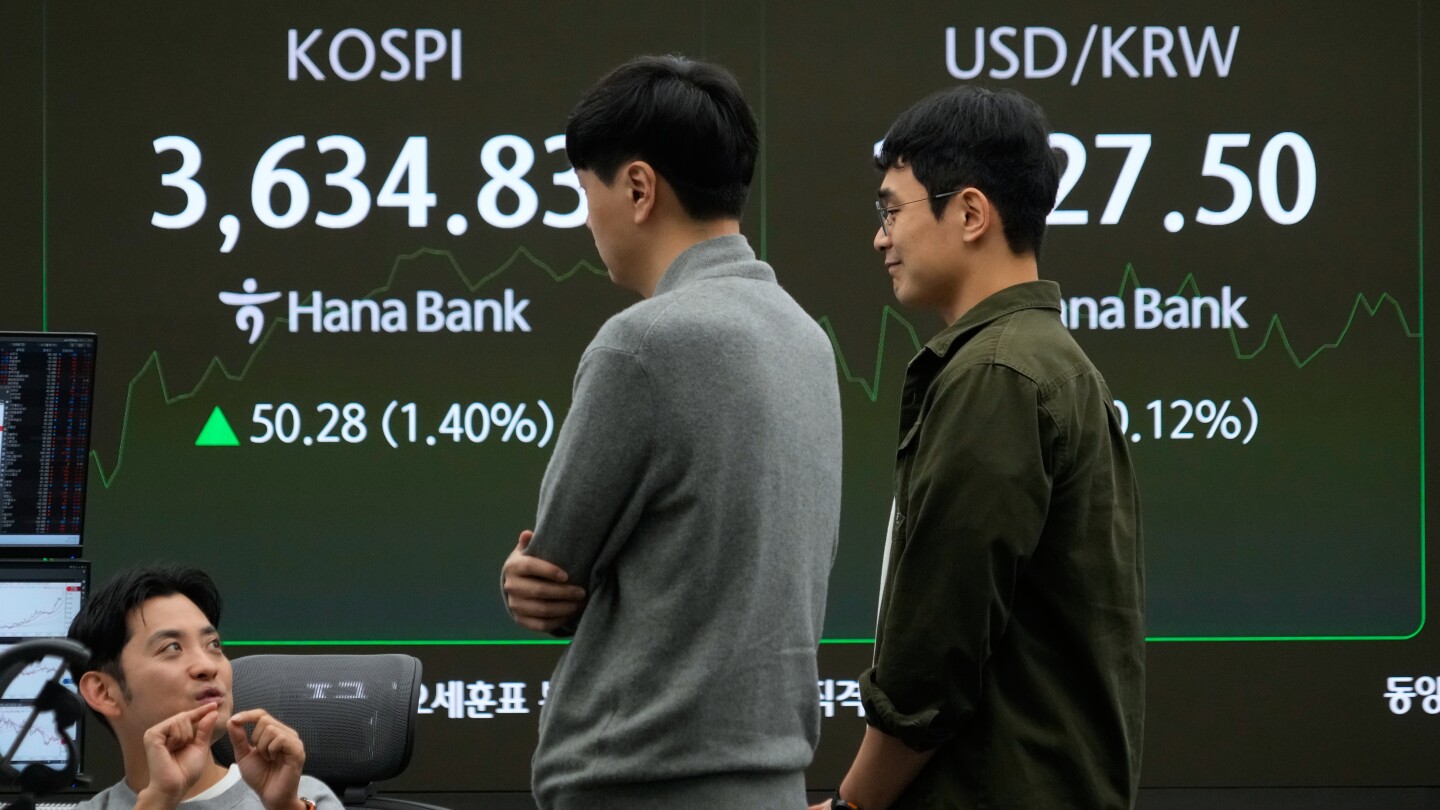
Renewed jitters over China-US trade tensions pull world shares lower
Global markets experienced a downturn on Tuesday as China’s imposition of sanctions against U.S. subsidiaries of South Korean shipbuilder Hanwha Ocean reignited concerns over escalating trade tensions with Washington. European and Asian markets bore the brunt of the fallout, with France’s CAC 40 dropping 0.8% to 7,873.25, Germany’s DAX losing nearly 0.9% to 24,181.83, and Britain’s FTSE 100 shedding 0.2% to 9,426.92. Futures for the S&P 500 and Dow Jones Industrial Average also declined by 0.8% and 0.5%, respectively, reversing gains from Monday’s recovery. In Asia, Japan’s Nikkei 225 plummeted 2.6% to 46,847.32, while Hong Kong’s Hang Seng and Shanghai Composite fell 1.7% and 0.6%, respectively. The sanctions, targeting five Hanwha Ocean subsidiaries, are seen as a direct response to U.S. efforts to bolster its shipbuilding industry, which has been overshadowed by China’s dominance in the sector. Hanwha Ocean’s shares fell 5.8% in Seoul, and the benchmark Kospi dropped 0.6%. Meanwhile, Australia’s S&P/ASX 200 edged up 0.2%, and energy markets saw declines in crude oil prices. Investors are now closely monitoring remarks by U.S. Federal Reserve Chair Jerome Powell for insights into the economic outlook. The sanctions and their ripple effects underscore the fragility of global trade relations and the potential for further market volatility.
-
China and the US have long collaborated in ‘open research.’ Some in Congress say that must change
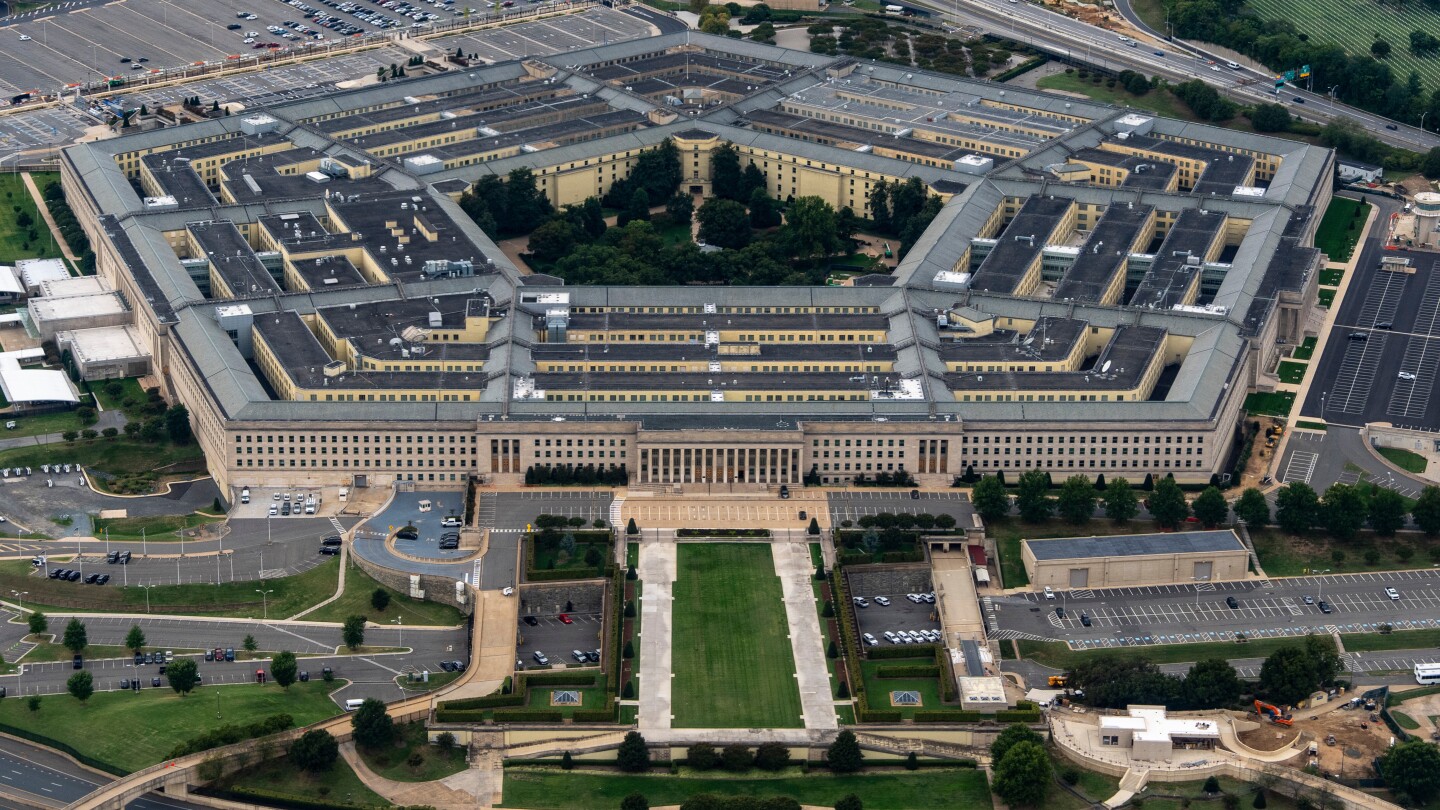
For decades, American and Chinese scholars have collaborated on groundbreaking research, fostering an environment of open knowledge sharing. However, this longstanding tradition is now under scrutiny as U.S. lawmakers express growing concerns over national security risks. They argue that China, increasingly viewed as a formidable military rival, is leveraging open research to accelerate its technological advancements and potentially surpass the U.S. in critical areas like military technology.
-
Trump declares ‘peace in the Middle East’ during Egypt speech
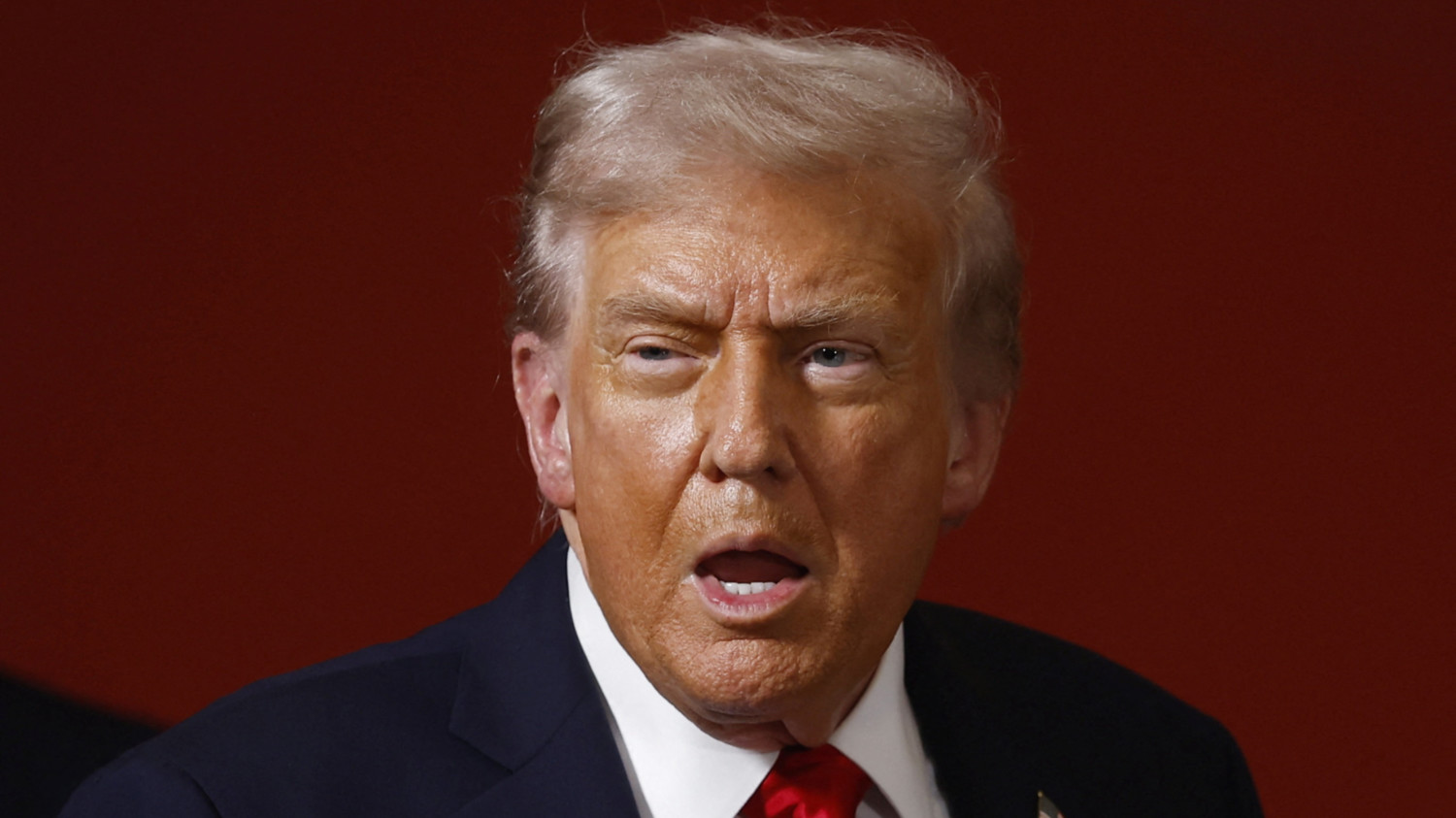
For the first time since Barack Obama’s 2009 Cairo speech, a U.S. president has addressed a significant audience in Egypt. President Donald Trump, speaking at the Gaza peace summit in Sharm el-Sheikh, declared, ‘At long last, we have peace in the Middle East.’ The summit, attended by 20 of the 35 invited world leaders, marked a pivotal moment following the recent ceasefire in Gaza. Trump emphasized the importance of humanitarian aid and reconstruction efforts, noting the contributions from wealthy nations present at the summit. He also highlighted the role of his peace envoy, Steve Witkoff, and his son-in-law, Jared Kushner, in the implementation of the peace deal. Trump reiterated his call for more countries to join the Abraham Accords, a series of normalization agreements between Israel and Arab nations. Despite the absence of Palestinian representation on stage, Trump acknowledged the presence of Palestinian Authority President Mahmoud Abbas in the audience. The summit also saw Trump praising Egyptian President Abdel Fattah el-Sisi and expressing gratitude to other key leaders, including those from Qatar, Turkey, and Pakistan. Pakistan’s Prime Minister Shehbaz Sharif even nominated Trump for the Nobel Peace Prize, citing his pivotal role in achieving peace in the region.
-

Why AI is being trained in rural India
Virudhunagar, a historic town in southeastern India known for its ancient temples, is now making waves in the world of artificial intelligence (AI). While its cultural heritage dates back thousands of years, the town is also home to cutting-edge AI work, thanks to the rise of cloud farming—a trend where tech firms decentralize operations to smaller, cost-effective locations. Mohan Kumar, an AI annotation specialist, exemplifies this shift. He collects and labels data to train AI models, enabling them to recognize and predict objects independently. Kumar works for Desicrew, a pioneer in cloud farming since 2005, which aims to bring jobs to rural areas rather than forcing migration to cities. Desicrew’s CEO, Mannivannan J K, emphasizes the company’s mission to create world-class careers closer to home, with 30-40% of its current work being AI-related, a figure expected to rise to 75-100% soon. Transcription—converting audio to text—is a key focus, as it forms the foundation for AI to understand diverse languages and dialects. Similarly, NextWealth, founded in 2008, has embraced AI, employing 5,000 staff across 11 small-town offices. Co-founder Mythily Ramesh highlights the untapped potential of first-generation graduates from rural areas, many of whom come from farming or artisan families. NextWealth’s work, 70% of which comes from the US, includes training advanced AI algorithms. Both companies underscore the transformative impact of these jobs, particularly for women, who make up 60-70% of their workforce. However, challenges remain, including perceptions of data security and the need for reliable internet in smaller towns. Despite these hurdles, experts like KS Viswanathan believe India’s small towns are poised to become global hubs for AI operations, building on the country’s legacy in IT services.
-
Foul skies, fading light: How air pollution is stealing India’s sunshine
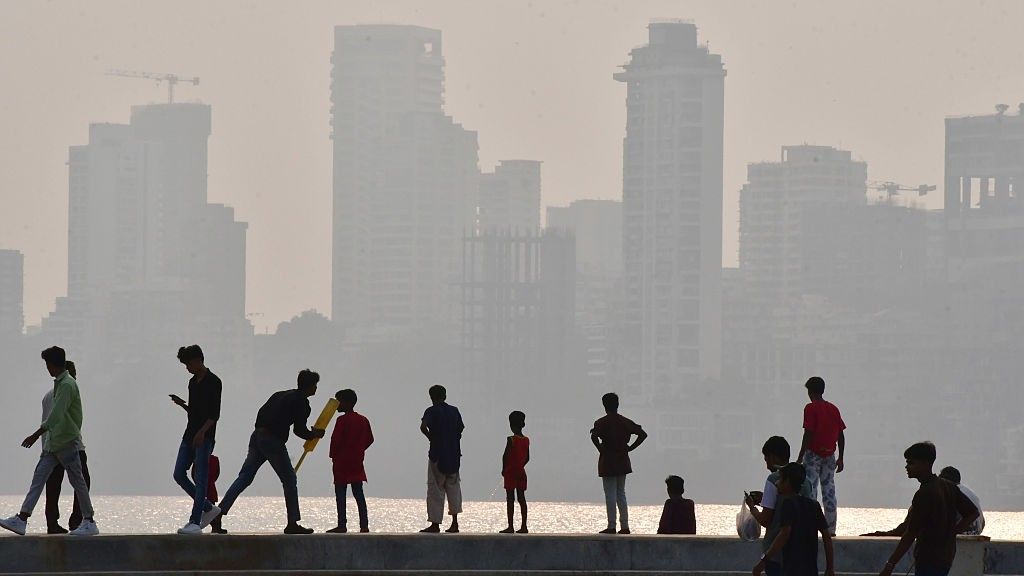
India is grappling with a severe air pollution crisis, now ranking among the world’s top 10 most polluted countries. A recent study by six Indian scientists reveals that sunshine hours—the duration of direct sunlight reaching the Earth’s surface—have steadily declined across most of India over the past three decades. Published in *Scientific Reports*, the study analyzed data from 20 weather stations between 1988 and 2018, showing a nationwide reduction in sunshine hours, with only the northeast region experiencing mild seasonal relief. The steepest declines were observed in northern inland cities like Amritsar and Kolkata, as well as along the Himalayan belt and the west coast, particularly Mumbai. Seasonal patterns revealed significant increases in sunshine from October to May, followed by sharp drops from June to July in six of India’s nine regions. This decline is linked to India’s long-standing air pollution crisis, driven by rapid urbanization, industrial growth, and biomass burning, which have increased aerosol emissions and cloud formation. Aerosols have reduced sunlight reaching the ground by 13%, while clouds accounted for an additional 31-44% drop in surface solar radiation between 1993 and 2022. The study highlights concerns for agriculture, daily life, and India’s solar energy ambitions, with air pollution reducing solar panel output by 12-41% and costing an estimated $245-835 million in lost power generation. Cleaner air could boost India’s annual solar energy production by 6-28 terawatt hours, enough to power millions of homes. However, the impact of pollution extends beyond energy, causing significant crop yield losses in rice and wheat. While global trends show a rebound in sunlight due to cleaner air, heavily polluted countries like India are missing out, risking their renewable energy goals and overall development.
-
Witkoff praises ‘vital’ UK role in Gaza ceasefire after US ambassador dismisses contribution
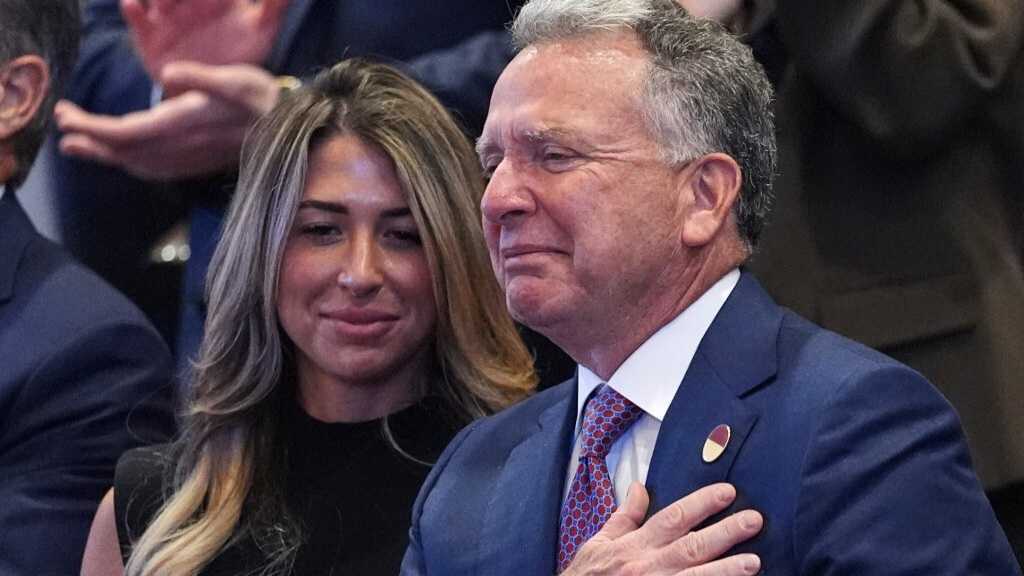
The Trump administration’s Middle East envoy, Steve Witkoff, has acknowledged the “vital role” played by the United Kingdom in facilitating Gaza ceasefire negotiations. This statement comes in stark contrast to remarks made by Mike Huckabee, the US ambassador to Israel, who labeled British Education Secretary Bridget Phillipson as “delusional” for her claims about the UK’s involvement in the talks. Phillipson had asserted that the UK had been instrumental in shaping the ceasefire efforts, a claim that Huckabee vehemently disputed on social media platform X, urging her to credit former President Donald Trump instead. Despite the public spat, Witkoff emphasized the UK’s significant contributions to the diplomatic process, marking a historic moment in Israel’s peace efforts. Meanwhile, Phillipson faced further criticism from Israel’s deputy foreign minister, Sharren Haskel, who accused the UK of undermining negotiations by recognizing a Palestinian state. Haskel argued that such actions sent a message to Hamas that prolonging the conflict could yield rewards. The diplomatic tensions coincide with UK Prime Minister Keir Starmer’s attendance at the signing ceremony of Trump’s Gaza plan in Egypt. The UK’s relationship with Israel has been strained over the past year, exacerbated by decisions such as banning Israeli students from the Royal College of Defence Studies and excluding Israeli officials from a major arms trade show. However, military cooperation has persisted, with the UK continuing to supply parts for F-35 fighter jets used in Gaza and conducting surveillance flights that provide intelligence to Israel. The Ministry of Defence maintains that these flights are aimed at rescuing Israeli captives, though their exact role remains unclear.