标签: Asia

亚洲

  • Two new high-speed rail lines boost agriculture, industry in Guangdong

    Two new high-speed rail lines boost agriculture, industry in Guangdong

    Guangdong Province has ushered in a new era of regional connectivity with the simultaneous inauguration of two major high-speed rail lines, fundamentally reshaping economic and transportation networks across the region. The groundbreaking infrastructure projects commenced operations on Monday, marking a significant milestone in China’s railway development.

    The Guangzhou-Zhanjiang high-speed railway, with its inaugural G9785 service departing from Guangzhou Baiyun Railway Station, establishes a direct 350 km/h corridor linking western Guangdong to the provincial capital. This engineering marvel spans approximately 401 kilometers, traversing Foshan, Zhaoqing, Yunfu, Yangjiang, and Maoming, with bridges and tunnels constituting 76.7% of its route. The project’s crown jewel, the 9,640-meter Zhanjiang Bay undersea tunnel, set national records for large-diameter subaqueous tunneling achievements.

    Parallel to this development, the Shantou-Shanwei high-speed railway initiated service with train G9787 connecting Shantou to Guangzhou. The newly operational 19.8-kilometer segment across Shantou Bay represents a technological breakthrough that integrates Shantou’s urban core into the 350 km/h high-speed network for the first time.

    These twin rail developments create a transformative two-hour transportation circle connecting Zhanjiang and Shantou—key sub-center cities in western and eastern Guangdong respectively—to the economic powerhouse of the Guangdong-Hong Kong-Macao Greater Bay Area. The infrastructure advancement substantially reduces travel duration between previously remote regions and the Pearl River Delta’s core economic zone.

    The economic implications are already materializing across sectors. In Maoming’s Genzi township, renowned for lychee production, agricultural enterprises are preparing for expanded market access. “Our distribution channels for premium lychees will significantly expand into the Greater Bay Area and beyond,” noted a major local farmer identified as Long, who is implementing new packaging infrastructure in anticipation of increased demand.

    Meanwhile, in Shantou’s Chenghai district—a traditional manufacturing hub for toys, gifts, and garments—business operations are undergoing rapid transformation. Buyers like Mr. Chen from Shenzhen report that what previously required two-day business trips can now be accomplished in a single day, enabling morning product selection, afternoon deal finalization, and evening returns to Shenzhen.

    According to China Railway Guangzhou Group, these developments represent crucial progress in constructing a highly efficient transportation network during China’s 14th Five-Year Plan period (2021-2025). The province’s total railway operational mileage now reaches 6,433 kilometers, with 3,411 kilometers dedicated to high-speed railways operating at 200 km/h or faster.


  • Tea sector blends commerce with cross-Strait exchanges

    Tea sector blends commerce with cross-Strait exchanges

    In the mountainous landscapes of Fujian province, a unique agricultural collaboration across the Taiwan Strait is transforming tea cultivation into both an economic success story and a model for cross-border cooperation. Taiwan farmer Peng An-yuan has established an innovative eco-friendly tea garden in Sanming that demonstrates remarkable agricultural harmony, where tea plants coexist with wild grasses to create a natural habitat for beneficial insects.

    Peng introduced Oriental Beauty tea, a prized oolong variety from his hometown of Hsinchu, Taiwan, to Datian county in Sanming. The region’s similar climate and ecological conditions proved ideal for cultivating this distinctive tea, known for its unique production process where small green leafhoppers naturally enhance the leaves’ flavor profile. These insects bite the tea leaves, triggering a biochemical reaction that imparts a sought-after fruity and honey-like aroma, resulting in leaves with distinctive dark purple and brown tones covered with fine white hairs.

    “The tea jassids feeding on the leaves are essential, but their behavior is unpredictable,” explained Peng, who serves as the primary inheritor of Taiwan’s Oriental Beauty tea tradition on the Chinese mainland. “This unpredictability is precisely what makes this tea variety so exceptionally precious.”

    The successful cultivation has been bolstered by Sanming’s designation as China’s first cross-Strait rural integrated development pilot zone in November 2022. With 78 percent forest coverage earning it the nickname “Green City,” Sanming provides an ideal environment for this agricultural collaboration. The partnership has yielded substantial economic benefits: Datian county now produces 4,300 metric tons of Oriental Beauty tea annually, representing 70 percent of the mainland’s total output, with exports reaching European and Southeast Asian markets.

    In a significant step toward standardization, the Fujian Provincial Administration for Market Management recently released cross-Strait technical regulations for Oriental Beauty tea processing. These standards were jointly developed by tea associations and universities from both sides of the Strait, facilitating deeper industry integration.

    The collaboration extends beyond tea production. Driven by supportive policies, Sanming has approved 106 new Taiwan-invested enterprises over the past three years with total investments reaching 801 million yuan ($114 million). The region has established 12 specialized bases for Fujian-Taiwan agricultural integration, creating numerous opportunities for cross-border entrepreneurship.

    In Jianning county, Taiwan entrepreneur Lin Hsiu-ying operates an oil tea camellia cooperative that applies Taiwanese techniques to boost production, increasing income for 112 local households by an average of over 4,000 yuan per person. Lin attributes this success to mainland policies providing financial support for new plant varieties and equipment.

    The integration efforts align with China’s 15th Five-Year Plan (2026-30), which emphasizes high-quality development across the Taiwan Strait and strengthened industrial cooperation. According to Zhang Han, spokeswoman for the State Council Taiwan Affairs Office, implementation of the plan will create expanded opportunities for Taiwan compatriots to study, work, and live on the mainland.

    Fujian officials plan to capitalize on these developments by encouraging greater youth participation in rural vitalization projects. Sanming has already attracted 30 cross-Strait youth teams, including over 80 Taiwan professionals in architecture and design, who contribute to rural environmental renovation initiatives.

    Taiwan designer Tsai Hsingchueh, who works across Sanming’s villages, notes that the mainland’s rural vitalization blueprint offers significant opportunities for young Taiwan professionals with expertise in community development. His team brings graduate students from universities on both sides of the Strait for half-year internships, with many participants choosing to remain in the villages long after their programs conclude.

  • Micro-dramas directed to tackle sports

    Micro-dramas directed to tackle sports

    China is strategically harnessing the explosive popularity of micro-dramas—brief, vertically-formatted serials designed for mobile consumption—as a powerful vehicle for implementing national social policy objectives. In a significant development, these digital narratives are being formally integrated into the country’s fitness strategy through the groundbreaking “Exercise Through Micro-dramas” initiative.

    The movement gained official momentum in October 2025 when China’s National Radio and Television Administration partnered with the General Administration of Sport to launch this innovative program. This followed an August State Council directive that explicitly listed micro-dramas as an approved tool for promoting public sports participation. The initiative encourages production companies to create sports-themed content that makes athletic engagement more accessible and compelling to mainstream audiences.

    Industry metrics reveal why micro-dramas present such an attractive policy implementation channel. According to the 2025 Micro-short Drama Industry White Paper, China’s micro-drama viewer base has swollen to 696 million people, with average daily consumption reaching 120.5 minutes per user. This represents a substantial captive audience for policy messaging.

    Academic experts highlight the natural synergy between sports content and the micro-drama format. Professor Liu Fan of the Communication University of China notes that “micro-dramas are becoming an important component of the sports industry” due to their emotional intensity, suspense-driven narratives, and ability to amplify athletic drama within compressed timeframes.

    The production ecosystem is rapidly adapting to this new directive. Migu Digital Media Co has already aligned its content pipeline with the government’s six creative directions, developing China’s first micro-dramas focused on scientific fitness and short-track speed skating. Meanwhile, Chongqing Maiya Media Co has completed 26 sports-centered productions, including the phenomenally successful billiards-themed ‘The Little Pool God,’ which garnered over 200 million views and topped industry popularity rankings.

    Despite this progress, challenges remain in balancing entertainment value with substantive sports education. Some productions still prioritize dramatic tropes like time travel or romantic fantasy over core athletic values such as teamwork and discipline. Experts suggest future development should explore integrations with local industries and cultures through approaches like “sports + tourism” and “sports + intangible cultural heritage.”

    As the industry evolves toward premiumization, creators face the challenge of meeting rising audience expectations while maintaining the authentic sports immersion that makes the format effective. The ultimate success of this innovative policy approach may depend on returning to ordinary people’s daily experiences and exploring how sports narratives can resonate with broader social emotions.

  • Hong Kong’s Southbound Travel for Guangdong Vehicles scheme officially implemented

    Hong Kong’s Southbound Travel for Guangdong Vehicles scheme officially implemented

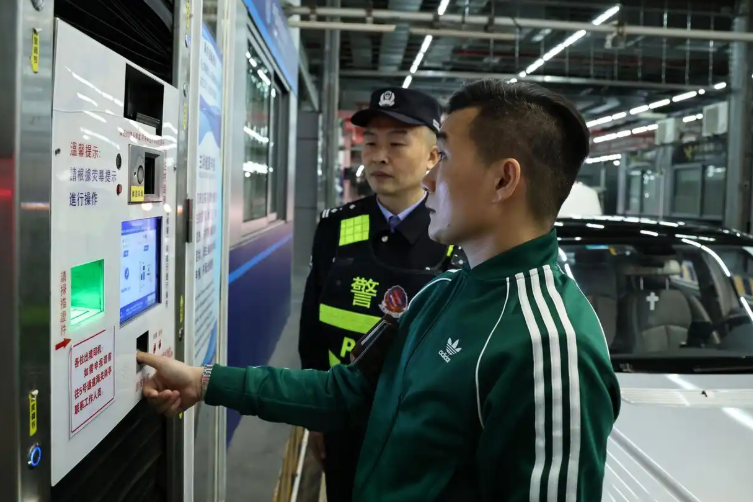
    HONG KONG – In a significant transportation policy shift, Hong Kong has officially launched its Southbound Travel for Guangdong Vehicles scheme, which took effect at midnight on Tuesday. This groundbreaking initiative permits eligible private car owners from China’s Guangdong Province to drive directly into Hong Kong’s urban centers through the Hong Kong-Zhuhai-Macao Bridge’s Zhuhai Port.

    The program’s initial phase encompasses four major Guangdong cities: Guangzhou, Zhuhai, Jiangmen, and Zhongshan. Authorities have outlined plans to extend the scheme to additional municipalities across the province following a six-month evaluation period.

    Application procedures for the cross-border driving initiative commenced on December 9 at 9:00 AM local time. The program operates with a carefully managed daily quota system, currently capped at 100 vehicle entries per day. Approved vehicles are permitted to remain in Hong Kong for a maximum duration of 72 hours per individual visit, provided owners have secured confirmed travel arrangements in advance.

    This transportation breakthrough represents a substantial step in regional integration, facilitating easier personal mobility while maintaining regulatory oversight through its quota and pre-approval systems. The implementation follows extensive planning between Hong Kong and mainland authorities to ensure smooth operational execution.

  • China’s top legislature convenes standing committee session

    China’s top legislature convenes standing committee session

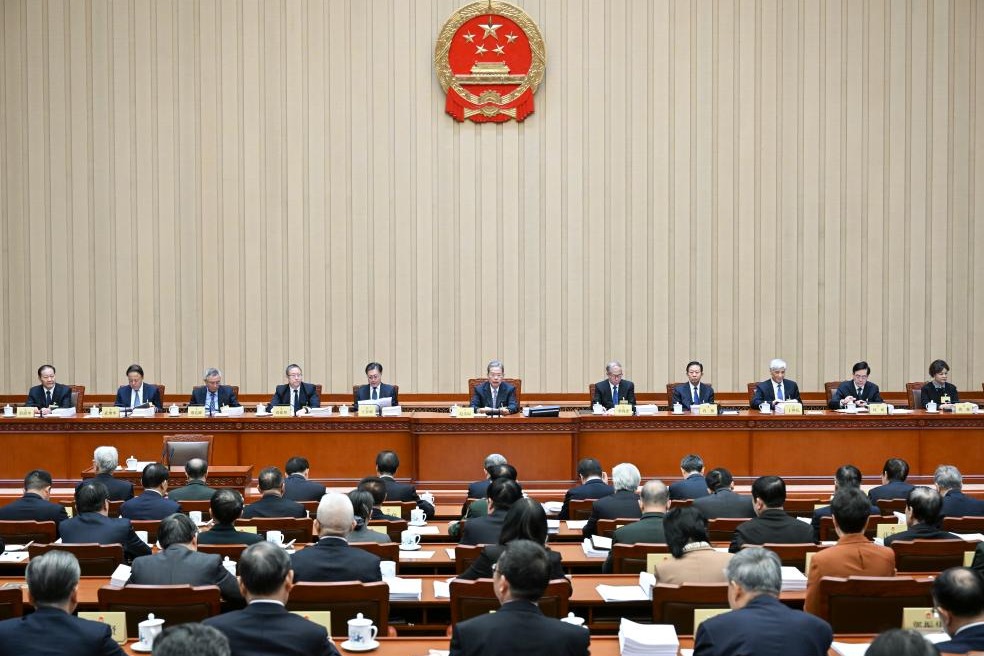
    The Standing Committee of China’s National People’s Congress (NPC) commenced its 19th session of the 14th legislature in Beijing on Monday, with Chairman Zhao Leji presiding over the inaugural plenary meeting at the Great Hall of the People. The session features an extensive legislative agenda addressing multiple sectors of national governance and international cooperation.

    Lawmakers engaged in thorough deliberations on several pivotal draft laws, including a comprehensive environmental code and legislation focused on promoting ethnic unity and progress. The agenda further encompasses draft laws concerning national development planning, hazardous chemicals safety management, state-owned assets oversight, childcare services enhancement, and Antarctic activities and environmental protection.

    The committee examined proposed revisions to multiple existing statutes, including the fisheries law, civil aviation law, regulations governing standard spoken and written Chinese language, foreign trade law, banking supervision and regulation law, and trademark law. These revisions aim to modernize legal frameworks in response to evolving economic and social requirements.

    Additional critical items under consideration include a bill proposing interpretations of specific provisions within the criminal procedure law and a draft decision regarding the convocation of the fourth session of the 14th NPC. The session also addressed reports on deputy qualifications and various personnel-related matters.

    Chairman Zhao subsequently participated in the session’s second plenary meeting, where legislators received multiple reports including inspection findings on the implementation of the energy conservation law and circular economy promotion law. Additionally, lawmakers reviewed a comprehensive report detailing rectification measures addressing issues identified during the audit of 2024 central budget implementation and other fiscal revenue and expenditure matters.

  • Suspected militants ambush police vehicle in northwest Pakistan and kill 5 officers

    Suspected militants ambush police vehicle in northwest Pakistan and kill 5 officers

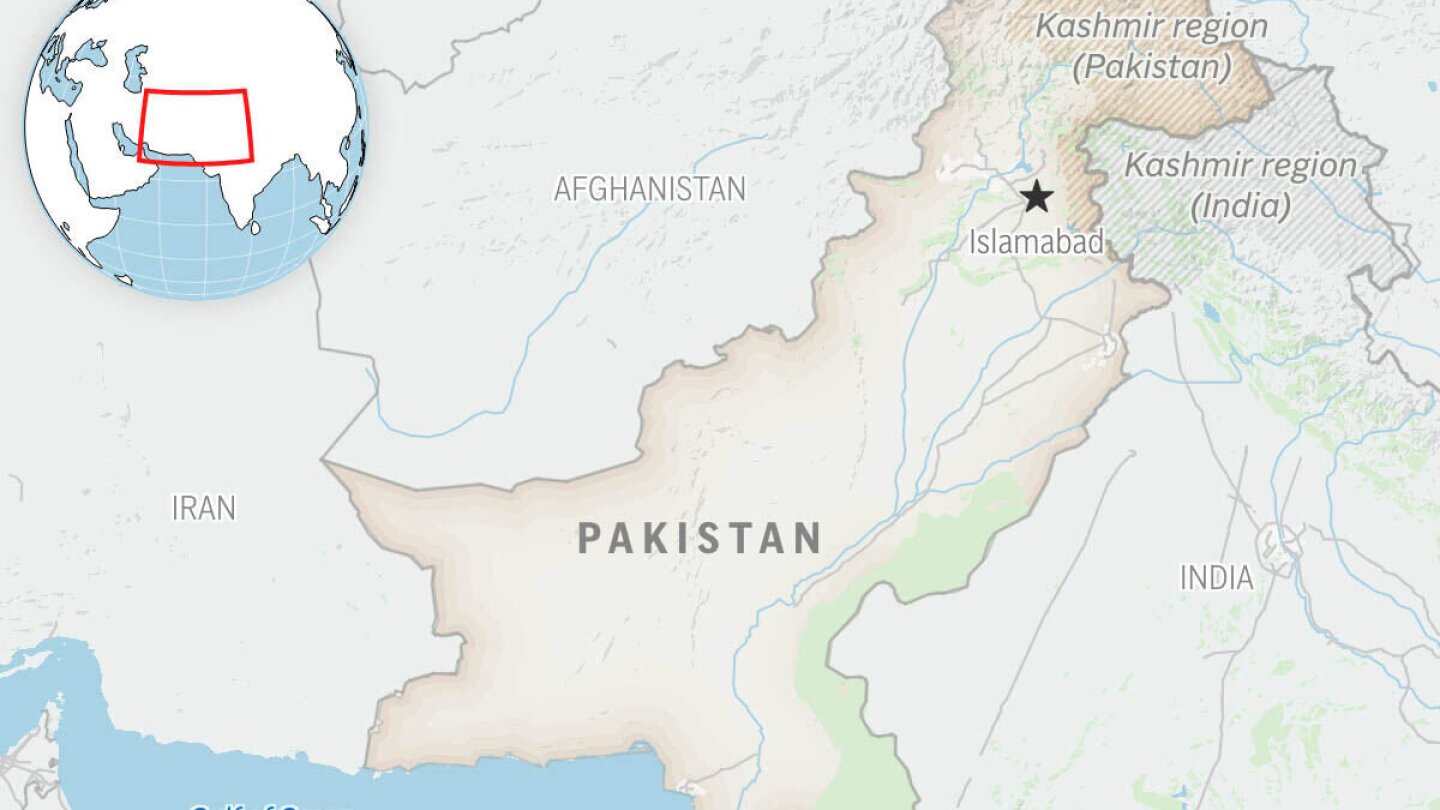
    In a brazen daylight assault on Tuesday, unidentified gunmen launched a deadly attack on a police patrol unit in Pakistan’s volatile northwestern Khyber Pakhtunkhwa province, resulting in the deaths of five law enforcement officers. The ambush occurred near an oil and gas installation in Karak district during routine security operations.

    According to local police chief Noor Wali, the assailants executed the officers before dousing their vehicle with gasoline and setting it ablaze, destroying evidence at the crime scene. Security forces immediately established perimeter control and initiated comprehensive search operations, during which eight suspects connected to the assault were eliminated in subsequent engagements.

    Senior Pakistani officials, including Interior Minister Mohsin Naqvi and Provincial Chief Minister Suhail Afridi, issued strong condemnations of the attack, vowing to bring perpetrators to justice while extending sympathies to bereaved families of the slain officers.

    While no militant organization has formally claimed responsibility, security analysts indicate the Pakistani Taliban (TTP) as primary suspects. The TTP maintains operational independence while aligning ideologically with Afghanistan’s Taliban government. This incident represents the latest escalation in cross-border tensions between Pakistan and Afghanistan, with Islamabad accusing Kabul of providing sanctuary to TTP operatives since the 2021 Taliban takeover—allegations consistently denied by Afghan authorities.

    The attack occurs amidst deteriorating bilateral relations following October’s cross-border clashes that resulted in numerous casualties before Qatar-mediated ceasefire implementation. Recent diplomatic negotiations in Istanbul concluded without substantive agreements, further complicating regional security dynamics.

  • China plans to play a bigger role in Antarctic governance

    China plans to play a bigger role in Antarctic governance

    China is positioning itself for enhanced participation in Antarctic governance through comprehensive national legislation currently under legislative review. The draft Antarctic Activities and Environmental Protection Law, comprising seven chapters and 57 articles, represents Beijing’s strategic move to formalize its polar engagement policies and contribute Chinese approaches to international polar governance.

    Submitted for first reading to the Standing Committee of the National People’s Congress, China’s top legislature, the proposed legislation emerges as Antarctic Treaty consultative parties increasingly rely on national laws to support their polar activities. Lu Xinshe, head of the NPC Environmental Protection and Resources Conservation Committee, emphasized that international Antarctic governance fundamentally depends on individual nations’ operational capabilities and their influence in shaping legal frameworks.

    Research expert Tan Xianchun from the Chinese Academy of Sciences noted that China’s four decades of Antarctic research have transformed the country from mere participant to significant polar power, with research stations now covering all five major Antarctic regions. The draft legislation signals China’s evolution from capacity development to rule-making in polar affairs, integrating principles of peaceful use, environmental conservation, scientific advancement, and international cooperation into a comprehensive legal system.

    The proposed framework establishes regulations for scientific expeditions, fisheries management, tourism activities, and shipping operations. It applies to both Chinese citizens and foreign individuals organizing Antarctic activities within China’s jurisdiction or departing from Chinese territory. The legislation explicitly prohibits military activities and mineral resource exploitation while encouraging scientific research, technological innovation, and environmentally sustainable practices.

    Environmental regulation expert Ma Jun highlighted the legislation’s attention to Antarctic tourism management, noting the continent’s extreme ecological vulnerability. The draft addresses emerging concerns about invasive species, habitat degradation, and pollution risks associated with increasing tourist numbers through environmental impact assessment requirements, emergency response protocols, and specific conservation measures for wildlife, waste management, and marine protection.

    The legislative initiative demonstrates China’s commitment to fulfilling international treaty obligations while asserting its role as responsible stakeholder in Antarctic governance, potentially influencing global approaches to managing the world’s last great wilderness.

  • Striking the right note to advance climate change action

    Striking the right note to advance climate change action

    Despite significant logistical hurdles, Chinese participants at the UN Climate Change Conference (COP30) in Belem, Brazil, demonstrated remarkable resilience and creativity in advancing global climate dialogue through unconventional mediums including music, gaming, and traditional art.

    The journey to COP30 proved exceptionally challenging for many Chinese delegates. Yang Yuntong, a senior sustainability official at Zhejiang Geely Holding Group, endured a 10-hour travel ordeal instead of the planned three-hour flight from Sao Paulo to Belem, resulting in missed speaking engagements. Undeterred, she delivered her climate messages via recorded videos while stranded at the airport. This experience was not isolated—many Chinese attendees faced similar travel disruptions, including flight cancellations and even a venue evacuation due to a fire incident.

    Despite these challenges, Chinese organizations made significant impacts through innovative engagement methods. The Boke Foundation introduced its SDG Hero board game, an educational tool that transforms complex sustainability concepts into engaging gameplay. The multilingual game attracted substantial attention from global educators and delegates, serving as a prominent example of China’s cultural exports addressing global issues.

    Music emerged as another powerful bridge for climate communication. The Plant Technology Alliance presented a specially composed anthem, “Love Never Ends,” featuring collaborative performances by 123 children from over 100 countries. The song’s lyrics emphasize practical climate actions while promoting global unity. Cheng Dan, the alliance’s co-founder who composed the piece, noted that the musical initiative originated from inspiration gained at COP29 in Azerbaijan.

    Traditional Chinese art also played a role in cross-cultural dialogue. Jiang Xinyu, a Tsinghua University representative, conducted well-attended workshops on classical Chinese landscape painting, using Fan Kuan’s Northern Song Dynasty masterpiece “Travelers Among Mountains and Streams” to illustrate philosophical perspectives on humanity’s relationship with nature. The sessions attracted standing-room-only crowds, demonstrating art’s ability to transcend cultural boundaries.

    Beyond cultural exchanges, the challenging journey to Belem fostered unexpected camaraderie among Chinese participants. Liu Shuo, climate director at Onewo Space-Tech Service, noted that the shared travel difficulties created strong bonds that laid groundwork for future collaborations in climate initiatives, including her company’s Zero-Carbon Partner Initiative.

    These diverse approaches collectively demonstrated China’s growing and multifaceted contribution to global climate discourse, moving beyond traditional diplomatic channels to create meaningful connections through cultural and educational exchanges.

  • Bureaucratic mishap delayed gun license for accused Bondi Beach shooter in Australia

    Bureaucratic mishap delayed gun license for accused Bondi Beach shooter in Australia

    A devastating antisemitic attack at Sydney’s Bondi Beach that claimed 15 lives has revealed significant deficiencies in Australia’s firearm licensing bureaucracy. The perpetrator, Sajid Akram, who was fatally shot by police during the December 14 rampage, legally owned six rifles and shotguns despite concerning circumstances that should have raised red flags.

    New South Wales Premier Chris Minns confirmed Tuesday that bureaucratic inefficiencies rather than security concerns caused the three-year delay in processing Akram’s firearm license application in 2000. The standard processing time typically ranges from six to ten weeks, indicating systemic failures within the licensing system.

    The tragedy has prompted urgent legislative action, with proposed reforms that would establish Australia’s toughest gun laws. The new measures include making Australian citizenship a prerequisite for firearm ownership, which would have excluded Akram as an Indian permanent resident. The proposed legislation also eliminates appeal rights for license denials based on security agency recommendations and imposes strict limits on firearm ownership—four guns for recreational shooters and ten for farmers and sports shooters.

    Court documents reveal the Akrams adhered to a “religiously motivated ideology linked to Islamic State,” adding complexity to the security implications. The younger Akram, Naveed, who participated in the attack, had previously been investigated by Australian Security Intelligence Organization in 2019 for extremist connections.

    The state government has initiated a royal commission to examine both the massacre circumstances and the surge of antisemitism in Australia since the Israel-Hamas conflict began. As victims’ funerals continue and twelve wounded remain hospitalized—four in critical condition—the nation confronts its worst mass shooting since the 1996 Port Arthur tragedy that previously catalyzed Australia’s landmark gun reform legislation.

  • South Korea lawmakers pass bill to establish rebellion courts after complaints about Yoon case

    South Korea lawmakers pass bill to establish rebellion courts after complaints about Yoon case

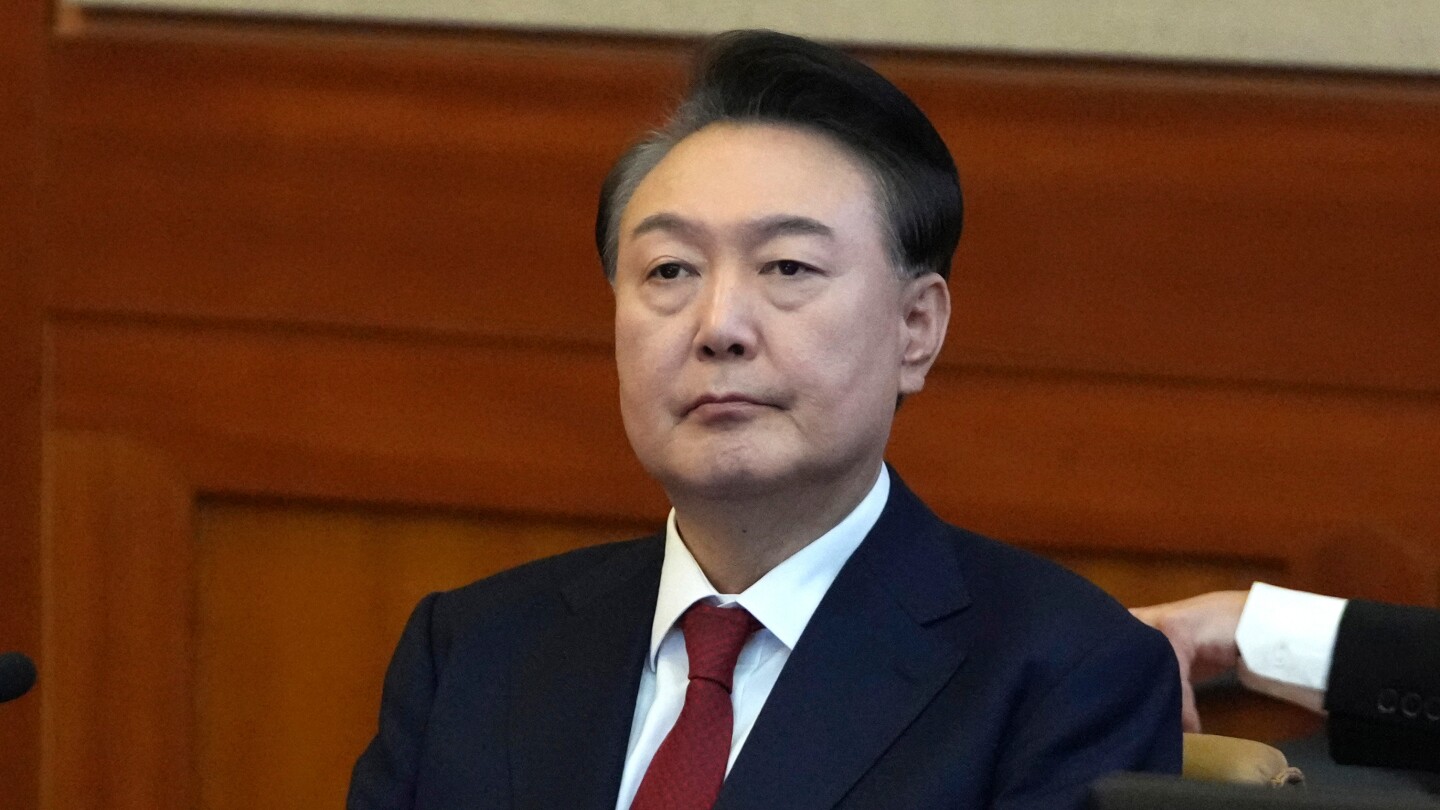
    South Korea’s National Assembly has enacted significant judicial legislation on Tuesday, establishing specialized court panels to handle cases involving rebellion, treason, and foreign subversion. The bill passed with overwhelming support in a 175-2 vote, though it faced substantial opposition from conservative lawmakers who boycotted the proceedings.

    The newly approved legislation mandates that both Seoul Central District Court and Seoul High Court must constitute at least two specialized judicial panels, each composed of a three-judge bench selected by the courts’ judicial councils. This structural reform responds to mounting concerns regarding the handling of high-profile cases, particularly the ongoing rebellion trial of former President Yoon Suk Yeol.

    Notably, the final version of the bill contains crucial modifications from its original draft. Lawmakers amended the language to explicitly exclude ongoing trials from its jurisdiction, addressing criticisms that the initial proposal potentially compromised judicial independence. This compromise means the legislation will not affect Yoon’s current legal proceedings, which are expected to conclude with a verdict in early 2026.

    The legislative process encountered significant obstacles, including a 24-hour filibuster by Jang Dong-hyuk, leader of the conservative People Power Party. Conservative opponents maintained that the bill remained unconstitutional despite revisions and accused the Democratic Party of attempting to influence judicial outcomes. Following the vote, conservative leaders urged President Lee Jae Myung to exercise his veto power.

    The political context surrounding this legislation stems from the dramatic events of December 2024, when then-President Yoon declared martial law against what he termed “anti-state” liberal forces. Yoon was subsequently removed from office in April and re-arrested in July following an unsuccessful power consolidation attempt. He now faces multiple severe charges, including rebellion, which carries potential penalties of life imprisonment or capital punishment.

    The Democratic Party has consistently criticized the handling of Yoon’s case, particularly targeting Judge Jee Kui-youn of Seoul Central District Court. Liberals expressed dissatisfaction with the pacing of proceedings and questioned the traditional practice of random judge assignment for cases of exceptional national importance. Tensions escalated when other judges rejected arrest warrants for key figures associated with Yoon, including former Prime Minister Han Duck-soo and senior conservative lawmaker Choo Kyung-ho.