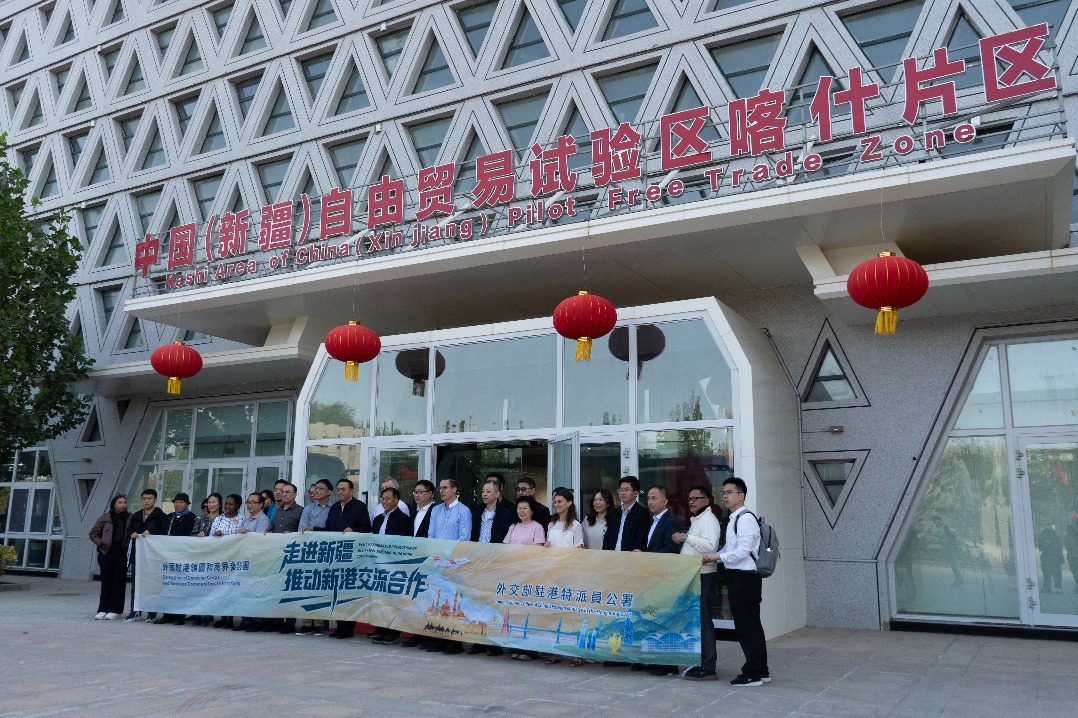
A delegation of diplomats and business leaders from Hong Kong recently concluded a visit to China’s Xinjiang Uygur Autonomous Region, organized by the Commissioner’s Office of the Chinese Foreign Ministry in the Hong Kong Special Administrative Region (HKSAR). The trip aimed to foster exchanges between Hong Kong and Xinjiang, offering participants a firsthand experience of the region’s cultural, economic, and natural allure. Delegates expressed surprise at Xinjiang’s vibrancy, describing it as more dynamic than anticipated. They emphasized the potential for enhanced cooperation between the two regions, particularly in trade, tourism, and clean energy. The delegation visited key cities, including Urumqi, Kashgar, and Yining, each offering unique cultural and economic characteristics. At Tianchi Lake, a glacial basin surrounded by snow-capped mountains, delegates marveled at the region’s natural beauty. In Kashgar’s ancient city, they immersed themselves in its rich history and lively atmosphere. The trip also highlighted Xinjiang’s strategic role as a transport and trade hub along the Silk Road Economic Belt, with the Horgos Port serving as a critical node for cross-border commerce. Delegates discussed potential collaborations, such as leveraging Hong Kong’s expertise in logistics and cold chain transportation to connect Xinjiang with global markets. The visit underscored the growing ties between Hong Kong and Xinjiang, with Cathay Pacific launching direct flights between the two regions in April 2025. Participants left with a deeper appreciation of Xinjiang’s opportunities and a commitment to fostering partnerships that benefit both regions.
标签: Asia
亚洲
-
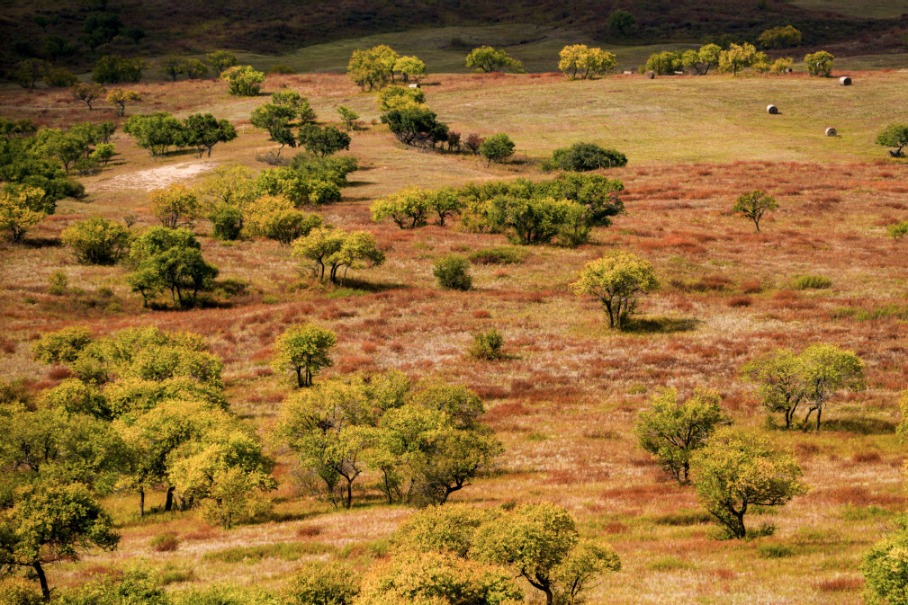
Global study shows intensifying drought may wreck grasslands
A groundbreaking international study led by Chinese researchers has unveiled alarming evidence that prolonged and intensified droughts are pushing global grassland ecosystems toward collapse. Published in the prestigious journal Science, the research involved collaboration among scientists from Beijing Forestry University and over 120 institutions, including Colorado State University in the United States. The study meticulously tracked plant growth across 74 grasslands and shrublands spanning six continents during periods of drought. The findings reveal that the combined impact of drought intensity and duration significantly exacerbates productivity losses in these ecosystems. Notably, after four consecutive years of extreme drought, productivity losses surged by approximately 2.5 times compared to the initial year. This suggests that ecosystems may transition from a state of low yield to a rapid and irreversible decline if climate change continues to worsen drought conditions. The study underscores the growing concern that future climate extremes will increasingly disrupt ecosystems in unprecedented and troubling ways. According to Bianca Lopez, an editor at Science, the research provides a critical benchmark for understanding the relationship between drought severity, duration, and ecosystem health. The study’s peer reviewers also emphasized its importance in establishing a foundation for future investigations into the impacts of climate change on global ecosystems.
-
State councilor urges efforts to promote women’s cause
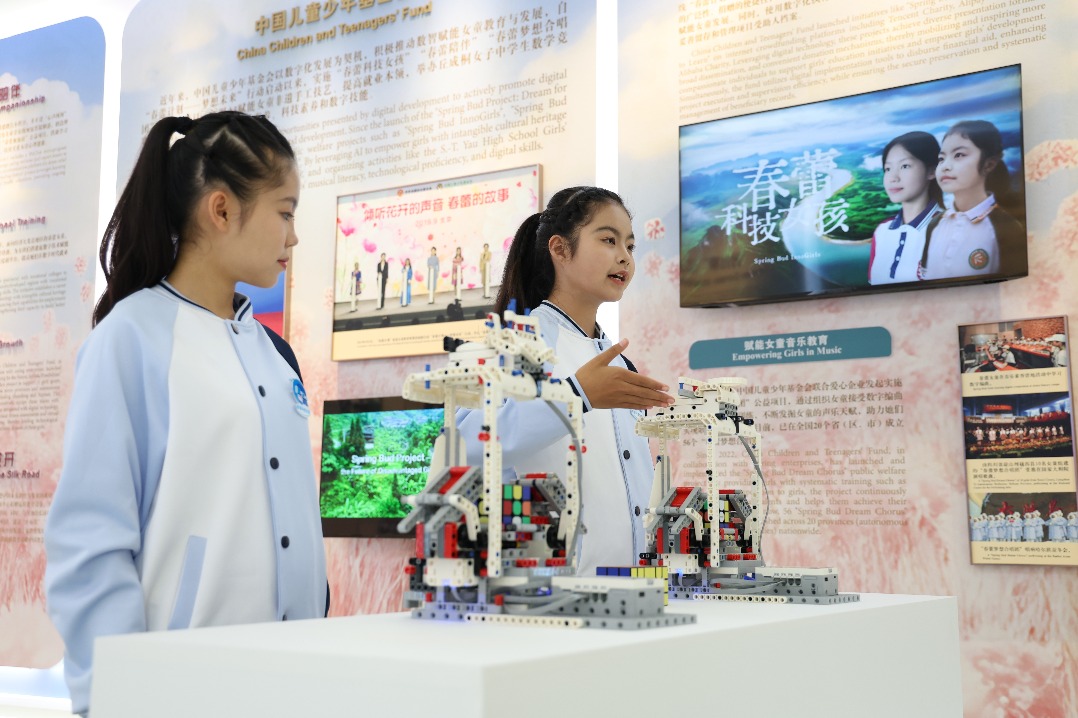
In a significant address on Sunday, Chinese State Councilor Shen Yiqin emphasized the critical role of women’s federations in fostering the high-quality development of women’s causes across the nation. Speaking at a video conference, Shen, who also serves as the president of the All-China Women’s Federation, highlighted the recent Global Leaders’ Meeting on Women held in Beijing as a pivotal milestone in advancing women’s rights globally. Shen urged these federations to create conducive environments for women’s comprehensive development, establish robust platforms to support their active participation, and safeguard their legitimate rights through improved governance. She also called for concrete measures to enhance global women’s development, contributing to the broader vision of building a shared future for humanity. Shen’s remarks underscore China’s commitment to gender equality and its proactive stance in promoting women’s empowerment on both national and international stages.
-

Revolutionary Chinese chip to pioneer search for dark matter, black holes
A groundbreaking spectroscopic imaging chip, RAFAEL, developed by a research team from Tsinghua University in China, has been unveiled, promising to transform humanity’s approach to observing the universe. Published in the prestigious journal Nature, this innovation resolves the long-standing challenge of balancing spectral resolution and throughput, enabling high-performance snapshot spectroscopy. Spectroscopy, a critical tool for analyzing the physical and chemical properties of matter, has traditionally struggled to achieve both ultra-high resolution and high efficiency simultaneously. RAFAEL, also known by its Chinese name “Yuheng,” overcomes this limitation through advanced lithium-niobate photonics, allowing each pixel in the sensor to capture complete spectral data with exceptional optical transmittance. The chip boasts a 10-megapixel spatial resolution and a spectral precision of 0.05 nanometers across visible to near-infrared wavelengths. In a recent demonstration, RAFAEL captured spectra of up to 5,600 stars in a single exposure, marking a hundredfold improvement in observational efficiency compared to leading astronomical spectrometers. Compact yet powerful, RAFAEL is poised to unlock new insights into cosmic phenomena such as dark matter and black holes, while advancing research in fields ranging from materials science to astrophysics. Professor Fang Lu, the corresponding author of the study, highlighted the chip’s potential to establish a new benchmark for astronomical observation. The name “Yuheng,” derived from the fifth star of the Big Dipper, symbolizes precision and balance, reflecting the chip’s mission to enhance humanity’s understanding of the universe.
-
Deal puts Takaichi on track to be Japan’s 1st woman PM
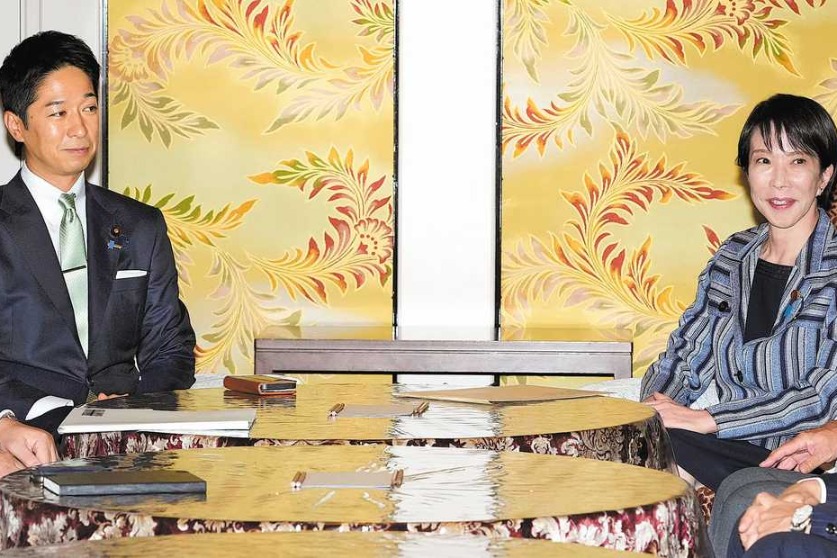
In a groundbreaking political development, Japan’s ruling Liberal Democratic Party (LDP) is poised to sign a coalition agreement with the opposition Japan Innovation Party (JIP) on Monday, setting the stage for Sanae Takaichi to become the nation’s first female prime minister. This historic move comes after the collapse of the LDP’s previous coalition with the Komeito party, which had been in place for 26 years, triggering a political crisis. Takaichi, who recently ascended to the leadership of the LDP, saw her initial bid for the premiership derailed by the coalition’s dissolution. However, the LDP’s efforts to forge a new alliance with the JIP have reignited her prospects. According to Kyodo News, Takaichi and JIP co-leader Hirofumi Yoshimura are expected to formalize the coalition agreement following policy talks on Monday. The deal includes key concessions such as reducing the consumption tax on food to zero and eliminating corporate donations, as well as Yoshimura’s demand to cut the number of parliamentary seats. While the LDP-JIP alliance is still two seats short of a majority in the lower house, Takaichi could secure the premiership in a potential second-round runoff by garnering more support from lawmakers. This pivotal agreement marks a significant step toward breaking Japan’s long-standing gender barrier in its highest political office.
-

Photos on a star trek
The ‘Ten Years Overlooking Hami’ Photography Culture Week and the annual ‘Sweet Whispers to the Galaxy’ Festival, held last month in Hami, Xinjiang Uygur autonomous region, drew a mix of seasoned photographers and influencers. Among them was Li Qing, a photographer and livestreaming expert from Panzhihua, Sichuan province, who first visited Hami in 2015 for a drone photography competition. ‘The Gobi Desert, grasslands, and mountains are a treasure trove for aerial photography,’ Li remarked, expressing his excitement to return and capture Hami’s vast landscapes once more. Dai Jianfeng, a renowned astrophotographer with over 3 million followers, attended the festival with a specific mission: to photograph the Hami Solar Thermal Power Station, a marvel featuring a 696,751-square-meter mirror field and a 220-meter-high molten salt tower. ‘This year, I aimed to capture the station under a clear, starry night,’ Dai explained. Zhou Bo, cofounder of the China StarVision Alliance, has been hosting livestreams for the festival since 2022. However, this year, he noted a decline in online traffic, attributing it to the absence of a major astronomical event like the Perseid meteor shower. Wang Junfeng, a frequent visitor to Hami and cofounder of the CSVA, remains optimistic. ‘Hami will surprise us with its wonders in a different season,’ he said, highlighting the region’s enduring appeal for photographers and stargazers alike.
-

Four days to go: Charming Beijing, Shared with the World
With just four days remaining until a significant global event, Beijing is poised to share its unique charm with the world. The city, renowned for its rich cultural heritage and modern advancements, is preparing to host an international gathering that highlights its role as a bridge between tradition and innovation. The event, scheduled to commence on October 24, 2025, is expected to draw attention from across the globe, showcasing Beijing’s ability to blend historical significance with contemporary relevance. As the countdown continues, the city is abuzz with preparations, from cultural exhibitions to technological showcases, all aimed at presenting a comprehensive picture of Beijing’s global appeal. This event not only underscores Beijing’s position as a key player on the world stage but also emphasizes the importance of international collaboration and mutual understanding in today’s interconnected world.
-
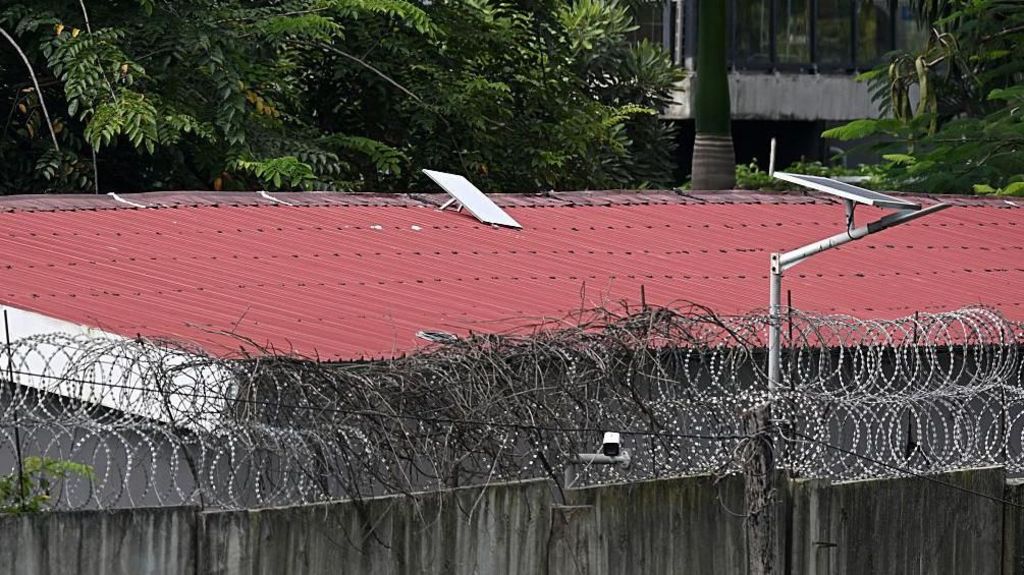
Notorious cyber scam hub linked to Chinese mafia raided
In a significant development in Myanmar’s ongoing civil war, the military has announced the capture of KK Park, one of the most infamous scam compounds located along the Thai-Myanmar border. Situated south of the border town of Myawaddy, KK Park has been a hub for online fraud, money laundering, and human trafficking for the past five years. Thousands of individuals, many from African countries, were lured with promises of lucrative jobs, only to be forced into orchestrating elaborate scams that defrauded victims worldwide of billions of dollars. The military, which has long been implicated in the scam industry, claims to have taken control of the complex as part of its broader strategy to reclaim territory lost to insurgent groups. This move comes as the junta prepares for a planned election in December, aiming to consolidate its control over key areas. The junta’s information ministry stated that its forces had ‘cleared’ KK Park, releasing over 2,000 workers and confiscating 30 Starlink satellite terminals, which were widely used by scam centers for online operations. The ministry blamed the Karen National Union (KNU) and volunteer people’s defence forces for illegally occupying the area. The KNU, an ethnic insurgent group controlling much of the region, had leased the land to Huanya International, a Hong Kong-listed company linked to Chinese underworld figure Wan Kuok Koi, also known as Broken Tooth. Despite the junta’s claims, sources suggest that scam operations may still be ongoing in parts of KK Park, and the military’s actions may be influenced by pressure from China, which has been urging the junta and Thai government to crack down on illegal activities run by Chinese syndicates. The capture of KK Park is part of a larger effort by the military to regain control of territory, including the strategic road linking Myawaddy to the rest of Myanmar. However, the junta still faces significant resistance, with opposition forces dismissing the upcoming election as a sham and vowing to block it in areas under their control.
-
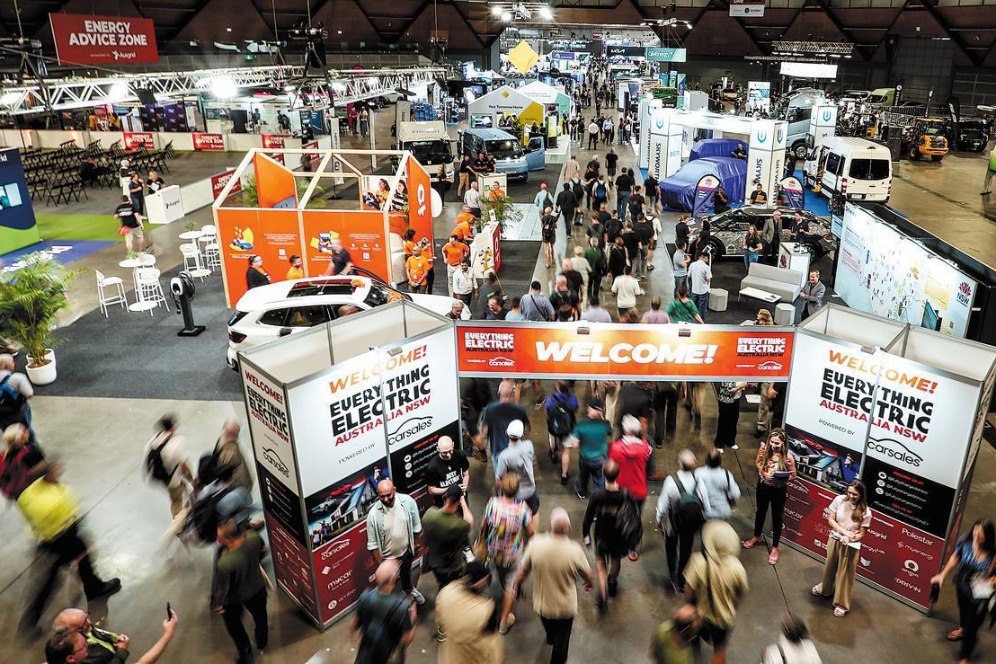
Chinese carmakers drive record Australian EV sales
Electric vehicle (EV) sales in Australia have soared to unprecedented levels, driven by advancements in charging infrastructure and the introduction of high-quality, affordable models from Chinese automakers. According to the latest industry report, Australians purchased 72,758 EVs in the first half of 2025, marking a 24.4% increase from the same period last year. EVs now represent 12.1% of all new car sales, with Chinese brands dominating the market. The State of EVs 2025 report, released by Australia’s Electric Vehicle Council, highlights that June 2025 set a new monthly record, with EVs accounting for nearly 16% of new vehicle sales. The national EV fleet has more than doubled in two years, reaching over 410,000 vehicles. This growth is attributed to significant investments in charging infrastructure and the implementation of new vehicle efficiency standards. The report notes that there are now 153 EV models available in Australia, up from 123 in June 2024, alongside a 20% increase in fast-charging locations and a 22% rise in high-power public charging plugs. Aman Gaur, head of legal, policy, and advocacy at the Electric Vehicle Council, emphasized that Chinese automakers are playing a pivotal role in this transformation by offering affordable, high-quality EVs with diverse features. Despite the sector’s rapid growth, EVs still constitute only 2% of all cars on Australian roads. The Australian Automotive Dealer Association echoed these sentiments, noting that Chinese brands account for 77.5% of all battery-electric vehicle sales in 2025. However, challenges such as brand competition and the need for expanded service infrastructure remain. Australian consumers, like accountant Shawn Williams, are increasingly opting for Chinese EVs due to their competitive pricing and utility, especially in light of rising household costs.
-
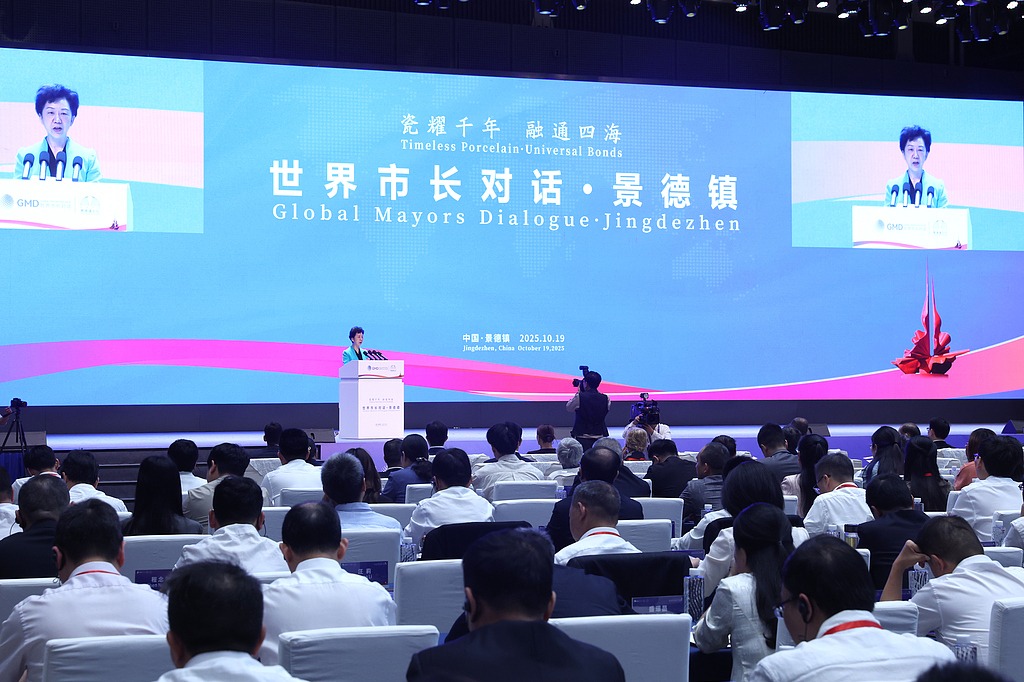
Global mayors foster artistic ceramic bonds
City leaders from across the globe gathered in Jingdezhen, China’s renowned ‘porcelain capital,’ to celebrate ceramics as a timeless symbol of cultural unity and friendship. The 2025 Global Mayors Dialogue, held on October 19, highlighted the shared artistic heritage that transcends borders and fosters mutual understanding in an increasingly diverse and complex world. Jingdezhen, located in Jiangxi province, served as the perfect backdrop for this international event, showcasing its centuries-old craftsmanship and innovation. Kagan Mehmet Usta, the mayor of Iznik, Turkiye, emphasized the deep cultural ties between Iznik and Jingdezhen, which were formalized as sister cities in 2021. He noted that this relationship symbolizes a shared artistic legacy that continues to inspire future generations. Nurbaev Niiazbek, deputy speaker of the City Council of Osh, Kyrgyzstan, praised ceramics as a universal language of peace, reflecting a nation’s aesthetics, craftsmanship, and philosophy. He announced plans to invite Jingdezhen experts to train local ceramic specialists and establish a dedicated pavilion for Jingdezhen porcelain at Silk Road trade fairs. Chen Kelong, mayor of Jingdezhen, highlighted the city’s commitment to cultural and trade cooperation, citing its international exchange activities and flagship stores in Dubai and Istanbul. The Jingdezhen International Ceramic Expo, running from October 19 to 22, further underscored the city’s global influence. Tourism in Jingdezhen has seen remarkable growth, with over 60 million visitors in 2024. Veronika Todorova, deputy mayor of Troyan, Bulgaria, expressed her admiration for Jingdezhen’s traditions and expressed eagerness for future collaborations. The event reinforced the role of ceramics as a bridge for cultural exchange and cooperation in the modern era.