
In a groundbreaking achievement for sustainable technology, China has successfully completed the construction of the world’s first wind-powered underwater data center (UDC) in Shanghai. This innovative project, located in the Lin-gang Special Area of the China (Shanghai) Pilot Free Trade Zone, represents a significant leap forward in the integration of renewable energy and computing infrastructure. With an investment of 1.6 billion yuan (approximately $226 million), the UDC boasts a total power capacity of 24 megawatts. Unlike traditional land-based data centers, this facility is designed to utilize over 95% green electricity, drastically reducing power consumption by 22.8% and eliminating water and land use by 100% and over 90%, respectively. The completion of this project not only sets a new benchmark for green computing but also demonstrates the potential for offshore wind power to support large-scale, low-carbon data processing. This development is expected to inspire further advancements in sustainable technology and renewable energy integration globally.
标签: Asia
亚洲
-

Dubai: Gold prices rally continues as 18K moves closer to Dh400
Gold prices in Dubai witnessed a significant rally on Tuesday, with 18K gold inching closer to Dh400 per gram, driven by sustained market momentum. According to data from the Dubai Jewellery Group, 24K gold opened at Dh523.25 per gram, up from Dh521.75 per gram at Monday’s market close. Similarly, 22K, 21K, and 18K gold opened higher at Dh484.5, Dh464.75, and Dh398.25 per gram, respectively. Spot gold, however, experienced a slight dip, trading at $4,332.52 per ounce, down 0.23% at 9:15 AM UAE time. Dilin Wu, a research strategist at Pepperstone, noted that gold bulls faced significant resistance over the past week due to heightened market volatility. She attributed recent price swings to rapid developments in US-China trade tensions and global geopolitical events. Wu emphasized that the market’s anticipation of US Federal Reserve interest rate cuts and substantial ETF holdings continue to provide medium- to long-term support for gold. Traders are now focusing on upcoming US CPI data and corporate earnings releases, which could exert short-term pressure on gold prices. Intraday prices reached a record high of $4,379 but faced heavy selling during European and US trading hours, briefly dropping below $4,200. Despite this, gold posted a 5.7% weekly gain, marking its tenth consecutive weekly advance. Wu highlighted that a close above $4,300 this week could confirm a new upward momentum phase.
-

PGA Tour heads to Utah as South Korea hosts tournaments for LPGA and European Tour
The global golf scene is buzzing with excitement as major tournaments across the PGA, LPGA, and European Tours unfold. The PGA Tour’s Bank of Utah Championship, held at the Black Desert Resort in Ivins, Utah, boasts a $6 million purse, with the winner taking home $1.08 million. The event features top players like Alex Noren and Maverick McNealy, both ranked within the world’s top 20. This marks the tournament’s second year, now with a title sponsor, and showcases a challenging 7,421-yard course designed by the late Tom Weiskopf. Defending champion Matt McCarty, who triumphed in 2024, returns to defend his title. Meanwhile, the LPGA Tour’s Hanwha Lifeplus International Crown in Goyang, South Korea, brings together seven countries and a ‘rest of the world’ team for a thrilling fourball competition. With a $2 million prize pool, the winning team will earn $500,000. Notable players like Lydia Ko and Brooke Henderson add to the event’s prestige, though Nelly Korda’s withdrawal due to injuries is a setback. On the European Tour, the Genesis Championship in Cheonan, South Korea, offers a $4 million purse, with the winner claiming $666,667. This event is crucial for players vying to qualify for the Race to Dubai’s final tournaments. Stars like Hideki Matsuyama and Adam Scott are in the field, adding to the competition’s intensity. Across the globe, other tours, including the PGA Tour Champions, Asian Tour, and Ladies European Tour, are also in full swing, showcasing golf’s universal appeal and the sport’s top talent.
-

Sacred code: US, China and the rise of algorithmical theology
The recent agreement between the United States and China regarding the ownership of TikTok marks a significant milestone in the ongoing struggle over technological sovereignty. Under the terms of the deal, China retains a 20% stake in the platform and maintains control over its algorithm, a critical component of TikTok’s success. While American shareholders will oversee the algorithm’s usage, they will not own it outright. This arrangement underscores the ideological and strategic importance of algorithms in the digital age, as China views them as sacred and untouchable assets that traditional intellectual property rights (IPR) cannot adequately protect.
For China, the deal represents a partial victory. By retaining a minority stake, China ensures its continued presence in the U.S. market, a foothold that would have otherwise been lost entirely. The compromise highlights the broader ‘techno-theological’ disputes between the two nations, reminiscent of past conflicts such as the 2009 Google-China standoff. In that instance, China demanded access to Google’s source code, a condition the tech giant refused, leading to its exit from the Chinese market. Similar demands were made to other U.S. platforms like Facebook and Twitter, which also failed to gain entry.
TikTok’s case is unique due to its pivotal role in American politics, particularly its influence on the electoral process. With over 170 million followers on TikTok, President Donald Trump’s campaign would have been significantly impacted by a shutdown. This political leverage likely influenced the U.S. decision to accept the compromise, despite concerns over the platform’s potential risks.
The TikTok deal draws parallels to the Vatican’s agreement with China on the appointment of bishops, where the Pope retains control over the core doctrine while China manages its implementation domestically. Both agreements reflect a pragmatic approach to maintaining limited access in a highly controlled environment.
This deal also raises questions about the future of IPR and technological sovereignty. As algorithms become the cornerstone of modern innovation, their protection and control will remain a contentious issue. China’s insistence on retaining control over TikTok’s algorithm signals its broader strategy of state-directed technological development, challenging the Western model of IPR-based innovation.
The TikTok compromise is a testament to the evolving dynamics of U.S.-China relations, where ideological and technological disputes are increasingly resolved through pragmatic, albeit uneasy, agreements.
-
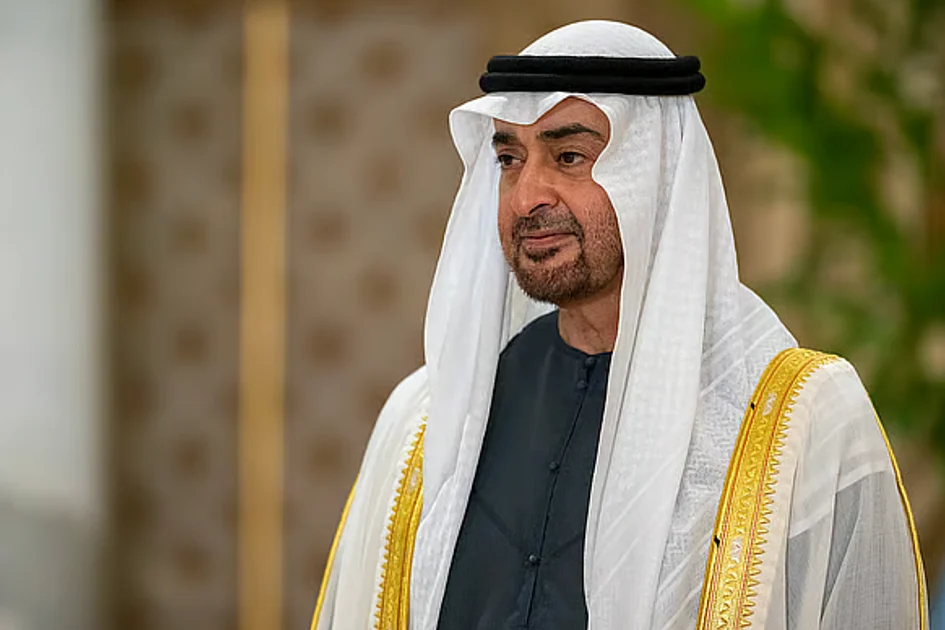
UAE President congratulates Takaichi, first female PM of Japan
In a historic moment for Japan, Sanae Takaichi has been elected as the nation’s first female Prime Minister. UAE President Sheikh Mohamed bin Zayed Al Nahyan extended his heartfelt congratulations to Takaichi, expressing his wishes for her success in steering Japan towards greater progress and development. The President also emphasized his eagerness to strengthen the already robust UAE-Japan relationship, highlighting the importance of their Comprehensive Strategic Partnership in fostering mutual growth and prosperity for both nations. Takaichi, the leader of Japan’s ruling Liberal Democratic Party, secured 237 votes in the lower house, surpassing the majority required in the 465-seat chamber. Her inauguration marks a significant milestone in Japan’s political landscape, reflecting a progressive shift in leadership. The UAE’s gesture underscores the importance of international diplomacy and the shared commitment to advancing bilateral ties.
-
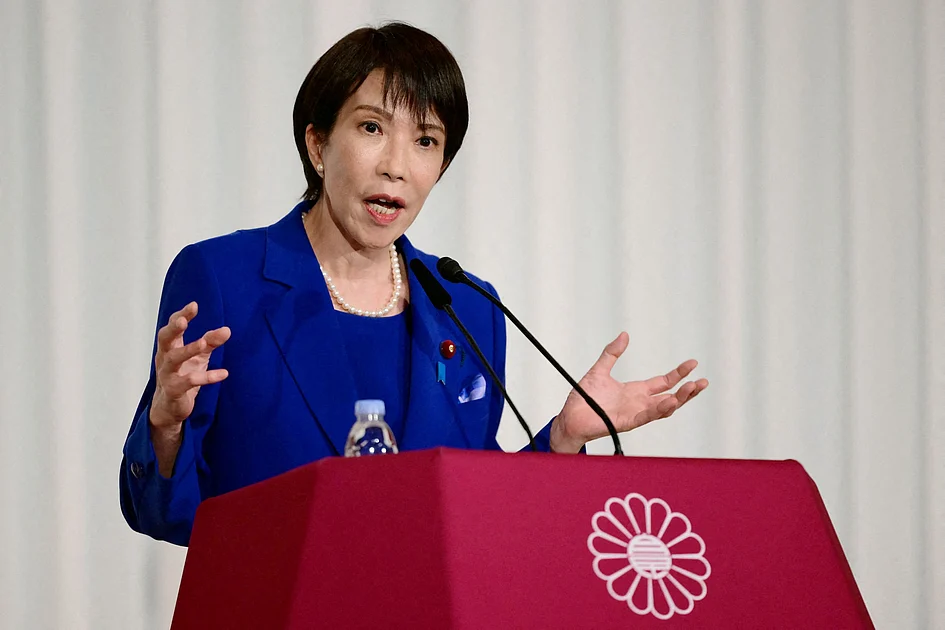
Japan’s Sanae Takaichi elected as first female prime minister
In a historic moment for Japan, Sanae Takaichi, leader of the ruling Liberal Democratic Party (LDP), has been elected as the nation’s first female prime minister. The landmark decision came after Takaichi secured 237 votes in the lower house election on Tuesday, surpassing the majority required in the 465-seat chamber. Her victory paves the way for her official inauguration later in the day, marking a significant milestone in Japan’s political landscape. Takaichi is expected to gain approval from the upper house, albeit less influential, and will be sworn in as Japan’s 104th prime minister. She succeeds Shigeru Ishiba, who resigned last month following electoral setbacks. Takaichi’s ascension is seen as a transformative step for gender equality in a country where women have historically been underrepresented in leadership roles. Her election also signals a potential shift in Japan’s political dynamics, as she takes the helm during a period of economic and social challenges.
-
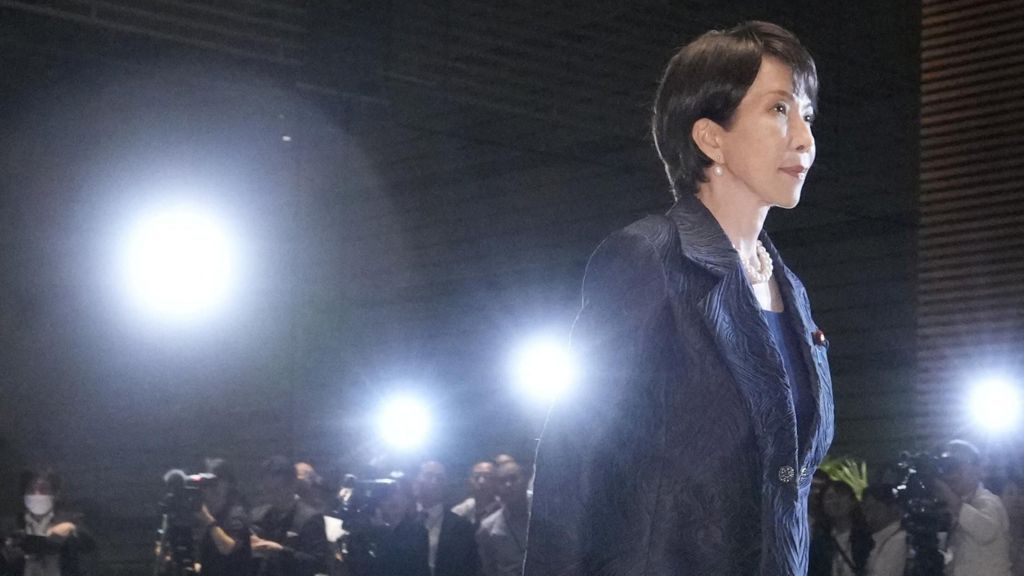
Japan’s first female leader: A historic moment with caveats
Sanae Takaichi’s ascension to the role of Japan’s first female prime minister marks a historic milestone in a nation long dominated by male leadership. For many young girls, her rise symbolizes a potential shift in societal norms, yet critics argue that her conservative policies may reinforce rather than challenge the patriarchal system. Takaichi, often compared to Britain’s Margaret Thatcher, has consistently opposed progressive measures such as same-sex marriage, separate surnames for married couples, and female succession in the imperial family. Her leadership is seen by some as a strategic move by the ruling Liberal Democratic Party (LDP) to appeal to its conservative base. Despite her historic achievement, Takaichi’s policies align closely with traditional gender roles, raising questions about her commitment to advancing women’s rights. Japan’s gender gap remains stark, ranking 118th globally in gender equality, with women holding only 15.7% of parliamentary seats. While some view her rise as a pivotal moment for women’s empowerment, others caution against celebrating her leadership without scrutinizing her policies. As Takaichi navigates economic challenges and prepares to host President Trump, gender equality appears unlikely to top her agenda.
-
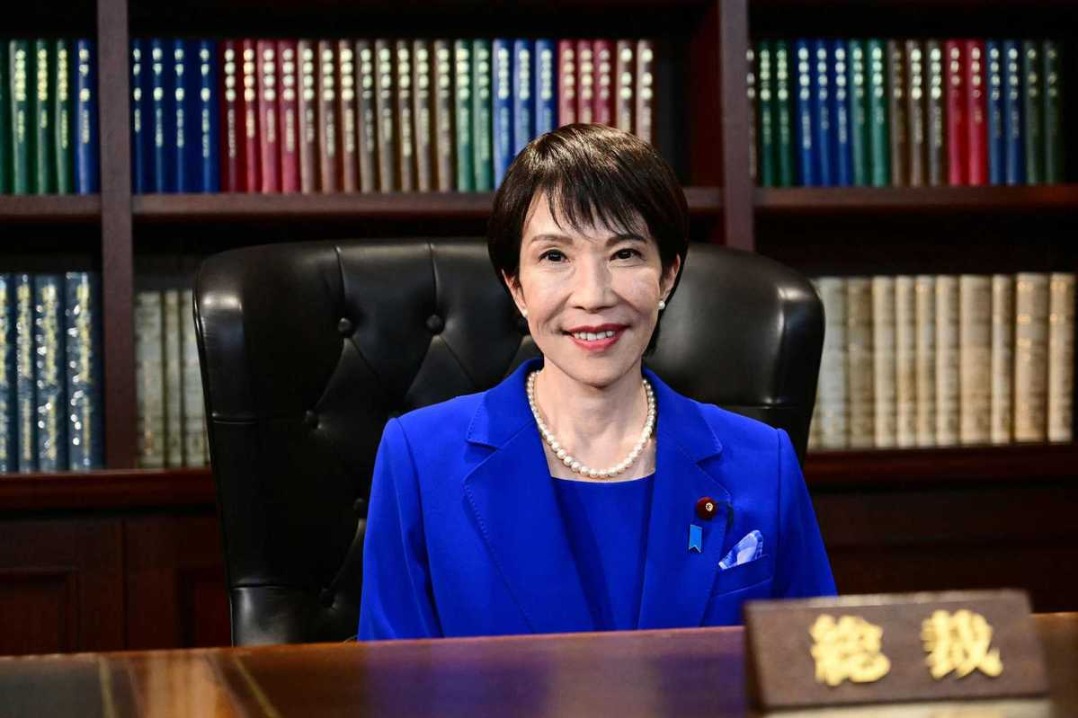
Takaichi elected Japan’s first female PM
In a landmark moment for Japan, Sanae Takaichi was elected as the nation’s first female prime minister on Tuesday, October 21, 2025. Takaichi, the president of the ruling Liberal Democratic Party (LDP), secured 237 votes in the Lower House, defeating Yoshihiko Noda, leader of the Constitutional Democratic Party of Japan, who received 149 votes. This decisive victory in the first round of the election eliminated the need for a runoff, marking a significant shift in Japan’s political landscape. Takaichi’s election as the 104th prime minister of Japan is a historic milestone, breaking the long-standing gender barrier in the country’s highest office. Her leadership comes at a critical time, as Japan faces economic challenges and seeks to strengthen its global influence. Takaichi’s rise to power is expected to inspire greater gender equality in Japanese politics and society.
-

Chinese telescope for advanced solar research now operational
China has achieved a groundbreaking milestone in solar research with the official commissioning of the world’s first mid-infrared solar magnetic-field telescope. Known as the Accurate Infrared Magnetic Field Measurements of the Sun (AIMS), this cutting-edge instrument has successfully passed national acceptance, marking its transition from construction to active scientific use. Developed under the leadership of the National Astronomical Observatories of the Chinese Academy of Sciences, the telescope boasts an innovative off-axis optical system design and is entirely composed of domestically produced components, underscoring China’s growing prowess in independent astronomical innovation. The AIMS telescope fills a critical gap in mid-infrared solar magnetic field observations, providing invaluable data for advanced studies in solar physics and space weather forecasting. Its operational status is expected to significantly enhance China’s capabilities in understanding solar phenomena and mitigating the impacts of space weather on Earth. This achievement not only represents a leap forward for Chinese astronomy but also positions the country as a global leader in solar research technology.
-
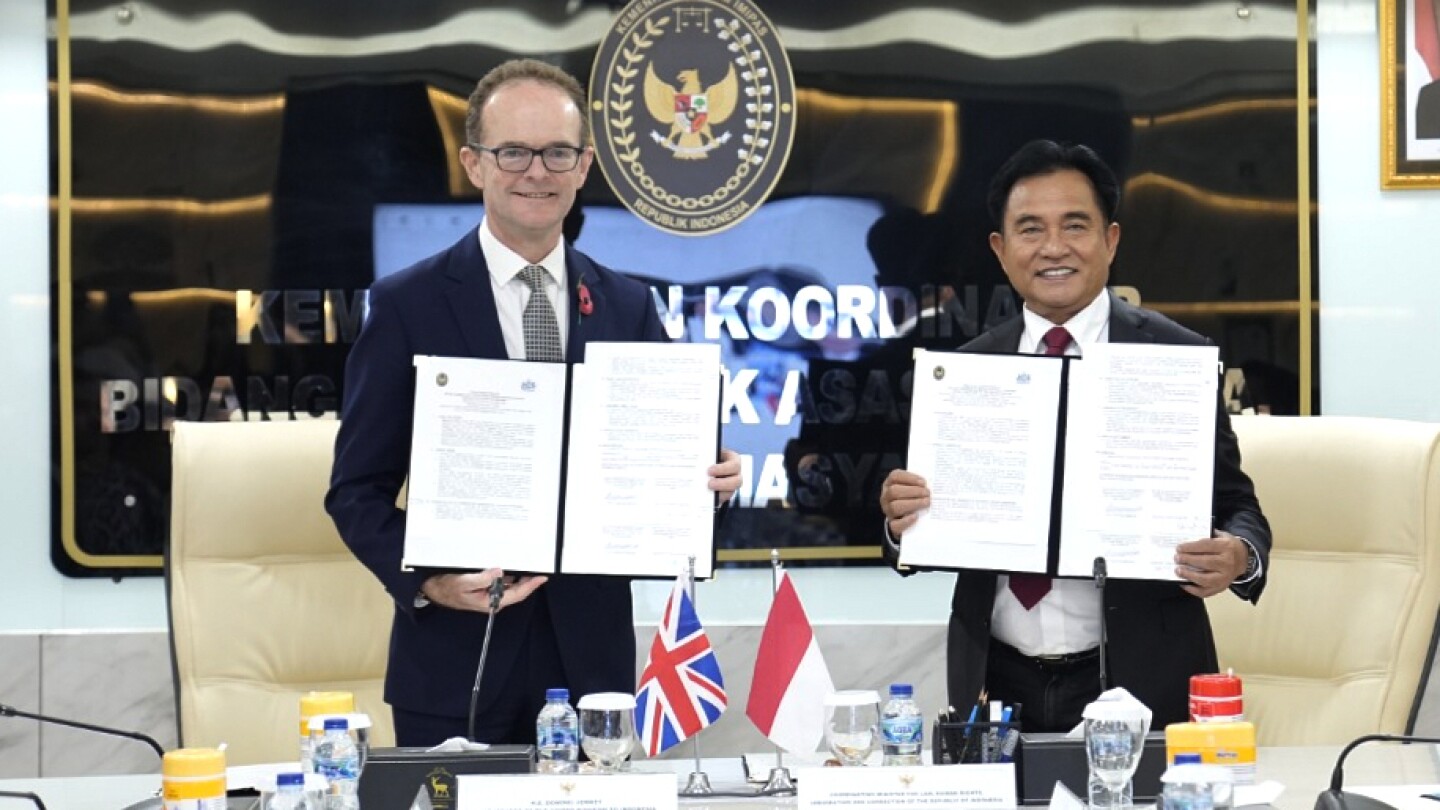
UK and Indonesia agree to send home a British woman facing death penalty for drugs
In a significant diplomatic development, the United Kingdom and Indonesia have reached an agreement to repatriate two British citizens serving severe sentences for drug-related offenses in Indonesia. The agreement, signed on Tuesday, involves Lindsay Sandiford, a 68-year-old woman who was sentenced to death by firing squad in 2013, and Shahab Shahabadi, a 35-year-old man serving a life sentence since 2014. Sandiford was arrested in 2012 at Bali’s airport with 3.8 kilograms of cocaine concealed in her suitcase, while Shahabadi was implicated in an international drug trafficking network, having shipped 30 kilograms of methamphetamine from Iran to Jakarta. Both individuals have faced significant health and legal challenges during their incarceration. The repatriation process will commence once all technical and administrative procedures are finalized, according to Indonesian Senior Minister of Law Yusril Ihza Mahendra. This move aligns with Indonesia’s recent efforts under President Prabowo Subianto’s administration to repatriate foreign prisoners through bilateral agreements. Despite Indonesia’s stringent drug laws, the country remains a major hub for drug smuggling, with over 500 individuals, including nearly 100 foreigners, currently on death row for drug-related crimes.