标签: Asia

亚洲

  • Thailand bombs a village in Cambodia even as both nations hold border talks to end armed clashes

    Thailand bombs a village in Cambodia even as both nations hold border talks to end armed clashes

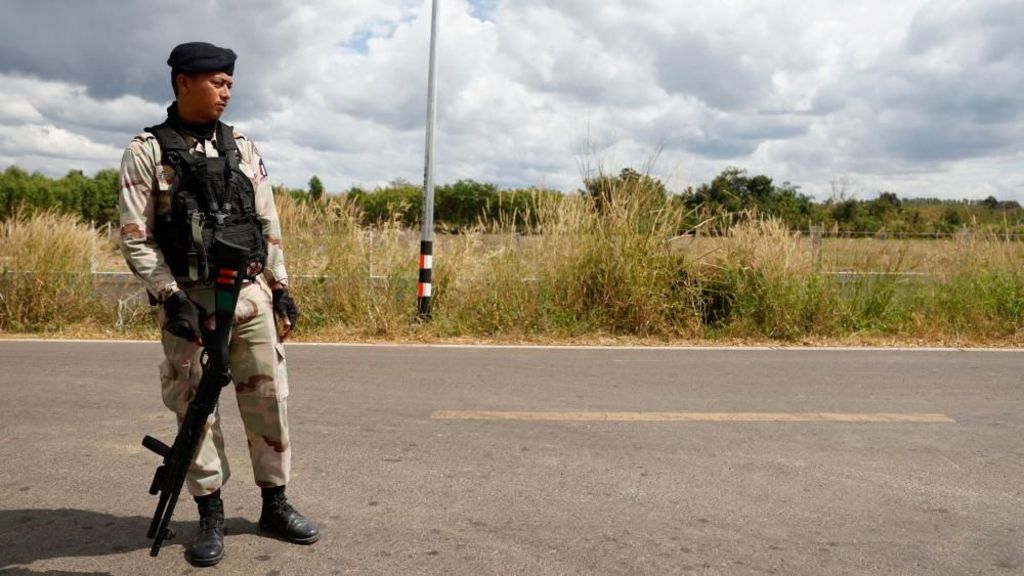
    BANGKOK (AP) — A severe escalation of military conflict unfolded along the Thailand-Cambodia border on Friday, casting a shadow over concurrent diplomatic negotiations aimed at halting hostilities that reignited in early December. This recent outbreak of violence shattered a fragile five-month ceasefire previously brokered by regional leaders.

    Cambodia’s Defense Ministry reported a significant aerial assault by Thai forces, alleging that F-16 fighter jets conducted bombing operations targeting a village within the northwestern Banteay Meanchey province. The ministry confirmed substantial damage to civilian infrastructure and residential areas, though immediate casualty figures remained unverified.

    Thai military authorities acknowledged the offensive, characterizing it as a necessary joint army-air force operation to protect Thailand’s territorial integrity in the adjacent Sa Kaeo province. This region represents one of several areas where the neighboring nations maintain overlapping territorial claims, a historical point of contention that initially sparked armed conflict in late July.

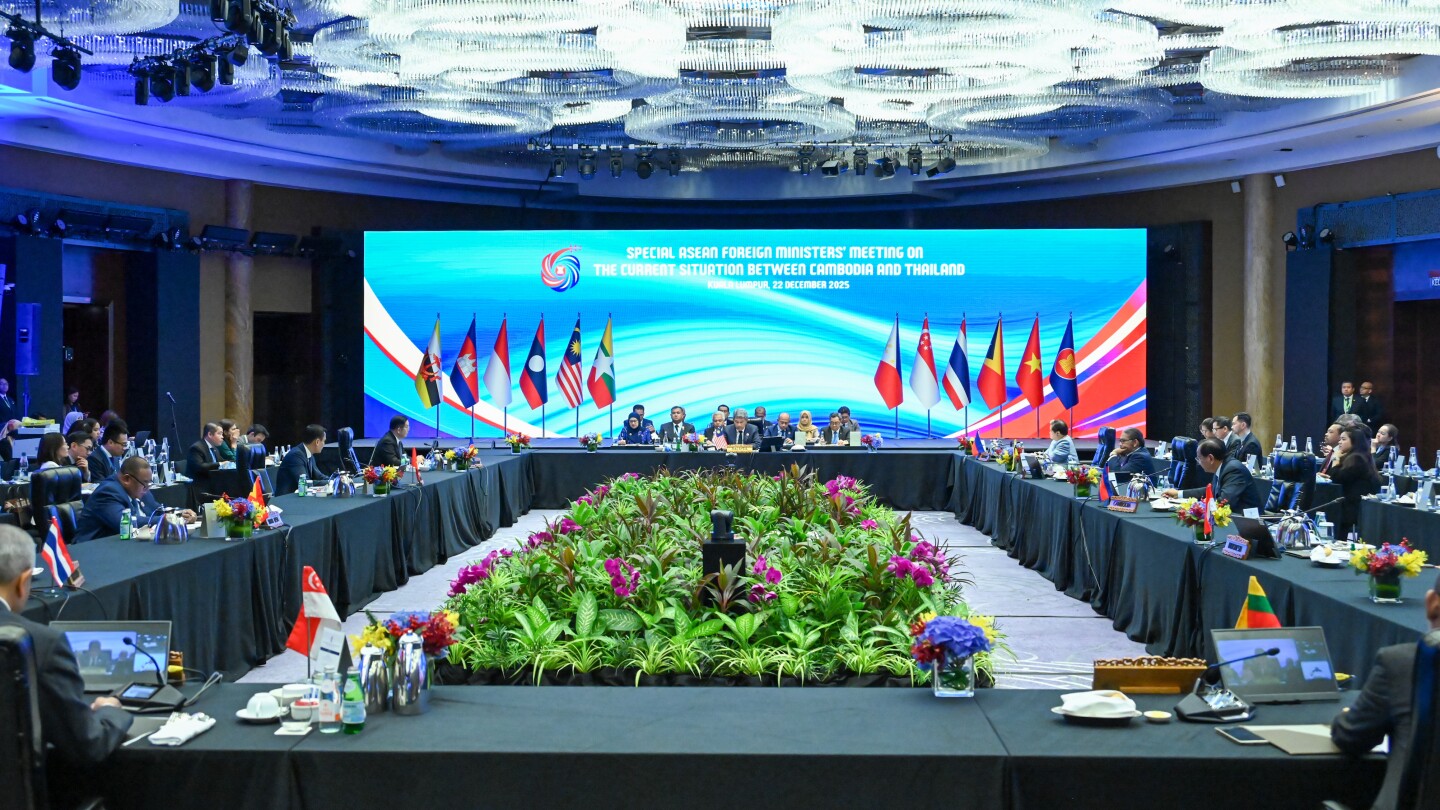
    The current military engagement occurs alongside continued diplomatic efforts. Military representatives from both nations conducted their third day of working-level talks through the established General Border Committee framework. These discussions, occurring at a checkpoint between Cambodia’s Pailin province and Thailand’s Chanthaburi province, are anticipated to conclude Saturday with the anticipated participation of both countries’ defense ministers.

    Thai Prime Minister Anutin Charnvirakul outlined a potential path to de-escalation, indicating Thailand’s expectation for a 72-hour ceasefire from Cambodia. He suggested that successful implementation could lead to the repatriation of Cambodian prisoners of war.

    The human cost of the conflict continues to mount. Thai officials report 26 military personnel and one civilian killed directly in combat since December 7th, with an additional 44 civilian deaths attributed to collateral effects. Cambodia acknowledges 30 civilian fatalities and 90 injuries but has not released official military casualty figures. The violence has prompted the evacuation of hundreds of thousands of residents from border regions.

    International mediation efforts persist despite challenges. Former U.S. President Donald Trump previously claimed successful ceasefire negotiation during December 12th calls with both leaders, though Thai authorities denied such an agreement. Current U.S. Secretary of State Marco Rubio reaffirmed Washington’s readiness to facilitate peace discussions during recent communications with Cambodian leadership.

    In a remarkable sidelight to the military conflict, Thai authorities reported the rescue of five malnourished wild animals—including two lions, a sun bear, and two Asiatic black bears—from a casino compound allegedly serving as a Cambodian military stronghold. The animals, transported to Thai wildlife breeding centers, arrived in time for Christmas, with the lioness named “Merry” and the lion “Christmas” to commemorate their liberation.

  • Remains of former senior Chinese legislator Peng Peiyun cremated

    Remains of former senior Chinese legislator Peng Peiyun cremated

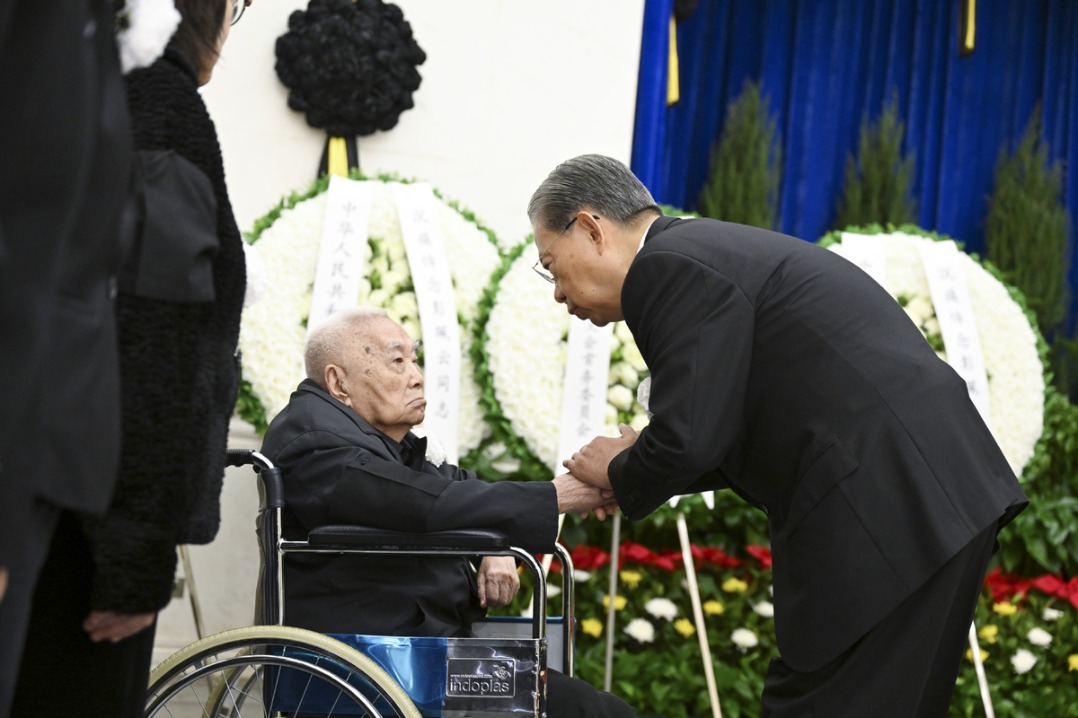
    Beijing witnessed a solemn state ceremony on Friday as the remains of Peng Peiyun, the distinguished former Chinese legislator and women’s rights advocate, were cremated at the historic Babaoshan Revolutionary Cemetery. The ceremony marked the final farewell to the prominent political figure who passed away on December 21st at the age of 96.

    China’s current leadership demonstrated profound respect for Peng’s decades of public service through multiple gestures of condolence. President Xi Jinping, Premier Li Qiang, and other senior officials including Zhao Leji, Wang Huning, Cai Qi, Ding Xuexiang, Li Xi, and Han Zheng either personally visited Peng during her hospitalization or conveyed formal condolences through various official channels. Former President Hu Jintao also joined in paying tribute to the late stateswoman.

    Four senior leaders—Zhao Leji, Cai Qi, Ding Xuexiang, and Han Zheng—attended the funeral ceremony as official representatives of the Communist Party of China Central Committee. They conveyed heartfelt sympathies from General Secretary Xi Jinping and other central leadership to Peng’s bereaved family members, acknowledging her significant contributions to China’s development.

    Peng Peiyun’s remarkable political career spanned several pivotal roles in China’s governance structure. She served with distinction as State Councilor, Vice Chairperson of the Standing Committee of the National People’s Congress, and held leadership positions at the All-China Women’s Federation, initially as president and later as honorary president. Her work significantly advanced women’s rights and legislative development during China’s reform era.

  • Dubai-based company AlHind set to begin airline operations soon

    Dubai-based company AlHind set to begin airline operations soon

    In a significant move to safeguard its youth in the digital age, the United Arab Emirates has formally enacted comprehensive legislation designed to protect children from online risks. The new law establishes a robust legal framework that mandates stringent measures for ensuring the secure use of technology by minors. It addresses a wide spectrum of digital threats, including cyberbullying, inappropriate content exposure, data privacy breaches, and online exploitation, positioning the UAE as a regional leader in cyber welfare policy.

    The legislation outlines clear responsibilities for parents, educational institutions, and technology service providers, creating a multi-layered defense system for child online safety. It also introduces stringent penalties for violations, signaling the government’s serious commitment to creating a safer digital environment for the younger generation.

    In a separate development, Dubai has announced an unprecedented spectacle to welcome the year 2026. The city revealed plans for a massive New Year’s Eve celebration featuring 48 synchronized fireworks displays across 40 different locations. This ambitious event, set to dwarf previous celebrations, is designed to transform the entire emirate into a canvas of light and color, offering residents and visitors alike a distributed, accessible, and breathtaking visual experience to mark the beginning of the new year.

  • China, New Zealand reaping rewards of kiwifruit cooperation

    China, New Zealand reaping rewards of kiwifruit cooperation

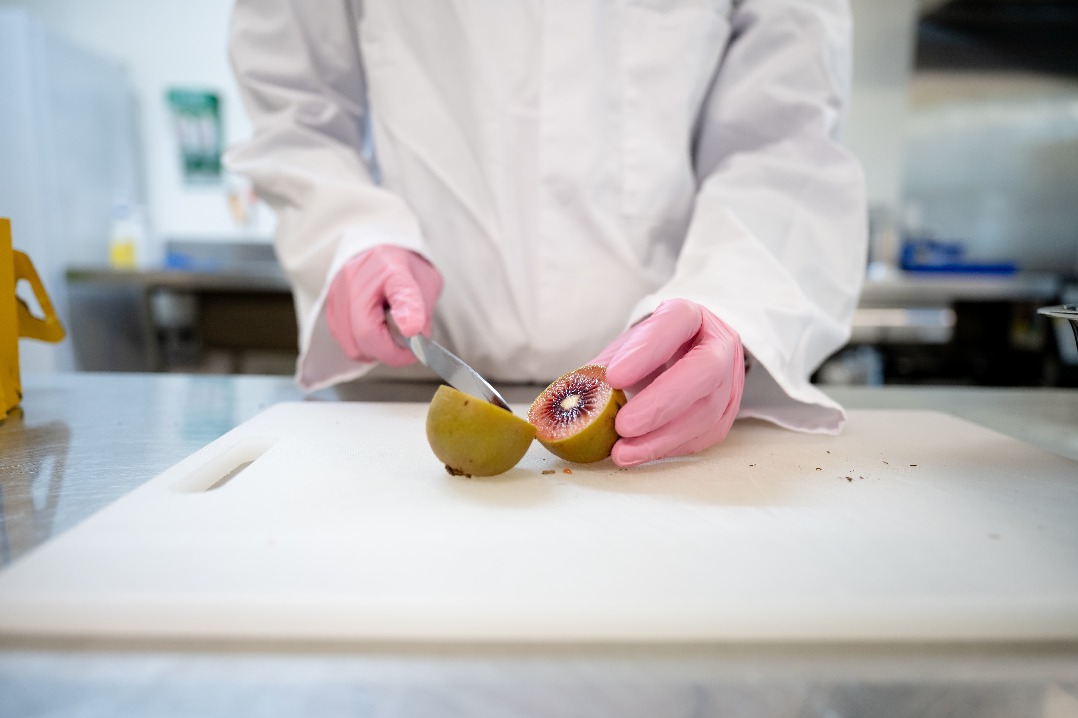
    A groundbreaking scientific partnership between China and New Zealand is revolutionizing the global kiwifruit industry through shared genetic resources and advanced cultivation technologies. At the forefront of this collaboration is Sarah Pilkington, a leading kiwifruit scientist at New Zealand’s state Bioeconomy Science Institute in Auckland, whose work demonstrates the powerful synergy between the fruit’s Chinese origins and New Zealand’s agricultural innovation.

    Pilkington emphasizes the fundamental Chinese heritage of all modern kiwifruit varieties, noting that access to China’s rich germplasm resources has been instrumental to her research. “Kiwifruit originated in China—any kiwifruit that exists around the world is from China,” she stated, highlighting the importance of preserving the fruit’s genetic diversity for future generations.

    The scientist leads a specialized team utilizing cutting-edge molecular technologies to develop new kiwifruit cultivars at the Plant and Food Research group, part of the newly formed Bioeconomy Science Institute. This innovative institution emerged from a merger of four organizations earlier in 2025, combining expertise across plant and animal systems, advanced manufacturing, agritech, biotechnology, and food science sectors.

    The collaboration represents a model of international scientific cooperation where China provides the foundational genetic material while New Zealand contributes technological advancement capabilities. This symbiotic relationship ensures the protection of kiwifruit biodiversity while simultaneously driving commercial innovation in horticultural science.

    Beyond laboratory research, the partnership has significant implications for global food security and sustainable agriculture practices. The exchange of knowledge and resources between the two nations is creating more resilient kiwifruit varieties capable of withstanding climate challenges and meeting evolving market demands worldwide.

    The scientific alliance forms part of broader agricultural exchanges between China and New Zealand, reflecting deepening bilateral ties in research and development that benefit both nations’ agricultural sectors and the global kiwifruit industry.

  • South Korea prosecutors seek 10-year jail term for ex-president Yoon Suk Yeol

    South Korea prosecutors seek 10-year jail term for ex-president Yoon Suk Yeol

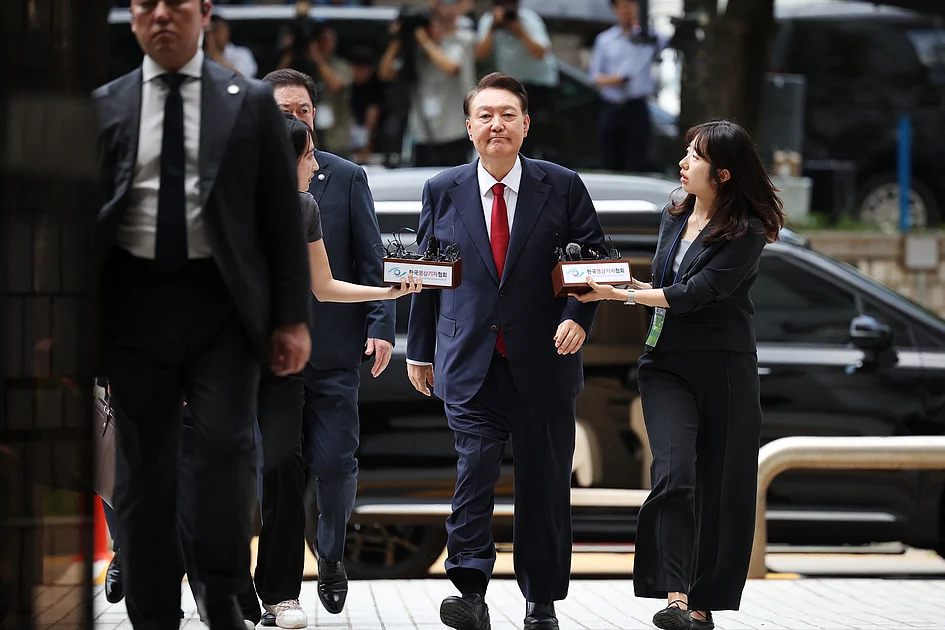
    In a landmark legal proceeding, South Korean prosecutors have formally requested a 10-year prison sentence for former President Yoon Suk Yeol regarding his controversial imposition of martial law in December 2024. The Seoul Central District Court heard arguments on Friday, December 26, 2025, marking a significant development in the ongoing judicial scrutiny of Yoon’s presidential actions.

    The prosecution’s case centers on charges of obstruction of justice, alleging that Yoon systematically excluded cabinet members from critical martial law discussions and subsequently obstructed investigative procedures aimed at detaining him in January. This unprecedented declaration of martial law—the first in over four decades—triggered massive public demonstrations and precipitated a constitutional crisis within the National Assembly.

    Yoon’s legal troubles escalated following his April removal from office by the Constitutional Court, which initiated multiple judicial proceedings against the former leader. In a statement earlier this month, Yoon defended his actions as necessary measures against what he characterized as ‘pro-China, pro-North Korea, and traitorous activities’ threatening national security.

    The judicial panel is anticipated to deliver its verdict in January 2026, according to reports from Yonhap News Agency. Concurrently, Yoon faces three additional trials, including allegations of leading an insurrection—a charge that carries the potential for capital punishment upon conviction. These proceedings represent the most significant political reckoning in South Korea’s modern democratic history, testing the resilience of the nation’s constitutional framework and accountability mechanisms.

  • World’s longest expressway tunnel opens to traffic in Xinjiang by year-end

    World’s longest expressway tunnel opens to traffic in Xinjiang by year-end

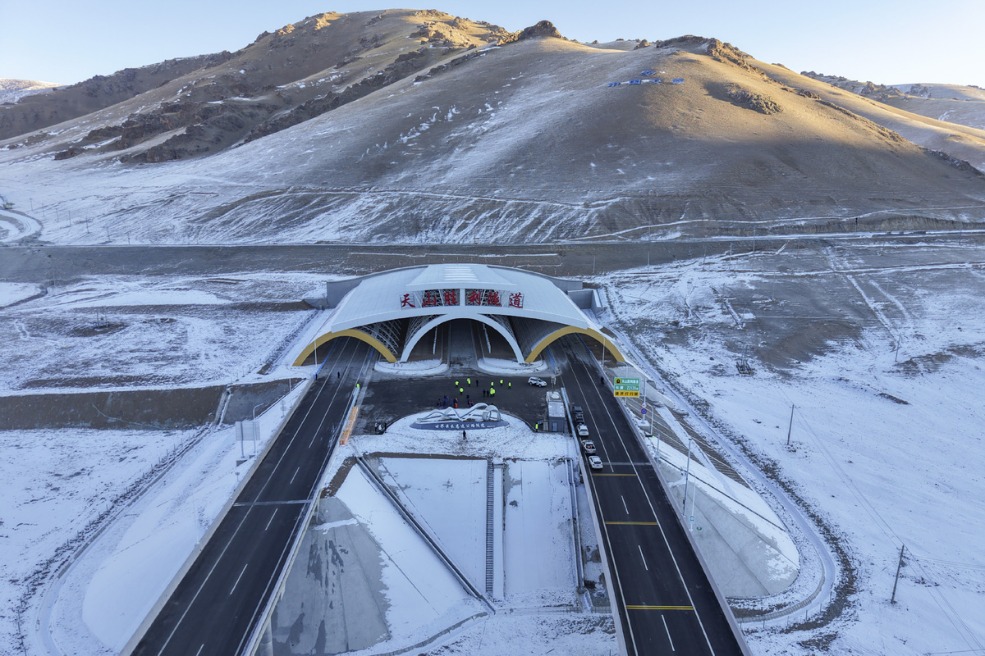
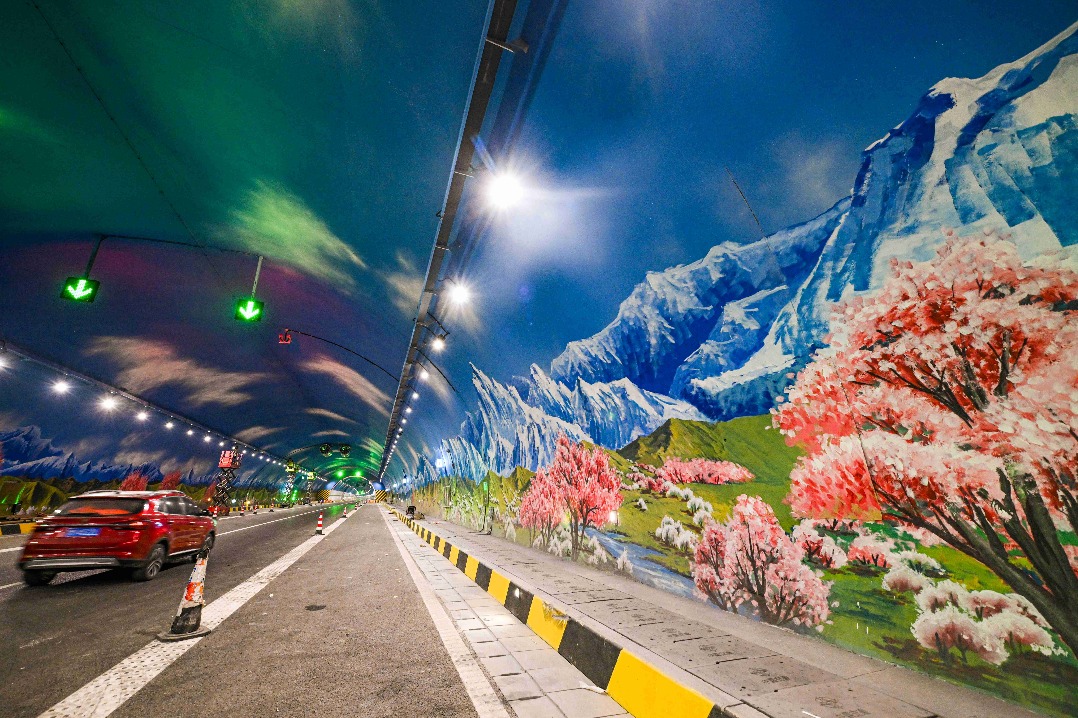
    In a monumental infrastructure achievement, China has officially opened the Tianshan Shengli Tunnel, now recognized as the world’s longest expressway tunnel. This engineering marvel commenced operations on December 26, 2025, creating a vital transportation corridor through the formidable Tianshan Mountains in Xinjiang Uygur Autonomous Region.

    The newly operational tunnel spans an impressive 22.13 kilometers, forming the centerpiece of the Urumqi-Yuli Expressway system. This strategic infrastructure project addresses a persistent transportation bottleneck that has historically impeded regional integration between northern and southern Xinjiang.

    Transportation efficiency has been dramatically transformed by this development. The tunnel reduces the crossing time through the central Tianshan Mountains from several hours to approximately 20 minutes. More significantly, travel duration between Urumqi, the regional capital north of the mountains, and Korla to the south has been slashed from seven hours to just three hours.

    Engineers overcame extraordinary geological challenges during construction, navigating complex mountain terrain and extreme weather conditions. The tunnel’s design incorporates state-of-the-art safety systems and ventilation technology to ensure secure passage for all vehicles.

    This infrastructure milestone promises to stimulate economic integration across Xinjiang, facilitating smoother movement of goods, services, and people while strengthening connectivity between previously isolated regions. The project represents a significant advancement in China’s ongoing efforts to modernize transportation networks in western regions.

  • Xinjiang opens world’s longest expressway tunnel

    Xinjiang opens world’s longest expressway tunnel

    China’s Xinjiang Uygur Autonomous Region has achieved a monumental engineering milestone with the inauguration of the world’s longest expressway tunnel on December 26, 2025. The Tianshan Shengli Tunnel, stretching an impressive 22.13 kilometers through the formidable Tianshan mountain range, now serves as the centerpiece of a newly opened expressway that dramatically transforms transportation connectivity across the region.

    This engineering marvel effectively bridges northern and southern Xinjiang, creating a direct highway link between the regional capital Urumqi and Yuli County in the Bayingolin Mongolian Autonomous Prefecture. The tunnel’s completion has effectively halved travel time between Urumqi and Korla, marking a significant advancement in the region’s infrastructure development.

    While the route immediately opened to most public vehicles upon its December 26 debut, medium and heavy-duty trucks will gain access when the expressway formally begins trial operations on January 1, 2026. The project represents one of China’s most ambitious infrastructure undertakings in recent years, overcoming extreme geographical challenges to create this unprecedented transportation corridor through one of Asia’s most formidable mountain ranges.

    The tunnel’s completion not only sets a new global benchmark for engineering achievements but also promises substantial economic and social benefits for Xinjiang by facilitating smoother movement of goods, people, and services across the previously divided region.

  • Beijing’s Tongzhou Railway Station to open Dec 30

    Beijing’s Tongzhou Railway Station to open Dec 30

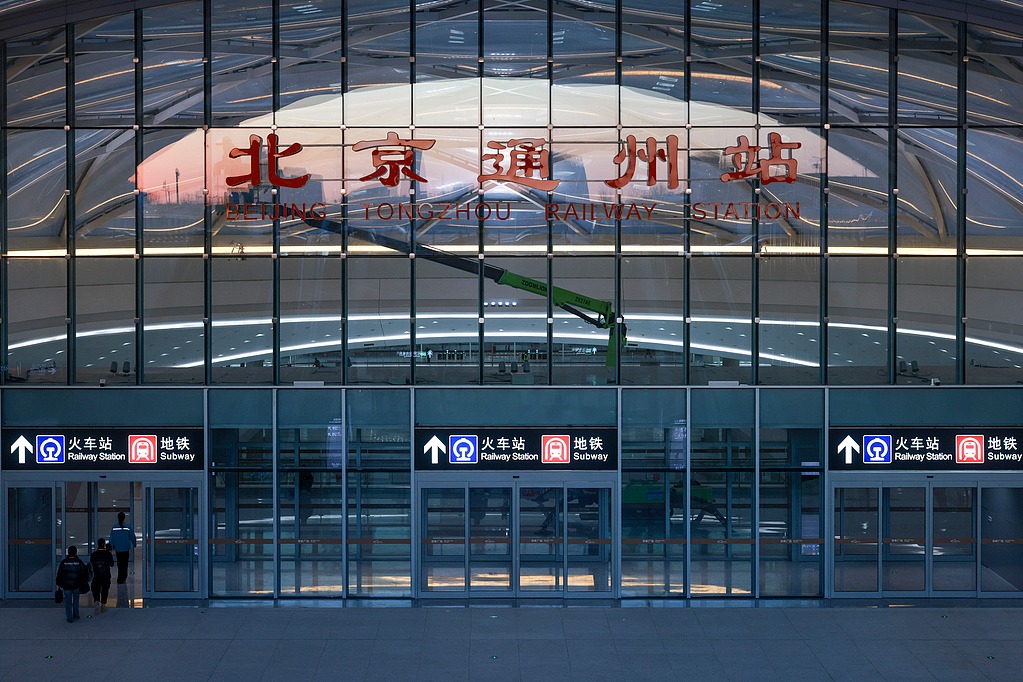
    Beijing’s highly anticipated Tongzhou Railway Station is scheduled to begin full operations on December 30, 2025, according to an official announcement from China Central Television. The state-of-the-art transportation complex, situated within the sub-center transport hub in Beijing’s eastern Tongzhou district, represents a significant advancement in the city’s infrastructure development.

    The five-story facility has been meticulously designed to integrate multiple transportation modalities while incorporating municipal administration and public service functions. Zhao Yinming, an official representative from the Beijing Major Railway Station Areas Administration, emphasized the station’s emphasis on seamless connectivity, featuring comprehensive railway networks, urban rail transit, bus services, and shuttle operations within a single complex.

    Initial operations will see the inauguration of the Beijing-Tangshan and Beijing-Tianjin intercity railway lines, establishing critical connections to multiple regional destinations. The network will extend to key stations including Tangshan, Qinhuangdao, Xianghe, Dachang, and Yanjiao in Hebei province, alongside Beichen in Tianjin municipality.

    Authorities have indicated that the transport hub will implement a phased operational approach, gradually expanding and optimizing its functional layout over time. Passenger flow management and transportation capacity will be dynamically adjusted according to actual travel demand patterns, ensuring efficient service delivery from the commencement date onward.

  • Frozen Yellow River waterfall captivates tourists

    Frozen Yellow River waterfall captivates tourists

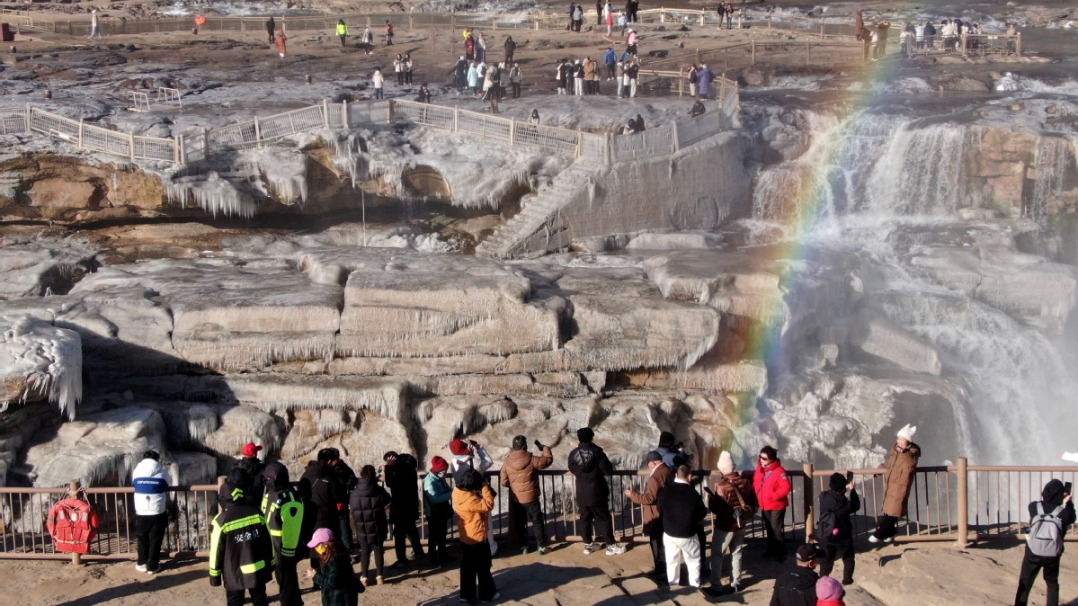
    Nature has unveiled one of its most magnificent winter spectacles at the Yellow River’s Hukou Waterfall, where sustained subzero temperatures have transformed the iconic landmark into a breathtaking frozen masterpiece. Situated along the provincial border between Shanxi’s Jixian county and Shaanxi’s Yichuan county, the waterfall now showcases magnificent layered ice formations that cascade like crystalline curtains.

    The geological marvel has become an unexpected tourist magnet as visitors flock to witness the rare natural phenomenon. Under the winter sun, the ice formations glisten with dazzling intensity, creating a prismatic effect that produces vibrant rainbows arching gracefully above the frozen cascade. This optical phenomenon occurs when sunlight refracts through ice crystals suspended in the misty atmosphere surrounding the waterfall.

    Photographers and nature enthusiasts have captured stunning images of the transformation, with the frozen waterfall providing a dramatic backdrop against the Yellow River’s rugged landscape. Local tourism authorities report significantly increased visitor numbers despite the chilly conditions, with many travelers specifically timing their visits to experience this seasonal wonder.

    The Hukou Waterfall, normally known for its powerful rushing waters during warmer months, demonstrates nature’s remarkable ability to create contrasting seasonal experiences. This winter transformation not only highlights the aesthetic beauty of China’s natural landscapes but also showcases the fascinating interplay between meteorological conditions and geological formations in creating unique tourist attractions.

  • Thailand bombs Cambodian border area as ceasefire talks continue

    Thailand bombs Cambodian border area as ceasefire talks continue

    Escalating hostilities between Thailand and Cambodia have intensified with Thailand’s recent aerial bombardment of disputed border territories, despite ongoing diplomatic efforts to broker peace. The Thai Air Force confirmed targeting what it described as a Cambodian fortified military installation in northwestern Banteay Meanchey province, asserting the operation was executed with precision after civilian evacuations.

    Cambodia’s Defense Ministry presented a contradictory narrative, accusing Thai F-16 fighter jets of deploying approximately 40 munitions in indiscriminate attacks that damaged civilian infrastructure and caused multiple casualties. This latest eruption of violence follows the collapse of a fragile July ceasefire that had temporarily halted five days of intense combat.

    The human toll has reached alarming proportions, with official reports indicating at least 41 fatalities and nearly one million residents displaced since hostilities recommenced earlier this month. Military engagements have now expanded across nearly the entire 500-mile (800km) contested border region.

    Diplomatic channels remain actively pursued as defense ministers from both nations prepare to join third-day negotiations at a border checkpoint. Thai Prime Minister Anutin Charnvirakul expressed cautious optimism about finalizing a new ceasefire agreement, stating, ‘I hope this time will be the last one we’d have to sign, so that peace can occur in the area and people can return to their homes.’

    International powers including the United States and China have engaged in mediation attempts to de-escalate tensions. The current conflict represents the latest chapter in a century-old territorial dispute that has periodically erupted into violence, with a significant escalation occurring in May following a Cambodian soldier’s death and intensifying dramatically in late July with reciprocal artillery barrages and airstrikes.