
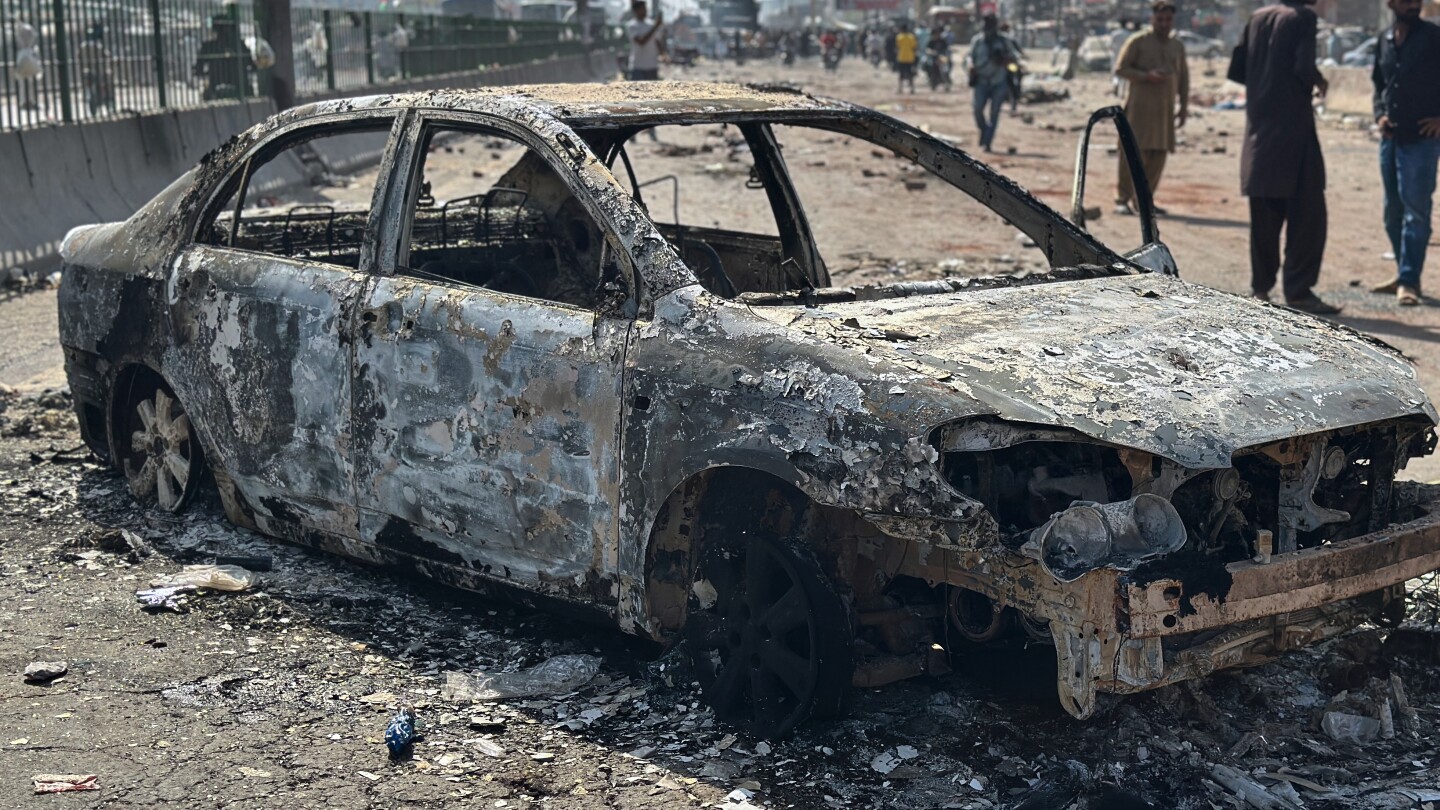
In a violent incident that has escalated tensions in Pakistan’s northwestern border region, gunmen attacked and killed a pro-government militia leader along with five others. The assailants reportedly opened fire on the victims, doused their vehicle with fuel, and set it ablaze, according to a senior administration official who spoke to AFP on Thursday under the condition of anonymity. The attack occurred in Khyber Pakhtunkhwa province, an area that has seen a surge in violence since the Taliban regained control of neighboring Afghanistan in 2021. The official stated that the attackers’ intent was to instill fear, as the bodies of the six victims were completely charred. While no group has claimed responsibility, the official suggested that the Tehreek-e-Taliban Pakistan (TTP), also known as the Pakistani Taliban, may have orchestrated the attack. The TTP had allegedly demanded extortion money from the militia leader, who refused to comply, leading to his execution. Pakistan has accused the Taliban-led government in Afghanistan of harboring TTP militants and facilitating cross-border attacks, a claim that Kabul denies. The border between the two nations was recently closed following clashes earlier this month, which were triggered by an explosion in Kabul on October 9 that resulted in significant civilian and military casualties on both sides. Afghanistan’s Taliban government blamed Pakistan for the blast and launched a retaliatory offensive along the border. A ceasefire brokered over the weekend remained in effect as of Thursday, with officials from both countries scheduled to meet in Turkey on Saturday to discuss the ongoing tensions.
标签: Asia
亚洲
-
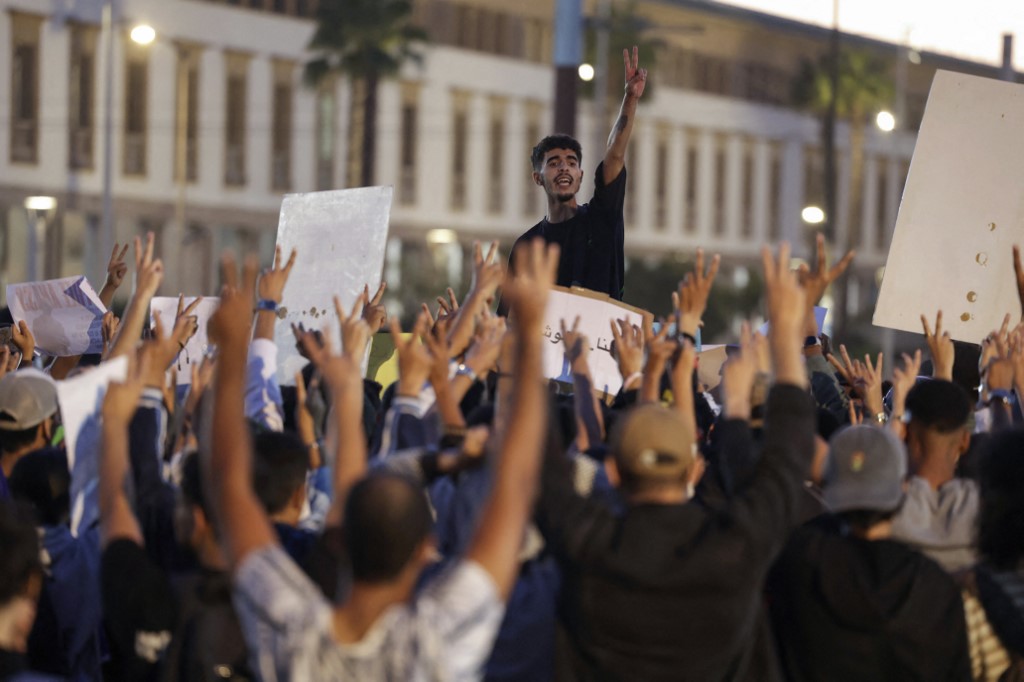
Morocco’s $15bn promise falls short of GenZ 212 demands for real change
In response to widespread protests led by Morocco’s Generation Z, the royal cabinet announced a significant allocation of nearly $15 billion to the health and education sectors by 2026, marking a 16 percent increase from the previous year. The protests, which have shaken the North African nation, were sparked by the tragic deaths of eight women following C-sections in a public hospital in Agadir, as well as concerns over disproportionate investment in football infrastructure ahead of the 2030 World Cup at the expense of public services. The government also pledged to create over 27,000 jobs in these sectors. However, skepticism remains among experts and the GenZ 212 movement, who question the adequacy of the funds and their implementation. In a statement, the movement urged vigilance, emphasizing the need for anti-corruption measures and transparency. Redouane Amimi, a professor at Mohammed V University, described the allocation as a ‘positive political signal’ but stressed that its impact would be limited without structural reforms. Corruption continues to plague Morocco, with Transparency International ranking it 99th out of 180 countries in its 2024 Corruption Perception Index. Critics argue that the sudden budget announcement appears reactive rather than part of a long-term strategy. Insaf Elouard, a GenZ 212 activist, likened the government’s response to its handling of the Arab Spring protests in 2011, suggesting that superficial reforms may not address systemic issues. The protests have been met with harsh repression, with hundreds of young demonstrators arrested and sentenced to lengthy prison terms. Despite the challenges, the youth-led movement represents a historic generational revolt against the Moroccan regime, driven by demands for meaningful change. While King Mohammed VI has called for reforms and greater social impact, the path forward remains fraught with bureaucratic inefficiencies and regional disparities. Separately, the government has proposed measures to encourage youth participation in politics ahead of next year’s general election. The 2026 draft budget will be presented to parliament next week for detailed discussion.
-
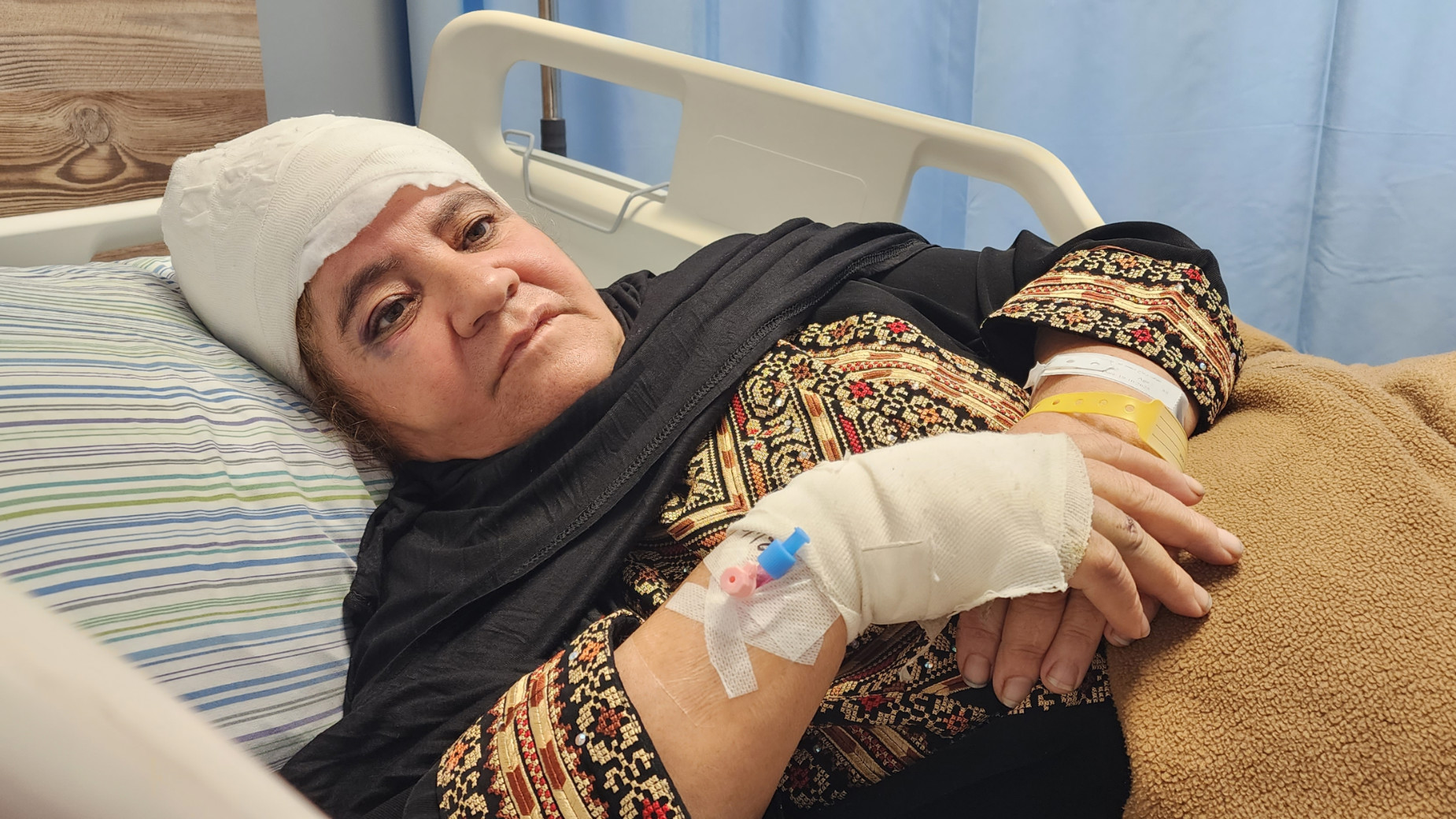
Olive groves under siege: Palestinian families face Israeli violence during harvest
Afaf Abu Alia, a 53-year-old Palestinian woman, described a harrowing experience of being brutally attacked by Israeli settlers while harvesting olives near Ramallah in the occupied West Bank. “I felt like I was dying,” she recounted, detailing how more than 20 settlers beat her with sticks, leaving her with severe injuries, including brain bleeding and extensive bruising. The attack occurred as she and her family worked in Turmus Ayya, a village where settlers from nearby settlements like Maale Levona and Shilo have increasingly targeted Palestinian farmers. Despite fleeing to a safer area, the family returned to find their vehicle destroyed and their harvested olives stolen. Later, an Israeli military patrol intercepted them, firing a gas canister that left Afaf, who suffers from respiratory issues, incapacitated. The settlers returned in greater numbers, forcing the family to flee again, but Afaf, unable to move, endured further violence. This attack is part of a broader pattern of escalating settler violence against Palestinian olive harvesters, often under the protection of Israeli soldiers. The Abu Alia family, who had already been forced to rent land after settlers repeatedly targeted their own olive groves in al-Mughayyir, described the destruction of their olive trees as a devastating loss of heritage. Their great-grandfather had planted these ancient Roman olive trees over 150 years ago, and the family views them as a symbol of their identity and connection to the land. Since the start of the olive harvest season, over 158 settler attacks have been documented, resulting in the destruction of thousands of olive trees and significant economic losses for Palestinian families. The olive harvest, a deeply communal and cultural tradition, has become a battleground in the ongoing conflict, with settlers and Israeli forces systematically targeting Palestinian farmers to sever their ties to the land. Despite these efforts, Palestinians continue to resist, driven by a profound spiritual and ancestral bond with their olive trees.
-
Pakistan bans hard-line Islamist party after recent deadly clashes with police
In a decisive move, Pakistan’s federal Cabinet has officially banned the radical Islamist party Tehreek-e-Labbaik Pakistan (TLP) following a series of violent protests that resulted in significant casualties. The decision, enacted under the country’s anti-terrorism law, comes after clashes between TLP supporters and law enforcement on the outskirts of Lahore left at least one police officer and four civilians dead, with over 100 officers and dozens of protesters injured. The unrest erupted as TLP members attempted to march to Islamabad to hold a pro-Palestinian rally. Prime Minister Shehbaz Sharif’s office condemned the group for its involvement in extremist activities, marking the second time in recent years that TLP has faced prohibition. The party was previously banned in 2020 after violent protests over caricatures of Islam’s Prophet Muhammad in France, though the ban was lifted in 2021 following negotiations with the government. Authorities are now searching for TLP leader Saad Rizvi, who has gone into hiding since the clashes began on October 13. The Punjab government has already shut down TLP offices, signaling a firm stance against the group’s disruptive actions. Known for its aggressive rallies, TLP gained prominence in Pakistan’s 2018 election by advocating for the strict enforcement of blasphemy laws.
-

China’s national anthem: A battle cry
The March of the Volunteers, China’s national anthem, is more than just a melody — it is a powerful rallying cry that unites millions. When its notes rise, they evoke a profound sense of patriotism and determination. The anthem, with its stirring lyrics, calls upon the people to rise together, face adversity, and march forward with unwavering courage. Each word and note carries the weight of history, embodying the spirit of resilience and unity that has defined China’s journey. Beyond its role as a national symbol, the anthem serves as a reminder of the collective strength and shared purpose that continue to inspire the nation. Its timeless message resonates deeply, igniting hearts and uniting minds in a common cause.
-

Hong Kong revving up the talent engine
Hong Kong is undergoing a transformative educational overhaul aimed at positioning itself as a global hub for innovation and technology. Spearheaded by Chief Executive John Lee Ka-chiu, the reforms focus on bridging the talent gap by increasing the intake of international students, enhancing academia-industry collaboration, and addressing critical infrastructure needs such as student housing. The initiative aligns with the nation’s 14th Five-Year Plan, emphasizing the cultivation of a diverse, market-ready talent pool to drive strategic sectors like artificial intelligence, new energy technology, and pharmaceuticals. Projections from the Labour and Welfare Bureau highlight the urgency of these reforms, with demand for inno-tech professionals expected to surge to over 100,000 by 2028. Key measures include raising the admission ceiling for nonlocal students to 50% of funded local student places and expanding research postgraduate programs. Additionally, the government is incentivizing the conversion of underused commercial buildings into student dormitories and designating universities of applied sciences to foster vocational learning. The reforms also promote cross-boundary collaboration within the Guangdong-Hong Kong-Macao Greater Bay Area, facilitating seamless employment and study opportunities. A HK$40 million grant will bolster international marketing efforts under the theme ‘Hong Kong: Your World-class Campus,’ showcasing the city’s academic excellence. Tech leaders emphasize the need for a supportive entrepreneurial ecosystem, including safety nets for failed ventures, improved investment platforms, and streamlined cross-boundary channels. These comprehensive measures aim to transform Hong Kong into a thriving innovation powerhouse, leveraging its unique position to commercialize cutting-edge technologies and attract global talent.
-

Hong Kong artists shine bright at Florence Biennale
The 15th Florence Biennale has become a global stage for artistic brilliance, with four Hong Kong artists—Liu Hongrui, Eva Ku, Cheng Xiaowei, and Ho Chun-yu—showcasing their unique works among 600 artists from 84 countries. The event, renowned for its celebration of diverse styles and techniques, highlights the richness of contemporary art. Jacopo Celona, the Biennale’s director, emphasized the inclusion of Hong Kong artists as a testament to the event’s philosophy of diversity across painting, photography, and fine art jewelry. Liu Hongrui’s *White Landscape*, an oil and distemper on canvas, blends surrealist influences with personal memories of Hong Kong and England, creating a serene yet expressive piece. Eva Ku’s *A Midsummer Night’s Dream* and *Earth’s Cry* reflect her eclectic inspirations, from fairy tales to environmental themes, while Cheng Xiaowei’s *The Bronze Era* jewelry collection reinterprets ancient Chinese bronze artifacts with a modern twist. Ho Chun-yu’s camera-less photography series, *From Cloud to Ground*, explores the interplay of analog and digital techniques. Together, their works embody the Biennale’s theme of dualism and unity, blending tradition and innovation, East and West, and inner and external worlds. The exhibition runs through October 26 at Fortezza da Basso in Florence.
-
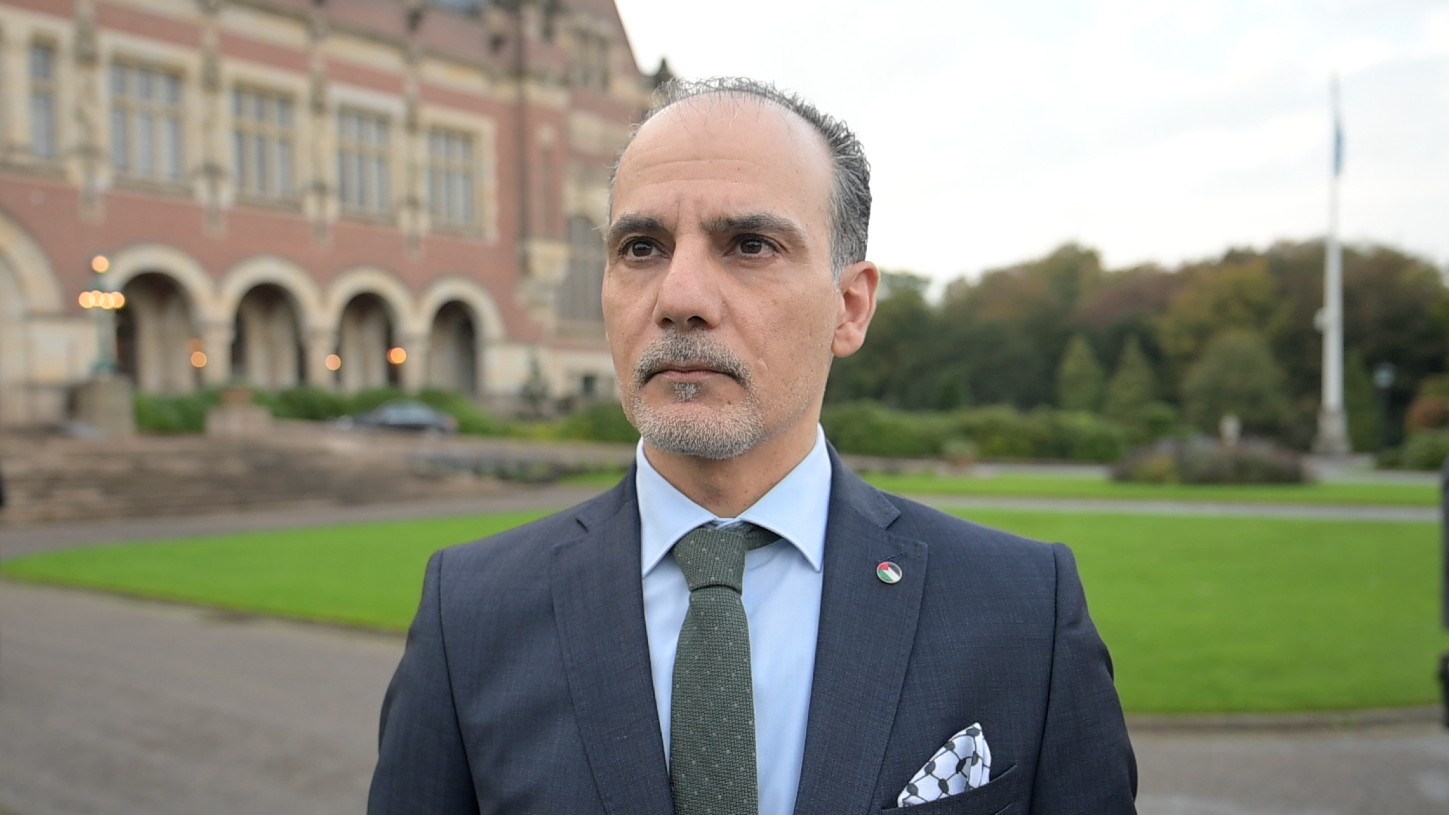
Palestine will continue to seek justice against Israel at ICC and ICJ, says Hague ambassador
Palestine remains steadfast in its pursuit of justice through international legal channels, despite mounting political pressure and threats of sanctions, Palestinian Ambassador Ammar Hijazi declared in an interview with Middle East Eye on Wednesday. His statement followed a significant ruling by the International Court of Justice (ICJ), which underscored Israel’s humanitarian obligations, particularly the need to lift its blockade on aid entering Gaza. Hijazi emphasized that the Palestinian leadership will not retreat from its commitment to seek justice on the global stage, stating, ‘This is a rightful, peaceful, legal, and moral path that we must take until our people are free and our independence is realized.’
Hijazi reiterated Palestine’s cooperation with the International Criminal Court (ICC), where investigations into alleged war crimes by Israeli leaders are ongoing. He dismissed Israeli Prime Minister Benjamin Netanyahu’s demand for the Palestinian Authority (PA) to cease legal actions against Israel at the ICC and ICJ, asserting that the PA lacks the authority to withdraw such cases. ‘It is now in the hands of the prosecutor and the court,’ Hijazi explained, expressing hope that more individuals committing crimes against humanity will be held accountable.
The ICC, the world’s only permanent international court with jurisdiction over senior officials, has been a focal point of Palestine’s legal strategy. In 2021, former ICC Chief Prosecutor Fatou Bensouda launched a war crimes investigation against Israel, following a referral by the PA. The investigation has since gained momentum, with additional referrals from countries such as South Africa, Bangladesh, and Mexico, amid widespread condemnation of Israel’s actions in Gaza. In November 2023, ICC judges issued arrest warrants for Netanyahu and former Defense Minister Yoav Gallant for alleged war crimes, including the use of starvation as a weapon of war.
The ICJ’s recent advisory opinion, which condemned Israel’s restrictions on humanitarian aid to Gaza and the occupied West Bank, has further bolstered Palestine’s legal position. Represented by Hijazi and a team of international lawyers, Palestine was among 40 states that presented evidence during the hearings earlier this year. The court’s findings, which highlighted Israel’s violations of international law, are expected to influence ongoing ICC investigations. Paul Reichler, a lawyer representing Palestine at the ICJ, noted that the court’s determination of proven facts, such as Israel’s deliberate policy of denying food to civilians, could be pivotal in future legal proceedings.
Hijazi called on the international community to enforce the ICJ’s findings, urging nations to align with international law rather than condone colonialism, genocide, and war crimes. ‘International law is very clear,’ he asserted. ‘What Israel is doing is illegal in the occupied Palestinian territory.’ As Palestine continues its legal battle, the global community faces a critical choice: to uphold justice or remain complicit in ongoing violations.
-

Pirelli Cyber Tyre named “V2X Innovation of the Year” at Autotech Breakthrough Awards 2025
In a groundbreaking move, HONOR has introduced its latest flagship smartphone, the HONOR X9d 5G, setting a new benchmark in the mobile technology landscape. This cutting-edge device combines unparalleled durability, advanced AI capabilities, and sleek design, making it a standout in the competitive smartphone market. The HONOR X9d 5G is engineered to withstand extreme conditions, ensuring it remains functional even in the most challenging environments. Powered by state-of-the-art AI technology, the smartphone offers enhanced performance, seamless connectivity, and intelligent features that cater to the evolving needs of modern users. Its 5G compatibility ensures lightning-fast internet speeds, enabling users to stay connected and productive on the go. The device’s sleek and ergonomic design not only enhances its aesthetic appeal but also ensures a comfortable user experience. HONOR’s commitment to innovation is evident in the X9d 5G, which integrates advanced materials and engineering techniques to deliver a device that is both robust and stylish. With its launch, HONOR continues to push the boundaries of what is possible in mobile technology, offering consumers a device that excels in both form and function.
-
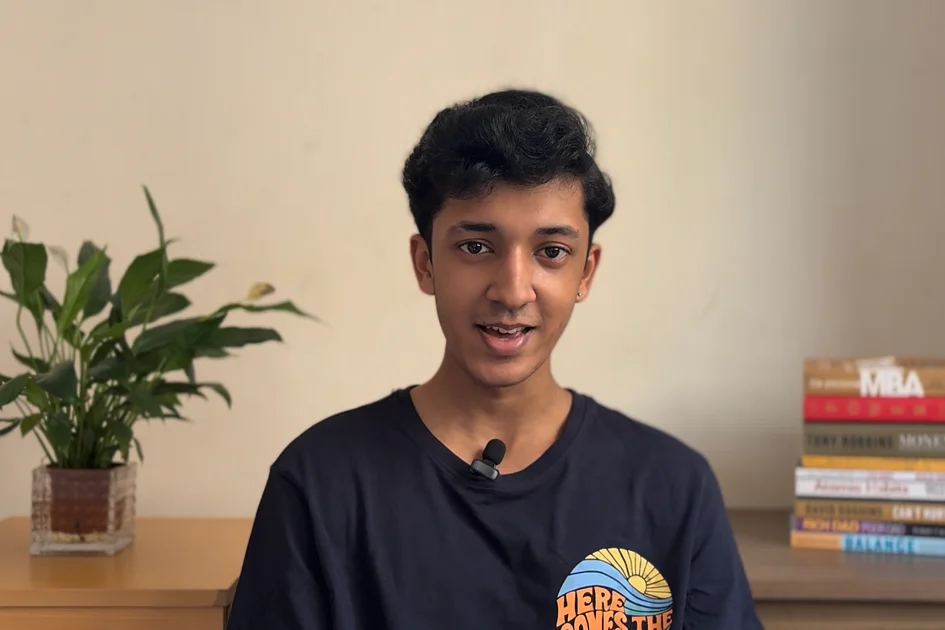
Dubai: 18-year-old Indian student dies suddenly one day after Diwali
In a heartbreaking incident, Vaishnav Krishnakumar, an 18-year-old Indian student and recipient of the UAE Golden Visa, passed away suddenly in Dubai just one day after Diwali celebrations. The young scholar, who was pursuing his first year of BBA in Marketing at Middlesex University Dubai, collapsed outside his home late Tuesday evening, with the preliminary cause of death identified as cardiac arrest.