标签: Asia

亚洲

  • Gaza children face adult responsibilities as war leaves families without breadwinners

    Gaza children face adult responsibilities as war leaves families without breadwinners

    In the war-ravaged streets of Gaza, a profound generational crisis is unfolding as children increasingly assume adult responsibilities amid the ongoing humanitarian catastrophe. The conflict that erupted in October 2023 has created a devastating reality where minors have become primary breadwinners for families decimated by violence and loss.

    Eleven-year-old Mahmoud Abu Awda navigates through muddy, damaged streets of Gaza City clutching a small plastic box of biscuits and canned goods. His worn-out shoes sink into puddles left by winter rains as he attempts to sell enough to sustain his family. “I became the eldest and the only provider after my father was killed,” Abu Awda explains. “My mother is sick, and my brothers are still very young.”

    The phenomenon extends throughout the Gaza Strip. In Khan Younis, 13-year-old Yasmin Khader scavenges through piles of garbage adjacent to her family’s makeshift displacement camp, collecting plastic scraps for sale. Her academic aspirations of becoming a doctor vanished when her father perished in an airstrike. “Now I work because there is no one else to support my mother and sister,” she states.

    Meanwhile, in Gaza City’s Rimal neighborhood, Abbas al-Ghazali, also 13, sells water bottles despite sharply declining sales during winter months. He carries his schoolbag with him while working, occasionally reading books during breaks. “I used to be an excellent student,” he remarks wistfully.

    According to local authorities, the conflict has produced severe developmental consequences for Gaza’s youth. The Hamas-run government media office reports thousands of children lacking safe shelter or environments conducive to healthy development. With education disrupted for over two years and numerous schools damaged or destroyed, child labor has surged dramatically. Public spaces including markets and streets have become commonplace workplaces for children forced from classrooms.

    Psychologist Ghadeer Al-Muqayyad, specializing in child development in Gaza City, emphasizes that the conflict has thrust children into situations exceeding their emotional and physical capacities. “These children endure trauma, loss, displacement, and exposure to violence, which can result in symptoms of post-traumatic stress,” she explains. Prolonged stress increases risks of anxiety, behavioral challenges, and emotional withdrawal among minors.

    The rise in child labor exposes vulnerable youth to dangerous conditions while threatening their long-term wellbeing. Al-Muqayyad stresses that “reintegrating children into safe learning environments is essential to reducing the psychological impact of the conflict”—a challenging prospect given the ongoing humanitarian crisis and infrastructure damage throughout the region.

  • Dubai: New toll gates, variable pricing, strong profit boost Salik’s rating

    Dubai: New toll gates, variable pricing, strong profit boost Salik’s rating

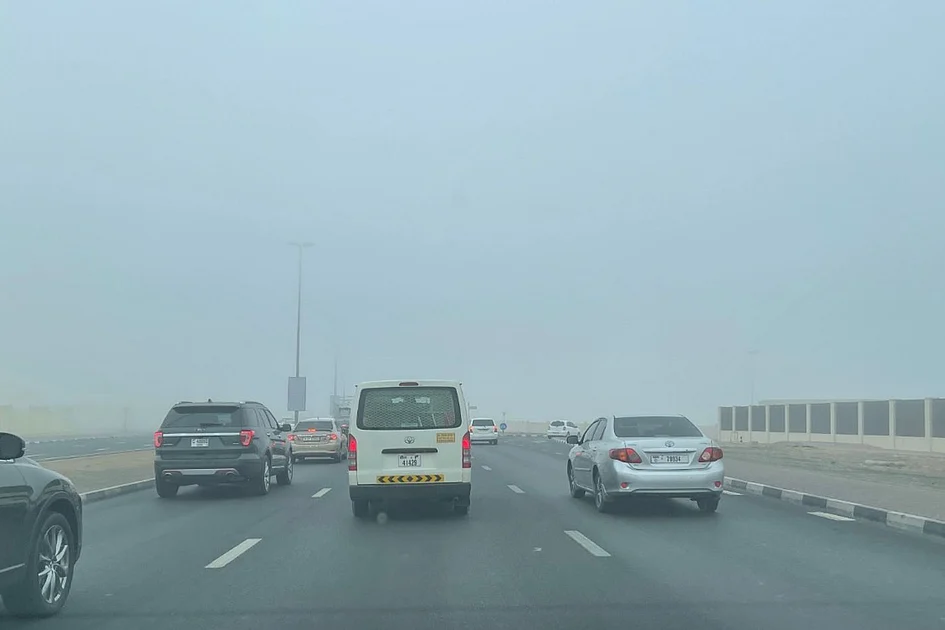
    Dubai’s exclusive toll gate operator Salik Company PJSC has achieved a significant credit rating enhancement from Fitch Ratings, moving from A- to A with a stable outlook. This upgrade reflects the company’s robust financial health and strategic operational expansions throughout 2024-2025.

    The rating improvement follows Salik’s implementation of two major initiatives: the introduction of variable toll pricing effective January 31, 2025, and the activation of two additional toll gates in November 2024. These new collection points, positioned at Business Bay Crossing on Al Khail Road and Al Safa South on Sheikh Zayed Road, bring the total number of operational toll gates across Dubai to ten.

    Financial metrics demonstrate exceptional performance, with Salik reporting a net profit of Dh1.14 billion for the first nine months of 2025—a substantial 39.1% increase compared to the same period last year. The company maintained a trailing twelve-month net debt/EBITDA ratio of 2.61x as of September 30, 2025, well below its debt covenant threshold of 5.0x.

    Cash flow generation remained robust, with free cash flow reaching Dh1.47 billion during the nine-month period, representing a 39.5% year-on-year increase and a remarkable free cash flow margin of 64.7%. The company attributes its financial strength to its exclusive position in Dubai’s toll road system, conservative leverage approach, and long-term concession agreement with the Roads and Transport Authority (RTA) that ensures stable cash flow generation.

    Company leadership emphasized that despite the upgraded credit profile, Salik has no immediate plans for public debt issuance. Chairman Mattar Al Tayer stated that the rating improvement reflects international confidence in Salik’s business model and Dubai’s smart transportation infrastructure. CEO Ibrahim Sultan Al Haddad added that maintaining investment-grade status positions the company favorably for future capital market access when required.

  • Death toll in Indonesia floods passes 500

    Death toll in Indonesia floods passes 500

    Indonesia confronts one of its most devastating natural disasters in recent history as catastrophic flooding claims over 500 lives with approximately 500 individuals still unaccounted for. The disaster, triggered by an unusual cyclone formation over the Malacca Strait, has created a humanitarian emergency across three provinces affecting an estimated 1.4 million residents.

    The northern regions of Aceh, North Sumatra, and West Sumatra provinces have borne the brunt of the destruction, with numerous communities remaining completely isolated due to infrastructure collapse. Critical supply routes have been severed by massive floodwaters that residents describe as tsunami-like in their intensity and destructive power.

    Emergency response teams face monumental challenges in delivering essential aid, with many areas only accessible by foot or motorcycle due to extensive road damage. Satellite imagery reveals widespread devastation including completely destroyed bridges, mud-choked thoroughfares, and enormous accumulations of debris.

    The human toll continues to mount as survivors report increasingly desperate conditions. Many have endured days without adequate food supplies, with reports emerging of conflicts over basic necessities like instant noodles. Communication blackouts have left thousands unable to contact family members, creating additional psychological distress alongside physical deprivation.

    While government agencies have deployed Starlink satellite devices to restore limited connectivity, the scale of the disaster has overwhelmed response capabilities. Growing criticism targets perceived inadequacies in disaster preparedness and bureaucratic obstacles hindering effective aid distribution.

    President Prabowo Subianto, during his visit to affected areas in North Sumatra, acknowledged the ongoing challenges while emphasizing national resilience. “We face this disaster with resilience and solidarity,” he stated, adding that authorities were employing all available resources to address the crisis despite significant logistical constraints.

    This catastrophic event forms part of a broader pattern of severe weather events affecting multiple Asian nations, including Thailand, Malaysia, and Sri Lanka, all reporting weather-related casualties in recent days.

  • Doctors warn of early dementia

    Doctors warn of early dementia

    China is confronting a disturbing epidemiological shift as young-onset dementia (YOD) cases are accelerating at unprecedented rates, now surpassing the growth of traditional late-onset cases according to new medical research. This troubling trend is creating significant challenges for healthcare systems and families across the nation.

    Groundbreaking research published in The Journal of Prevention of Alzheimer’s Disease in November 2025 reveals that dementia cases emerging before age 65 have demonstrated a markedly steeper increase compared to those in older populations. The comprehensive study, analyzing Global Burden of Disease data spanning from 1990 to 2021, identifies modifiable midlife risk factors—including tobacco consumption, elevated fasting blood glucose levels, and increased body mass index—as primary contributors to this concerning development.

    Clinical neurologists are witnessing this trend materialize in their practices. Dr. Qin Qi, an associate chief physician at Beijing’s Xuanwu Hospital, reports a noticeable uptick in patients presenting with dementia symptoms in their 50s and early 60s. Many affected individuals remain professionally active when initial symptoms begin to compromise their occupational performance and family dynamics.

    The clinical presentation of YOD frequently differs from traditional dementia patterns, often manifesting as executive dysfunction, language impairment, or neuropsychiatric symptoms including hallucinations and delusions rather than characteristic memory decline. Dr. Qin emphasizes that these atypical manifestations are commonly misattributed to stress or anxiety disorders, resulting in frequent misdiagnosis and delayed intervention.

    Dr. Qin illustrates this diagnostic challenge through a case study involving a highly educated legal professional who developed increasing irritability and social withdrawal. Initially treated for psychiatric conditions, his condition was only properly identified when cognitive deficits involving name recall, date recognition, and routine management became apparent. Neuroimaging eventually confirmed young-onset dementia.

    The personal toll on families is profound. Zhu Yining, who cares for his mother diagnosed in her 50s, describes observing gradual handwriting deterioration and repetitive narrative patterns before more severe symptoms emerged, including temporal and spatial disorientation, declining executive function, and loss of computational and writing abilities. Zhu has suspended his professional career to provide full-time care for his mother and young son, immersing himself in caregiver communities while preparing for long-term management of the condition.

    With approximately 15 million dementia patients aged 60 and above documented in China according to September 2022 data from the National Health Commission—including 10 million Alzheimer’s cases—the escalating prevalence underscores a critical public health challenge.

    Medical consensus emphasizes early detection as paramount for effective intervention. The 2024 Lancet Commission report on dementia prevention indicates that approximately 45% of dementia cases could potentially be prevented through management of 14 key risk factors, including hypertension, diabetes, obesity, smoking, depression, and social isolation.

    In response to this growing health crisis, China implemented a national dementia action plan in early 2025, establishing 2030 targets for expanded cognitive screening protocols, enhanced diagnostic and intervention capabilities, improved care services, and the development of dementia-inclusive community environments.

  • Bruce Lee’s legacy drives Foshan tourism

    Bruce Lee’s legacy drives Foshan tourism

    Foshan’s Shunde district has launched an ambitious cultural tourism initiative centered on the enduring legacy of martial arts legend Bruce Lee. The 2025 International Bruce Lee Fans Convention, held from November 27-29 at Bruce Lee Paradise in Jun’an township, marked both the convention’s opening and commemorative events for what would have been Lee’s 85th birthday.

    Local officials emphasized Lee’s profound cultural impact, noting how he not only introduced the term ‘kung fu’ to the English language but elevated Chinese martial arts to global cultural significance. Wang Jinghua, senior official from Shunde’s district committee, highlighted Lee’s role in making Chinese kung fu a recognized element of humanity’s cultural heritage.

    The convention unveiled several significant developments, including the official designation of November 27 as ‘Shunde Kung Fu Day’ to promote Chinese culture and martial arts worldwide. The event attracted international fans and martial arts figures, showcasing Foshan’s strategy to transform cultural assets into economic opportunities.

    Lao Lujun of Shunde Culture and Tourism Group revealed plans to cultivate cultural tourism as both a pillar industry and community benefit by leveraging Lee’s global recognition. The initiative incorporates a innovative ‘kung fu + cuisine + tourism’ model, featuring for the first time a workshop combining Shunde’s martial arts traditions with its renowned culinary heritage.

    Complementing the convention, the Mars Martial Championship—a premier combat sports tournament—commenced alongside academic forums, musical performances, and specialized kung fu tours. Project leader Zeng Futian explained these efforts represent broader district plans to integrate cultural development with urban construction and economic growth.

    Bruce Lee, born in San Francisco in 1940 and passing in 1973, revolutionized martial arts cinema and philosophy through his Jeet Kune Do system and iconic weaponry mastery, particularly with nunchaku. His ancestral connection to Shunde continues to inspire cultural and economic development in the region decades after his death.

  • Southeast Asia eyes aid for climate adaptation

    Southeast Asia eyes aid for climate adaptation

    Southeast Asia is grappling with an escalating climate emergency as catastrophic storms and unprecedented flooding displace tens of thousands, compelling regional experts to demand immediate action on adaptation financing. The convergence of climate change and inadequate infrastructure has created a perfect storm of devastation across vulnerable nations.

    Recent meteorological data reveals alarming patterns, with the Association of Southeast Asian Nations Specialized Meteorological Center projecting above-normal rainfall throughout the region until January. This phenomenon is amplified by a persistent negative Indian Ocean Dipole—a critical climate pattern characterized by contrasting sea-surface temperatures that significantly influences regional weather systems.

    The human toll has been staggering: Indonesian authorities report over 300 fatalities from Sumatran floods and landslides, while Thailand’s southern provinces mourn 145 lives lost. Malaysian emergency services have evacuated more than 20,000 citizens, and Vietnam contends with 108 casualties from mid-November’s torrential rains that triggered devastating floods and landslides.

    Climate experts emphasize that adaptation has become the paramount priority for developing economies. Dr. Sheeba Chenoli, University of Malaya geography associate professor, stresses that while global climate strategies predominantly focus on emission reductions, adaptation requires hyper-localized approaches. “Flood hazard mapping and similar initiatives must be community-based,” she asserts, “because only local populations possess the intimate knowledge of what truly needs implementation.”

    The recent UN climate conference in Brazil produced significant commitments, including pledges to double adaptation finance by 2025 and triple it by 2035. However, Dr. Serina Abdul Rahman of the National University of Singapore argues that ASEAN nations should have initiated robust adaptation measures much earlier, criticizing “elitist approaches to knowledge, science and policymaking” that exclude valuable traditional ecological knowledge.

    Deforestation emerges as a critical exacerbating factor, with Southeast Asia experiencing the tropics’ fastest forest loss despite containing 15% of the world’s tropical forests. Indonesia alone accounts for over 60% of regional deforestation, dramatically increasing vulnerability to landslides during extreme rainfall events.

    Cesar Carlito Baclagon, regional finance campaigner at environmental organization 350.org, frames adaptation as a fundamental survival strategy: “Building resilient, locally grounded systems isn’t merely precautionary—it’s what makes continued existence possible. These communities deserve not just to endure but to thrive.” This perspective underscores the growing consensus that climate action must integrate adaptation and sustainable development, particularly across the Global South where climate impacts are most severe yet resources remain scarcest.

  • Cyclone deaths cross 200 in Sri Lanka

    Cyclone deaths cross 200 in Sri Lanka

    COLOMBO — Sri Lanka confronts a mounting humanitarian crisis as the official death count from Cyclone Ditwah has surged beyond 200 individuals, with hundreds more reported missing. The devastating storm system unleashed torrential rains and triggered catastrophic mudslides across the island nation throughout the past week, particularly ravaging its central regions.

    Disaster response authorities reported on Sunday that at least 212 fatalities have been confirmed while 218 people remain unaccounted for. The full scale of destruction is gradually emerging as emergency crews work to clear roadways obstructed by debris and landslides, gaining access to previously isolated communities.

    The capital city Colombo experienced severe flooding in its northern districts as the Kelani River swelled dramatically, submerging low-lying residential areas. Official sources from the Disaster Management Centre noted that although the cyclone has moved away, continued heavy precipitation in upstream areas continues to threaten riverside communities.

    Personal accounts highlight the human tragedy unfolding across affected regions. Selvi, a 46-year-old resident of Colombo’s Wellawatta suburb, described abandoning her inundated home with her family’s possessions. ‘My house is completely flooded. I don’t know where to go, but I hope there is some safe shelter where I can take my family,’ she told reporters.

    The national blood supply system has reached critically low levels according to medical officials. Lakshman Edirisinghe, director of the National Blood Transfusion Service, indicated that daily requirements of approximately 1,500 units have plummeted to just 236 units due to weather-related disruptions to collection campaigns.

    President Anura Kumara Dissanayake has declared a state of emergency and formally requested international assistance to address the widespread devastation. The government’s response operations continue to face significant challenges in reaching affected populations.

    In a separate development, thousands of demonstrators in the Philippines protested alleged corruption in flood-control infrastructure projects. The unrest reflects regional concerns about climate resilience and governmental accountability as Southeast Asian nations increasingly confront extreme weather events.

  • China boosts commercial space sector

    China boosts commercial space sector

    In a landmark move for its space industry, China has established its first dedicated government body to oversee commercial space operations. The China National Space Administration (CNSA) recently formed the Department of Commercial Space Operations, marking an unprecedented institutional commitment to nurturing the private space sector.

    This strategic development coincides with the release of a comprehensive action plan outlining 22 specific measures to achieve high-quality growth in commercial space activities by the end of 2027. The blueprint integrates commercial space ambitions into national space strategy across five critical domains: enhancing technological innovation, optimizing resource allocation, promoting commercial products and services, improving regulatory management, and implementing full-chain safety supervision.

    The establishment of this specialized department signals a profound transformation in China’s space ecosystem. For nearly seven decades since the industry’s foundation, which will celebrate its 70th anniversary next year, space programs remained exclusively under state control through entities like CNSA, the Chinese Academy of Sciences, and major state-owned contractors including China Aerospace Science and Technology Corp.

    Over recent years, however, private enterprises have emerged as significant contributors to China’s space ambitions, fueled by supportive government policies and concrete assistance. This growing private sector involvement has generated substantial demand for commercial launch services, particularly in satellite deployment.

    Currently, five Chinese private companies—i-Space, Galactic Energy, Space Pioneer, LandSpace, and Orienspace—have successfully conducted orbital launches using independently developed carrier rockets. The industry’s latest development features Beijing-based LandSpace preparing to launch its inaugural reusable rocket, the ZQ 3, in coming weeks, positioning itself to compete with American pioneer SpaceX in reusable launch technology.

  • New system extracts water from atmosphere

    New system extracts water from atmosphere

    Shanghai researchers have unveiled a groundbreaking atmospheric water harvesting system that represents China’s transition from follower to leader in this emerging technology sector. Developed by Shanghai Jiao Tong University’s interdisciplinary ITEWA team, the comprehensive solution addresses global water scarcity through three distinct technological pathways tailored to different climate conditions.

    The system employs condensation, adsorption, and a novel heat pump coupled with adsorption/absorption technologies to extract drinking water from atmospheric moisture. This approach enables operation across diverse environments ranging from high temperature/humidity regions to areas with low temperature/humidity or high temperature/low humidity conditions.

    Commercialized through Shanghai-based technology firm AtmosWell, the innovation includes multiple product configurations. These range from solar-powered off-grid drinking stations capable of producing 50 liters daily without infrastructure to large-scale engineering platforms generating 1,600 liters per day for island communities, hotels, and emergency disaster relief scenarios. The portfolio also features plug-and-play water bars for office and home use.

    Professor Wang Ruzhu, lead scientist of the ITEWA team and 2023 Global Energy Prize laureate, emphasized the technology’s significance: “Extracting potable water from air represents one of humanity’s ultimate dreams for addressing uneven water distribution. We’ve systematically transformed laboratory breakthroughs into adaptable engineering solutions that serve society’s core needs.”

    The technology overcomes traditional challenges of atmospheric water extraction by adapting to complex climate variations through proprietary purification systems that combine traditional filtration with newly developed low-temperature rapid cooling antibacterial technology and comprehensive water circulation preservation.

    Market analysis from QYResearch projects the global atmospheric water collector market will reach $420 million by 2031, growing at 4.8% CAGR. Shanghai municipal technology officials highlight the innovation’s potential for environmental conservation, noting it could reduce the 600 billion plastic water bottles produced annually worldwide, of which only 9% are currently recycled.

  • China’s first space documentary screened in Bulgaria

    China’s first space documentary screened in Bulgaria

    SOFIA, Bulgaria – China’s groundbreaking space documentary “Blue Planet Outside the Window” (also known as “SHENZHOU XIII”) received its Bulgarian premiere on November 30, 2025, marking a significant moment in Sino-Bulgarian scientific collaboration. The historic screening, jointly organized by the Chinese Embassy in Bulgaria and the Space Research and Technology Institute of the Bulgarian Academy of Sciences, showcased extraordinary footage captured during China’s space missions.

    The event, held at the prestigious headquarters of the Bulgarian Academy of Sciences, featured an immersive exhibition including large-scale models of the Chinese space station and the Long March 2F carrier rocket. Attendees also received curated collections of China-related literature, enhancing the cultural exchange dimension of the gathering.

    Chinese Ambassador Dai Qingli highlighted the symbolic importance of the timing, noting that the screening commemorated the first anniversary of the “Talking with Taikonauts” event held at the same venue. Exactly one year prior, Bulgarian primary and secondary school students had engaged in a direct dialogue with the three Shenzhou-19 mission astronauts while they were in orbit.

    The documentary itself provides an unprecedented glimpse into the six-month mission aboard China’s space station from October 2021 to April 2022, documenting both the professional responsibilities and daily routines of Chinese astronauts. Notably, it captures the historic first spacewalk conducted by a Chinese female astronaut, representing a milestone in space exploration.

    In her written address to attendees, Bulgarian Academy of Sciences President Evelina Slavcheva praised the film as both “exciting” and intellectually stimulating, emphasizing its capacity to showcase remarkable achievements in space exploration. She specifically highlighted the documentary’s potential to inspire younger audiences to pursue careers in scientific exploration and innovation.

    The screening generated enthusiastic responses from viewers, with Veronika Prezhdarova noting China’s demonstration of technological leadership through its space advancements, particularly appreciating the focus on female participation. Iliya Valov from Pazardzhik described the film as “extremely fascinating and very emotional,” reflecting the documentary’s powerful impact on space enthusiasts.