
In a thrilling display of batting prowess, India’s women’s cricket team triumphed over New Zealand by 53 runs (DLS) on Thursday, securing their place in the semifinals of the Women’s Cricket World Cup. The match, held in Navi Mumbai, saw openers Smriti Mandhana and Pratika Rawal deliver stellar performances, both scoring centuries to set the tone for India’s commanding total. Rawal, making her maiden World Cup century, top-scored with 122 runs, while Mandhana contributed a crucial 109. Jemimah Rodrigues further bolstered the innings with an unbeaten 76 off 55 balls, propelling India to a formidable 340-3 in 49 overs. Rain interruptions later reduced the game to 44 overs, with New Zealand tasked with chasing 325. Despite Brooke Halliday’s valiant 81 runs, the White Ferns faltered, ending their campaign with three defeats and two no-results in six games. India, on the other hand, broke their three-match losing streak to notch their third win in six matches. The semifinal lineup now includes South Africa, England, and defending champions Australia, setting the stage for an exciting conclusion to the tournament.
标签: Asia
亚洲
-

Greener maritime equipment key to industry’s future, experts say
The future of the maritime industry hinges on the development of green and intelligent maritime equipment, according to experts at the World Maritime Equipment Conference 2025, held in Fuzhou, Fujian Province. The event, themed ‘Setting Sail Towards Green Development,’ emphasized the critical role of technological innovation in driving the maritime sector’s low-carbon transformation and sustainable growth. Yu Qing, Deputy Director of the Marine Technology Innovation Center-Yangtze Delta, highlighted that green and intelligent maritime equipment is essential for reducing emissions and energy consumption, which are significant challenges in the industry. Liu Feng, Chairman of Fujian Baofan New Energy Technology, pointed out the limitations of traditional diesel-powered vessels and the potential of electric and hybrid solutions, such as the company’s methanol-lithium battery hybrid fishing vessel, which combines efficiency, low costs, and rapid energy replenishment. International cooperation was also underscored as a key driver for decarbonization and intelligent upgrades in global shipping systems. Lou Luobing, Business Director of RINA’s Greater China and Vietnam regional branch, emphasized the complementary strengths of China and Italy in advancing maritime technology. Additionally, Lin Jian, a member of the European Academy of Sciences, stressed the importance of deep-sea engineering and the opportunities in unmanned maritime exploration equipment. The conference showcased China’s leadership in intelligent unmanned vessel technology, with products from Zhuhai Yunzhou Intelligence Technology being exported to over 50 countries, demonstrating advanced capabilities in autonomous navigation and cooperative control.
-

Japan’s new Cabinet marks conservative turn in politics
Japan’s political landscape has taken a decisive turn with the formation of Prime Minister Sanae Takaichi’s new Cabinet, marking a significant shift toward conservative policies. The alliance between Takaichi’s Liberal Democratic Party (LDP) and the Japan Innovation Party (JIP) underscores a shared focus on economic and security priorities, signaling a departure from the centrist stance of previous administrations.
At her inaugural press conference, Takaichi emphasized the coalition’s commitment to key policy areas, including cost-of-living measures, social security reform, and constitutional revision. Experts note that the LDP-JIP partnership is more right-leaning than the LDP’s previous coalition with the Komeito party, which withdrew earlier this month citing dissatisfaction with the LDP’s handling of a political funding scandal.
Kumiko Haba, a professor at Josai International University, highlighted that the dissolution of the LDP-Komeito alliance has freed Takaichi’s administration to pursue more conservative policies. This shift could have significant implications for Japan’s defense posture and its relations with China, particularly if Takaichi adopts a hard-line stance on historical issues.
Noriyuki Kawamura, an emeritus professor at Nagoya University of Foreign Studies, warned that the JIP’s advocacy for constitutional revision and stronger defense capabilities could act as an ‘accelerator,’ pushing the government further to the right. The Komeito, which previously served as a moderating force, is no longer in a position to restrain the LDP’s security policies.
Takaichi’s Cabinet appointments reflect a strategic effort to consolidate power and foster party unity. Key positions were assigned to her former leadership rivals, including Shinjiro Koizumi as defense minister and Toshimitsu Motegi as foreign minister. The absence of JIP members in the Cabinet aligns with the coalition agreement, which positions the JIP as an extra-cabinet partner rather than a formal coalition member.
While the LDP-JIP alliance strengthens Takaichi’s ability to advance conservative policies, it also introduces uncertainties. The JIP’s support for government legislation may vary depending on the issue, and the party has maintained a ‘disengagement strategy’ to distance itself from the LDP if policy differences arise.
As Japan’s new administration takes shape, its conservative orientation and potential for constitutional and military reforms are likely to shape the country’s domestic and international trajectory in the coming years.
-
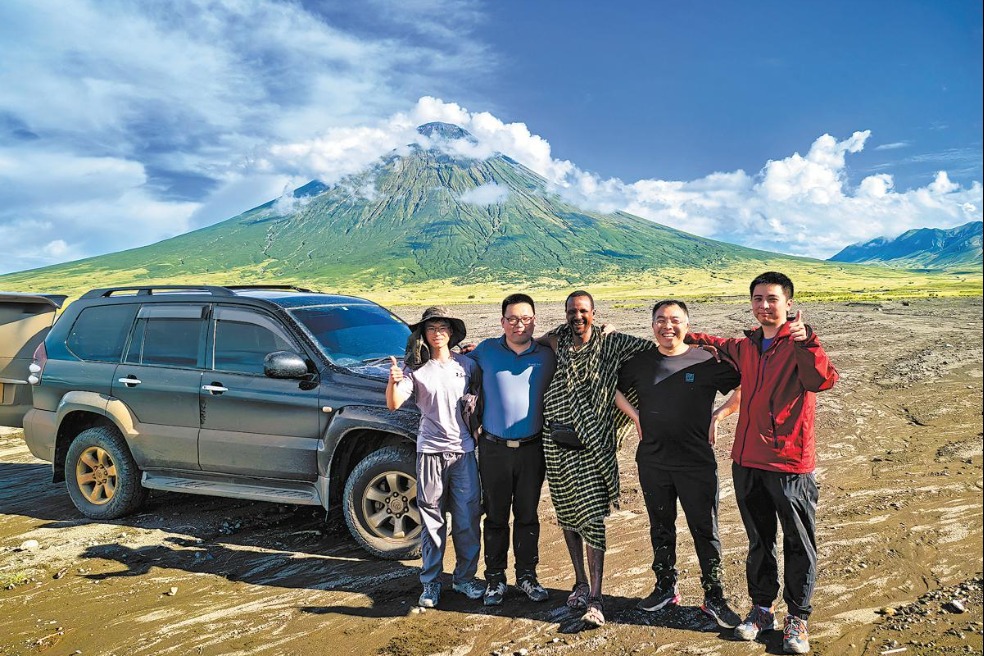
A 51-year-old Maasai with a thirst for knowledge
In the heart of Tanzania, a 51-year-old Maasai named Orkotete Lesongoyo has become a symbol of resilience and the transformative power of education. His story began in 2024 when he approached a geopark training course, led by the Tianjin Center of the China Geological Survey, with a simple yet profound question: ‘Can I join?’ Despite the course already exceeding its planned capacity, Orkotete was welcomed as the 40th participant, marking the start of a remarkable journey. The training was part of a three-year technical assistance project aimed at reviving the Ngorongoro-Lengai Global Geopark, which was at risk of being removed from the UNESCO Global Geoparks Network. Orkotete’s dedication was evident from the outset. Each day, he embarked on a grueling 150-kilometer motorcycle ride across treacherous dirt roads to attend the course. His passion for learning was unmatched; he sat in the front row, meticulously taking notes and actively engaging with the material. One particularly memorable moment was when the course delved into the geological features of the Ol Doinyo Lengai volcano, a landmark Orkotete had grown up with but only truly understood through the training. ‘Our ancestors have long known the importance of these stones and mountains,’ he shared, highlighting the deep cultural connection to the land. Orkotete’s participation not only enriched his own understanding but also provided the project with invaluable local insights, aiding in more considerate planning. Post-training, Orkotete applied his newfound knowledge to become one of the most popular geological tour guides in the area, blending professional expertise with the unique wisdom of the Maasai people. His success is a testament to the broader impact of the Chinese-led initiative, which has significantly enhanced Tanzania’s capacity in geoheritage conservation and management. The Chinese Embassy in Tanzania recently received a letter of thanks from the Ngorongoro Conservation Area Authority, acknowledging the project’s contributions. Orkotete’s story underscores the real significance of technical assistance: it’s not merely about transferring knowledge but about empowering local communities. When given the opportunity, individuals like Orkotete demonstrate an extraordinary capacity for learning and practical application, driven by a deep love for their homeland. This narrative is a vivid portrayal of the enduring friendship between China and Tanzania, a partnership that continues to empower local people and foster sustainable development. As the Ngorongoro-Lengai Global Geopark thrives, it stands as a beacon of natural wonder, sustainable development, and cross-border collaboration.
-
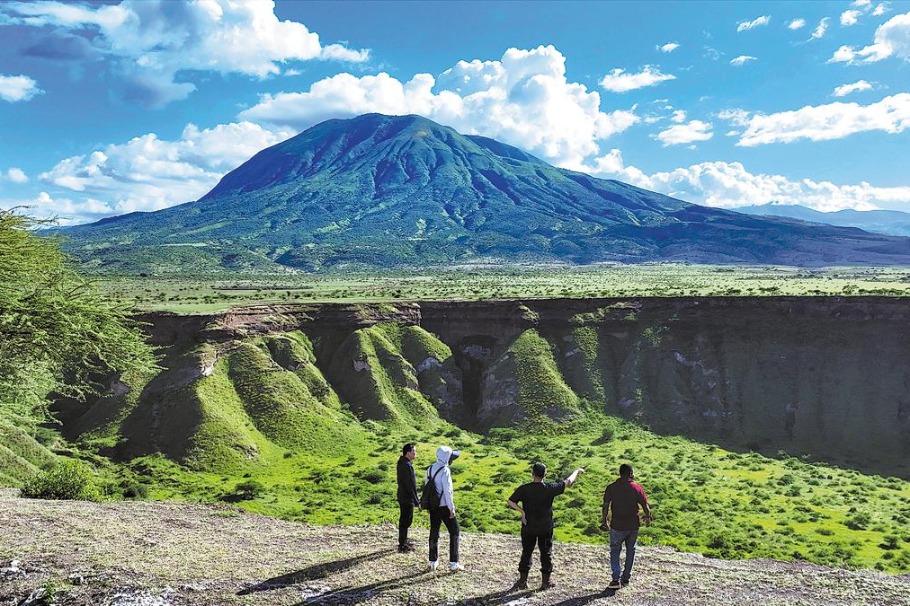
Global geopark in Tanzania revived with Chinese aid
In a remarkable display of international collaboration, Tanzania’s Ngorongoro-Lengai Global Geopark has been revitalized with the assistance of Chinese expertise, showcasing the transformative power of green development and advanced technology. This project, spearheaded by engineers from the Tianjin Center of the China Geological Survey, marks a significant milestone in the geopark’s journey from near exclusion from the UNESCO Global Geoparks Network to full recognition of its progress. The geopark, Tanzania’s first and only global geopark, has become a symbol of China’s commitment to sustainable development and the harmonious coexistence of humans and nature. The reconstruction project involved a meticulous geoheritage survey of the Ol Doinyo Lengai volcano, a task that required Chinese and Tanzanian teams to undertake a grueling seven-hour climb to the crater. The survey, conducted under the cover of darkness to capture the molten lava’s golden hue before it turned gray in daylight, provided crucial data for planning sightseeing and scientific expedition routes. This endeavor not only highlights the technical prowess of Chinese engineers but also underscores the potential of international partnerships in promoting environmental conservation and sustainable tourism.
-
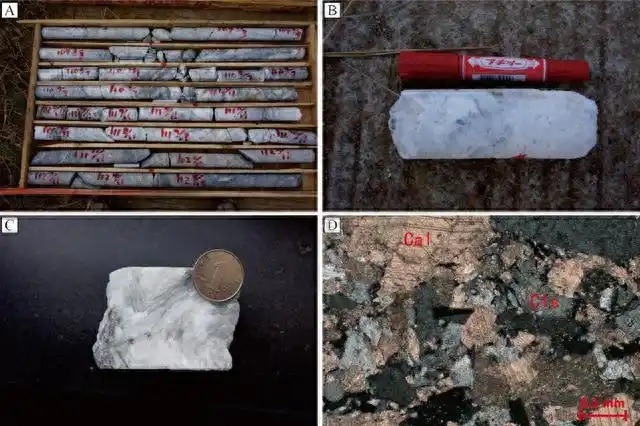
Nation boosts mineral resources, boosts supply
China has achieved remarkable progress in securing its mineral resources and enhancing domestic supply, as highlighted by the Ministry of Natural Resources. The nation has conducted comprehensive evaluations of 163 mineral resources with confirmed reserves, focusing on their quantity, distribution, and development status. Minister Guan Zhiou announced significant breakthroughs in the exploration of strategic resources such as oil, gas, copper, and lithium during a September news conference in Beijing. Additionally, China has established over 1,000 national-level green mines, underscoring its commitment to sustainable development. Vice-Minister Xu Dachun revealed that the discovery of 10 large oilfields and 19 large gas fields during the 14th Five-Year Plan period (2021-25) marks a major milestone. The Ordos Basin in northwestern China has seen a substantial increase in proven geological reserves, exceeding 300 billion cubic meters of methane. China has also revitalized old resource bases, such as the Xiaoyi bauxite mine in Shanxi and the Jiaodong gold mine in Shandong, while new large resource bases for gold, phosphorus, and sylvite are emerging. The Dadonggou gold mine in Liaoning, with an estimated additional reserve of nearly 1,500 metric tons of gold, is poised to become a world-class mine. The newly discovered Asian Lithium Belt, spanning 2,800 kilometers across multiple provinces and autonomous regions, has revealed significant lithium deposits. China’s global lithium reserve share has surged from 6% in 2021 to 16.5%, elevating the country to the second position worldwide. The China Geological Survey (CGS) has identified over 20 million tons of new copper reserves, with potential resources estimated at 150 million tons, positioning the Qinghai-Tibet Plateau as a world-class copper hub. Technological advancements have further improved resource utilization, including the efficient recovery of ultra-fine-grained ilmenite, increasing titanium recovery rates to over 40%. In the Panxi region of Sichuan, more than 87 million tons of titanium resources have been leveraged. CGS and the Hubei provincial government have also made strides in utilizing the superlarge niobium-rare earth deposit in northwestern Hubei, unlocking 929,000 tons of niobium.
-
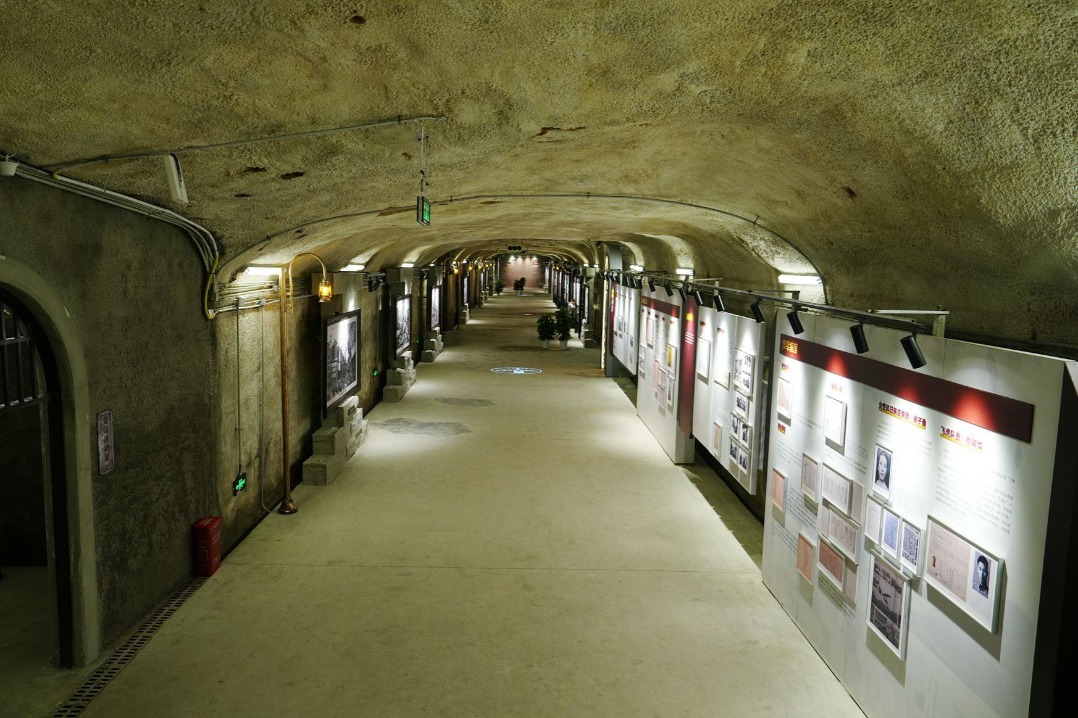
University reopens wartime shelter
Chongqing University has unveiled a significant piece of its history by reopening a wartime air-raid shelter, now transformed into a patriotism education base. Hidden behind a small, rusty iron gate on the university’s main campus, this vast underground space once provided refuge to thousands of students and scholars during the Chinese People’s War of Resistance Against Japanese Aggression and the World Anti-Fascist War. Built in 1937 and spanning over 14,000 square meters, it stands as one of the earliest and largest shelters constructed by Chinese universities. The shelter’s reopening features exhibitions detailing the university’s wartime history and its role in safeguarding lives and academic pursuits during the conflict. Wang Shuxin, Party chief of Chongqing University, emphasized the shelter’s significance as a testament to the patriotic spirit and resilience of the people during the war. Between 1939 and 1941, the university endured six bombings as Japanese forces relentlessly targeted Chongqing, China’s wartime capital. Despite the destruction, students and teachers persisted in their studies and research within the shelter. The university’s records also highlight the wartime contributions of its students, with 126 joining the army between 1943 and 1944. Among them were notable figures like Hou Ziqin, a hero of the Chinese Air Force, and He Qichen, a member of the Flying Tigers. The reopening aims to inspire today’s students to honor this legacy by studying diligently and contributing to national development. Freshman Yan Siyu expressed pride and motivation after learning about the shelter’s history, vowing to carry forward the spirit of perseverance and dedication.
-
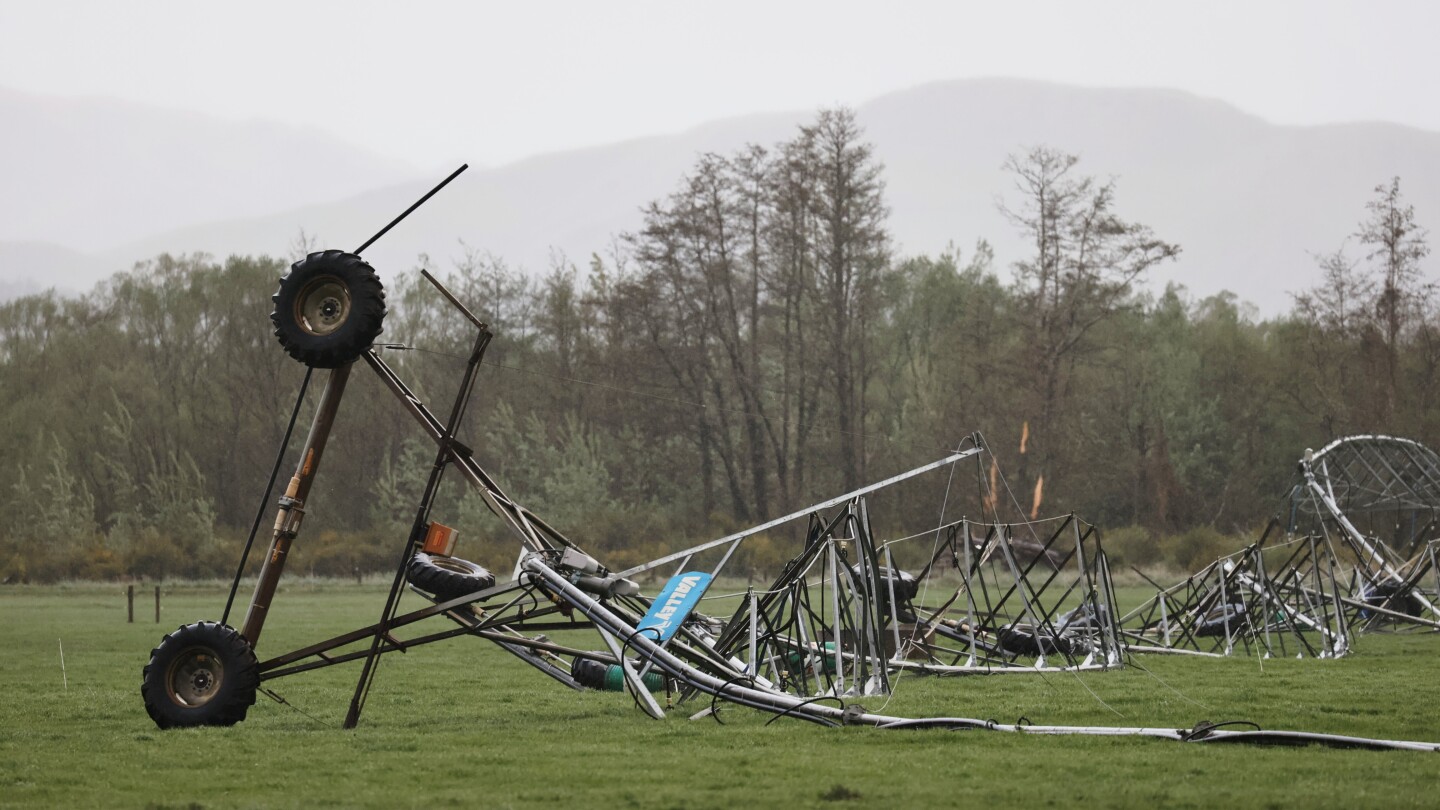
Flights canceled and a ‘mega strike’ disrupted as dangerous winds hit New Zealand
New Zealand experienced a tumultuous day on Thursday as ferocious winds wreaked havoc across the nation for the second time in a week. The powerful gales, reaching speeds of up to 230 km/h in some areas, led to widespread disruptions, including the cancellation of over 200 flights, electricity blackouts, and the closure of schools and highways. The lower North Island, home to the capital Wellington, and parts of the South Island, including Christchurch, bore the brunt of the storm. The national weather service, MetService, issued rare ‘red’ wind warnings, the highest alert level, for several regions. Fortunately, no fatalities or serious injuries were reported, unlike Monday’s storm, which claimed the life of a Wellington man struck by a falling tree branch.
The severe weather also disrupted a planned nationwide strike by health and education workers, marking one of the largest industrial actions in decades. Over 100,000 workers, represented by four unions, walked off the job for four hours after negotiations with the government over pay and working conditions collapsed. While some rallies were canceled due to the weather, thousands of workers still marched in cities like Auckland and Hamilton, and smaller demonstrations took place in towns unaffected by the storm. Hospitals and emergency rooms remained operational, but the government urged the public to seek medical attention only for urgent matters.
The strike highlighted growing tensions between the center-right government and workers’ unions, with ministers accusing the action of being politically motivated. Union leaders countered that they had also organized strikes under the previous center-left administration. The strike involved a diverse group of workers, including teachers, doctors, nurses, and social workers, who demanded better pay, improved staffing levels, and enhanced working conditions. The industrial action occurred against a backdrop of significant government spending cuts and a record exodus of New Zealanders, particularly medical professionals, to Australia, where salaries are higher and living costs are lower.
As the storm’s impact began to ease by Friday, several major highways remained closed, and residents in parts of the South Island were on alert for potential river flooding. Authorities also implemented bans on fireworks and fires due to the heightened risk of wildfires, which had already been exacerbated by the strong winds. New Zealand’s geographical location and mountainous terrain make it prone to extreme weather events, which can occur throughout the year.
-
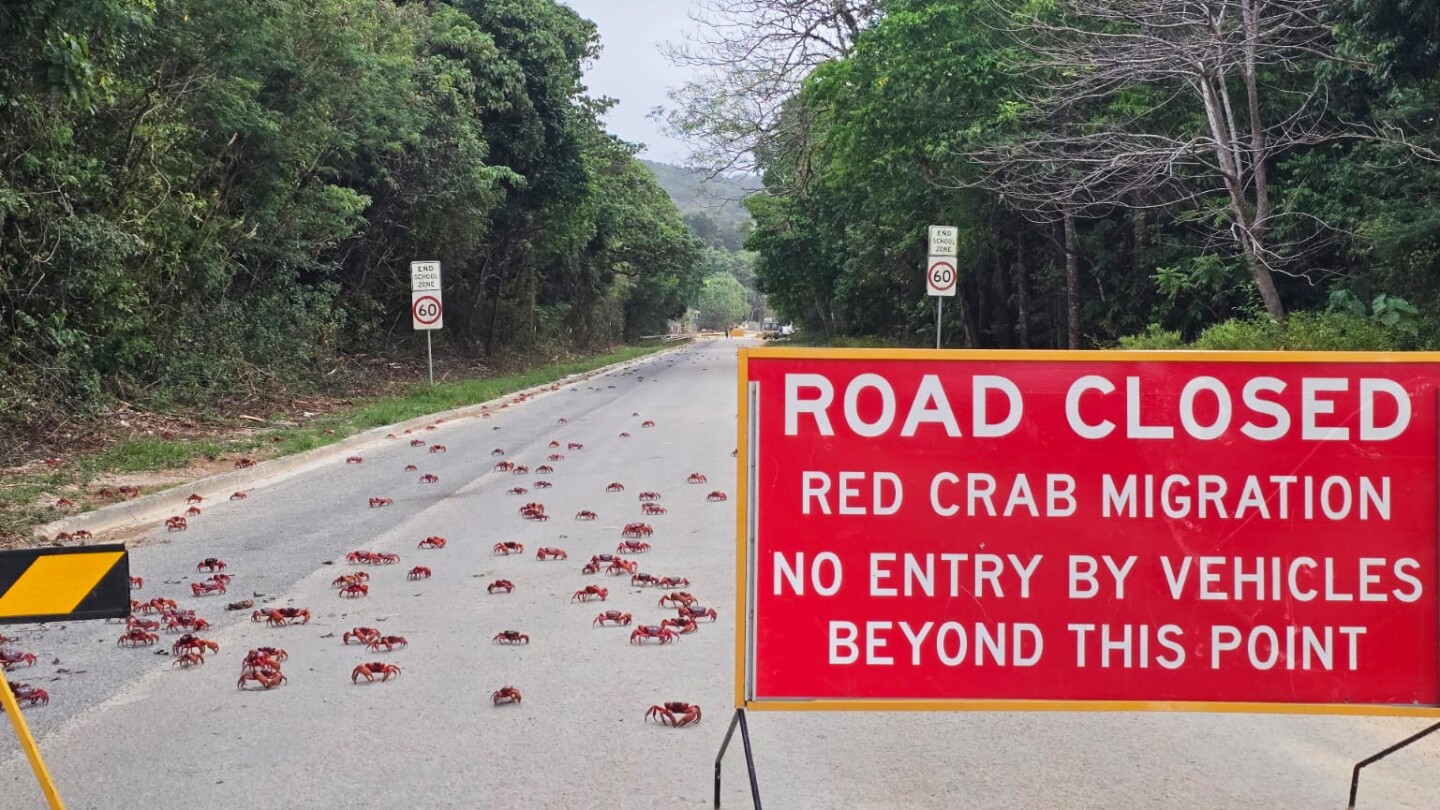
People use garden tools to protect millions of migrating red crabs on Christmas Island
MELBOURNE, Australia (AP) — The annual migration of tens of millions of red crabs has commenced on Christmas Island, a remote Australian territory in the Indian Ocean. This natural phenomenon, triggered by the onset of the Southern Hemisphere summer rains, sees up to 100 million Gecarcoidea natalis crabs journey from their forest burrows to the shoreline for breeding. The event, which began last weekend, involves a slow, methodical march of crabs across roads and gardens, creating a vivid red carpet that captivates both locals and visitors. The island’s 1,200 human residents play a crucial role in facilitating this migration. Many use leaf blowers and garden rakes to clear paths for the crabs, ensuring their safe passage to the ocean. Alexia Jankowski, acting manager of Christmas Island National Park, emphasized the unique privilege of witnessing this event. ‘Some people might think they’re a nuisance, but most of us think they’re a bit of a privilege to experience,’ she said. The crabs’ journey is indiscriminate, often leading them into homes and driveways, where residents must carefully navigate to avoid harming them. On the shores, male crabs excavate burrows where females lay and incubate eggs. The females are expected to release their spawn into the ocean at high tide on November 14 or 15, during the last quarter of the moon. The young crabs spend a month as larvae in the ocean before returning to Christmas Island as small crabs. Jankowski noted the challenges of protecting these tiny crabs, stating, ‘When they’re little babies only about half the size of your fingernail, we can’t rake them, because you’d crush them. So instead we use leaf blowers.’ This annual event not only highlights the island’s unique biodiversity but also underscores the delicate balance between human activity and natural processes.
-

Wallabies name revamped team for test in Tokyo against Japan
In a strategic move to evaluate team depth, Australia’s head coach Joe Schmidt has unveiled a reshuffled Wallabies squad for their one-off rugby test against Japan in Tokyo. Nick Champion de Crespigny, a seasoned player with three test caps, will lead the team as captain. The backrow features Western Force teammate Carlo Tizzano and No. 8 Rob Valetini, while regular skipper Harry Wilson takes a spot on the bench. The inclusion of ex-All Blacks frontrower Aidan Ross offers him a rare opportunity to become the fifth player to represent both Australia and New Zealand in test rugby. The starting front row sees Zane Nonggorr making his test debut alongside Angus Bell and Josh Nasser, with Lukhan Salakaia-Loto and Jeremy Williams anchoring the second row. The backline has also undergone significant changes, with Dylan Pietsch returning from injury to join Corey Toole and Andrew Kellaway in a dynamic back three. Jake Gordon and Tane Edmed retain their roles in the halves, while Hunter Paisami and Josh Flook form the center partnership. Schmidt emphasized the squad’s readiness, acknowledging Japan’s formidable home advantage. The Wallabies, coming off a narrow 28-24 loss to New Zealand in the Rugby Championship, aim to rebound against Japan, who recently fell to Fiji in the Pacific Nations Cup final. This match kicks off a challenging tour for Australia, with subsequent tests against England, Italy, Ireland, and France.