
China’s remarkable efforts to revive the milu deer population have been celebrated at the 2025 International Symposium on Milu and Ecological Conservation in Beijing. The event, held from October 24 to 25 as part of the Zhongguancun Forum series, brought together over 100 experts from nine countries, including zoologists, ecologists, and conservationists. Since the reintroduction program began in 1985 in collaboration with the United Kingdom, the milu deer population has surged from a mere 77 to approximately 15,000—a staggering 200-fold increase. Initially confined to two reserves in Beijing and Jiangsu province, the deer now inhabit over 100 breeding populations across 27 provinces. Moreover, wild populations have flourished, with six groups totaling more than 6,000 animals thriving in various regions. This extensive network is hailed as the world’s largest and most comprehensive system for milu conservation, setting a global benchmark for wildlife reintroduction efforts.
标签: Asia
亚洲
-

Global experts praise China’s ecological achievements at a seminar in Beijing
A high-profile seminar on forestry carbon sequestration concluded in Beijing on October 28, 2025, drawing widespread acclaim from global participants for its comprehensive showcase of China’s ecological advancements. The event, spanning two weeks, was jointly hosted by China’s Ministry of Commerce and Beijing Forestry University, attracting 24 delegates from six Asian and African nations. The program seamlessly integrated theoretical discussions on China’s ecological civilization policies with immersive field visits to key ecological sites in Hubei province, offering participants a firsthand look at the integration of ecological preservation into regional development strategies. Dombeu Kaam Rene Maurice, an official from Cameroon with the International Bamboo and Rattan Organization, lauded the seminar’s balanced approach, stating, ‘The insights gained here could revolutionize our approach to combating climate change.’ He also emphasized China’s strategic long-term planning in ecological governance, noting the alignment of ecological targets with the nation’s five-year plans. Karen Chow, a representative from Malaysia’s Ministry of Natural Resources and Environmental Sustainability, highlighted the importance of sustained investment in environmental protection, citing Hubei’s exemplary environmental stewardship as a source of inspiration. Senaratne Gamaralalage Priyantha Bandula, a forestry official from Sri Lanka, acknowledged the seminar’s influence on his country’s perspective on carbon trading and sustainable industrial development, praising China’s leadership in advancing wood-based industries while maintaining environmental integrity. Looking ahead, participants expressed keen interest in fostering deeper collaboration with China in areas such as carbon project development, technical training, and sustainable forest management, viewing the seminar as a pivotal step toward impactful cross-border climate initiatives in the Global South.
-

Global businesses gather at Hong Kong intl lighting fair, tech light expo
The Hong Kong International Lighting Fair (Autumn Edition) and the 10th Hong Kong International Outdoor and Tech Light Expo commenced on Monday, drawing approximately 3,000 businesses from around the globe. Organized by the Hong Kong Trade Development Council (HKTDC), the event underscores innovation and smart design in the lighting industry. A highlight of the fair is the ‘Connected Lighting Pavilion,’ which features award-winning designs and products from renowned brands in Finland, Germany, the Netherlands, Japan, and other countries. These exhibits demonstrate cutting-edge lighting solutions that have been implemented in major global projects. The expo, running from Tuesday to Friday, will display a diverse array of outdoor, commercial, and industrial lighting products and technologies, all aimed at advancing smart city initiatives. This gathering not only serves as a platform for industry leaders to showcase their latest innovations but also fosters international collaboration in the lighting sector.
-
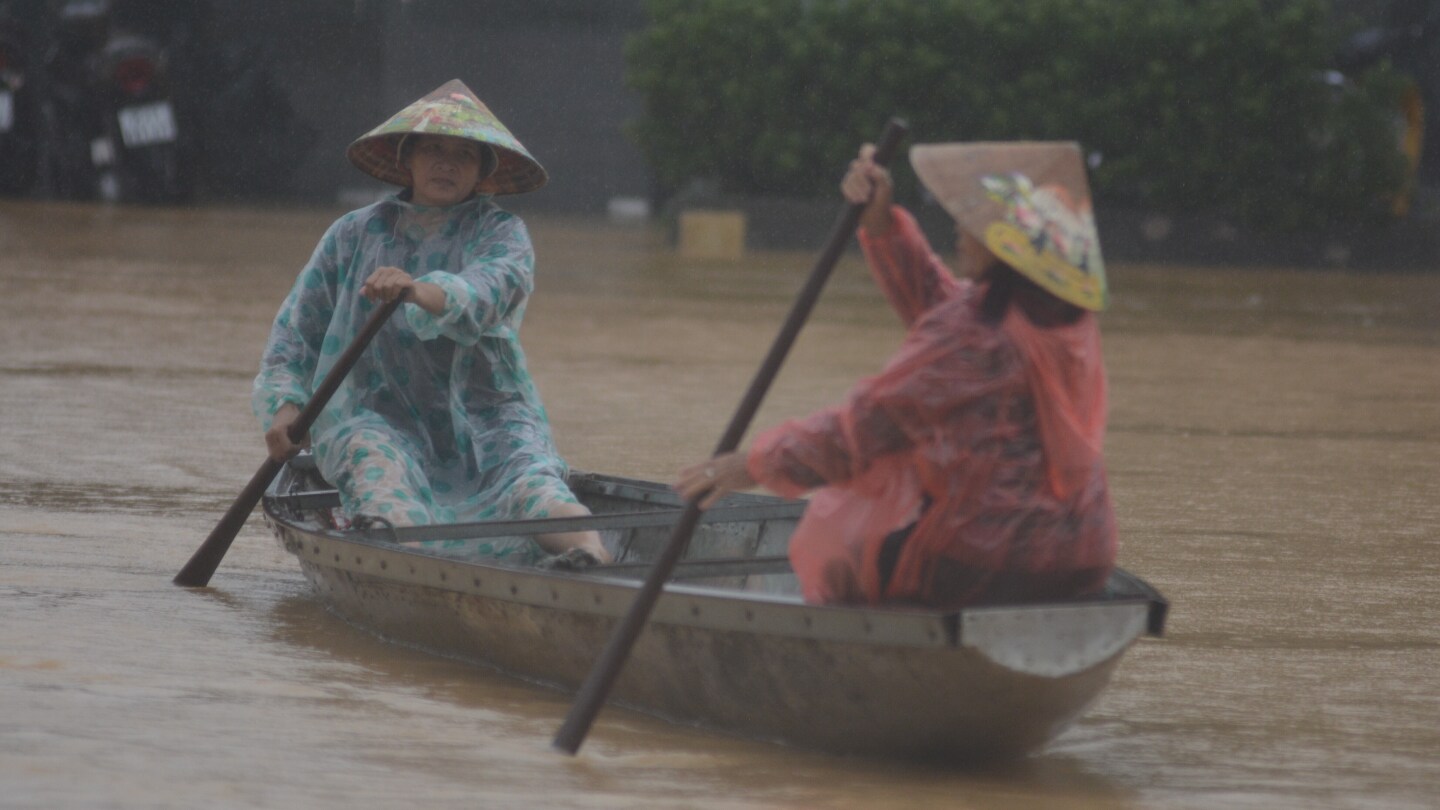
Record rainfall causes major flooding in Vietnam, submerging ancient sites
Central Vietnam is grappling with unprecedented flooding triggered by relentless heavy rains, which have submerged homes, farmland, and iconic tourist destinations, including the historic cities of Hue and Hoi An. According to Vietnam’s meteorological department, Hue recorded a staggering 1,085.8 millimeters (42 inches) of rainfall within 24 hours by late Monday, marking the highest volume ever documented in the country. The Perfume River in Hue surged to 4.62 meters (15 feet), while waist-deep floods engulfed Hoi An’s ancient town, forcing tourists to evacuate by boat. Persistent rainfall and water releases from hydroelectric dams caused the Hoai River to rise nearly 2 meters (6.5 feet), exacerbating the crisis. State media reported that 32 of Hue’s 40 residential areas were inundated, with residents resorting to boats to navigate submerged streets. The floods also disrupted the train route between Hanoi and Ho Chi Minh City, stranding thousands of passengers. In a bid to safeguard infrastructure, Vietnam’s railways deployed 19 train carriages loaded with 980 tonnes (1,080 U.S. tons) of heavy stones to stabilize a bridge at risk of being swept away. The Australian nonprofit Blue Dragon Children’s Foundation highlighted that approximately 1,000 people in rural Thua Thien Hue province, including 200 children, are isolated and in urgent need of assistance due to flooding and landslides. Meteorologists had earlier warned of severe rainfall, floods, and landslides as storm Fengshen approached. Experts attribute the intensification of such storms to global warming, which fuels tropical storms with warmer oceans, leading to stronger winds, heavier rainfall, and altered precipitation patterns across East Asia. Vietnam, one of the world’s most flood-prone nations, faces heightened risks with nearly half its population residing in vulnerable areas.
-

India conducts cloud-seeding trial to clear New Delhi’s smog
In a bold move to tackle the persistent air pollution crisis, Indian authorities conducted a cloud-seeding experiment over New Delhi on Tuesday. The initiative aimed to induce rainfall and alleviate the city’s hazardous smog levels, which have sparked widespread public discontent. A specialized aircraft dispersed chemicals into the clouds above select areas of the capital, hoping to trigger precipitation that would cleanse the atmosphere. Despite these efforts, air quality monitors classified the city’s pollution levels as “very poor,” underscoring the severity of the issue. Cloud seeding, a weather modification technique used in drought-prone regions like the western United States and the United Arab Emirates, remains a contentious solution due to its uncertain efficacy. Delhi Minister Manjinder Singh Sirsa revealed that the trial was conducted in collaboration with the Indian Institute of Technology Kanpur, with additional experiments planned in the coming days. He anticipated localized rainfall in the following hours, though experts remain skeptical about the long-term impact of such measures. New Delhi, home to over 30 million people, consistently ranks among the world’s most polluted cities. A recent report by IQAir, a Switzerland-based air quality monitoring database, identified six Indian cities among the top ten most polluted globally, with New Delhi topping the list as the most polluted capital. The city’s air quality deteriorates annually during winter due to crop residue burning in neighboring states, vehicle emissions, and industrial pollutants. While authorities have implemented measures such as construction bans, restrictions on diesel generators, and the deployment of anti-smog guns, critics argue that these are temporary fixes. Krishna Achuta Rao, a professor at the Indian Institute of Technology, New Delhi, emphasized that cloud seeding offers only a fleeting respite and fails to address the root causes of pollution. He advocated for stringent laws targeting emissions from industries, vehicles, and construction activities as the only viable long-term solution. “Cloud seeding is not a cure for pollution. It merely creates the illusion of action,” Rao stated.
-

India resumes direct passenger flights to China
In a significant development for bilateral relations, India and China have resumed direct passenger flights after a five-year suspension caused by the COVID-19 pandemic. On Monday, October 28, 2025, Indian carrier IndiGo successfully completed its inaugural flight from Kolkata to Guangzhou, Guangdong province. The flight, fully booked with 176 passengers, marks a pivotal step in re-establishing air connectivity between the two nations. This resumption is particularly timely, as it facilitates travel for business professionals attending the ongoing China Import and Export Fair, commonly known as the Canton Fair, in Guangzhou. IndiGo has also announced plans to launch additional direct flights between New Delhi and Guangzhou starting November 10, further strengthening ties and fostering economic collaboration. The move is expected to enhance trade, tourism, and cultural exchanges, signaling a positive shift in post-pandemic recovery efforts.
-
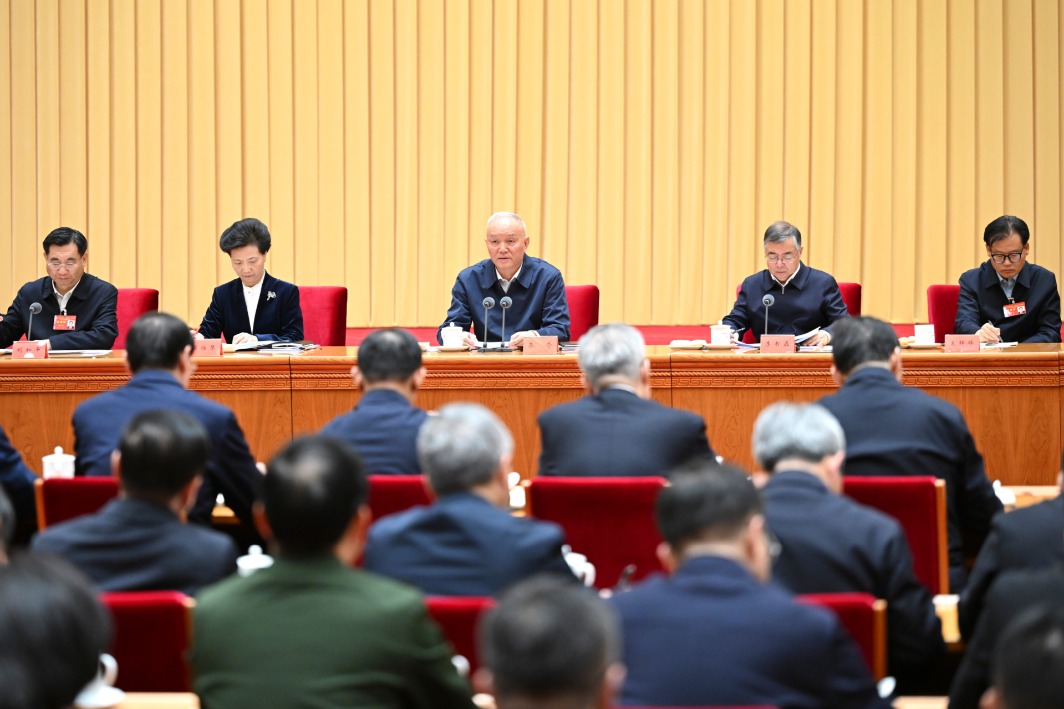
Senior CPC official urges full promotion of Party plenum’s guiding principles
Cai Qi, a prominent member of the Standing Committee of the Political Bureau of the Communist Party of China (CPC) Central Committee and the CPC Central Committee Secretariat, emphasized the critical importance of fully promoting the guiding principles established during the fourth plenary session of the 20th CPC Central Committee. Speaking at a mobilization meeting in Beijing on October 27, 2025, Cai underscored that the thorough study and implementation of these principles are essential political tasks for both the Party and the nation in the current and forthcoming periods. He highlighted the significant achievements China has made during the 14th Five-Year Plan (2021-25) and the CPC Central Committee’s comprehensive assessment of both domestic and international conditions. Cai also called for a detailed explanation of the guiding principles, major policies, strategic goals, and key measures outlined in the 15th Five-Year Plan (2026-30), urging Party members, officials, and the public to integrate these directives into all aspects of economic and social development. The meeting, chaired by Li Shulei, head of the CPC Central Committee’s Publicity Department, marked a pivotal step in ensuring the widespread adoption of the plenum’s resolutions. The fourth plenary session, held from October 20 to 23, 2025, laid the groundwork for China’s strategic priorities in the coming years.
-
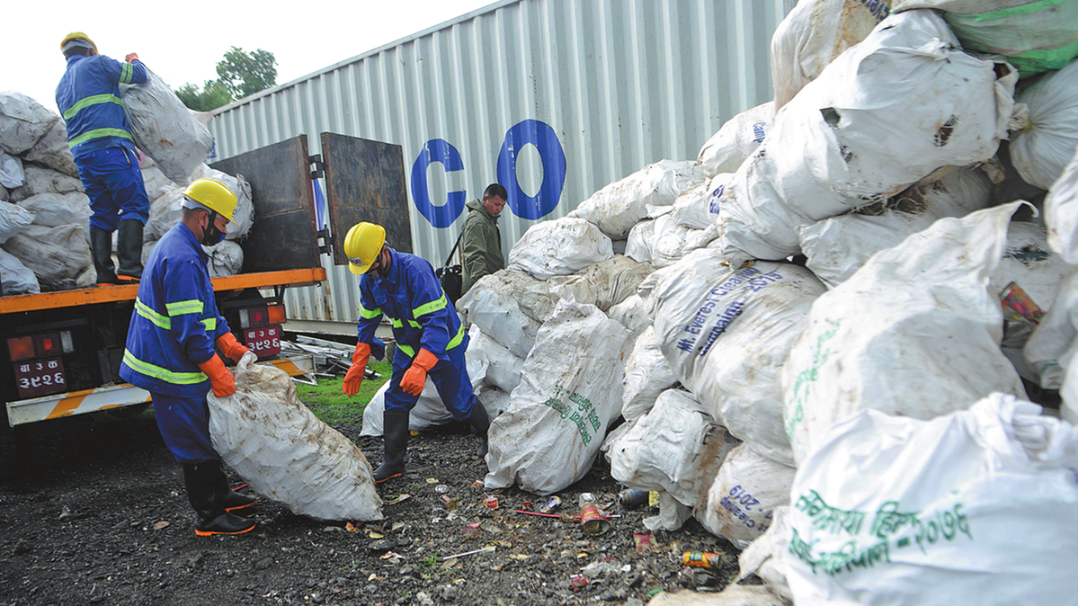
Cleaning up tallest rubbish tip
Nepal is set to implement a comprehensive five-year strategy to address the escalating litter problem on Mount Everest, the world’s highest peak. The initiative, dubbed the Clean Mountain Strategy (2025-2029), aims to tackle decades of accumulated waste that has marred the iconic mountain. The plan includes the establishment of a specialized team of ‘mountain rangers’ to monitor and manage waste at base camp and higher altitudes, as well as the exploration of drone technology for waste collection above base camp. The strategy also proposes stricter regulations on climbing permits, higher fees for climbers, and the introduction of a refundable garbage deposit system. Additionally, a significant portion of climbing revenues will be allocated to cleanup campaigns, with provisions for local community involvement. The draft strategy emphasizes transparency and global engagement, with progress reports to be distributed internationally and an independent monitoring team to conduct annual assessments. The government also plans to integrate environmental awareness into local curricula and introduce educational materials nationwide. Despite these efforts, experts caution that the success of the strategy will depend on the availability of adequate funding and consistent policy implementation.
-
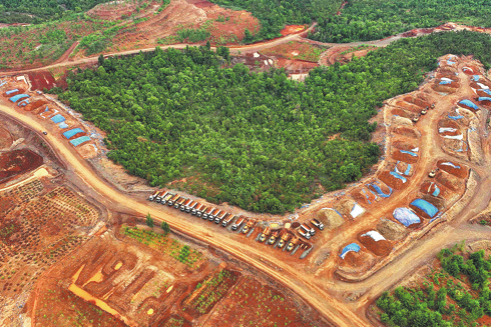
Deforestation in S.E. Asia causes more deaths than in other tropical areas
A groundbreaking study reveals that deforestation in Southeast Asia is causing significantly more heat-related deaths compared to other tropical regions, despite losing a smaller total area of forest. Published in *Nature Climate Change*, the research highlights that between 2001 and 2020, Southeast Asia lost approximately 490,000 square kilometers of vegetation, while tropical Central and South America lost around 760,000 square kilometers. However, the higher population density in Southeast Asia has resulted in an annual death toll of 15,680 rural residents due to heat-related complications, far exceeding the 9,890 deaths in Africa and 2,520 in the Americas. The study, led by Carly Reddington from the University of Leeds, attributes this disparity to the combined effects of deforestation and climate change, which have increased regional temperatures by 0.72 degrees Celsius over two decades. Forests play a critical role in cooling the environment by providing shade and releasing water vapor, akin to human sweating. When trees are removed, the loss of these cooling mechanisms leads to localized warming, sometimes surpassing the effects of global climate change. The research underscores the vulnerability of rural and indigenous communities, who often reside near deforested areas and lack access to resources to mitigate heat risks. Reddington emphasizes the urgent need for tropical nations to strengthen forest protection laws, invest in reforestation, and implement heat management solutions, such as shaded workspaces and improved healthcare access. The study also calls for climate finance to prioritize forest conservation and health resilience in tropical regions, where risks are greatest and resources are limited. Experts like Kimberly Fornace from the National University of Singapore and Winston Chow from Singapore Management University stress the importance of localized studies and public awareness to address the growing threat of heat-related mortality.
-

Chongyang Festival marked across China
Across China, communities and organizations came together to celebrate the Chongyang Festival, a traditional holiday dedicated to honoring the elderly. This year’s festivities, which culminated on October 29, 2025, were marked by a series of events aimed at promoting respect and care for senior citizens. In Xinghua city, East China’s Jiangsu province, legal professionals took to public parks to educate older adults on legal rights and protections related to elderly care. The Chongyang Festival, also known as Seniors’ Day in modern China, underscores the nation’s commitment to fostering intergenerational harmony and addressing the needs of its aging population. The celebrations included cultural performances, health check-ups, and community gatherings, reflecting the deep-rooted values of filial piety and social responsibility. These activities not only brought joy to seniors but also raised awareness about the importance of supporting the elderly in society.