标签: Asia

亚洲

  • Israeli collaborator Yasser Abu Shabab reportedly killed in Gaza

    Israeli collaborator Yasser Abu Shabab reportedly killed in Gaza

    Yasser Abu Shabab, the most-wanted Hamas target and leader of the controversial Popular Forces militia, was reportedly killed in Gaza on Thursday amid conflicting accounts surrounding his death. Multiple Israeli media outlets confirmed the demise of the notorious figure, though precise details regarding the perpetrators and methodology remain undisclosed.

    The incident allegedly occurred in Rafah, a southern Gaza region currently under comprehensive Israeli military control. Abu Shabab had maintained extensive collaboration with Israeli forces throughout the two-year conflict, engaging in activities that included humanitarian aid looting, civilian kidnappings, and targeted operations against Hamas personnel.

    Israeli Channel 12 reported that Abu Shabab was transported to Soroka Hospital following the attack but was declared dead upon arrival—a claim subsequently denied by hospital authorities. Prominent Israeli political commentator Amit Segal characterized the elimination as a “bad development for Israel,” highlighting the strategic complications arising from the death of a key collaborator.

    Following news of his death, Palestinian crowds flooded Gaza streets in spontaneous celebration, distributing sweets and firing celebratory gunshots into the air. Hamas security forces had previously vowed to track down the militia leader during the ongoing conflict.

    The Popular Forces group, which Abu Shabab led, has faced condemnation from multiple Palestinian factions for its traitorous activities, including coordinated attacks on civilians, systematic aid diversion, and alleged connections to both Israeli forces and the Islamic State organization. While Abu Shabab publicly framed his militia as a legitimate opposition movement to Hamas governance, internal United Nations reports from 2024 identified the group as “the most influential stakeholders behind the systematic and massive looting of convoys.”

    Israeli Prime Minister Benjamin Netanyahu had previously acknowledged providing weaponry to Abu Shabab’s forces. The militia enjoyed unprecedented access to humanitarian resources in areas under its control—primarily through systematic theft—while the broader Gaza population faced severe starvation conditions.

    The development occurs against the backdrop of a nominally agreed ceasefire that has witnessed nearly 600 violations by Israeli forces, resulting in over 360 fatalities and 900 injuries since October. Israel continues to block patient transit through the Rafah crossing with Egypt and restricts aid deliveries to approximately 200 trucks daily, significantly below the agreed 600-truck threshold.

  • Industry voices see growth opportunities as Putin’s India visit renews trade momentum

    Industry voices see growth opportunities as Putin’s India visit renews trade momentum

    Russian President Vladimir Putin’s landmark state visit to India has generated significant optimism among industry leaders, marking his first trip to the nation since the onset of the Ukraine conflict in 2022. The high-level discussions have centered on revitalizing bilateral trade relations, addressing existing imbalances, and identifying innovative sectors for economic collaboration.

    Trade analysis reveals a substantial imbalance in current economic exchanges. According to Ajay Sahai, Director General and CEO of the Federation of Indian Export Organisations (FIEO), India imported approximately $63 billion worth of Russian goods last year while exporting only $5 billion. “This trade is slightly skewed, so we need to balance it and diversify it,” Sahai noted, emphasizing the urgent need for structural trade reforms.

    Despite a sharp decline to $2 billion during the Ukraine conflict, Indian exports to Russia have rebounded to approximately $5 billion. Industry experts identify emerging opportunities in digital payments, fintech integration, and hospitality services as promising avenues for expansion. A substantial Indian business delegation is concurrently exploring opportunities in Russia’s new-age industries, signaling mutual interest in technological exchange.

    Russian industry representatives echo this enthusiasm, recognizing India’s substantial market potential. Stanislav Kislov, CEO of Science-and-Production Centre Mineral Coating Technologies LLC, expressed strong confidence in bilateral cooperation: “India presents remarkable growth potential. After twenty years of operation in Russia, we are now entering the Indian market which offers excellent prospects for our technological solutions.”

    The visit represents a significant diplomatic re-engagement between the two nations, with stakeholders from both countries expressing commitment to developing more balanced trade relationships through sectoral diversification and technological collaboration.

  • UAE-backed forces raise South Yemen flag as they seize control in east

    UAE-backed forces raise South Yemen flag as they seize control in east

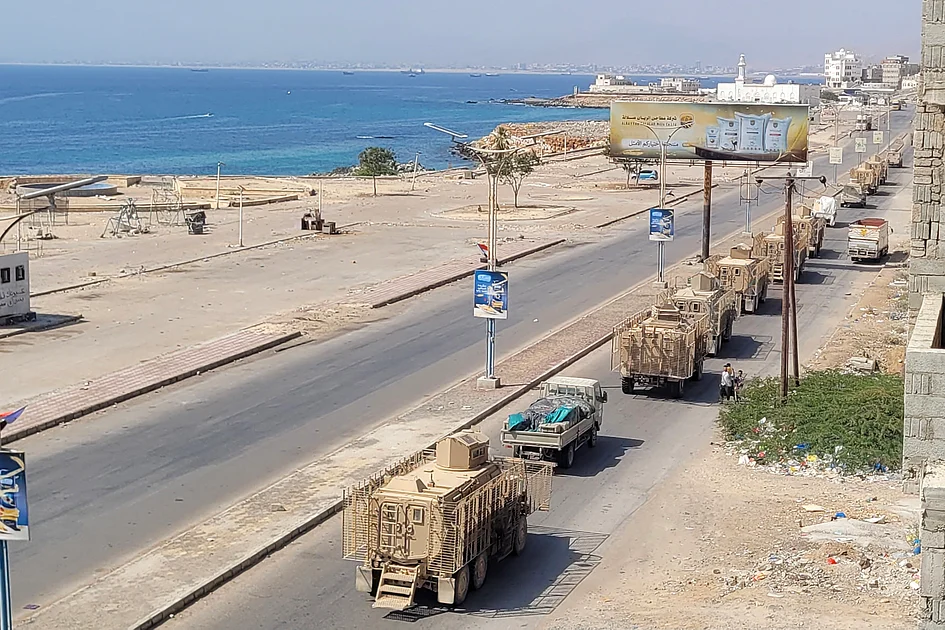
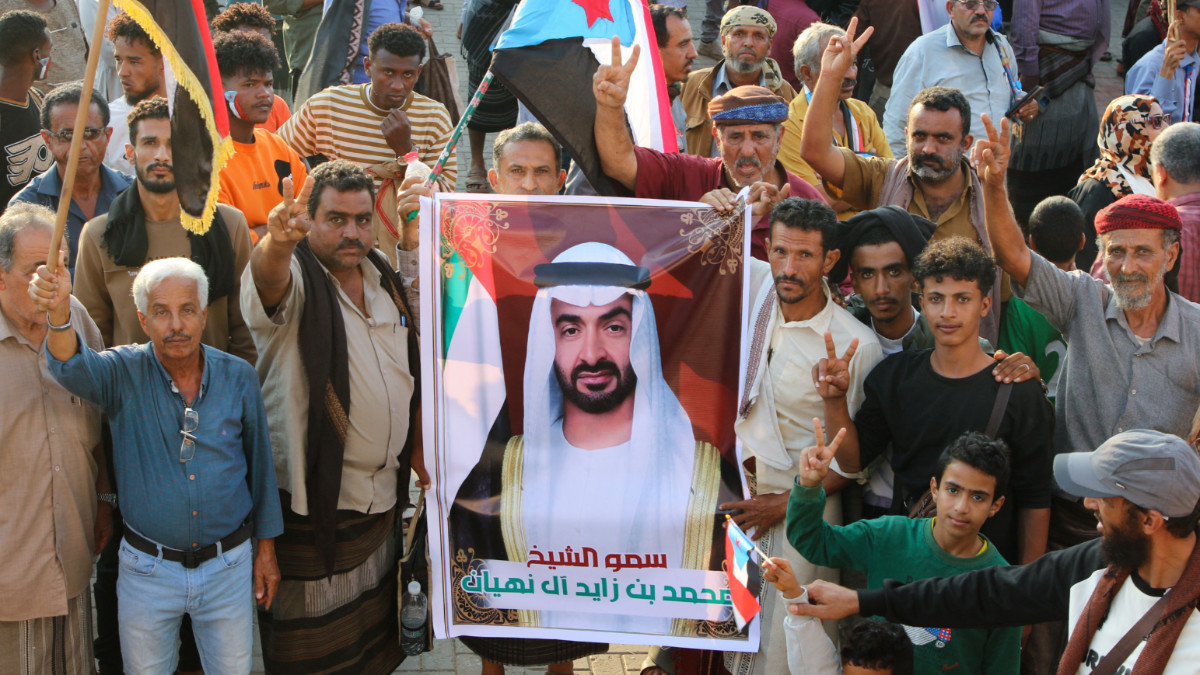
    A significant geopolitical shift is underway in southeastern Yemen as forces aligned with the Southern Transitional Council (STC) have successfully captured extensive territories, including the strategically vital Hadhramaut province. The military operation, codenamed “The Promising Future,” has resulted in the hoisting of the historic South Yemen flag across administrative buildings and critical infrastructure points throughout the region.

    The STC’s military wing, known as the Hadrami Elite Forces, executed a rapid offensive that secured control of Seiyun, one of Hadhramaut’s largest urban centers, along with its presidential palace and international airport. This development effectively places approximately one-third of Yemen’s territory under STC authority, including regions containing 80 percent of the nation’s modest oil reserves.

    The campaign encountered initial resistance from the Saudi-backed Hadramout Tribal Alliance, which briefly seized PetroMasila, Yemen’s largest oil company facility, in a preemptive maneuver. However, STC forces subsequently reclaimed the installation, compelling tribal forces to withdraw following Saudi-mediated negotiations that prevented direct confrontation between Saudi and UAE-backed factions.

    Symbolically significant actions have accompanied the territorial gains, with armed personnel replacing Yemeni national flags with the South Yemen banner at strategic locations including the Shahn border crossing with Oman. This flag, featuring a light blue chevron and red star representing the former Yemeni Socialist Party, hadn’t flown officially since Yemeni unification in 1990.

    Analysts indicate these developments substantially enhance the STC’s position within Yemen’s complex political landscape. The council now commands crucial supply routes and logistical corridors connecting to anti-Houthi forces in Marib, potentially altering the balance of power within the Presidential Leadership Council that has governed southern Yemen amid internal divisions.

    The STC’s foreign ministry justified its military campaign by characterizing Hadhramaut as a “haven for terrorism” and breeding ground for extremist organizations including ISIS and al-Qaeda. Open-source intelligence reports indicate the separatists employed UAE-supplied military equipment during their offensive, including Chinese-manufactured artillery systems and Emirati-produced armored vehicles, underscoring the complex international dimensions of Yemen’s multilayered conflict.

  • Our countries are tied with a solid, time-proven friendship, says Russian Defence Minister

    Our countries are tied with a solid, time-proven friendship, says Russian Defence Minister

    Russian Defense Minister Andrei Belousov affirmed the enduring strategic alliance between Russia and India during the 22nd India-Russia Inter-Governmental Commission on Military and Military Technical Cooperation meeting in New Delhi. Speaking alongside Indian Defense Minister Rajnath Singh on December 4, 2025, Belousov characterized the bilateral relationship as “a solid, time-proven friendship grounded in mutual respect.”

    The minister emphasized the partnership’s critical role in maintaining regional equilibrium, stating that cooperation with India serves as “a key factor for balance in the South Asian region and global stability in general.” This declaration comes amid evolving geopolitical dynamics that have prompted India to diversify its defense partnerships while maintaining historical ties with Russia.

    Belousov specifically acknowledged India’s participation in May 2025 commemorations marking the 80th anniversary of Victory in the Great Patriotic War (1941-1945), expressing personal gratitude for the Indian delegation’s presence in Moscow. The Russian minister also extended congratulations to the Indian Navy on National Navy Day, highlighting comprehensive military cooperation spanning army, air force, and naval development.

    Indian Defense Minister Rajnath Singh reciprocated the positive sentiments, confirming that Russia remains India’s strategic partner in technology and defense despite recent global developments. Singh noted that the ongoing relationship operates within the framework of the “special privileged partnership” between the nations, which he believes will be further strengthened through upcoming engagements between Prime Minister Narendra Modi and President Vladimir Putin.

    The intergovernmental commission, which both ministers praised for producing “effective and mutually beneficial decisions in the military domain,” serves as the primary institutional mechanism governing defense cooperation. Both parties committed to building upon existing achievements while identifying new collaborative objectives for future bilateral defense initiatives.

  • Russia, India to push towards $100 billion trade turnover by 2030: Russian Finance Minister

    Russia, India to push towards $100 billion trade turnover by 2030: Russian Finance Minister

    Russian Finance Minister Anton Siluanov has articulated a robust vision for economic collaboration between Russia and India, expressing strong confidence in achieving the bilateral trade target of $100 billion by 2030. This ambitious goal comes amid rapidly expanding economic ties that have already surpassed previous expectations, with current trade volumes reaching $68 billion—more than double the $30 billion target set by President Vladimir Putin in 2018.

    In an exclusive interview with Russian media outlet Izvestia, Minister Siluanov highlighted the strategic importance of enhanced financial infrastructure in facilitating this growth. The recent inauguration of VTB Bank’s flagship office in India represents a concrete step toward streamlining financial settlements between the two nations. “The more opportunities there are for settlements, the simpler trade and economic relations will be carried out,” Siluanov emphasized, noting that such developments are crucial for achieving the 2030 target.

    The minister detailed the multifaceted nature of the growing economic partnership, which now extends across multiple sectors including energy resources, military-technical cooperation, equipment and machinery trade, investment relations, and tourism. Siluanov specifically mentioned Russia’s ongoing efforts to increase imports from India, implementing directives from President Putin to strengthen economic bonds.

    This economic diplomacy unfolds against the backdrop of President Putin’s scheduled state visit to New Delhi for the 23rd India-Russia Annual Summit. The high-level meetings are expected to further solidify the strategic partnership between the two nations, building upon the remarkable progress already achieved in their economic relations.

  • Dubai’s ultra-luxury property deals surge tenfold in five years

    Dubai’s ultra-luxury property deals surge tenfold in five years

    Dubai’s premium residential sector has undergone a remarkable metamorphosis, with property transactions exceeding Dh10 million experiencing a tenfold explosion over the past five years. Current market analytics reveal an extraordinary jump from a modest 469 deals in 2020 to approximately 6,000 transactions by mid-November 2025, representing a substantial 24.4 percent annual growth with several weeks remaining in the fiscal calendar.

    This unprecedented growth trajectory positions Dubai as the world’s premier destination for high-net-worth individuals (HNWIs), according to Savills’ inaugural Wealth Trends Report. The emirate achieved perfect scores across critical parameters including business environment, wealth clustering capabilities, family infrastructure, lifestyle offerings, and security protocols, solidifying its status as the global benchmark for luxury living.

    Off-plan developments have emerged as the fundamental driver of this luxury market expansion, constituting 73 percent of all transactions above Dh10 million in 2025. Prestigious projects including The Oasis, Palm Jebel Ali, Eden Hills, and Jumeirah Golf Estates Phase 2 have significantly contributed to this activity, demonstrating robust investor confidence in Dubai’s long-term economic prospects.

    The villa segment has particularly dominated the luxury landscape, with off-plan villas now representing 51 percent of all prime transactions—an astonishing 915 percent volume increase since 2021. Affluent buyers increasingly prefer expansive layouts exceeding 4,000 square feet, with such properties accounting for 81 percent of deals in the premium segment over the past five years, reflecting growing demand for privacy, outdoor spaces, and wellness-oriented features.

    While transactions in the Dh10-20 million range dominate at 64 percent market share, the super-prime category (properties above Dh20 million) has maintained parallel growth momentum, with both segments recording identical 24 percent year-on-year increases.

    Geographic distribution analysis reveals The Oasis leads villa transactions with 1,024 deals above Dh10 million, followed by Palm Jebel Ali (567 transactions) and District One (169 transactions). For luxury apartments, Dubai Harbour tops the list with 250 transactions, while Palm Jumeirah and Downtown Dubai continue their dominance as established luxury residential corridors.

    European investors constitute the majority of premium property acquisitions at 58 percent, with Asian buyers following at 23 percent market share. Remarkably, buyers from 33 distinct nationalities have participated in Dubai’s luxury market, underscoring its truly global investment appeal.

    Market specialists attribute this sustained growth to Dubai’s political stability, tax-efficient environment, world-class infrastructure, and strategic positioning as a safe haven for global capital. The emirate has simultaneously emerged as the world’s most active market for branded residences, featuring 64 completed projects and 87 additional developments in various planning stages, with luxury brands including Missoni and Mercedes-Benz entering the residential real estate sector.

    Industry projections indicate continued momentum driven by wealth migration patterns, population growth, and evolving consumer preferences for exclusive, branded living experiences. Villas are expected to maintain their dominance in the ultra-luxury segment, while new off-plan developments will continue to cater to sophisticated buyer demands for space, privacy, and exclusivity.

  • GB News pays damages after airing ‘untrue’ claim by UAE influencer about Islamic Relief

    GB News pays damages after airing ‘untrue’ claim by UAE influencer about Islamic Relief

    British broadcaster GB News has issued a formal apology and provided substantial financial compensation to UK-based charity Islamic Relief after airing baseless allegations linking the humanitarian organization to terrorist financing. The false claims originated from Emirati influencer Amjad Taha during a February 16th episode of The Camilla Tominey Show, where he erroneously stated Islamic Relief was “sending money all the way to some terrorist groups in the Middle East.

    In September, GB News published a clarification acknowledging the allegations were completely unfounded, stating: “We accept the allegation that Islamic Relief has funded terrorist groups is untrue. Islamic Relief has stated it does not promote or support extremism of any kind and that it is a purely humanitarian organization.” The network has subsequently removed the controversial segment from all platforms and broadcast an on-air apology.

    Islamic Relief welcomed the resolution, with a spokesperson emphasizing the particular offensiveness of the accusations given that their humanitarian workers have themselves been victims of terrorist violence. The spokesperson noted these false claims perpetuate dangerous disinformation that threatens both staff and beneficiaries.

    The incident reflects broader geopolitical tensions, as the United Arab Emirates has historically targeted Islamic Relief, attempting to portray it as an extension of the banned Muslim Brotherhood. Taha’s comments referenced the organization’s proscription in both the UAE and Saudi Arabia, as well as its operating ban in Israeli-occupied West Bank.

    This case highlights the emerging influence of Gulf-based media figures like Taha, who present as analysts while promoting normalization with Israel and defending UAE foreign policy across Middle Eastern and African conflicts. Taha has additionally attempted to connect the Sudanese army to both Muslim Brotherhood and Hamas affiliations, coinciding with UAE support for the opposing Rapid Support Forces paramilitary group in Sudan’s ongoing civil war.

    A 2023 New Yorker investigation previously revealed UAE financing of smear campaigns against Islamic Relief, attempting to falsely associate its officials with extremist organizations.

  • Sharjah announces temporary road closure in Khorfakkan

    Sharjah announces temporary road closure in Khorfakkan

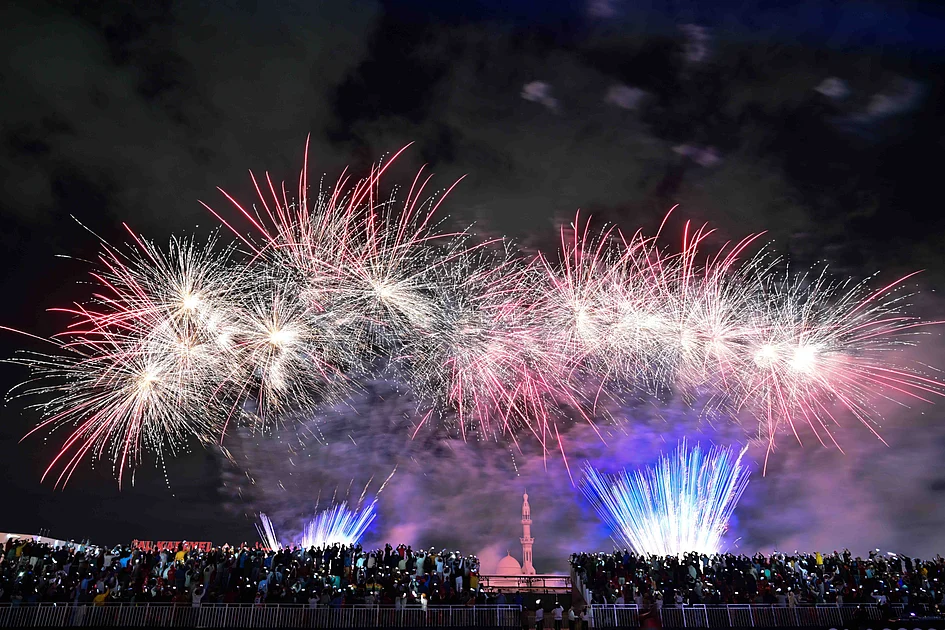
    In a spectacular display of national pride and corporate unity, Design Infinity commemorated the UAE National Day through a monumental gathering of its entire 1,400-member workforce at the company’s Glass, Metal & Signage Factory. The event transcended conventional celebrations, transforming the industrial facility into a vibrant tableau of patriotic fervor and collective spirit.

    The celebration served as a powerful testament to the nation’s progressive journey, with employees from diverse backgrounds and specializations uniting under the banner of national identity. Against the backdrop of the factory’s industrial landscape—a symbol of the UAE’s manufacturing prowess and economic diversification—the massive team formation created a living mosaic representing the country’s unity and ambition.

    This unprecedented gathering not only honored the UAE’s rich heritage but also highlighted the critical role of industrial sectors in nation-building. The Glass, Metal & Signage Factory, typically associated with precision manufacturing, temporarily became a stage for cultural expression and corporate citizenship. The event demonstrated how industrial organizations are increasingly integrating national values into their operational ethos, fostering workplace cohesion while contributing to the broader social fabric.

    The scale of participation—encompassing every tier of the organization from skilled artisans to executive leadership—reflected a deeply institutionalized commitment to national values. Such coordinated displays of patriotism by major employers represent an emerging trend where corporate celebrations become meaningful expressions of civic engagement, potentially setting new standards for how businesses participate in national milestones.

  • Anoushka Shankar slams Air India for damaging her sitar

    Anoushka Shankar slams Air India for damaging her sitar

    Internationally acclaimed sitarist Anoushka Shankar has publicly criticized Air India after her valuable instrument sustained significant damage during a flight. The daughter of legendary musician Ravi Shankar and multiple Grammy nominee documented the incident through an emotional Instagram video that has since garnered widespread attention.

    In the revealing footage, Shankar demonstrates the extensive harm inflicted upon her sitar, expressing both devastation and disbelief. ‘I thought it was simply out of tune initially,’ she explained while examining the instrument. ‘After tuning it, I picked it up to play and realized the true extent of the damage.’

    The artist emphasized the particular disappointment of this incident occurring with India’s national carrier, especially given her extensive travel history. ‘This marks my first experience flying with Air India in many years,’ Shankar noted. ‘The irony that an Indian instrument couldn’t be safely transported by India’s flagship airline feels particularly distressing.’

    Shankar revealed that despite paying special handling fees and utilizing professional-grade protective cases specifically designed for instrument transport, the sitar arrived damaged. She highlighted that this represents the first such incident in her 15-17 years of international touring.

    The timing adds another layer to the story, as Shankar recently received two Grammy nominations for her musical projects. Her single ‘Daybreak’ earned a nomination for Best Global Music Performance, while her collaborative album ‘Chapter III: We Return To Light’ with Alam Khan and Sarathy Korwar received a Best Global Music Album nomination.

    The 68th Grammy Awards ceremony, where Shankar could potentially win her first Grammy after twelve previous nominations, is scheduled for February 1, 2026, at Los Angeles’ Crypto.com Arena.

  • Police punish shopper after AI video used in fake crab claim

    Police punish shopper after AI video used in fake crab claim

    In a landmark case highlighting emerging technological threats to e-commerce, Chinese authorities have detained a shopper for utilizing artificial intelligence to fabricate evidence in a fraudulent refund scheme. The incident, originating from Guangzhou, represents one of the first documented instances where AI-generated content has been weaponized against online merchants.

    The case unfolded when a Jiangsu-based seafood vendor identified as Gao received a complaint from a customer who had purchased eight live crabs on November 17. The buyer subsequently claimed six had arrived deceased, supporting their allegation with photographic and video evidence that appeared convincing at initial inspection. Complying with standard refund protocols, Gao processed a 195 yuan ($27) reimbursement.

    However, upon closer examination, Gao detected multiple anomalies in the submitted materials. The crustaceans exhibited unnatural rigidity in their limbs, while their abdominal flaps were positioned in biologically implausible configurations inconsistent with actual deceased specimens. Further scrutiny revealed even more glaring inconsistencies: the gender distribution of the crabs shown across different videos contradicted both the original shipment composition and each other.

    When attempts to contact the customer proved unsuccessful, Gao publicly shared her suspicions through social media channels. This action triggered harassment from unidentified parties and a privacy complaint from the alleged fraudster. With legal assistance, she formally reported the incident to Guangzhou law enforcement on November 28.

    Police investigation confirmed the customer had employed mobile technology to create synthetic media depicting dead crabs. The perpetrator received an eight-day administrative detention sentence from November 29 to December 7, with full restitution of the fraudulently obtained funds.

    This case has ignited concerns among China’s e-commerce community regarding increasingly sophisticated refund fraud methodologies. The situation is particularly alarming as major platforms have begun scaling back their previously generous ‘refund-only’ policies, which were originally designed to streamline customer satisfaction but have increasingly been exploited by malicious actors.

    In a related development from Yiwu, Zhejiang province, another merchant reported a similar attempted scam involving AI-generated video evidence for a pair of shoes valued at approximately 10 yuan. The merchant successfully thwarted the attempt by insisting on physical destruction of the merchandise as proof of damage.

    Industry advocates are now calling for enhanced technological safeguards, including advanced detection systems capable of identifying AI-manipulated visual content, to protect merchants from rapidly evolving digital fraud tactics.