标签: Asia

亚洲

  • Sheikh Maqsoud: The Kurdish enclave in Syria’s Aleppo

    Sheikh Maqsoud: The Kurdish enclave in Syria’s Aleppo

    The strategic city of Aleppo has emerged as the critical battleground in Syria’s reignited civil war, exposing the complex geopolitical fractures that have defined the 13-year conflict. Recent fighting has erupted between multiple factions including former al-Qaeda affiliate Hay’at Tahrir al-Sham, Turkish-backed Syrian National Army forces, government loyalists to President Bashar al-Assad, and Kurdish-led defense units.

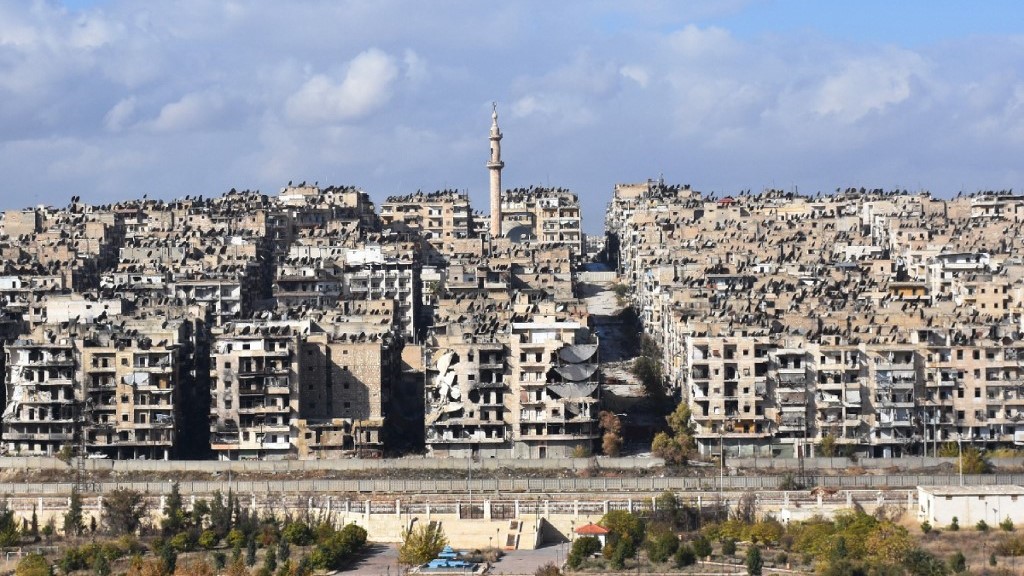
    The predominantly Kurdish neighborhood of Sheikh Maqsoud, with its 30,000 residents and centuries-old Kurdish heritage, has become a primary flashpoint. This district has remained under control of the People’s Protection Units (YPG) since 2012 despite repeated attacks throughout the civil war. The YPG, an ideological affiliate of the Kurdistan Workers Party (PKK), has maintained a delicate balancing act between opposition forces and the Syrian government while attempting to protect local residents.

    Historical context reveals that Kurds faced systematic discrimination prior to 2011 under Syria’s Arab nationalist government, with their language and culture suppressed in official contexts. The current administration in northeastern Syria, the Autonomous Administration of North and East Syria (AANES), was established on principles of multi-ethnic, multi-faith decentralization.

    Turkey’s support for opposition groups, particularly the Syrian National Army, has created significant tensions as Ankara considers crushing PKK-affiliated groups a primary objective. Recent developments suggest rebel forces have gained control of major northern Syrian cities, raising questions about the sustainability of Kurdish-held territories.

    The Syrian Democratic Forces (SDF), which includes Kurdish units and receives U.S. backing, has characterized the new offensive as Turkish-driven with the ultimate goal of occupying Syrian territory. Humanitarian conditions have deteriorated severely with reports of besieged neighborhoods, blocked supply routes, and failed attempts to establish humanitarian corridors. Thousands of Kurdish civilians have been displaced from Aleppo’s outskirts, creating uncertainty about the future of Kurdish presence in the region.
  • Expo City Dubai News

    Expo City Dubai News

    In a heartwarming moment at Expo 2020 Dubai, His Highness Sheikh Mohammed bin Rashid Al Maktoum, Vice President and Prime Minister of the UAE and Ruler of Dubai, paused to engage with a group of enthusiastic school children. As Sheikh Mohammed approached, the children burst into cheers and eagerly waved at him, their excitement palpable. Seizing the opportunity, he graciously stopped for a quick photo with the young admirers, creating a memorable experience for them. This spontaneous interaction highlighted Sheikh Mohammed’s approachable demeanor and his commitment to fostering connections with the younger generation. The incident, captured on video, quickly garnered attention, showcasing the warmth and accessibility of the UAE’s leadership during the global event.

  • New Mediterranean cable set to bring 5G internet to North African countries

    New Mediterranean cable set to bring 5G internet to North African countries

    A groundbreaking digital infrastructure project is poised to revolutionize connectivity across North Africa’s Mediterranean coastline. The Medusa subsea cable, spanning 8,700 kilometers, will become the first submarine cable to link all five North African nations—Morocco, Algeria, Tunisia, Libya, and Egypt—with southern Europe and potentially onward to Asia.

    Scheduled for operational deployment in the eastern Mediterranean by 2025 and the western segment by 2026, this €370 million project addresses critical bandwidth limitations that have hampered the region’s digital growth. While Morocco functions as a major cable hub for Europe-West Africa traffic and Egypt serves as a crucial Europe-Asia gateway, the intermediate nations of Algeria, Tunisia, and Libya have relied on aging infrastructure incapable of handling modern bandwidth demands.

    The project represents a remarkable triumph over significant geopolitical challenges. Algeria and Morocco maintain severed diplomatic relations since 2021, with borders closed since 1994 due to the Western Sahara dispute. Libya remains divided between rival administrations following a decade of civil conflict. Regional cooperation has been further hampered by post-Arab Spring instability and uncompetitive telecommunications markets.

    European Union funding through its Global Gateway strategy—a €320 billion initiative positioned as an alternative to China’s Belt and Road Initiative—has been instrumental in advancing the project. The EU and European Investment Bank are providing partial financing for Medusa, recognizing North Africa’s strategic importance due to its geographical proximity.

    Miguel Angel Acero, Vice-President of Operations at project developer AFR-IX Telecom, emphasizes the cable’s educational benefits: “It will connect North African universities to Europe, which is really needed. It’s in the interest of Europe to reinforce the university level in Africa.”

    The cable operates on a “carriers’ carrier” model, providing infrastructure for telecom companies rather than functioning as a consortium or proprietary cable for tech giants. This approach has enabled cooperation among historically adversarial regional telecom providers. As submarine cable consultant Julian Rawle explains: “They are simply providing ‘dumb’ cables for others to use, and relying on the margins they make from wholesale activity.”

    Despite significantly bolstering internet capacity and enabling 5G deployment, analysts don’t anticipate consumer price reductions due to market concentration among few telecom providers. Guy Zibi of Xalam Analytics notes: “These markets generate between a quarter to a third of all Africa’s data traffic. It’s a significant base, but well controlled by a small number of providers.”

    The cable’s economic impact will vary across the region, with Morocco’s more open investment climate likely yielding greatest benefits. While the project may stimulate country-level e-commerce, it isn’t expected to drive regional economic integration or immediately transform North Africa into a digital hub comparable to Saudi Arabia or the UAE.

    Future expansion plans include extending the cable through Egypt to the Red Sea, though current regional instability presents challenges. The project represents a landmark achievement in digital infrastructure that could reshape North Africa’s technological future despite complex geopolitical realities.

  • Israel’s ultra-Orthodox leaders failed. That’s why they may stick with Netanyahu

    Israel’s ultra-Orthodox leaders failed. That’s why they may stick with Netanyahu

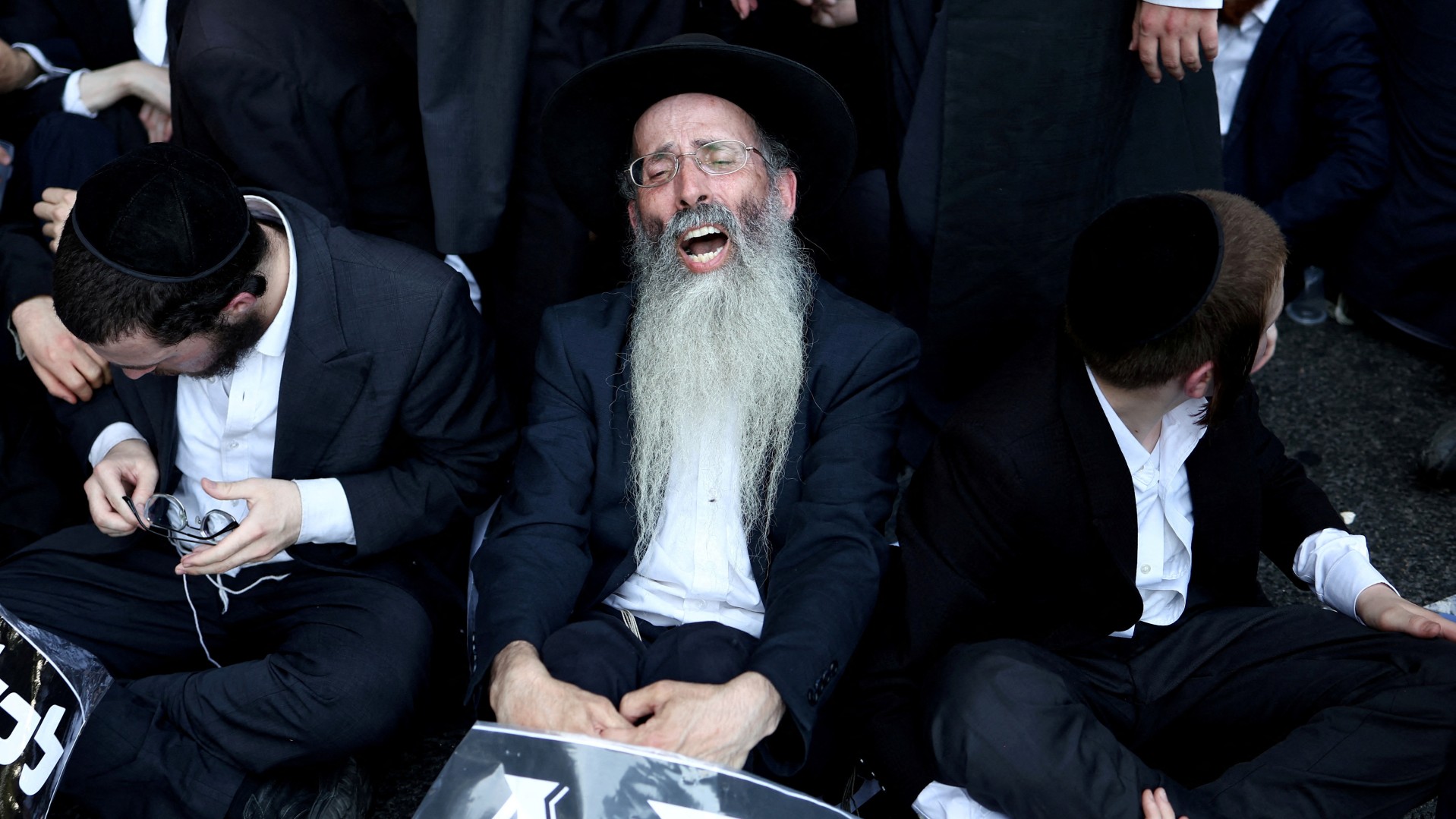
    Israel’s ultra-Orthodox community, known as the Haredim, has long been exempt from military service, a privilege that has sparked significant debate and legal challenges. On Tuesday, the High Court of Israel ruled that this exemption could no longer stand, mandating that Haredim must serve in the military like other Israeli citizens. Additionally, the court decided that the state could no longer fund ultra-Orthodox education services, a decision that has deeply impacted a community heavily reliant on such aid. This ruling comes after years of legal battles and societal pressure, particularly intensified by the ongoing conflict in Gaza and the need for increased military manpower. The Haredim, who have traditionally prioritized religious education over military service, now face a critical juncture. The community’s leadership, though expecting the court’s decision, is frustrated by the outcome, especially given the current right-wing government’s inability to secure their interests. The ruling has also exacerbated tensions within the coalition government, as far-right parties, who advocate for military service, clash with the Haredim’s demands for exemption. Beyond military conscription, the Haredim are grappling with a potential budget crisis. The freeze on education funding threatens the very foundation of their society, which depends heavily on state support. This dual crisis of conscription and funding could lead to the dissolution of the government, as Haredi leaders struggle to navigate the political landscape. The ultra-Orthodox community, traditionally insular and focused on religious life, now finds itself at the center of Israel’s political debate, a position that is both unfamiliar and challenging. As the government and the Haredim seek a resolution, the broader Israeli public remains divided, with a growing consensus that the ultra-Orthodox must contribute to national defense. The outcome of this struggle will have profound implications for Israel’s social fabric and political stability.

  • Israel-Palestine war: A quick history of Christianity in Gaza

    Israel-Palestine war: A quick history of Christianity in Gaza

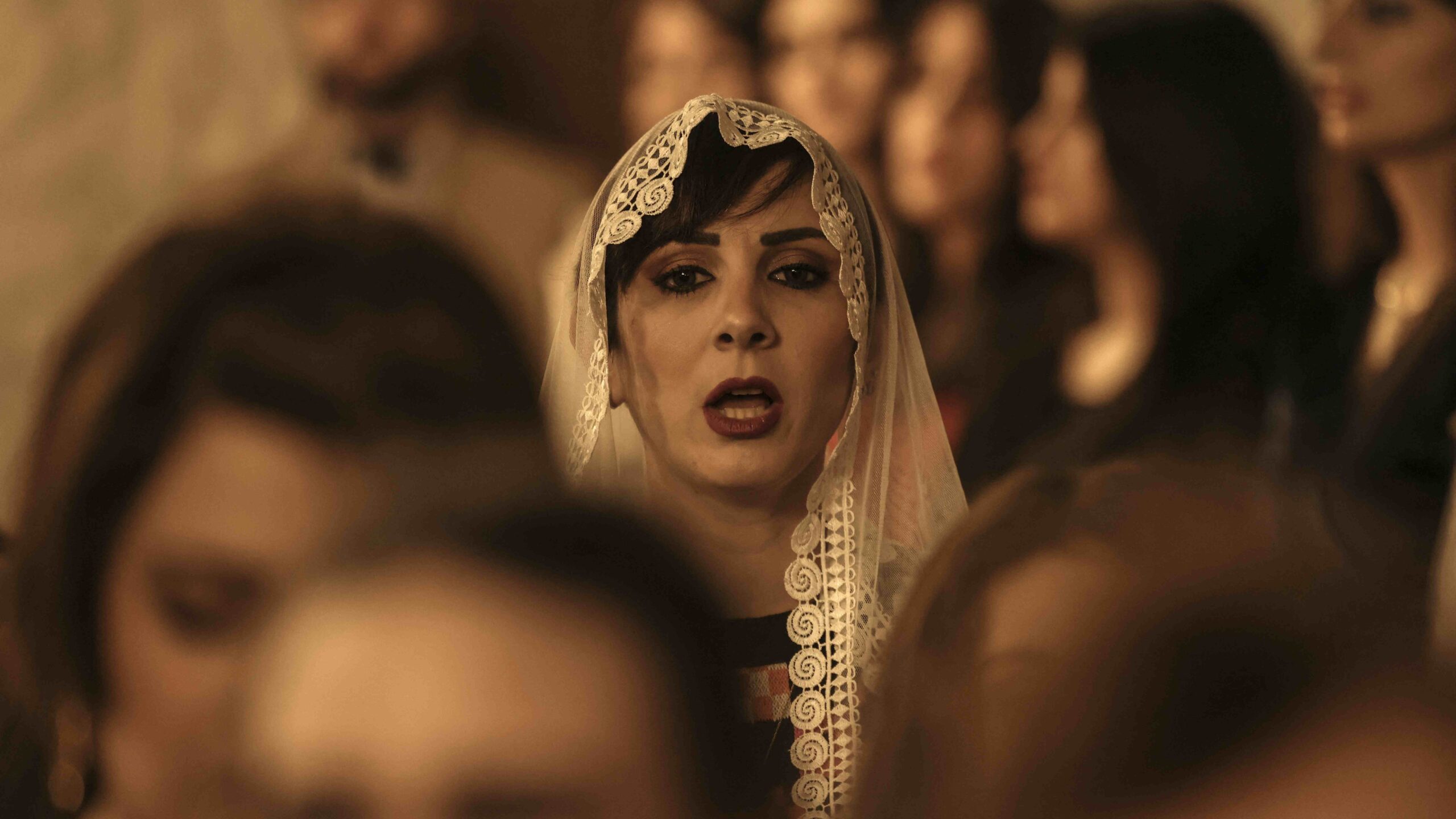
    The Israeli airstrike on the fifth-century Church of Saint Porphyrius in Gaza has drawn international attention to the besieged territory’s diminishing Christian population, killing at least 18 civilians who had sought refuge within its sacred walls. This attack on one of Christianity’s oldest surviving places of worship underscores the vulnerable position of Palestinian Christians in the conflict-ridden region.

    Gaza’s Christian community, numbering approximately 1,100 today, represents a continuous spiritual lineage dating back to the earliest centuries of Christianity. The territory holds profound biblical significance, specifically mentioned in Acts 8 regarding Philip the Evangelist’s journey between Jerusalem and Gaza. The Church of Saint Porphyrius, established in 425 CE and reconstructed by Crusaders in the 12th century, stands alongside the fourth-century Tell Umm Amer monastery as testament to Gaza’s rich Christian heritage.

    Christianity took firm root in Gaza during the fifth century under Byzantine influence, overcoming strong pagan traditions through the missionary work of figures like Bishop Porphyrius. The faith flourished until the Arab conquests brought gradual Islamization, though a Christian minority persisted through centuries of change.

    The modern era has witnessed a dramatic decline in Gaza’s Christian population, from approximately 6,000 in the 1960s to today’s precarious numbers. Like their Muslim counterparts, Palestinian Christians have endured displacement since the 1948 Nakba and Israel’s subsequent blockade imposed in 2007. They face severe restrictions on movement, requiring Israeli permits to visit holy sites in Jerusalem or the West Bank—permits that are frequently denied even for major religious observances like Christmas and Easter.

    Despite their small numbers, Gaza’s churches have traditionally served as sanctuaries for all civilians during conflicts. The bombing of Saint Porphyrius challenges this historical protection and raises concerns about the preservation of ancient Christian heritage in the region. The incident highlights how Gaza’s Christians, while maintaining unique religious traditions, see themselves as inseparable from the broader Palestinian national identity and shared struggle.

  • How Saudi Arabia is redrawing the map of the future with fibre-optic cables

    How Saudi Arabia is redrawing the map of the future with fibre-optic cables

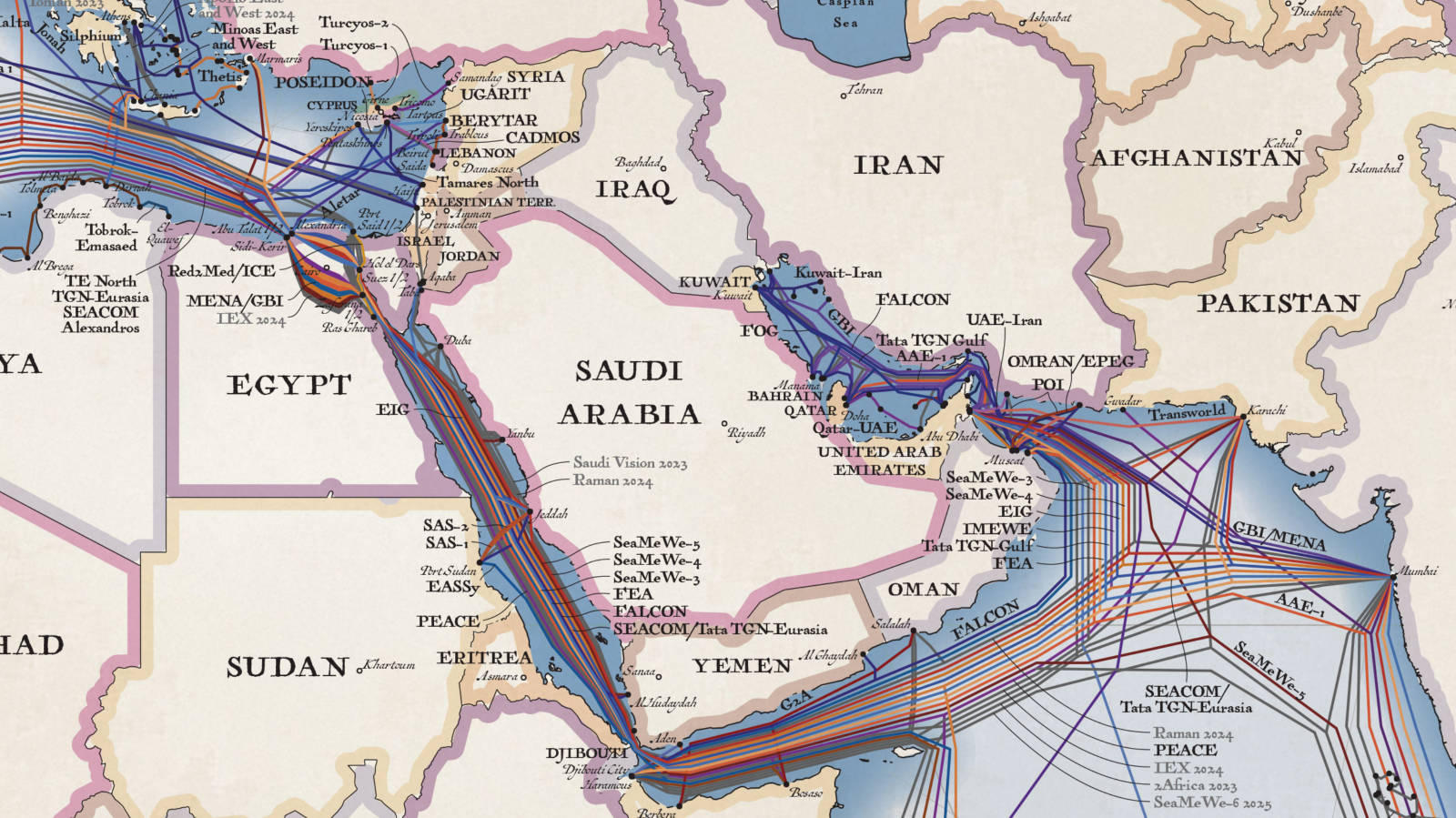
    The global digital infrastructure faces a monumental shift as Saudi Arabia emerges as a formidable challenger to Egypt’s long-standing dominance in intercontinental internet connectivity. For decades, Egypt has controlled what experts describe as the ‘digital Suez Canal’—a critical bottleneck where an estimated 17-30% of worldwide internet traffic traverses through the Red Sea corridor linking Europe to Asia.

    This strategic advantage enabled state-owned Telecom Egypt to maintain what industry analysts characterize as a monopolistic pricing structure, charging operators equivalent fees for transiting Egyptian territory as other providers charge for the substantially longer Singapore-Mediterranean route. Paul Brodsky, senior analyst at TeleGeography, notes that Egypt has represented ‘a single point of failure for cables running between Europe and Asia, the Middle East and East Africa’—the ‘white whale of the subsea cable business’ that operators have long sought to circumvent.

    The geopolitical landscape began shifting dramatically with the 2020 Abraham Accords, which normalized relations between Israel, UAE, and Bahrain. This diplomatic breakthrough catalyzed ambitious infrastructure projects designed to bypass Egyptian territory. Google’s $400 million Blue-Raman project exemplifies this trend, utilizing a segmented cable system connecting Europe to Israel, then crossing terrestrially to Jordan before linking to Saudi Arabia. The Raman component will land at Duba, Saudi Arabia—just 25km from the $500 billion Neom megaproject—before extending to Aqaba, Jordan.

    Saudi Arabia’s Vision 2030 economic diversification strategy aggressively pursues regional digital hub status. The state-owned Saudi Telecom Company has committed $1 billion to develop the MENA Hub, while simultaneously advancing the Saudi Vision Cable along the kingdom’s western coastline. According to TeleGeography data, six new cables will land in Saudi Arabia within three years, including Meta’s massive 45,000-km 2Africa cable connecting Jeddah, Yanbu, and Duba.

    The most revolutionary development comes from privately-developed Trans Europe Asia System (TEAS), which proposes a predominantly terrestrial route across Saudi Arabia. This unprecedented approach would completely avoid the Red Sea, though industry experts note significant technical challenges regarding desert installation and maintenance requirements. Julian Rawle, a submarine fiber-optic consultant, observes that while the route through sparsely populated desert along GCC Interconnection Authority rights-of-way reduces risks, the project faces substantial implementation hurdles.

    Market analysts suggest that Saudi Arabia must avoid Egypt’s pitfalls by maintaining competitive pricing and investing in hub infrastructure rather than merely functioning as a conduit. The emerging competition between UAE and Saudi Arabia for regional digital supremacy may ultimately benefit operators through market-driven pricing and enhanced network resilience across East-West connections.

  • Iraq war: Twenty years after ‘shock and awe’, Mosul residents still picking up the pieces

    Iraq war: Twenty years after ‘shock and awe’, Mosul residents still picking up the pieces

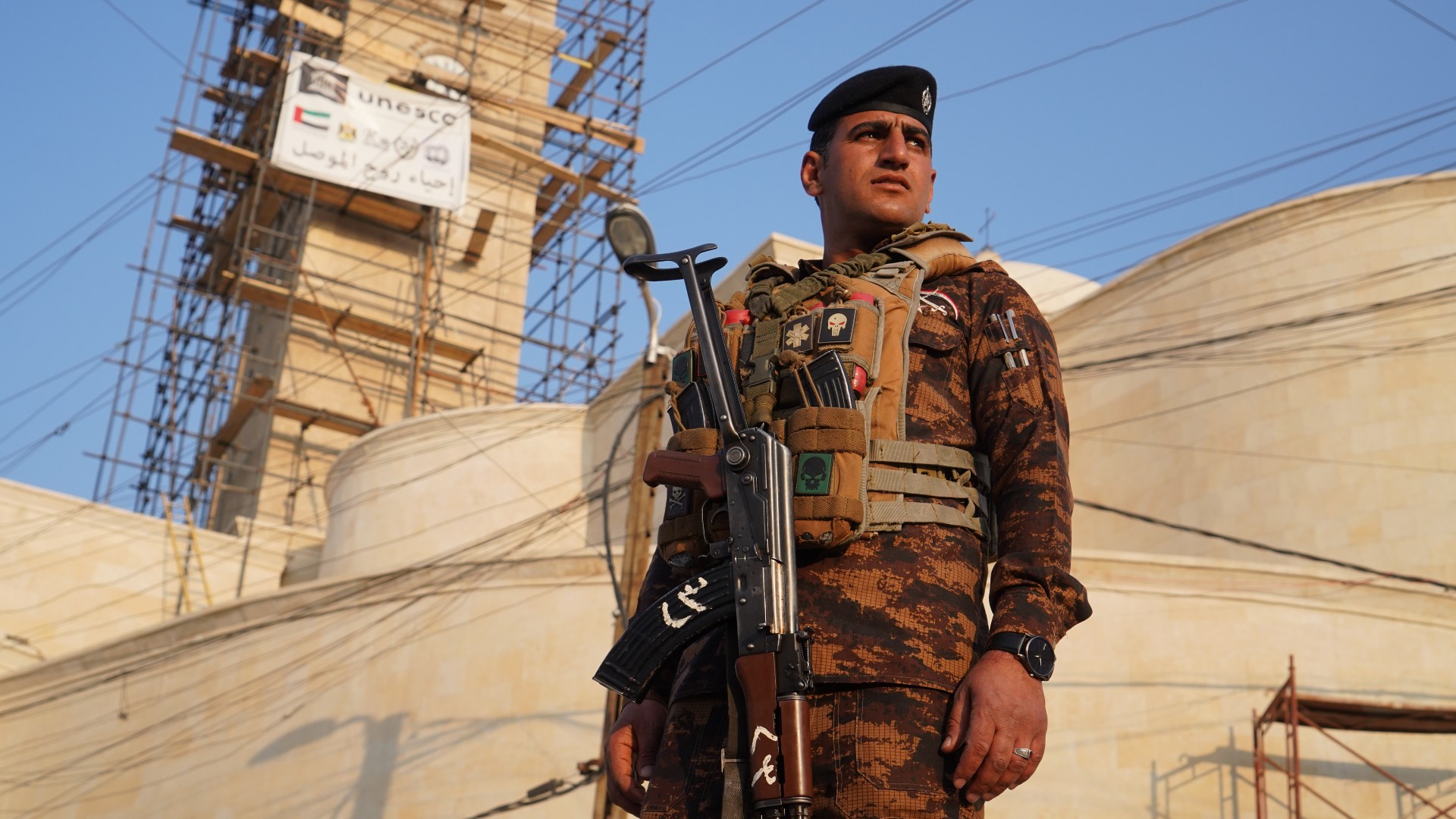
    Two decades ago, on March 20, 2003, the United States and its allies launched a devastating military campaign against Iraq, marking the beginning of a conflict that would reshape the nation’s destiny. The invasion, initiated under the pretext of eliminating weapons of mass destruction (WMDs) allegedly harbored by Saddam Hussein, quickly escalated into a full-scale war. The ‘shock and awe’ strategy saw hundreds of missiles rain down on Baghdad, leaving the city in ruins and its citizens in chaos. Despite the swift overthrow of Saddam’s regime, the invasion unleashed a cascade of unintended consequences that continue to haunt Iraq today. The absence of WMDs, later confirmed, raised questions about the legitimacy of the war, while the power vacuum left in its wake fueled sectarian violence, insurgencies, and the rise of extremist groups like the Islamic State (IS). The invasion’s aftermath has been marked by widespread destruction, displacement, and a profound sense of loss among Iraqis. Cities like Mosul, once vibrant cultural hubs, remain scarred by years of conflict. The Christian community, which once thrived in Iraq, has dwindled significantly, with many fleeing persecution. Despite the fall of IS, the road to recovery remains fraught with challenges, as Iraqis grapple with the enduring legacy of a war that promised liberation but delivered devastation.

  • London hospital removed Gaza children’s artwork following legal threat

    London hospital removed Gaza children’s artwork following legal threat

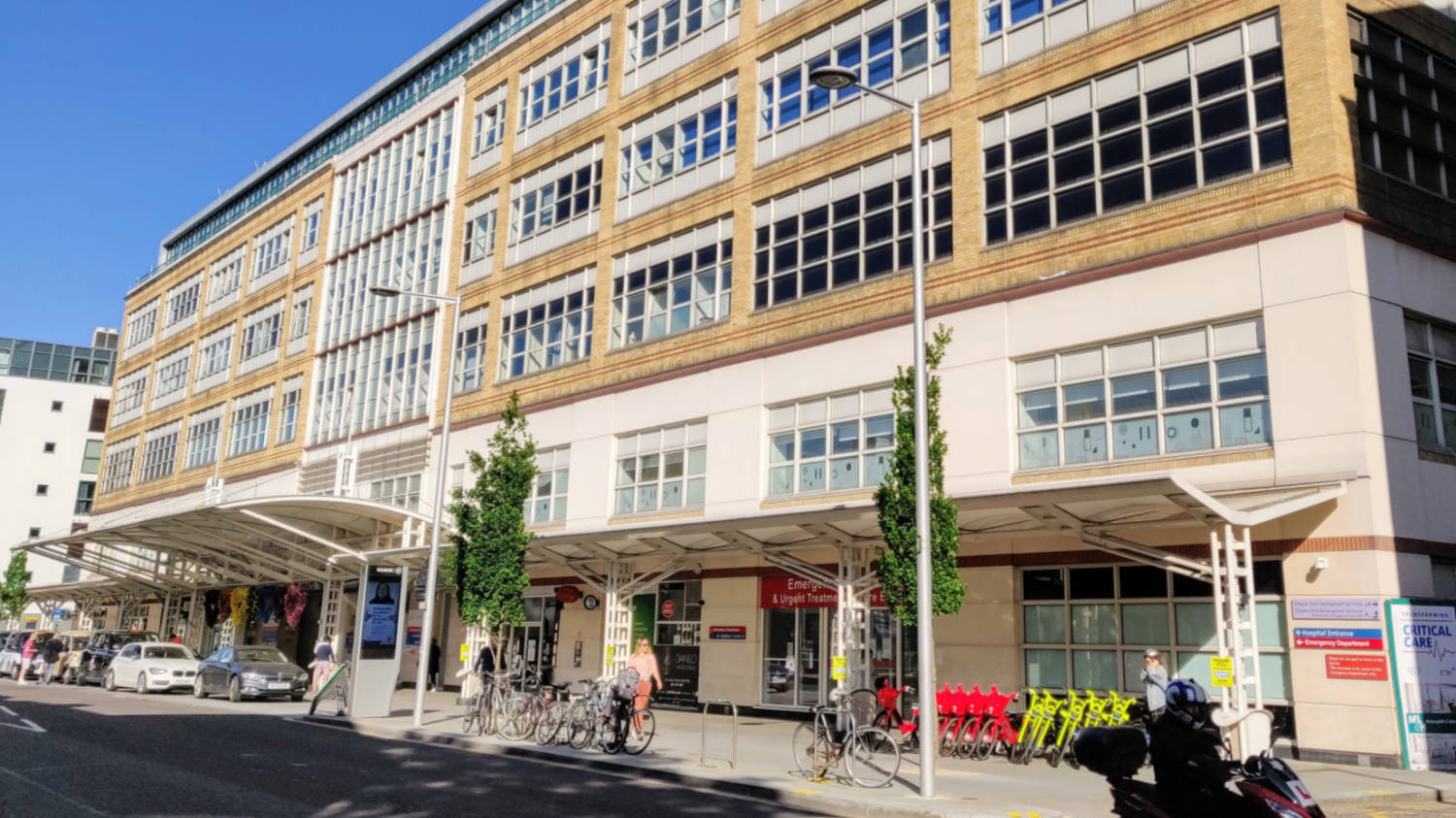
    A London healthcare institution has become the center of an international cultural dispute after removing artwork created by Palestinian schoolchildren from Gaza following legal pressure from a pro-Israel advocacy organization. Chelsea and Westminster Hospital eliminated the “Crossing Borders – A Festival Of Plates” exhibition from its children’s outpatient department after UK Lawyers for Israel (UKLFI) threatened legal action against the hospital trust.

    The artwork, displayed since 2012, featured ceramic plates transferring designs by Palestinian students depicting scenes of daily life in Gaza, including fishing, olive harvesting, and traditional baking. The hospital trust confirmed the removal resulted from UKLFI’s letter alleging that certain elements caused offense to some Jewish patients who felt “vulnerable and victimized.”

    Particular controversy centered on three plates featuring the Palestinian flag, including one positioned atop a structure resembling an Israeli military watchtower and another flying near the Dome of the Rock mosque in occupied East Jerusalem. UKLFI argued these representations implied Jewish holy sites would fall under Palestinian sovereignty, claiming this constituted religious offense.

    The artwork originated from an educational partnership between Chelsea Community Hospital School—which serves medically vulnerable children—and UNRWA-operated schools in Gaza. Students with special needs had transferred the Palestinian children’s designs onto plates as part of cultural exchange programs that previously earned the hospital school the British Council’s International School Award.

    Palestinian Ambassador to the UK Hussam Zomlot condemned the removal as “racist and discriminatory bullying,” demanding reinstatement of the exhibition. He emphasized that East Jerusalem remains occupied Palestinian territory under international law.

    The hospital trust expressed regret that the artwork’s removal offended some communities while its content offended others, stating they would review next steps in consultation with relevant parties while considering their obligations under the Equalities Act 2010.

  • Iranian press review: Venezuela part of ‘Axis of Resistance’, says Maduro

    Iranian press review: Venezuela part of ‘Axis of Resistance’, says Maduro

    Venezuelan President Nicolas Maduro has positioned his nation as a key member of the international ‘Axis of Resistance’ during his official visit to Tehran, calling for a unified front against United States and Israeli influence worldwide. The Iranian-coined term traditionally describes Shia forces opposing American and Israeli interests in the Middle East, but Maduro expanded its scope to encompass global anti-colonial movements.

    Addressing audiences in the Iranian capital, Maduro declared that resistance movements now operate across Western Asia, Africa, Latin America, and the Caribbean. He framed this alliance as a struggle against neoliberalism, racism, and multiple forms of colonialism—including political, economic, cultural, and cyber domains. The Venezuelan leader emphasized the movement’s goal of decolonizing minds and resisting imperial hegemony.

    The visit yielded significant bilateral agreements, including a 20-year cooperation roadmap between Iran and Venezuela. Maduro recalled previous security collaboration, revealing that Iranian experts had assisted in repairing Venezuela’s electricity infrastructure following cyber-attacks, a effort coordinated after his meeting with the late IRGC commander Qassem Soleimani.

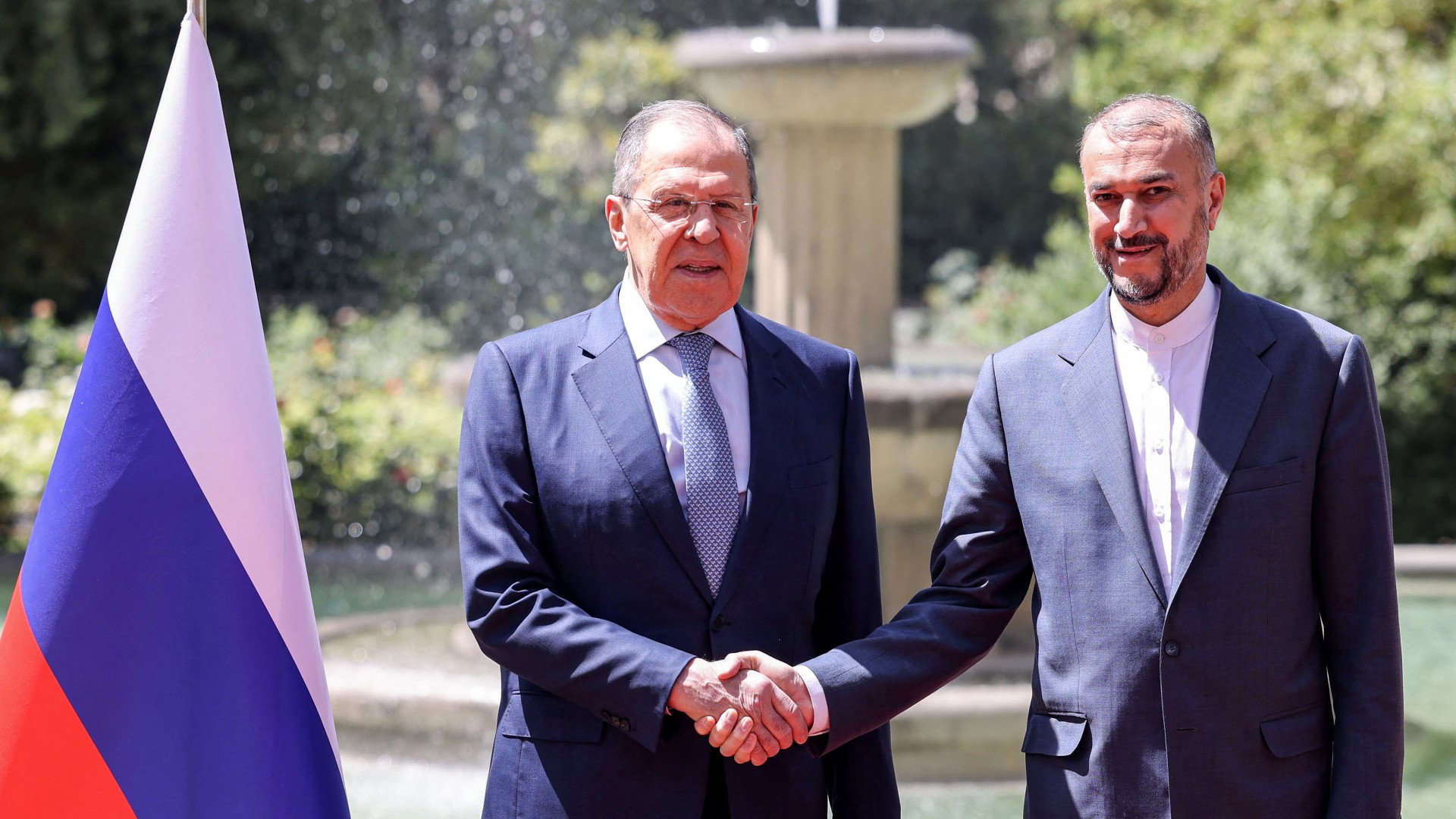
    Meanwhile, Iran continues to expand its international partnerships amid ongoing sanctions. Russian-Iranian relations have deepened since the Ukraine conflict began, with plans for a joint trade center (Nova-Pars) and enhanced cooperation in energy, manufacturing, and oil/gas equipment. A new Caspian Sea transportation corridor will connect Russia to the Persian Gulf, complemented by unprecedented shipbuilding knowledge transfers and parts manufacturing agreements.

    Domestically, Iran faces mounting challenges. President Ebrahim Raisi’s directive to manufacture 72-seat aircraft—reportedly for religious symbolism—has drawn widespread public mockery given Iran’s aging fleet and aviation safety record. Critics highlight the administration’s previous unfulfilled promises regarding inflation control and COVID-19 vaccines.

    Additionally, Iran’s healthcare system confronts a severe physician shortage despite medical school graduations. Approximately 20,000 trained doctors have abandoned clinical practice for higher-paying sectors including real estate, cryptocurrency trading, and beauty clinics, exacerbating the nation’s medical care crisis.