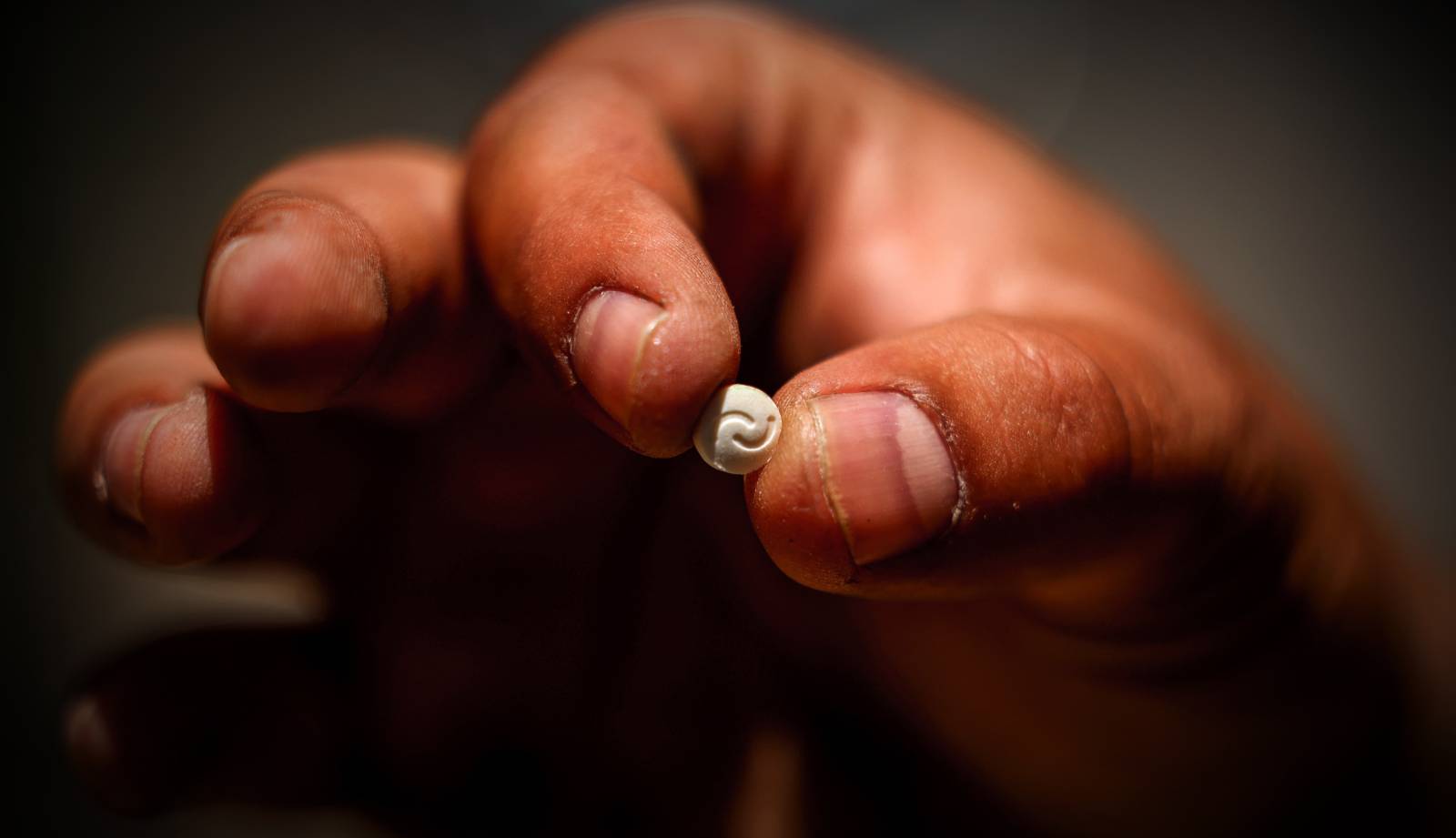
Deep within an industrial wasteland on the eastern bank of the Nile, three inconspicuous, half-finished buildings stand surrounded by a minefield. For months, residents were warned by Rapid Support Forces (RSF) fighters to avoid this walled compound. Inside, authorities discovered machinery and chemical products allegedly used to produce approximately 1,000 captagon pills per hour. This cheap, addictive amphetamine, popular among fighters and partygoers in the Middle East, has become a significant concern for Arab governments. The RSF reportedly distributes the drug to its fighters to enhance alertness and suppress hunger, while also selling it to civilians for profit. Until recently, Syria was the primary hub for captagon production. However, the fall of Bashar al-Assad’s government disrupted the industry, leading to the shutdown of numerous laboratories and smuggling routes. Despite this, Sudan’s ongoing conflict has provided fresh opportunities for captagon production. Earlier this year, the Sudanese Armed Forces (SAF) forced the RSF out of Khartoum and its surrounding areas, uncovering a captagon factory near the al-Jaili oil refinery in February. The facility contained five machines, two of which were operational at the time of discovery. Authorities also found pills bearing the double crescent symbol, a hallmark of illegal captagon production. The other machines were still in their packaging, suggesting the facility was in its early stages of operation. Shipping labels on the equipment indicated it was imported via a Dubai-based company, Amass Middle East Shipping Services, though the company did not respond to inquiries. The UAE has been accused of supplying arms to the RSF, though it denies these allegations. Experts noted the equipment’s similarity to that found in Syrian laboratories, raising concerns about a potential connection between Sudanese and Syrian criminal networks. The compound also contained hundreds of packets of white powder, labeled as veterinary supplements and electrolytes, though their contents remain under investigation. Sudanese police suspect the powder could be precursor materials for captagon production. The discovery of this factory follows earlier findings of captagon labs in Sudan, indicating a growing trend. Authorities are investigating whether the drug was being manufactured for export, given the lucrative Gulf market just across the Red Sea. The collapse of the Syrian captagon market has left a void, and Sudan appears to be filling it. Experts warn that the technical knowledge to produce captagon remains intact and could be redeployed elsewhere, posing a continued threat to regional security.
标签: Asia
亚洲
-

Post-Assad Syria reeling in waves of ethnic violence
In July 2025, the southern Syrian province of Sweida became the epicenter of a deadly sectarian conflict between the Druze religious minority and Sunni Arabs, backed by government-affiliated forces. The clashes resulted in hundreds of casualties, prompting Israel to launch airstrikes in support of the Druze. This violence echoed the March 2025 massacres, where supporters of the former Assad regime targeted security units, leading to retaliatory killings of Alawites by militias aligned with the new Damascus government. Over 1,300 individuals, predominantly Alawites, were killed, with reports of entire families being executed. Despite government promises of investigations, extrajudicial killings, kidnappings, and home invasions persist, particularly against Alawites. The conflict underscores the deep-seated sectarian divisions in post-Assad Syria, where religious minorities like the Alawites and Druze face systemic marginalization and violence. While the new government seeks to project unity, its fractured control and the historical stigmatization of these groups continue to fuel instability. International efforts, including U.S.-brokered ceasefires and Israeli military support for the Druze, add further complexity to the region’s fragile political landscape.
-

Massive Attack, Kneecap and others form musician alliance against ‘silencing’ by pro-Israel groups
British band Massive Attack has spearheaded a coalition of musicians to combat what they describe as intimidation by pro-Israel groups within the music industry. The alliance, named ‘Ethical Syndicate Palestine,’ includes prominent acts such as Kneecap, Brian Eno, and Garbage. This initiative follows the release of a documentary by campaign group Led By Donkeys, which exposes the activities of UK Lawyers for Israel Ltd (UKLFI), accused of silencing pro-Palestine advocacy. According to Led By Donkeys, UKLFI has publicly rejected international law and targeted artists supporting Palestine. In a statement on Instagram, Massive Attack condemned the intimidation of pro-Palestine artists, emphasizing the need to protect emerging musicians from such pressures. They urged those affected by UKLFI’s actions to join the alliance. The documentary also highlights concerns about the weaponization of antisemitism, arguing that it undermines genuine efforts to combat anti-Jewish racism. Recent months have seen several controversies involving pro-Palestine artists in the UK, including cancellations of performances and legal actions. Kneecap, for instance, faces charges under the Terrorism Act for allegedly displaying a Hezbollah flag during a concert. The band denies the allegations, calling it ‘political policing.’ Meanwhile, artists like Imagine Dragons’ Dan Reynolds have publicly shown support for Palestine, signaling a growing trend of musicians taking a stand against Israeli actions in Gaza.
-
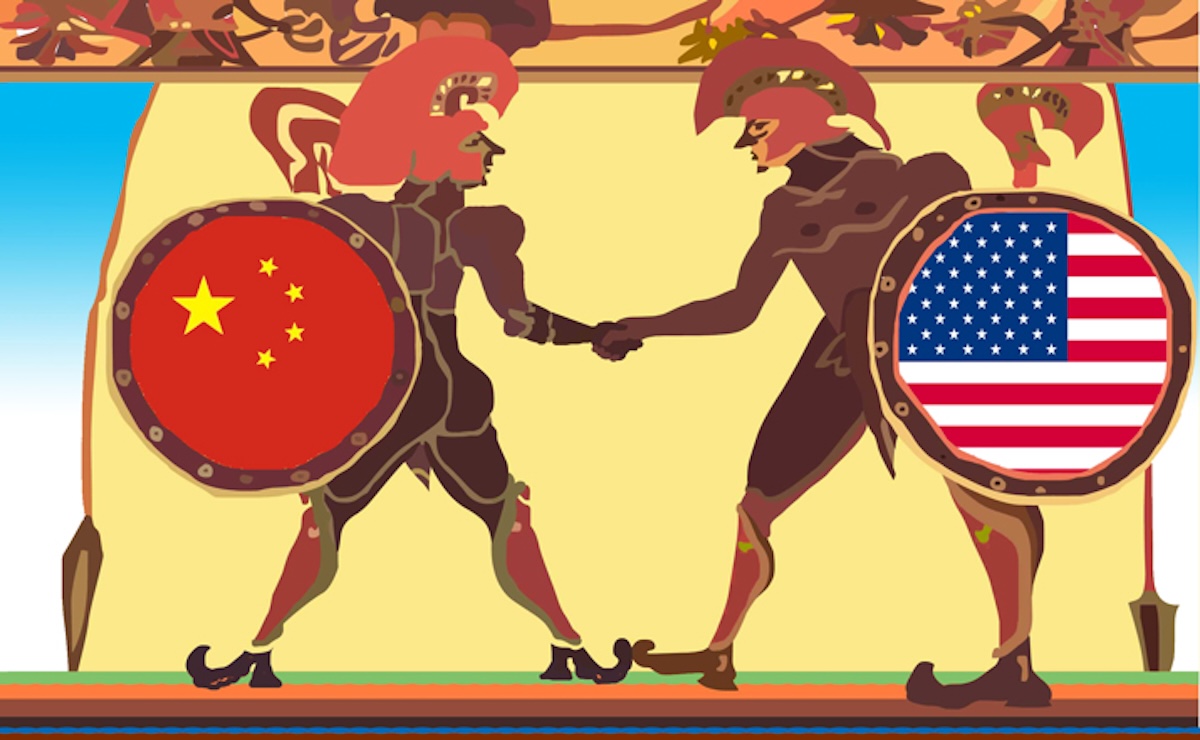
Thucydides trap averted: China speed, dodgy data and the Houthis
The 21st century has witnessed a seismic shift in global power dynamics, with China’s rapid ascent challenging traditional notions of military and economic dominance. The Thucydides Trap, a theory predicting inevitable conflict between a rising power and an established one, may have been averted due to China’s strategic maneuvers and the obsolescence of expeditionary navies. Recent events in the South China Sea, the Black Sea, and the Red Sea have demonstrated that traditional naval power is no longer the ultimate arbiter of global influence. China’s focus on building airstrips, missile sites, and naval bases in the South China Sea has extended its maritime security perimeter, while its anti-ship ballistic missiles (ASBMs) have rendered US carrier strike groups (CSGs) ineffective. The US Navy’s inability to respond decisively to challenges in the Red Sea and the South China Sea has exposed its limitations, leading to a reevaluation of alliances and strategies. Japan, South Korea, and other nations are increasingly realigning with China, recognizing its economic and technological prowess. China’s manufacturing sector, scientific output, and human capital pipeline have surpassed those of the US, solidifying its position as the established power. As nations adapt to this new reality, the speed of realignment will be astonishing, potentially benefiting all involved and allowing the US to focus on domestic recovery after decades of global hegemony.
-
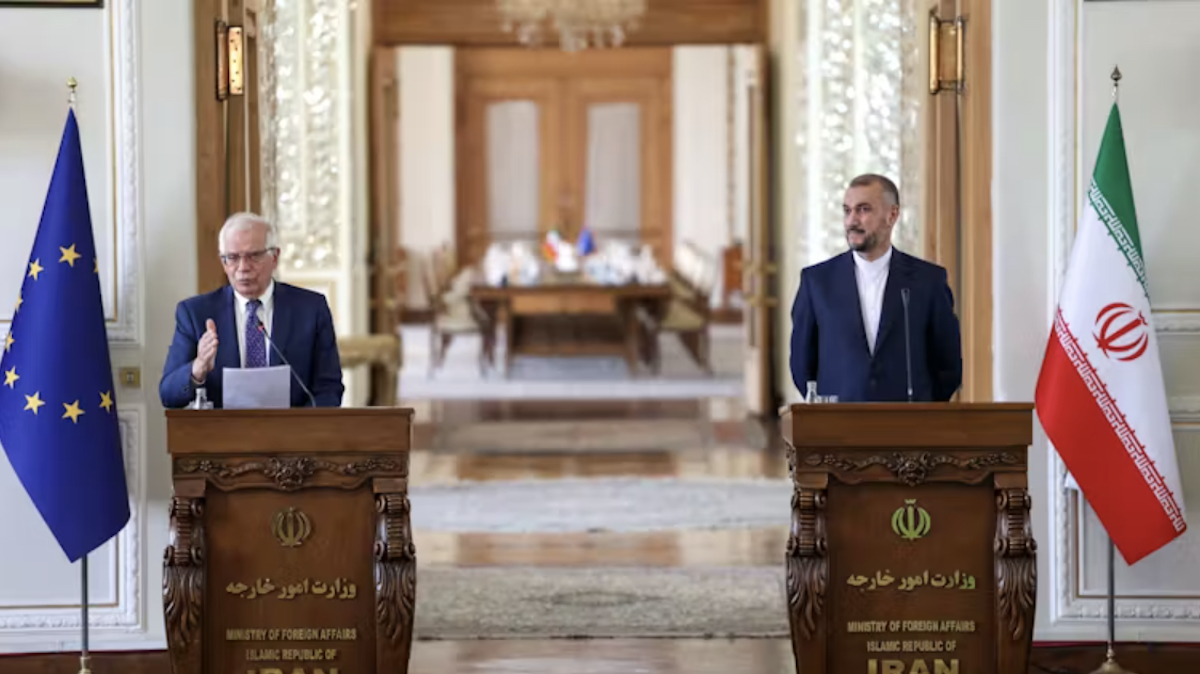
Europe a non-player as US, Israel set the tone on Iran
The United States’ decision to bomb three Iranian nuclear facilities on June 22, 2025, sent shockwaves across the globe, marking a stark departure from the Trump administration’s earlier diplomatic efforts to negotiate with Tehran over its nuclear program. This unprecedented military action, taken amidst the ongoing Israeli-Iranian conflict, has raised significant questions about the future of international diplomacy and nuclear nonproliferation. European governments, which have long advocated for a diplomatic resolution to Iran’s nuclear ambitions, responded with surprising restraint. European Commission President Ursula von der Leyen and German Chancellor Friedrich Merz both expressed support for Israel’s right to self-defense, while a joint statement from the E3 nations—France, the UK, and Germany—tacitly justified the US strikes as necessary to prevent Iran from developing nuclear weapons. However, the muted European reaction highlighted the continent’s diminished role in global diplomacy, particularly in contrast to its past leadership in negotiating the 2015 Iran nuclear deal. The deal, which included the US, Russia, China, and the European Union, aimed to curb Iran’s nuclear program in exchange for sanctions relief. The US withdrawal from the agreement in 2018 under President Trump, followed by the reimposition of heavy sanctions, severely undermined European efforts to maintain the deal and eroded Tehran’s trust in Europe as a reliable partner. Recent tensions, including Iran’s support for Russia’s invasion of Ukraine and Europe’s backing of Israel in the Gaza conflict, have further strained relations. Europe’s internal divisions over Middle East policy and its reliance on US leadership have compounded its challenges in reasserting a meaningful role in nuclear negotiations. As transatlantic relations remain fraught under the Trump administration, Europe faces an uphill battle to restore its influence in addressing Iran’s nuclear ambitions.
-
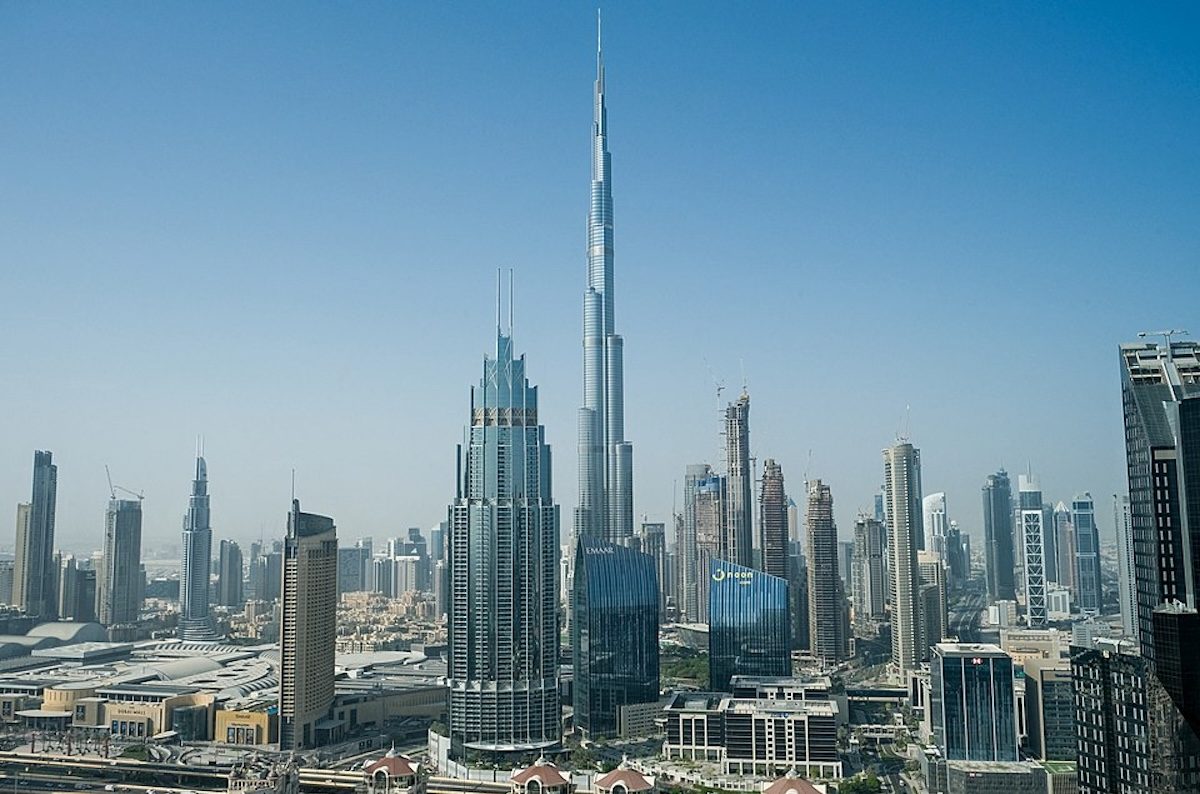
‘Come meet us in Dubai’: the new offshoring of grand corruption
In a revealing 2017 interview, an African high-net-worth individual recounted being advised by a London-based executive to relocate their business dealings to Dubai. This anecdote underscores a significant yet underappreciated global trend: the migration of sensitive financial activities from traditional Western hubs to more lenient jurisdictions. This shift, driven by stricter regulations on dubious foreign funds in established financial centers, has breathed new life into corrupt practices while complicating efforts to combat them.
-
US OKs chip design software for China after a key minerals deal
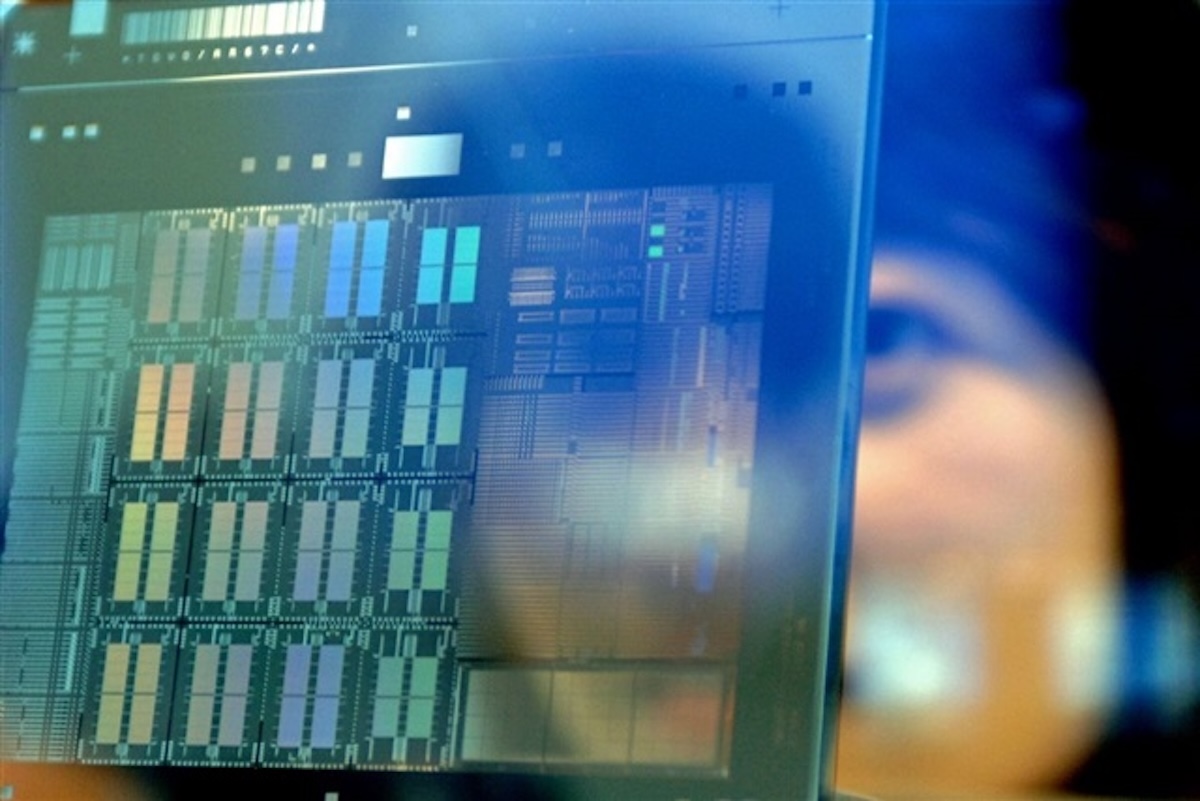
In a significant development in US-China trade relations, the United States has lifted restrictions on the export of chip-making software to China, following China’s agreement to increase exports of key minerals to America. This decision, reported by Bloomberg, allows major Electronic Design Automation (EDA) software providers—Synopsys, Cadence, and Siemens—to resume operations in China, where they collectively dominate over 90% of the market. The move comes after a trade agreement signed on June 25, which was preceded by high-level meetings between US and Chinese officials in London earlier in June. The Chinese Ministry of Commerce confirmed that China would approve export applications for controlled items, while the US would reciprocate by lifting restrictive measures. US Treasury Secretary Scott Bessent expressed optimism about the increased flow of Chinese mineral and magnet exports, emphasizing the importance of rare earth magnets in the deal. Meanwhile, shares of China’s Empyrean Technology, a key chip-making software supplier for Huawei, fell by 3%, reflecting the competitive pressures in the domestic market. The trade agreement marks a de-escalation in tensions, though observers remain cautious about its long-term sustainability, given the US’s efforts to diversify its key mineral sources. Countries like India, Brazil, and Australia are emerging as alternative suppliers, potentially challenging China’s dominance in the rare earth sector. The deal underscores the complex interdependence between the two nations in critical technology and resource sectors, even as strategic competition persists.
-
Japanese seafood imports conditionally resumed
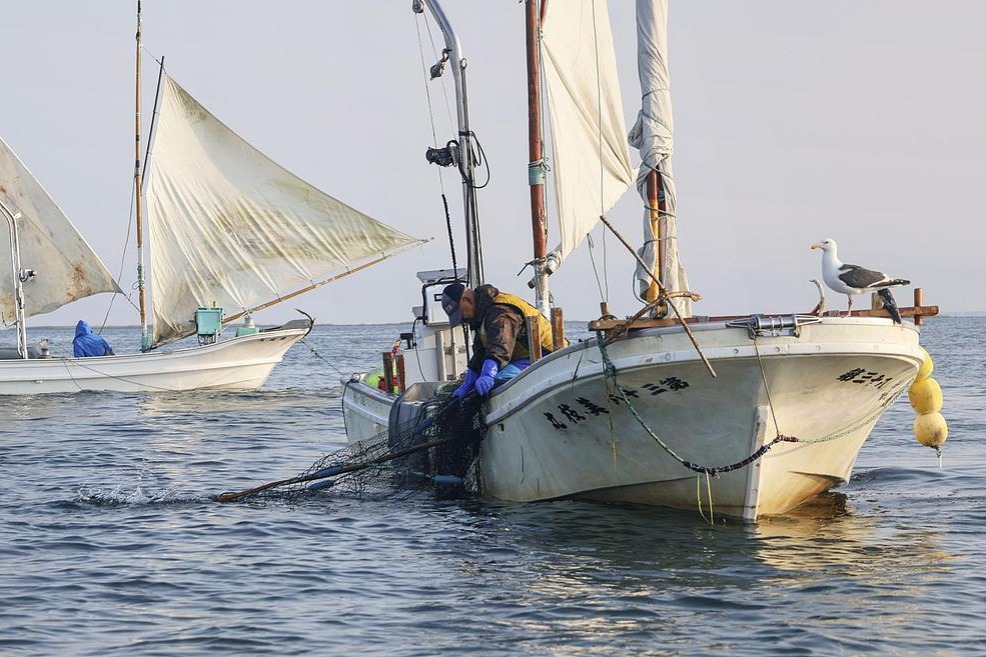
China has announced the conditional resumption of seafood imports from select regions of Japan, effective immediately. The decision, disclosed by the Foreign Ministry on Monday, comes with stringent safeguards to ensure public health and food safety. Mao Ning, the ministry’s spokesperson, emphasized that the move aligns with Chinese laws, international trade regulations, and scientific assessments. However, China retains the authority to impose immediate restrictions should any risks emerge. The announcement follows the General Administration of Customs’ Sunday declaration, which outlined the resumption of imports from certain Japanese areas while maintaining a ban on products from 10 prefectures, including Fukushima. These regions remain excluded due to ongoing concerns over radioactive wastewater discharges from the Fukushima Daiichi Nuclear Power Plant, which began in August 2023. China, previously the largest overseas market for Japanese seafood, had imposed a comprehensive ban following the wastewater release. Mao highlighted that Japan has agreed to international monitoring and independent sampling by China, pledging to ensure the safety of exported aquatic products. Despite the conditional resumption, China reiterated its opposition to Japan’s ocean discharge practices, underscoring the need for long-term risk management and international collaboration.
-
US builds next-generation bunker buster with China in mind
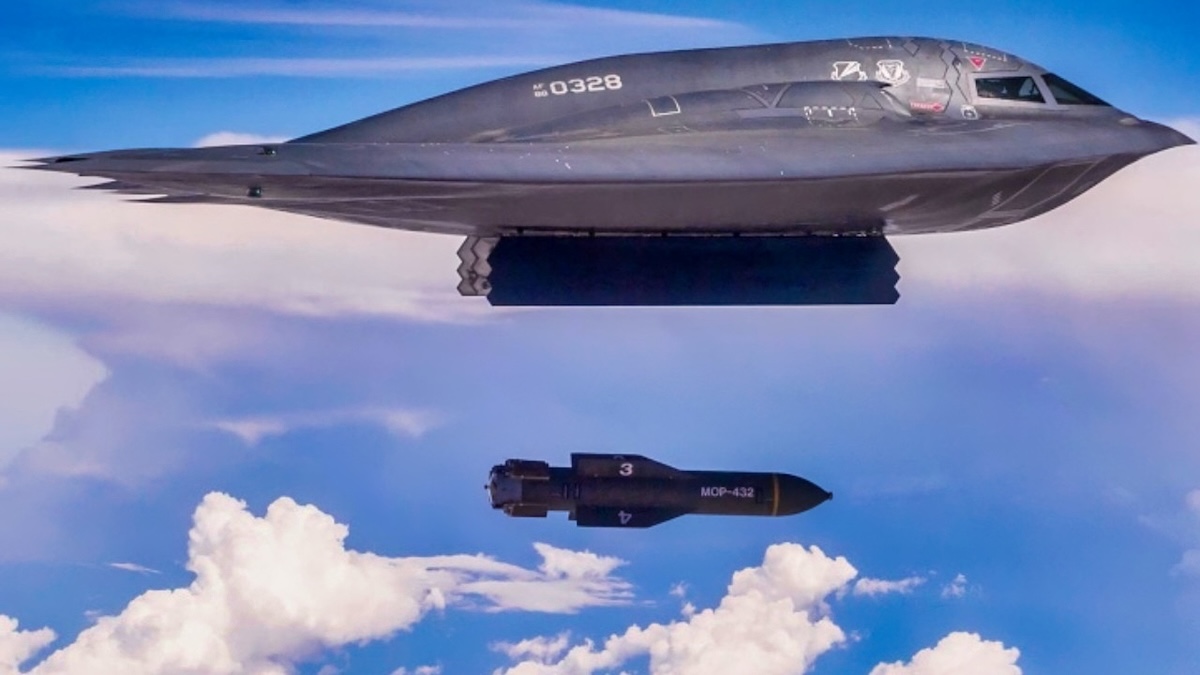
In the wake of its recent strikes on Iran’s nuclear facilities, the United States is fast-tracking the development of a next-generation penetrator (NGP) to address the evolving challenges of modern warfare. The June 2024 operation, codenamed Midnight Hammer, saw the first combat use of the 13,000-kilogram GBU-57/B Massive Ordnance Penetrator (MOP) against Iran’s Fordow and Natanz sites. While the strikes demonstrated precision, they also highlighted operational limitations, particularly with the B-21 Raider’s reduced payload capacity. This has spurred the US Department of Defense to prioritize the creation of a more advanced penetrator capable of overcoming hardened and deeply buried targets. The NGP, expected to weigh under 9,900 kilograms, will feature enhanced precision, propulsion systems for standoff capability, and improved terminal effects. Its development is driven by lessons from the Iran strikes and the growing global proliferation of fortified facilities in nations like China, North Korea, and Russia. The US Air Force aims to deploy initial prototypes within two years, integrating the NGP into the Long Range Strike system alongside platforms like the B-21 bomber and the AGM-181A Long-Range Stand-Off missile. However, the strikes on Iran’s Fordow facility, which lies 80 meters underground, raised questions about the MOP’s effectiveness. Satellite imagery revealed only six craters despite the deployment of 14 bombs, suggesting incomplete destruction of critical infrastructure. US Defense Secretary Pete Hegseth downplayed these concerns, calling leaked reports preliminary and emphasizing the complexity of battle damage assessments. The lessons from Iran could foreshadow greater challenges in potential conflicts with China, where deeply buried command centers and missile silos pose significant threats. Analysts warn that conventional strikes on such targets might be misinterpreted as nuclear decapitation attempts, escalating tensions. As the US refines its penetrator technology, the broader strategy of deterrence by denial remains critical, though it faces practical limitations amid China’s expanding missile capabilities and anti-access systems.
-
4 giant pandas at western Japan zoo depart for China
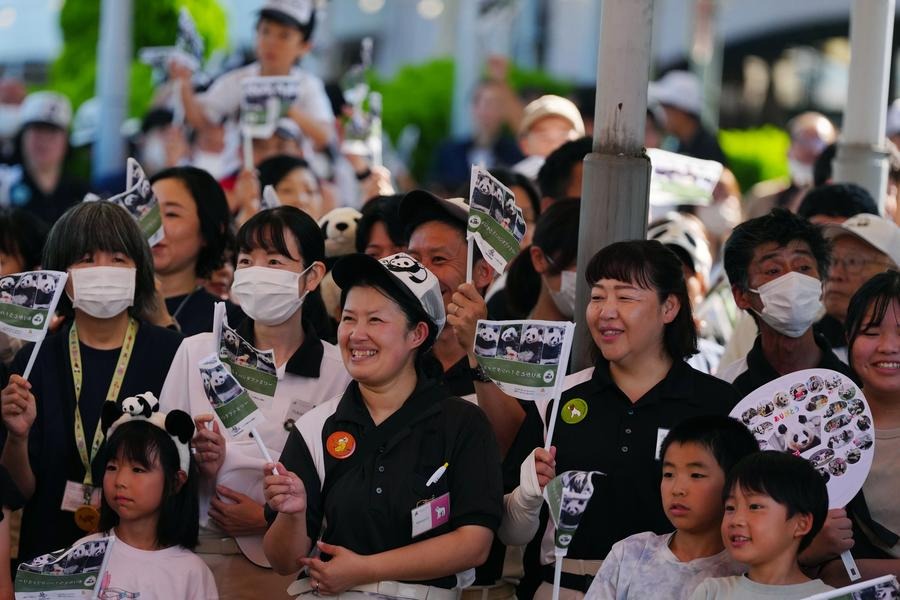
On June 28, 2025, four giant pandas from Adventure World amusement park in Shirahama, Wakayama Prefecture, Japan, embarked on their journey back to China. The pandas, 24-year-old Rauhin and her three daughters—Yuihin (8), Saihin (6), and Fuhin (4)—were transported to the Chengdu Research Base of Giant Panda Breeding in Sichuan Province. The departure marked the end of their stay in Japan, where they had been part of a joint breeding program initiated in 1994. Early in the morning, park staff and fans gathered to bid farewell, waving flags and wearing T-shirts adorned with images of the pandas. The zoo’s director, Koji Imazu, expressed his hopes for the pandas’ healthy and long lives in China, emphasizing their role in fostering goodwill between the two nations. The transfer was scheduled for June to avoid the physical strain of summer heat, especially for Rauhin, who is now in her senior years. The younger pandas are expected to contribute to future breeding efforts in China. The zoo’s panda breeding team ensured a smooth transition by sharing detailed information about each panda’s traits with their Chinese counterparts.