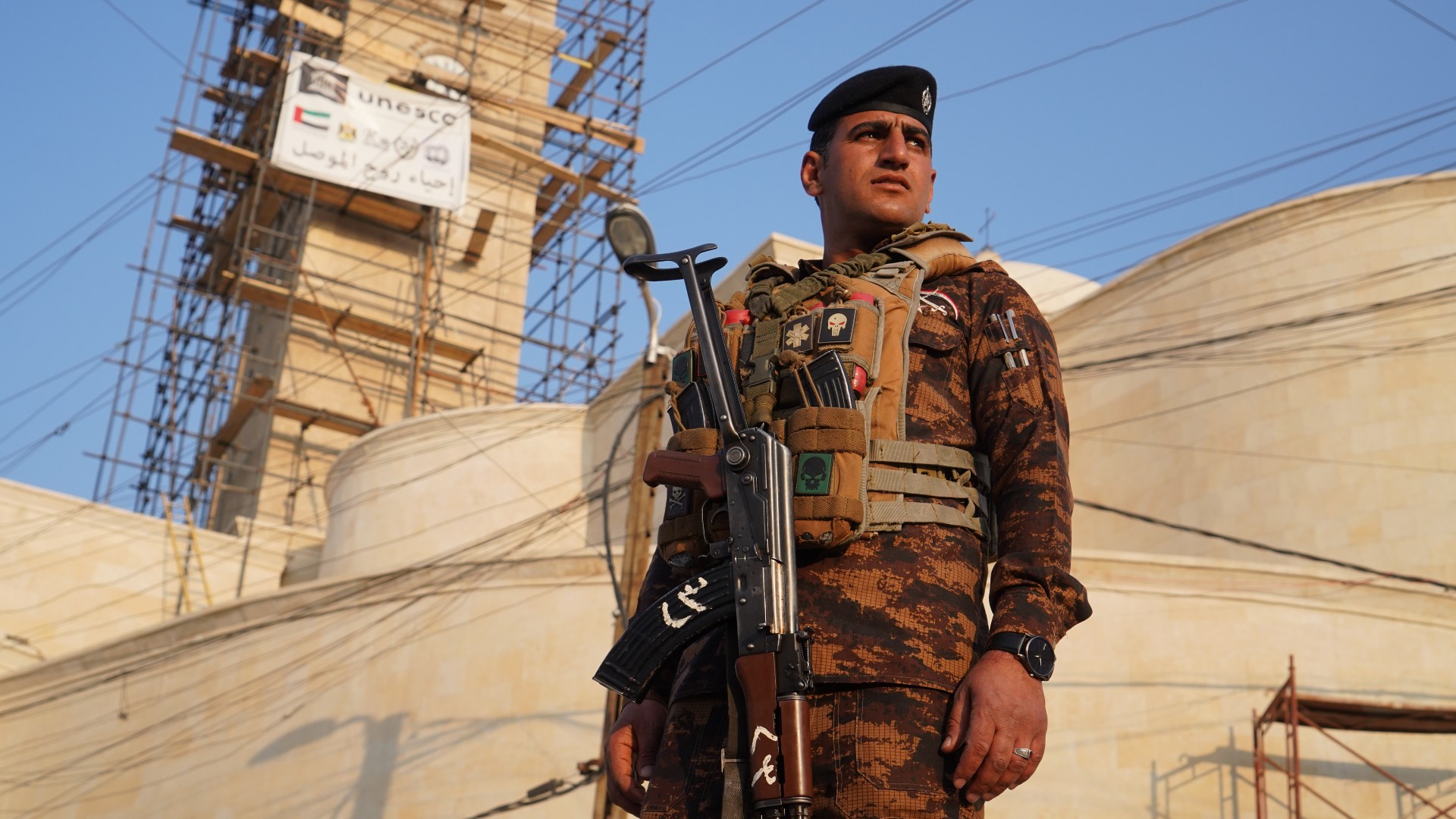
Two decades ago, on March 20, 2003, the United States and its allies launched a devastating military campaign against Iraq, marking the beginning of a conflict that would reshape the nation’s destiny. The invasion, initiated under the pretext of eliminating weapons of mass destruction (WMDs) allegedly harbored by Saddam Hussein, quickly escalated into a full-scale war. The ‘shock and awe’ strategy saw hundreds of missiles rain down on Baghdad, leaving the city in ruins and its citizens in chaos. Despite the swift overthrow of Saddam’s regime, the invasion unleashed a cascade of unintended consequences that continue to haunt Iraq today. The absence of WMDs, later confirmed, raised questions about the legitimacy of the war, while the power vacuum left in its wake fueled sectarian violence, insurgencies, and the rise of extremist groups like the Islamic State (IS). The invasion’s aftermath has been marked by widespread destruction, displacement, and a profound sense of loss among Iraqis. Cities like Mosul, once vibrant cultural hubs, remain scarred by years of conflict. The Christian community, which once thrived in Iraq, has dwindled significantly, with many fleeing persecution. Despite the fall of IS, the road to recovery remains fraught with challenges, as Iraqis grapple with the enduring legacy of a war that promised liberation but delivered devastation.
标签: Asia
亚洲
-
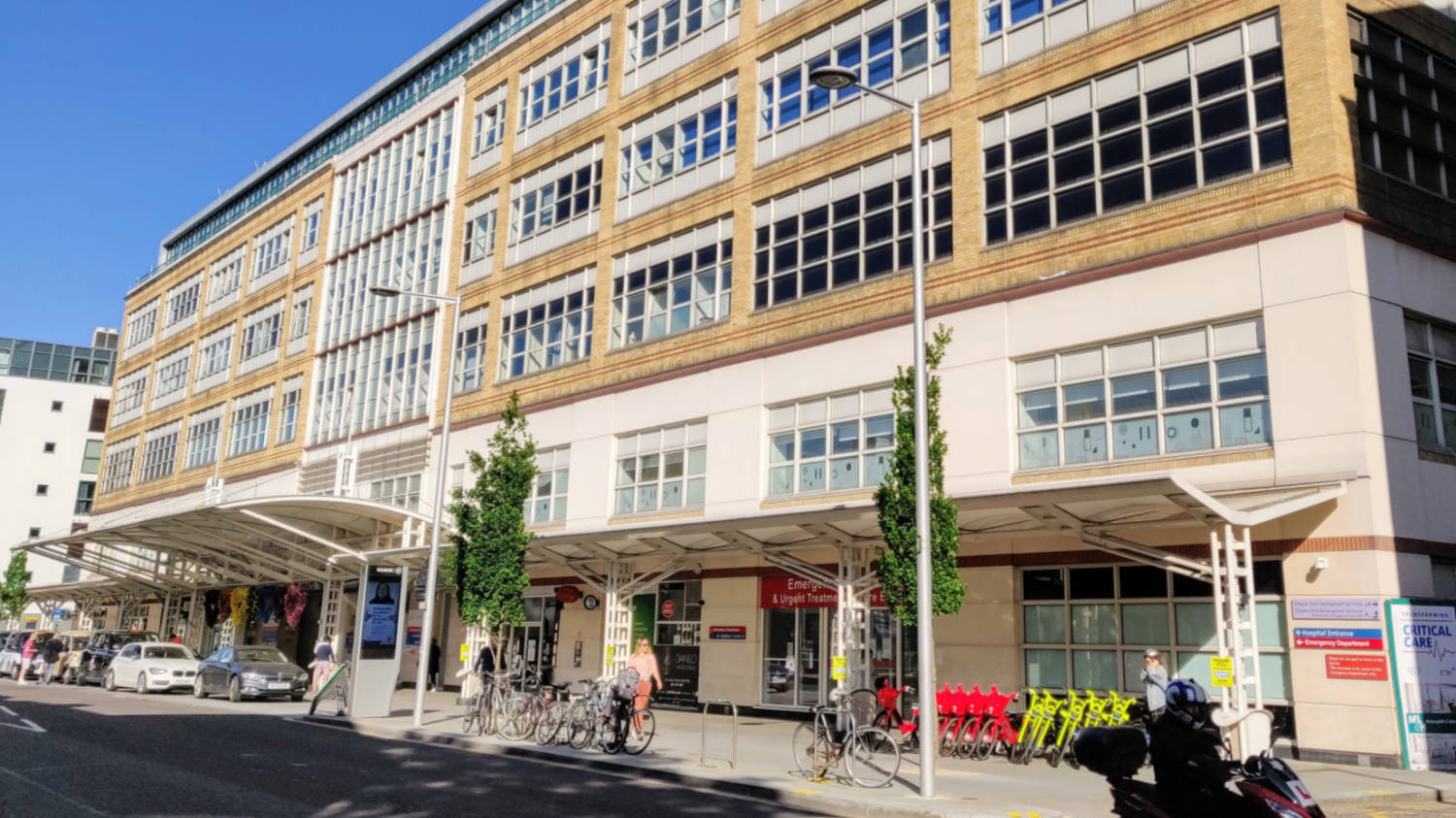
London hospital removed Gaza children’s artwork following legal threat
A London healthcare institution has become the center of an international cultural dispute after removing artwork created by Palestinian schoolchildren from Gaza following legal pressure from a pro-Israel advocacy organization. Chelsea and Westminster Hospital eliminated the “Crossing Borders – A Festival Of Plates” exhibition from its children’s outpatient department after UK Lawyers for Israel (UKLFI) threatened legal action against the hospital trust.
The artwork, displayed since 2012, featured ceramic plates transferring designs by Palestinian students depicting scenes of daily life in Gaza, including fishing, olive harvesting, and traditional baking. The hospital trust confirmed the removal resulted from UKLFI’s letter alleging that certain elements caused offense to some Jewish patients who felt “vulnerable and victimized.”
Particular controversy centered on three plates featuring the Palestinian flag, including one positioned atop a structure resembling an Israeli military watchtower and another flying near the Dome of the Rock mosque in occupied East Jerusalem. UKLFI argued these representations implied Jewish holy sites would fall under Palestinian sovereignty, claiming this constituted religious offense.
The artwork originated from an educational partnership between Chelsea Community Hospital School—which serves medically vulnerable children—and UNRWA-operated schools in Gaza. Students with special needs had transferred the Palestinian children’s designs onto plates as part of cultural exchange programs that previously earned the hospital school the British Council’s International School Award.
Palestinian Ambassador to the UK Hussam Zomlot condemned the removal as “racist and discriminatory bullying,” demanding reinstatement of the exhibition. He emphasized that East Jerusalem remains occupied Palestinian territory under international law.
The hospital trust expressed regret that the artwork’s removal offended some communities while its content offended others, stating they would review next steps in consultation with relevant parties while considering their obligations under the Equalities Act 2010.
-
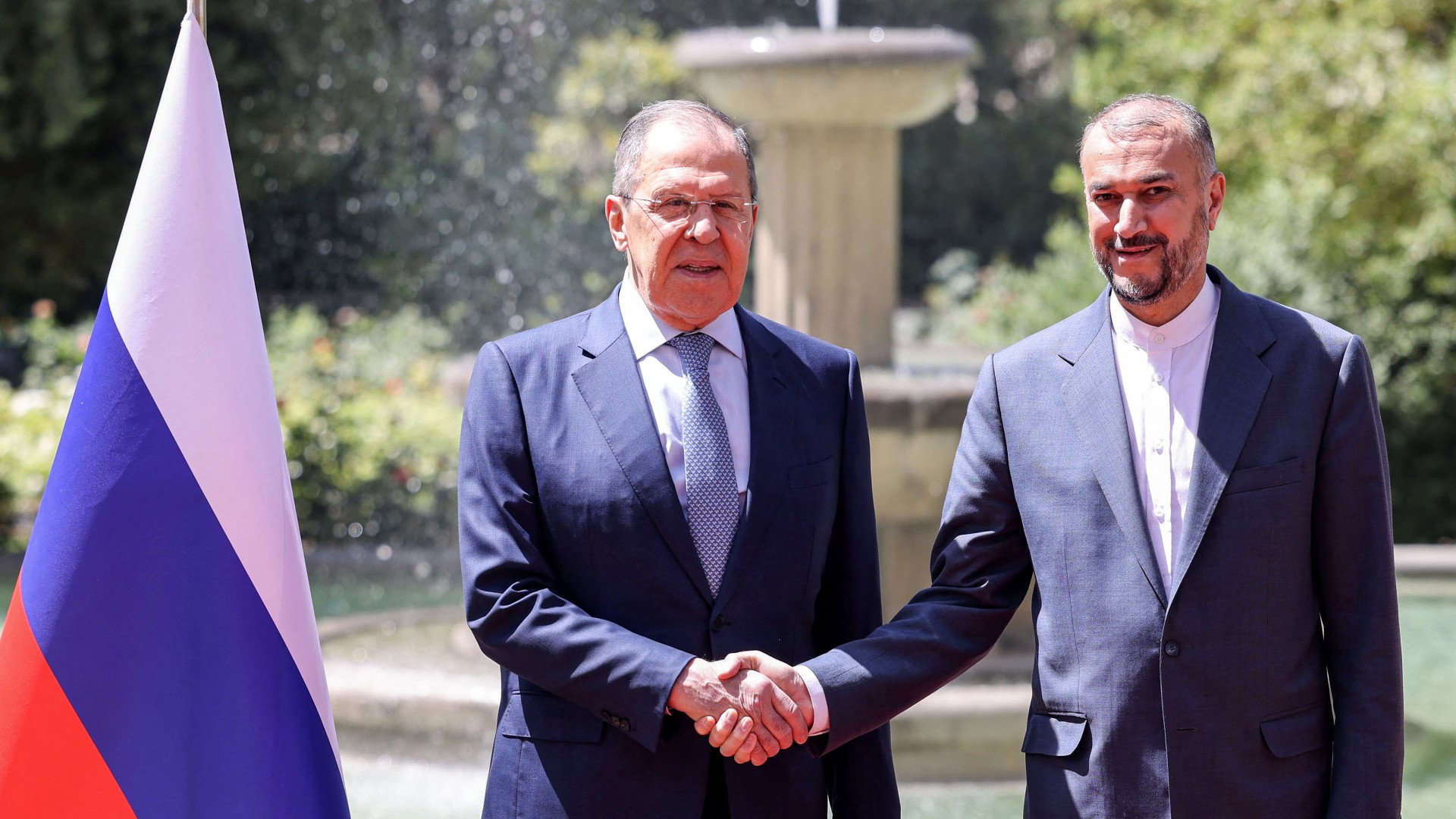
Iranian press review: Venezuela part of ‘Axis of Resistance’, says Maduro
Venezuelan President Nicolas Maduro has positioned his nation as a key member of the international ‘Axis of Resistance’ during his official visit to Tehran, calling for a unified front against United States and Israeli influence worldwide. The Iranian-coined term traditionally describes Shia forces opposing American and Israeli interests in the Middle East, but Maduro expanded its scope to encompass global anti-colonial movements.
Addressing audiences in the Iranian capital, Maduro declared that resistance movements now operate across Western Asia, Africa, Latin America, and the Caribbean. He framed this alliance as a struggle against neoliberalism, racism, and multiple forms of colonialism—including political, economic, cultural, and cyber domains. The Venezuelan leader emphasized the movement’s goal of decolonizing minds and resisting imperial hegemony.
The visit yielded significant bilateral agreements, including a 20-year cooperation roadmap between Iran and Venezuela. Maduro recalled previous security collaboration, revealing that Iranian experts had assisted in repairing Venezuela’s electricity infrastructure following cyber-attacks, a effort coordinated after his meeting with the late IRGC commander Qassem Soleimani.
Meanwhile, Iran continues to expand its international partnerships amid ongoing sanctions. Russian-Iranian relations have deepened since the Ukraine conflict began, with plans for a joint trade center (Nova-Pars) and enhanced cooperation in energy, manufacturing, and oil/gas equipment. A new Caspian Sea transportation corridor will connect Russia to the Persian Gulf, complemented by unprecedented shipbuilding knowledge transfers and parts manufacturing agreements.
Domestically, Iran faces mounting challenges. President Ebrahim Raisi’s directive to manufacture 72-seat aircraft—reportedly for religious symbolism—has drawn widespread public mockery given Iran’s aging fleet and aviation safety record. Critics highlight the administration’s previous unfulfilled promises regarding inflation control and COVID-19 vaccines.
Additionally, Iran’s healthcare system confronts a severe physician shortage despite medical school graduations. Approximately 20,000 trained doctors have abandoned clinical practice for higher-paying sectors including real estate, cryptocurrency trading, and beauty clinics, exacerbating the nation’s medical care crisis.