分类: transport

  • Long-awaited connectivity: How Etihad Rail will impact lives of many

    Long-awaited connectivity: How Etihad Rail will impact lives of many

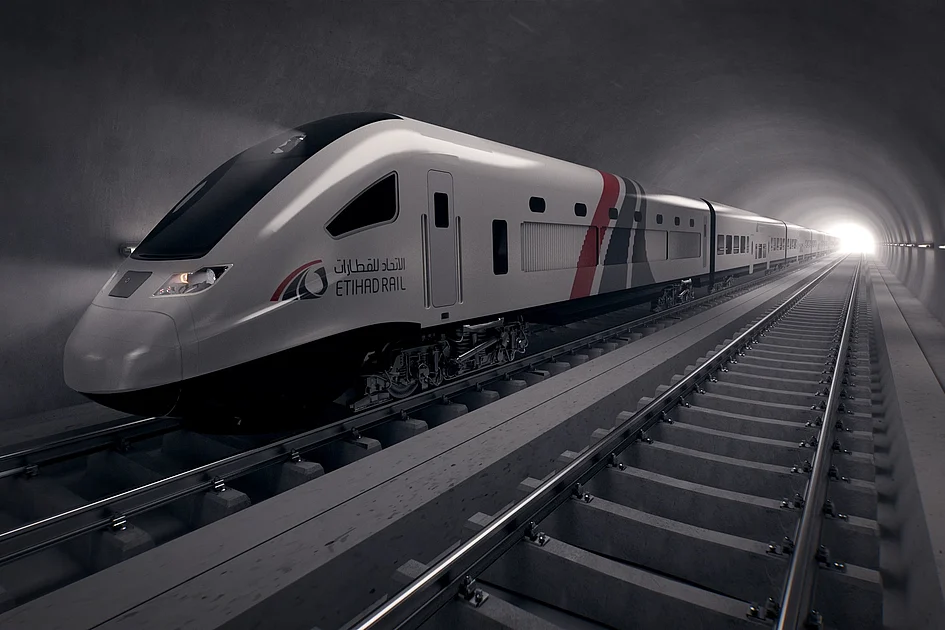
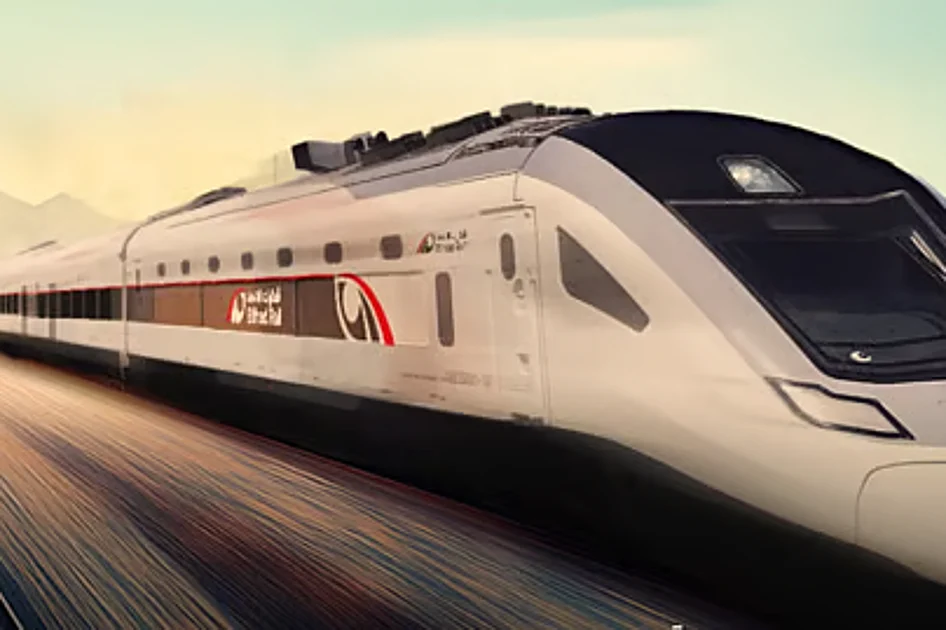
    The United Arab Emirates’ national rail project has reached a transformative milestone with Etihad Rail announcing seven new passenger stations that will complete the country’s comprehensive rail network. This strategic expansion will significantly enhance connectivity across Abu Dhabi’s Al Dhafra region and Sharjah, effectively bridging remote and semi-urban communities with major population centers.

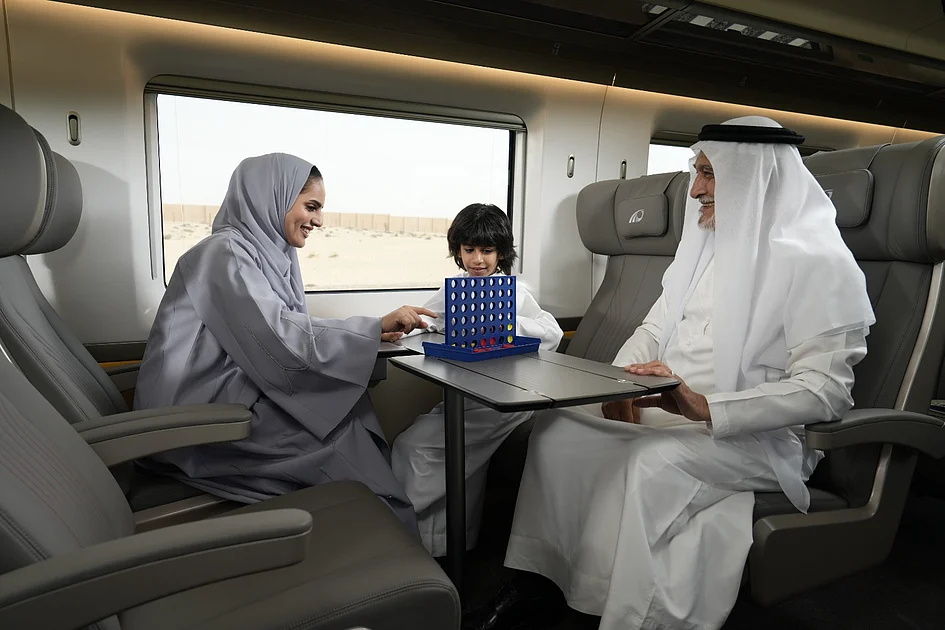
    For residents in border communities like Al Sila, located near the UAE-Saudi border, this development represents a long-awaited solution to transportation challenges. Local resident Salma Almansoori expressed relief, noting that ‘living in Al Sila means long drives whenever we need to travel to other cities. The passenger train will make travel easier, especially for families and elderly residents who prefer not to drive long distances.’

    The newly announced stations—Al Dhannah, Al Mirfa, Mezairaa, Al Faya, and Al Dhaid—complement previously revealed stations at Mohammed Bin Zayed City in Abu Dhabi, Jumeirah Golf Estates in Dubai, University City in Sharjah, and the Al Hilal area in Fujairah. This comprehensive network will offer passengers breathtaking scenic journeys through the nation’s diverse landscapes, from Abu Dhabi’s golden sand dunes to the majestic Hajar Mountains.

    Beyond convenience, the rail project promises substantial regional development benefits. In Madinat Zayed, the administrative center of the Al Dhafra region, residents anticipate the station will significantly support daily commuting and economic growth. Local resident Mayam Almazrouei emphasized that ‘Madinat Zayed is a central point for many surrounding communities. A passenger rail station here will connect people to Abu Dhabi and beyond, and it will be especially useful for students and employees who travel frequently.’

    The project is also expected to alleviate road congestion, enhance travel safety, and reduce the exhaustion associated with long-distance driving. While operational details including fares and schedules remain undisclosed, the confirmed launch timeline has generated considerable anticipation among communities that will benefit from this infrastructure revolution. The Etihad Rail passenger services are scheduled to commence operations later this year, marking a new era of integrated transportation in the UAE.

  • UAE: Etihad Rail could have a stop at Dubai’s new Al Maktoum International Airport

    UAE: Etihad Rail could have a stop at Dubai’s new Al Maktoum International Airport

    The UAE’s ambitious Etihad Rail project is set to revolutionize transportation by potentially integrating with Dubai’s Al Maktoum International Airport at Dubai World Central (DWC). This strategic move could allow passengers to check in directly from train stations, enhancing convenience and efficiency. Paul Griffiths, CEO of Dubai Airports, revealed in an interview with Flight Global that the planned Etihad Rail network is expected to include a stop at DWC, fostering a seamless travel experience. The passenger train service, scheduled to launch in 2026, is projected to accommodate approximately 36.5 million passengers annually by 2030. The rail network will connect key cities across the UAE, including Abu Dhabi, Dubai, Sharjah, Ras Al Khaimah, Fujairah, Al Ain, Ruwais, Al Mirfa, Al Dhaid, Ghuweifat (bordering Saudi Arabia), and Sohar in Oman via the Hafeet Rail project. Additionally, a new high-speed electrified line between Abu Dhabi and Dubai will feature six stations, including one near Al Maktoum Airport, reducing travel time between the two cities to just 30 minutes. This development aligns with Dubai’s broader strategy to expand its transport infrastructure and accommodate growing passenger demand. In April 2024, the Dubai government announced plans to transfer all operations from Dubai International (DXB) to Al Maktoum International (DWC), which will boast a new Dh128-billion passenger terminal capable of handling 260 million passengers annually. This transition is expected to be completed within a decade, addressing DXB’s capacity constraints. Griffiths emphasized the goal of creating a frictionless airport experience, leveraging artificial intelligence to optimize aircraft scheduling and passenger connections. As Dubai continues to innovate, the integration of Etihad Rail with Al Maktoum International Airport marks a significant milestone in the region’s transportation evolution.