分类: society

  • ‘Sense of pride’: UAE residents watch fighter jets fly past at Day of Solidarity parade

    ‘Sense of pride’: UAE residents watch fighter jets fly past at Day of Solidarity parade

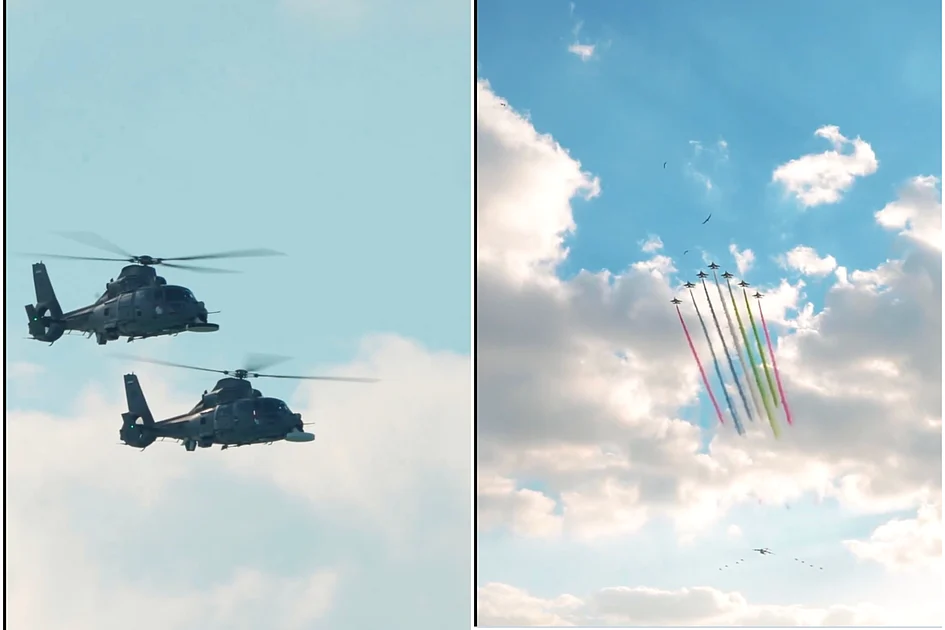
    Across the United Arab Emirates, residents gathered along coastlines and city corniches on Saturday evening for a solemn aerial display marking the nation’s Day of Solidarity. Military aircraft flew in precise V-formations over all seven emirates in a coordinated parade organized by the UAE Armed Forces, creating a powerful visual symbol of national unity and resilience.

    The event commemorated the January 17, 2022 attack on civilian infrastructure in Abu Dhabi that resulted in three fatalities and six injuries. Unlike typical air shows, the atmosphere remained contemplative as spectators watched in reflective silence, many recording the moment on mobile devices while explaining the significance to younger generations.

    Authorities had previously published designated viewing locations and timings to ensure public safety during the nationwide observance. At Buhaira Corniche and Al Zohra Beach, families gathered not for entertainment but for education and remembrance. Ahmed Karim, a Sharjah resident attending with his family, noted: ‘We explained to our children that this is not a show for fun, but a reminder of something serious that happened and how the country stayed strong.’

    The emotional resonance was palpable among attendees. Ajman resident Aisha Mehreen observed: ‘People around me were not cheering or clapping. We all knew why the planes were flying today. It reminded us of that day we read about in the news, and of how important it is to stay united and grateful for the safety we have.’

    In official statements, UAE President Sheikh Mohamed bin Zayed Al Nahyan emphasized that the day reflects the strength and unity of the nation’s people and their determination to safeguard the country’s future. Dubai Ruler Sheikh Mohammed bin Rashid Al Maktoum similarly highlighted the occasion as a reminder of shared values and collective responsibility.

    The fourth anniversary observance served both as memorial for victims and reaffirmation of national commitment to security and stability, with the aerial formation representing both military readiness and emotional solidarity among citizens and residents alike.

  • Gangland killing at a funeral shocks idyllic French island

    Gangland killing at a funeral shocks idyllic French island

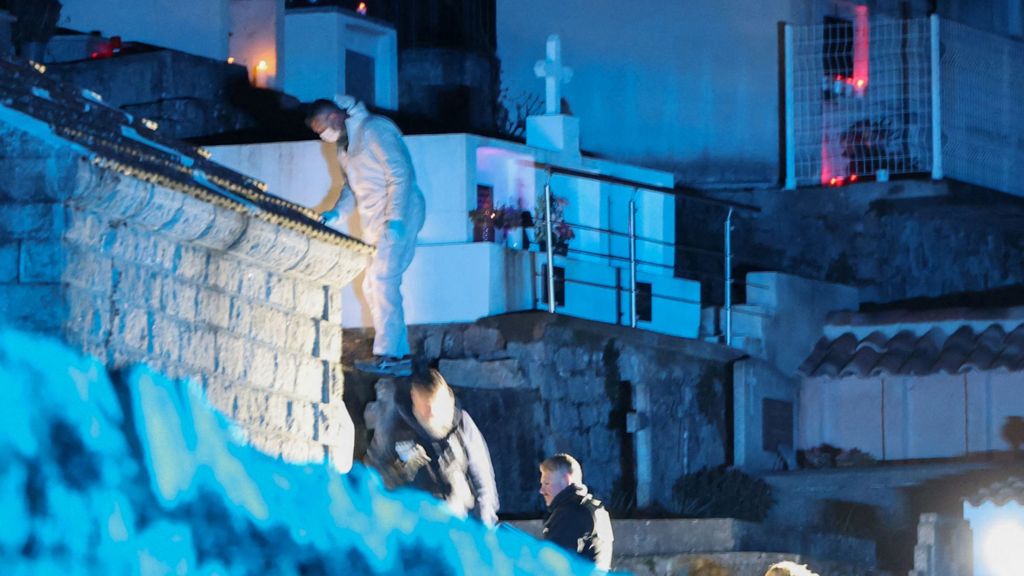
    The Mediterranean island of Corsica has been shaken by a brazen assassination that violated longstanding cultural taboos, as former nationalist leader Alain Orsoni was fatally shot during his mother’s funeral service in the village of Vero. The 71-year-old, who had returned from exile in Nicaragua to bury his mother, was killed by a single shot fired from nearby scrubland during the ceremony.

    This killing represents a disturbing escalation in Corsica’s cycle of violence, where thirty-five people have been fatally shot in the past three years alone on the island of 350,000 inhabitants. The location and timing of the attack has stunned even those accustomed to the island’s vendetta culture, with close friend Jo Peraldi noting that ‘a cemetery is sacred in Corsica, just like a church.’

    Orsoni’s life story mirrors Corsica’s turbulent modern history. Having spent 15 years in prison for organizing bomb attacks against French state symbols during his nationalist activism, he later transitioned into football management, presiding over AC Ajaccio’s promotion to France’s top-flight Ligue 1. Despite his public role in sports, Orsoni maintained extensive security measures, including bullet-proof vests and armored vehicles, acknowledging constant threats to his life.

    Criminologist Alain Bauer described the killing as inevitable but noted the shocking circumstances: ‘An assassination in a graveyard in Corsica is surprising and it’s pretty certain there will be revenge killings.’ The investigation is now being handled by Paris judges specializing in organized crime alongside regional prosecutors in Marseille.

    The attack has prompted Cardinal François Bustillo, Bishop of Ajaccio, to call for an end to the bloodletting, warning against Corsica drifting ‘towards its demons.’ However, with the island’s clans having shifted from political violence to organized crime including money laundering, extortion, and drug trafficking, the prospects for peace remain uncertain as another vendetta cycle appears to have begun.

  • A deadly fire swept through a nightclub in just 90 seconds. I got out

    A deadly fire swept through a nightclub in just 90 seconds. I got out

    Two devastating nightclub fires separated by 22 years reveal alarming similarities in both their causes and catastrophic consequences, raising urgent questions about global fire safety preparedness.

    In February 2003, The Station nightclub in West Warwick, Rhode Island, became the scene of one of America’s deadliest fire disasters when pyrotechnics from the band Great White ignited acoustic foam panels. The resulting inferno claimed 100 lives, including that of Fred Crisostomi, who sacrificed himself to save his fiancée Gina Russo. She survived after an 11-week coma, awakening to severe burns and the loss of her partner.

    Tragically, on New Year’s Day 2026, history nearly repeated itself at Le Constellation bar in Crans-Montana, Switzerland. Sparklers from champagne bottles ignited ceiling materials, resulting in 40 fatalities—predominantly young people—with numerous survivors sustaining critical burn injuries.

    Fire investigation expert Richard Hagger states he is ‘99% certain’ the Swiss fire was triggered by pyrotechnics, noting that flammable foam panels accelerated both blazes in identical fashion. Both incidents involved what experts term ‘flashover fires’—phenomena where heat and smoke accumulate at ceilings before rapidly descending to ignite everything below, creating lethal conditions within seconds.

    Professor Ed Galea, a leading fire safety expert, explains the particular danger of ceiling-mounted flammable materials: ‘It’s a nightmare situation when the fuel is in the ceiling. You don’t have the advantage of the time it takes for the fire to develop.’

    Scientific analysis of The Station fire revealed terrifying timelines: US National Institute of Standards and Technology researchers determined flashover conditions occurred within 65 seconds, with lethal conditions developing by 90 seconds. Computer simulations showed temperatures reaching 700°C within 80 seconds.

    Survivor accounts from both tragedies reveal disturbing psychological patterns. Phil Barr, a Station nightclub survivor, recalled his initial reaction: ‘My initial reaction to the fire was, ‘Oh, that’s interesting’. It almost looked like it was just sitting on the surface.’ This response aligns with what psychologists call ‘friendly fire syndrome’—where people underestimate fire’s rapid progression due to limited everyday exposure.

    Research by psychologists Bibb Latané and John Darley demonstrates how group dynamics inhibit emergency responses. Their landmark 1968 study showed that individuals alone reported smoke 75% of the time, but when accompanied by passive others, only 10% took action.

    Despite 38 similar fires claiming approximately 1,200 lives since 2000—15 involving pyrotechnics and 13 involving flammable acoustic materials—no internationally enforced fire code exists. This regulatory gap means lessons from one nation’s tragedy frequently fail to prevent identical disasters elsewhere.

    Professor Galea emphasizes that preparedness remains the key to survival: ‘Chance favours the prepared mind. You improve your chances by being prepared. Always look for the means of escape.’

    Both Gina Russo and Phil Barr continue living with physical and emotional scars from the 2003 fire, while 80 victims of the Swiss blaze remain hospitalized. Their experiences stand as sobering reminders that without global safety standardization and improved public awareness, history may continue repeating itself with tragic regularity.

  • ‘Young 40s’: Gen Z has found a new way to mock millennials for their style in South Korea

    ‘Young 40s’: Gen Z has found a new way to mock millennials for their style in South Korea

    A new cultural phenomenon dubbed “Young 40s” has ignited intense generational tensions across South Korea, transforming fashion choices into social battlegrounds. What began as innocent style expressions by forty-somethings has evolved into a nationwide debate about age appropriateness, generational privilege, and shifting social hierarchies.

    The controversy centers on middle-aged men like Ji Seung-ryeol, a 41-year-old fashion enthusiast who finds himself unexpectedly at the epicenter of online ridicule. Despite diligently sharing his carefully curated mirror selfies on Instagram—featuring coveted streetwear items like Nike Air Jordans and Stüssy T-shirts—he now faces widespread mockery for embracing styles traditionally associated with Gen Z and younger millennials.

    The movement gained momentum following last September’s iPhone 17 release, when the smartphone—long considered a youth status symbol—suddenly became recast as a tacky trademark of desperate middle-agers. AI-generated caricatures depicting middle-aged men decked out in streetwear while clutching iPhones have gone viral, with Gen Z critics labeling them as trying too hard to appear youthful while refusing to accept the passage of time.

    Market research from Gallup reveals telling consumption patterns: while most young South Koreans still prefer iPhone to Samsung Galaxy, Apple’s market share has declined by 4% among Gen Z consumers while surging 12% among forty-somethings over the past year.

    This phenomenon represents more than mere fashion criticism—it exposes Korea’s complex relationship with age dynamics. In a society where even single-year age differences establish social hierarchy dictating everything from conversational honorifics to drinking etiquette, the Young 40s memes signify youth’s growing skepticism toward forced reverence for elders. Just years earlier, the term “kkondae” emerged to describe rigid, condescending elders, indicating preexisting generational friction.

    According to Korea University sociology professor Lee Jae-in, social media has exacerbated these tensions by creating spaces where “multiple generations mix within the same space,” dismantling traditional boundaries that once separated generational cultural consumption.

    The term “Young 40” originally emerged in 2010s marketing circles to describe health-conscious, tech-comfortable forty-somethings with youthful sensibilities. Trend analyst Kim Yong-Sup, widely credited with coining the term, notes that as South Korea’s median age rose, these consumers moved from society’s margins to its center.

    However, analytics platform SomeTrend reveals the term has taken a sardonic turn, with over 100,000 online mentions in the past year—more than half in negative contexts frequently accompanied by words like “old” and “disgusting.” An even more derogatory offshoot, “Sweet Young 40,” sarcastically labels middle-aged men who flirt with younger women.

    Psychologist Oh Eun-kyung suggests these jokes represent “punching up” at privileged generations who accumulated wealth during economic stability and property booms, unlike contemporary youth facing soaring housing prices and cut-throat job competition. To struggling younger generations, Young 40s symbolize “the generation that made it through just before the door of opportunity closed”—not merely individuals with personal taste but symbols of privilege and power.

    Yet those living the reality tell a different story. Ji remembers submitting approximately 70 job applications during the Asian financial crisis of the late 1990s, representing a generation that “had very little to enjoy growing up, and only began to enjoy things later, as adults.”

    Now in workplaces, many forty-somethings feel caught between generations—sandwiched between older superiors who maintained “strict, top-down systems” and younger colleagues who constantly question “why.” This interstitial position, once considered a badge of honor, now generates self-consciousness about being labeled kkondae or Young 40.

    As another fashionable 41-year-old named Kang observes, the phenomenon ultimately reveals a universal human desire: “As you get older, longing for youth becomes completely natural. Wanting to look young is something every generation shares.”

  • Philippines arrests Estonian vlogger for harassment, ‘offensive’ remarks toward Filipinos

    Philippines arrests Estonian vlogger for harassment, ‘offensive’ remarks toward Filipinos

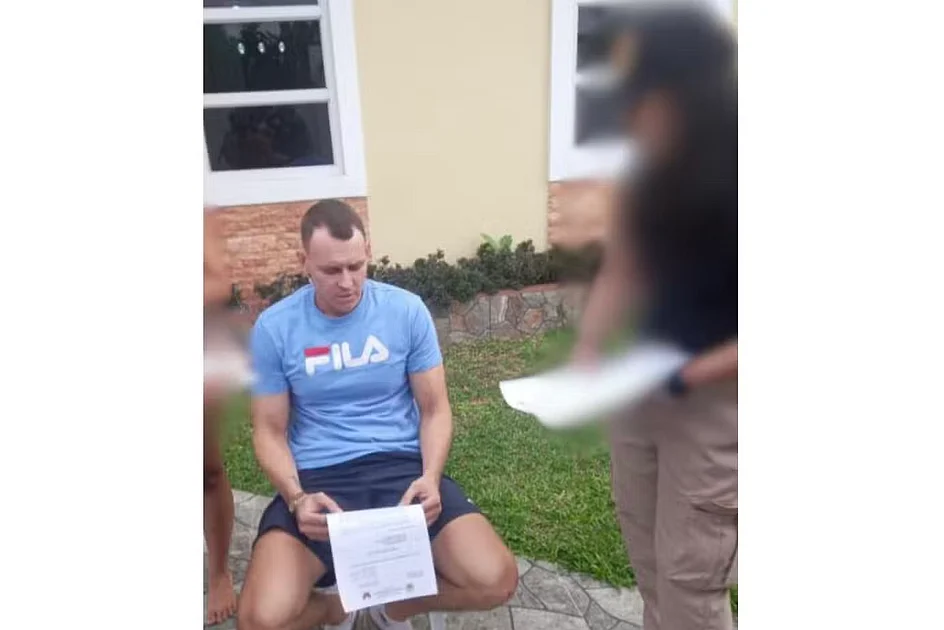
    Philippine authorities have taken decisive action against Estonian digital creator Siim Roosipuu, arresting and initiating deportation proceedings following numerous complaints of harassment and inappropriate conduct toward Filipino citizens. The Bureau of Immigration (BI) confirmed the 34-year-old vlogger’s apprehension on January 15th through coordinated operations involving intelligence operatives, the Philippine National Police, and anti-terrorism units.

    Roosipuu, who operates the YouTube channel ‘Pro Life Traveler,’ stands accused of multiple violations including unauthorized filming, harassment of minors, and creating offensive content that humiliated local residents. The situation escalated when local officials in Negros Oriental declared him persona non grata, forwarding their formal resolution to national agencies for enforcement action.

    BI Commissioner Joel Anthony Viado delivered a stern warning to foreign content creators, stating: ‘The Philippines is not a content playground. We welcome tourists and legitimate creators, but anyone who exploits our people for views, clicks, or profit will face arrest, deportation, and blacklisting.’ He emphasized that visitors who ‘provoke, insult, or humiliate Filipinos’ would experience short stays and permanent exits from the country.

    The case bears resemblance to previous incidents involving foreign vloggers, particularly Russian content creator Vitaly Zdorovetskiy, who faced criminal charges after livestreaming harassment activities in Taguig City. Philippine authorities have demonstrated increased vigilance toward digital creators who violate local laws and cultural norms while pursuing online engagement.

    The Bureau of Immigration has commenced formal deportation procedures, ensuring Roosipuu will be permanently barred from re-entering the Philippines following his removal from the country.

  • Tongji University’s Wu Jiang assumes presidency of architects’ Asia council

    Tongji University’s Wu Jiang assumes presidency of architects’ Asia council

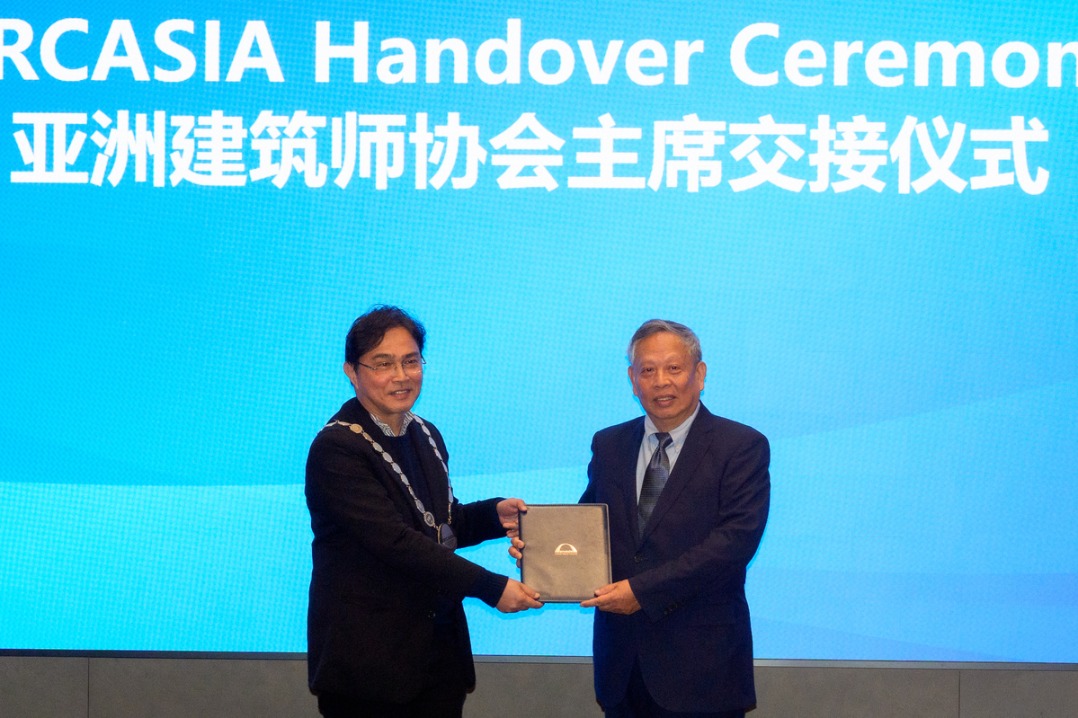
    In a historic appointment, Professor Wu Jiang from Shanghai’s Tongji University has been inaugurated as the 23rd President of the Architects Regional Council Asia (ARCASIA). The landmark transition occurred during a formal handover ceremony held at Tongji University on Saturday, marking the first time since the council’s establishment in 1979 that a representative from the Chinese mainland has assumed this prestigious leadership role.

    Professor Wu addressed the gathering with a forward-looking vision, emphasizing the critical juncture at which architecture stands today. “With the rapid advancement of digital and intelligent technologies, our field confronts both unprecedented challenges and extraordinary opportunities,” he stated. “ARCASIA must respond proactively to empower Asian architects in harnessing these transformative developments.”

    Highlighting his dual responsibilities as both practitioner and educator, Wu added: “As an architectural educator, I consider it my fundamental duty to foster extensive exchanges and elevate educational standards across Asia’s architectural institutions during my tenure.”

    The newly elected president brings exceptional qualifications to the position. His distinguished credentials include serving as Executive Director of the Architectural Society of China, Chairman of the ASC’s Architectural Education Branch, and Vice-Chairman of the Urban Planning Society of China. Additionally, Wu holds the prestigious title of Honorary Fellow from the American Institute of Architects and has been elected as an Academician of the French Academy of Architecture.

    Wu’s ascent to the presidency follows his 2018 appointment as ARCASIA Vice-President, where he represented the Architectural Society of China and led engagement initiatives with the regional body. Established in 1979, ARCASIA currently represents professional architectural associations from 24 countries and regions across Asia, standing as the continent’s most authoritative organization for the architectural profession.

  • Massive fire engulfs dozens of shops at a shopping mall in southern Pakistan, killing 3 people

    Massive fire engulfs dozens of shops at a shopping mall in southern Pakistan, killing 3 people

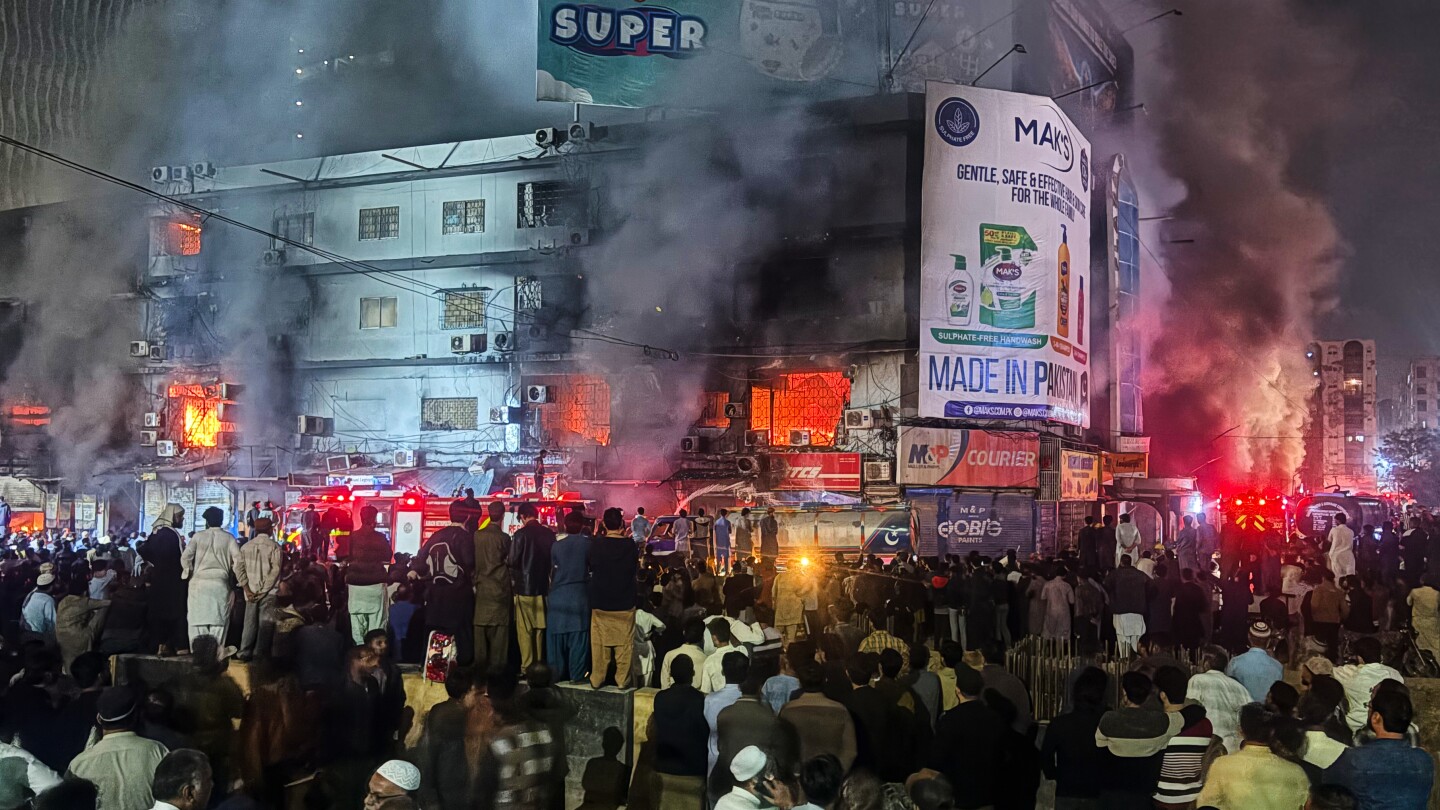
    A devastating nocturnal blaze ravaged a multi-story commercial complex in Karachi, Pakistan’s most populous metropolis, on Saturday evening, resulting in a confirmed death toll of three individuals and leaving approximately twelve others with injuries, as reported by municipal police and emergency response authorities.

    The conflagration ignited at Gul Plaza shortly after 10:00 PM local time, prompting an immediate deployment of firefighting units and rescue personnel. Local media outlets indicated that the majority of retail proprietors were either in the process of concluding daily operations or had already vacated the premises when the rapidly spreading fire erupted.

    While the precise origin of the catastrophe remains undetermined pending formal investigation, preliminary reports suggest the inferno originated within a section designated for storage of imported textiles, garments, and plastic household merchandise. These highly combustible materials reportedly acted as significant accelerants, facilitating the fire’s aggressive progression throughout the building’s structure.

    Televised news footage documented emergency crews clad in specialized protective equipment employing extended ladders, high-capacity water cannons, and multiple hose lines to combat flames erupting from windows and balconies. An Associated Press correspondent on location reported dense plumes of black smoke permeating the nocturnal atmosphere, visible from considerable distances.

    This tragic incident underscores a persistent pattern of inadequate fire prevention infrastructure and emergency response systems prevalent throughout Karachi and broader Pakistani urban centers. The provincial capital of Sindh has witnessed multiple comparable tragedies, including a November 2023 shopping mall fire that claimed ten lives and injured twenty-two individuals, highlighting systemic public safety deficiencies that frequently culminate in substantial property damage and human casualties.

  • 5 skiers killed in a pair of avalanches in Austria

    5 skiers killed in a pair of avalanches in Austria

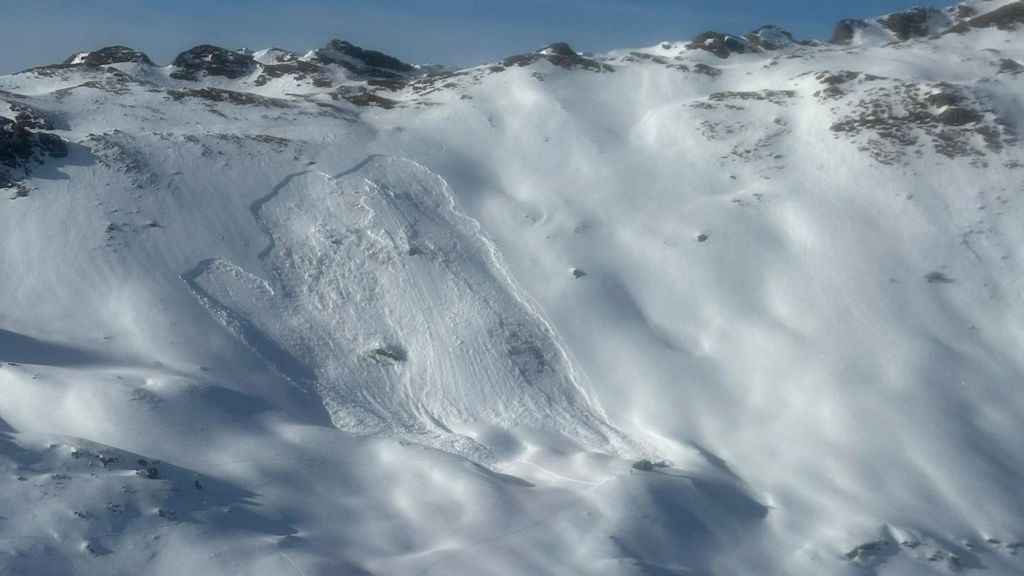
    VIENNA — A devastating series of avalanches struck the Salzburg Pongau region of western Austria on Saturday, resulting in the deaths of five skiers and multiple injuries despite repeated official warnings about dangerous mountain conditions.

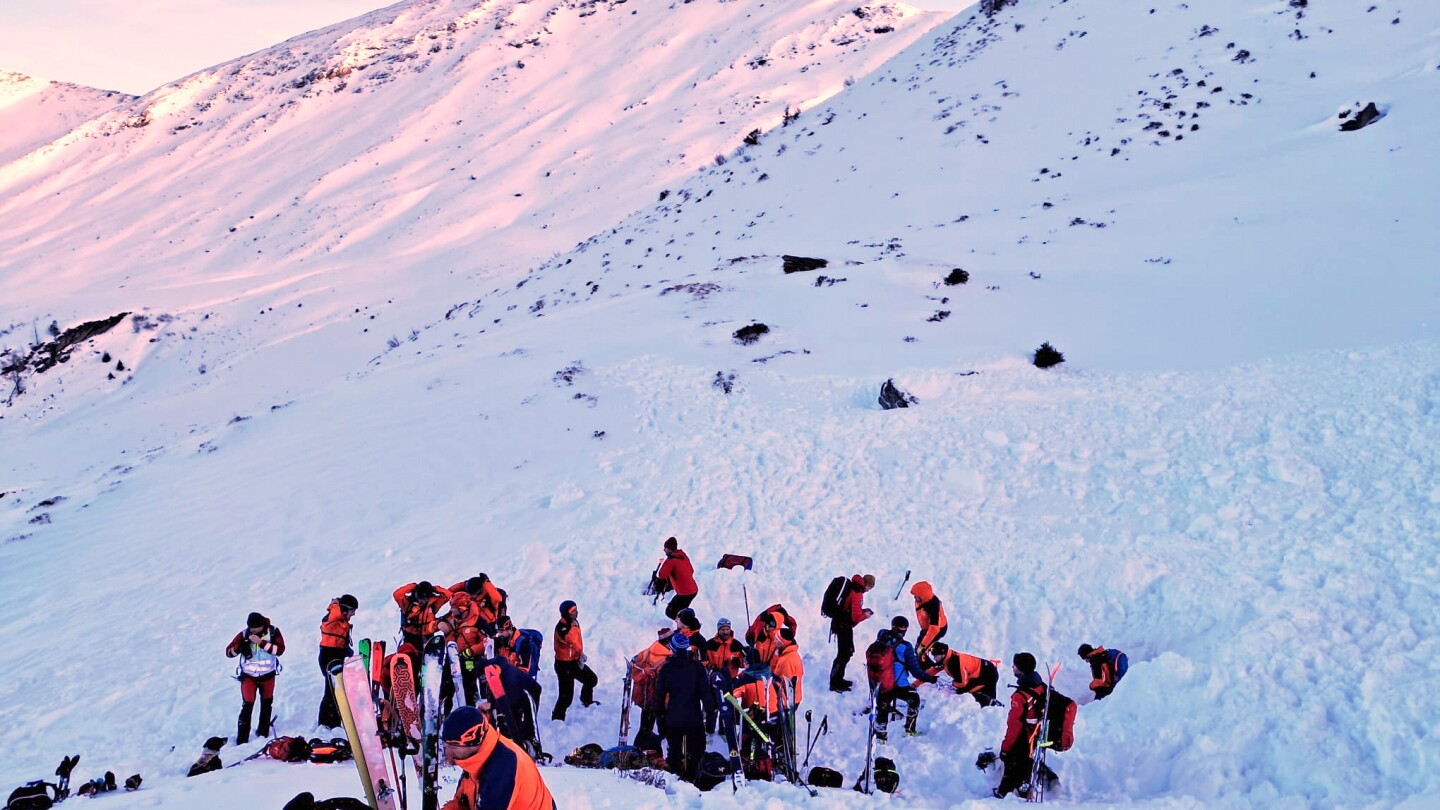
    The first incident occurred in the Gastein Valley, south of Salzburg, where a massive snow slide engulfed seven skiers. Four individuals perished in the avalanche, while two sustained injuries—one with serious trauma. A seventh member of the group managed to escape physically unharmed, according to the Austrian Press Agency (APA).

    Approximately ninety minutes prior to this tragedy, a separate avalanche in the Bad Hofgastein area claimed the life of a female skier at approximately 2,200 meters (7,200 feet) elevation.

    Gerhard Kremser, district head of the Pongau mountain rescue service, addressed the catastrophic events, stating: ‘This tragedy painfully demonstrates how serious the current avalanche situation is.’ He emphasized that authorities had issued ‘clear and repeated warnings’ regarding the elevated avalanche risk in the region.

    Emergency response teams mobilized extensive resources including four rescue helicopters, specialized mountain rescue units, Red Cross canine search teams, and crisis intervention personnel to assist with recovery operations and provide support to survivors and families.

    The incidents highlight the critical importance of heeding official avalanche warnings during winter sports activities in alpine regions, particularly following recent heavy snowfall and unstable weather conditions that have created potentially lethal slab avalanches across the Austrian Alps.

  • Avalanches kill five off-piste skiers in Austrian Alps

    Avalanches kill five off-piste skiers in Austrian Alps

    A series of devastating avalanches in Austria’s Alpine region has resulted in five fatalities, highlighting the extreme dangers of current mountain conditions. The tragedies occurred in the Pongau area near Salzburg, where heavy snowfall has created precarious avalanche conditions throughout the region.

    On Saturday, mountain rescue services responded to multiple incidents beginning around 14:00 local time. The most severe avalanche engulfed a group of seven off-piste skiers, claiming four lives and leaving one with serious injuries. Approximately ninety minutes earlier, another avalanche had buried a female skier in open alpine terrain near the same location.

    Gerhard Kremser, district head of the Pongau mountain rescue service, expressed profound sympathy for the victims’ families, stating: ‘This tragedy painfully demonstrates how serious the current avalanche situation is.’

    The recent incidents form part of a disturbing pattern of avalanche-related deaths across the Alpine region. Earlier in the week, a 13-year-old Czech boy perished in an avalanche at the Bad Gastein resort on Tuesday. Last Sunday, a 58-year-old skier died in the Tyrolean resort of Weerberg in western Austria.

    The dangerous conditions extend beyond Austria’s borders. In neighboring Switzerland, a German national was killed and four others injured during cross-country skiing on Friday. Last weekend, France reported six skiers killed in avalanches across various Alpine resorts.

    While additional avalanches were recorded in the Pongau region around midday, no further injuries were reported. Mountain safety officials continue to warn skiers about the critically dangerous avalanche conditions persisting throughout the Alpine region.

  • China’s condom tax no way to pump up low birth rates

    China’s condom tax no way to pump up low birth rates

    China has initiated a novel fiscal approach to combat its deepening demographic crisis by imposing a 13% value-added tax on contraceptives effective January 1, 2026. This policy shift emerges as the nation grapples with a critically low fertility rate of 1.0 children per woman—far beneath the 2.1 replacement threshold necessary for population stability.

    The contraceptive taxation strategy complements existing pronatalist measures, including last year’s allocation of 90 billion yuan ($12.7 billion) for a national childcare program providing approximately 3,600 yuan ($500) per child under three years old. Despite these substantial investments, demographic experts remain skeptical about their potential efficacy.

    Professor Dudley L. Poston Jr., a veteran China demography scholar with nearly four decades of research experience, asserts that these interventions are unlikely to significantly alter fertility trajectories. The symbolic contraceptive tax—adding mere dollars to annual contraceptive expenses—pales against the staggering 538,000 yuan ($77,000) average cost of raising a child to adulthood in urban China.

    China’s demographic challenges reflect broader regional patterns, with Singapore maintaining a 1.2 fertility rate despite decades of incentives and South Korea recording the world’s lowest at 0.7 despite investing over $200 billion in birth rate programs since 2006. These Asian nations demonstrate how modernization, rising educational opportunities for women, and substantial child-rearing expenses create structural barriers that policy interventions struggle to overcome.

    The current fertility crisis partly stems from China’s own historical policies. The notorious one-child policy successfully drove fertility from over 7.0 in the 1960s to 1.5 by 2015. Subsequent shifts to two-child (2015) and three-child (2021) policies failed to produce anticipated baby booms, with fertility rates continuing their decline to the current historic low.

    Demographers reference the ‘low-fertility trap’ theory suggesting that once rates fall below 1.4-1.5, increases of 0.3 or more become extraordinarily difficult due to entrenched socioeconomic factors. With urbanization, female empowerment, and exorbitant education costs reshaping reproductive decisions, China’s contraceptive tax appears more symbolic than substantively impactful in addressing its demographic challenges.