
For over two decades, Russia has grappled with a deepening demographic crisis characterized by a shrinking and aging population. Since President Vladimir Putin assumed power in 2000, the country has faced persistent challenges in reversing this trend. In 1999, Russia recorded its lowest number of births, a figure that has continued to haunt the nation despite temporary improvements. By 2015, births peaked at 1.94 million, but economic instability, the ongoing war in Ukraine, and an exodus of young men have since reversed these gains. In 2023, Russia recorded only 1.22 million births, barely surpassing the 1999 low. The population has also aged significantly, with 30% now over 55, compared to 21.1% in 1990. Putin has implemented various measures to encourage larger families, including financial incentives, free school meals, and Soviet-style ‘hero-mother’ medals for women with 10 or more children. However, critics argue that these efforts, coupled with restrictive laws on abortion and LGBTQ+ activism, are unlikely to solve the crisis. The war in Ukraine has further exacerbated the problem, with hundreds of thousands of young men either killed or fleeing the country. Immigration, a potential solution, remains unpopular due to rising anti-migrant sentiment. As Russia’s fertility rate stagnates at 1.4, well below the replacement rate of 2.1, the demographic crisis continues to pose a significant threat to the nation’s future.
分类: society
-
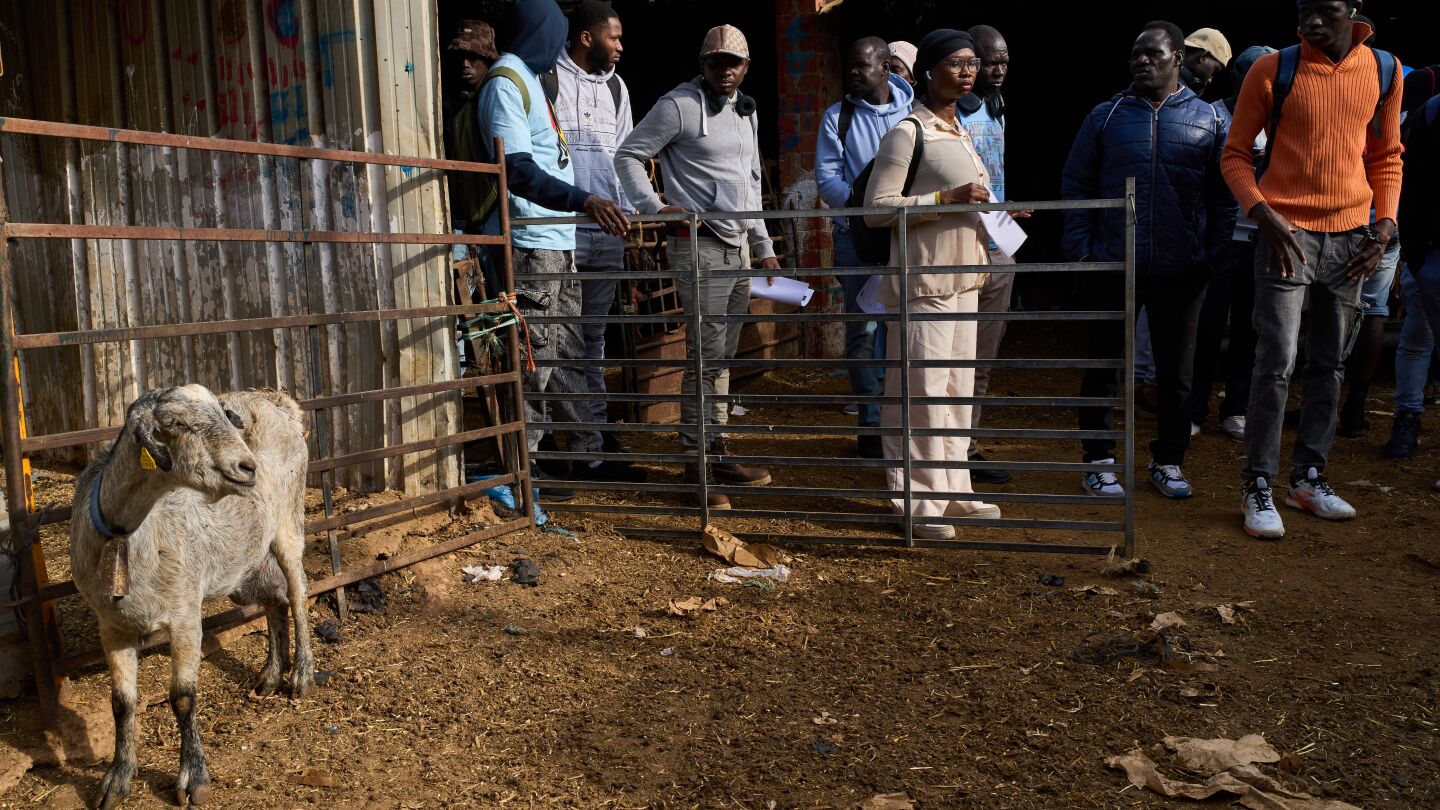
The new shepherds of Spain: African migrants take up a neglected rural trade
In the sun-drenched plains of Castile-La Mancha, Spain, Osam Abdulmumen, a 25-year-old migrant from Sudan, herds 400 sheep on a centuries-old farm in the village of Los Cortijos. This pastoral scene, reminiscent of the region’s literary fame in “Don Quixote,” masks a deeper crisis: rural depopulation has left traditional shepherding jobs unfilled, a role Spaniards increasingly shun. To address this, a government program is training migrants like Abdulmumen—many from Africa, Venezuela, and Afghanistan—to sustain the region’s prized sheep’s milk cheese industry.
Abdulmumen, who fled violence in Sudan, now lives in a modest apartment in Los Cortijos, dreaming of sending money home to his family. His journey to Spain was arduous, spanning Egypt, Tunisia, Morocco, and finally Ceuta, a Spanish enclave, where he sought asylum. Today, he finds solace in the tranquility of rural life, earning €1,300 monthly, slightly above Spain’s minimum wage.
The program, funded by the regional government, has trained 460 migrants since 2022, with 51 now employed as shepherds. Sharifa Issah, a 27-year-old from Ghana, is among them, drawn to the work due to her experience with animals back home. The training, held near Toledo, covers the basics of shepherding over five days, preparing migrants for roles on farms, slaughterhouses, and olive groves.
Álvaro Esteban, a fifth-generation farmer, returned to Los Cortijos after years away, modernizing his family’s farm with drones and cheese production. He acknowledges that without migrant labor, many farms would face closure within a decade. “Most businesses won’t have successors,” he laments, highlighting the sector’s neglect.
Abdulmumen’s story is emblematic of a broader trend: migrants filling critical gaps in Spain’s rural economy, ensuring the survival of traditions and livelihoods in a region grappling with an aging population and urban migration.
-
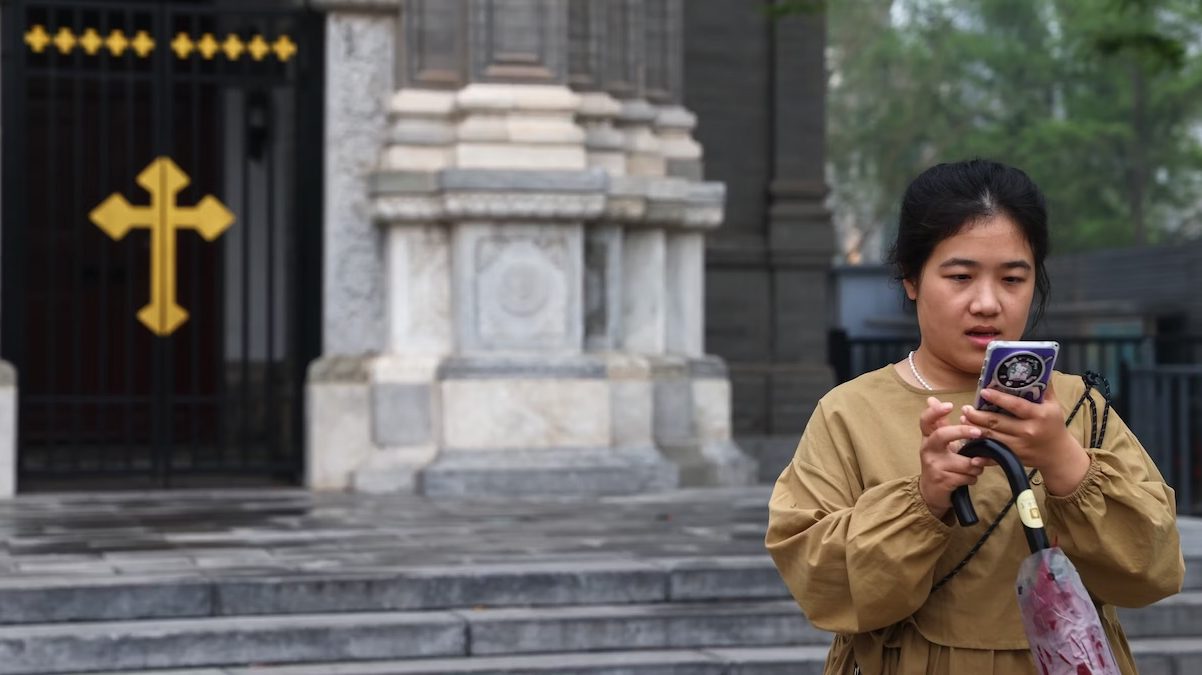
Beijing looking to exert tighter control over Chinese Christians
In a significant move, Chinese authorities detained Ezra Jin, the leader of the Zion Church, along with over 30 church staff, including pastors, on October 10. This marks one of the largest crackdowns on Christian churches in recent years, shedding light on Beijing’s ongoing efforts to regulate religious activities. The Zion Church, a prominent unregistered Christian congregation with widespread presence across China, has long been under government scrutiny. The timing of this crackdown is particularly notable, as it coincides with escalating tensions between China and the United States, suggesting that both domestic religious policies and international relations are influencing Beijing’s actions. China officially recognizes five religions—Buddhism, Daoism, Islam, Catholicism, and Protestantism—with Buddhism and Daoism considered indigenous and central to Han Chinese culture. Christianity, introduced to China centuries ago, has faced periods of tolerance and persecution. The 19th century saw significant growth in Chinese Christianity, fueled by Western missionaries, but this also led to xenophobic movements that contributed to the fall of the empire. After the establishment of the People’s Republic of China in 1949, foreign Christians were expelled, and state-controlled religious bodies were created. Dissatisfaction with these bodies led to the rise of unregistered churches, which have operated outside state control ever since. The Cultural Revolution (1966–1976) brought severe persecution of all religious practices, but Christianity persisted and experienced a resurgence in the more liberal 1980s. However, under President Xi Jinping’s leadership since 2013, China has adopted a stricter stance on religion, emphasizing the ‘Sinicization’ of faiths to align them with state ideology. Recent regulations have tightened control over religious sites, finances, and charitable activities, while the forcible removal of crosses and the imprisonment of prominent church leaders like Wang Yi underscore the severity of the crackdown. The close ties between some unregistered churches and U.S.-based evangelical groups have further complicated the situation, with repressive measures often intensifying during periods of strained U.S.-China relations. The recent crackdown on the Zion Church, whose founder’s daughter is a U.S. Senate staffer, appears to be a strategic signal to Washington. Unless bilateral relations improve, Chinese Christians may face continued repression.
-
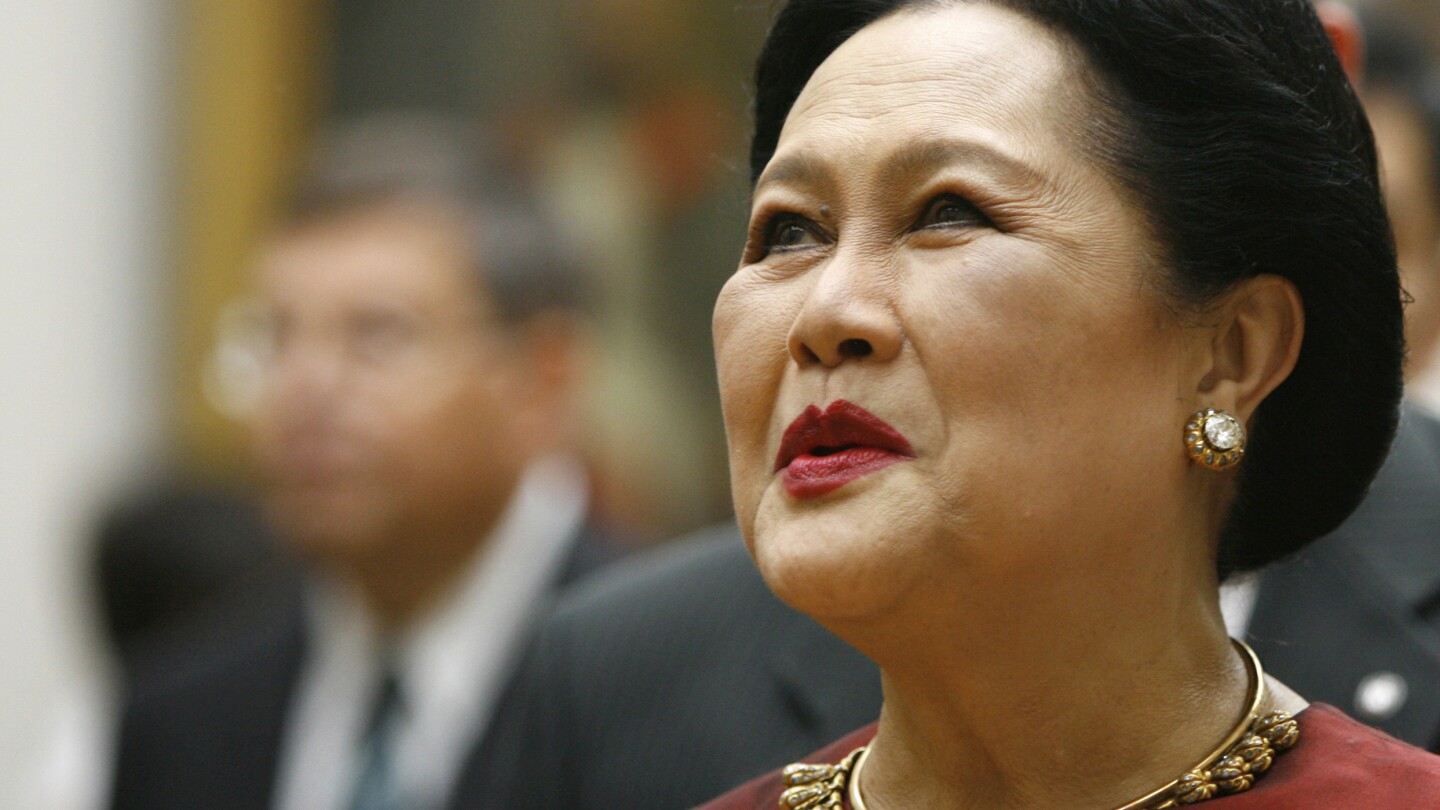
Thailand’s Queen Mother Sirikit has died at age 93
Thailand’s Queen Mother Sirikit, a revered figure known for her dedication to rural development, environmental conservation, and the preservation of traditional crafts, passed away on Friday at the age of 93. The Royal Household Bureau announced her death in a Bangkok hospital, where she had been receiving treatment for a blood infection since October 17. Despite the efforts of her medical team, her condition did not improve. Queen Sirikit had largely retreated from public life in recent years due to declining health, following the death of her husband, King Bhumibol Adulyadej, in October 2016. Born into an aristocratic family on August 12, 1932, Queen Sirikit’s life was marked by her commitment to the Thai people. Her portrait adorned homes and public spaces across the country, and her birthday was celebrated as Mother’s Day. She played a pivotal role in initiatives ranging from aiding Cambodian refugees to protecting Thailand’s forests. However, her influence was not without controversy. During Thailand’s political upheavals, her behind-the-scenes role in the monarchy’s affairs drew scrutiny. Despite this, her enduring popularity in rural areas remained steadfast. Queen Sirikit’s legacy includes the establishment of the SUPPORT Foundation in 1976, which trained thousands in traditional crafts, and numerous environmental projects aimed at wildlife conservation and forest preservation. She believed deeply in the monarchy’s role in Thai society, once stating, ‘The mere word king has something magic in it.’ Her passing marks the end of an era for Thailand, leaving behind a legacy of service and dedication.
-

Thailand’s former queen Sirikit dies aged 93
Thailand is in mourning following the passing of Queen Sirikit, the revered mother of King Vajiralongkorn, at the age of 93. The Thai Royal Household Bureau announced that she died peacefully on Friday night at 21:21 local time (14:21 GMT) in a Bangkok hospital. Queen Sirikit had been battling multiple health issues since 2019, including a recent blood infection. Her death marks the end of an era for the Thai monarchy, as she was the devoted wife of the late King Bhumibol Adulyadej, Thailand’s longest-reigning monarch, who passed away in 2016. Queen Sirikit’s life was marked by her unwavering dedication to her country and her role as a maternal figure for the Thai people. Born into a diplomatic family, she met her future husband while studying music in Paris, where her father served as Thailand’s ambassador to France. The couple married on April 28, 1950, just days before King Bhumibol’s coronation. Throughout the 1960s, Queen Sirikit and King Bhumibol traveled extensively, meeting global leaders such as US President Dwight Eisenhower, Queen Elizabeth II, and even Elvis Presley. Known for her elegance, she frequently appeared on international best-dressed lists. In a rare 1980 BBC documentary, Queen Sirikit reflected on her role, stating, ‘Kings and queens of Thailand have always been in close contact with the people, and they usually regard the king as the father of the nation. That is why we do not have much private life, because we are considered father and mother of the nation.’ Her birthday was celebrated as Mother’s Day in Thailand, underscoring her profound impact on the nation. Queen Sirikit’s legacy as a compassionate and unifying figure will continue to resonate deeply with the Thai people.
-
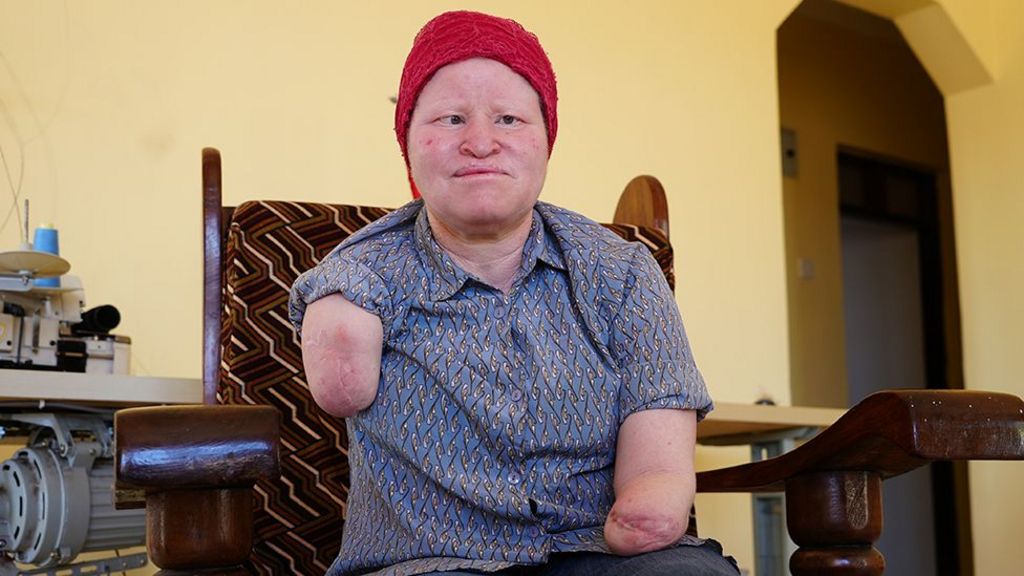
Attacks on people like me happen every time my country has an election
For 42-year-old Mariam Staford, election season in Tanzania is not a time of hope but of terror. While many Tanzanians engage in the festive rallies and campaign songs, Mariam and others with albinism face a grim reality: heightened risks of violence driven by deeply rooted superstitions. Albinism, a rare genetic condition affecting approximately 30,000 Tanzanians, reduces melanin production, resulting in lighter skin, hair, and eye color. Tragically, this condition has made them targets of brutal attacks fueled by the false belief that their body parts bring wealth, luck, or political success. Mariam’s story is a harrowing testament to this violence. In 2008, during a local election period, armed men attacked her in her home, severing both her arms. She survived, but her unborn child did not. The trauma of that night still haunts her. ‘Even now, I sometimes dream of that night,’ she says. ‘When I wake up, I touch my arms and remember they are not there.’ Mariam’s experience is not isolated. Since 2008, there have been 211 documented attacks on people with albinism in Tanzania, including 79 killings and 100 mutilations. These attacks often spike during election seasons, as political aspirants seek supernatural advantages. Despite government efforts to curb the violence, including awareness campaigns and stricter laws, the problem persists. In June this year, another attack was reported in Simuyu, though the victim escaped unharmed. President Samia Suluhu Hassan has condemned these ‘harmful traditional beliefs,’ but rural areas remain vulnerable. Activists and survivors like Mariam argue that more needs to be done to protect the albinism community. While progress has been made in some areas, the murder of two-year-old Asimwe Novath last year serves as a grim reminder of the ongoing threat. As Tanzania prepares for its upcoming elections, Mariam and others with albinism live in fear, choosing to stay home rather than participate in the democratic process.
-

‘Rest in power’: Filipino activists mourn death of 19-year-old pro-Palestine influencer
The Filipino activist community is mourning the untimely death of Emman Atienza, a 19-year-old social media influencer and advocate for mental health and Palestinian liberation. Atienza, who was found dead at her home in Los Angeles, USA, was a member of the League of Filipino Students (LFS) and a convenor of the group Filipino Youth 4 Palestine (F4YP). Her family has not disclosed the cause of her death but expressed their profound grief in a statement.
Atienza was known for her passionate advocacy and willingness to use her influence for social causes. LFS honored her in a Facebook post, sharing a black-and-white photo of her holding a placard during a protest at the US Embassy in Manila in October 2024. The post described her as a courageous individual who braved torrential rain and police harassment to stand with activists calling for an end to genocide and Palestinian liberation.
Born into a prominent political family, Atienza was the daughter of popular Filipino TV host Kim Atienza and granddaughter of former Manila mayor Lito Atienza. Her older sister, Eliana, is also a vocal supporter of the Palestinian cause, having been suspended from the University of Pennsylvania in May 2024 for participating in a pro-Palestine protest.
The Atienza family remembered Emman as a beacon of joy, laughter, and love, whose authenticity and openness about her mental health struggles inspired many. They urged the public to honor her memory by embodying the qualities she lived by: compassion, courage, and kindness.
Atienza’s death has left a void in the activist community, but her legacy of advocacy and empathy continues to inspire those who knew her and followed her work.
-

UAE weather tomorrow: Foggy conditions expected; humidity to increase at night
Residents of the United Arab Emirates (UAE) should prepare for a mix of weather conditions on Saturday, October 25, as the National Centre of Meteorology (NCM) forecasts fair to partly cloudy skies alongside a drop in temperatures. While Dubai and Abu Dhabi may experience highs of up to 35°C, Al Ain is expected to see temperatures ranging between 22°C and 36°C. As night falls, humidity levels are predicted to rise, particularly in coastal and internal regions, with the possibility of fog or mist formation early Sunday morning. Winds will remain light to moderate, blowing from the Northeast to Northwest at speeds of 10 to 20 km/h, occasionally reaching 30 km/h. Meanwhile, the Arabian Gulf and the Oman Sea are anticipated to remain calm. The NCM advises residents to stay updated on weather developments and take necessary precautions during foggy conditions.
-

UAE: Temporary winter tent camp rental period, season date revealed
As the winter season approaches, Umm Al Quwain is preparing to welcome residents and visitors with its newly established temporary winter camps. These camps, designed to offer a unique outdoor experience, are set to open on November 3, 2025, and will be available for rent until the end of the season. The initiative aims to encourage people to embrace nature and enjoy the cooler months in a serene environment. The Umm Al Quwain Municipality has outlined specific guidelines for those interested in renting these camps. Rentals must be for personal use only, with a duration ranging from three to six months. Applications are restricted to citizens of Umm Al Quwain, and the camps cannot be used for commercial purposes. Campers must adhere to strict safety and cleanliness standards, including compliance with Civil Defense regulations. Additionally, the use of spotlights, loudspeakers, and drones is prohibited to maintain a peaceful atmosphere. Violations of these rules may result in permit revocation and penalties. The camps are located in the Al Aqran and Al Thania areas, providing ample space for outdoor activities. Fees and insurance deposits must be paid within three days of application approval to secure a permit. This initiative reflects Umm Al Quwain’s commitment to promoting outdoor recreation while ensuring safety and environmental responsibility.
-

UAE: Variable speed limit system on major Abu Dhabi road starting October 27
In a bid to improve traffic flow and ensure safety on one of Abu Dhabi’s busiest roads, the Integrated Transport Centre (Abu Dhabi Mobility) has announced the implementation of a variable speed limit system on Sheikh Zayed bin Sultan Street. The new system, set to take effect on October 27, will dynamically adjust speed limits based on specific conditions, including adverse weather, peak traffic hours, special events, and ongoing road maintenance. This initiative underscores the emirate’s commitment to leveraging technology for smarter urban mobility. Earlier this year, the speed limit on this key thoroughfare was reduced from 120 km/h to 100 km/h, a move aimed at curbing accidents and enhancing driver safety. Authorities have urged motorists to strictly adhere to the changing speed limits, emphasizing the system’s role in minimizing congestion and preventing road incidents. The variable speed limit system is part of Abu Dhabi’s broader strategy to modernize its transportation infrastructure and create a safer, more efficient driving environment for residents and visitors alike.