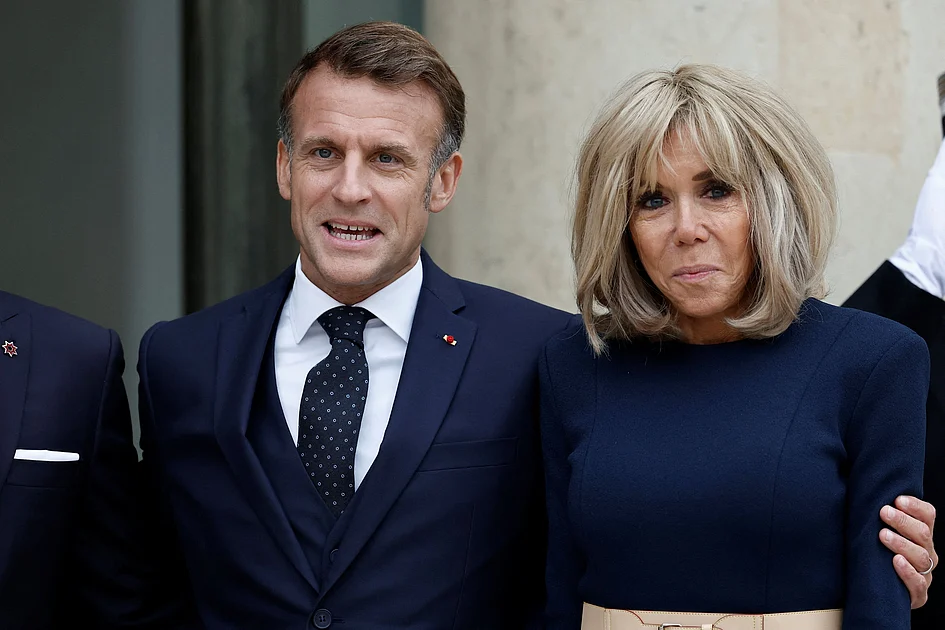
A landmark trial has commenced in Paris, where ten individuals face charges of cyber-harassment targeting French First Lady Brigitte Macron. The case stems from years of unfounded rumors and malicious online claims, including the false assertion that Brigitte Macron was assigned male at birth. The defendants, aged 41 to 60, are accused of perpetuating these harmful narratives, which have also included derogatory remarks about her age difference with President Emmanuel Macron, likening it to ‘paedophilia.’ If convicted, they could face up to two years in prison. The trial follows a defamation lawsuit filed by the Macrons in the United States in July 2025, aimed at combating the spread of these baseless allegations. Among the defendants is Aurelien Poirson-Atlan, a publicist known for his ties to conspiracy theory circles, and Delphine J., a self-proclaimed spiritual medium previously involved in a libel case against Brigitte Macron. The case highlights the broader issue of gender-based disinformation targeting prominent women in politics, including former US First Lady Michelle Obama and New Zealand ex-Prime Minister Jacinda Ardern. The Macrons have vowed to present scientific evidence to refute the claims, underscoring their commitment to defending their integrity against persistent online harassment.
分类: society
-
Students trek across Serbia to campaign for station collapse victims ahead of anniversary
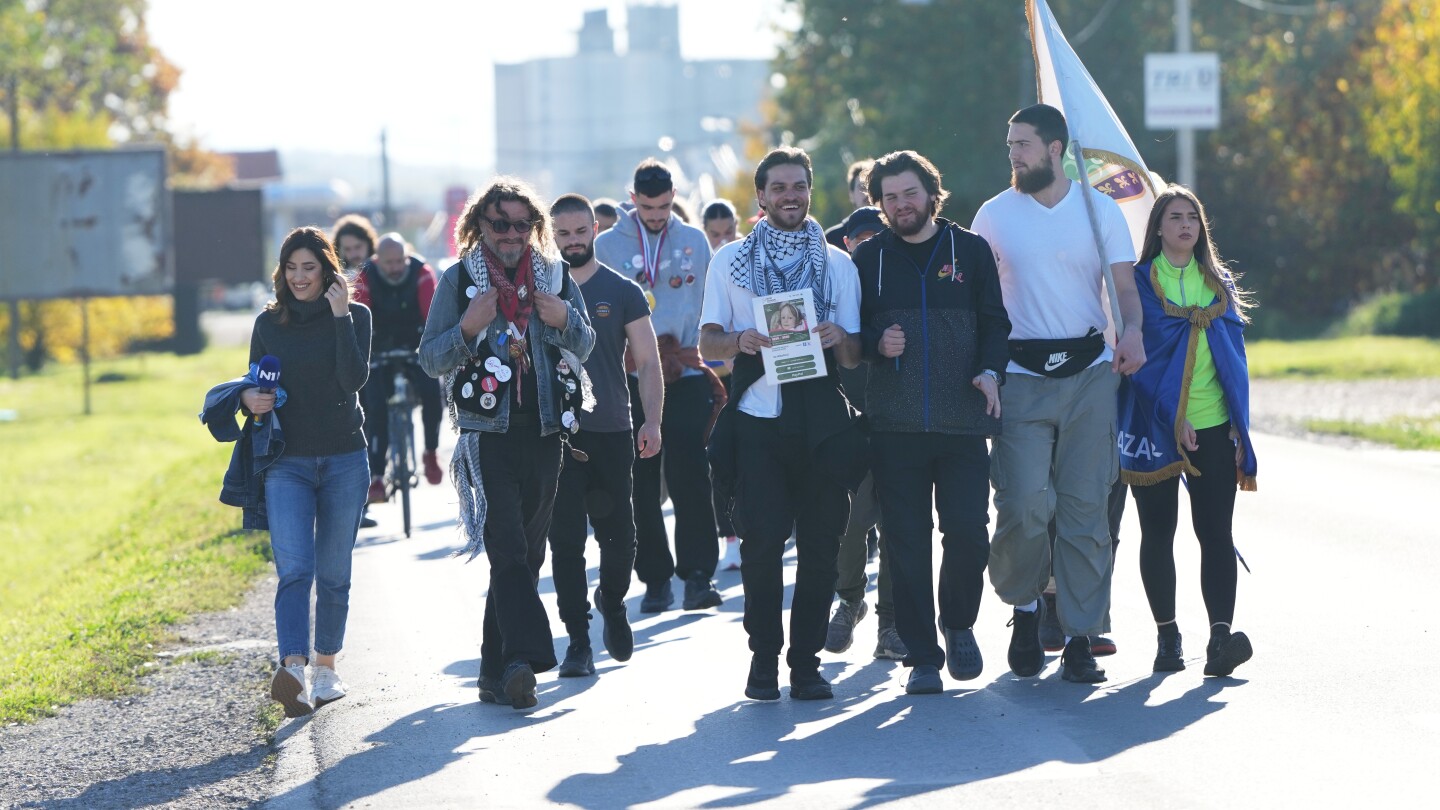
A group of nine students from southwestern Serbia has embarked on a nearly two-week-long trek across the country, aiming to draw attention to a tragic railway station disaster that occurred a year ago. The students, who set out from Novi Pazar on October 16, are determined to reach Novi Sad by November 1, the anniversary of the incident. On that day, a major rally is planned to commemorate the collapse of a canopy at the city’s train station, which claimed 16 lives. The students allege that government corruption led to substandard renovations, resulting in the tragedy. Along their journey, the group has been joined by additional supporters, and their efforts have garnered widespread public support. Chemistry student Emina Spahic expressed gratitude for the encouragement they’ve received, stating, ‘People have been honking their horns and coming out of their houses to greet us, which really means a lot.’ Over the past year, students have been at the forefront of protests demanding accountability for the disaster, challenging the populist government of President Aleksandar Vucic. Despite facing detentions and threats, the students remain resolute. Their march also aims to bridge ethnic divides in Serbia, particularly between Orthodox Christian Serbs and Muslim Bosniaks, stemming from the 1990s wars. Inas Hodzic, a biochemistry student from Novi Pazar, emphasized the unifying potential of their efforts, stating, ‘We now see we are all the same and should stand united.’ Tens of thousands are expected to gather in Novi Sad on November 1 to honor the victims and demand change.
-
What to know about the Louvre heist investigation
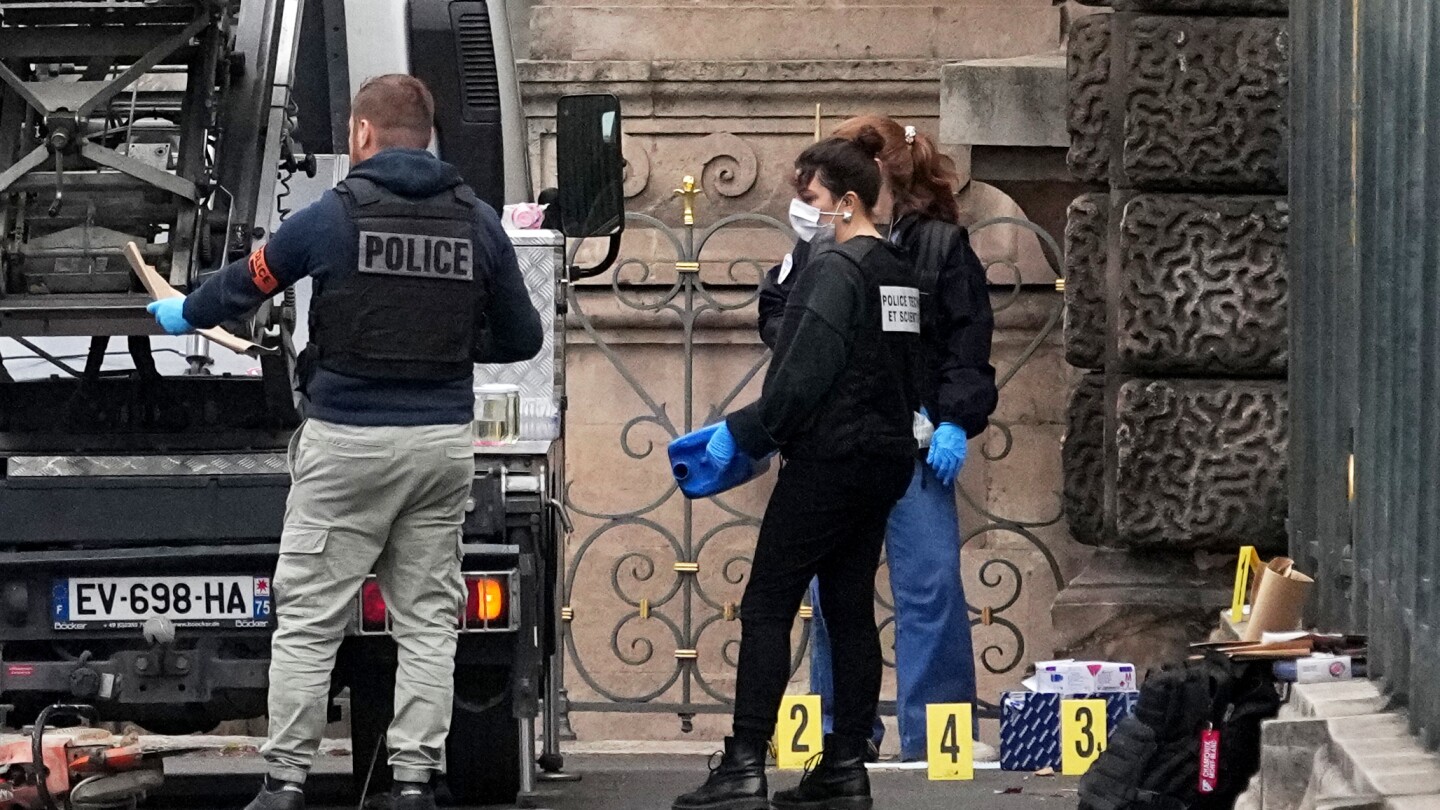
In a daring daylight heist at the Louvre Museum in Paris, thieves made off with eight priceless jewels, including a sapphire diadem, necklace, and earring linked to 19th-century queens Marie-Amélie and Hortense. The stolen items, estimated to be worth €88 million ($102 million), were taken on October 19, leaving investigators scrambling to piece together the audacious crime. Over 100 investigators are now combing through 150 DNA samples, surveillance footage, and other evidence to track down the culprits and recover the treasures. The case has captivated global attention for its brazen execution and cinematic details. French authorities have remained tight-lipped about the investigation, citing strict privacy laws and the principle of ‘secret d’instruction,’ which limits public disclosure of ongoing cases. Paris prosecutor Laure Beccuau confirmed that several arrests were made, including one suspect intercepted at a Paris airport while attempting to flee to Algeria. The suspects, whose identities remain undisclosed, could face charges of criminal conspiracy and organized theft, carrying hefty fines and lengthy prison sentences. French media reports suggest that the suspects may be held for up to 96 hours before formal charges are filed. The investigation has also involved international cooperation, with the stolen jewels added to Interpol’s Stolen Works of Art Database. French authorities are working with Eurojust and Europol to facilitate cross-border investigations. However, updates on the case are expected to remain scarce, as French law prohibits the public disclosure of indictments and verdicts, and trials are not televised.
-

Vivian Kong Man-wai: Everyone can be an athlete
At the 2025 Greater Bay Area Forum, renowned athlete Vivian Kong Man-wai emphasized that sports transcend mere competition. Speaking on Thursday, Kong highlighted that the essence of athletics lies in the spirit of participation, whether one is on the field or in the stands. ‘There are more important things than just winning,’ she stated, underscoring the broader impact of sports on personal growth and community engagement. Kong’s message resonated with the audience, as she encouraged everyone to embrace the athlete’s mindset, which fosters resilience, teamwork, and a sense of achievement. Her speech aimed to inspire individuals to see sports as a universal platform for self-improvement and collective celebration, rather than a pursuit of trophies alone.
-
King Charles III dedicates Britain’s first national memorial to LGBTQ+ troops
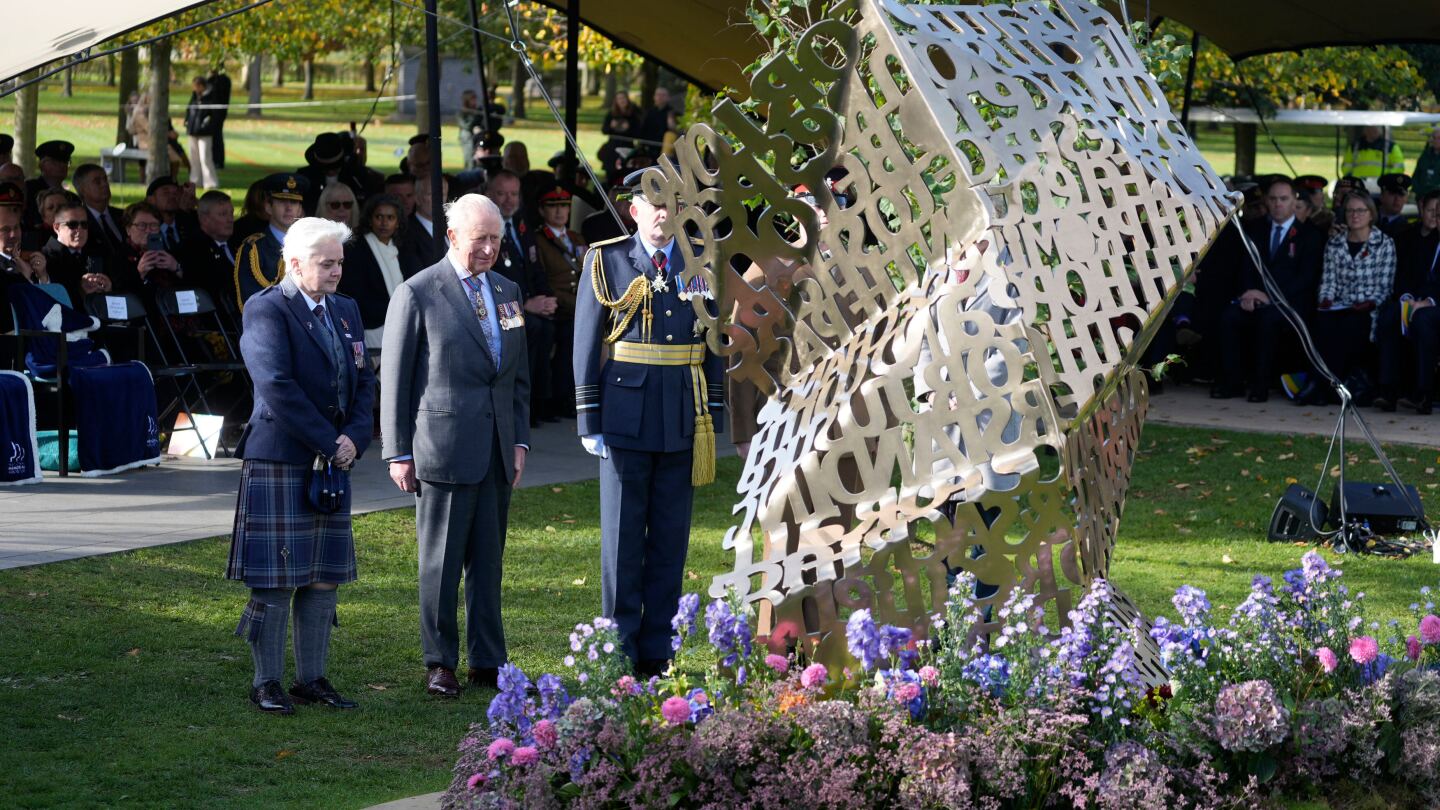
In a historic moment of recognition and reconciliation, King Charles III unveiled Britain’s first national memorial dedicated to lesbian, gay, bisexual, and transgender (LGBTQ+) military personnel on Monday. The ceremony, held at the National Memorial Arboretum in central England, marked a significant step in acknowledging the struggles and sacrifices of LGBTQ+ troops who faced discrimination and dismissal from the armed forces for decades. The memorial, a crumpled bronze letter inscribed with poignant words from affected personnel, stands as a testament to their resilience and service. The event was attended by numerous serving troops, veterans, and dignitaries, underscoring the importance of this milestone. Between 1967 and 2000, LGBTQ+ individuals in the British military were labeled unfit to serve, stripped of their ranks, medals, and pension rights, and subjected to lifelong stigma. The ban was lifted in 2000 following a landmark ruling by the European Court of Human Rights. In 2023, former Prime Minister Rishi Sunak issued a formal apology for what he termed “an appalling failure of the British state,” and a compensation program was established, offering up to £70,000 ($93,000) to affected veterans. LGBTQ+ military charity Fighting with Pride hailed the memorial as a “powerful step forward” in honoring the contributions of these troops. Veterans like Claire Ashton, who was discharged from the Royal Artillery in 1972, shared emotional reflections on the event, describing it as a moment of long-awaited pride and healing. Brigadier Clare Phillips, a 30-year veteran of the British Army, emphasized the memorial’s significance in recognizing the courage of those who paved the way for today’s LGBTQ+ service members to serve openly and with dignity.
-

UAE: Use cruise control? Here’s when it can actually put you in danger
Cruise control, a feature designed to enhance driving convenience, can occasionally malfunction, posing significant risks to drivers. Experts warn that such failures, though rare, can occur in both new and older vehicles due to mechanical faults, electronic errors, or extreme heat conditions prevalent in the UAE. Certified automotive technician Syeda Aisha Atif emphasizes that machines are not infallible, and even minor malfunctions can disrupt the system’s functionality. ‘In older cars, issues like bad wiring or blown fuses can be culprits, though complete cruise control failures are uncommon,’ she noted. Recent incidents have highlighted the dangers. Last week, Dubai Police swiftly responded to a driver whose cruise control became stuck on Emirates Road, averting a potential accident. Automotive expert Sudeep Koshy explains that disruptions in loop mechanisms, faulty electronic components, or speed sensor issues can trigger such malfunctions. Jowana Burgen, founder of Girls Mechanic Team, points out that newer vehicles, with their advanced technologies like adaptive cruise control, are particularly susceptible. ‘Extreme heat can affect electrical components, increasing the risk of failure,’ she said. In case of a malfunction, experts advise drivers to remain calm, shift to neutral gear, and call Dubai Police at 999 for immediate assistance. Regular vehicle maintenance is crucial to prevent such issues, as wear and tear can lead to unexpected failures. Drivers are also encouraged to test cruise control at lower speeds before using it on highways to ensure safety.
-
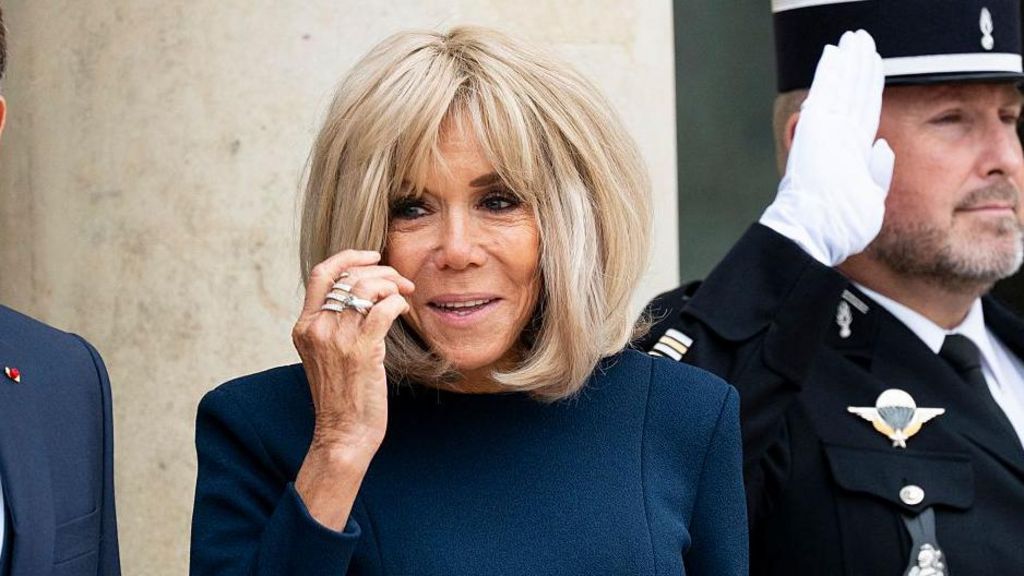
Trial to begin for ten accused of sexist cyber-bullying of Brigitte Macron
This week, a high-profile trial is set to commence in Paris, where ten individuals face charges of cyber-bullying Brigitte Macron, the wife of French President Emmanuel Macron. The defendants are accused of disseminating baseless claims regarding her gender and sexuality, alongside making derogatory comments about the 24-year age difference between the couple. If convicted, they could face up to two years in prison. Among the accused are an elected official, a gallery owner, and a teacher, as reported by French media. Notably, two of the defendants, Natacha Rey and Amandine Roy, were previously convicted of slander for asserting that Brigitte Macron did not exist and that her brother had transitioned genders. However, an appeals court later acquitted them, ruling that their statements did not meet the legal threshold for defamation. The Macron family is appealing this decision. The conspiracy theory alleging that Brigitte Macron is transgender has been circulating since Emmanuel Macron’s first presidential term in 2017. These unfounded claims have gained traction in the United States, largely propagated by right-wing influencer Candace Owens. In July, the Macrons filed a lawsuit against Owens, accusing her of spreading false information and aligning with far-right ideologies. Their lawyer, Tom Clare, described the ordeal as deeply distressing for Brigitte Macron and a significant distraction for the president. Emmanuel Macron emphasized that the legal action was a matter of defending his honor against harmful misinformation. The couple first met when Brigitte was a teacher at Emmanuel’s secondary school, and they married in 2007.
-

Nature’s light show: UAE shores glow blue with unique bioluminescence
Dubai’s shores have recently been transformed into a mesmerizing natural light show, as bioluminescence has illuminated the waters, captivating nature enthusiasts and locals alike. This rare phenomenon, caused by tiny microorganisms called plankton, emits a bluish glow under specific environmental conditions—warm, calm waters, and complete darkness, away from city lights. The spectacle has drawn crowds to various beaches across the emirate, with many describing it as a “magical” experience. Muhammed Sajjad, known as the ‘UAE weatherman’ on social media, first spotted the phenomenon last week and shared the news with his followers. He emphasized that witnessing bioluminescence is a bucket-list experience for nature lovers due to its breathtaking beauty. Sajjad also identified a public beach at Dubai Islands as an ideal spot for viewing, prompting many to visit and share their awe-inspiring encounters. While the phenomenon is not entirely rare, it requires precise conditions to be visible. This marks the second time in recent years that bioluminescence has been observed in the UAE, with previous sightings in Jumeirah and Umm Al Quwain. The event has sparked interest among residents, with some even planning trips to Oman’s Sur city, where similar occurrences have been reported. Despite the challenge of capturing the glow in photographs, the experience remains unforgettable for those fortunate enough to witness it.
-
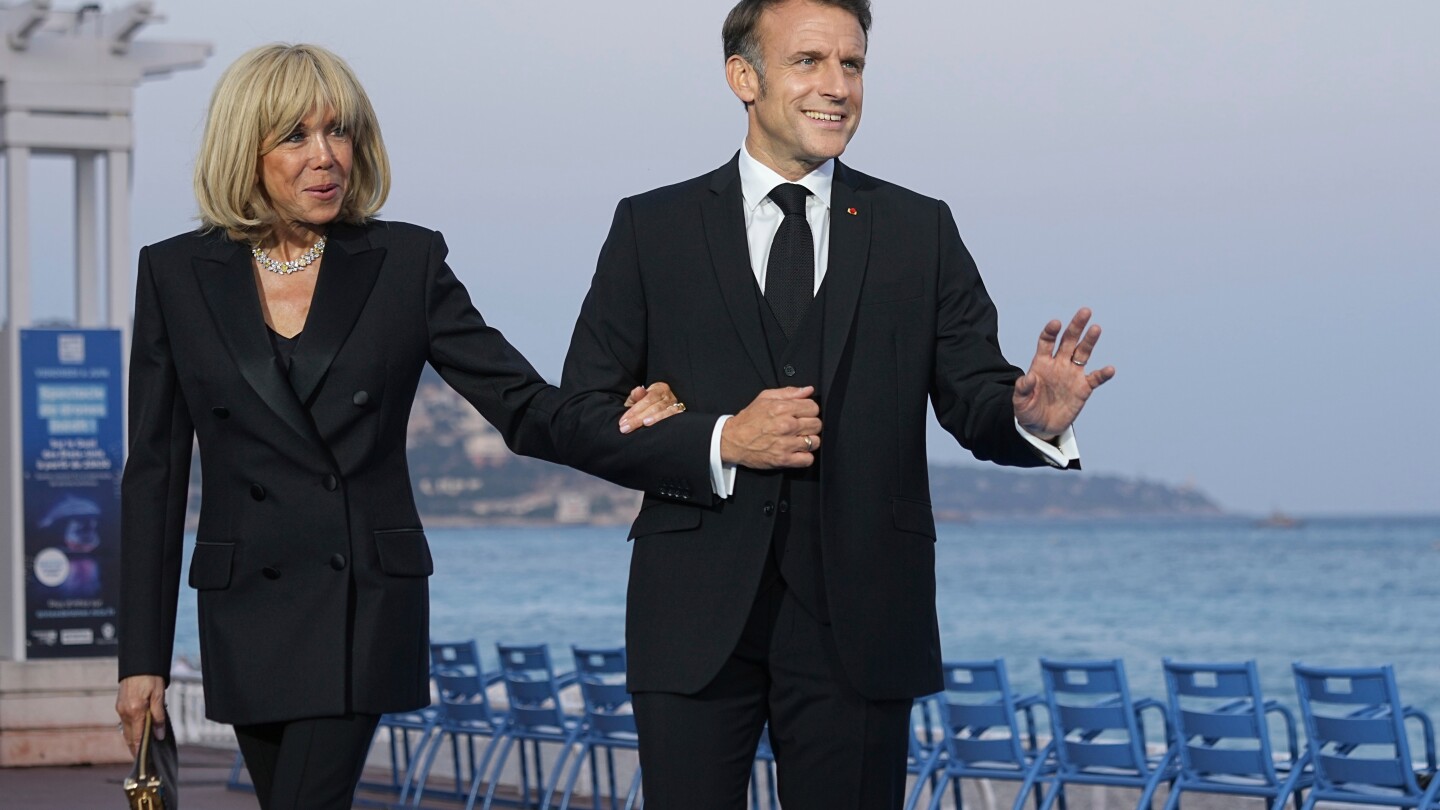
Ten people face trial accused of cyberbullying French president’s wife Brigitte Macron
A high-profile trial commenced in Paris on Monday, involving ten individuals accused of cyberbullying Brigitte Macron, the wife of French President Emmanuel Macron. The defendants, comprising eight men and two women aged between 41 and 60, are alleged to have disseminated malicious online comments questioning Brigitte Macron’s gender and sexuality, as well as making unfounded claims about her age gap with her husband, insinuating inappropriate behavior. Among the accused are a self-proclaimed medium, an advertising executive, an elected official, a teacher, and a computer scientist. Some of the defendants have significant social media followings, with posts garnering tens of thousands of views. The case highlights the persistent conspiracy theories surrounding Brigitte Macron, including baseless claims that she was born male and transitioned to female. This trial follows a defamation lawsuit filed by the Macrons in July in a Delaware court against U.S. conservative influencer Candace Owens, who has propagated similar allegations. Owens, known for her controversial views, has a substantial online presence, with her YouTube channel boasting 4.5 million subscribers. The Paris trial is part of a broader legal battle, as the Macrons continue to combat defamatory claims. In September 2024, Brigitte and her brother Jean-Michel Trogneux won a defamation case against two women, though the ruling was later overturned by a Paris appeals court. The Macrons have since appealed to France’s highest court. The couple, married since 2007, first met when Emmanuel Macron was a student and Brigitte was his teacher. Brigitte, 24 years older than her husband, has faced relentless scrutiny and misinformation, which this trial seeks to address.
-
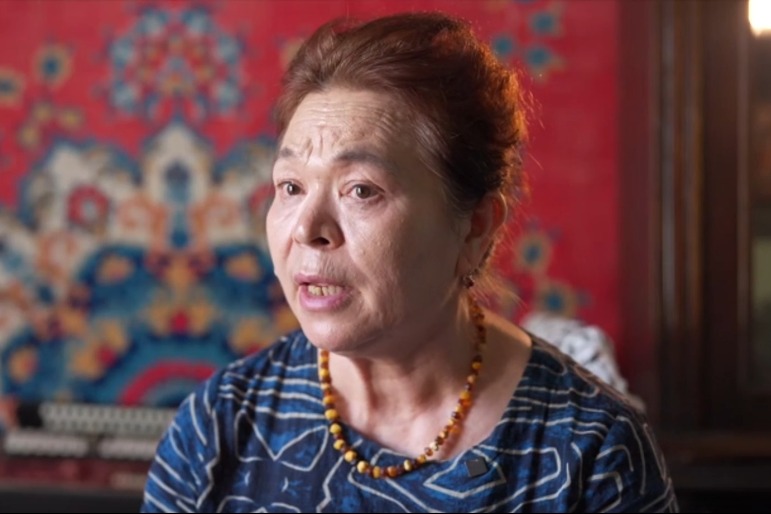
Preserving Russian ethnic culture in Xinjiang
In the heart of Tacheng prefecture, Xinjiang, Wang Guangsheng stands as a beacon of cultural preservation, dedicating her life to safeguarding the rich heritage of the Russian ethnic community. As an inheritor of intangible cultural heritage, Wang employs a multifaceted approach to keep the traditions alive. Through the meticulous curation of ancient artifacts, the revival of traditional melodies, and the facilitation of intergenerational dialogues, she ensures that the essence of this ancient culture is not lost to time. Wang’s journey is a testament to the resilience and dedication required to preserve cultural identity in a rapidly modernizing world. Her efforts not only honor the past but also provide a bridge for future generations to connect with their roots. This story highlights the importance of cultural preservation in maintaining the diverse tapestry of China’s ethnic communities.