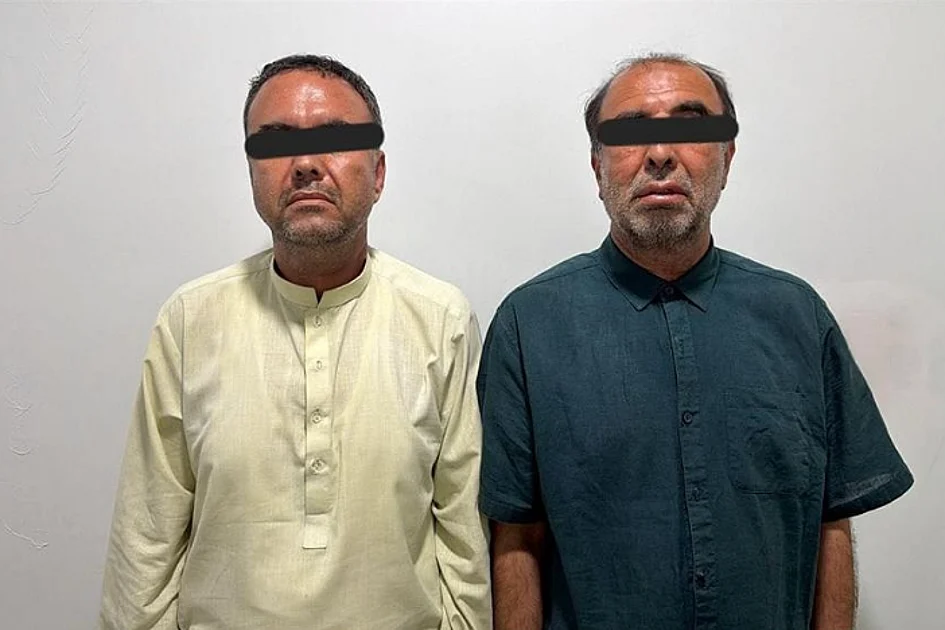
In a swift and decisive operation, Fujairah Police successfully apprehended a criminal gang notorious for targeting bank customers, just three hours after they executed their latest heist. The gang, which had been on the radar of law enforcement in another emirate, was involved in a sophisticated scheme that resulted in the theft of Dh195,000 from a woman. The incident unfolded on the morning of October 23, when the victim reported being deceived by the criminals. The perpetrators had lured her out of her vehicle by falsely claiming there was an issue with her rear tire. Seizing the opportunity, one of the thieves accessed the opposite door and made off with the cash. The police, acting promptly, formed a specialized unit to investigate the crime. Through coordinated efforts with Sharjah Police, the suspects were identified, arrested, and handed over to the relevant authorities for legal proceedings. Authorities have urged the public to remain vigilant, especially when leaving banks, and to report any suspicious activities immediately. This incident highlights the ongoing efforts by UAE law enforcement to combat organized crime and ensure public safety. Earlier this year, Fujairah’s judicial system also handed down severe penalties in unrelated cases, including life sentences for drug smuggling and jail terms for privacy violations, underscoring the emirate’s commitment to upholding the law.
分类: society
-

‘Why rugby?’: Meet UAE women tackling stereotypes on the field
In a society where traditional gender roles often dominate, a group of Emirati women is challenging stereotypes and redefining what it means to be strong, determined, and free. These women, part of the UAE Rugby Federation’s all-Emirati, all-women team, Al Maha, are not just athletes—they are mothers, students, and dreamers who have found empowerment through the sport of rugby. Despite societal skepticism and family objections, they have embraced rugby as a source of strength, confidence, and purpose. The sport, often perceived as rough and unsuitable for women, has become a platform for these athletes to break barriers and inspire future generations. Rugby was introduced in UAE public schools as part of a talent discovery initiative, with the best players selected to join teams like Al Maha for girls and Al Shaheen for boys. These teams compete against professional clubs, gaining valuable experience and exposure. For many of these women, rugby is more than just a game—it’s a way of life. Zainab Alsuwaidi, a 23-year-old medical student, mother, and national rugby player, began her journey at 17. Initially, her family opposed her participation, viewing rugby as too violent. However, after being selected to represent the UAE in Tunisia, she gained their support. Alsuwaidi’s story is one of resilience, balancing motherhood, studies, and rugby with unwavering determination. Fatima Ali Al Blooshi, 25, was one of the first Emirati women to play rugby. Despite initial family rejection and financial challenges, she persisted, driven by her love for the sport. Over eight years, she has represented the UAE in international tournaments, proving that rugby can be played safely and successfully. Aisha Waleed Al Ali, just 17, transitioned from football to rugby, quickly rising to the national team. Her journey highlights the importance of teamwork, quick thinking, and determination. Supported by the Player Pathway Program (PPP), these women are part of a growing movement to develop Emirati talent for national and Olympic competitions. Their stories are a testament to the power of sport to transform lives and challenge societal norms.
-
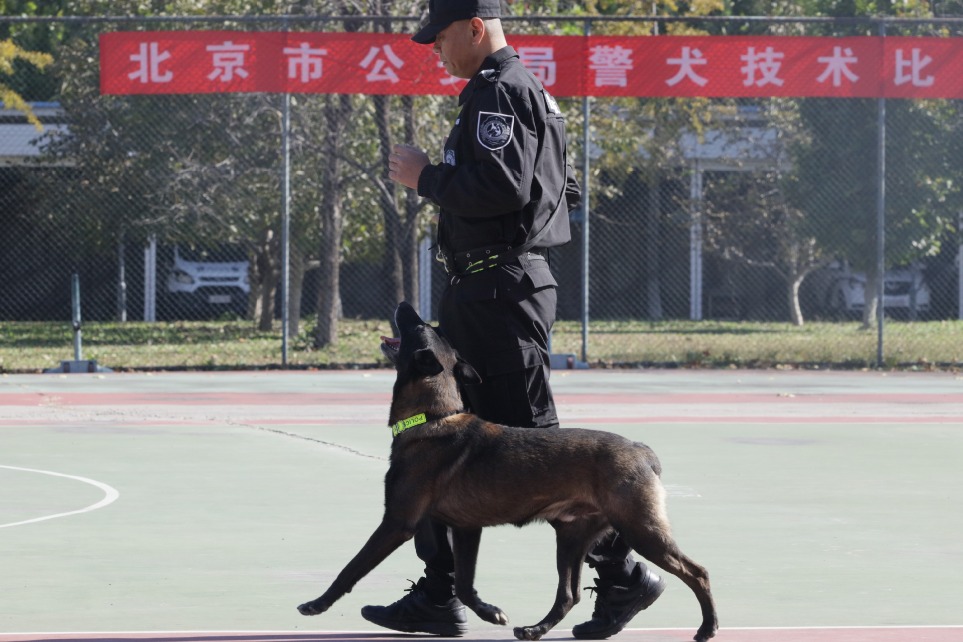
Police dog skills competition held in Beijing
The Beijing Municipal Public Security Bureau successfully concluded its annual Police Dog Skills Competition, held from October 24 to 27, 2025. The event, which showcased the exceptional abilities of police dogs and their handlers, attracted 125 participants and 108 highly trained canines from 19 teams across the region. The competition, held in Beijing, featured a series of rigorous challenges designed to test the dogs’ obedience, agility, and specialized skills in law enforcement scenarios. The event not only highlighted the critical role of police dogs in maintaining public safety but also served as a platform for handlers to exchange expertise and enhance their training techniques. The competition concluded with a ceremony recognizing the top-performing teams, further emphasizing the importance of these canine partners in modern policing.
-
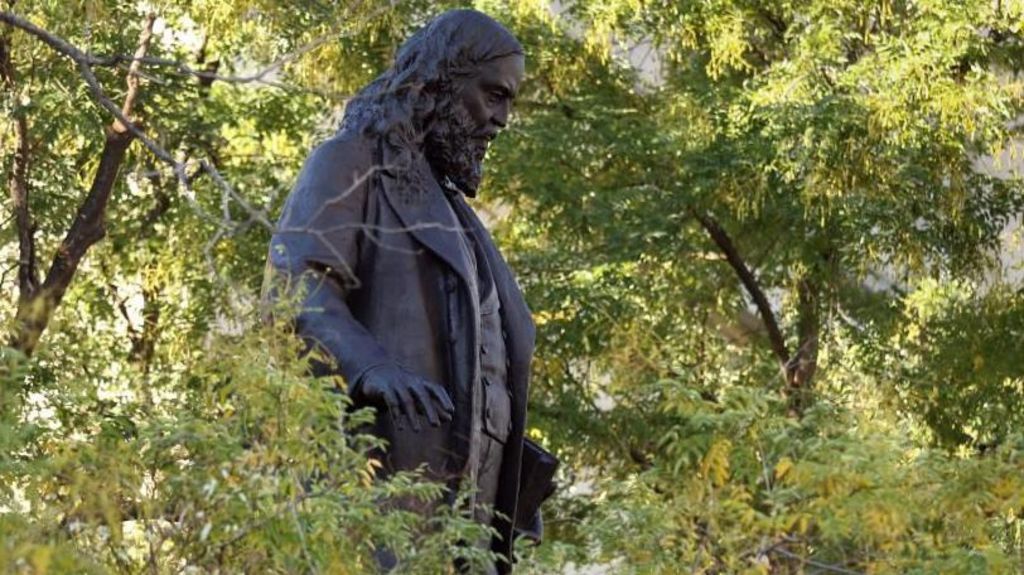
Confederate statue torn down during anti-racism protests reinstalled in Washington
A statue of Confederate General Albert Pike, which was torn down and set ablaze during the 2020 social justice protests, has been reinstalled in Washington, D.C., following an executive order from President Donald Trump. The statue, erected in 1901, has long been a flashpoint in the debate over Confederate monuments, many of which were constructed decades after the Civil War. The National Park Service announced its plan to restore the statue in August, citing federal responsibilities under historic-preservation laws and Trump’s directive to ‘Restore Truth and Sanity to American History.’ The decision has drawn sharp criticism, particularly from Democratic Delegate Eleanor Holmes Norton, who represents the District of Columbia. Norton called the restoration ‘offensive to members of the military who serve honorably’ and reiterated her long-standing opposition to the statue, which she has sought to remove permanently through legislation. Pike, a controversial figure, has been accused of dishonorable conduct during the Civil War, including misappropriating funds and being captured by his own troops. Critics also allege his involvement in the formation of the Ku Klux Klan, though the Freemasons, who funded the statue, deny these claims. The statue’s reinstatement comes amid a broader national reckoning with systemic racism, sparked by the murder of George Floyd in 2020. Floyd’s death led to the removal of over 300 Confederate monuments across the U.S., making the restoration of Pike’s statue a contentious issue. The area surrounding the statue now bears a sign indicating ongoing historic preservation work, as the debate over the role of such monuments in public spaces continues.
-
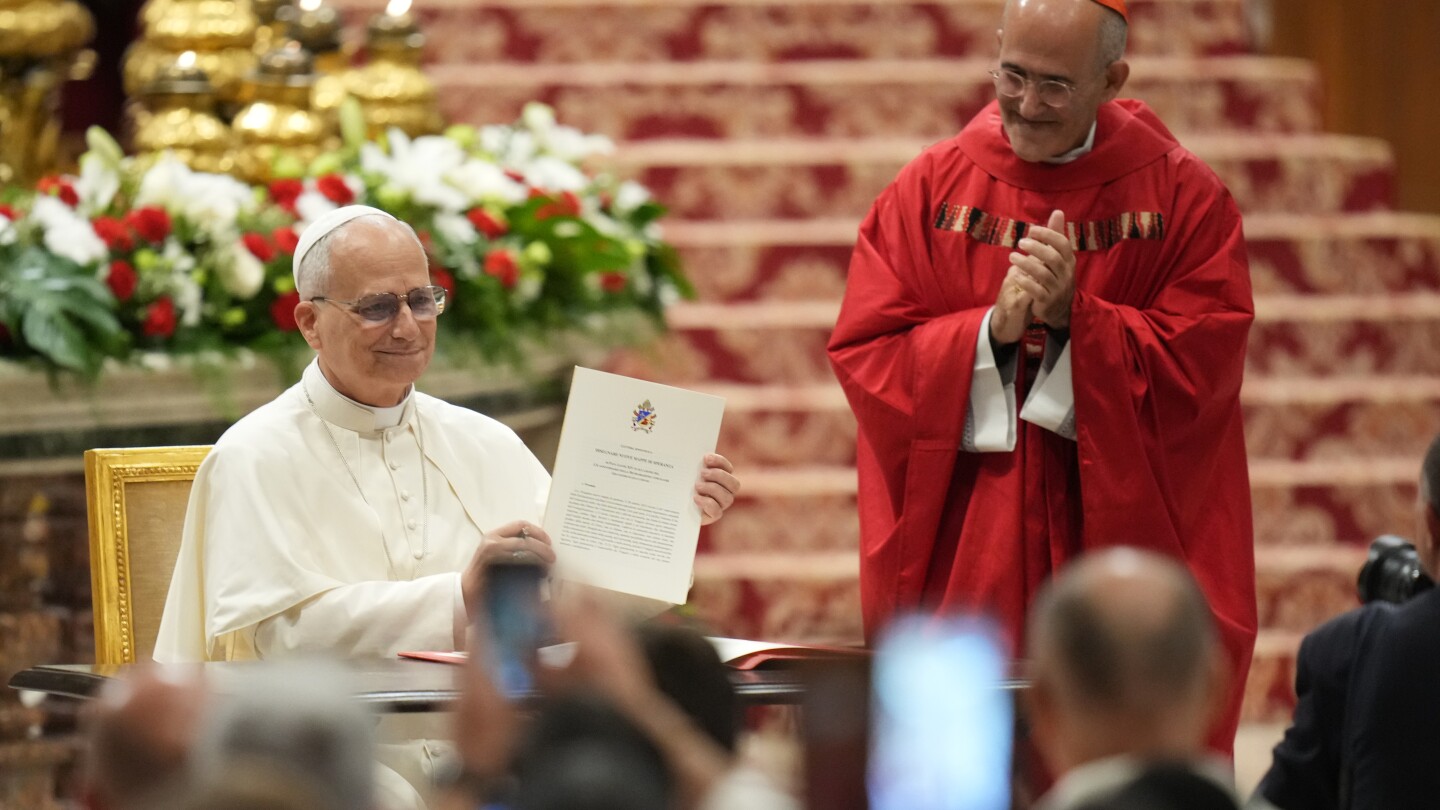
Pope urges Catholic teachers to focus less on professional outcomes, more on spiritual lives
ROME (AP) — Pope Leo XIV has issued a compelling directive to Catholic educators, urging them to prioritize the spiritual and moral development of students over pre-professional outcomes. Speaking during a special Holy Year celebration in Rome, which drew thousands of teachers, students, and administrators, the Pope emphasized the need to integrate technology in ways that uphold human dignity. This message was formalized in a document signed on Monday, updating the 1965 Vatican guidelines for Catholic education established during the Second Vatican Council. The Catholic Church remains a global leader in education, operating over 225,000 primary and secondary schools and enrolling 2.5 million students in Catholic universities worldwide. Pope Leo, an Augustinian, stressed the importance of parents as primary educators and called for Catholic schools to collaborate with families rather than replace them. He also highlighted the role of teachers as moral exemplars, stating, ‘Educators are called to a responsibility that goes beyond their work contract: their witness is worth as much as their lessons.’ The Pope avoided contentious issues like teachers’ private lives or sexual orientation, focusing instead on the broader mission of Catholic education. He critiqued the ‘mercantilist approach’ that reduces education to functionality and practical utility, advocating instead for a vision rooted in dignity, justice, and the common good. Building on Pope Francis’s priorities of inclusion, ecology, and the common good, Leo added three new emphases: fostering students’ spiritual lives, using non-violent language, and promoting responsible technology use, including artificial intelligence. ‘The Catholic school is a place where faith, culture, and life cross paths,’ he wrote. ‘It’s not just an institution, but a living environment in which the Christian vision permeates every discipline and every interaction.’
-
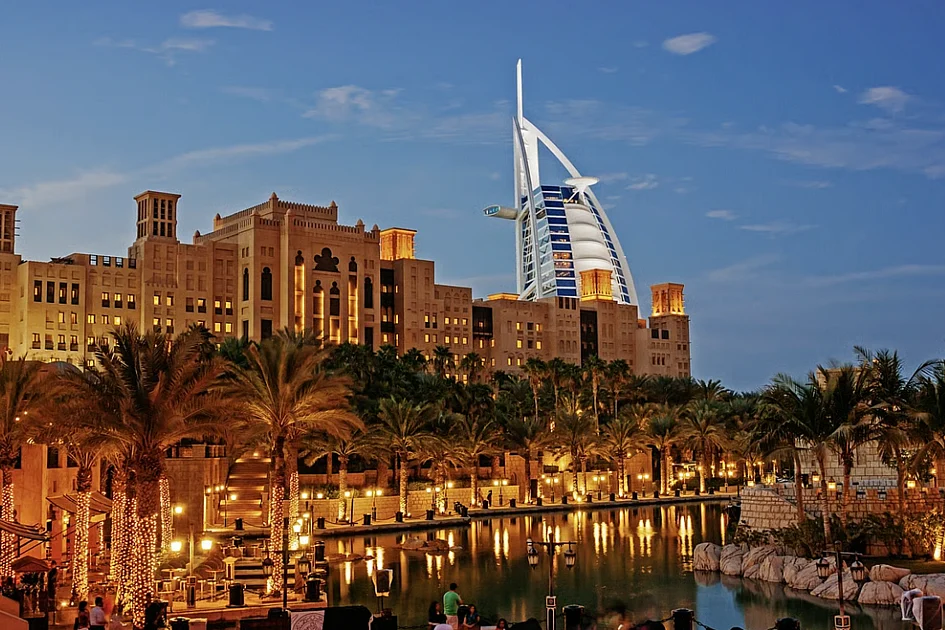
Sheikh Zayed’s visit, Dubai Ruler’s 1am call: How UAE Royals helped build tourism industry
The UAE’s transformation into a global tourism hub is a story of vision, dedication, and royal leadership. In 1988, the country welcomed its first 1,000 tourists, a milestone marked by personal touches from Emirati leaders. Nasser Al Nowais, then head of the Abu Dhabi National Hospitality (ADNH) group, recalled the challenges of attracting visitors to the emirate. “We had no tourists in Abu Dhabi,” he said. Determined to change this, his team attended a travel fair in Berlin, successfully bringing in the first wave of international tourists. These visitors were personally greeted at the airport, escorted to hotels, and shown the city’s attractions, leaving with lasting memories of Emirati hospitality. This initiative was deeply rooted in the vision of the late Sheikh Zayed bin Sultan Al Nahyan, the UAE’s Founding Father, who encouraged the promotion of Emirati culture and cuisine. Inspired by Sheikh Zayed, Nasser laid the groundwork for what would become one of the world’s most vibrant tourism industries, eventually co-founding Rotana Hotels, which now manages over 80 properties globally. Gerald Lawless, a key figure in Dubai’s hospitality sector, shared anecdotes of the royal family’s hands-on involvement. He recounted a 1am call from Sheikh Mohammed bin Rashid Al Maktoum, who arrived to inspect the Jumeirah Beach Hotel for an executive meeting. “He gave me a full hour to be ready,” Gerald chuckled, highlighting the royal’s attention to detail. Gerald also spearheaded iconic marketing campaigns, such as Roger Federer and Andre Agassi’s tennis match on the Burj Al Arab helipad, which catapulted Dubai onto the global stage. Both Nasser and Gerald emphasized that the UAE’s success lies in its people. “Treat your team with respect, and everything else follows,” Nasser said. Gerald echoed this, sharing Jumeirah’s golden rules: always greet guests with a smile, never say ‘no’ as the first response, and treat colleagues with respect. Today, Abu Dhabi welcomes millions of visitors annually, a testament to the enduring legacy of the UAE’s royal visionaries.
-

Trial dropped for man who stabbed girl in West End
A 33-year-old man, Ioan Pintaru, who stabbed an 11-year-old Australian girl in a random knife attack in London’s West End last summer, will not face trial for attempted murder, a court has ruled. Pintaru, a Romanian national with no fixed address, had previously pleaded guilty to wounding the girl with intent to cause grievous bodily harm and possession of a knife. However, he denied the charge of attempted murder, which was set to be tried at the Old Bailey. During a brief hearing on Tuesday, Judge Richard Marks KC announced that the prosecution would not proceed with the attempted murder charge, and sentencing is now scheduled for December 16. The victim, who was on holiday with her mother at the time of the attack, sustained multiple injuries to her face, shoulder, wrist, and neck. Pintaru, currently held in a high-security hospital in Liverpool, was not required to attend the hearing. The victim’s family, based in Australia, will be able to join the sentencing hearing via video link. No explanation was provided in court for the decision to drop the trial. The attack occurred on August 12, 2024, when Pintaru allegedly approached the girl outside a Lego store, placed her in a headlock, and stabbed her eight times. Bystanders intervened, disarmed the attacker, and held him until police arrived. Forensic officers later combed the scene for evidence. The case has drawn attention to the issue of random violence in London, though further details on the prosecution’s decision remain undisclosed.
-
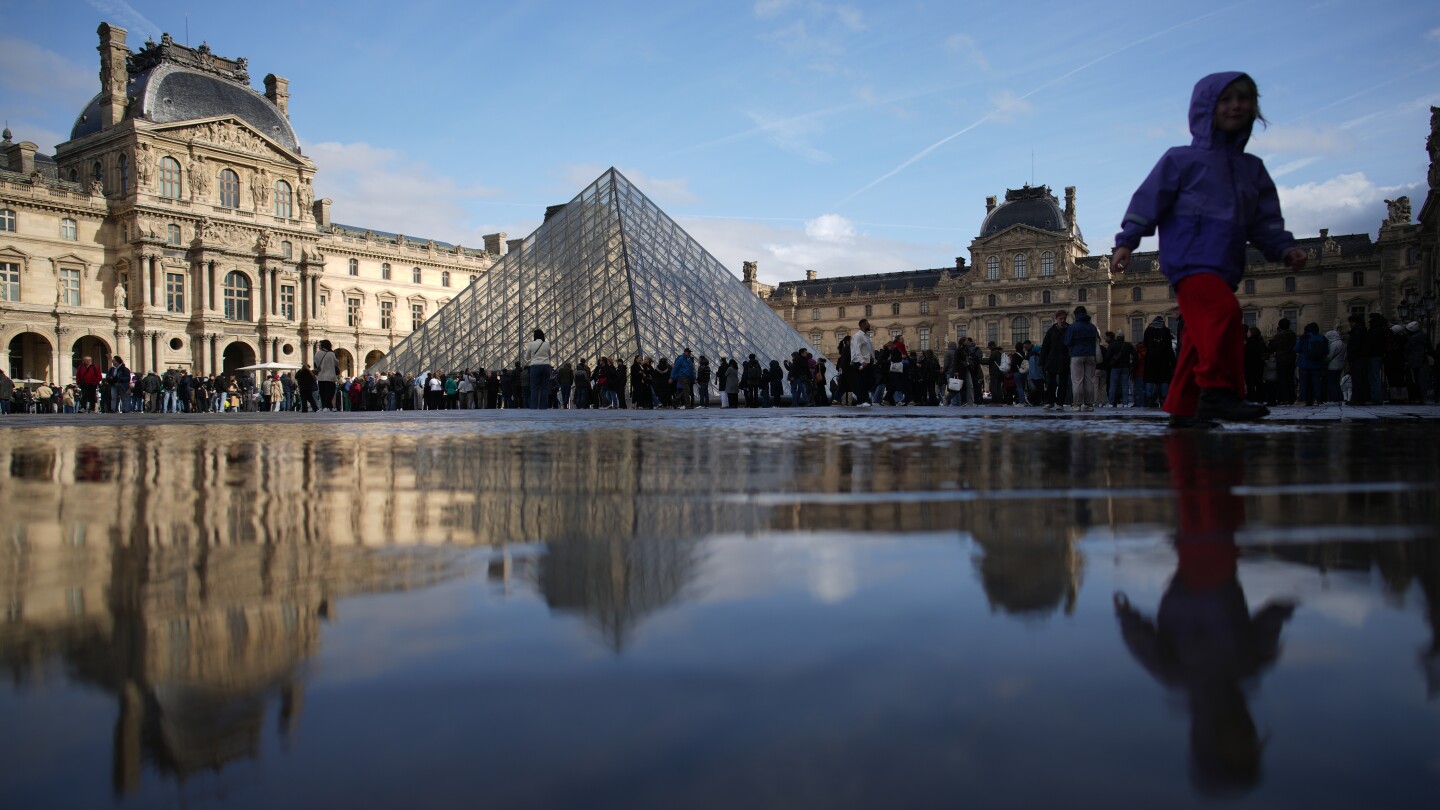
French senators say security at the Louvre is ‘not in line’ with modern standards and demand action
A delegation of French senators conducted an inspection of the Louvre Museum on Tuesday, concluding that the institution’s security measures fall short of contemporary standards. This assessment follows a high-profile heist on October 19, where thieves stole jewels worth €88 million ($102 million) in under eight minutes. The intruders reportedly used a basket lift to scale the museum’s façade, forced open a window, breached display cases, and escaped undetected. Two suspects were subsequently arrested on Sunday and are currently under police interrogation. Senator Laurent Lafon, who chairs the Senate’s Culture Committee, emphasized the inadequacy of the Louvre’s security systems, stating, ‘We all noticed that the security equipment is not suitable for a 21st-century museum such as the Louvre. It is our flagship, it must be exemplary, and today we cannot describe the security conditions at the Louvre as exemplary.’ Lafon highlighted the need for significant improvements, particularly addressing vulnerabilities in outdoor surveillance cameras, though he refrained from divulging specific details due to confidentiality concerns. The senators have called for the expedited implementation of the ‘Louvre New Renaissance’ plan, a decade-long initiative launched earlier this year aimed at modernizing the museum’s infrastructure, reducing overcrowding, and creating a dedicated gallery for the Mona Lisa by 2031. The project, estimated to cost up to €800 million ($933 million), is currently under discussion as part of France’s 2026 budget deliberations.
-
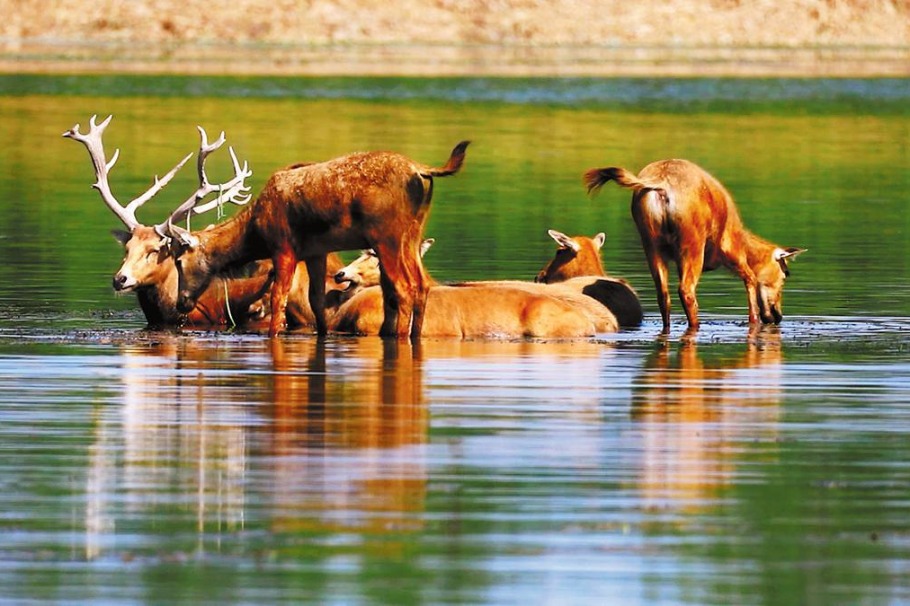
China’s milu deer population grows 200-fold since 1985
China’s remarkable efforts to revive the milu deer population have been celebrated at the 2025 International Symposium on Milu and Ecological Conservation in Beijing. The event, held from October 24 to 25 as part of the Zhongguancun Forum series, brought together over 100 experts from nine countries, including zoologists, ecologists, and conservationists. Since the reintroduction program began in 1985 in collaboration with the United Kingdom, the milu deer population has surged from a mere 77 to approximately 15,000—a staggering 200-fold increase. Initially confined to two reserves in Beijing and Jiangsu province, the deer now inhabit over 100 breeding populations across 27 provinces. Moreover, wild populations have flourished, with six groups totaling more than 6,000 animals thriving in various regions. This extensive network is hailed as the world’s largest and most comprehensive system for milu conservation, setting a global benchmark for wildlife reintroduction efforts.
-
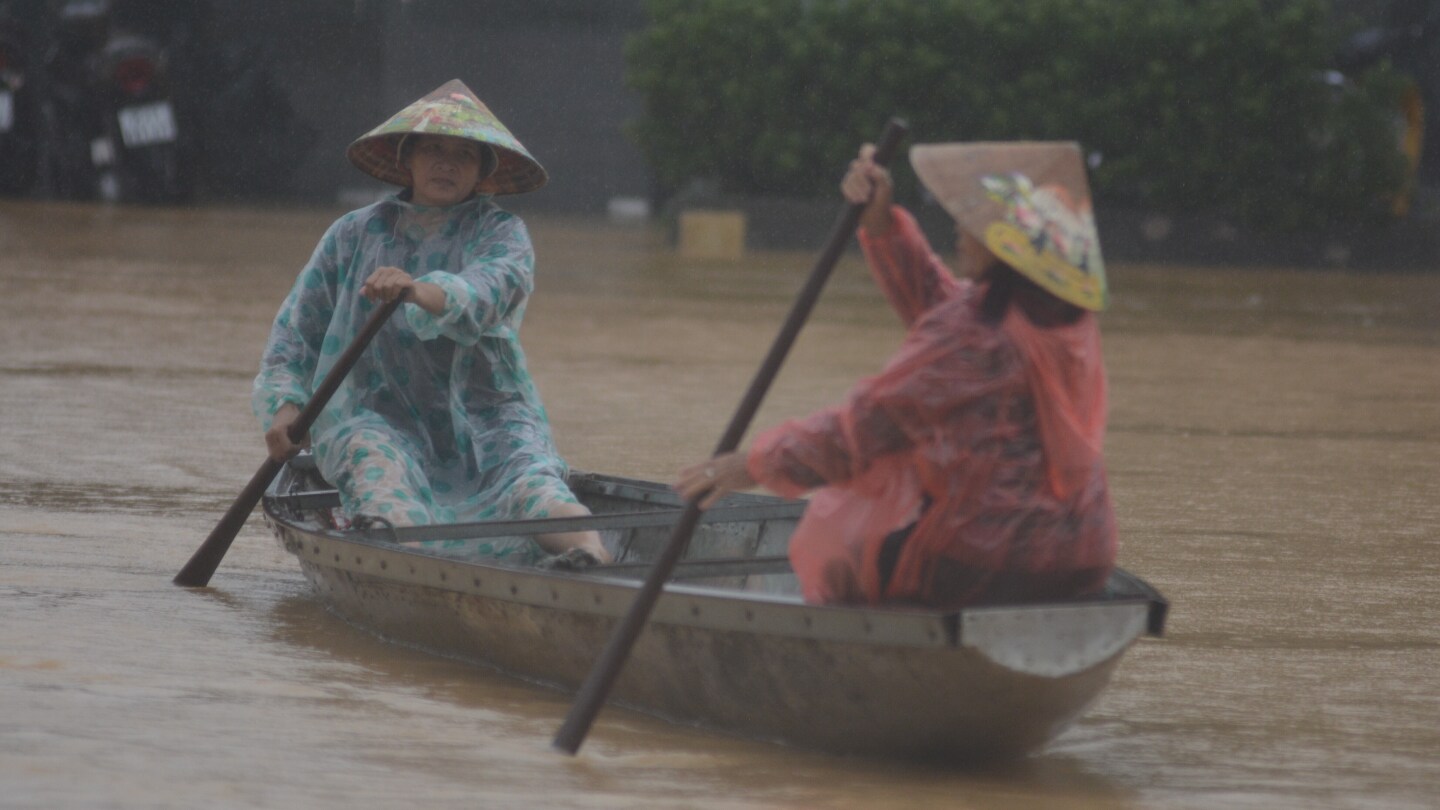
Record rainfall causes major flooding in Vietnam, submerging ancient sites
Central Vietnam is grappling with unprecedented flooding triggered by relentless heavy rains, which have submerged homes, farmland, and iconic tourist destinations, including the historic cities of Hue and Hoi An. According to Vietnam’s meteorological department, Hue recorded a staggering 1,085.8 millimeters (42 inches) of rainfall within 24 hours by late Monday, marking the highest volume ever documented in the country. The Perfume River in Hue surged to 4.62 meters (15 feet), while waist-deep floods engulfed Hoi An’s ancient town, forcing tourists to evacuate by boat. Persistent rainfall and water releases from hydroelectric dams caused the Hoai River to rise nearly 2 meters (6.5 feet), exacerbating the crisis. State media reported that 32 of Hue’s 40 residential areas were inundated, with residents resorting to boats to navigate submerged streets. The floods also disrupted the train route between Hanoi and Ho Chi Minh City, stranding thousands of passengers. In a bid to safeguard infrastructure, Vietnam’s railways deployed 19 train carriages loaded with 980 tonnes (1,080 U.S. tons) of heavy stones to stabilize a bridge at risk of being swept away. The Australian nonprofit Blue Dragon Children’s Foundation highlighted that approximately 1,000 people in rural Thua Thien Hue province, including 200 children, are isolated and in urgent need of assistance due to flooding and landslides. Meteorologists had earlier warned of severe rainfall, floods, and landslides as storm Fengshen approached. Experts attribute the intensification of such storms to global warming, which fuels tropical storms with warmer oceans, leading to stronger winds, heavier rainfall, and altered precipitation patterns across East Asia. Vietnam, one of the world’s most flood-prone nations, faces heightened risks with nearly half its population residing in vulnerable areas.