
A coalition of Jewish organizations has strongly criticized the Anti-Defamation League (ADL) for its creation of the ‘Mamdani Monitor,’ labeling it as a blatantly Islamophobic and racist initiative targeting New York City mayor-elect Zohran Mamdani. The coalition, which includes groups such as IfNotNow, Bend the Arc: Jewish Action, and J Street NYC, released a letter on Tuesday condemning the project, stating that it undermines the collective fight against antisemitism and Islamophobia in the city. The letter emphasized unity with Mamdani and rejected the ADL’s claim to represent all Jewish communities. It also highlighted Mamdani’s commitment to combating hate violence and his outreach to Jewish communities during his campaign. The ADL, however, defended its initiative, with CEO Jonathan Greenblatt asserting that Mamdani has promoted antisemitic narratives and demonstrated animosity toward Israel. The tracker has faced widespread backlash, with critics accusing the ADL of scaremongering and conflating criticism of Israel with antisemitism. Despite the controversy, Greenblatt stated that the monitor would also share positive news if Mamdani’s administration takes steps to ensure the safety and inclusion of Jewish New Yorkers.
分类: society
-
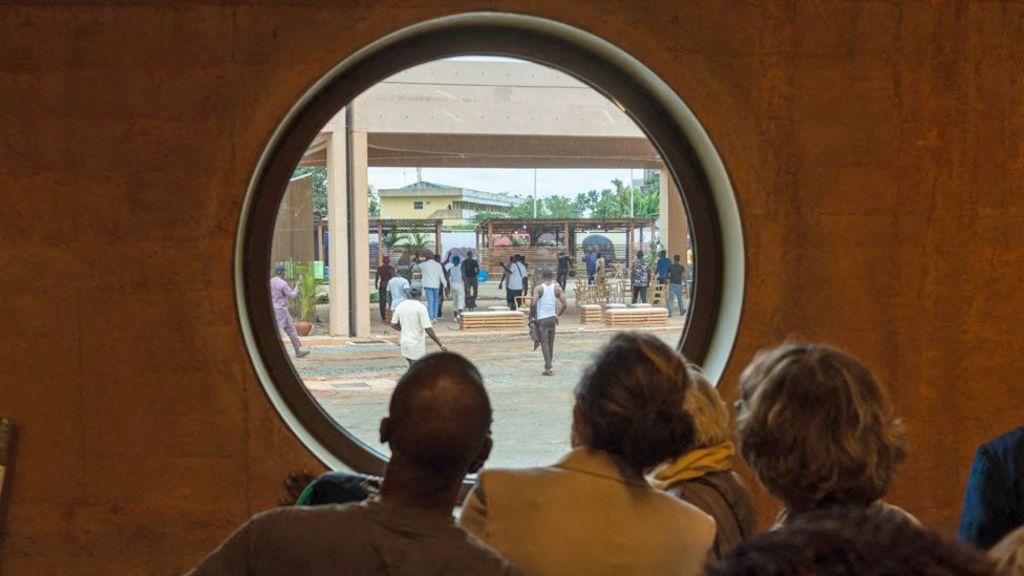
The fallout from Nigeria’s spectacular $25m museum and the Benin Bronzes
The much-anticipated opening of Nigeria’s Museum of West African Art (Mowaa) in Benin City has been marred by political disputes and protests, casting a shadow over what was meant to be a celebration of regional creativity. The six-hectare campus, designed by renowned British-Ghanaian architect Sir David Adjaye, was envisioned as a cultural hub to honor the legacy of the Benin Bronzes and foster contemporary African art. However, tensions escalated when the Edo state government revoked the museum’s land use rights, citing a name change from ‘Edo Museum of West African Art’ to simply ‘Mowaa.’ This decision followed protests demanding the museum be renamed the Benin Royal Museum and placed under the control of the local traditional ruler, Oba Ewuare II. The controversy highlights deeper political rivalries, with the new governor’s administration seeking greater influence over the project, which was championed by the previous governor, Godwin Obaseki. The museum, a $25 million initiative funded by international donors and the Edo state government, aims to create over 30,000 jobs and contribute $80 million annually to the regional creative economy. Despite its ambitious goals, the absence of the Benin Bronzes—looted by British soldiers in 1897 and now scattered across Western museums—remains a contentious issue. Mowaa’s executive director, Phillip Ihenacho, emphasized the museum’s broader vision to inspire contemporary African creativity across various art forms, rather than focusing solely on historical artifacts. As the government works to resolve the dispute, Mowaa’s staff remain committed to redefining the role of a modern African museum, even in the face of political and logistical challenges.
-

The case for and against counting castes in India
India’s caste system, a deeply entrenched social hierarchy, continues to shape the nation’s socio-political landscape. The upcoming 2027 national census will mark a historic shift by including a full enumeration of castes for the first time in nearly a century. This move, driven by political pressure and demands for equitable distribution of government benefits, aims to provide a clearer picture of who benefits from affirmative action and who remains marginalized. However, the initiative has sparked intense debate among scholars and activists. Anand Teltumbde, a prominent scholar-activist, warns that counting castes risks legitimizing and perpetuating the very system it seeks to address. In his provocative book, *The Caste Con Census*, Teltumbde argues that caste is inherently hierarchical and defies measurement, echoing B.R. Ambedkar’s call for the annihilation of caste rather than its management. Critics like Teltumbde fear that the census could be exploited by political parties to redraw quotas or fuel caste-based resentment, further entrenching inequality. On the other hand, proponents such as sociologist Satish Deshpande and economist Mary E John view the census as a necessary tool for achieving social justice. They argue that reliable caste data can expose both privilege and deprivation, enabling more targeted welfare policies. Political scientist Sudha Pai suggests that linking caste data to income and educational indicators could shift India from a caste-based to a rights-based welfare system. Yet, challenges abound, from the complexity of data collection to the risk of solidifying caste identities. As India prepares for this monumental exercise, the question remains: Will the caste census pave the way for social justice, or will it deepen the divisions it seeks to address?
-
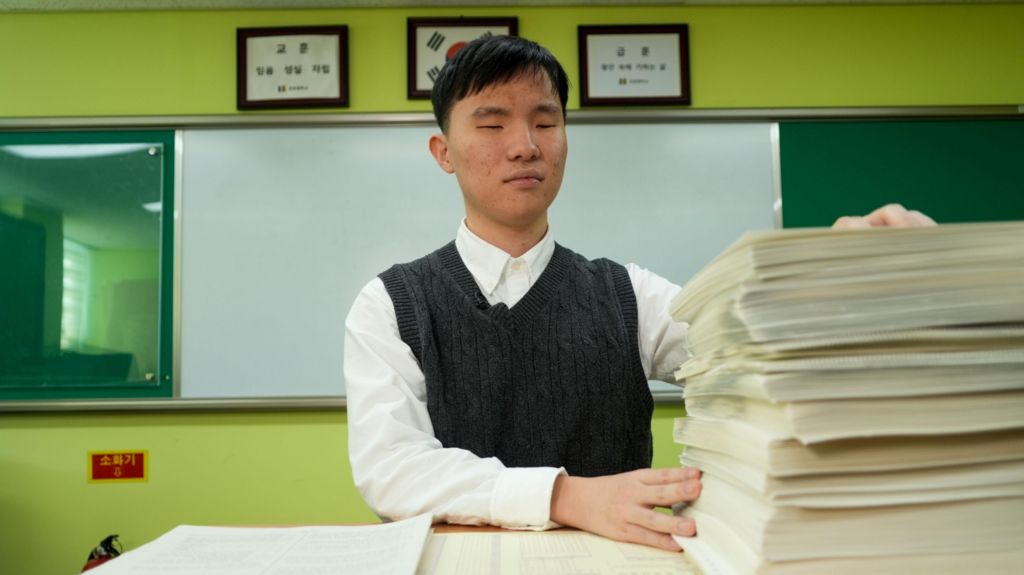
Thirteen hours by touch – inside one of the world’s longest exam days
Every November, South Korea halts its usual pace for the Suneung, the nation’s rigorous college entrance exam. While most students complete the test by late afternoon, blind students often endure a grueling 13-hour marathon, finishing close to 10 p.m. This year, over 550,000 students are taking the Suneung, marking the highest number of applicants in seven years. Among them are 111 blind test-takers, including Han Dong-hyun and Oh Jeong-won from Seoul Hanbit School for the Blind. The Suneung, short for College Scholastic Ability Test (CSAT), is a pivotal moment in South Korean education, determining university admissions, job prospects, and even future relationships. For most students, the exam spans eight hours, covering subjects like Korean, mathematics, English, and social or natural sciences. However, blind students are granted 1.7 times the standard duration, extending their test day significantly. The physical demands of reading braille, coupled with the lack of dinner breaks, make the exam particularly exhausting. Braille test booklets are six to nine times thicker than standard ones, as every sentence, symbol, and diagram must be converted into tactile form. Additionally, blind students face challenges in accessing study materials, often receiving braille versions of state-produced EBS preparation books months later than their sighted peers. Despite these hurdles, students like Dong-hyun and Jeong-won remain determined. Dong-hyun, who was born completely blind, uses braille and screen-reading software to navigate the exam. He finds the Korean language section particularly challenging due to the extensive braille pages. Jeong-won, on the other hand, struggles with the late afternoon fatigue, as the exam continues without a dinner break. Both students emphasize the importance of perseverance, viewing the Suneung as a test of their resilience. Their teacher, Kang Seok-ju, praises their endurance, noting the physical toll of reading braille for hours. While the Suneung is a high-stakes exam, Mr. Kang reminds his students that it is not the sole measure of their worth. For these blind students, the Suneung is not just an academic challenge—it is a testament to their years of hard work and determination.
-
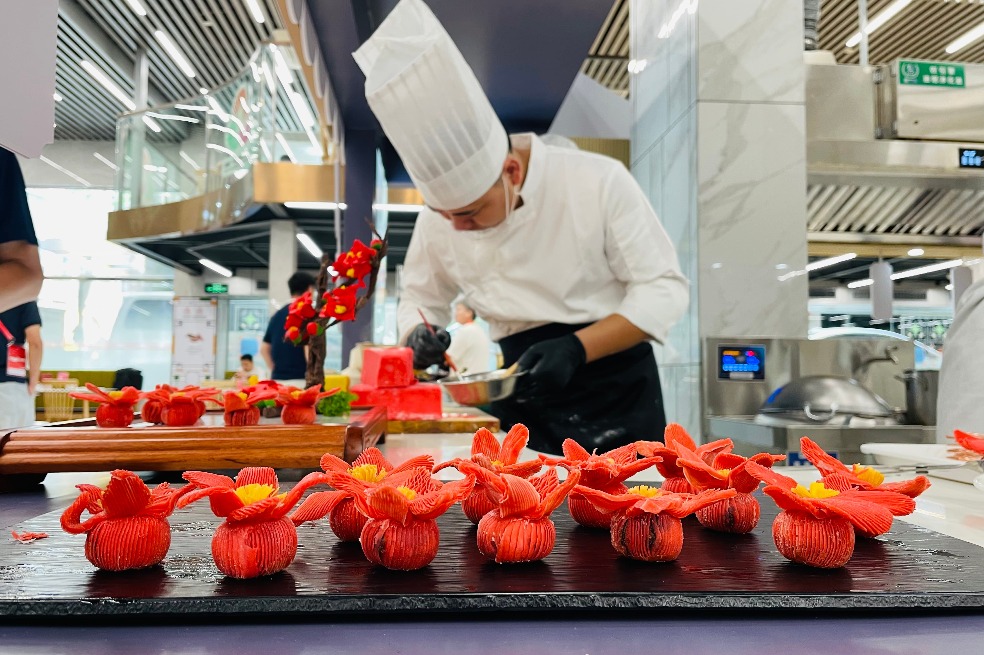
National Games showcase Guangdong, Hong Kong, Macao cuisine
The 15th National Games, currently underway, is not only a prestigious platform for athletes to compete for gold medals but also a celebration of the rich culinary heritage of Guangdong province, Hong Kong, and Macao. The event has become a gastronomic journey for thousands of spectators and journalists alike. At the main press center in Guangzhou, the capital of Guangdong, organizers have curated a diverse menu featuring iconic dishes from across the province. Highlights include shrimp dumplings, rice noodle rolls, braised goose, and beef balls, showcasing the region’s culinary expertise. Since November 9, 21 cities in Guangdong have taken turns hosting food-themed days at the press center’s restaurant, presenting a total of 168 specialty dishes. During Shantou’s themed day, dishes like braised goose and beef balls left both domestic and international journalists impressed by the city’s unique rice noodle preparations. This edition of the National Games, jointly hosted by Guangdong, Hong Kong, and Macao for the first time, has drawn over 3,200 registered journalists from media outlets worldwide, further amplifying the cultural and culinary exchange.
-

How Dubai’s Future Loop project will connect iconic landmarks, ease traffic
Dubai is taking a monumental leap towards becoming a pedestrian-friendly, future-ready city with its ambitious Future Loop project. Launched as part of the Dubai Walk Master Plan in December 2024, this initiative aims to transform urban mobility by connecting iconic landmarks and easing traffic congestion. The Future Loop, a 2km elevated pathway, will be implemented in the Museum of the Future area, offering a climate-controlled walkway for year-round pedestrian use. This innovative project will link 10 key locations, including the Dubai World Trade Centre, Emirates Towers, and the Dubai International Financial Centre (DIFC), while integrating seamlessly with Dubai’s existing transport network, including metro and tram stations, cycling tracks, and future transportation systems. The pathway will feature 30,000 square metres of air-conditioned spaces, shaded structures, and green areas designed to enhance comfort and reduce temperatures. Additionally, the Future Loop will include commercial spaces developed through public-private partnerships, further enriching the urban experience. This project is a cornerstone of Dubai’s 20-Minute City goal, which aims to enable 80% of residents to access essential services within a 20-minute commute. By prioritizing pedestrian safety, connectivity, and sustainability, the Future Loop aligns with Dubai’s Quality of Life Strategy 2033, making the city more liveable and people-centred. The project is already underway, with active progress reviewed by Sheikh Hamdan bin Mohammed bin Rashid Al Maktoum, Crown Prince of Dubai, as part of the emirate’s major infrastructure initiatives.
-
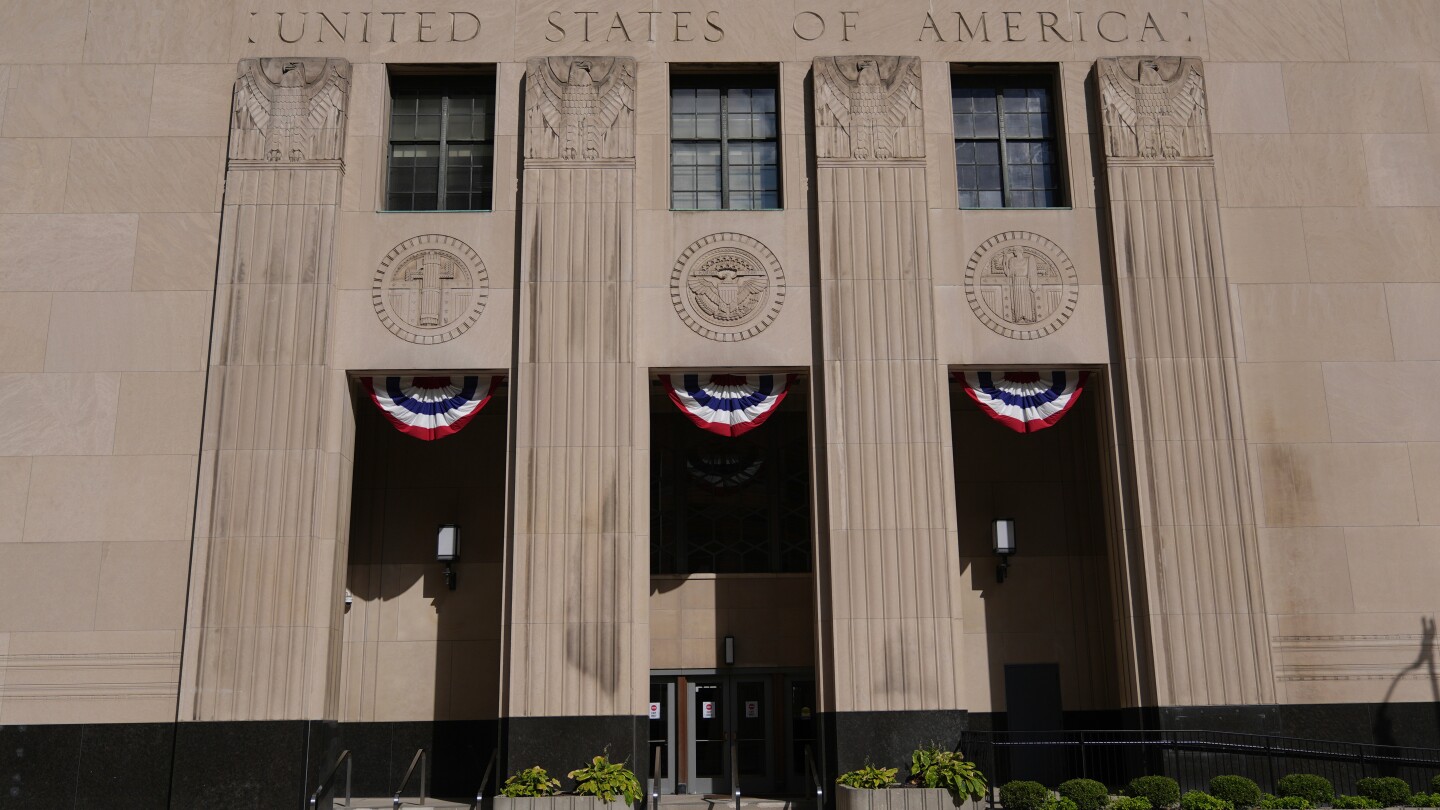
Chinese scientist pleads guilty in US smuggling case and will be quickly deported
In a notable legal case in Michigan, Yunqing Jian, a Chinese scientist, pleaded guilty to smuggling biological materials but avoided additional jail time beyond the five months she had already served. Jian, a 33-year-old temporary researcher at a University of Michigan lab, was arrested in June for conspiring with her boyfriend, Zunyong Liu, to study and cultivate a toxic fungus known as Fusarium graminearum, which can damage crops like wheat, barley, maize, and rice. Liu was apprehended at a Detroit airport in 2024 carrying small samples of the pathogen. Both Jian and Liu had specialized in studying this fungus in China, where it is widely found in U.S. fields under certain weather and growing conditions. However, importing such biological materials into the U.S. without a government permit is illegal, and the university lacked the necessary authorization. Assistant U.S. Attorney Michael Martin highlighted the potential for ‘devastating harm,’ though he admitted there was no evidence of malicious intent. Roger Innes, an expert from the University of Indiana, reviewed the evidence and concluded there was no risk to U.S. farmers or any intent to create a more dangerous strain. Jian was sentenced to five months in jail, time she had already served, and will be deported. She apologized in court, stating her actions were driven by research pressure rather than harmful intent. The conspiracy charge against her was dropped in exchange for her guilty plea to smuggling and making false statements. Liu, also charged, remains in China and is unlikely to return to the U.S. Jian had previously conducted research at Zhejiang University in China and had been working in Michigan since summer 2023.
-

Israeli crowd applauds soldiers accused of raping Palestinian prisoner
Two Israeli soldiers accused of raping a Palestinian detainee were met with applause and cheers as they arrived at the Supreme Court in Jerusalem on Monday. Supporters in the courtroom shouted, “We are all Unit 100,” referencing the military unit to which the suspects belong. Footage shared on social media showed the two men, their faces concealed, embracing each other as some in the room applauded. The hearing focused on a dispute over who should lead the investigation into the leak of a video showing their assault on a Palestinian detainee last year. The case has sparked significant controversy, particularly after revelations implicated the army’s former chief legal adviser, Yifat Tomer-Yerushalmi, in the leak of the footage to Channel 12. Tomer-Yerushalmi resigned shortly after the scandal broke and was subsequently arrested by Israeli police. A rift has since emerged between Justice Minister Yariv Levin and Attorney General Gali Baharav-Miara over who should head the probe into the leak. Levin has sought to appoint his own legal adviser, while Baharav-Miara insists the case should remain under the state prosecution’s authority. The two guards are among five members of Unit 100 charged with aggravated assault of a Palestinian prisoner. The leaked video shows several soldiers beating a Palestinian man lying helpless on the ground before dragging him aside and gang-raping him behind riot shields. The detainee was later hospitalized with severe internal injuries and rectal trauma, requiring multiple surgeries. Although the military prosecution initially considered rape charges, they were ultimately dropped from the indictment. The trial of the five guards is being held before a military court. Guards from Unit 100, stationed at the notorious Sde Teiman detention camp, have claimed the investigation against them is a ‘smear campaign.’ One guard told Channel 7, ‘The injustice done to us is obvious to the people of Israel. We came to serve the people and the state with dedication, and now, in these crazy days, we find ourselves defamed by those who were supposed to protect us.’ Last week, one of the suspects’ lawyers argued that the case against them should be dropped, stating, ‘The very least that must be done is to immediately cancel the trial and prosecute all those who took part, turned a blind eye, or lent a hand to this travesty.’ According to the Palestinian Centre for Human Rights, Palestinian detainees held in Israeli facilities have been subjected to systematic torture, including rape, forced stripping, filmed assaults, sexual abuse using objects and dogs, and psychological humiliation. Last month, dozens of Palestinian bodies returned by Israel as part of a ceasefire agreement showed signs of abuse and torture, with some originating from Sde Teiman.
-

Beijing court cracks down on medical fraud cases
In a significant move to safeguard patient rights, the Beijing No. 3 Intermediate People’s Court has ramped up its efforts to combat fraudulent practices within the medical sector. Recent data reveals that from January 2022 to October 2025, the court adjudicated 310 medical-related cases, with 59 specifically addressing consumption fraud in healthcare. These cases predominantly involved for-profit medical institutions offering services such as medical cosmetology, oral health, and health management, where pricing is often unregulated. Vice-President Zhu Ping highlighted the challenges faced by patients, who, as consumers, often pay out-of-pocket without insurance coverage, making them vulnerable to deceptive practices. Common fraudulent activities include falsifying institutional credentials, overstating treatment efficacy, making unrealistic promises, and coercing patients into unnecessary procedures. To address these issues, the court has been rigorously applying the Consumer Rights Protection Law and the Civil Code to identify and penalize fraudulent acts. In a landmark case, a consumer successfully sued an oral medical institution for false advertising and employing unlicensed practitioners, resulting in a court-ordered refund and triple compensation. Zhu emphasized that punitive damages serve to balance the power disparity between consumers and medical institutions, thereby enhancing consumer protection in the healthcare sector.
-
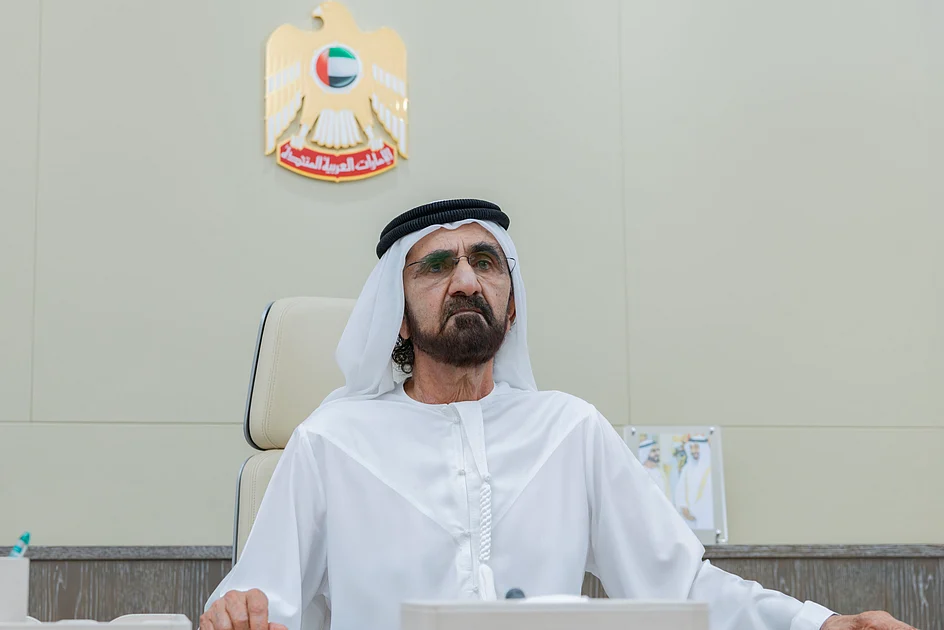
Sheikh Mohammed honoured with Sultan Bin Ali Al Owais Cultural Award
Sheikh Mohammed bin Rashid Al Maktoum, Vice President and Prime Minister of the UAE and Ruler of Dubai, has been awarded the Sultan Bin Ali Al Owais Cultural Achievement Award in its nineteenth cycle. This prestigious accolade recognizes his decades-long contributions to culture, knowledge, and sustainable development on a global scale. The Award’s Board of Trustees emphasized that Sheikh Mohammed’s career exemplifies a profound commitment to humanity, innovation, and progress. His initiatives have not only transformed the UAE but also inspired communities worldwide. Among his notable achievements is the Arab Reading Challenge, launched in 2015, which has engaged over 163 million students in promoting Arabic literacy. Additionally, the establishment of the Mohammed bin Rashid Library and the Digital School underscores his dedication to fostering education and cultural enrichment. The Board also highlighted his literary works, including ‘My Vision’ and ‘Reflections on Happiness and Positivity,’ which have significantly enriched Arab literature. Sheikh Mohammed’s vision has redefined the role of culture and knowledge in shaping a brighter future, making him a beacon of inspiration across the Arab world and beyond.