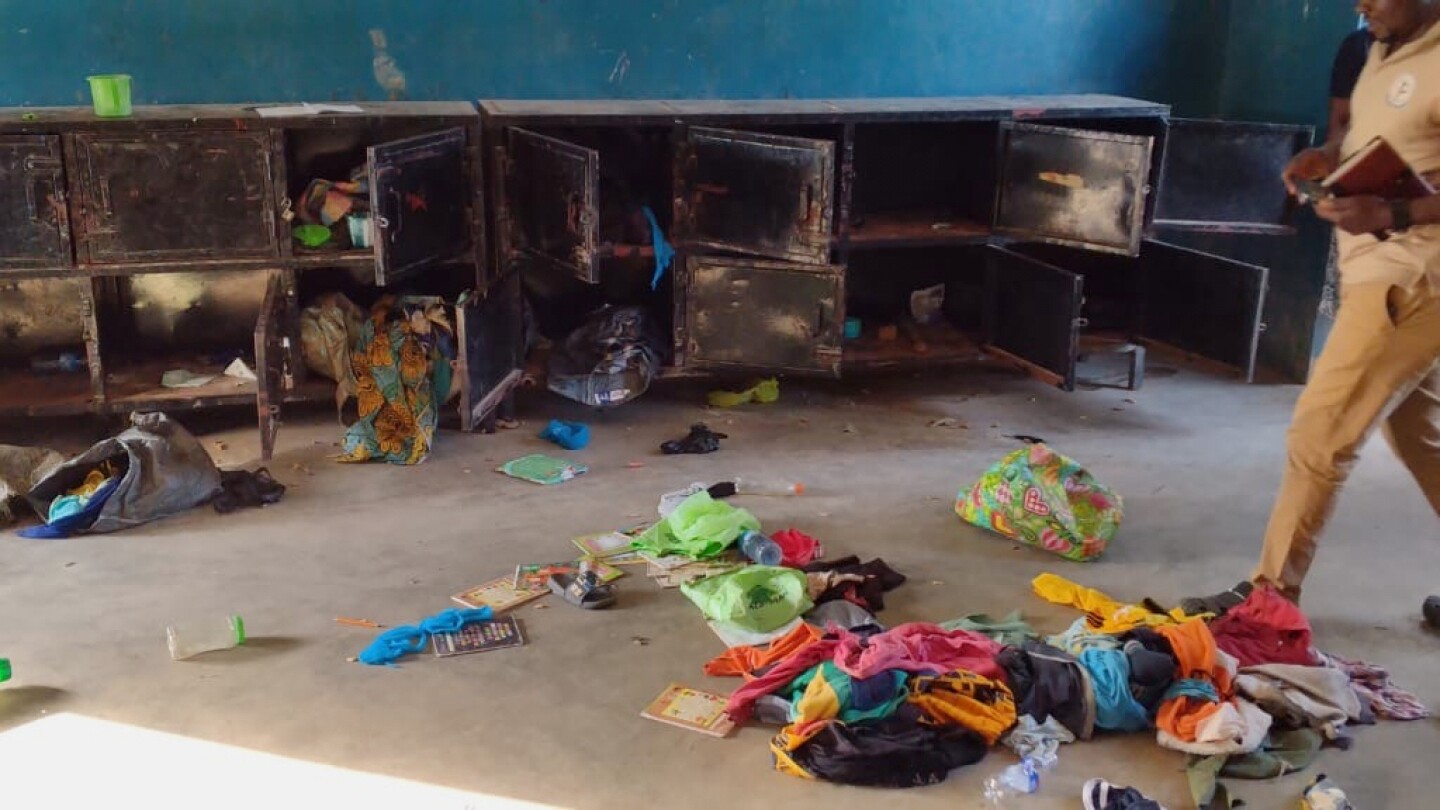
In a harrowing incident that underscores the escalating security crisis in Nigeria, gunmen stormed St. Mary’s School, a Catholic boarding institution in the Agwara local government’s Papiri community, abducting more than 200 schoolchildren and 12 teachers. The attack, which occurred in the early hours of Friday, has sent shockwaves across the nation, already grappling with a surge in kidnappings targeting educational institutions. The Christian Association of Nigeria (CAN) confirmed the abduction, with spokesperson Daniel Atori stating that efforts are underway to secure the safe return of the victims. Military and security forces have been deployed to the area, but details about the perpetrators remain unclear. The school, which serves children aged 12 to 17, is located near a major road linking Yelwa and Mokwa, making it a vulnerable target. This incident follows a spate of similar attacks, including the abduction of 25 schoolgirls in Kebbi state earlier in the week. Nigerian President Bola Tinubu has postponed his trip to the G20 summit in South Africa, vowing to prioritize the rescue mission. Analysts attribute the rise in kidnappings to the activities of armed gangs, often composed of former herders, who exploit the region’s insecurity for ransom. The Nigerian government faces mounting criticism for its failure to protect citizens, particularly in conflict-prone northern states. The closure of 47 federal unity colleges highlights the gravity of the situation. As families anxiously await news of their loved ones, calls for enhanced security measures and accountability grow louder.
分类: society
-
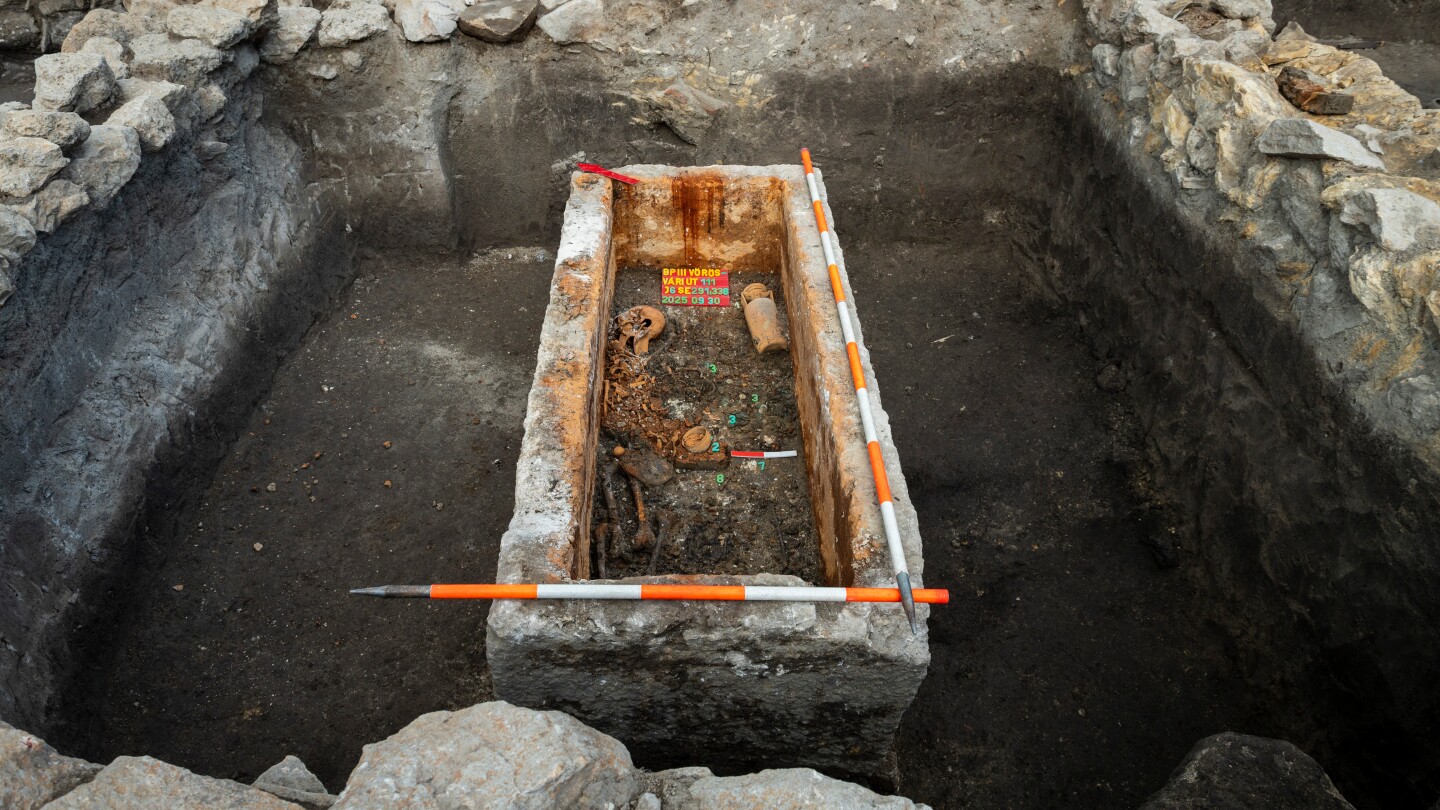
Archaeologists lift the lid on a 1,700-year-old Roman sarcophagus hidden beneath Budapest
A remarkably well-preserved Roman sarcophagus, dating back approximately 1,700 years, has been discovered in Budapest, Hungary, shedding light on the life of a young woman and the Roman era she lived in. The limestone coffin was unearthed during a large-scale excavation in Óbuda, a northern district of Budapest that was once part of Aquincum, a thriving Roman settlement on the Danube frontier. The sarcophagus, found with its stone lid still intact and sealed with metal clamps and molten lead, contained a complete skeleton surrounded by dozens of artifacts, offering a rare glimpse into ancient Roman burial practices. Gabriella Fényes, the lead archaeologist of the excavation, emphasized the uniqueness of the find, stating that the sarcophagus was hermetically sealed and undisturbed, making it an exceptional discovery. The coffin was located among the ruins of abandoned houses in an area of Aquincum that was repurposed as a burial ground in the 3rd century. Nearby, researchers also uncovered a Roman aqueduct and eight simpler graves, though none matched the richness or pristine condition of the sealed tomb. The sarcophagus contained an array of objects, including two intact glass vessels, bronze figures, 140 coins, a bone hair pin, a piece of amber jewelry, and traces of gold-threaded fabric, all of which suggest the grave belonged to a young woman of high social status. Fényes noted that these items were likely given to the deceased by her relatives for her eternal journey, reflecting the care and love they had for her. The discovery is particularly significant as it provides insights into the Roman province of Pannonia, which encompassed much of modern-day Hungary. Anthropologists will now examine the remains to learn more about the woman’s age, health, and origins. Gergely Kostyál, a Roman-period specialist and coleader of the project, highlighted the rarity of finding an untouched sarcophagus from the 4th century, as it was common practice to reuse earlier sarcophagi. Excavators also removed a layer of mud from inside the coffin, which Fényes hopes may contain additional treasures, such as jewelry. For Fényes, the discovery is not only scientifically valuable but also emotionally resonant, offering a poignant glimpse into the devotion and love of an ancient people.
-
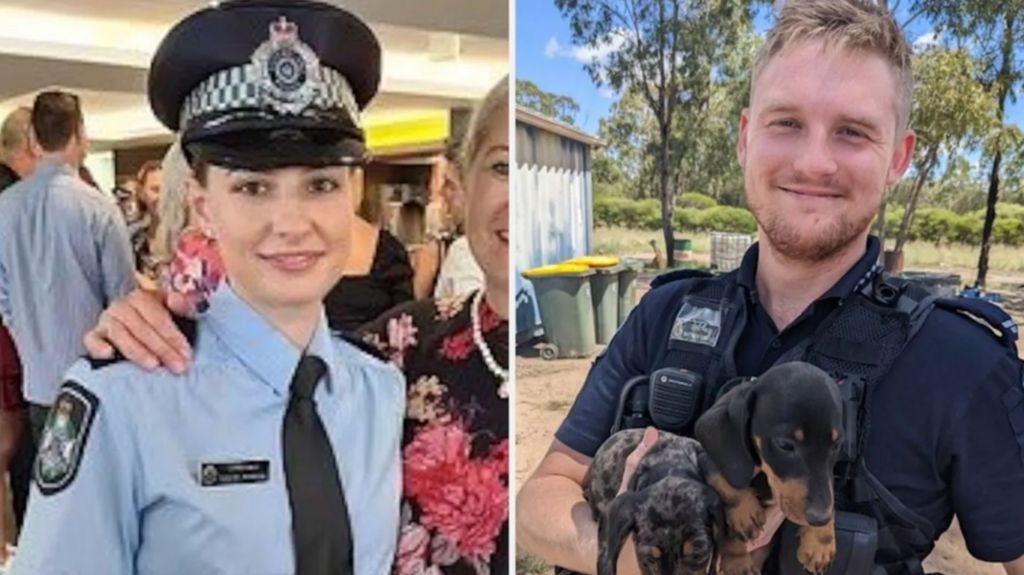
Murder of Australian police not an act of religious terrorism, coroner finds
In a tragic incident that shook rural Queensland in December 2022, police constables Matthew Arnold and Rachel McCrow were ambushed and killed during a routine property visit. The attack, carried out by Nathaniel, Gareth, and Stacey Train, initially sparked fears of a religious terror attack. However, Queensland State Coroner Terry Ryan has now clarified that the ambush was not an act of terrorism, despite the perpetrators’ extremist beliefs and conspiracy-driven motives. The coroner’s findings, released on Friday, shed light on the events leading to the deadly confrontation. The Trains, described as religious fanatics and conspiracy theorists, had fortified their property and prepared for a lethal encounter, viewing any police intervention as an ‘evil advance.’ The attack unfolded when Arnold, McCrow, and two other officers arrived at the Wieambilla property, approximately 270km west of Brisbane, to investigate a missing person report. Upon approaching the house, the officers were met with a barrage of gunfire. Arnold and McCrow were fatally shot, while a third officer sustained a leg injury. A neighbor, Alan Dare, who arrived at the scene, was also killed. The coroner acknowledged that the responding officers were ill-equipped to handle the situation, emphasizing the Trains’ meticulous preparation for violence. The inquest revealed that Gareth Train’s anti-government and conspiracy theories had intensified over the years, particularly during the COVID-19 pandemic, leading to his increasing isolation and radicalization. The coroner also criticized the failure of New South Wales police to share critical information that could have alerted Queensland authorities to the potential danger. In his recommendations, Ryan called for enhanced police safety measures, including the use of drones for risk assessments in remote areas. The incident has reignited debates over gun control in Australia, with experts warning of the erosion of strict regulations introduced after the 1996 Port Arthur massacre.
-

Men posing as India’s central bank officials pull off $800,000 heist
In a daring daylight robbery, armed men posing as officials from India’s central bank, the Reserve Bank of India, intercepted a cash-transport van in the bustling city of Bengaluru, Karnataka. The incident, which occurred on Wednesday afternoon, saw six men in an SUV stop the van on a busy road as it was transferring 70 million rupees ($800,000; £600,000) between bank branches. The van was carrying a driver, a cash custodian, and two armed security guards. The robbers, claiming to be RBI officials, demanded to verify the transport documents. They instructed the custodian and guards to leave their weapons in the van and enter the SUV, while the driver was told to continue driving with the cash. A few kilometers later, the gang forced the employees out of the SUV, returned to the van, and transferred the cash at gunpoint before fleeing the scene. The area had minimal CCTV coverage, complicating the investigation. Police are probing whether the gang used multiple vehicles and if the company employees were complicit. The SUV used in the heist had a fake number plate and a ‘Government of India’ sticker. Karnataka Chief Minister Siddaramaiah confirmed that the SUV has been recovered, but Home Minister G Parameshwara noted that the suspects likely switched vehicles to escape. Authorities remain confident in solving the case, drawing parallels to a recent high-profile gold theft in Vijayapura district, where 39kg of stolen gold was recovered and 15 individuals were arrested.
-
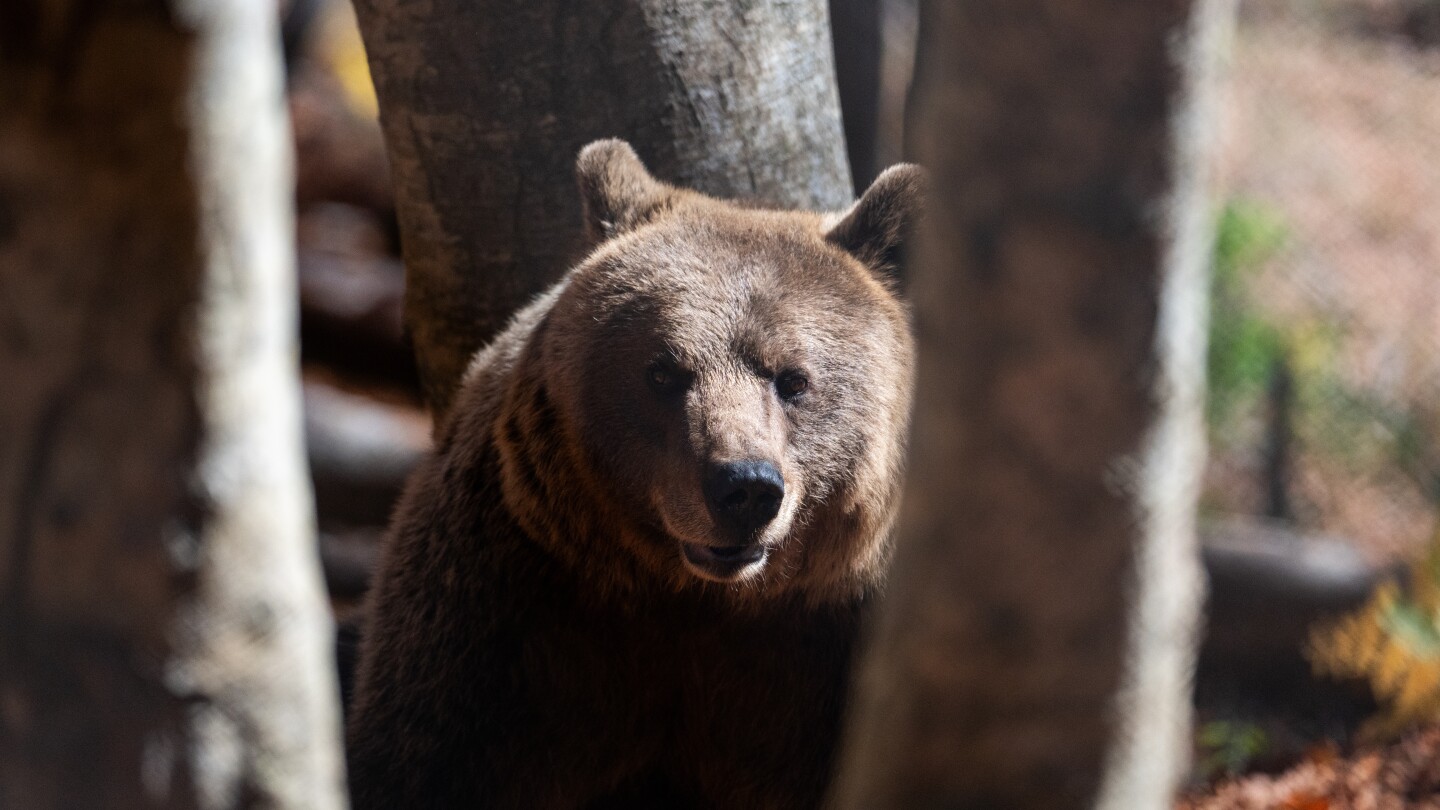
Bears in the backyard, wolves at the door: Greek villages have a growing predator problem
In the rural village of Levea, Greece, farmer Anastasios Kasparidis was met with a grim scene: three of his sheep lay dead, unmistakably mauled by a bear. The large paw prints in the soil confirmed the predator’s presence, a once-rare but now increasingly common occurrence in northwestern Greece. Kasparidis, who also reported losses of chickens and pigs among neighboring farmers, has since moved his remaining flock to a safer pen near his home. “The bears would eat them all,” he lamented. This incident underscores a growing tension in the region, where the resurgence of protected species like brown bears and wolves, celebrated by environmentalists, has sparked fears among rural residents for their livelihoods and safety. Brown bears, Greece’s largest predator, have seen their population quadruple since the 1990s, with an estimated 870 now roaming northern Greece, according to the environmental organization Arcturos. Wolves, too, have expanded their range, now found as far south as Athens and the Peloponnese. The recovery of these species has been bolstered by the increasing population of wild boars, whose numbers have surged due to reduced hunting, milder winters, and cross-breeding with domestic pigs. However, this wildlife rebound has led to more frequent human encounters, often resulting in fear and conflict. In Levea, residents report regular bear sightings, while wild boars frequently roam through the village. Similar stories emerge from nearby Valtonera, where community president Konstantinos Nikolaidis noted that wild animals now enter the village, making nighttime walks unsafe. The situation has prompted calls for extended hunting seasons and reduced protections for wolves, a move recently supported by EU lawmakers. Experts, however, caution against simplistic solutions. Panos Stefanou of Arcturos emphasized that habitat loss, food scarcity, and human depopulation in rural areas are key factors driving wildlife into human spaces. Measures like proper waste disposal, using deterrent lights, and avoiding feeding strays are recommended to mitigate conflicts. “Killing the animals is not what will solve the problem,” Stefanou stressed, advocating for a balanced approach to coexistence.
-
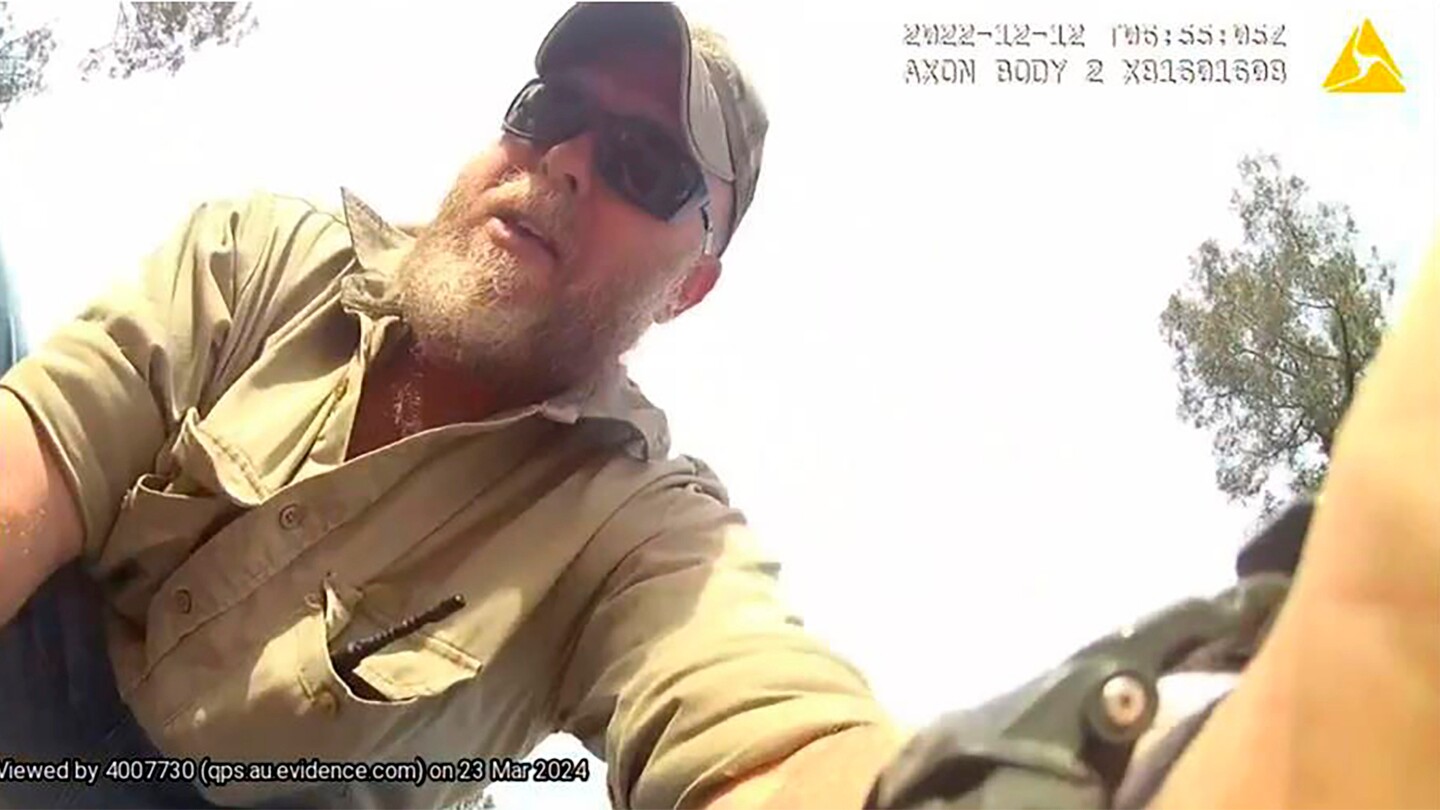
Coroner says Australian extremists who killed police officers had shared delusional disorder
In a tragic incident that unfolded three years ago in the remote Wieambilla region of Queensland, Australia, three Christian extremists—brothers Gareth and Nathaniel Train and Gareth’s wife, Stacey Train—opened fire on police officers they perceived as “demons intent on killing them.” The coroner’s report, released on Friday, revealed that the trio suffered from a shared delusional disorder, which drove their violent actions. The six-hour gunbattle on December 12, 2022, resulted in the deaths of six individuals, including two police officers, Rachel McCrow and Matthew Arnold, and a neighbor, Alan Dare, who had come to investigate scrub fires ignited by the Trains. The police had initially arrived at the property in response to a missing persons report for Nathaniel Train, a former school principal from New South Wales. State Coroner Terry Ryan concluded that the Trains’ psychotic illness, rooted in End of Times religious beliefs and broader persecutory delusions, led them to act defensively within their distorted worldview. The coroner dismissed claims that the incident was an act of terrorism, instead attributing the violence to their untreated mental illness. The Trains’ use of high-powered rifles from concealed positions gave them a lethal advantage over the officers’ Glock pistols, which were ill-suited for the confrontation. Coroner Ryan recommended several measures to prevent future tragedies, including mandatory mental health assessments for gun license applicants, the use of drones for risk assessments in remote areas, and increased funding for the Queensland Fixated Threat Assessment Center. He also highlighted the concerning lack of monitoring of Gareth Train’s online activities, which could have alerted authorities to his extremist beliefs.
-
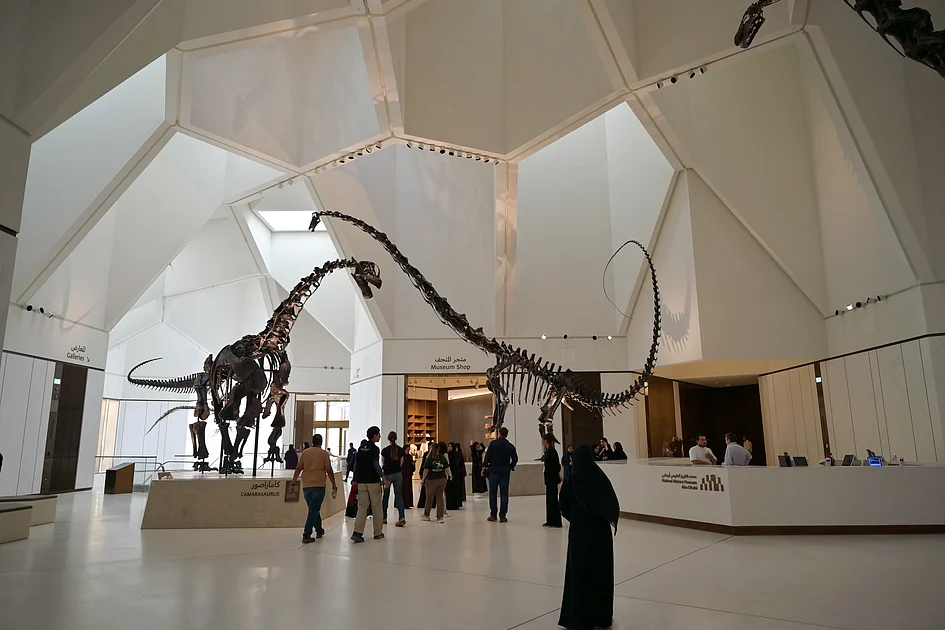
T rex fossils, moon rock: First look inside Abu Dhabi’s Natural History Museum
The Natural History Museum Abu Dhabi, set to open on November 22, 2025, promises an extraordinary journey through 13.8 billion years of life. Located in the Saadiyat Cultural District, the museum is a testament to rapid development, yet it houses specimens that span nearly the entire history of the universe. Among its many exhibits are a slice of the Moon, two real T. rex fossils locked in a deadly battle, and a 25-meter blue whale skull so large that a wall had to be cut to accommodate it. The museum’s director, Peter C. Kjærgaard, describes it as a ‘night sky of stars,’ with countless highlights that surpass visitor expectations. The museum’s exhibits range from ancient meteorites and fossils to dramatic recreations of Abu Dhabi’s savannah landscape seven million years ago. It also features a treasure hunt for children, with a supersized version of the microscopic tardigrade scattered throughout the displays. The museum aims to inspire the next generation of scientists and foster a sense of ownership among visitors. With a focus on community science and the sheer drama of standing beneath a blue whale, the museum seeks to bring people into the story of the natural world and the future of science in the UAE.
-

‘Rental Family’ spotlights real-life Japanese businesses that offer fill-in relatives, friends
In Japan, a unique industry has emerged to address the growing issues of loneliness and societal pressures: the ‘rental family’ service. Ryuichi Ichinokawa, the founder of the Heart Project, has been at the forefront of this niche business for nearly two decades. His company provides surrogate family members and friends for clients who need to maintain appearances or fill emotional voids. From posing as a boyfriend during legal discussions to attending school events as a friendly uncle, Ichinokawa’s services have become a lifeline for many.
-
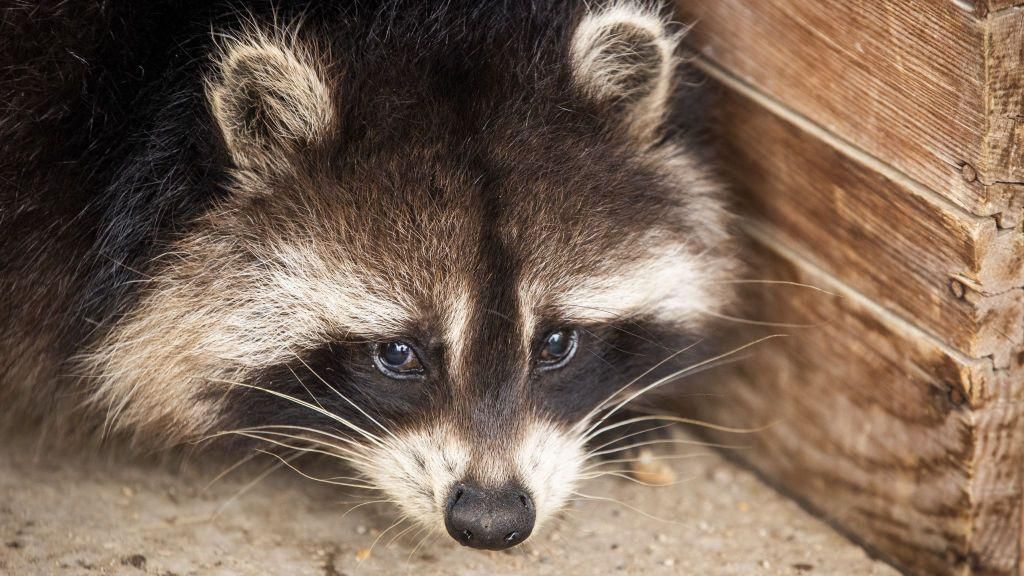
Cuter and closer: Raccoons may be on their way to becoming America’s next pet
Raccoons, often affectionately dubbed ‘trash pandas’ for their notorious habit of scavenging through garbage, are showing signs of domestication, according to a groundbreaking study. The research, published in the journal Frontiers in Zoology, analyzed nearly 20,000 photographs and revealed a notable reduction in snout length among urban raccoons compared to their rural counterparts. This physical change mirrors the early stages of domestication observed in cats and dogs. The study suggests that these masked mammals are adapting to human environments, potentially dampening their innate fight-or-flight responses. Raffaela Lesch, a co-author from the University of Arkansas at Little Rock, emphasized that trash plays a pivotal role in this urban domestication. ‘Trash is really the kickstarter,’ she told Scientific American. ‘Wherever humans go, there’s trash — and animals love our trash.’ The study also highlights the ‘domestication syndrome phenotype,’ which includes traits like curly tails, floppy ears, and reduced facial skeletons, commonly seen in domesticated animals. Interestingly, the authors argue that domestication might not always be initiated by humans but could begin naturally as animals adapt to human environments. This process, they suggest, is driven by natural selection, favoring animals with reduced flight responses. As raccoons continue to thrive in both wild and urban settings, they occupy a unique space in American life — cherished as pets in some neighborhoods and viewed as pests in others. Their increasing comfort around humans, coupled with their evolving physical traits, suggests that raccoons might be inching closer to becoming America’s next beloved pet.
-

New images show engine flying off before UPS cargo plane crash
A recent federal investigation into the fatal UPS cargo plane crash on November 4 has unveiled startling details, supported by newly released images. The National Transportation Safety Board (NTSB) report highlights that the plane’s engine detached from its wing during takeoff, subsequently exploding into flames. The incident occurred as the aircraft, en route from Louisville, Kentucky, to Hawaii, barely cleared the runway before crashing into a nearby UPS warehouse. The crash claimed 14 lives, including three crew members and 11 individuals on the ground, while injuring 23 others. Preliminary findings indicate fatigue cracks and overstress failures around the left wing’s engine mount, compounded by a fractured bearing that secured the connection. The plane, which had logged approximately 92,992 flight hours and 21,043 cycles, was overdue for a detailed inspection at 29,200 cycles. The crash released tens of thousands of gallons of fuel, prompting a shelter-in-place order within a five-mile radius due to explosion and pollution risks. Kentucky Governor Andy Beshear declared a state of emergency, mobilizing the Kentucky National Guard. The investigation continues, with the cockpit flight recorder and flight data recorder being analyzed at a secure facility.