
In a historic move, Italy’s parliament has unanimously passed a groundbreaking law that criminalizes femicide, imposing life imprisonment as the maximum penalty. The legislation, approved on the International Day for the Elimination of Violence Against Women, marks a significant step in addressing gender-based violence in the country. The law, championed by Prime Minister Giorgia Meloni’s conservative government, received overwhelming bipartisan support, with 237 votes in favor in the Lower Chamber. It introduces stringent measures against crimes such as stalking and revenge porn, reflecting a broader societal push to combat violence against women. The decision follows a series of high-profile cases, including the 2023 murder of university student Giulia Cecchettin, which sparked nationwide outrage and debate over Italy’s patriarchal culture. Meloni emphasized the government’s commitment to the cause, highlighting increased funding for anti-violence centers, shelters, and emergency hotlines, alongside educational initiatives. However, critics argue that the law focuses solely on criminal justice, neglecting underlying economic and cultural factors. Italy’s statistics agency, Istat, reported 106 femicides in 2024, with 62 perpetrated by partners or former partners. The debate over introducing mandatory sexual and emotional education in schools has intensified, with the government proposing restrictions on such programs for elementary students. Opposition leaders and activists have condemned the proposal as regressive, advocating for comprehensive prevention strategies in schools.
分类: society
-

UAE: Man awarded Dh15,000 as compensation for moral damages after car theft
In a landmark ruling, the Al Ain Civil, Commercial, and Administrative Court has ordered a man to pay Dh15,000 in compensation to a car owner for moral damages resulting from the theft of the vehicle. The verdict, issued on November 24, 2025, follows the defendant’s prior criminal conviction by the Al Ain Public Prosecution, which was upheld in an appeal and became final after no further challenges were lodged with the Court of Cassation. The plaintiff initiated a civil lawsuit after the theft, seeking redress for both material and emotional harm. The court, referencing Article 88 of the UAE Evidence Law, affirmed that the criminal judgment held binding authority over the civil proceedings, thereby establishing the defendant’s liability. Additionally, the court invoked Article 282 of the UAE Civil Transactions Law, which mandates compensation for wrongful acts. The judge determined that the Dh15,000 award would adequately cover the plaintiff’s material losses and emotional distress. The defendant was also ordered to bear the court fees and legal costs. This case underscores the UAE judiciary’s commitment to ensuring justice and accountability in civil matters following criminal convictions.
-
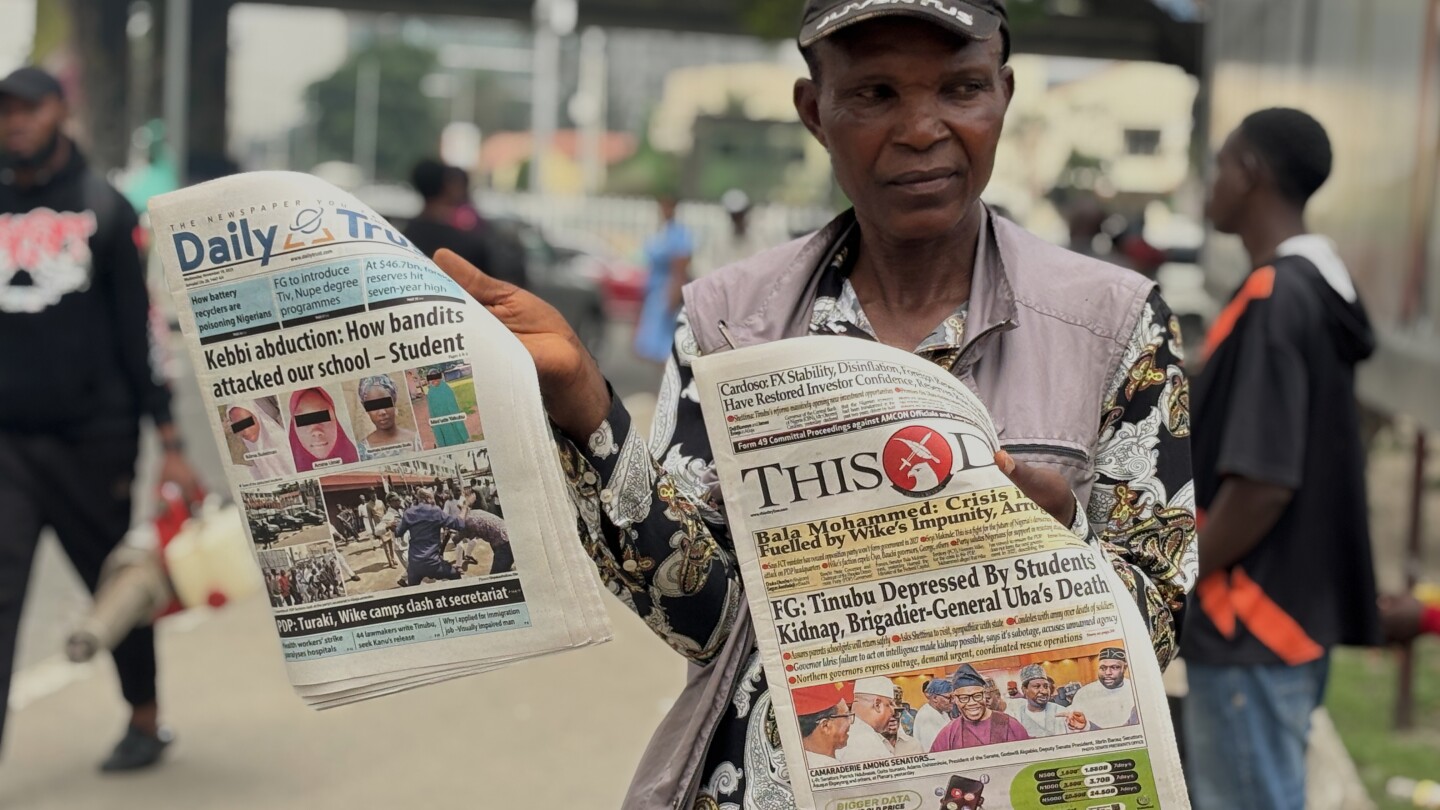
24 schoolgirls abducted from Kebbi in Nigeria have been rescued, president says
In a significant development, all 24 schoolgirls abducted from the Government Girls Comprehensive Secondary School in Kebbi state, Nigeria, have been successfully rescued, President Bola Tinubu announced on Tuesday. The mass abduction occurred on November 17 in Maga town, where 25 girls were initially taken. One girl managed to escape the same day, while the remaining 24 were freed following a coordinated rescue operation, though specific details of the mission remain undisclosed. President Tinubu expressed relief over the girls’ safe return and emphasized the urgent need to bolster security in vulnerable regions to prevent future kidnappings. The incident is part of a troubling pattern of mass abductions in Nigeria, including a recent raid on Saint Mary’s School in Niger state, where over 300 students and staff were kidnapped. While 50 students escaped over the weekend, the fate of the others remains uncertain. Musa Rabi Magaji, the principal of the Kebbi school, confirmed the girls’ release but noted they are still under official custody, with no immediate updates on their condition. Abdulkarim Abdullahi, whose two daughters were among the abducted, expressed relief and awaited further information on their well-being. Meanwhile, 38 worshippers kidnapped during a deadly church attack in Kwara state were also freed, according to Governor AbdulRahman AbdulRazaq. The recent wave of abductions, attributed to armed bandits, highlights the ongoing security crisis in Nigeria, where kidnappings for ransom have become a pervasive issue. Analysts note that these gangs often target schools and remote communities, exploiting the lack of government presence. Since the infamous Chibok schoolgirls’ abduction a decade ago, over 1,500 students have been seized, with many released only after ransom payments. The situation underscores the need for comprehensive security reforms to address the root causes of this escalating crisis.
-

Watch: President Trump pardons the Thanksgiving turkeys
In a time-honored tradition at the White House, President Donald Trump officially pardoned two Thanksgiving turkeys, named Waddle and Gobble, during a festive ceremony. The event, held in the Rose Garden, showcased the president’s playful side as he humorously remarked on the turkeys’ good fortune. This annual ritual, dating back several decades, symbolizes a gesture of mercy and goodwill during the holiday season. The pardoned turkeys will now live out their days at a farm, spared from the Thanksgiving table. The ceremony also provided a lighthearted moment amid the often intense political climate, drawing smiles from attendees and viewers alike.
-
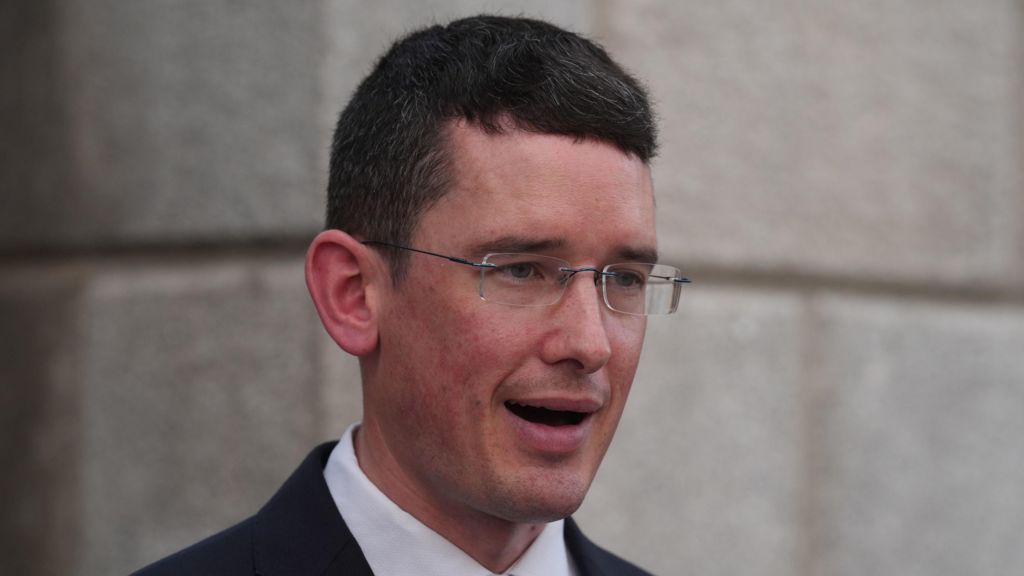
Irish school teacher Enoch Burke arrested and brought to prison
Enoch Burke, an Irish school teacher, has been arrested and taken to Mountjoy Prison following a High Court order issued last week. The court found him in contempt for his persistent defiance of judicial authority and the rule of law. Mr. Justice Cregan, during a hearing in Dublin, described Burke’s actions, along with those of his family, as a “deliberate, sustained, and concerted attack” on the civil courts’ authority. Burke had been attending Wilson’s Hospital School, from which he was previously dismissed for gross misconduct, since it reopened after the summer break. The dismissal stemmed from his refusal to address a transgender pupil using their preferred pronouns and his disruptive behavior during school events, including a religious service. This marks Burke’s fourth imprisonment for contempt since September 2022, with his total time behind bars exceeding 500 days. Gardaí executed the court order in Mullingar, County Westmeath, on Tuesday after receiving reports of Burke’s presence at the school. Earlier last week, officers visited his home in Castlebar, County Mayo, multiple times but left without him. Burke briefly returned to the school on Friday, recording a video outside the premises, and was spotted again on Tuesday, prompting the police response. His ongoing legal battles and defiance continue to draw significant attention in Ireland.
-

Taicang factory builds inclusivity
Nestled in the heart of Taicang, Jiangsu province, the Inclusion Factory stands as a beacon of hope and empowerment. This innovative workshop is not just a place of work but a sanctuary where individuals with intellectual and developmental disabilities, such as Down syndrome and autism, find purpose and belonging. Amid the rhythmic hum of machinery, these employees are crafting more than automotive parts—they are building confidence, fostering community, and reshaping their futures.
At the helm of this transformative initiative is Zhang Xingjuan, a dedicated training manager whose unwavering patience and personalized coaching have become the cornerstone of the factory’s success. Zhang, 53, reveals how her once-short temper has evolved into a profound sense of calm, thanks to the symbiotic relationships she has cultivated with her trainees. For many, mastering the required skills can take up to 100 sessions, but the journey is as rewarding as the outcome.
Parents of these employees, who once grappled with uncertainty about their children’s futures, now find solace and hope in the factory’s mission. The Inclusion Factory’s impact extends beyond its walls, attracting over 100 corporate partners who recognize the value of inclusive employment. This pioneering initiative demonstrates that with the right support, everyone has the potential to contribute meaningfully to society.
Qi Xinran contributed to this inspiring story.
-
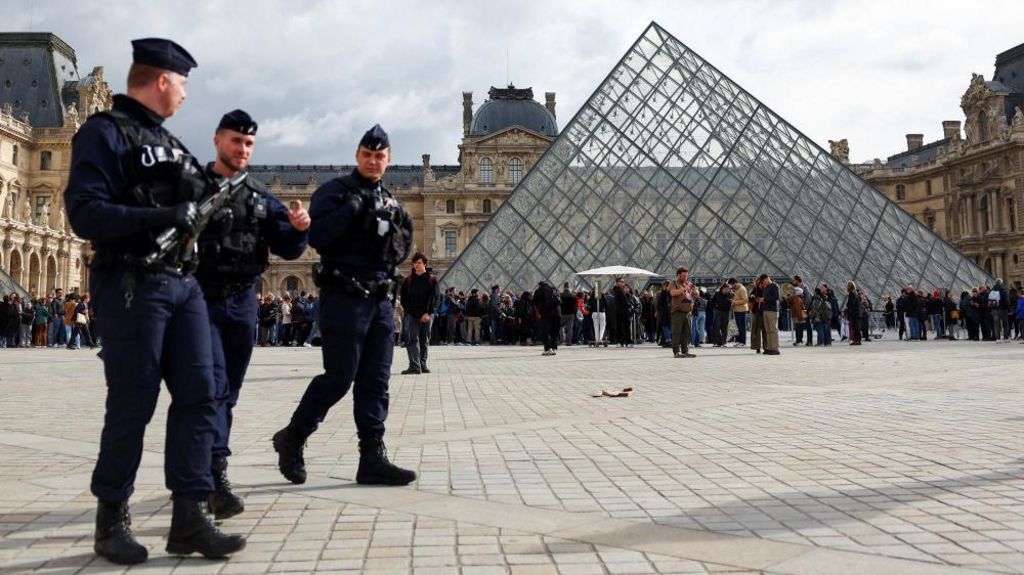
Four new arrests made following Louvre jewellery heist
In a significant development in the investigation of last month’s high-profile theft at the Louvre Museum, Paris prosecutors have announced the arrest of four additional individuals. The suspects, comprising two men aged 38 and 39, and two women aged 31 and 40, were apprehended on Tuesday. All are residents of the Paris region. French media reports suggest that one of the detainees is believed to be the final member of a four-person gang allegedly responsible for the audacious daylight robbery. This brings the total number of arrested suspects to eight, with three men and one woman already charged in connection with the heist. The stolen jewels, valued at €88 million (£76 million; $102 million), remain missing since the theft on October 19. The investigation has revealed that the thieves used a stolen vehicle-mounted mechanical lift to access the Galerie d’Apollon via a balcony near the River Seine. They employed a disc cutter to break into display cases, making off with eight items of jewelry, including a crown that was dropped during their escape. The Louvre’s security measures have come under scrutiny, with the museum’s president acknowledging shortcomings but denying negligence. Enhanced security protocols have since been implemented across France’s cultural institutions, and the Louvre has relocated some of its most valuable artifacts to the Bank of France for safekeeping.
-

Woman in critical condition after being set on fire
A shocking and brutal attack has left a woman in critical condition after she was doused with an accelerant, believed to be petrol, and set on fire in Dublin. The incident occurred at approximately 10:10 AM on Tuesday at a residential property in the Oak Downs area of Clondalkin, according to the Irish police, known as gardaí. The woman, who answered a knock at the door, suffered severe burns to her face and body. She was rushed to Tallaght University Hospital, where she remains in critical condition. A man was also injured during the assault and was hospitalized with non-life-threatening injuries. Emergency services, including the fire brigade and paramedics, responded swiftly to the scene, extinguishing the fire and providing immediate medical care. The area has been cordoned off for a forensic investigation. Authorities are urging anyone with information about the incident to come forward to assist in the ongoing inquiry.
-

Watch: Homes damaged as tornado, severe storms rip through Houston
A powerful tornado and severe storms tore through Houston on Monday afternoon, leaving a trail of destruction in their wake. Numerous homes sustained significant damage, and trees were uprooted across affected neighborhoods. Despite the widespread devastation, authorities confirmed that no injuries were reported. Emergency response teams swiftly mobilized to assess the damage and assist residents. The sudden weather event has left many families grappling with the aftermath, as they begin the arduous process of recovery and rebuilding. Meteorologists are investigating the storm’s intensity and path, while local officials urge residents to remain vigilant during the ongoing severe weather season.
-
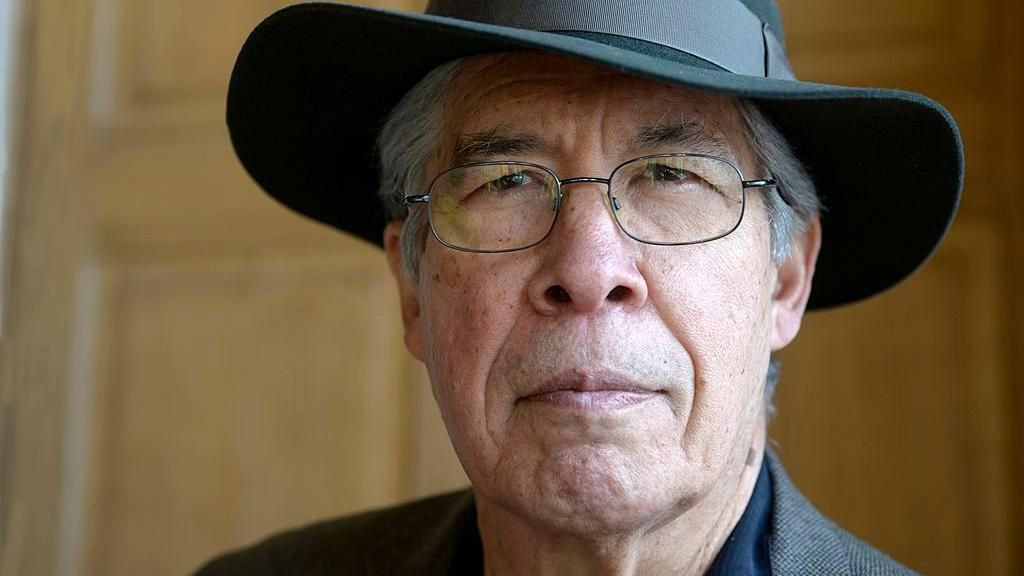
Inconvenient Indian author discovers he has no indigenous roots
Thomas King, a celebrated Canadian-American author whose literary career has been deeply intertwined with his presumed Indigenous heritage, has recently discovered that he has no Cherokee ancestry. This revelation came to light in an opinion piece published in the Globe and Mail on Monday, following a mid-November meeting with the Tribal Alliance Against Frauds (Taaf), a U.S.-based organization dedicated to exposing individuals who falsely claim Native American lineage. The 82-year-old author, known for his award-winning works such as *The Inconvenient Indian* and *Indians on Vacation*, expressed profound personal turmoil, stating, ‘I feel as though I’ve been ripped in half.’ King, who grew up believing his paternal grandfather was part Cherokee, acknowledged that he never intended to mislead anyone, operating under the sincere belief in his mixed-blood heritage. Despite rumors about his ancestry persisting over the years, he had largely ignored them until this year, when he sought to uncover their origins. A genealogist with Taaf found no evidence of Cherokee ancestry in King’s family lineage. While Taaf suggested an apology might be in order, King argued that an apology implies wrongdoing, which he does not believe applies in this case. Born in California and a resident of Canada since 1980, King has built a distinguished career as an Indigenous studies professor at the University of Lethbridge. He has announced plans to return the National Aboriginal Achievement Award he received in 2003, emphasizing that his other accolades are based on his writing, not his ethnicity.