分类: society

  • UAE: Demand for turkey up as many families celebrate Thanksgiving over long weekend

    UAE: Demand for turkey up as many families celebrate Thanksgiving over long weekend

    The United Arab Emirates is witnessing a remarkable surge in Thanksgiving celebrations, with demand for traditional turkey meals reaching unprecedented levels during the extended National Day weekend. This American holiday has transcended its cultural origins, becoming an increasingly popular occasion for communal gatherings among diverse communities in the Gulf nation.

    Major food retailers and restaurants report exceptional growth in turkey sales, with some establishments experiencing 100% increased demand compared to 2024. The trend reflects the UAE’s evolving cultural landscape, where international traditions blend with local customs to create unique hybrid celebrations.

    According to industry experts, the phenomenon demonstrates significant shifts in consumer behavior. Warwick Gird, General Manager of Marketing at Spinneys, noted particularly strong demand for large turkeys in the 6-8 kg range, indicating that residents are hosting substantial gatherings. “We’ve seen high double-digit growth versus last year,” Gird confirmed, highlighting the scale of the increase.

    The trend extends beyond retail to prepared meals, with restaurants reporting substantial pre-order volumes. Joe Dourans, Operations Manager at Rodeo Drive, observed that while Thanksgiving originated as a US holiday, UAE families are embracing it as a warm, communal celebration. “Each year, we see more returning guests and larger group bookings,” Dourans noted, indicating the tradition’s growing roots beyond its original cultural context.

    Sajan Alex, CEO of Tablez Food Company, attributed the surge to strong economic performance and positive consumer sentiment. “Individuals are more willing to spend on premium festive experiences,” Alex stated, noting that their Famous Dave’s brand has seen 100% growth in demand for their oak-smoked turkey feast offerings.

    Industry professionals anticipate the trend will continue through the Christmas season and beyond, with turkey becoming a preferred centerpiece for various celebrations throughout the year. Interestingly, there’s growing interest in locally-infused variations that incorporate Middle Eastern flavors while maintaining the dish’s festive essence, creating a distinctive UAE interpretation of the Thanksgiving tradition.
  • Cambridge union approves motion saying world ‘failed Palestine’

    Cambridge union approves motion saying world ‘failed Palestine’

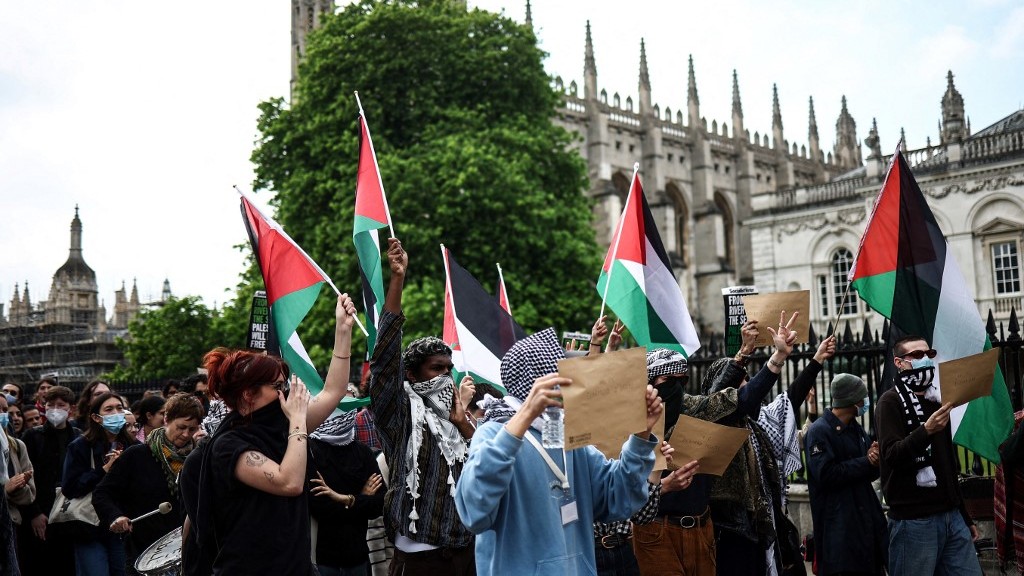
    In a decisive move reflecting growing campus activism, the Cambridge University Student Union has passed a motion declaring that the international community has failed Palestine. The resolution received overwhelming support during a Thursday debate featuring prominent voices from both sides of the conflict.

    The contentious debate featured Palestinian journalist and campaigner Yara Eid advocating for the motion, while Israeli speaker Hen Mazzig, a former army liaison officer, argued against it. Mazzig later characterized the reception to his arguments as ‘hostile’ in a Jewish News article reproducing his speech.

    This development follows last month’s significant decision by Cambridge Student Union to disaffiliate from the National Union of Students (NUS), citing the organization’s failure to adequately campaign for Palestine and support pro-Palestine protesters. The disaffiliation was further justified by citing poor value for money, with annual fees estimated at £20,000 ($26,000).

    The Cambridge vote aligns with broader student activism across the United Kingdom, where student groups and union officers from 55 universities signed an open letter demanding the NUS take a stronger stance on Gaza or face mass disaffiliation. In response, the NUS controversially demanded that union officers remove their signatures from the letter or face bans from NUS events.

    Concurrently, Cambridge University announced last month its decision to divest from companies involved in producing ‘controversial weapons,’ following a year of pro-Palestine protests on campus. This move mirrors similar action taken by King’s College, one of Cambridge’s largest colleges, which committed to divesting from arms industry companies complicit in ‘the occupation of Ukraine and Palestinian territories.’

  • UAE President waives Dh475 million in debt for over 1,400 citizens

    UAE President waives Dh475 million in debt for over 1,400 citizens

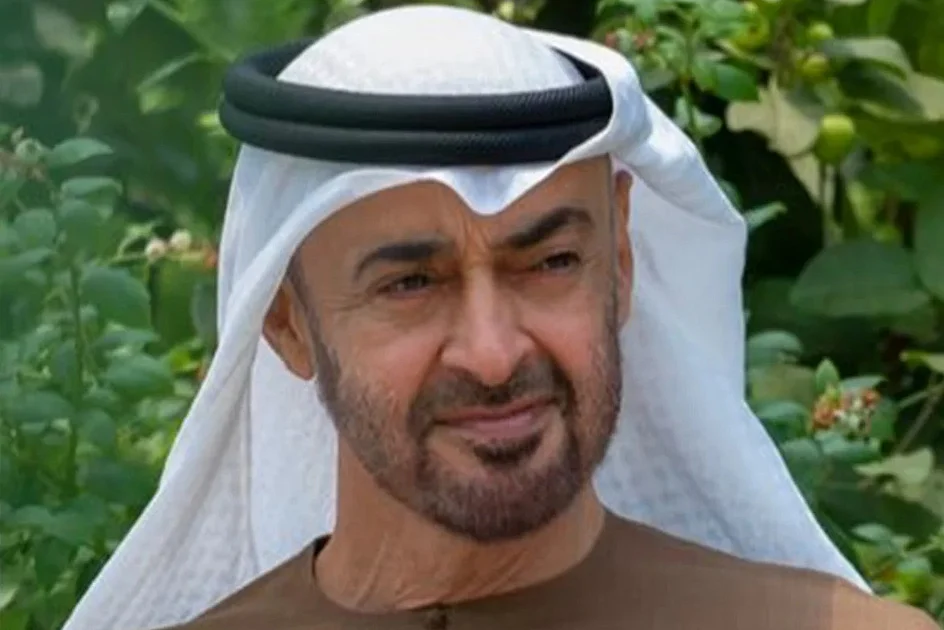
    In a sweeping humanitarian gesture, UAE President Sheikh Mohamed bin Zayed Al Nahyan has authorized the cancellation of debts exceeding Dh475 million for 1,435 Emirati citizens facing financial hardship. The monumental debt relief initiative, coordinated through the Defaulted Debts Settlement Fund, represents one of the most substantial social welfare measures undertaken in the nation’s recent history.

    The comprehensive debt waiver program specifically targets vulnerable segments of society, including humanitarian and medical cases, low-income borrowers, families of deceased individuals, retirees with limited means, and senior citizens. The program operates in collaboration with 19 major banking institutions and financial entities across the Emirates, ensuring widespread impact across the financial sector.

    Sheikh Mansour bin Zayed Al Nahyan, Vice President, Deputy Prime Minister and Chairman of the Presidential Court, has been personally overseeing the implementation of this presidential directive. The initiative reflects the leadership’s profound commitment to alleviating financial pressures on citizens while promoting family stability and social development.

    Debt settlement procedures are being conducted according to rigorous legal and regulatory frameworks that carefully consider the nature and purpose of each loan. Priority is given to essential living expenses and necessary costs that affect citizens’ quality of life and financial security.

    The participating financial institutions include Abu Dhabi Commercial Bank Group, Emirates NBD, First Abu Dhabi Bank, Abu Dhabi Islamic Bank, Mashreq Bank, RAKBANK, Sharjah Islamic Bank, Dubai Islamic Bank, e&, United Arab Bank, Arab Bank for Investment & Foreign Trade (Al Masraf), Commercial Bank of Dubai, HSBC, Ajman Bank, Amlak Finance, Emirates Islamic Bank, Standard Chartered Bank, National Bank of Umm Al Qaiwain, and Citibank.

    This unprecedented debt relief measure demonstrates the UAE government’s proactive approach to social welfare and economic stability, providing citizens with a fresh financial start while reinforcing the nation’s commitment to compassionate governance.

  • Abu Dhabi Crown Prince approves Dh4-billion housing package for 3,310 citizens

    Abu Dhabi Crown Prince approves Dh4-billion housing package for 3,310 citizens

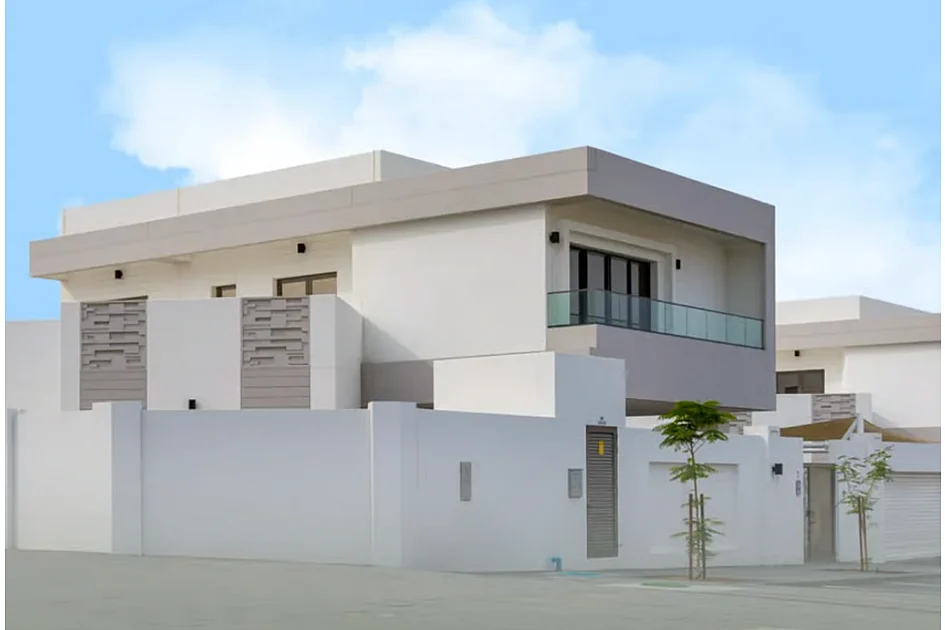
    In a landmark move marking the UAE’s 54th National Day celebrations, Abu Dhabi’s leadership has authorized a comprehensive housing assistance package valued at 4 billion dirhams (approximately $1.1 billion) to benefit 3,310 Emirati citizens across the capital region.

    The substantial housing initiative, approved under the directives of UAE President Sheikh Mohamed bin Zayed Al Nahyan and formally authorized by Crown Prince Sheikh Khaled bin Mohamed bin Zayed Al Nahyan, represents the third such package disbursed in the emirate during 2025. This latest allocation brings the total value of housing benefits distributed to Abu Dhabi citizens this year to 15.384 billion dirhams, directly assisting 10,718 individuals through various support mechanisms.

    The comprehensive package encompasses multiple forms of housing assistance, including 2.27 billion dirhams in housing loans allocated to 1,768 citizens, alongside housing grants and ready-built residential units valued at 1.51 billion dirhams. A particularly significant component involves 208 million dirhams in loan repayment exemptions and reductions specifically designed to support limited-income senior citizens, retirees, and families of deceased borrowers, with 204 citizens qualifying for this financial relief.

    Mohamed Ali Al Shorafa, Chairman of the Board of Directors of the Abu Dhabi Housing Authority, emphasized the symbolic importance of the timing, noting: “As we mark Eid Al Etihad, we express our profound appreciation for our leadership, which consistently prioritizes the welfare and stability of Emirati citizens. This housing package demonstrates the leadership’s unwavering commitment to enhancing quality of life for Emirati families while fostering the spirit of unity and generosity that characterizes our society.”

    The initiative falls under the broader Emirati Family Growth programme, which has already provided 514.75 million dirhams in housing support to 478 citizens through various exemption and reduction schemes. The comprehensive approach addresses both immediate housing needs through ready-built homes and long-term financial support through favorable loan terms, reflecting the government’s multidimensional strategy to ensure housing security for its citizens.

  • China launches nationwide fire safety inspection following Hong Kong’s deadly blaze

    China launches nationwide fire safety inspection following Hong Kong’s deadly blaze

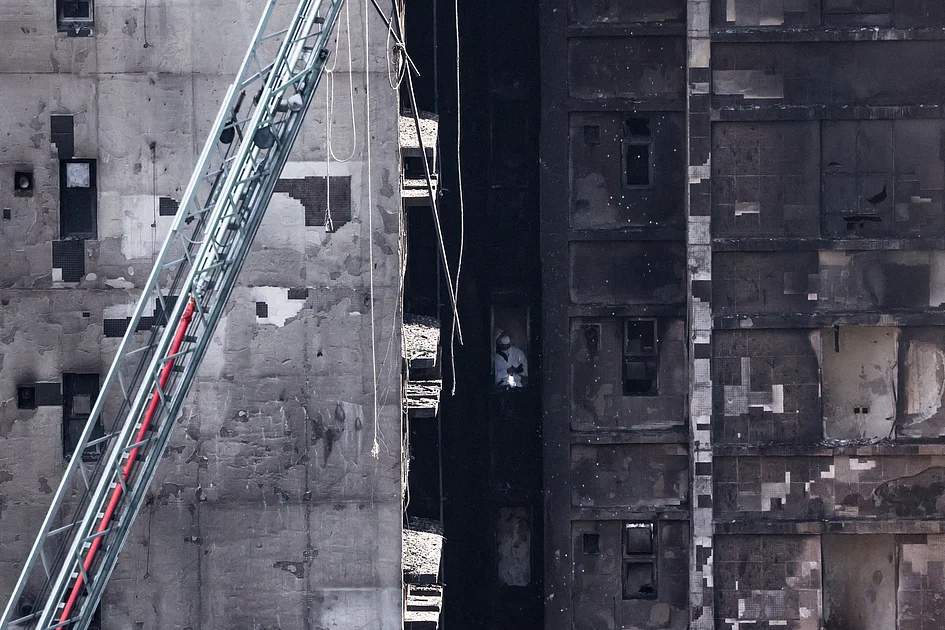
    In response to Hong Kong’s most catastrophic fire incident in decades, Chinese authorities have launched an unprecedented nationwide safety inspection targeting high-rise buildings. The Ministry of Emergency Management announced the comprehensive campaign on Saturday, November 29, 2025, following Wednesday’s devastating blaze that claimed 128 lives with approximately 200 individuals still unaccounted for and 79 injured.

    The inspection initiative will concentrate on structures undergoing external renovations and interior modifications, with particular emphasis on four critical safety domains: combustible materials within external wall insulation systems, prohibited construction materials including bamboo scaffolding, functionality of fire safety equipment, and accessibility of emergency evacuation pathways.

    The tragedy unfolded on November 26th at an eight-tower residential complex housing over 4,600 occupants. The inferno propagated rapidly through buildings encased in bamboo scaffolding and protective mesh, creating a perfect storm of fire hazards. Firefighting operations have concluded after extensive efforts, with twelve firefighters sustaining injuries during the rescue mission, one critically.

    Hong Kong law enforcement has taken three individuals into custody—two directors and one engineering consultant from the construction firm—on suspicion of manslaughter related to the incident. Superintendent Eileen Chung of the Hong Kong Police confirmed the arrests as investigations continue into the circumstances that led to one of the territory’s worst civilian disasters.

    The nationwide safety drive represents a proactive measure to prevent similar tragedies across China’s urban landscapes, where rapid construction and renovation projects have sometimes outpaced safety protocol implementation. The initiative underscores the government’s commitment to addressing systemic safety vulnerabilities in densely populated residential structures.

  • ‘Blank Space’: Why US culture is stagnating

    ‘Blank Space’: Why US culture is stagnating

    The opening lyrics from Tenacious D’s musical tribute to Bach serve as an ironic prelude to a pressing contemporary question: Has Western culture, particularly in the United States, entered a period of creative stagnation? This question has sparked vigorous debate among cultural commentators, with thinkers like Adam Mastroianni and Ted Gioia presenting compelling evidence of declining innovation across multiple creative domains.

    Mastroianni attributes this cultural stagnation to increasing societal risk aversion, arguing that longer lifespans and reduced background risk have made creators and consumers more cautious. Meanwhile, Gioia points to entertainment conglomerates that prioritize intellectual property exploitation and algorithmic content delivery over genuine innovation. Both theorists support their arguments with data showing the dominance of legacy content—sequels, remakes, and adaptations—across books, films, music, television, and gaming.

    Counterarguments suggest that creativity has merely migrated to new formats like memes, short-form videos, and podcasts. However, this perspective fails to explain why reduced production costs haven’t yielded more original feature films instead of endless franchise extensions.

    Amid this debate, cultural theorist David Marx offers a unique perspective through his recent work ‘Blank Space: A Cultural History of the Twenty-First Century.’ Marx, author of the acclaimed ‘Ametora’ exploring Japanese fashion history, delivers a narrative account of American pop culture since 2000. The book chronicles everything from New York’s hipster scene and Pharrell Williams’ influence to the rise of reality television celebrities and internet memes.

    Marx’s central thesis posits that internet culture has driven toward homogenization and commercialism, though his narrative brilliance sometimes undermines his argument by vividly resurrecting the very cultural moments he characterizes as bland. The book notably overlooks significant cultural developments including the 2000s indie film renaissance and the massive influence of Japanese cultural imports—an ironic omission given Marx’s expertise in Japanese fashion.

    The discussion inevitably turns to the ‘long tail’ theory and whether niche cultural production compensates for mainstream stagnation. Evidence suggests creativity flourishes unevenly—while television and graphic novels have experienced creative explosions, film, literature, and music show concerning declines in innovative output.

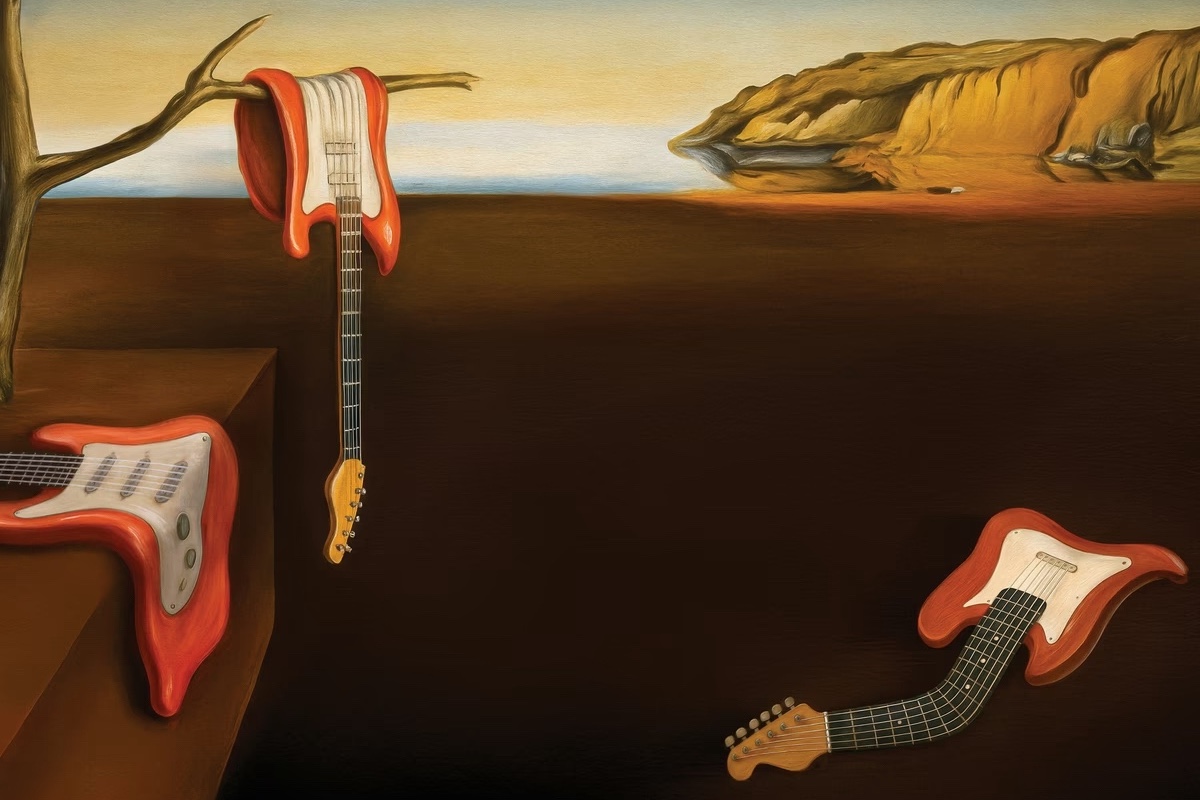
    Ultimately, technological factors may provide the most compelling explanation for this uneven cultural landscape. New technologies typically unlock creative possibilities that eventually become exhausted—much as electric guitars revolutionized music for decades before conventions solidified. This technological determinism suggests that cultural innovation may be inherently temporary without new technological catalysts.

    The fragmentation of internet culture away from mass social media toward private communities may offer hope for renewed subcultural development. As Marx suggests, cultural innovation requires spaces where creativity can develop away from immediate commercial pressures and algorithmic optimization.

    While ‘Blank Space’ excels as cultural history, its prescriptions for revitalizing creativity remain preliminary. The conversation about cultural stagnation continues, with technology, economics, and social dynamics all contributing to complex creative challenges that defy simple solutions.

  • Teochew International Convention opens in Guangdong’s Chaozhou

    Teochew International Convention opens in Guangdong’s Chaozhou

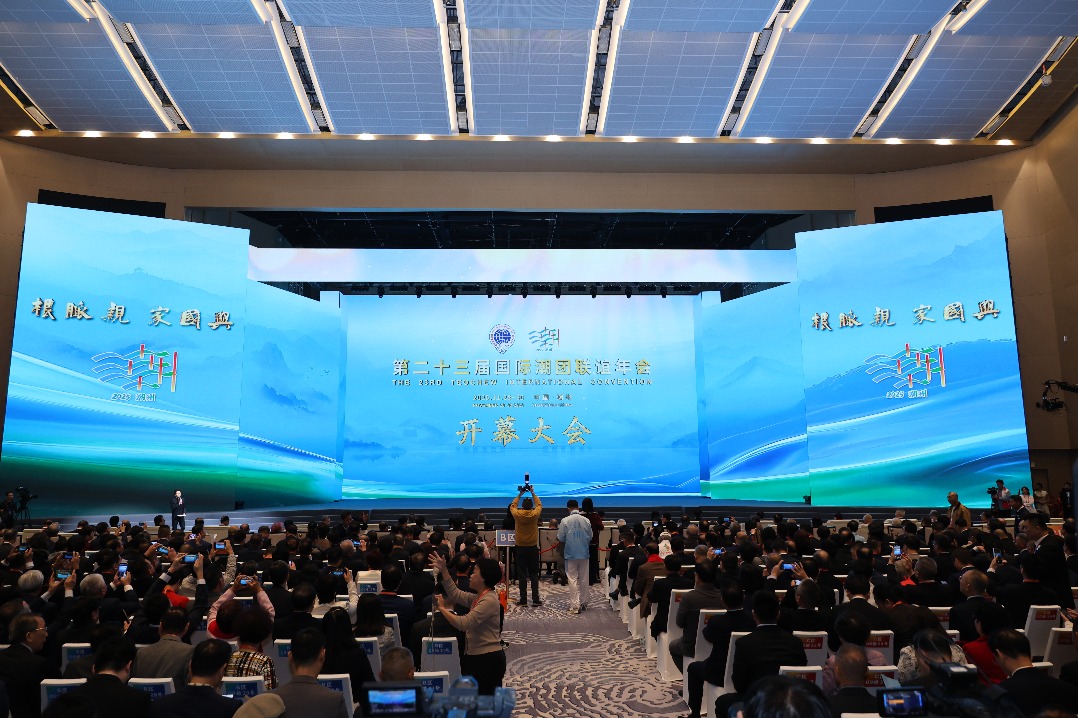
    CHAOZHOU, GUANGDONG – The historic city of Chaozhou, widely recognized as the cultural heartland of the Teochew people, hosted the inauguration of the 23rd Teochew International Convention on Saturday, November 29, 2025. This significant gathering attracted representatives from 165 global organizations comprising individuals of Teochew ancestry, all converging to foster enhanced dialogue and collaborative initiatives.

    The convention’s opening ceremony featured an address by Siddharth Chatterjee, the United Nations Resident Coordinator in China, who drew parallels between the UN’s 80-year legacy of global cooperation and the dedicated efforts of Teochew international associations. He emphasized the critical role of civil society in building bridges across nations, stating, ‘The United Nations in China looks forward to working with you to build a more inclusive, prosperous and sustainable future.’

    A key development emerging from the convention was the official launch of a specialized program designed to strengthen supply chain cooperation. This initiative aims to significantly boost both export and import activities centered around Chaozhou, potentially creating new economic pathways for the region.

    Adding a cultural dimension to the event, a new exhibition center dedicated to preserving and showcasing Teochew history and culture was inaugurated in the city. This institution will serve as a permanent repository for the rich heritage of a diaspora community numbering approximately 15 million people across more than 60 countries worldwide.

  • ‘Born to chase’: Why Arabian Saluki is timeless hunting companion

    ‘Born to chase’: Why Arabian Saluki is timeless hunting companion

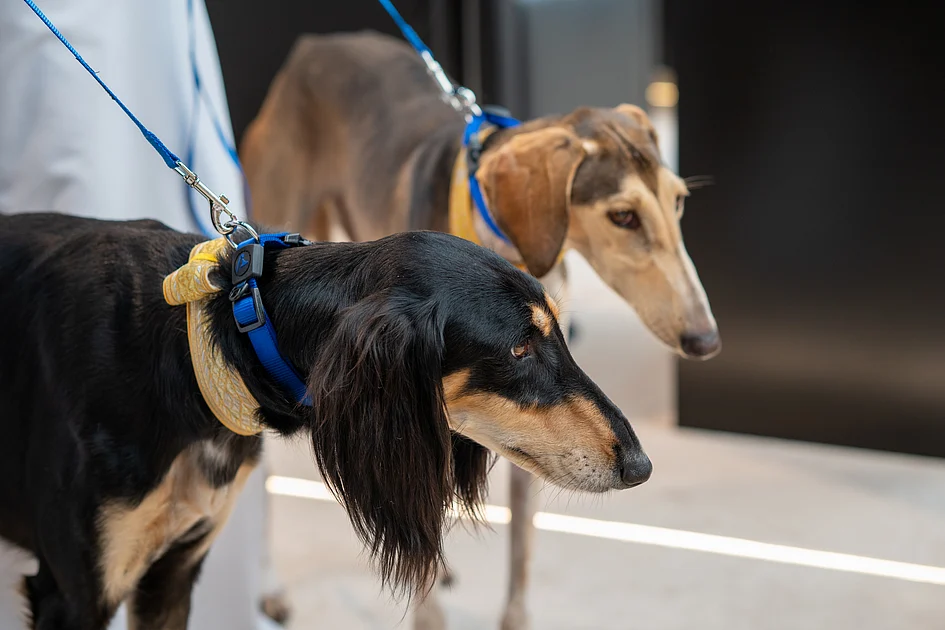
    The inaugural Al Ain International Hunting and Equestrian Exhibition 2025 has cast a well-deserved spotlight on the Arabian Saluki, celebrating this iconic desert hound as both a master hunter and cultural treasure. This graceful yet powerful breed continues to captivate breeders, hunting enthusiasts, and cultural preservationists across the UAE and beyond with its unique combination of speed, intelligence, and loyalty.

    For centuries, the Saluki has served as more than merely a hunting companion—it has evolved as a desert-native breed meticulously shaped by the harsh demands of its environment. Its exceptional terrain navigation capabilities, breathtaking sprinting speed, and profound loyalty to handlers have secured its permanent place within Emirati heritage. Modern breeders now dedicate themselves to maintaining the breed’s purity and traditional characteristics.

    Renowned breeder Abduljalal Samina, exhibiting at the event, emphasized to Khaleej Times that genuine Salukis are ‘born with the passion for the chase.’ He clarified that the breed’s value derives not from monetary price but from documented lineage, proven performance capabilities, and the quality of the bond formed with its owner. ‘Some dogs are priceless,’ Samina noted, referencing top-tier specimens that excel in both aesthetic competitions and speed trials.

    The exhibition showcases Salukis across multiple categories, including show-quality presentations and those specifically trained for high-velocity hunting and racing competitions. Judges employ comprehensive evaluation criteria examining physical attributes and behavioral characteristics: overall body structure, agility, stance, muscle definition, and the dog’s innate responsiveness to its handler.

    Beyond physical prowess, the event highlights the Saluki’s deep cultural significance. For many Emirati families, raising and training these dogs represents an intergenerational tradition. The breed embodies cherished cultural values including patience, strength, and humanity’s historical connection to the desert environment.

    As visitors explore Hall 2, they encounter living representations of Emirati history—each Saluki serves as a testament to loyalty, specialized skills, and enduring desert heritage. With growing international interest in the breed, exhibitions like this play an increasingly vital role in preserving and promoting this iconic symbol of UAE national identity.

  • Dubai: Man jailed after drug-soaked A4 paper shipment intercepted at customs

    Dubai: Man jailed after drug-soaked A4 paper shipment intercepted at customs

    Dubai authorities have uncovered and thwarted an elaborate narcotics smuggling operation utilizing A4 printing paper as a concealment method, resulting in the imprisonment of a Gulf national. The Dubai Criminal Court delivered a mixed verdict, sentencing the individual to three months incarceration for drug consumption while exonerating him from importation charges due to insufficient evidence linking him directly to the shipment arrangement.

    The case originated in April 2025 when a vigilant Dubai Customs inspector detected anomalies in a small parcel declared as standard office supplies. The shipment contained 22 sheets of paper that exhibited unusual characteristics, prompting immediate notification to Dubai Police. Law enforcement officials orchestrated a controlled operation instructing customs to summon the recipient for collection.

    Upon arrival at the customs facility, the Gulf national was apprehended. Concurrently, a second suspect—an African national—arrived to retrieve the parcel using his Emirates ID. During interrogation, the African individual claimed he had been offered AED 5,000 to collect what he believed were legitimate work documents, asserting he had only received instructions on the delivery day.

    Subsequent investigations by Dubai Police’s Anti-Narcotics Department revealed more sinister connections. The African suspect was identified as an established drug dealer with prior history of supplying prohibited substances to the Gulf national. Forensic laboratory analysis confirmed the paper sheets were impregnated with a synthetic controlled substance, highlighting an increasingly prevalent global smuggling technique designed to evade detection.

    While the primary defendant denied any knowledge of or connection to the international shipment, forensic evidence conclusively established recent narcotics consumption through biological testing. The court determined that although drug use was substantiated, prosecution failed to prove the defendant’s involvement in orchestrating the importation beyond reasonable doubt. The African suspect remains under active investigation for narcotics trafficking offenses.

    Authorities have issued renewed warnings about sophisticated drug concealment methods utilizing commonplace items including textiles, food packaging, and stationery products. Dubai officials emphasize the critical importance of public vigilance and strongly advise against accepting parcels for unknown individuals.

  • History of traditional Chinese medicine on display at Shanghai museum

    History of traditional Chinese medicine on display at Shanghai museum

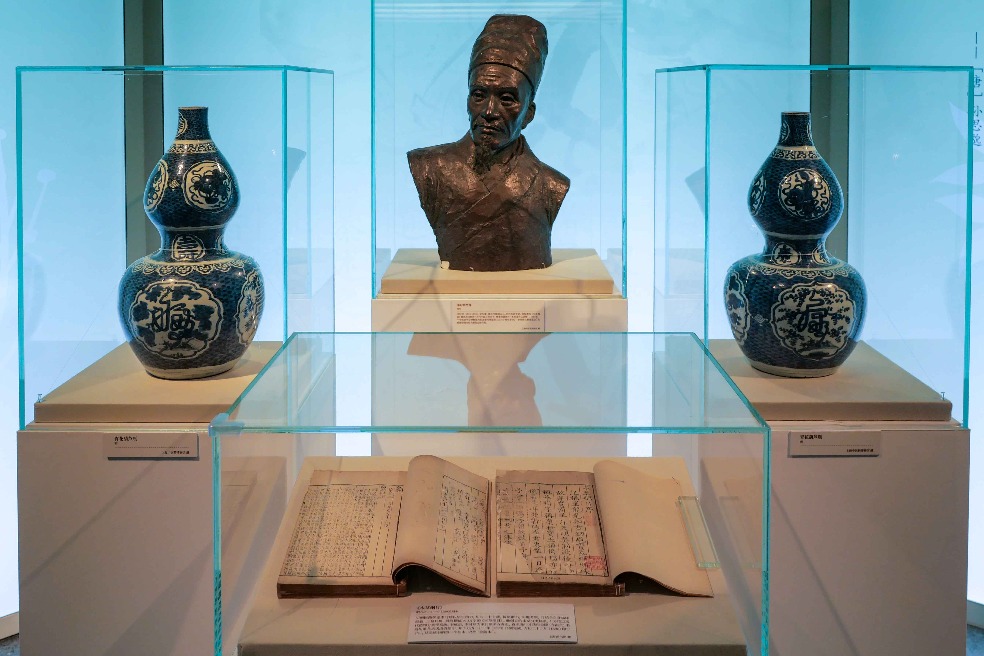
    Shanghai History Museum has launched a groundbreaking exhibition showcasing the profound legacy of Traditional Chinese Medicine (TCM) in the metropolitan region. Titled ‘Heritage, Harmony, Health: The Wisdom of Shanghai TCM for Modern Well-Being,’ the comprehensive display features over 300 meticulously curated artifacts that trace the evolution of medicinal practices throughout Shanghai’s history.

    The crown jewel of the exhibition is an exceptionally rare first print copy of Li Shizhen’s Bencao Gangmu (Compendium of Materia Medica), on special loan from Shanghai Library for a limited one-week viewing period. This monumental 16th-century encyclopedia represents one of Chinese medicine’s most significant contributions to global pharmacology. Li Shizhen dedicated three decades to compiling this masterwork, which systematically categorizes medicinal substances into plant, animal, and mineral classifications across 52 detailed volumes.

    Historical scholars recognize the Jinling edition as the original version of this seminal text, with approximately 160 different editions identified to date. The exhibition contextualizes this pharmaceutical masterpiece within Shanghai’s broader medical heritage, demonstrating how traditional healing practices have continuously evolved while maintaining their philosophical foundations.

    Beyond the literary treasure, the museum presents diverse artifacts including ancient diagnostic tools, prescription manuals, herbal specimens, and surgical instruments that illustrate the sophisticated practices of TCM practitioners through centuries of medical development. The exhibition particularly emphasizes how Shanghai emerged as a crucial hub for integrating traditional medical knowledge with modern healthcare approaches.

    Running through March 1, the immersive experience offers visitors unique insights into how historical medical wisdom continues to inform contemporary wellness practices. The exhibition strategically bridges historical medical traditions with current health concepts, demonstrating TCM’s enduring relevance in modern preventive medicine and holistic treatment methodologies.