分类: society

  • Hong Kong to set up inquiry into deadly fire

    Hong Kong to set up inquiry into deadly fire

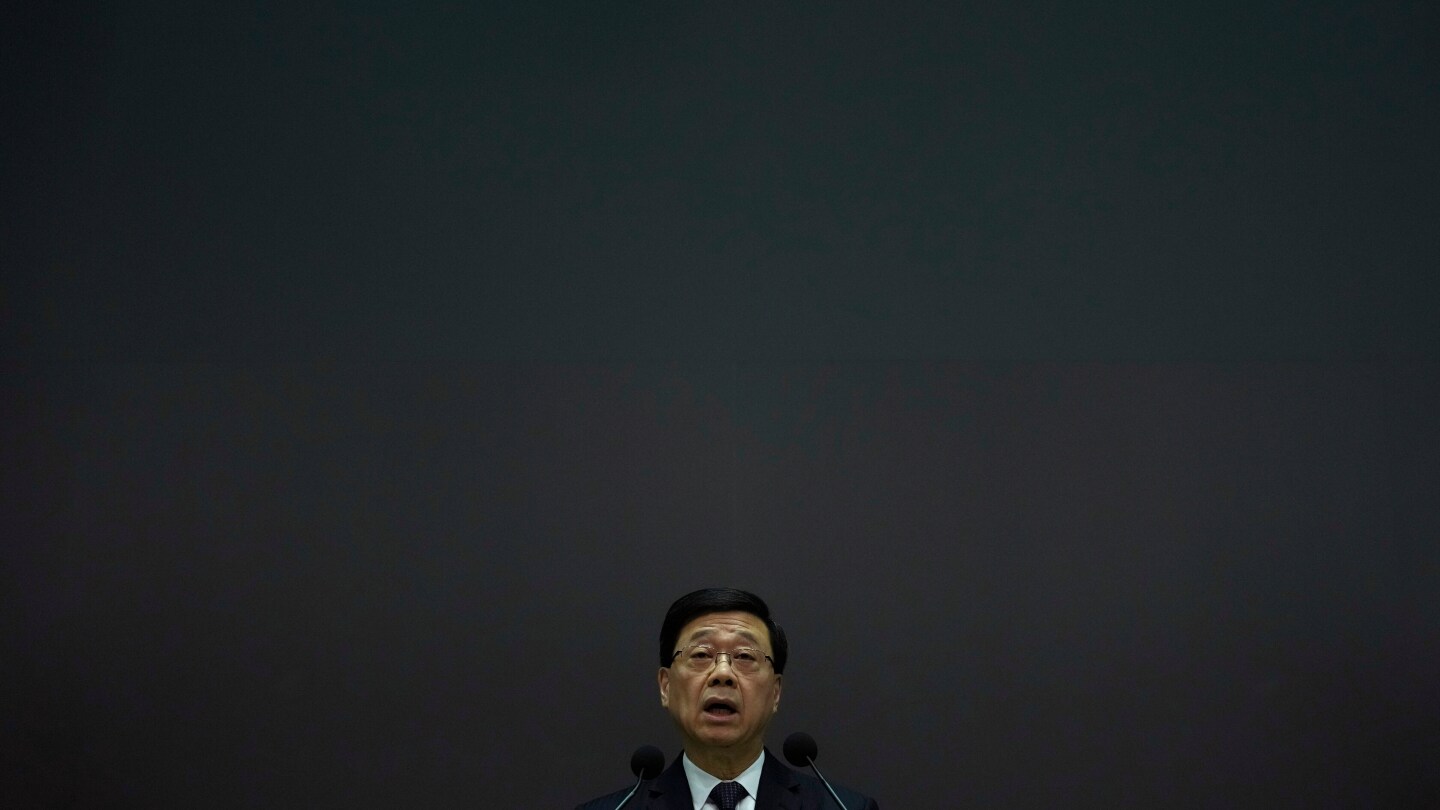
    HONG KONG — In response to one of the city’s most devastating fire disasters in decades, Hong Kong’s Chief Executive John Lee announced Tuesday the establishment of an independent judicial commission to investigate the catastrophic apartment blaze that claimed at least 151 lives. The comprehensive inquiry will be chaired by a sitting judge and aims to determine the root causes of the tragedy while formulating preventive measures to avoid future occurrences.

    The inferno erupted at the Wang Fuk Court residential complex during ongoing maintenance operations, rapidly consuming scaffolding encasement and spreading across seven of the eight towers in the housing estate. The disaster has left thousands of the complex’s 4,600 residents displaced and homeless, creating a severe humanitarian crisis in the densely populated urban center.

    Preliminary investigations indicate multiple contributing factors, including adverse weather conditions with high winds and the use of highly flammable construction materials. Authorities have identified substandard foam panels and non-compliant flame-retardant netting as primary accelerants that enabled the fire’s rapid escalation, overwhelming emergency response efforts.

    Chief Executive Lee delivered strong statements during his weekly media briefing, which was entirely dedicated to addressing the tragedy. He vowed to confront entrenched interests and ensure full accountability, stating, ‘We must uncover the truth, ensure that justice is served, let the deceased rest in peace and provide comfort to the living.’

    Law enforcement agencies have already taken decisive action, with police and anti-corruption authorities detaining 14 individuals connected to the construction project. Those arrested include company directors and engineering consultants, with thirteen facing potential manslaughter charges for allegedly mixing certified and substandard safety materials to deceive inspection protocols.


  • Why more young US women appear ready to move abroad

    Why more young US women appear ready to move abroad

    A growing demographic shift is emerging among American women, with unprecedented numbers considering permanent relocation abroad. Recent data from analytics firm Gallup reveals that 40% of women aged 15-44 would move overseas given the opportunity—the highest migration aspiration rate ever recorded and more than double the percentage of young men expressing similar desires.

    This trend, developing over the past decade, represents a significant reversal from historical patterns where American women were less likely than their international peers to envision futures abroad. The phenomenon cuts across political affiliations, with women feeling caught between competing expectations from both conservative and progressive perspectives.

    Personal narratives illustrate the multifaceted reasons behind this emerging exodus. Aubrey and her wife, homeowners from upstate New York, are preparing for relocation to Costa Rica in January after months of unease about the political climate and concerns about basic safety. Their story echoes that of Kaitlin, 31, who abandoned her Los Angeles 9-to-5 job four years ago for Portugal, citing inadequate work-life balance and seeking cultural immersion. Similarly, Alyssa, a 34-year-old mother from Florida, relocated to Uruguay earlier this year following the Supreme Court’s reversal of Roe v. Wade, explaining that ‘the increasing governance of women’s bodies terrified me.’

    Beyond political concerns, economic pressures including student debt, rising healthcare costs, and housing affordability are contributing factors. A Harris Poll survey confirms that 40% of Americans have considered moving abroad, with Gen Z and Millennials being the most likely demographics. Lower living costs abroad frequently feature as primary motivators.

    The institutional trust crisis further compounds these migration considerations. Gallup data indicates confidence in national institutions has plummeted to historic lows, with only 26% of Americans trusting the presidency and 14% trusting Congress. This decline has been most precipitous among young women, whose scores on the National Institutions Index have dropped 17 points since 2015—the sharpest decline of any demographic group.

    Additional factors influencing relocation decisions include healthcare accessibility, climate concerns, and gun violence prevention. Marina, planning to move to Portugal with her boyfriend next May, notes: ‘Healthcare not being a human right in this country is a huge part of why we’re leaving.’ She also cites Portugal’s stricter gun laws and increasing extreme weather events in the US as determining factors.

    Georgetown University Professor Nadia E Brown emphasizes that these pressures reflect broader global challenges facing women, though they appear particularly acute in the American context. The absence of robust social supports—including maternal care, parental leave, and healthcare systems comparable to those in Europe—frequently becomes apparent only after women have experienced alternatives abroad, creating a potentially irreversible brain drain of young American women seeking autonomy, dignity, and safety elsewhere.

  • ‘We love you, UAE!’: Residents celebrate Eid Al Etihad in colourful parade

    ‘We love you, UAE!’: Residents celebrate Eid Al Etihad in colourful parade

    City Walk in Dubai transformed into a spectacular tapestry of international unity on Monday as thousands of residents gathered for the Eid Al Etihad parade, celebrating the UAE’s 54th National Day. The vibrant procession showcased an extraordinary display of cross-cultural harmony with participants from Russia, the Philippines, India, Pakistan, China, Turkey, and numerous other nations marching in unison while waving UAE flags and chanting expressions of affection for their host country.

    The thoroughfares brimmed with enthusiastic spectators adorned in the UAE’s distinctive colors, enthusiastically recording the dynamic performances on their mobile devices. Attendees journeyed from across the emirates to participate in the festivities, creating an atmosphere of genuine international camaraderie.

    Varvara Petrova, a Russian expatriate who accessorized with a traditional platok scarf, expressed how marching in the parade fostered a profound connection to the UAE. ‘Having resided here for four years, this procession demonstrates the nation’s remarkable inclusivity toward all nationalities,’ she remarked.

    Mary Marisol, representing the Filipino community contingent, emphasized their heartfelt gratitude through chants of ‘We love UAE.’ She elaborated, ‘Our chants reflect genuine appreciation for everything this nation has provided us. The collective celebration created an immensely uplifting experience.’

    Pakistani participant Bilal Ahmed highlighted the cultural fusion as the event’s defining characteristic. ‘Witnessing diverse nationalities marching together with authentic affection and brotherhood is uniquely Emirati. This unity exists nowhere else quite like this,’ he observed.

    The parade featured an enthralling sequence of cultural presentations, commencing with an Indian community band delivering spirited musical performances. Filipino groups followed with energetic cheers praising the UAE, while Chinese performers captivated audiences with an elegant umbrella dance that elicited enthusiastic applause. Russian contributors added chromatic vibrancy in traditional attire, and Pakistani contingents waved their flags with evident pride. Turkish residents displayed dual flags symbolizing their dual allegiances.

    Families with children clad in national colors frequently paused to photograph the multicultural displays. Ayesha Khan from Al Nahda brought her children specifically to demonstrate the UAE’s multicultural coexistence, noting, ‘This resembled an enormous international family gathering. My children were delighted seeing everyone united in celebrating the UAE.’

    Throughout the event, resonant chants of ‘We love UAE’ echoed across City Walk, powerfully conveying the profound connection expatriates feel toward their adopted homeland.

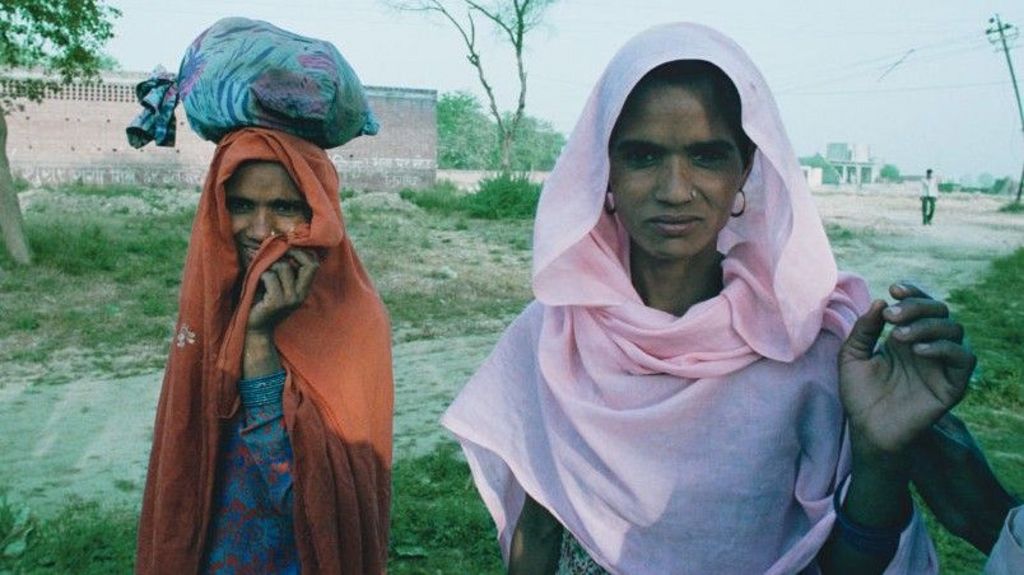
  • India’s Supreme Court upholds rights of poorest – but language reveals ‘bias’, study says

    India’s Supreme Court upholds rights of poorest – but language reveals ‘bias’, study says

    A groundbreaking study conducted in partnership with India’s Supreme Court has revealed a profound paradox within the nation’s highest judicial body. While the court has consistently upheld the rights of Dalits (historically marginalized communities comprising approximately 160 million citizens), its language frequently reinforces the very caste hierarchies it seeks to eliminate.

    The University of Melbourne-funded research, spanning 75 years of constitution bench rulings from 1950 to 2025, demonstrates how progressive legal outcomes often coexisted with regressive language. These landmark decisions, which set legal precedents and influence lower courts, contained terminology that researchers characterize as “demeaning or insensitive” toward oppressed communities.

    Analysis revealed multiple problematic linguistic patterns: some judgments compared caste oppression to disability, implying inherent inferiority; others described affirmative action as “crutches” that shouldn’t be depended upon too long; several rulings compared Dalits to “ordinary horses” while characterizing upper castes as “first class race horses.” Particularly troubling were descriptions of caste origins as “benign” division of labor, which researchers note “supported a bitterly unfair status quo that confines oppressed castes to reviled and poorly paid work.”

    Professor Farrah Ahmed of Melbourne Law School, a co-author of the study, emphasized that judges appeared genuinely unaware of their language’s implications. “I don’t think, in any of these cases, that there was an intention to insult or demean Dalit people,” she noted, while acknowledging that such language likely influenced judicial reasoning.

    The Supreme Court has recently taken steps toward addressing linguistic bias, including last year’s directive to revise prison manuals to eliminate caste-based discrimination and its 2023 publication of a ‘Handbook on Combating Gender Stereotypes.’ However, the study argues that meaningful change requires greater diversity within the judiciary itself.

    With only eight Dalit judges having served on the Supreme Court throughout its history, including recently retired Chief Justice BR Gavai (the second Dalit to lead the court), the institution lacks the diverse perspectives necessary to fully address caste bias. The researchers point to Justice KG Balakrishnan’s writing—which describes caste as “unbreakable bondage”—as evidence of how lived experience shapes judicial understanding.

    This internal reckoning suggests that the struggle for caste equality extends beyond laws and judgments into the fundamental language through which justice is articulated and understood.

  • Watch: Dubai’s City Walk transforms with massive Eid Al Etihad parade

    Watch: Dubai’s City Walk transforms with massive Eid Al Etihad parade

    Dubai’s City Walk district underwent a remarkable transformation on Monday afternoon as thousands of residents converged to celebrate Eid Al Etihad through one of the year’s most vibrant cultural parades. The spectacle commenced at 4 PM from the Coca-Cola Arena junction, featuring the Dubai Police band leading the procession with synchronized drum and brass performances that set the rhythmic foundation for the entire event.

    The parade evolved into a moving exhibition of Emirati heritage, with Dubai Police officers on horseback proudly displaying the national flag, followed by the popular K9 unit and an impressive display of police supercars. Interior roads of City Walk were temporarily closed to accommodate the diverse crowd of families, tourists, and long-term residents, many adorned in traditional Emirati attire or UAE flag-colored clothing.

    The cultural segment showcased Al-Ayyala dancers performing traditional stick dances, performers in historical fishermen’s outfits demonstrating early fishing techniques, and participants carrying wooden falcons symbolizing the nation’s strength and heritage. One of the most poignant moments occurred when performers carried individual foam maps of each emirate, assembling them beneath a massive UAE flag to form the complete national map.

    Attendees from across the UAE and various nationalities expressed overwhelming pride in the unifying atmosphere. Fatima, who traveled from Fujairah with her family, noted the special energy that brought people of every nationality together. Rashid al Hussam from Umm Al Quwain emphasized the importance of exposing children to traditional heritage groups, while Indian resident Maria Sebastian highlighted the unique community atmosphere where Emiratis, Russians, Filipinos, Pakistanis, and Chinese celebrated together.

    The event successfully transformed City Walk into a dynamic festival of culture, color, and national pride, demonstrating the UAE’s ability to blend tradition with modernity while fostering cross-cultural unity.

  • Dh500 fine: Police warn of punishment for illegal driving in parade, gathering

    Dh500 fine: Police warn of punishment for illegal driving in parade, gathering

    In preparation for the UAE’s 54th National Day celebrations, law enforcement agencies across the Emirates have issued stringent warnings against unauthorized vehicular participation in parades and public gatherings. Sharjah Police specifically emphasized that driving in organized processions without obtaining proper permits constitutes a serious traffic violation.

    The regulatory framework establishes clear consequences for non-compliance: offenders face a financial penalty of Dh500, accumulation of four black points on their driving license, and potential vehicle impoundment for a duration of 15 days. These measures aim to maintain public order during the Eid Al Etihad festivities, which traditionally bring together diverse nationalities through colorful performances and community events.

    Transport authorities throughout the UAE have implemented coordinated road closure protocols for parade routes, with detailed communications provided to the public regarding alternative routes and timing. Dubai Police previously released comprehensive guidelines for National Day observances, which include prohibitions against displaying foreign flags and recommendations for early airport travel during the celebration period.

    The enforcement initiative reflects broader efforts to balance celebratory traditions with public safety considerations, ensuring that the patriotic gatherings remain secure and organized for all participants and spectators.

  • Luigi Mangione faces key evidence hearings over US healthcare exec’s killing

    Luigi Mangione faces key evidence hearings over US healthcare exec’s killing

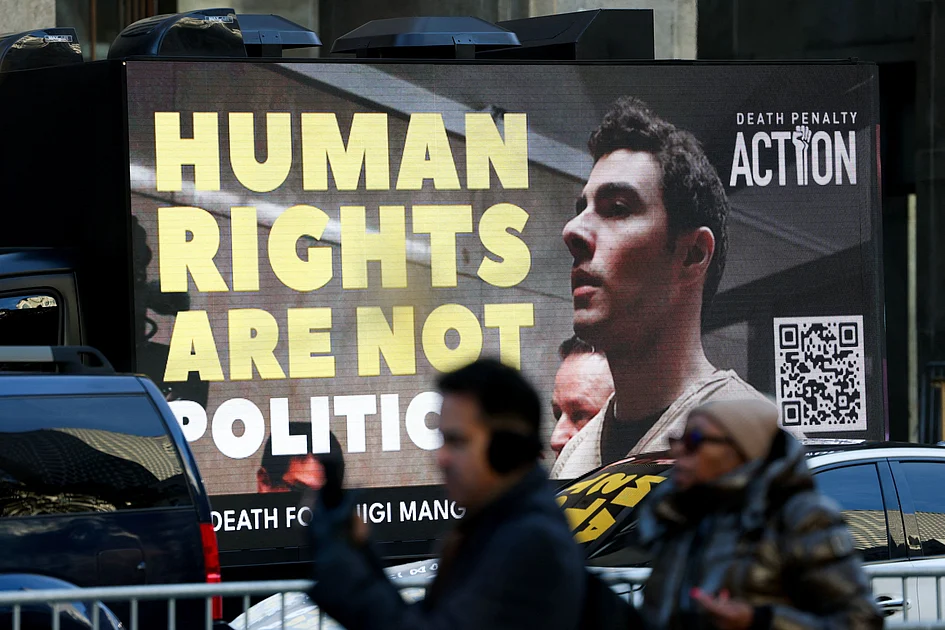
    A pivotal legal proceeding commenced Monday in the case against Luigi Mangione, the 27-year-old defendant charged with the assassination of UnitedHealthcare CEO Brian Thompson. The hearings, presided over by Judge Gregory Carro in state court, will determine the admissibility of crucial evidence in Mangione’s upcoming murder trial.

    The case stems from the December 2024 fatal shooting of Thompson on a Midtown Manhattan sidewalk, an act that drew widespread condemnation from public officials while simultaneously making Mangione an unlikely folk hero among Americans frustrated with exorbitant healthcare costs. Mangione has entered not guilty pleas to all charges in both state and federal jurisdictions, with federal prosecutors indicating they will seek capital punishment.

    This week’s hearings will scrutinize the circumstances surrounding Mangione’s arrest in Pennsylvania, where defense attorneys allege constitutional violations occurred. The defense team is motioning to exclude evidence recovered from Mangione’s backpack—including a 3D-printed firearm, silencer, electronic devices, and journal entries allegedly connecting him to the homicide—claiming it was obtained through illegal search procedures.

    Additionally, defense counsel is seeking to suppress statements Mangione made during interrogation, asserting law enforcement failed to properly advise him of his Miranda rights. Prosecutors from Manhattan District Attorney Alvin Bragg’s office have vigorously contested these motions, maintaining the investigation was conducted lawfully.

    While Judge Carro dismissed two terrorism charges in September due to insufficient evidence of intent to intimidate insurance workers or influence policy, Mangione still faces second-degree murder charges—which carry life imprisonment for intentional killing—alongside seven weapons possession counts and one false identification charge.

    The defendant remains in federal custody in Brooklyn as both state and federal trial dates await scheduling. Outside the courthouse, a small group of supporters demonstrated, including one individual costumed as a video game villain bearing a sign that read, ‘When patients die, profits rise,’ highlighting the polarized public reaction to this case.

  • Two former Khaleej Times staffers pass away in the same place on the same day

    Two former Khaleej Times staffers pass away in the same place on the same day

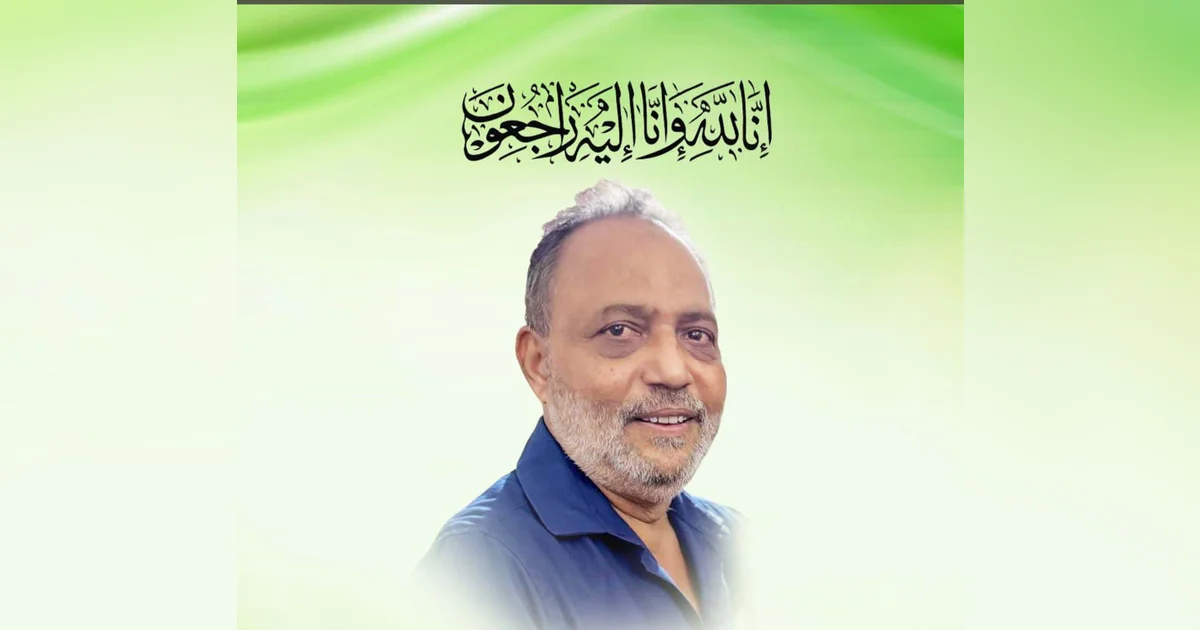
    The media community in the United Arab Emirates is grieving the simultaneous passing of two former Khaleej Times employees, both of whom died from cardiac complications on the same day in their native Kasargod district in Kerala, India.

    P.S. Seedi, who dedicated 31 years of service to the publication’s classifieds department from 1977 until his departure in 2008, succumbed to a heart attack at age 78. Remembered by former colleagues as exceptionally devoted to the organization, Seedi maintained strong connections with former coworkers long after his retirement. Former IT professional A. Abdulla of the Galadari Brothers Group recalled Seedi’s enduring concern for the newspaper’s circulation performance even years after leaving the company, describing him as perpetually cheerful and genuinely caring toward everyone in his orbit.

    In a tragic coincidence, Bappu Valappil, who served as an office assistant in the KT newsroom from 1996 to 2004, also passed away due to cardiac issues on the same Saturday. Valappil was celebrated for his deep commitment to family and community service following his return from the Gulf region, where he built bridges across diverse religious communities through his social activism.

    Suresh Pattali, Executive Editor of Khaleej Times, shared poignant memories of both individuals, noting Seedi’s lively engagement with state politics and Valappil’s quiet professionalism in monitoring breaking news developments. Both men leave behind grieving families—Seedi is survived by his wife and two sons, while Valappil is remembered by his wife, two sons, and daughter.

    The dual loss has reverberated through the close-knit expatriate media community, highlighting the enduring bonds formed within the UAE’s journalistic institutions and the profound impact these dedicated professionals had on their colleagues and organization.

  • Embroidery proving major draw at bustling Guizhou market

    Embroidery proving major draw at bustling Guizhou market

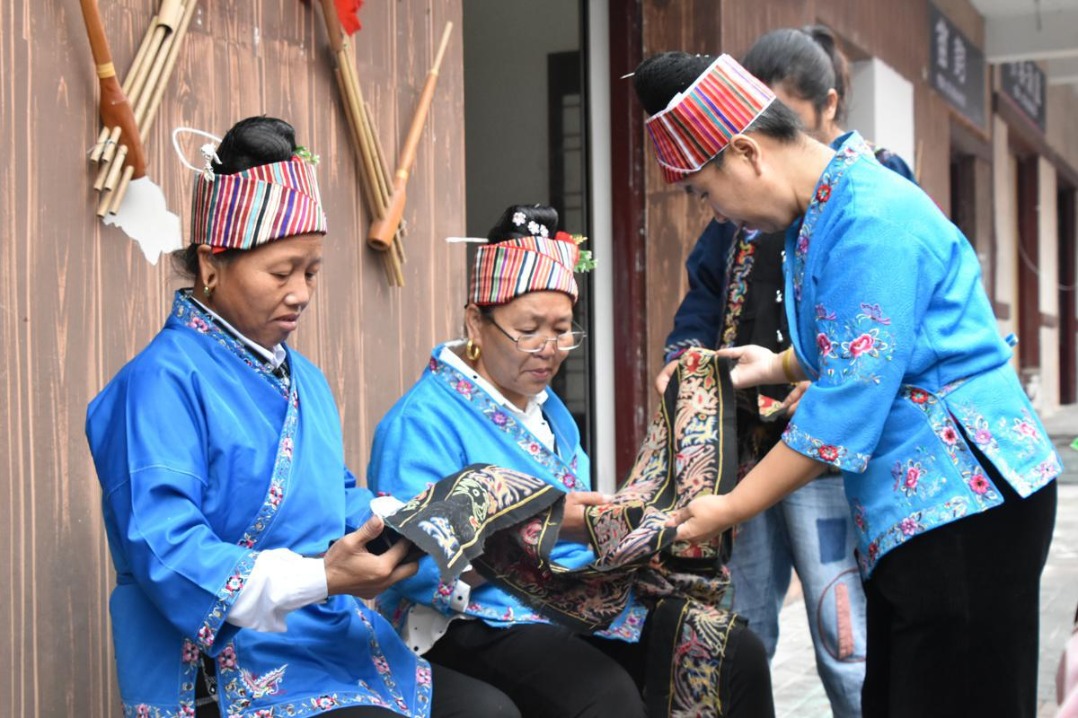
    In the heart of China’s Qiandongnan Miao and Dong Autonomous Prefecture, a cultural renaissance is underway at the Xiulitao market in Kaili city, Guizhou province. What began as an informal gathering of local artisans has transformed into a thriving hub for ethnic embroidery, attracting both tourists and younger generations seeking authentic cultural experiences.

    The market, which officially opened in 2023 after local government reorganization, represents a successful case of cultural preservation meeting economic development. Visitors can witness master artisans demonstrating generations-old techniques including intricate embroidery patterns, traditional brocade weaving, and batik dyeing methods that have been preserved within these mountain communities for centuries.

    Beyond mere commerce, Xiulitao market serves as a living museum where cultural exchange flourishes. Younger shoppers are particularly drawn to the authentic craftsmanship, often purchasing embroidered pieces as both fashion statements and cultural artifacts. The market’s popularity reflects a broader trend of urban Chinese consumers rediscovering and valuing traditional ethnic crafts.

    Local merchants report sustained interest throughout the year, with particularly strong attendance during cultural festivals and holiday periods. The market’s success has provided economic stability for artisans while ensuring the continuation of endangered traditional crafts. This model of cultural commercialization without compromise to authenticity offers valuable insights for other regions seeking to preserve intangible cultural heritage.

  • ‘Rage bait’ crowned Oxford’s word of the year for 2025

    ‘Rage bait’ crowned Oxford’s word of the year for 2025

    Oxford University Press has declared ‘rage bait’ as its 2025 Word of the Year, selecting the term that encapsulates the modern digital phenomenon of content specifically engineered to provoke anger and outrage for increased online engagement. The selection process incorporated both public voting and sophisticated analysis of lexical data from OUP’s extensive language corpus.

    The winning term surpassed two other notable finalists: ‘aura farming,’ which describes the strategic cultivation of a charismatic personal image, and ‘biohack,’ referring to self-directed biological optimization through lifestyle and technological interventions. According to Oxford’s official definition, ‘rage bait’ constitutes ‘online content deliberately designed to elicit anger or outrage through frustrating, provocative, or offensive material, typically posted to amplify web traffic or user interaction.’

    Casper Grathwohl, President of OUP’s Languages Division, emphasized that these contemporary terms demonstrate how digital platforms are fundamentally transforming human cognition and behavior. ‘These selections represent a natural progression in our ongoing dialogue about humanity’s place within a technology-dominated world and the peculiar extremes of online culture,’ Grathwohl stated in an official release.

    The democratic element of the selection process saw participation from over 30,000 global voters during a three-day voting window. This marks the fourth consecutive year incorporating public input in the final decision, though OUP experts simultaneously tracked actual usage patterns across a massive 30-billion-word database of global language data to validate the choice.

    This year’s selection continues Oxford’s tradition of identifying terms that capture the cultural moment, following previous winners including 2023’s ‘rizz’ (denoting personal charm) and 2024’s ‘brain rot.’ The public voting mechanism began in 2022 when ‘goblin mode’ emerged victorious. Prior to this public involvement phase, Oxford’s lexicographers independently selected such culturally significant terms as ‘vax’ (2021), ‘climate emergency’ (2019), and ‘selfie’ (2013).