分类: society

  • US influencer investigated over wild croc wrestling videos

    US influencer investigated over wild croc wrestling videos

    Australian authorities are investigating US influencer Mike Holston, known as ‘The Real Tarzann,’ after he posted controversial videos of himself capturing wild crocodiles in Queensland. The footage, which has sparked widespread condemnation, shows Holston wrestling a freshwater crocodile and manhandling a juvenile saltwater crocodile, one of the world’s most aggressive reptiles. While Holston claims the videos were made for ‘educational purposes,’ wildlife experts and government officials have labeled his actions as ‘extremely dangerous and illegal.’

    In one video, Holston is seen jumping into shallow water to chase a freshwater crocodile, which draws blood before he secures it. In another, he captures a seemingly limp saltwater crocodile in marshland. Both animals were later released, but experts have raised concerns about the stress and potential harm caused to the reptiles. Queensland officials have warned that such actions can result in fines of up to A$37,500, with on-the-spot penalties of A$8,345 for interfering with saltwater crocodiles.

    The state government has also introduced new legislation to crack down on dangerous wildlife interactions, including penalties for unintentionally feeding crocodiles. Holston’s videos, while popular online, have drawn criticism from figures like Bob Irwin, father of the late naturalist Steve Irwin, who called for stricter penalties and condemned the influencer’s behavior. Irwin emphasized that handling crocodiles requires specialized skills to avoid causing stress or harm, and criticized social media for glorifying harmful wildlife interactions.

    Holston has defended his actions, stating that the animals were released unharmed and that he does not encourage others to replicate his videos. This incident follows another controversy earlier this year involving a US influencer who was widely condemned for taking a baby wombat from the roadside. Prime Minister Anthony Albanese weighed in on that case, suggesting the influencer try the same with more dangerous animals. The ongoing backlash highlights growing concerns about the impact of social media on wildlife and the need for stricter enforcement of wildlife protection laws.


  • Lone survivor of mushroom murders pleads to grieve in private as killer jailed for life

    Lone survivor of mushroom murders pleads to grieve in private as killer jailed for life

    In a landmark ruling that has captivated Australia, Erin Patterson was sentenced to life in prison for the infamous mushroom poisoning case that claimed three lives and left one survivor. The sentencing took place on Monday at Melbourne’s Supreme Court, where Patterson, 50, was led out of the courtroom to begin her term. The case, which has drawn comparisons to an Agatha Christie novel, involved a deadly lunch in 2023 where Patterson served a meal laced with death cap mushrooms. The victims included her ex-husband’s parents and a close friend, while Ian Wilkinson, the sole survivor, continues to suffer from the aftermath. Wilkinson, a pastor, addressed the media outside the courthouse, expressing gratitude to law enforcement and medical professionals while urging kindness and respect for his family’s privacy. The trial revealed the meticulous planning behind the crime, with Justice Christopher Beale condemning Patterson’s actions as a “profound betrayal” of trust. Patterson, who maintained her innocence throughout, will be eligible for parole in 2056 at the age of 82. The case has sparked widespread media attention, with documentaries, podcasts, and books in the works, further amplifying the tragedy for the victims’ families. The community of Korumburra, where the families are rooted, has rallied around the survivors, offering support amidst the relentless public scrutiny.

  • Australian triple murderer jailed for life over toxic mushroom lunch

    Australian triple murderer jailed for life over toxic mushroom lunch

    In a landmark ruling, Erin Patterson, a 50-year-old Australian woman, has been sentenced to life imprisonment with no possibility of parole for at least 33 years for the murder of three relatives and the attempted murder of a fourth through a toxic mushroom meal. The sentence, one of the longest ever imposed on a female offender in Australia, ensures Patterson will be in her 80s before she can apply for release. The Supreme Court of Victoria described her crimes as belonging to the “worst category” of offenses, involving an “elaborate cover-up.”

    Patterson was convicted of killing her in-laws, Don and Gail Patterson, both 70, and Gail’s sister, Heather Wilkinson, 66, after serving them a deadly beef Wellington dish at her home in Victoria in 2023. Heather’s husband, Ian Wilkinson, a local pastor, survived the poisoning but continues to suffer from severe health complications. Patterson’s estranged husband, Simon Patterson, narrowly avoided the fateful meal due to suspicions that his wife had been attempting to poison him for years.

    Despite her claims of innocence, asserting that the toxic death cap mushrooms were accidentally included in the dish, Patterson was found guilty of three counts of murder and one count of attempted murder. Justice Christopher Beale emphasized the gravity of her crimes, imposing the maximum penalty while acknowledging the harsh conditions she faces in prison, including prolonged solitary confinement.

    The case has drawn significant public and media attention, with the court permitting live television coverage of the sentencing—a first in its history. Outside the courtroom, Ian Wilkinson, the sole survivor, expressed gratitude to law enforcement and medical personnel while urging kindness among people. Patterson has 28 days to appeal both her sentence and the guilty verdicts.

  • Chinese students flock to Russia amid uncertain US visa policies

    Chinese students flock to Russia amid uncertain US visa policies

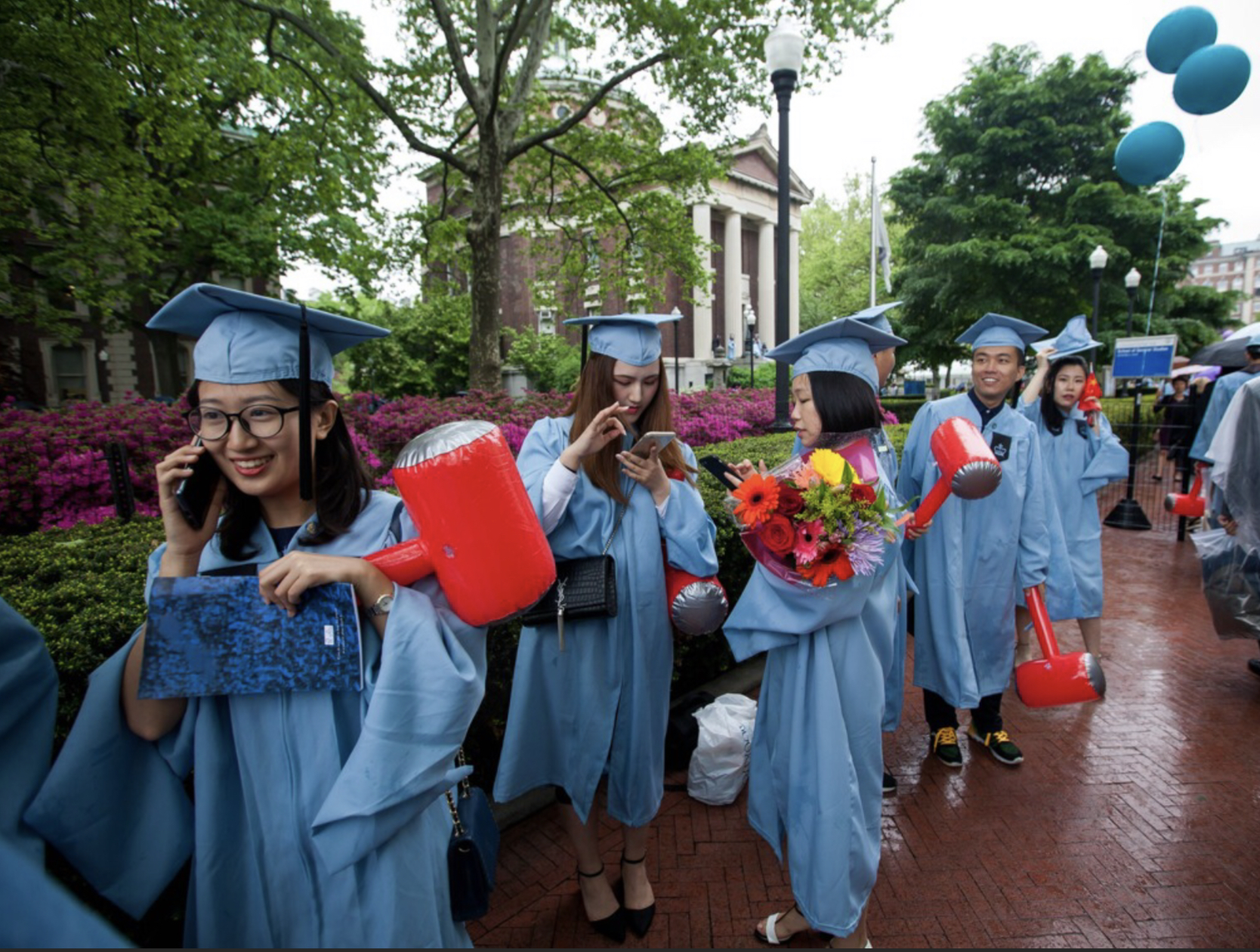
    As the United States intensifies visa scrutiny due to national security and commercial espionage concerns, Russia is rapidly becoming a favored academic hub for Chinese students. This shift is bolstered by the deepening strategic alliance between Chinese President Xi Jinping and Russian President Vladimir Putin. During a recent visit to China, Russia’s Minister of Science and Higher Education, Valery Falkov, revealed that over 56,000 Chinese students are enrolled in Russian universities for the 2024–2025 academic year, with more than 21,000 Russian students studying in China. Falkov emphasized the mutual benefits of this educational exchange, noting that visa applications from Chinese students to Russian consulates have doubled in just two years. He highlighted the affordability, cultural affinity, and political alignment that make Russia an attractive alternative to traditional Western destinations like the US, UK, Canada, and Australia. Over 200 joint educational programs are currently active, including 115 bachelor’s and master’s degree offerings. A notable example is Shenzhen MSU-BIT University, established in 2017 through collaboration between Moscow State University and Beijing Institute of Technology. Falkov also outlined plans for a joint Institute for Fundamental Research and the finalization of intergovernmental agreements on educational cooperation and mutual recognition of diplomas. Meanwhile, China’s Ministry of Foreign Affairs has criticized the US for its harsh treatment of Chinese students, including extended interrogations and visa revocations. Despite US President Donald Trump’s pledge to welcome 600,000 Chinese students, skepticism remains due to inconsistent policies and heightened scrutiny in sensitive fields like aerospace and AI. Observers note that while Russia offers stability and affordability, it may not fully replace the cutting-edge innovation found in Western institutions.

  • Manhunt in Australian bush brings long-dismissed conspiracy theorists to the fore

    Manhunt in Australian bush brings long-dismissed conspiracy theorists to the fore

    The tranquil town of Porepunkah, nestled in the Australian Alps, has been thrust into chaos as a massive manhunt unfolds for a heavily armed fugitive accused of fatally shooting two police officers. The incident, which occurred on Tuesday, has shattered the peace of this close-knit community of 1,000 residents, known for its wineries and serene bushwalking trails.

  • WWII Japanese American internment memories spur protests in 2025

    WWII Japanese American internment memories spur protests in 2025

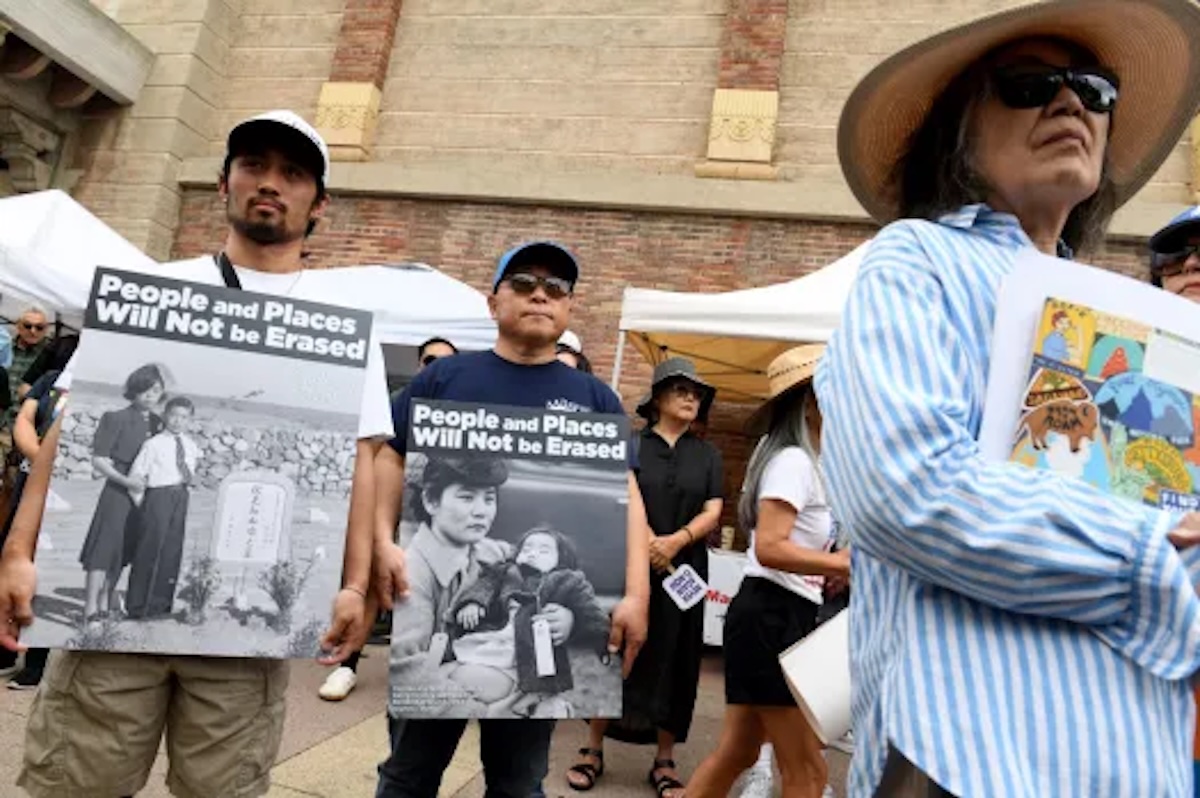
    The recent opening of an immigration detention center in El Paso, Texas, has sparked widespread protests from Japanese Americans, who see eerie parallels between the Trump administration’s immigration policies and the internment of their community during World War II. The facility, which began operations in August 2025, is located on the site of a former military base used to detain Japanese Americans during the war. This has reignited painful memories for a community that endured forced incarceration under Executive Order 9066, signed by President Franklin D. Roosevelt in 1942. Hundreds of Japanese Americans have been vocal in their opposition to the construction of new detention centers and the aggressive enforcement tactics of the U.S. Immigration and Customs Enforcement (ICE), which they fear mirror the injustices of the past. The government’s invocation of the 1798 Alien Enemies Act, last used during WWII, has further heightened concerns. This law grants ICE expanded powers to detain individuals, echoing the legal framework that justified the internment of Japanese Americans. Protests have been particularly intense in California, where activists have drawn comparisons between ICE’s targeting of Latino communities and the wartime treatment of Japanese Americans. The Japanese American National Museum in Los Angeles, a symbolic site where families were forced onto buses bound for internment camps, has become a focal point for demonstrations. The museum has shared images comparing the cramped conditions of WWII camps to modern ICE detention facilities, highlighting the trauma inflicted on families. Critics argue that ICE’s actions, including the reopening of closed detention centers like Dublin Prison near San Francisco, are part of a broader agenda to meet alleged quotas for migrant arrests. The Trump administration has denied targeting specific ethnic groups, but civil rights organizations have documented disproportionate enforcement in Latino neighborhoods. Protesters like Lynn Yamashita and Douglas Yoshida have voiced their fears that history is repeating itself, with immigrants being detained without due process. The Japanese American community’s activism underscores a broader struggle against policies they view as rooted in racial prejudice and xenophobia. As the debate over immigration enforcement continues, many are calling for a reckoning with the nation’s past and a commitment to ensuring that such injustices are never repeated.

  • Chinese calligraphy can bring creative freedom in the age of AI

    Chinese calligraphy can bring creative freedom in the age of AI

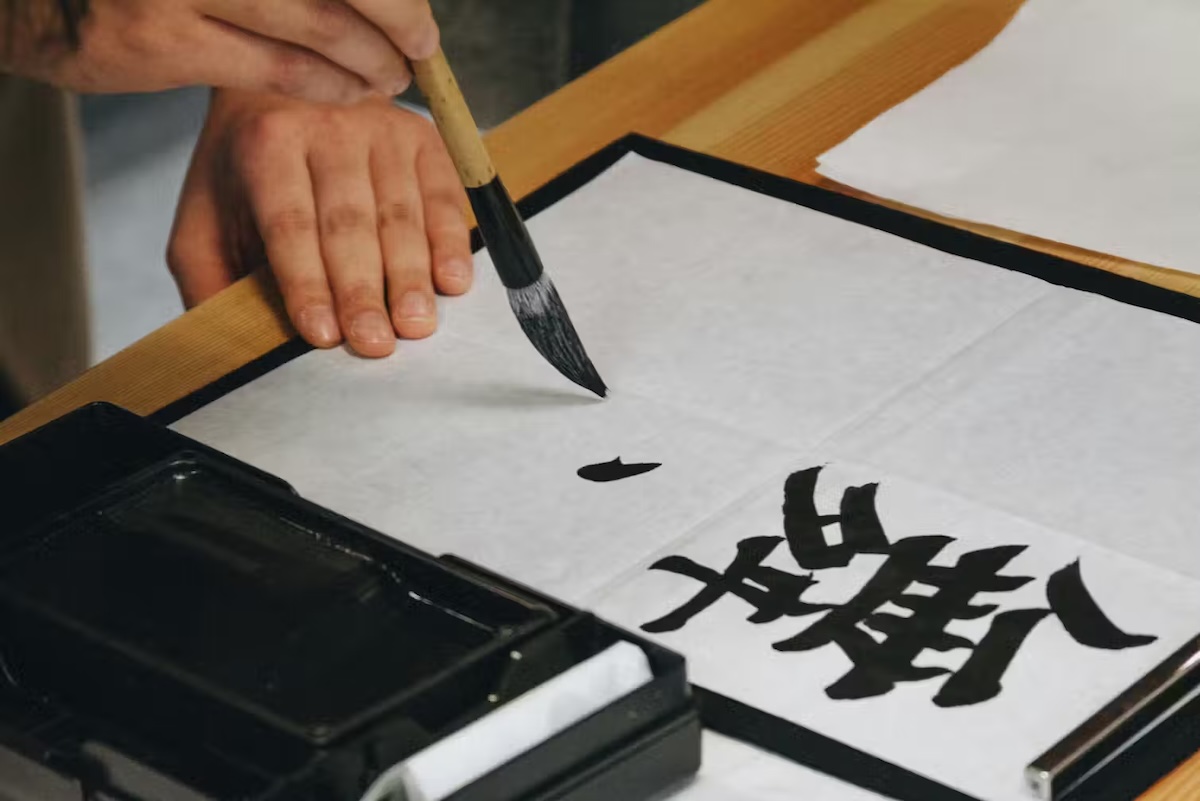
    In an era dominated by digital devices, the act of handwriting has become increasingly rare. However, research reveals that handwriting engages the brain more extensively than typing, fostering intricate motor skills and enhanced visual processing. This practice not only influences our thinking and creativity but also offers a unique way to express ourselves and generate new ideas. One of the oldest and most profound forms of handwriting is Chinese calligraphy, a practice that has transcended centuries, blending cultural, philosophical, and artistic elements. Chinese calligraphy, with its emphasis on brushstrokes and composition, values both the inked and the empty spaces on the scroll, symbolizing balance and harmony. The tools of calligraphy—a soft brush, Xuan paper, and ink—are simple, yet the art demands a clear mind, sincerity, humility, and self-restraint. As generative AI takes over more writing tasks, there is a growing concern that humans are becoming disconnected from their creative ideas. The multi-sensory experience of handwritten calligraphy fosters a deeper connection with the writer’s emotions and surroundings, promoting patient introspection and grounding the practitioner in the physical world. This practice offers lasting benefits for our often overwhelmed and restless minds. Writers like Nicholas Carr and Aden Evens highlight the ongoing rewiring of our minds due to excessive online engagement, which can diminish attention spans and deep-reading abilities, leading to superficial information processing. Artist and author James Bridle warns of the dangers of tech-dependency and over-reliance on automated systems, which can blind us to bias and bad data. Ink artist Pan Jianfeng, based in Finland, has embraced handwriting with a brush as a modern pursuit of self-cultivation and creative freedom. Through his experimental use of paper and brush, Pan invites us to reconsider the meaning of ‘content generation,’ ‘human creativity,’ and ‘communication.’ His artworks, created with traditional organic materials, engage with concepts beyond our expectations and imagination, without adding to the environmental burden of generative AI. Pan’s ‘One Breath Workshops’ advocate for mindful handwriting that brings stillness and peace in an age saturated with information. His exhibitions, such as ‘Ink Roamings,’ encourage visitors to engage in imaginative discovery and contemplation, fostering a deeper understanding of the world and each other. As Pan aptly puts it, ‘We don’t need more content—we need a better understanding of the world with all its challenges, and of each other.’

  • Why Iran can’t keep the lights on

    Why Iran can’t keep the lights on

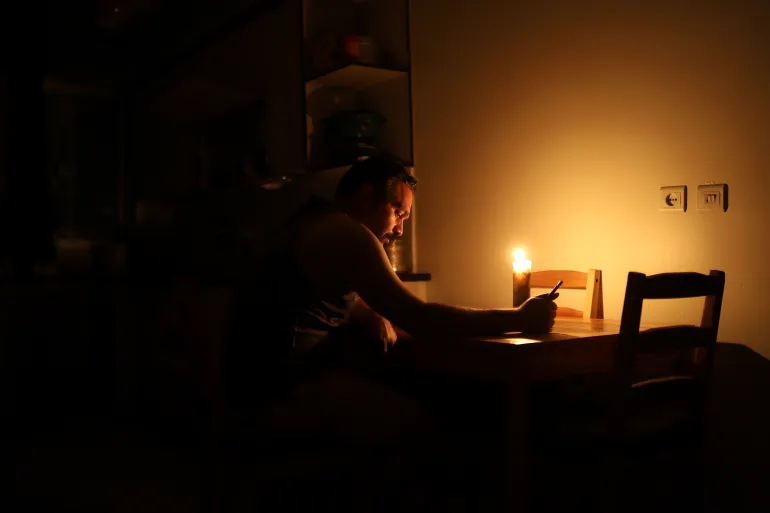
    For Iranians, the changing seasons bring not just weather shifts but also recurring energy crises. Scorching summers are plagued by rolling blackouts, while freezing winters are marked by toxic smog from burning low-grade fuel in power plants. These challenges are symptomatic of Iran’s chronic electricity imbalance, a structural crisis that has evolved into a significant economic and public welfare burden. Despite a nominal installed capacity of 94 gigawatts, Iran’s power grid is in systemic decay. Aging thermal plants, over-reliance on natural gas, recurring droughts crippling hydropower, and soaring demand have created a persistent gap between capacity and reliable output. This crisis is further exacerbated by geopolitical isolation, which hampers access to international finance and technology. A comparative analysis reveals Iran’s underperformance in electricity generation, lagging behind industrial economies and even Gulf neighbors. To address this, a four-point recovery plan has been proposed, emphasizing international contracts, budgetary realignment, fuel mix reformation, and regional power exchange agreements. However, the success of these measures hinges on resolving Iran’s geopolitical standoff with the West, as domestic reforms alone are insufficient. Without a sustainable solution, Iran risks further economic isolation, technological backwardness, and continued degradation of public health and industrial competitiveness.

  • Breakneck divide: China’s builders vs America’s lawyers

    Breakneck divide: China’s builders vs America’s lawyers

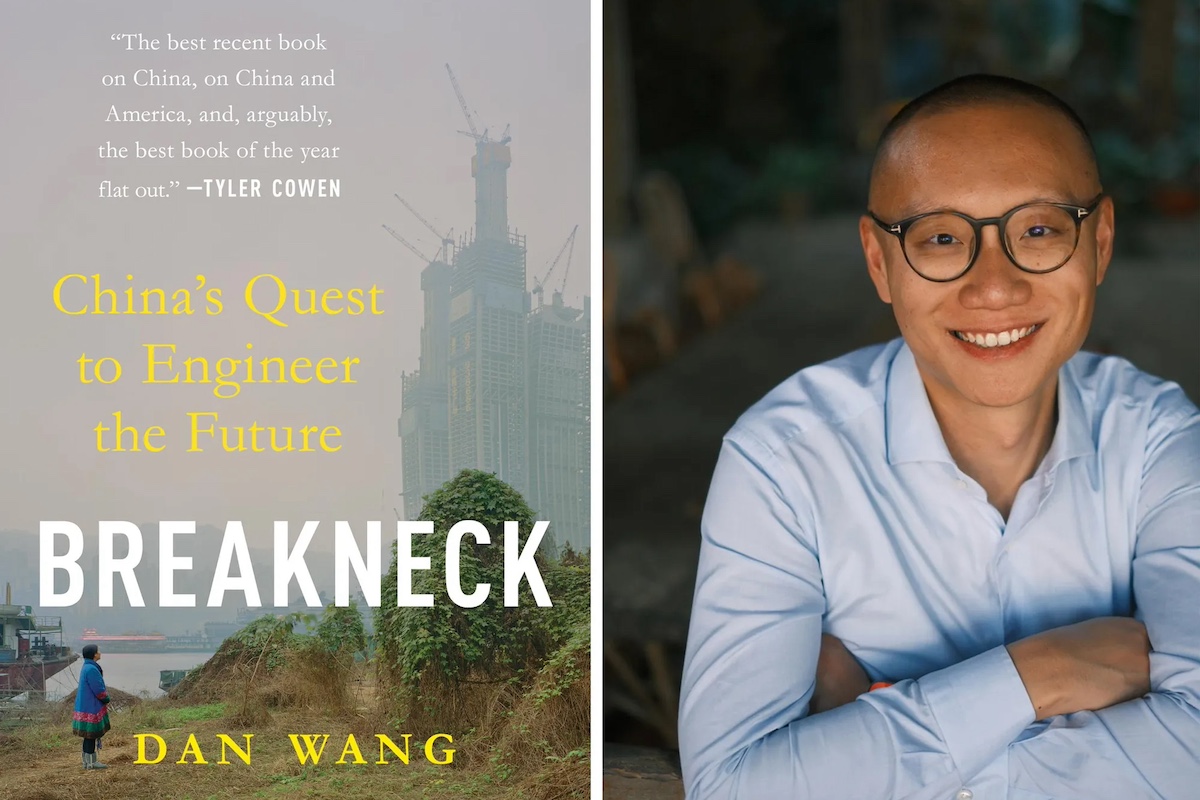
    Dan Wang’s forthcoming book, ‘Breakneck: China’s Quest to Engineer the Future,’ provides a groundbreaking perspective on the contrasting governance styles of China and the United States, as well as the barriers to mutual understanding between the two superpowers. Published by W.W. Norton & Company in 2025, the book merges Wang’s economic analysis from his years in China (2017–2023) with his personal experiences as a Canadian of Chinese descent educated in the US. Wang’s unique background allows him to offer a balanced view of the two nations, free from the hostility that often characterizes their relationship. He describes China as an ‘engineering state,’ driven by rapid construction and technological advancement, while portraying the US as a ‘lawyerly society,’ marked by legal obstructionism. Wang argues that both countries are deeply flawed yet fundamentally alike in their ambition and restlessness. Through vivid anecdotes, such as his cycling trip through Guizhou, Wang highlights China’s rapid modernization and cultural richness. He also critiques the inefficiencies of the US legal system, using the stalled California high-speed rail project as a case study. Wang’s work calls for mutual curiosity and a new lens to understand the China-US rivalry, moving beyond outdated ideological labels. ‘Breakneck’ is set to release on August 26, 2025.

  • The last dance? Organizers of North America’s largest powwow say 2026 will be the event’s final year

    The last dance? Organizers of North America’s largest powwow say 2026 will be the event’s final year

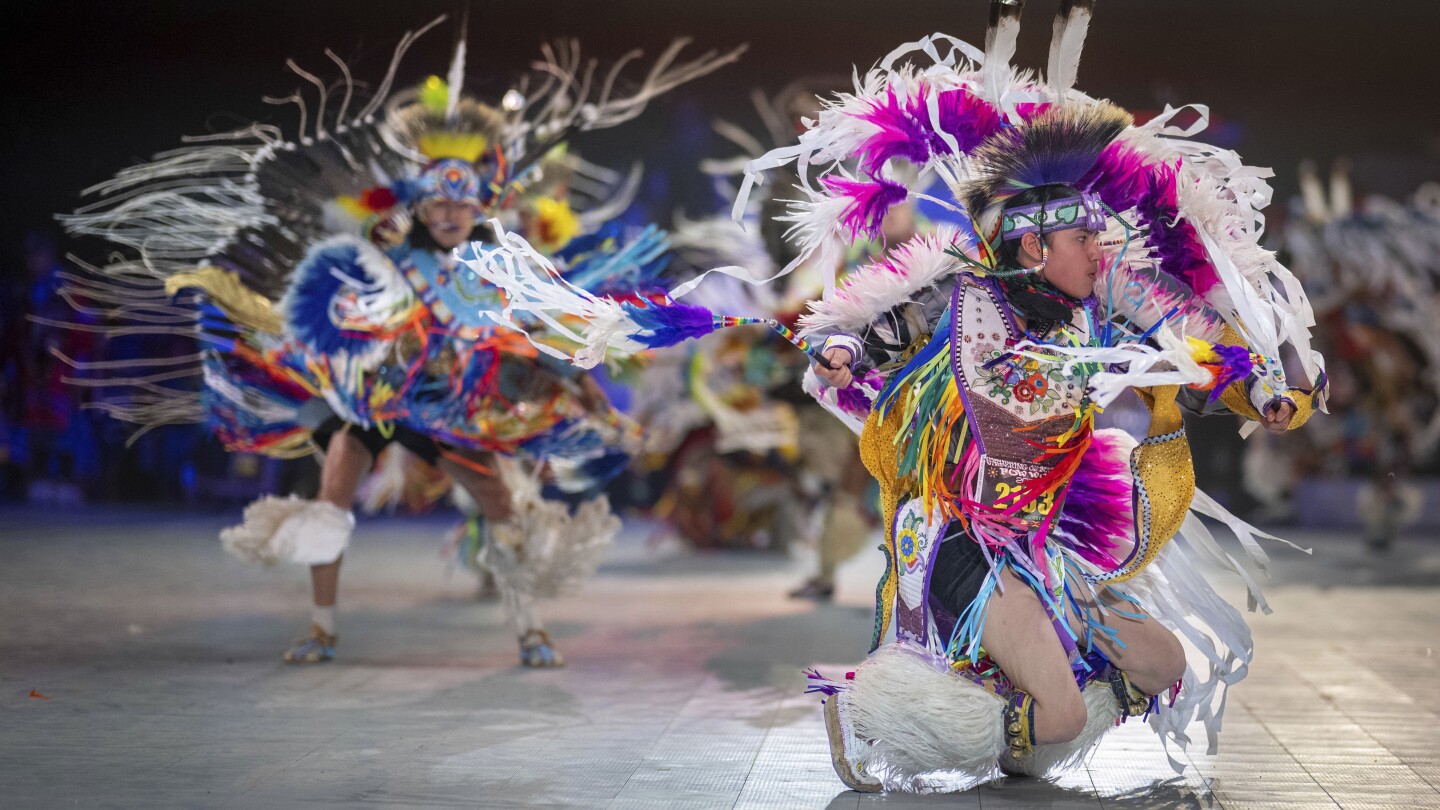
    For over four decades, Albuquerque, New Mexico, has been the epicenter of North America’s largest powwow, the Gathering of Nations. This vibrant cultural event has drawn tens of thousands of attendees annually, celebrating Indigenous dancers, musicians, and artisans from across the globe. However, in a surprising announcement made on Saturday, organizers revealed that the 2026 edition will mark the final chapter of this storied tradition. The decision, communicated via email and social media, cited no specific reasons but included a poignant statement: “There comes a time.” The official poster for the 2026 event bears the somber tagline, “The Last Dance.”

    Since 2017, the New Mexico fairgrounds have served as the event’s venue, but its future availability remains uncertain due to potential redevelopment plans by the state. Additionally, the Gathering of Nations has faced criticism from some Native American communities, who accused organizers of commercializing Indigenous culture. Organizers have consistently refuted these claims, emphasizing that funds raised are reinvested into covering event expenses.

    The powwow’s grand entry, a dazzling procession of dancers adorned in elaborate regalia, has been its hallmark. The event also includes the crowning of Miss Indian World and horse parades, where riders are judged on their craftsmanship and synergy with their steeds. Despite its grandeur, the commercialization of large powwows has sparked debates among Native American leaders, who advocate for smaller, community-focused gatherings to preserve traditional practices.

    As the Gathering of Nations prepares for its final bow, it leaves behind a legacy of cultural celebration and a call for reflection on the balance between tradition and commercialization.