分类: society

  • Guizhou’s new rail line to aid tourism

    Guizhou’s new rail line to aid tourism

    A groundbreaking high-speed rail line in Guizhou province, Southwest China, is poised to revolutionize the region’s tourism industry. Scheduled to commence operations by the end of November 2025, this 99-kilometer route will link Panzhou and Xingyi, integrating all city-level administrative regions in Guizhou into the national high-speed rail network. Designed to operate at 250 km per hour, the line will intersect with the existing Shanghai-Kunming high-speed railway, placing Xingyi—the capital of the Qianxinan Bouyei and Miao autonomous prefecture—on the high-speed rail map. This development is expected to significantly enhance accessibility to Guizhou’s renowned natural landscapes and rich ethnic cultures, which have long been a draw for tourists. However, the region’s mountainous terrain has historically limited travel options, often necessitating transfers through the provincial capital, Guiyang. The new rail line will reduce travel time between Xingyi and Guiyang to approximately two hours, fostering new growth opportunities for local tourism. Zhou Ying, deputy mayor of Xingyi, emphasized that the rail line’s opening will fully integrate Xingyi into the national high-speed network, injecting robust momentum into the city’s tourism sector. Ma Yucan, general manager of Xingyi Wanfenglin Tourism Industry Operation Co, highlighted the transformative impact on visitor experience, noting that high-speed rail will eliminate the need for lengthy bus journeys to popular destinations like the Wanfenglin Scenic Area. Local businesses, including innkeeper Wang Xiyun, are already preparing for an anticipated surge in visitors, with scenic area statistics projecting a daily increase of around 30,000 tourists. The rail line is also expected to bolster Guiyang’s role as a provincial tourism hub, offering national and international connectivity. According to Liu Weidong, deputy Party secretary of Guizhou Railway Investment Group, the project will create a one-to-two-hour high-speed travel circle connecting Guiyang with eight other prefectural centers, enhancing regional rail networks, promoting economic development, and strengthening interregional connectivity. This initiative is set to support Qianxinan’s integration into Guizhou’s broader socio-economic framework, fostering ecological protection, tourism, and economic growth.

  • South Korea’s biggest online sex criminal sentenced to life in prison

    South Korea’s biggest online sex criminal sentenced to life in prison

    In a landmark case, South Korea has sentenced Kim Nok-wan, the 33-year-old leader of a notorious Telegram-based sex crime ring, to life imprisonment. Kim, who operated under the self-proclaimed title of ‘pastor,’ headed the ‘Vigilantes,’ a pyramid-style group that exploited at least 261 individuals between May 2020 and January 2025. This marks the largest number of cybersex exploitation victims in South Korea’s history. The group blackmailed victims into producing explicit content, which was then shared in online chatrooms. Kim’s crimes included the sexual assault of minors, the distribution of child sex abuse images, and the production and dissemination of illegally filmed material. He was also convicted of ‘quasi-rape’ or sexual assault where the victim was unable to resist. Despite expressing remorse in court, the judge emphasized the brutality of his crimes and the lack of restitution for victims, stating that permanent isolation from society was necessary. Kim targeted both male and female victims through social networking platforms, luring them to Telegram before blackmailing them. He coerced victims into submitting ‘hourly daily reports’ and writing letters of remorse, punishing non-compliance with demands for nude photographs or self-harm. The Vigilantes produced over 2,000 pieces of sexually exploitative media. Kim personally participated in at least 453 Telegram channels and chat rooms, 60 of which he operated. This case also marks the first instance of Telegram cooperating with South Korean police, providing crucial data that led to Kim’s arrest. The Korean National Police Agency formalized its investigative cooperation with Telegram in October 2024, enabling the platform to share relevant information with authorities.

  • Driver arrested in Tokyo after car hits about 10 people, seriously injuring 2, local media say

    Driver arrested in Tokyo after car hits about 10 people, seriously injuring 2, local media say

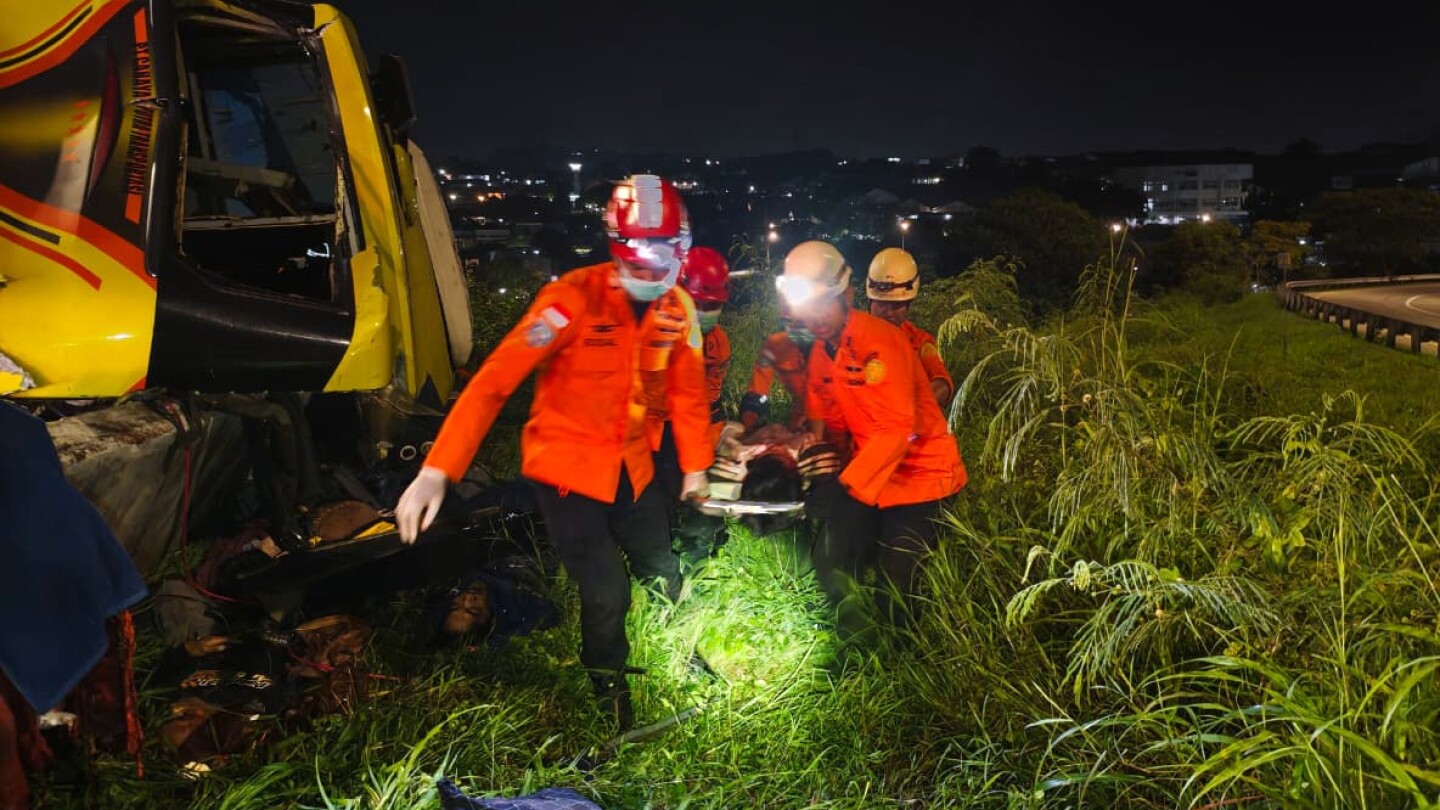
    A disturbing incident unfolded in Tokyo on Monday when a vehicle collided with approximately 10 pedestrians, leaving two individuals with serious injuries. The driver, who reportedly fled the scene, was later apprehended by authorities. Japanese media outlets, including The Mainichi, confirmed the arrest and noted that the suspect is currently under investigation for a suspected hit-and-run. Police officials have yet to release a formal statement but assured the public that updates would be provided promptly. The incident occurred on a national holiday in Japan, adding to the shock and concern among residents. Further details regarding the driver’s motives or the circumstances leading to the collision remain undisclosed as investigations continue.

  • Innovation raises golden fields from former barren salt flats

    Innovation raises golden fields from former barren salt flats

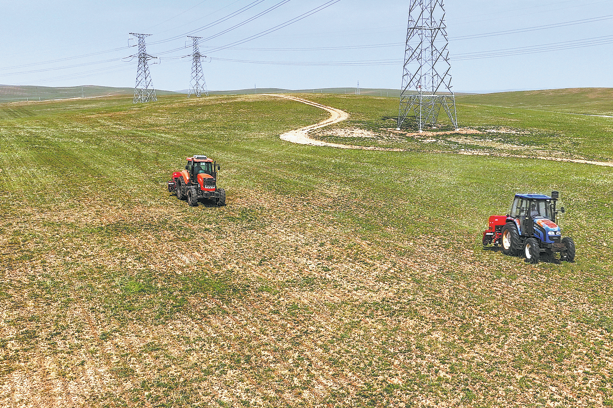
    In a remarkable transformation, the once barren saline-alkaline lands of Dongying, Shandong province, have been revitalized into productive agricultural fields, thanks to innovative farming techniques and advanced seed varieties. This dramatic change is a testament to China’s commitment to agricultural modernization and food security.

  • Optimism ahead of pope’s visit to Turkey for reopening of Istanbul’s Greek Orthodox seminary

    Optimism ahead of pope’s visit to Turkey for reopening of Istanbul’s Greek Orthodox seminary

    As Pope Leo XIV prepares for his inaugural international visit to Turkey, there is growing optimism about the potential reopening of the Halki Theological School, a Greek Orthodox seminary that has been closed since 1971. Located on Heybeliada Island near Istanbul, the seminary has long been a symbol of Orthodox heritage and a focal point in the struggle for religious freedoms in Turkey. The school, which trained generations of Greek Orthodox patriarchs and clergy, including Ecumenical Patriarch Bartholomew I, was shuttered under laws restricting private higher education. Despite legal reforms allowing private universities to flourish, the seminary has remained closed, despite repeated appeals from international religious leaders and human rights advocates. The momentum for reopening the seminary gained traction after Turkish President Recep Tayyip Erdogan discussed the issue with U.S. President Donald Trump in September, expressing willingness to ‘do our part’ regarding its reopening. Erdogan had previously linked the move to reciprocal measures from Greece to improve the rights of Muslims there. Renovation work is already underway at the seminary, with completed clergy quarters and classrooms standing ready to welcome students. During his visit to Turkey, starting on November 27, Pope Leo XIV is scheduled to meet Erdogan and join Ecumenical Patriarch Bartholomew in commemorating the 1,700th anniversary of the Council of Nicaea, a key event in Christian history. Archbishop Elpidophoros, head of the Greek Orthodox Archdiocese of America, expressed optimism about the seminary’s reopening, stating that a committee of representatives from the Greek Orthodox Patriarchate and the Turkish government has begun discussions. He emphasized that keeping the school closed is a ‘political and diplomatic anachronism’ that hinders Turkey’s progress. The fate of the seminary is seen as a test of Turkey’s treatment of religious minorities, including its Christian population, which is estimated at 200,000 to 370,000 out of nearly 86 million. While Turkey’s Constitution guarantees freedom of religion, only Armenians, Greeks, and Jews are allowed to operate places of worship and schools, leaving other Christian groups without formal recognition. The reopening of the seminary could serve as a significant step toward improving religious freedoms and fostering cultural development and affinity between Greece and Turkey.

  • Australian judge rules synagogue arsonist was motivated by mental illness, not antisemitism

    Australian judge rules synagogue arsonist was motivated by mental illness, not antisemitism

    In a recent court ruling, an Australian magistrate determined that a man who set fire to a Melbourne synagogue was driven by mental illness rather than antisemitic motives. Angelo Loras, 35, pleaded guilty to arson and recklessly endangering lives after he ignited the front door of the East Melbourne Synagogue on July 4. Approximately 20 worshippers were inside sharing a Shabbat meal at the time, but no injuries were reported. Magistrate Malcolm Thomas stated that Loras, who suffers from schizophrenia, acted under the influence of a delusion exacerbated by his failure to take prescribed medication. This ruling comes amid a surge in antisemitic and Islamophobic incidents across Australia since the onset of the Israel-Hamas conflict in 2023. Initially, government leaders, including Prime Minister Anthony Albanese, suspected the attack was a hate crime. However, the court concluded that Loras’s actions were not motivated by prejudice. Loras was sentenced to four months’ imprisonment, which was less than the time he had already spent in custody. He was also ordered to continue medical treatment for schizophrenia for 20 months and perform unpaid community service. The magistrate advised the synagogue against seeking restitution for the $35,000 in damages, citing Loras’s prolonged homelessness and lack of prior criminal record. This incident was one of three suspected antisemitic acts in Melbourne during the same weekend, including harassment at an Israeli-owned restaurant and vandalism at a local business.

  • Hunting down those who kill people to sell their body parts for ‘magic charms’

    Hunting down those who kill people to sell their body parts for ‘magic charms’

    In Sierra Leone, a grim shadow looms over communities as ritual killings linked to black magic continue to devastate families. The murder of 11-year-old Papayo, whose body was found mutilated with vital organs, eyes, and an arm removed, remains unsolved four years later. His mother, Sallay Kalokoh, is tormented by the silence surrounding her son’s death. ‘They killed my child, and now there is just silence,’ she told BBC Africa Eye. Papayo’s case is emblematic of a broader crisis in the country, where killings tied to juju (black magic) often go uninvestigated due to under-resourced authorities and deeply ingrained superstitions. BBC Africa Eye’s investigation uncovered a clandestine network of juju practitioners who claim to supply human body parts for rituals, promising clients prosperity and power. One practitioner, Kanu, boasted of political connections across West Africa and showed undercover reporters a human skull as evidence of his trade. Another, Idara, claimed to lead a network of 250 herbalists. Despite arrests and raids, justice remains elusive, with many cases stalled or dismissed. The lack of closure for victims’ families fuels fear and despair in communities already grappling with poverty and the legacy of civil war. Traditional healers, often conflated with these rogue practitioners, are working to clear their name, but the fight against this dark trade remains an uphill battle.

  • Brazilian revelers at Rio’s Pride march rejoice after Bolsonaro’s preemptive jailing

    Brazilian revelers at Rio’s Pride march rejoice after Bolsonaro’s preemptive jailing

    Thousands of LGBTQ+ activists and supporters flooded the Copacabana boardwalk in Rio de Janeiro for the city’s annual Pride parade on Sunday. The event took on a particularly celebratory tone following the preemptive jailing of former Brazilian President Jair Bolsonaro, known for his homophobic rhetoric. Demonstrators, addressing the crowd from decorated trucks, chanted, “He’s in prison!” and “Out with Bolsonaro!” to roaring applause from rainbow-clad attendees. Bolsonaro, who once described himself as a “proud homophobe,” was sentenced in September to 27 years in prison for attempting a coup after his 2022 electoral defeat. His recent imprisonment, ordered by Supreme Court Justice Alexandre de Moraes, was cited as a necessary measure due to his flight risk. Revelers, including Emy Mateus Santos, a 25-year-old arts professor, expressed joy at the development, viewing it as a victory against hate. Santos, wearing the colors of the Brazilian flag, stated, “It shows that fighting hate is worth it and that the future is possible for people like us.” The parade also highlighted ongoing struggles, with participants carrying banners advocating for LGBTQ+ rights and denouncing violence. Organizers reflected on the march’s 30-year history, noting progress but emphasizing the need for continued advocacy. Cláudio Nascimento, a longtime organizer, recalled the early days when participants wore masks to avoid recognition, contrasting it with today’s celebrations of visibility. Despite advancements, violence against LGBTQ+ individuals remains a pressing issue, with 291 reported violent deaths in 2024 alone. Activists like Flávio Salgueiro stressed the importance of unity in the face of societal challenges, while Dani Balbi, Rio’s first trans woman elected to the state assembly, hailed Bolsonaro’s imprisonment as a hopeful step toward a more inclusive future.

  • New Hatta upgrades announced: Amphitheatre at dam’s highest point; strawberry farm expanded

    New Hatta upgrades announced: Amphitheatre at dam’s highest point; strawberry farm expanded

    Hatta, Dubai’s picturesque mountain retreat, has unveiled a series of transformative upgrades aimed at enriching the lives of residents and attracting more visitors. Among the standout developments is the newly constructed Hatta Dam Amphitheatre, perched at the dam’s highest point. This 610-metre structure, built using suspended techniques to preserve the natural landscape, offers breathtaking views of the turquoise waters below. The amphitheatre features a gentle 17-minute ascent with six rest points, ensuring accessibility for all, including People of Determination. Additionally, the dam’s slope has been transformed into a stunning mosaic mural of the late Sheikh Zayed bin Sultan Al Nahyan and Sheikh Rashid bin Saeed Al Maktoum, crafted from over 1.2 million pieces of natural marble—a world record.

    Complementing the amphitheatre is the expansion of Hatta’s agricultural offerings. The Strawberry Farm has seen significant upgrades, including expanded outdoor cultivation areas, enhanced cooling systems, and a dedicated seed-nursery facility. Meanwhile, the Leafy Greens Farm now boasts three hydroponic greenhouses, integrated storage areas, and a direct-sale outlet for fresh produce. These enhancements not only boost local agriculture but also provide visitors with unique farm-to-table experiences.

    Education and community facilities have also received substantial attention. A new 18,600-square-metre school, built to international standards, has been completed. The state-of-the-art facility accommodates over 1,000 students and includes 44 classrooms, science labs, indoor sports halls, and a 416-seat multipurpose theatre. Maintenance and upgrades have also been carried out at four existing schools in the area.

    Further enriching community life, the Hatta Majlis, a multipurpose hall designed to host 130 people, is nearing completion. A new wedding hall with a capacity of 1,000 guests and the Hatta Community Service Centre, featuring 13 commercial units, are also in development. Other ongoing projects include the construction of 213 homes for UAE nationals, the expansion of cycling and hiking trails, and enhancements to Hatta Hospital and Sports Club.

    These initiatives are part of a broader push to elevate Hatta as a premier destination for both residents and tourists, blending natural beauty with modern amenities and sustainable practices.

  • Eduscan Institute’s event promotes hope, healing and community empowerment

    Eduscan Institute’s event promotes hope, healing and community empowerment

    The Eduscan Institute, a pioneer in holistic education and empowerment for children of determination, hosted a transformative event titled ‘Inner Peace, Outer Health: The Path to Healing’ on November 8 and 9, 2025. Held at the Iranian Club in Dubai and the Indian Embassy in Abu Dhabi, the event celebrated themes of healing, inclusivity, and resilience, aligning with the UAE’s Year of Community. Distinguished guests included Dr. Ram Singarachari, Dr. Yashaswini Shivashankara, Dr. Trilok Kiribagha Chandrashekara, and Dr. Aisha Al Salami, all prominent figures in the medical field. A standout moment was the ‘Walk of Confidence,’ where students from the Eduscan Institute walked alongside university students from Amity, Symbiosis, and de Montfort Universities, symbolizing unity and inclusion. The emotional highlight was the ‘Walk of Courage,’ featuring 12 cancer survivors in bridal attire, representing new beginnings and triumph over adversity. The event also included a performance titled ‘Healing Through Movement’ by Vishakha Verma and her troupe, showcasing the power of art in recovery. Ms. Ruby Ahluwalia, founder of Sanjeevani… Life Beyond Cancer, delivered a keynote address, emphasizing the importance of community support. Dr. Alka Kalra, founder of the Eduscan Institute, remarked, ‘This event is about rediscovering inner strength and embodying the UAE’s spirit of unity and resilience.’