
In a significant move that has reignited hope among traditionalist Catholics, Cardinal Raymond Burke celebrated a traditional Latin Mass in St. Peter’s Basilica on Saturday, with explicit permission from Pope Leo XIV. The event, attended by thousands of pilgrims, marked a stark contrast to the restrictions imposed by Pope Francis in 2021, which had left many traditionalists feeling marginalized. The Mass, rich in hymn, incense, and ritual, lasted over two hours and was presided over by Cardinal Burke, a prominent conservative figure in the Catholic Church. The ceremony, held in the heart of Vatican City, was seen as a tangible sign of Pope Leo’s potential openness to dialogue with traditionalist factions. This development comes after years of tension over the Latin Mass, which has been a point of contention since the Second Vatican Council in the 1960s. Pope Benedict XVI had relaxed restrictions on the ancient liturgy in 2007, but Francis reversed this decision, citing concerns over division within the Church. However, leaked Vatican documents in July 2025 suggested that most bishops had expressed satisfaction with the old Latin Mass, undermining Francis’ justification for the restrictions. Pope Leo, the first American pope, has emphasized unity and reconciliation since his election, raising hopes among traditionalists for a more inclusive approach. The event in St. Peter’s Basilica, attended by young families and pilgrims from around the world, underscored the enduring appeal of the ancient liturgy and its role in the spiritual lives of many Catholics.
分类: society
-
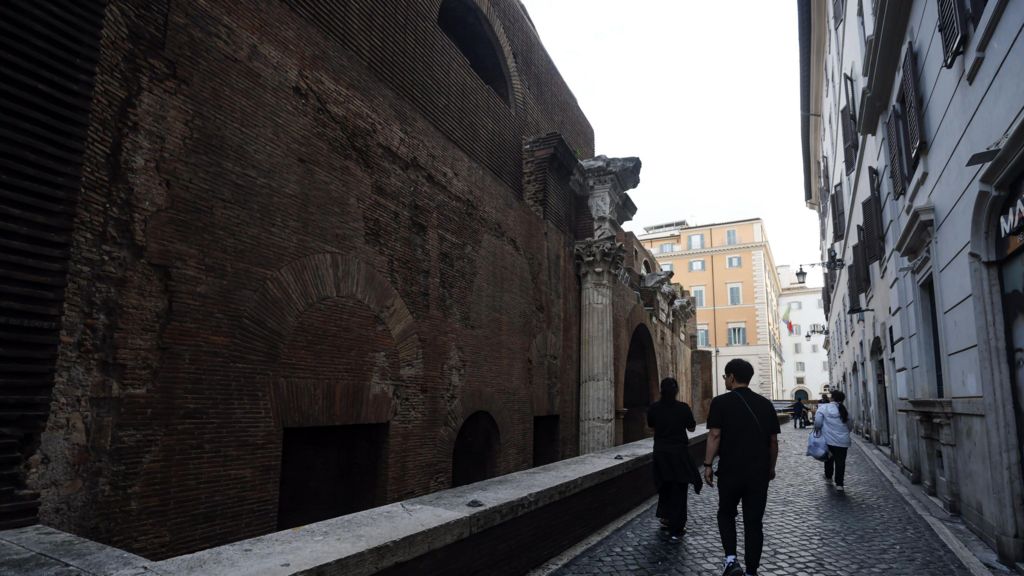
Japanese tourist falls to death at Pantheon in Italy
A tragic incident unfolded in Rome as a 69-year-old Japanese tourist, Morimasa Hibino, lost his life after falling from the perimeter wall of the historic Pantheon. The accident occurred at approximately 21:50 local time (19:50 GMT) on Friday evening. According to reports from local newspaper la Repubblica, Hibino fell from a height of around seven meters (22.9 feet) after losing his balance while sitting on the edge of the wall. A passing priest immediately alerted the authorities upon discovering the man lying motionless in a nearby ditch. Emergency responders and firefighters were forced to break open a gate to access the site, where they confirmed Hibino’s death. Authorities have launched an investigation into the incident, with surveillance footage from the area being reviewed to determine the exact circumstances of the fall. The Pantheon, a renowned ancient Roman temple and one of Italy’s most iconic landmarks, attracts millions of visitors annually. This unfortunate event has raised concerns about safety measures at popular tourist sites.
-
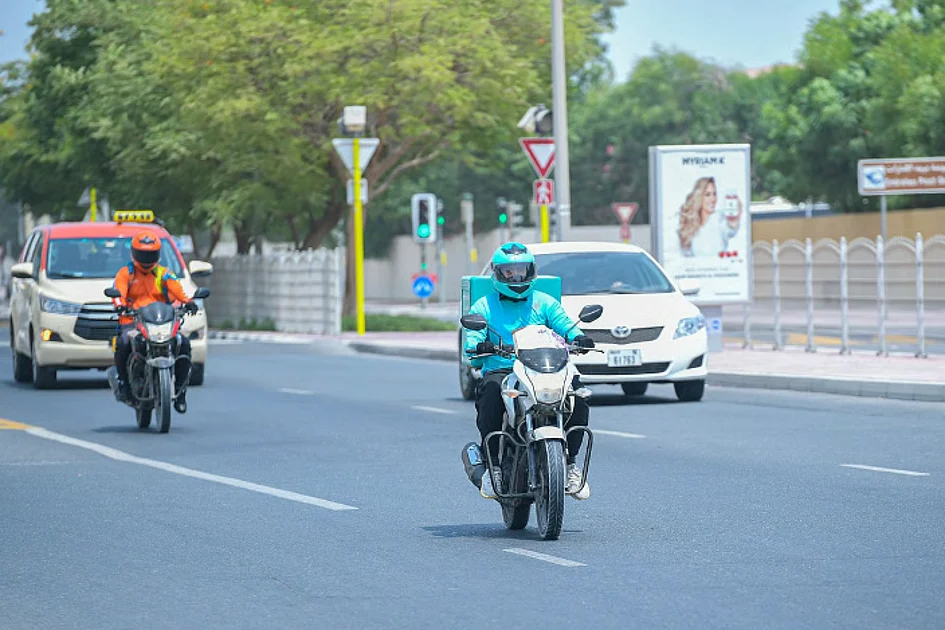
‘Bear with us if we’re late’: Dubai delivery riders welcome fast-lane ban
In a significant move aimed at improving road safety, Dubai has introduced a new regulation prohibiting delivery riders from using fast lanes on major roads. The rule, effective from November 1, restricts motorcycles from occupying the two leftmost lanes on roads with five or more lanes and the leftmost lane on roads with three or four lanes. On smaller roads with two lanes or fewer, riders are free to use either lane. The initiative, jointly announced by Dubai’s Roads and Transport Authority (RTA) and Dubai Police, has been welcomed by delivery riders who often face life-threatening risks while navigating high-speed traffic. Companies complying with the new rules will be recognized under the ‘Delivery Sector Excellence Award.’
Sarfaraz, a delivery rider, recounted a harrowing accident on Al Khail Road last year, where he narrowly escaped a fatal collision. ‘I was rushing to deliver an order, and the customer kept calling. I didn’t want to be late, but speeding nearly cost me my life,’ he said. The incident left him with a newfound caution, and he now avoids fast lanes altogether. ‘This law is for our safety,’ Sarfaraz emphasized. ‘If food arrives a few minutes late, please bear with us. We don’t delay because we want to; we delay because we want to live.’
Hamza, another rider with four years of experience in Dubai, highlighted the practical challenges riders face. ‘Some roads have exits kilometers apart. In heavy traffic, we’re forced to use the left lane to reach the exit in time,’ he explained. However, he acknowledged the dangers of sharing lanes with larger vehicles. ‘Even the wind pressure from a passing SUV can destabilize us,’ he added. Hamza called on delivery platforms to adjust delivery times based on traffic conditions and avoid penalizing riders for delays.
Motorists also expressed relief over the new rule. Amaan Hashim, a daily commuter, recalled several close encounters with delivery bikes. ‘They’re small and fast, often appearing out of nowhere,’ he said. ‘This rule will make the roads safer for everyone.’ Mohammed Irfan, another driver, noted that bikes are often in blind spots, making them hard to spot from elevated vehicles like SUVs. ‘Fast lanes are meant for high-speed cars, not bikes,’ he stated.
Road safety expert Mustafa Aldah praised the regulation as a crucial step toward reducing accidents. ‘The scale of violations is alarming, with over 78,000 fines issued in the first nine months of this year alone,’ he said. Aldah suggested leveraging AI monitoring and smart cameras to enforce compliance and foster long-term behavioral change among riders. ‘This rule is not just about safety; it’s about saving lives,’ he concluded.
-
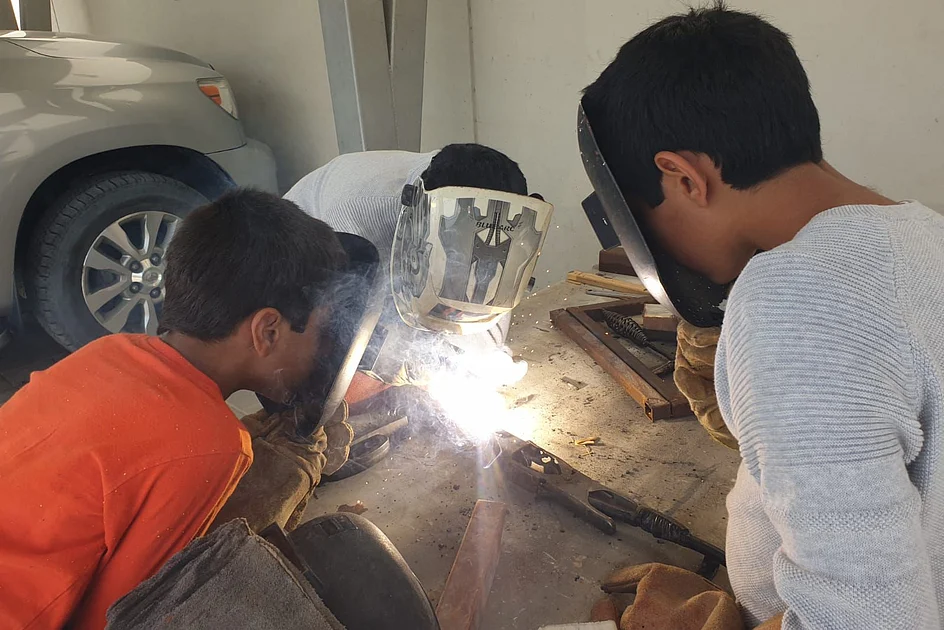
Dubai: Meet father who taught kids carpentry, metalwork from age 5
In a heartwarming tale of family and tradition, Ghanem Abdullah Al Muhairi, an Emirati father of five, has been teaching his children carpentry and metalwork since they were just five years old. Al Muhairi, who learned these skills from his own father, believes in nurturing curiosity and self-reliance in his children from a young age. Instead of conventional toys, his children were introduced to tools like hammers, nails, and wood carving machines, crafting their first chairs from iron and wood. This early exposure not only taught them patience, focus, and precision but also instilled a sense of accomplishment and creativity. Al Muhairi emphasized that his approach is not merely for entertainment but to impart essential life skills and values such as teamwork and discipline. He also prioritizes safety, guiding his children through every step and ensuring they understand potential risks. Al Muhairi’s initiative extends beyond his family. Through his Instagram account ‘klna rban’ (We Are All Captains), he shares videos of practical activities like assembling sinks, repairing furniture, and car maintenance, aiming to inspire other families. The account has garnered positive feedback, with many praising the focus on productive tasks over screen time. Al Muhairi has also expanded his efforts by conducting workshops for children aged 10 to 18, teaching skills like plumbing, agriculture, and electricity. He now plans to establish a permanent center to teach traditional Emirati crafts in a modern way, ensuring these valuable skills are passed on to future generations.
-
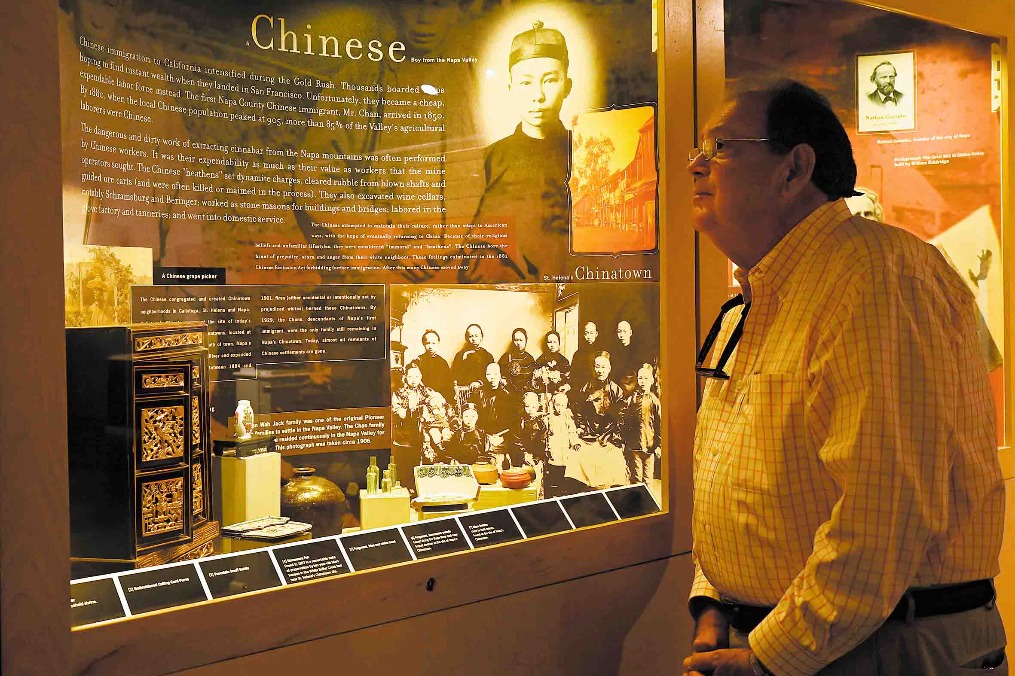
Hidden history of Napa’s Chinese workers remembered
Nestled in the lower-level gallery of the Napa Valley Museum in Yountville, California, a modest exhibit quietly narrates the untold story of Chinese immigrant workers who once shaped the region’s burgeoning wine industry. Displaying artifacts such as a stoneware pot, fragments of vessels, and an embroidered purse, the showcase brings to life the contributions of these laborers, whose efforts were pivotal yet largely erased from history.
-

Planners balance urban renewal, heritage
The Global Mayors Dialogue Zhengzhou and the 2025 International Mayor’s Forum on Tourism brought together mayors and urban planners from around the world to explore the delicate balance between urban modernization and the preservation of cultural heritage. Held in Zhengzhou, Henan province, the four-day event showcased innovative strategies for urban renewal and tourism development, emphasizing the importance of integrating historical memory into contemporary cityscapes. The forum concluded on Saturday, leaving participants with actionable insights for sustainable urban growth. Zhuang Jianqiu, mayor of Zhengzhou, highlighted the city’s transformation of old factories and neighborhoods into vibrant cultural and entertainment hubs. One notable example is Fuminli, a once-dilapidated area near the 3,600-year-old ancient city wall, now a thriving tourist destination attracting over a million visitors annually. The city preserved the architectural essence of old Zhengzhou while introducing modern amenities, creating a nostalgic yet dynamic urban environment. International participants, including Frank Amoakohene from Ghana and Maurizio Rasero from Italy, shared their experiences in reviving traditional construction techniques and repurposing historical sites for tourism. The event underscored the importance of a people-oriented approach to urban renewal, ensuring that disused buildings are transformed into spaces that enhance citizens’ daily lives. With around 300 attendees, the forum served as a platform for exchanging practical solutions to urban challenges and promoting global tourism sustainability.
-

Grandmothers in Colombia get the quinceañera they never had
In a heartwarming celebration of resilience and joy, 72-year-old Rosalba Casas and 28 other women finally experienced their long-awaited quinceañeras in Bogotá, Colombia. Organized by the Sueños Hechos (Dreams Come True) Foundation, the event brought together women aged 60 to 85 who had missed this cherished Latin American tradition due to childhood hardships. For many, it was their first time wearing formal gowns, professional makeup, or riding in a limousine. The festivities included a red carpet entrance, a waltz, and emotional moments as the women danced with family members and police officers. The foundation, founded by retired police officer Freddy Alfonso Páez, initially focused on underprivileged girls but expanded to older women to honor those who never had the chance to celebrate their 15th birthdays. The event, supported by sponsors and local police, highlighted the deep inequalities in Colombia, where 31% of the population lives in poverty. Despite health challenges, the women embraced the celebration with laughter and gratitude, making it a day to remember.
-

‘My skateboard journey round the Wild Atlantic Way to honour my friend’
Becky Gilmour, a 26-year-old from Banbridge, is nearing the completion of her extraordinary skateboarding journey along Ireland’s Wild Atlantic Way. Embarking on this 2,500-kilometer (1,553-mile) coastal route in June, Becky aims to finish by December, before the winter weather worsens. Her mission is deeply personal: to raise awareness about suicide, a cause she was inspired to champion after losing a friend during the Covid-19 pandemic. Becky hopes her journey will encourage open conversations about mental health and demonstrate that outdoor adventures are accessible to everyone, regardless of perceived barriers like cost or athletic ability. Despite not considering herself an athlete, Becky has skated between 20 to 60 kilometers (12 to 37 miles) daily, relying on her trusty longboard, which has required minimal maintenance. Her journey has taken her through picturesque counties like Mayo, where she praised the smooth road surfaces, though she admitted to enduring a few challenging falls. Along the way, Becky has engaged with local communities, visited schools, and even taken to the sea on a paddleboard with her friend Adam, exploring islands like Aran, Inishbofin, and Clare. She has also left behind murals in each county she visits, funded by donations, to spread hope and support for those struggling with mental health issues. Becky’s journey will culminate in Portrush, County Antrim, where she purchased her first longboard with her late friend. Her story has resonated with many, inspiring others to embrace adventure and advocate for mental health awareness.
-
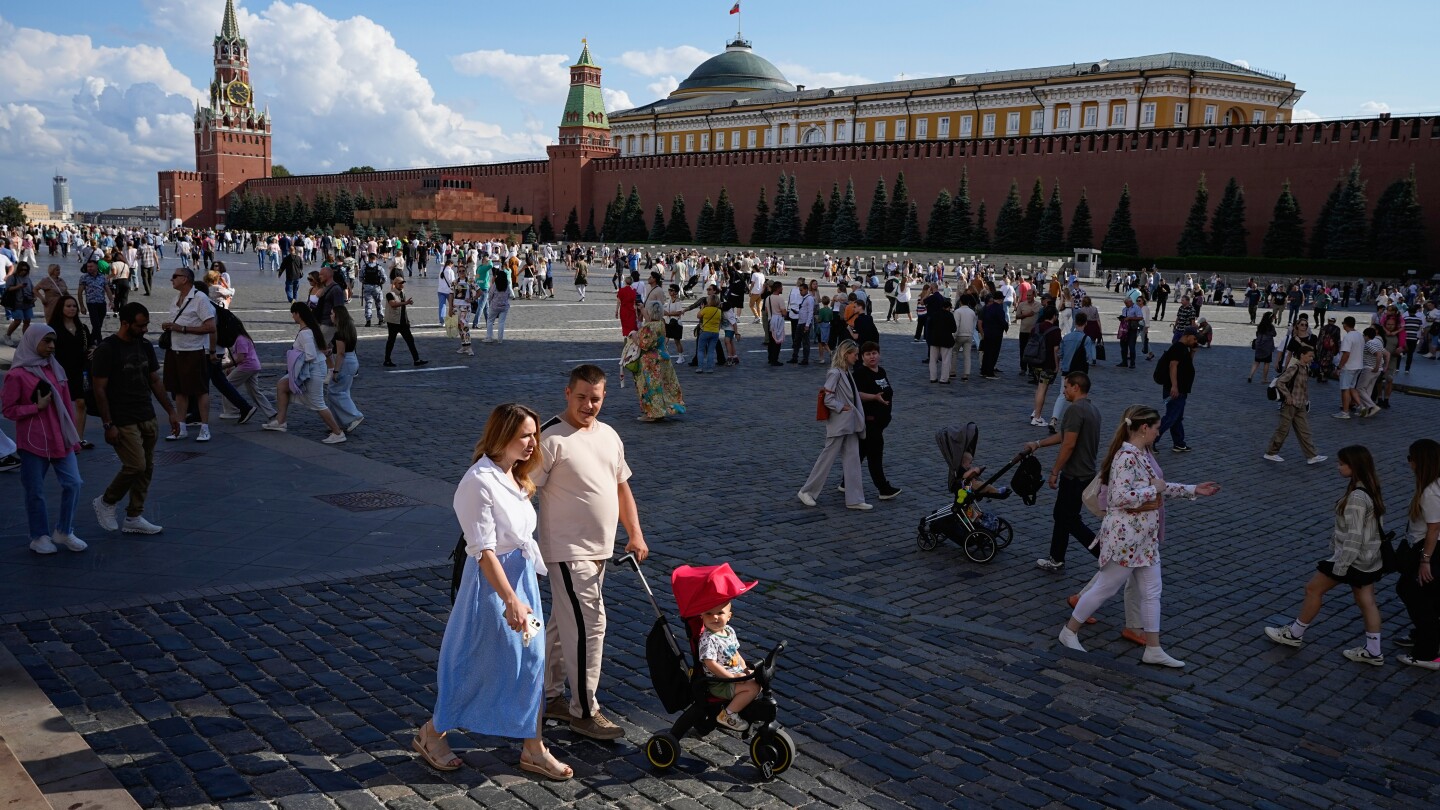
Russia faces a shrinking and aging population and tries restrictive laws to combat it
For over two decades, Russia has grappled with a deepening demographic crisis characterized by a shrinking and aging population. Since President Vladimir Putin assumed power in 2000, the country has faced persistent challenges in reversing this trend. In 1999, Russia recorded its lowest number of births, a figure that has continued to haunt the nation despite temporary improvements. By 2015, births peaked at 1.94 million, but economic instability, the ongoing war in Ukraine, and an exodus of young men have since reversed these gains. In 2023, Russia recorded only 1.22 million births, barely surpassing the 1999 low. The population has also aged significantly, with 30% now over 55, compared to 21.1% in 1990. Putin has implemented various measures to encourage larger families, including financial incentives, free school meals, and Soviet-style ‘hero-mother’ medals for women with 10 or more children. However, critics argue that these efforts, coupled with restrictive laws on abortion and LGBTQ+ activism, are unlikely to solve the crisis. The war in Ukraine has further exacerbated the problem, with hundreds of thousands of young men either killed or fleeing the country. Immigration, a potential solution, remains unpopular due to rising anti-migrant sentiment. As Russia’s fertility rate stagnates at 1.4, well below the replacement rate of 2.1, the demographic crisis continues to pose a significant threat to the nation’s future.
-
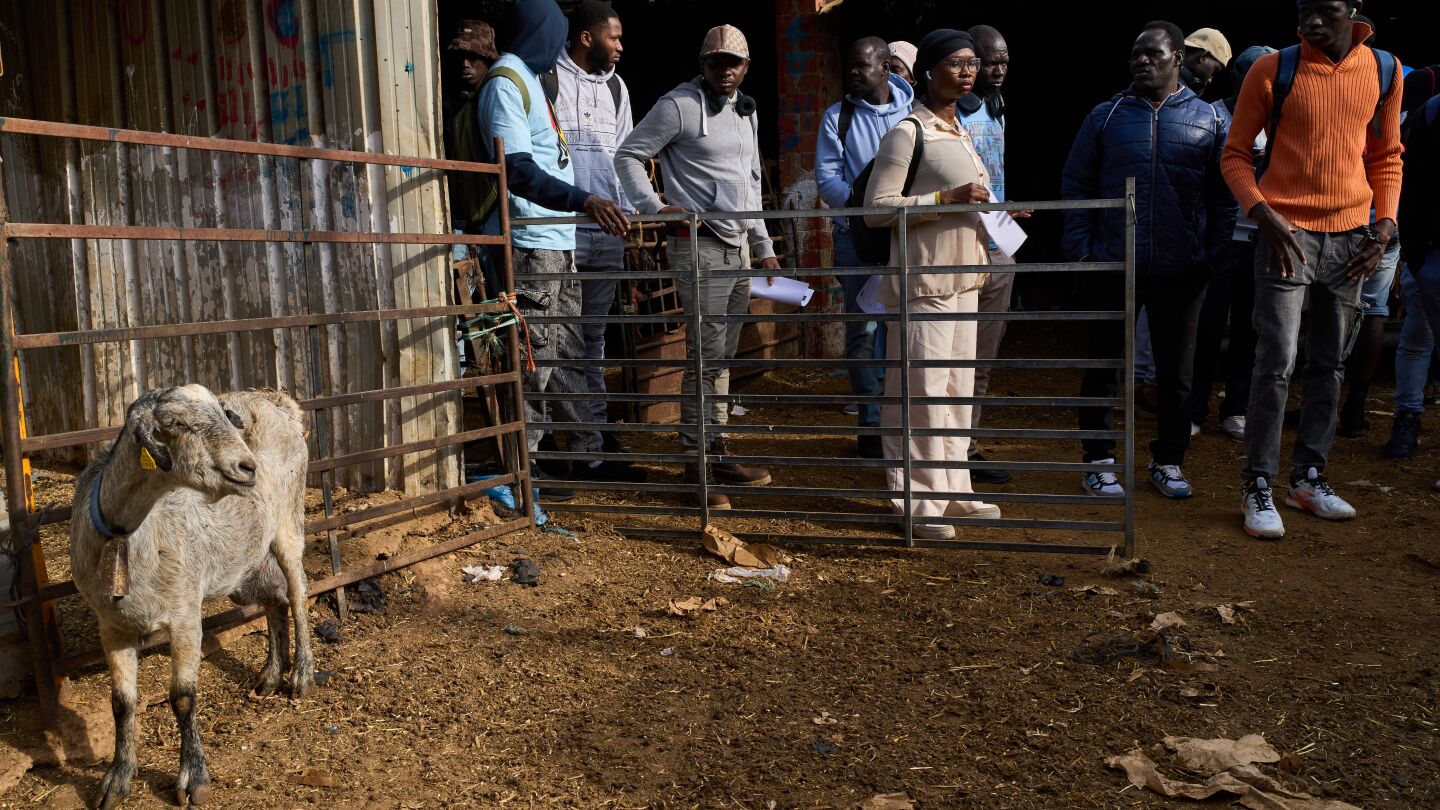
The new shepherds of Spain: African migrants take up a neglected rural trade
In the sun-drenched plains of Castile-La Mancha, Spain, Osam Abdulmumen, a 25-year-old migrant from Sudan, herds 400 sheep on a centuries-old farm in the village of Los Cortijos. This pastoral scene, reminiscent of the region’s literary fame in “Don Quixote,” masks a deeper crisis: rural depopulation has left traditional shepherding jobs unfilled, a role Spaniards increasingly shun. To address this, a government program is training migrants like Abdulmumen—many from Africa, Venezuela, and Afghanistan—to sustain the region’s prized sheep’s milk cheese industry.
Abdulmumen, who fled violence in Sudan, now lives in a modest apartment in Los Cortijos, dreaming of sending money home to his family. His journey to Spain was arduous, spanning Egypt, Tunisia, Morocco, and finally Ceuta, a Spanish enclave, where he sought asylum. Today, he finds solace in the tranquility of rural life, earning €1,300 monthly, slightly above Spain’s minimum wage.
The program, funded by the regional government, has trained 460 migrants since 2022, with 51 now employed as shepherds. Sharifa Issah, a 27-year-old from Ghana, is among them, drawn to the work due to her experience with animals back home. The training, held near Toledo, covers the basics of shepherding over five days, preparing migrants for roles on farms, slaughterhouses, and olive groves.
Álvaro Esteban, a fifth-generation farmer, returned to Los Cortijos after years away, modernizing his family’s farm with drones and cheese production. He acknowledges that without migrant labor, many farms would face closure within a decade. “Most businesses won’t have successors,” he laments, highlighting the sector’s neglect.
Abdulmumen’s story is emblematic of a broader trend: migrants filling critical gaps in Spain’s rural economy, ensuring the survival of traditions and livelihoods in a region grappling with an aging population and urban migration.