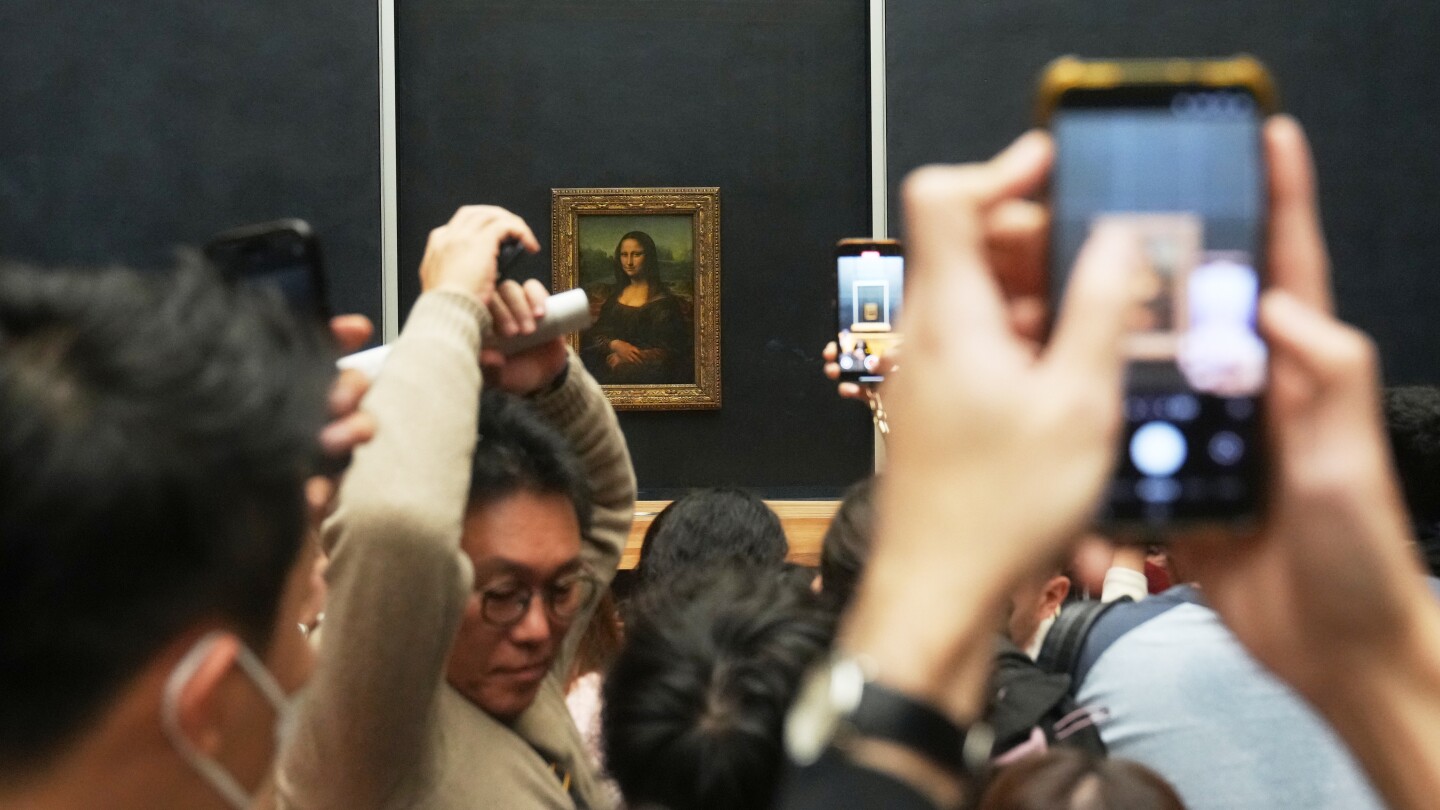
The recent robbery at the Louvre Museum in Paris has thrust France’s Crown Jewels into the global spotlight, an outcome no marketing campaign could achieve. While the nation mourns the breach of its national heritage, the crime has paradoxically elevated the stolen artifacts to celebrity status, reminiscent of how the theft of the Mona Lisa in 1911 transformed it into the world’s most famous artwork. The heist has captivated global media, with nightly newscasts from the U.S. to Asia broadcasting images of the Louvre’s Apollo Gallery and the missing jewels to millions. This surge of attention rivals, or even surpasses, the frenzy following Beyoncé and Jay-Z’s 2018 music video filmed at the museum. Among the treasures that escaped the thieves’ grasp is Empress Eugénie’s emerald-set crown, which may now become the gallery’s most talked-about relic. The Louvre reopened to maximum crowds just days after the robbery, despite the ongoing investigation and heightened security concerns. For France, the loss is not merely financial but a tear in the fabric of its national history. The jewels, which represent the transition from monarchy to modern France, are seen as chapters of the country’s past. Interior Minister Laurent Nuñez described the theft as an “immeasurable” heritage loss, while Louvre director Laurence des Cars acknowledged “a terrible failure” in security. The heist has drawn visitors to the museum, many of whom come to see the site of the crime rather than the missing artifacts. Curators warn that recutting or melting the jewels would be a second violence, as their authenticity lies in their unbroken history. Whether this loss will lead to legend remains the Louvre’s uneasy future.
分类: society
-
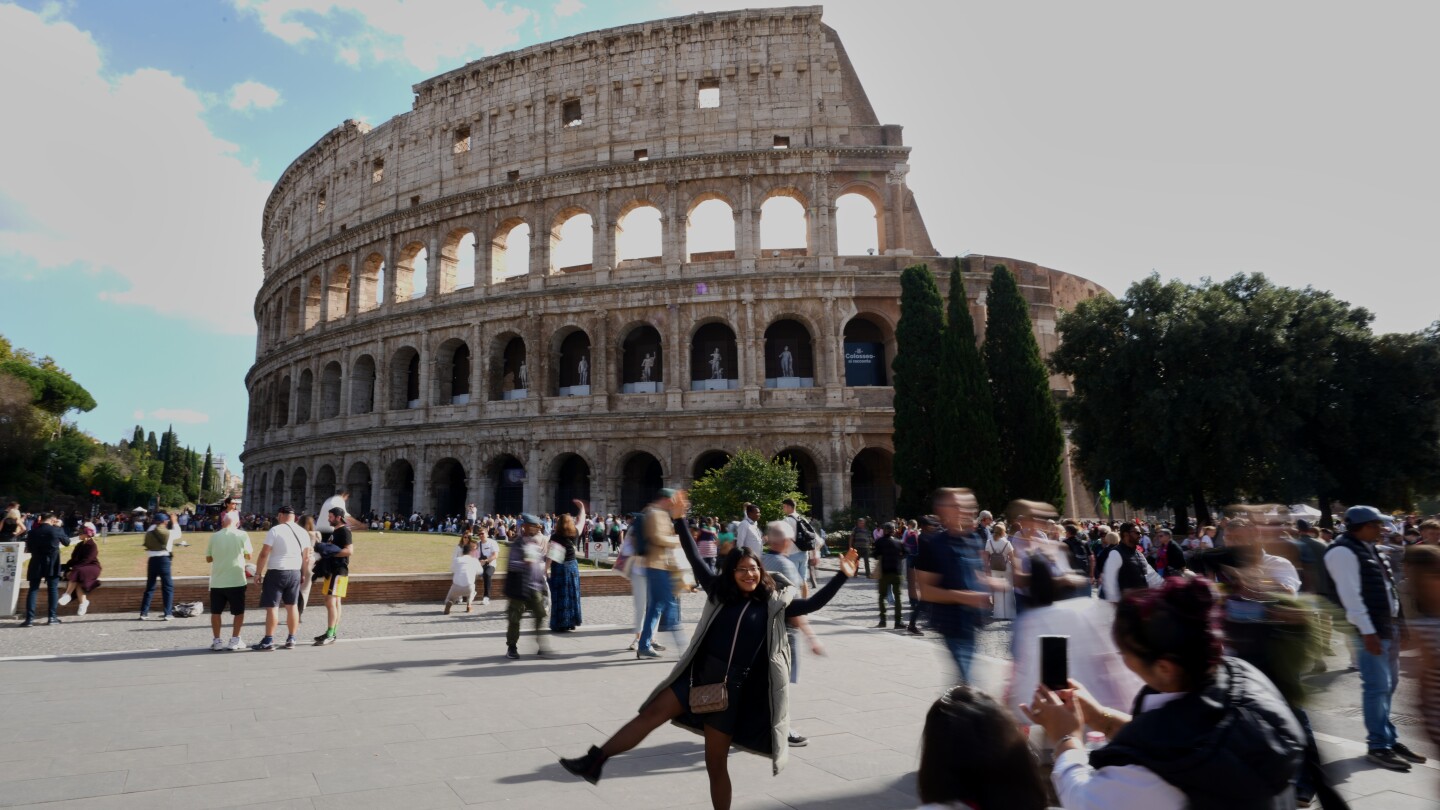
Raves at Rome’s ancient amphitheater? New Colosseum director sets the record straight
Simone Quilici, the newly appointed director of Rome’s Archaeological Park of the Colosseum, has clarified his vision for the iconic amphitheater, emphasizing that it will not become a venue for electronic dance music parties. In an interview with The Associated Press, Quilici addressed the backlash from archaeologists, locals, and even music enthusiasts who feared the ancient structure could be damaged by loud, bass-heavy events. He stressed that any concerts held at the Colosseum must respect its status as a ‘sacred space,’ integral to Roman identity and imbued with religious significance, such as hosting the Via Crucis procession during Easter. Quilici envisions hosting acoustic or jazz performances, poetry readings, and theater productions, with artists like Sting as potential performers. He also plans to expand the existing platform to accommodate these events and introduce historically accurate gladiatorial reenactments. Quilici aims to balance cultural enrichment with preservation, ensuring the Colosseum remains a site of both historical and artistic significance. Additionally, he hopes to encourage tourists to explore lesser-known sites like the Roman Forum, Palatine Hill, Circus Maximus, and the Appian Way, which are part of the broader archaeological park. By creating new access points and connections between these sites, Quilici seeks to manage crowds more effectively and restore the heart of Rome as a cohesive cultural hub.
-

Dubai traffic alert: 30-minute delay after accident on E311
A significant traffic delay has been reported on Dubai’s E311 highway following an accident late Saturday evening. The incident occurred on the road heading towards Sharjah, near Global Village, causing a 30-minute delay for commuters. Dubai Police issued an advisory at 10:02 PM, urging motorists to exercise caution while driving in the affected area. According to Google Maps, a 5.7-kilometer stretch that typically takes 5 minutes to traverse now requires 35 minutes due to the congestion. Authorities have not yet disclosed details about the cause of the accident or any injuries sustained. Residents and travelers are advised to seek alternative routes or allow extra time for their journeys until the situation is resolved.
-
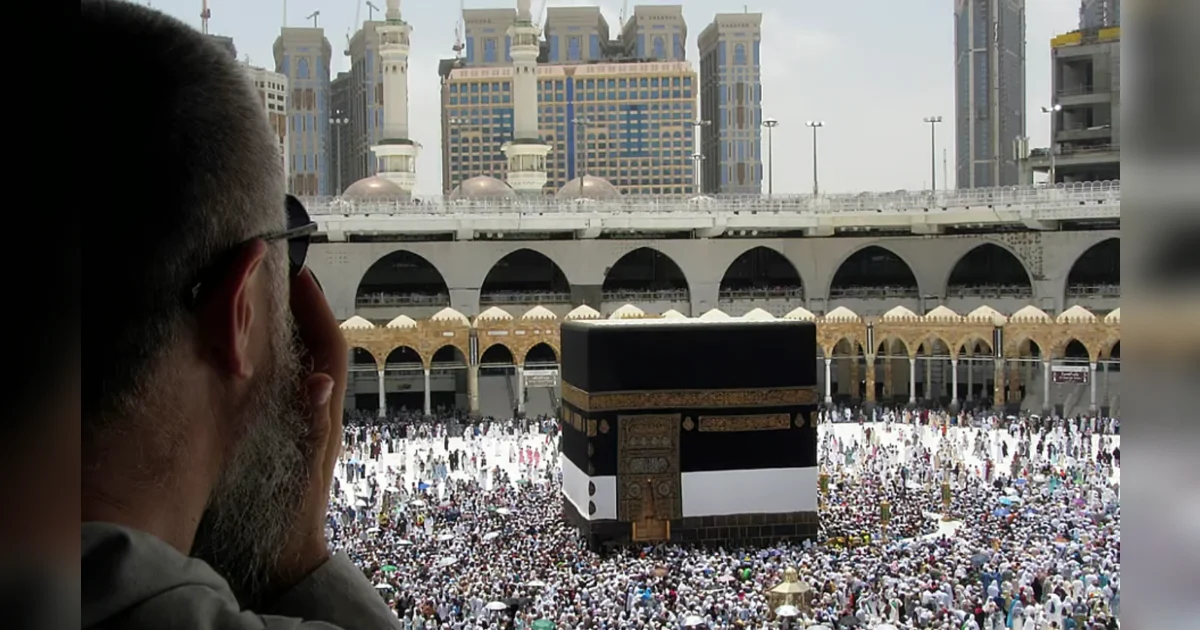
UAE calls on Hajj pilgrims to complete health requirements for 2026 season
The United Arab Emirates (UAE) has issued a call to Hajj pilgrims planning to participate in the 2026 season to ensure they meet all health requirements set by both the UAE and Saudi Arabia. The General Authority of Islamic Affairs, Endowments and Zakat emphasized that the safety and well-being of pilgrims remain a top priority. The health prerequisites include the absence of specific conditions that could hinder the performance of Hajj rituals, such as major organ failure, neurological or psychological disorders, advanced dementia in the elderly, late-stage pregnancy, active infectious diseases like tuberculosis or hemorrhagic fevers, and ongoing cancer treatments like chemotherapy. Additionally, pilgrims must complete necessary immunizations, including vaccines for meningitis, seasonal influenza, and COVID-19, well in advance of the Hajj dates. The Awqaf UAE authority will review medical examination results and collaborate with health officials to ensure compliance with these requirements. The UAE has urged all pilgrims to strictly follow the health guidelines issued by the authorities in both countries to ensure a safe and healthy pilgrimage. The 2026 Hajj season has already seen significant interest, with over 72,000 applications submitted through the authority’s app and website before registration closed on October 9, 2025. The authority is currently reviewing preliminary applications and will contact approved applicants to complete the necessary procedures within specified timelines.
-

Video: RTA unveils Dubai Tram’s stunning new 20th-anniversary look
In a grand celebration of its 20th anniversary, the Road and Transport Authority (RTA) of Dubai has unveiled a stunning new look for the Dubai Tram. The tram’s exterior has been transformed with a sleek dark blue design, prominently featuring the number ’20’ along its sides and the slogan ’20 Years Celebrating Moving Forward’ displayed in the center. This visual overhaul marks a significant milestone for the RTA, which has been at the forefront of enhancing Dubai’s public transportation system since its inception.
In addition to the tram’s makeover, the RTA has introduced a series of celebratory offers and gifts for both residents and visitors. These include discounts on movie tickets, online orders, and unique experiences at various transport hubs. The initiative aims to engage the community and reflect on the RTA’s two decades of innovation and progress.
Whether arriving at Dubai International Airport, boarding the tram, or traveling by Metro, passengers across the city are invited to join in the festivities. The RTA’s efforts underscore its commitment to not only improving transportation but also fostering a sense of unity and celebration among Dubai’s diverse population.
The unveiling was shared on social media by the RTA, accompanied by a video showcasing the tram’s new design and the vibrant energy surrounding the anniversary. This event highlights the RTA’s dedication to continuous improvement and its role in shaping Dubai’s dynamic urban landscape.
-
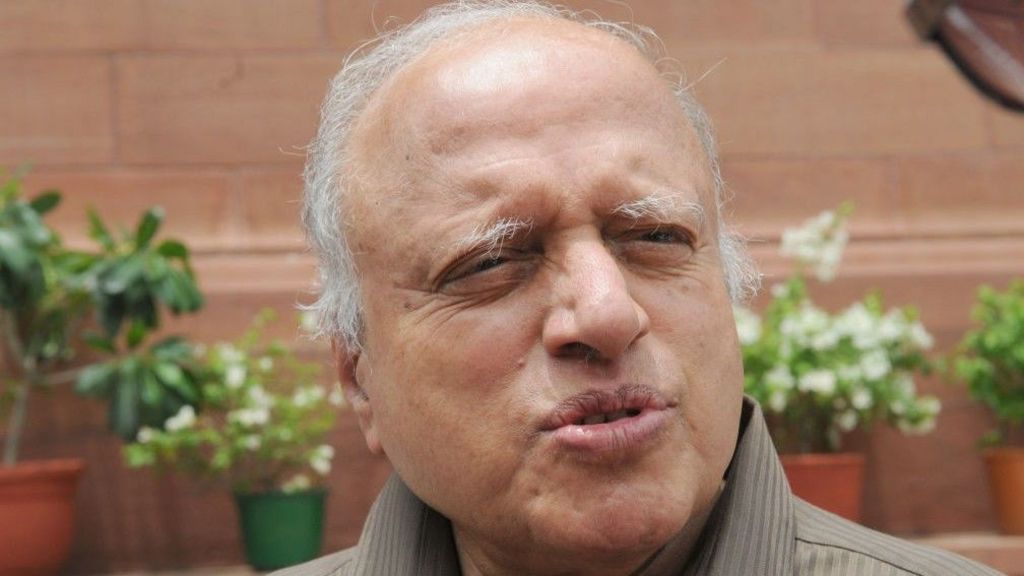
MS Swaminathan: The scientist who saved India from hunger
In 1965, a pivotal moment unfolded in Jaunti, a small village near Delhi, when a skeptical Indian farmer extended his trust to Dr. MS Swaminathan, a scientist who would later be celebrated as the ‘Godfather of the Green Revolution.’ This encounter marked the beginning of a transformative journey that reshaped India’s agricultural landscape and secured its food self-sufficiency. Swaminathan, born in 1925 in Kumbakonam, Tamil Nadu, was deeply influenced by the devastating 1943 Bengal Famine, which claimed over three million lives. This tragedy propelled him to dedicate his life to agricultural science, aiming to develop high-yield crops that could combat hunger on a massive scale. After earning his PhD at Cambridge and collaborating with Nobel laureate Norman Borlaug, Swaminathan introduced Mexican wheat strains to India in 1963. By 1971, wheat yields had doubled, turning a nation on the brink of famine into a food surplus powerhouse. Swaminathan’s ‘farmer-first’ philosophy emphasized listening to farmers and adapting scientific solutions to their needs. His work extended beyond India, influencing agricultural practices across Southeast Asia, Africa, and even China. Despite the Green Revolution’s success, Swaminathan acknowledged its environmental costs and advocated for an ‘Evergreen Revolution’ that balanced productivity with ecological sustainability. His legacy, marked by science, compassion, and a relentless commitment to eradicating hunger, continues to inspire global agricultural innovation.
-
UAE: Flying for Umrah? Return ticket a must during check-in, say travel agents
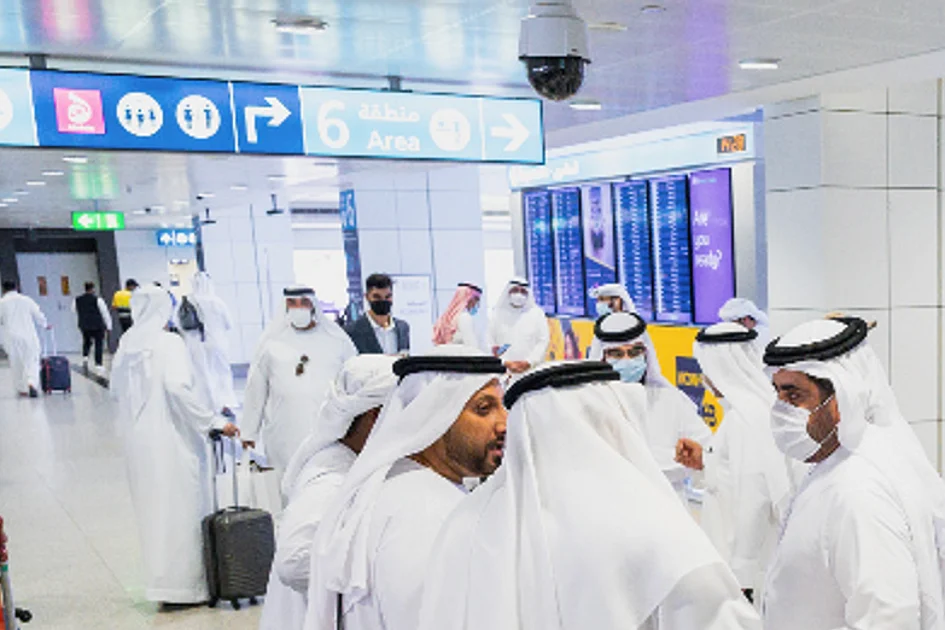
Travel operators in the UAE have reported that airlines and Saudi authorities have implemented stricter regulations for Umrah pilgrims, making a confirmed return ticket mandatory during check-in. This new rule aims to ensure clarity on each pilgrim’s travel dates and prevent overstays in Saudi Arabia. The regulation applies to all travelers, regardless of their visa type or nationality.
-
Look: New Dubai landmark launches over water, Sheikh Mohammed announces
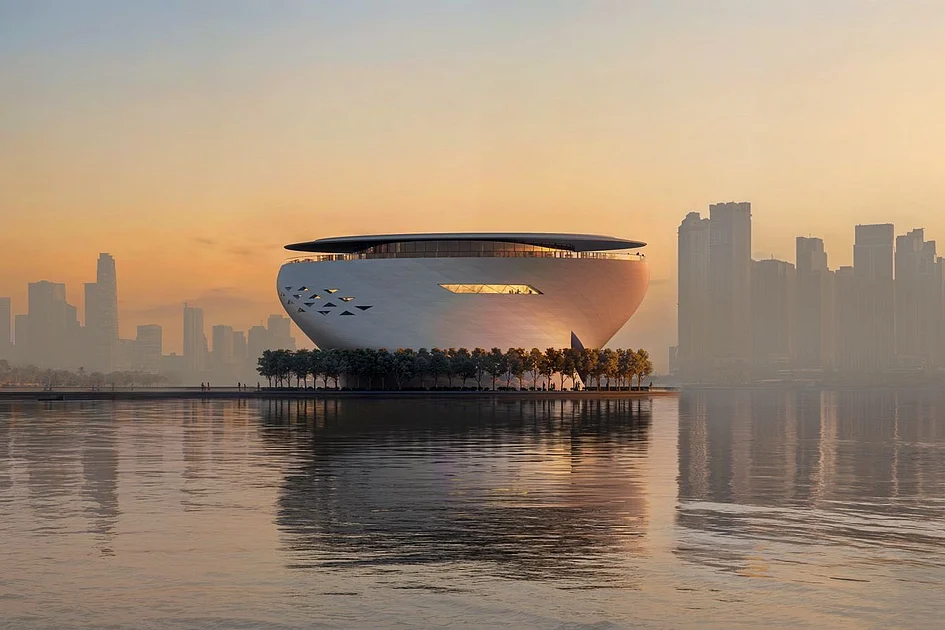
Dubai is set to welcome a groundbreaking addition to its skyline with the launch of the Dubai Arts Museum, known as Duma. Announced by Sheikh Mohammed bin Rashid Al Maktoum, Vice President and Prime Minister of the UAE and Ruler of Dubai, this floating museum will be situated on an island in the heart of Dubai Creek. Designed by world-renowned Japanese architect Tadao Ando, Duma is inspired by elements of nature—water, sky, wind, and light—and pays homage to Dubai’s pearl diving heritage through its shell and pearl-inspired design. The museum will feature five floors dedicated to modern art, a library, training spaces, and a café with views of the creek. Sheikh Mohammed emphasized that Duma will position Dubai as a global hub for creativity and modern art, reflecting the city’s cultural and artistic spirit. The project also highlights the collaboration between the public and private sectors, with notable contributions from Emirati businessman Abdullah Al Futtaim and his son Omar. Duma joins Dubai’s roster of iconic landmarks, including the Burj Khalifa, Burj Al Arab, and the Museum of the Future, further cementing the city’s reputation as a beacon of innovation and culture.
-
Women welcome arrest of charity boss identified in BBC sex-for-aid investigation
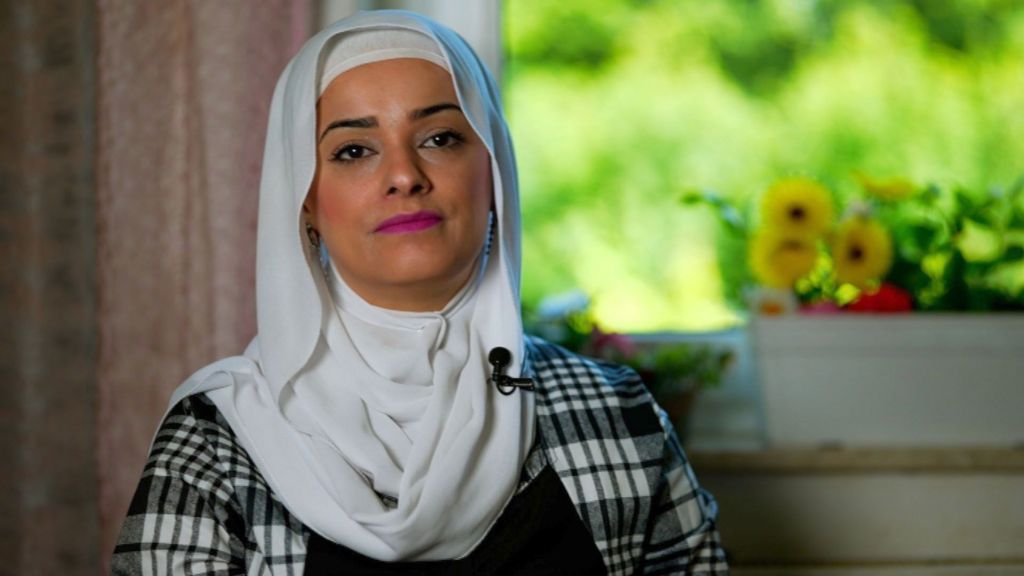
Sadettin Karagoz, the founder of a Turkish charity, has been arrested following allegations of sexual exploitation of vulnerable women seeking aid. The accusations, uncovered by a BBC investigation, reveal a disturbing pattern of abuse within the organization, which was initially seen as a beacon of hope for Syrian refugees in Ankara. Karagoz denies all charges, claiming his charity has helped over 37,000 people and that the allegations are baseless. However, multiple women have come forward with harrowing accounts of sexual assault and harassment, painting a starkly different picture. The charity, known as the Hope Charity Store, was established in 2014 and has been widely recognized for its humanitarian efforts, even receiving a local newspaper award in 2020. Despite its public acclaim, internal testimonies suggest a darker reality. Three women, including a Syrian refugee named Madina, have accused Karagoz of sexual assault, with seven others corroborating their stories. The victims, fearful of stigma and deportation, initially remained silent, but the BBC’s investigation has spurred legal action. Karagoz, a retired bank worker, has previously faced similar accusations in 2019 and 2025, but insufficient evidence led to dropped charges. This time, however, two additional women have testified, resulting in his arrest. Karagoz has cited health issues, including the removal of a testicle in 2016, as evidence of his inability to engage in sexual activity, but medical experts dispute this claim. The case highlights the vulnerability of refugee women and the systemic challenges in addressing sexual violence in Turkey.
-

‘Brothers in the forest’ – the fight to protect an isolated Amazon tribe
Deep within the Peruvian Amazon, the Mashco Piro, one of the world’s largest uncontacted indigenous groups, face an existential threat. For over a century, this nomadic tribe has chosen isolation, relying on the rainforest for sustenance and survival. However, encroaching logging, mining, and external diseases are pushing them to the brink. Tomas Anez Dos Santos, a resident of the small village of Nueva Oceania, recounts his harrowing encounter with the Mashco Piro, who have increasingly ventured closer to human settlements due to deforestation. ‘Let them live as they live,’ he urges, echoing the sentiment of many villagers who feel both fear and respect for their forest-dwelling neighbors. A recent report by Survival International highlights the plight of 196 uncontacted groups globally, warning that half could vanish within a decade without stronger protections. The Peruvian government’s non-contact policy, aimed at safeguarding these vulnerable communities, is under strain as illegal activities and infrastructure projects threaten their habitat. In areas like the Manu River, where the Mashco Piro interact with a government-run control post, efforts to provide food and maintain distance have reduced conflict. Yet, the tribe’s desire to remain isolated is clear. As the world encroaches, the Mashco Piro’s struggle to preserve their way of life underscores the urgent need for conservation and respect for indigenous rights.