
A fatal officer-involved shooting in a Minneapolis residential neighborhood has sparked an investigation after a U.S. Immigration and Customs Enforcement (ICE) agent shot and killed a woman during a traffic encounter. The incident unfolded on a quiet residential street in Minnesota, where the ICE officer was conducting official duties. According to preliminary reports from law enforcement, the shooting occurred following an interaction between the officer and a female driver. Minneapolis police are leading the investigation into the precise circumstances that led to the use of deadly force. The local police chief has provided an official statement detailing the sequence of events, though specific details regarding the initial reason for the traffic stop and the immediate catalyst for the shooting remain under review. The identity of the deceased woman has not been released pending family notification. The ICE officer involved has been placed on administrative leave, following standard protocol. The case has drawn attention to the procedures and authority of federal immigration officers operating in community settings.
分类: society
-
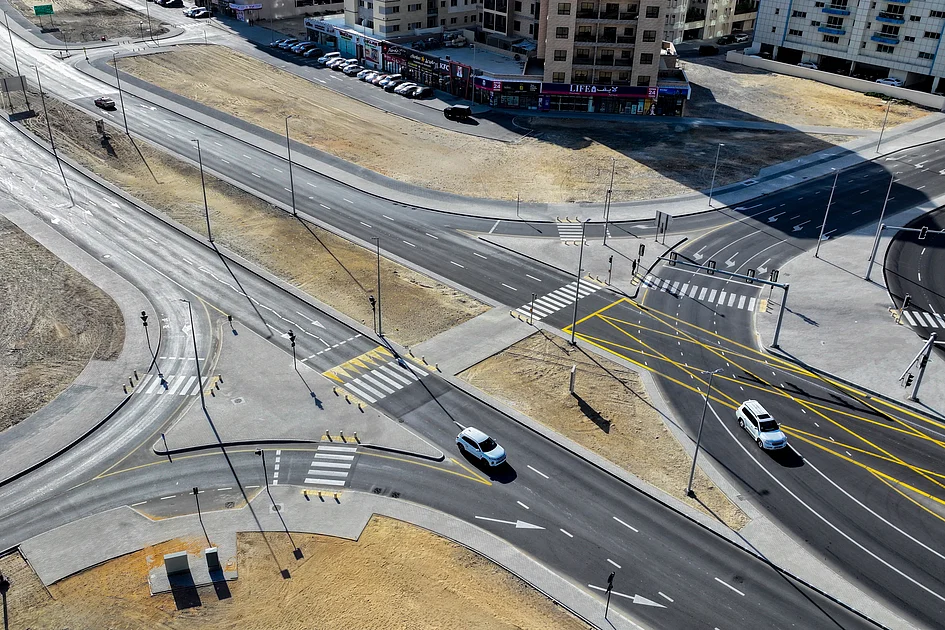
Dubai: Al Warqa’a 1 Street expansion completed, to improve traffic flow by 30%
Dubai’s Roads and Transport Authority (RTA) has officially completed a comprehensive infrastructure enhancement project along Al Warqa’a 1 Street, marking a significant milestone in the city’s ongoing urban development initiatives. The 7-kilometer expansion, stretching from Sheikh Mohammed Bin Zayed Road to Ras Al Khor Road, represents a strategic investment in the emirate’s transportation network.
The transformative project has successfully converted four traditional roundabouts into intelligent signalized intersections, employing smart traffic management technology to optimize vehicle movement. This upgrade alone has contributed to a remarkable 30% improvement in traffic flow efficiency, substantially reducing congestion during peak hours.
Beyond traffic management improvements, the initiative incorporated multifaceted infrastructure enhancements including the installation of 324 modern lighting poles equipped with energy-efficient illumination systems, significantly improving nighttime visibility and road safety. The project also addressed parking limitations by creating 111 new parking spaces and developed extensive pedestrian pathways spanning 41,000 square meters, ensuring safer mobility for non-vehicle users.
Critical underground infrastructure received substantial upgrades with the construction of advanced stormwater drainage networks extending 6,600 linear meters, providing enhanced flood protection during seasonal rainfall.
Hamad Al Shehhi, Director of Roads at RTA’s Traffic and Roads Agency, emphasized that this project builds upon previous infrastructure works completed in June 2025, which established direct access points between Al Warqa’a and Sheikh Mohammed Bin Zayed Road. “RTA remains committed to developing integrated infrastructure encompassing road networks, lighting, and drainage systems aligned with Dubai’s urban growth objectives,” Al Shehhi stated. “These efforts directly support the city’s vision as a smart, prosperous metropolis that prioritizes quality of life and resident satisfaction.”
The authority continues to implement additional development projects in adjacent areas including Al Warqa’a 3 and 4, featuring road paving, expanded pedestrian infrastructure, and dedicated cycling tracks to promote sustainable transportation alternatives.
RTA’s community engagement approach was demonstrated through interactive sessions held with Mirdif and Al Warqa’a residents last October, where officials discussed the upcoming Dubai Metro Blue Line project and addressed local transportation concerns. This participatory model reflects the authority’s commitment to incorporating public feedback into urban planning decisions.
-
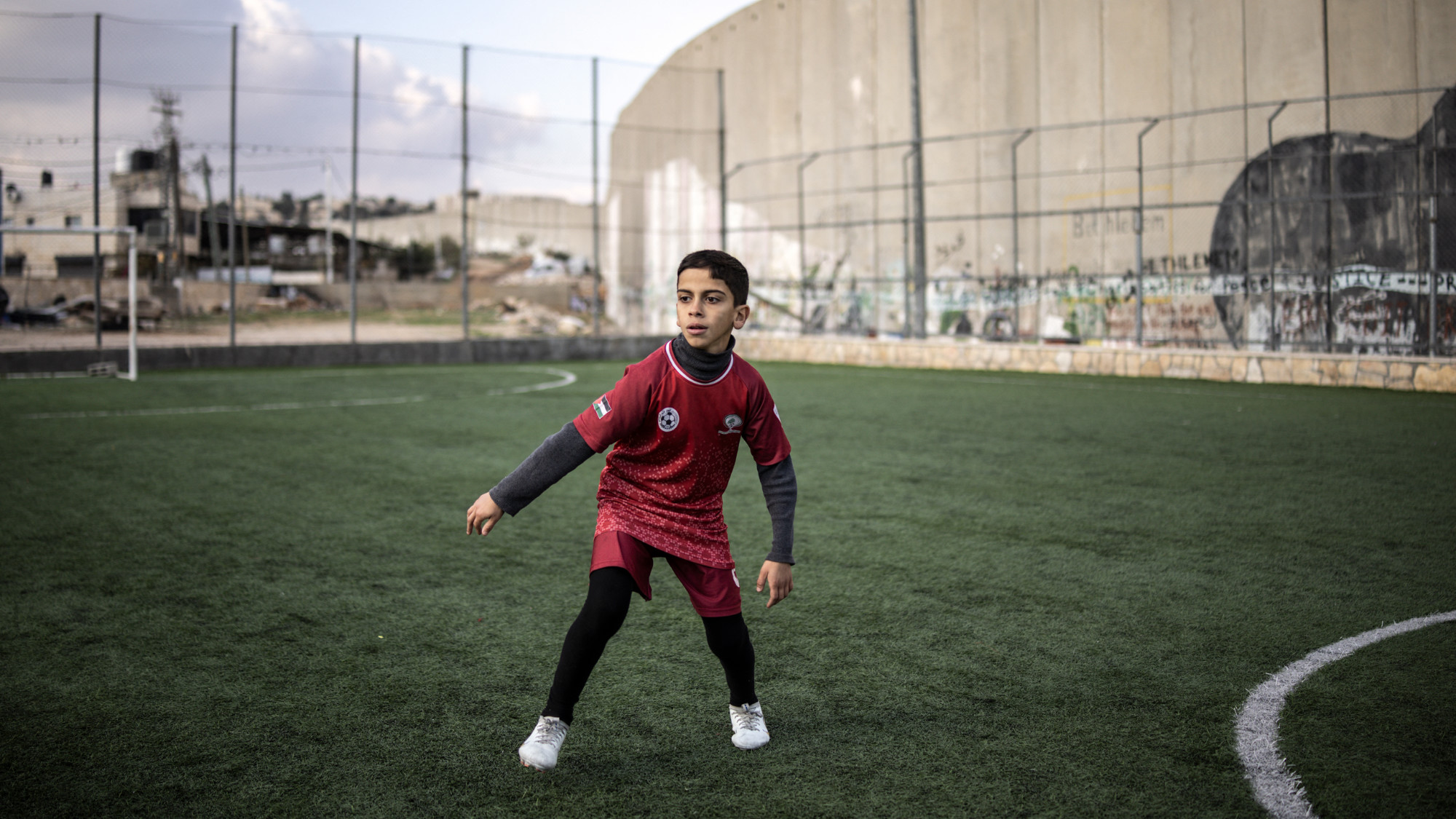
Fifa urged to stop Israeli demolition of West Bank refugee camp football pitch
A Palestinian youth organization has urgently petitioned FIFA leadership to prevent the imminent demolition of a crucial football facility in the occupied West Bank. The Aida Youth Centre, located near Bethlehem’s separation wall, received official notification from Israeli authorities on December 31st that their artificial turf pitch would be destroyed within seven days.
This sporting facility, installed in 2021 on land owned by the Armenian Church within the Aida refugee camp, serves as the sole recreational space for approximately 2,500 children residing in one of the region’s most densely populated areas. The pitch functions as both a training ground for the center’s football academy and a rare sanctuary for youth living amidst military checkpoints, watchtowers, and constant security operations.
The center’s board director, Munther Amira, articulated in a January 6th letter addressed to FIFA President Gianni Infantino and Swiss Foreign Minister Ignazio Cassis that the demolition constitutes “a clear and callous attempt to deprive Palestinians of a facility critical to their physical and mental welfare.” The communication emphasized the pitch’s role as “a rare place of hope and joy for children who endure severe hardship.”
Notably, the facility has demonstrated significant impact on women’s football development, with three former academy players having represented Palestine at the West Asia Football Federation’s under-14 girls’ championship in December. Local authorities, including Bethlehem Mayor Maher Canawati, are pursuing diplomatic, legal, and sporting channels to halt the demolition, asserting that proper leasing agreements with the Armenian Patriarchate render the construction fully authorized.
The appeal emerges weeks after FIFA announced plans to construct two mini-pitches in the West Bank by 2026 through its FIFA Arena initiative, co-funded by the Swiss government with a commitment of approximately $150,000. The potential demolition creates a stark contradiction with FIFA’s stated mission of expanding football access in challenging regions.
Israeli military officials previously posted demolition notices in November, claiming the structure lacked proper permits—an assertion local authorities vehemently deny. For residents of the camp established in 1950 for Nakba refugees, the pitch represents more than sports infrastructure; it serves as psychological relief and one of the few safe spaces available to children growing up in what has been described as one of the world’s most heavily militarized civilian areas.
-
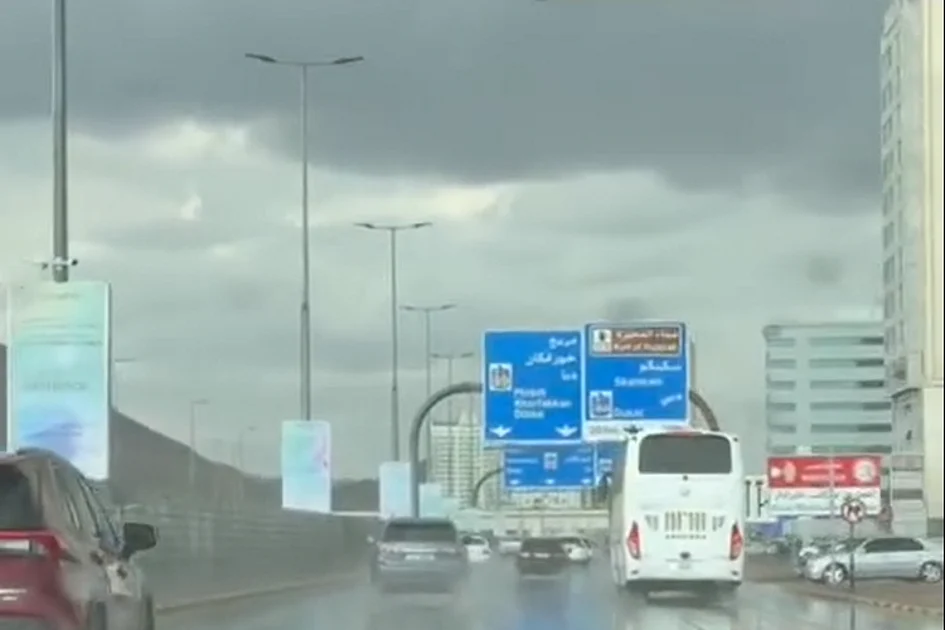
Watch: Moderate to heavy rains hit Fujairah, Ras Al Khaimah; NCM issues alert
The United Arab Emirates’ northern regions experienced significant meteorological activity on Wednesday as convective cloud formations brought moderate to heavy rainfall across multiple areas. According to the National Centre of Meteorology (NCM), Fujairah witnessed precipitation ranging from light to moderate intensity, particularly affecting the Al Bithnah, Skamkam, Al Rimailah, and Al Sodah districts. Simultaneously, Ras Al Khaimah’s Al Huwailat area received substantial downpours, with temperatures expected to reach a low of 13°C.
The meteorological authority activated an orange-level alert—indicating potentially hazardous conditions—for convective cloud development in Fujairah, remaining in effect until 7 PM local time. Visual documentation from Storm Centre depicted vehicles navigating rain-slicked roadways with active windscreen wipers as water accumulated on thoroughfares.
While temperature projections indicate only marginal decreases over subsequent days, residents are anticipated to perceive noticeably cooler conditions due to persistent fresh winds sweeping across the nation. Although certain localities have registered temperatures approaching freezing points, overall daytime mercury levels are forecast to maintain relative stability with minor fluctuations.
The NCM continues to monitor atmospheric developments closely, urging motorists to exercise caution during reduced visibility conditions and advising residents to stay informed through official meteorological channels.
-

UAE: FTA launches Labaih initiative to help ease tax procedures for senior citizens
The Federal Tax Authority (FTA) of the United Arab Emirates has unveiled a groundbreaking social support program specifically designed for elderly residents. Dubbed the ‘Labaih Initiative,’ this comprehensive program establishes specialized procedures to assist senior citizens in fulfilling their tax obligations while prioritizing accessibility and privacy protection.
This initiative represents a significant advancement in age-responsive government services, creating tailored pathways for older adults to navigate tax compliance requirements. The program will be administered through the FTA’s existing Call Centre and Taxpayer Support Centres, where specially trained staff will provide personalized assistance to elderly taxpayers.
Khalid Ali Al Bustani, Director-General of the FTA, emphasized that this initiative aligns with the UAE leadership’s vision for enhanced elder care and social support systems. ‘Senior citizens constitute a fundamental and valued segment of our society,’ Al Bustani stated. ‘This initiative demonstrates our recognition of their lifelong contributions to national development across various sectors.’
The Labaih Initiative incorporates multiple innovative features including priority phone access, expedited processing at service centers, and dedicated support teams that follow up on senior citizens’ requests using simplified procedures. Notably, the program enables electronic document access through the FTA’s website, eliminating the need for physical visits to tax centers for many transactions.
Beyond procedural accommodations, the initiative includes educational components with specially designed workshops and informational sessions that employ methods appropriate for older adults. These awareness programs aim to build confidence and understanding of tax legislation and procedures.
The FTA’s implementation of this program reflects the UAE’s broader commitment to developing innovative social care models that maintain quality of life for aging citizens while ensuring their full participation in national systems and obligations.
-
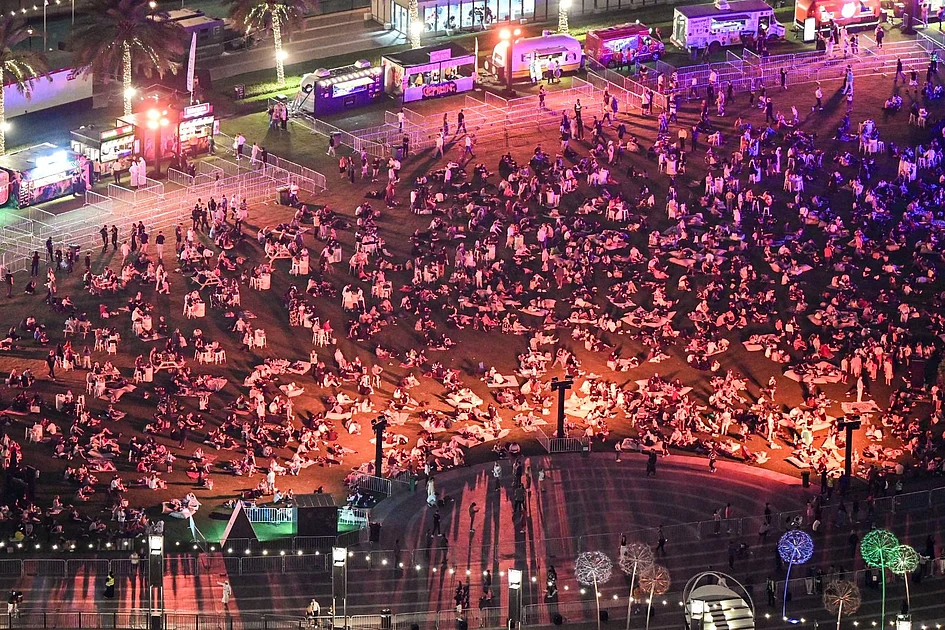
Dubai: 2,479 volunteers from 45 nationalities support crowd management on New Year’s Eve
Dubai Police have hailed the indispensable contribution of 2,479 multinational volunteers in ensuring the seamless execution of the emirate’s monumental New Year’s Eve 2026 celebrations. Responding to an official call for community support, an overwhelming 3,111 residents registered their interest, with the selected volunteers representing an extraordinary diversity of 45 nationalities.
These civic-minded individuals were strategically deployed across 15 key locations throughout Dubai, where they performed critical functions in crowd management and operational support. Their duties extended beyond basic assistance to include submitting detailed reports and observations that will serve to refine security protocols for future large-scale events. Dubai Police authorities emphasized that this volunteer force was instrumental in maintaining both safety and order during one of the world’s most spectacular annual gatherings.
Brigadier Ali Khalfan Al Mansouri, Director of the General Department of Community Happiness at Dubai Police, publicly commended the volunteers for their exemplary professionalism and high morale. He noted that their performance not only reflected Dubai’s civilized image but also demonstrated the powerful synergy between law enforcement and the community. This collaboration, according to Brigadier Al Mansouri, exemplifies the government’s directive to embed volunteering as a sustainable value and cornerstone of comprehensive development.
The institutional framework supporting this effort is Dubai Police’s year-round volunteering platform, which continuously develops opportunities for community integration in security, traffic management, and public awareness initiatives. Captain Saeed Al Ketbi, Director of the Community Relations Department, highlighted the growing public consciousness regarding volunteering’s significance in achieving sustainable development goals. He further praised the volunteer teams for fostering positive citizenship, social responsibility, and constructive partnerships between public and private sectors that ultimately contribute to community safety and stability.
-

Beijing mandates helmets for e-bike users, bans scooters
Beijing has ushered in a new regulatory framework for non-motorized vehicles, introducing mandatory helmet usage for electric bicycle riders and passengers alongside a prohibition of scooters on public roads. The comprehensive revisions to the city’s transportation regulations, representing the first major update since 2018, will take effect on May 1st, establishing stricter safety protocols and management systems.
The expanded regulatory framework now encompasses eight chapters with 55 articles, significantly broadening its scope from the previous seven chapters and 35 articles. The updated legislation introduces enhanced registration requirements including a decade-long validity period for electric bicycle licenses and plates, with provisions for renewal upon expiration.
Road safety measures have been substantially strengthened with explicit bans on certain personal transportation devices. The regulations now formally prohibit scooters, balance boards, and similar devices from roadways, redirecting them to appropriate usage areas.
Parking management receives significant attention in the updated regulations. Property developers and management entities are now required to provide adequate parking facilities for non-motorized vehicles in public buildings, spaces, and residential areas, with existing facilities mandated to undergo upgrades to meet growing public demand. These entities also bear responsibility for maintaining parking order and removing abandoned bicycles from premises.
The regulatory changes introduce quantity control mechanisms for internet rental bicycles, including electric variants. This measure follows successful pilot programs in several Beijing districts where approximately 15,000 shared electric bicycles have been deployed with positive operational results. The legislation further stipulates that paid parking facilities must clearly display pricing information while maintaining service standards.
Government and enterprise entities are assigned specific responsibilities under the new framework, requiring them to maintain parking order within their jurisdictions and address illegal parking occurrences. The comprehensive approach demonstrates Beijing’s commitment to creating a safer, more organized urban transportation environment through legislative refinement and enforcement mechanisms.
-

Surgery ‘not good option’ for Malaysia’s 100-year-old ex-PM Mahathir: Son
Malaysia’s former Prime Minister Mahathir Mohamad, who recently celebrated his 100th birthday, will pursue non-surgical treatment for a hip fracture sustained during a fall at his residence. The medical decision was confirmed by his son Mukhriz Mahathir on Wednesday, citing advanced age as the primary factor against surgical intervention.
The incident occurred Tuesday when the veteran statesman fell inside his home following his routine brisk walking exercise. He was transported conscious via ambulance to Kuala Lumpur’s National Heart Institute, where physicians diagnosed a fracture to his right hip.
Medical specialists have recommended a comprehensive rehabilitation protocol instead of surgical options, acknowledging the heightened risks associated with invasive procedures for centenarian patients. The recovery process is expected to require several weeks of hospitalization for treatment and observation.
Mukhriz Mahathir stated via a video message distributed through his political party’s communications: ‘Considering his remarkable age of 100 years, surgical intervention presents substantial challenges. The medical team has advised a standardized rehabilitation approach that will necessitate considerable time.’
The family expressed gratitude for the public’s concern while respectfully requesting privacy during the recovery period. Daughter Marina Mahathir provided reassurance through national media, characterizing the injury as ‘serious but not dangerous,’ while acknowledging the particular severity of fractures at extreme advanced age.
Mahathir Mohamad’s medical history includes previous cardiac bypass procedures. The nonagenarian leader made history as the world’s oldest elected official during his second premiership from 2018-2020, following his initial landmark tenure from 1981-2003 that transformed Malaysia’s economic landscape.
-
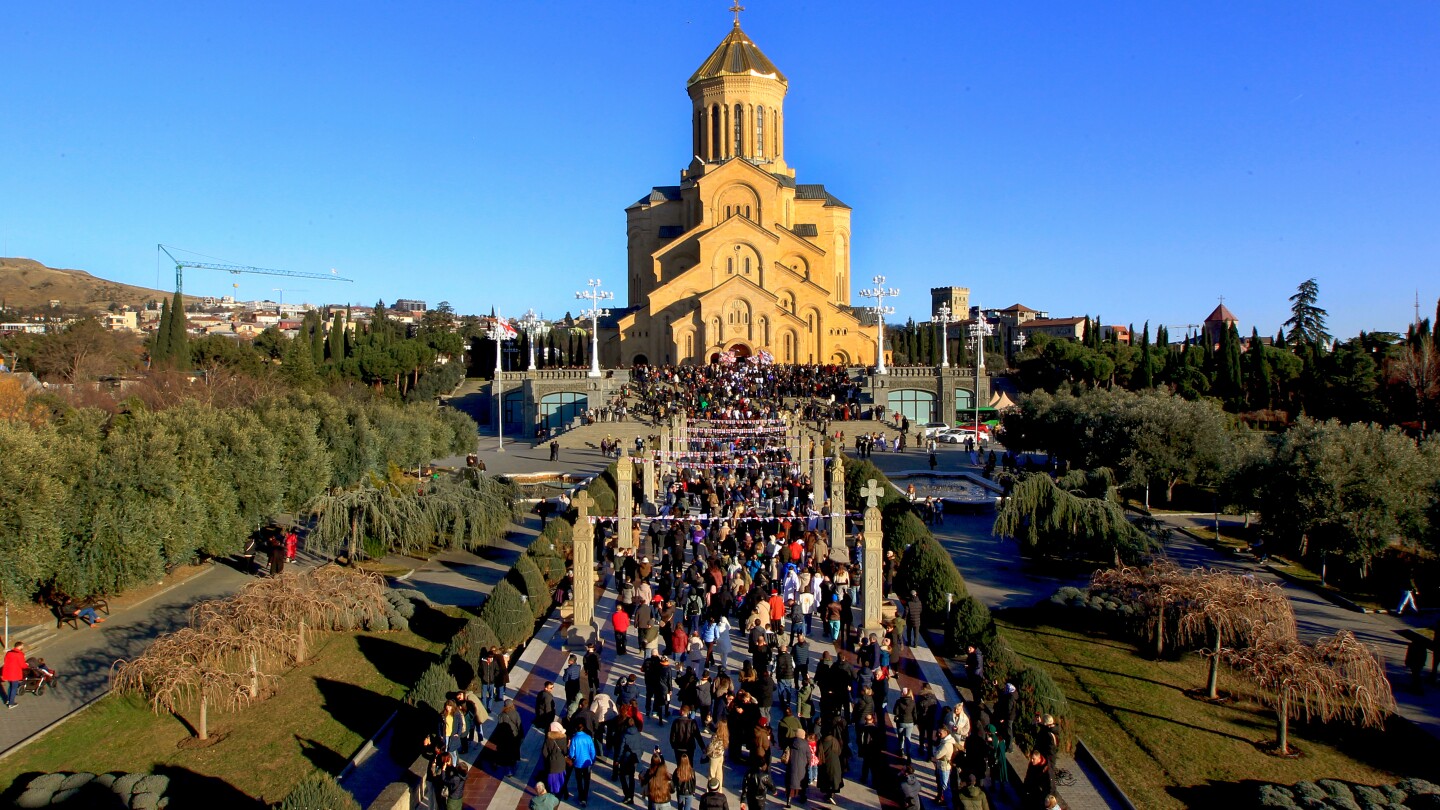
Millions celebrate Orthodox Christmas on Jan. 7, following ancient traditions
Across the globe, millions of Orthodox Christians commemorated Christmas on January 7th, creating a distinctive celebration pattern that occurs nearly two weeks after Western Christian observances. This temporal divergence stems from deep historical roots in calendar systems that continue to shape religious practices worldwide.
The chronological discrepancy originates from the adherence of certain Eastern Orthodox churches—including Russian, Serbian, Georgian, and some Ukrainian traditions—to the ancient Julian calendar. This system runs thirteen days behind the Gregorian calendar adopted by Catholic, Protestant, and most secular societies. Meanwhile, the Ethiopian Orthodox Church and various Oriental Orthodox communities, while distinct from Eastern Orthodoxy, similarly celebrated on January 7th, sharing many liturgical traditions despite their separate ecclesiastical histories.
This complex calendrical landscape emerged from sixteenth-century reforms when Pope Gregory XIII introduced a revised system to correct astronomical inaccuracies in the Julian calendar. While Western Christian denominations and secular governments gradually adopted the Gregorian system, Eastern Orthodox communities maintained divergent approaches. In 1923, an inter-Orthodox gathering proposed a revised Julian calendar that aligned with the Gregorian system, which was embraced by Greek, Romanian, Bulgarian, and other traditions but rejected by the Russian Orthodox Church—the largest Eastern Orthodox communion—and several allied traditions.
North American observances reflect this global diversity, with Greek and Antiochian Orthodox churches celebrating on December 25th, while Serbian and Russian traditions maintain January 7th observances. Liturgical celebrations typically feature elaborate nighttime services preceding Christmas Day, with distinctive customs like the Serbian practice of burning oak branches accompanied by proclamation of Christ’s birth.
The Armenian Orthodox tradition represents a unique case, observing Christmas on January 6th, further illustrating the rich tapestry of Christian liturgical practice that continues to evolve, particularly in regions like Ukraine where some communities have recently transitioned to December celebrations.
-

Cold front coats Guizhou mountains in rime
A recent Arctic cold front has dramatically transformed the mountainous terrain of Guizhou province into a spectacular winter landscape. The Qianxi region’s iconic terraced fields, normally characterized by their vibrant green hues, now appear blanketed in a crystalline layer of rime—a delicate frost formation that occurs when supercooled water droplets freeze upon contact with surfaces.
The aerial perspective reveals an ethereal scene where the intricate patterns of the terraces merge with the frosty covering, creating a mesmerizing mosaic of white against the distant emerald peaks. A persistent mist gently envelops the higher elevations, adding an atmospheric quality to the already stunning visual spectacle.
This meteorological phenomenon highlights the unique agricultural practices of southwest China’s mountainous regions. Due to the challenging topography that limits conventional farmland, local communities have historically developed sophisticated terracing systems along hillsides. These engineered landscapes represent both practical adaptation to geographical constraints and cultural heritage preserved through generations.
The current frost coverage, while creating temporary visual magnificence, serves as a reminder of the region’s vulnerability to temperature fluctuations. Such extreme weather events provide both challenges for local agriculture and opportunities for ecological study regarding microclimates in mountainous areas.