
The United States, once a symbol of unity and resilience, has been grappling with deep societal fractures since the early 2010s. While the economy has shown remarkable strength, with wealth surpassing pre-Great Recession levels and wages steadily rising, American society remains deeply unsettled. This paradox raises a critical question: Why is a nation with such economic prosperity so plagued by division and discontent? The answer, it seems, lies in the transformative impact of smartphones and social media. The 2010s marked the widespread adoption of these technologies, which fundamentally altered how Americans interact, perceive each other, and engage with societal issues. Social media platforms like Twitter, Facebook, and Instagram created a virtual space where geographic and ideological boundaries dissolved, forcing Americans into a constant, often contentious, dialogue. This digital revolution amplified existing fault lines—racial tensions, political polarization, and cultural divides—while introducing new challenges, such as declining mental health and institutional distrust. The rise of smartphone-enabled social media coincided with a sharp decline in perceptions of race relations, workplace sexism, and overall societal trust. Videos of police shootings, for instance, went viral, sparking nationwide protests and reigniting debates about systemic racism. Similarly, the MeToo movement gained momentum as social media provided a platform for marginalized voices. However, these platforms also fostered echo chambers, where extreme views were amplified, and constructive dialogue became increasingly rare. The result has been a society where anger and mistrust overshadow economic progress. Americans, once able to geographically sort themselves into like-minded communities, now find themselves in a digital town square, constantly exposed to opposing views and ideologies. This has led to a decline in happiness, particularly among educated liberals, who feel increasingly alienated in this new social landscape. The collapse of geographic sorting, once a release valve for societal tensions, has left Americans struggling to coexist in a hyperconnected world. As the nation navigates this digital age, the challenge remains: How can a society built on diversity and freedom adapt to a reality where everyone is constantly in each other’s virtual space?
分类: society
-

Skier caught in an avalanche is the second person to die this season on Alaska’s Mount McKinley
A tragic incident unfolded on North America’s highest peak, Mount McKinley, as a skier lost his life in an avalanche, marking the second fatality of this year’s climbing season. Nicholas Vizzini, a 29-year-old from Washington state, and his snowboarding companion triggered the avalanche on Tuesday while descending the 20,310-foot (6,190-meter) mountain, according to a statement from Denali National Park and Preserve. The avalanche originated at approximately 16,600 feet (5,060 meters) and cascaded down to around 15,000 feet (4,572 meters).
Two mountaineering rangers swiftly responded after spotting Vizzini’s partner amidst the avalanche debris. Utilizing a beacon signal, they located Vizzini, who was largely buried under the wreckage. Despite immediate lifesaving efforts, he was pronounced dead later that evening. Vizzini’s body was subsequently recovered and transferred to the state medical examiner’s office, while his partner sustained minor injuries and was scheduled to leave the mountain on Wednesday.
This incident follows the death of Alex Chiu, a ski mountaineer from Seattle, who perished earlier this month after a 3,000-foot (about 900-meter) fall on the mountain’s West Buttress climbing route. The climbing season, which typically spans from early May to early July, currently hosts around 500 climbers on Mount McKinley. The park authorities continue to emphasize the inherent risks of high-altitude mountaineering.
-
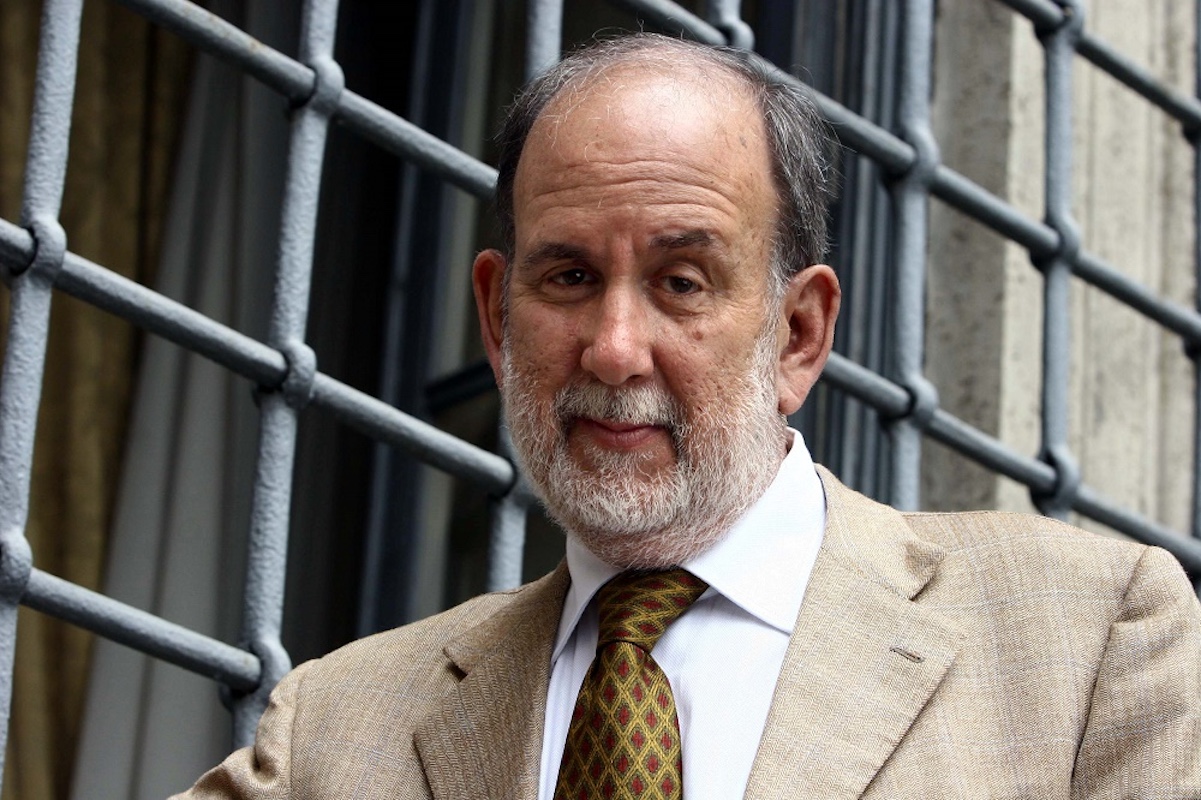
Michael Ledeen, a Reagan revolutionary, passes at 83
Michael Ledeen, a distinguished historian, cultural expert, and key figure in U.S. intelligence, passed away on May 17 at the age of 83 after a prolonged illness. His death marks the loss of one of the last Americans who approached intelligence with a profound understanding of history and culture, a trait increasingly rare in modern academia. Ledeen’s contributions to America’s Cold War victory were monumental, though often understated in public records. His unique blend of historical insight, cultural acumen, and decisive action set him apart as a pivotal figure in shaping America’s global dominance during the 20th century. A mentor and friend, Ledeen was celebrated for his generosity and wisdom. One of his lesser-known yet significant achievements was his role in persuading Italian Prime Minister Bettino Craxi to deploy Pershing II missiles in Western Europe during the Reagan administration, a move that countered Soviet military strategies. Ledeen’s deep understanding of Italian politics and culture, exemplified in his writings on Naples and Italian fascism, made him an invaluable asset in diplomatic and intelligence circles. Post-Reagan, he held the Freedom Chair at the American Enterprise Institute for two decades and later joined the Foundation for Defense of Democracy. Often mislabeled as a neoconservative, Ledeen’s revolutionary conservatism was rooted in a transformative vision of America, deeply influenced by his Jewish heritage. He is survived by his wife Barbara, a prominent Senate staffer, and his children Simone, Gabriel, and Daniel, who have all served in significant public roles. Ledeen’s legacy endures as a testament to the power of intellectual rigor and cultural understanding in shaping global politics.
-

US foreign student purge an exercise in economic self-destruction
In early April 2025, the Trump administration abruptly terminated the immigration statuses of thousands of international students listed in a government database, leaving them without legal permission to remain in the country. This decision prompted some students to self-deport rather than face formal deportation proceedings. However, following widespread legal challenges, the US Department of Homeland Security announced it would reverse these terminations after courts across the nation deemed them unjustified. This reversal comes as the White House continues to emphasize stricter vetting and screening of foreign nationals, including plans to use artificial intelligence to review international students’ social media accounts.
International students in the US have long been subjected to rigorous vetting, screening, and monitoring. Despite this, the introduction of additional bureaucratic measures risks making the US a less attractive destination for global talent. Such policies could undermine the Trump administration’s ‘America First’ agenda, which aims to bolster the economy, advance science and technology, and enhance national security.
The US remains a global leader in attracting international students, but its dominance is waning. According to the Institute of International Education, the US now hosts 16% of all students studying abroad, down from 22% in 2014 and 28% in 2001. During the 2023-2024 academic year, over 1 million international students were present in the US, with 54% hailing from China and India. Most international students pursue graduate degrees in STEM fields, and they contribute significantly to the US economy, generating $43.8 billion in tuition and living expenses while supporting nearly 378,000 jobs.
However, global competition for international students is intensifying. Countries like Germany and South Korea are implementing strategies to attract foreign talent, offering more flexible visa policies and post-study work opportunities. The US’s stringent immigration policies and increased monitoring could further deter international students, redirecting talent to other nations.
International students play a critical role in the US’s global leadership in STEM, with 45% of STEM workers holding doctoral degrees being foreign-born. They also contribute to the economy by launching startups at a rate eight to nine times higher than their domestic peers. Restricting their ability to study in the US could hinder the nation’s ability to maintain its competitive edge in science, technology, and innovation.
As the global landscape shifts, the US must balance security concerns with the need to attract and retain top international talent to sustain its economic and technological leadership.
-
PepsiCo agrees to meet with Al Sharpton over DEI cuts, potential boycott
PepsiCo, a leading North American food and beverage conglomerate, is under fire for its decision to scale back diversity, equity, and inclusion (DEI) initiatives. Reverend Al Sharpton, a prominent civil rights leader, announced on Monday that he will meet with PepsiCo CEO Ramon Laguarta this week to address the company’s controversial move. In a letter dated April 4, Sharpton warned of a potential boycott if PepsiCo fails to uphold its commitments to minority representation in managerial roles and supplier diversity. The company, which owns iconic brands like Gatorade, Lay’s, Doritos, and Mountain Dew, informed employees in February that it would no longer set specific goals for minority representation. Sharpton plans to press Laguarta on the rationale behind this decision and seek assurances regarding equal opportunities in employment and contracts. PepsiCo has yet to publicly comment on the matter. This development comes amid a broader trend of corporations, including Walmart and Target, rolling back DEI policies following President Donald Trump’s return to the White House earlier this year. Trump has also dismantled DEI programs within the federal government and threatened schools with funding cuts if they maintain such initiatives. In January, Sharpton led a “buy-cott” at Costco, encouraging consumers to support businesses committed to DEI policies. He emphasized the importance of economic pressure as a tool for social change, stating, ‘That is the only viable tool that I see at this time, which is why we’ve rewarded those that stood with us.’
-

Community, mentors and skill-building: Experts weigh the role of employee resource groups
Jenny Jang, who moved to the United States from South Korea at the age of six, faced significant challenges navigating her educational and professional environments as a minority. Unable to seek guidance from her parents, Jang turned to mentorship from external sources. Now based in Atlanta and employed at an international elevator company, Jang spearheaded the establishment of business resource groups in North America. These groups, designed to foster diversity and inclusion, provide employees with a platform to connect and share experiences around shared identities or themes. The first group, focused on women employees, attracted 500 members within three years, offering discussions on balancing family and career in a male-dominated industry. Subsequent groups catered to veterans and military families, creating safe spaces for employees to share their experiences. Employee resource groups (ERGs), which originated in corporate America in the 1970s to address racial, gender, and sexual orientation tensions, have since expanded to include other affiliations such as caregiving, mental health, neurodiversity, and generational divides. Critics argue that ERGs may create divisions and provide unfair advantages, prompting some companies to revise their purpose and scope. The future of ERGs faces additional uncertainty due to executive orders aimed at curtailing diversity, equity, and inclusion programs. Legal guidance from the Equal Employment Opportunities Commission emphasizes that ERGs must be open to all employees to avoid unlawful segregation. Proponents highlight the benefits of ERGs, including community building, leadership development, and enhanced employee engagement. Experts recommend starting ERGs by identifying a shared experience, securing senior leadership sponsorship, and demonstrating the group’s impact on employee retention and organizational goals. Despite challenges, ERGs remain vital for underrepresented communities, offering support, connectivity, and advocacy.
-

Pope urges church in Papua New Guinea to be close to women after hearing of sorcery ‘superstitions’
During his visit to Papua New Guinea, Pope Francis emphasized the need for the Catholic Church to support women who have faced abuse and marginalization, particularly in a country where violence against women is alarmingly prevalent. Speaking at APEC Haus in Port Moresby on September 7, 2024, the Pope highlighted the struggles of women accused of witchcraft and sorcery, who are often ostracized by their families and communities. He urged the Church to show ‘closeness, compassion, and tenderness’ to these marginalized individuals.
-

Expo City Dubai News
In a heartwarming moment at Expo 2020 Dubai, His Highness Sheikh Mohammed bin Rashid Al Maktoum, Vice President and Prime Minister of the UAE and Ruler of Dubai, paused to engage with a group of enthusiastic school children. As Sheikh Mohammed approached, the children burst into cheers and eagerly waved at him, their excitement palpable. Seizing the opportunity, he graciously stopped for a quick photo with the young admirers, creating a memorable experience for them. This spontaneous interaction highlighted Sheikh Mohammed’s approachable demeanor and his commitment to fostering connections with the younger generation. The incident, captured on video, quickly garnered attention, showcasing the warmth and accessibility of the UAE’s leadership during the global event.
-
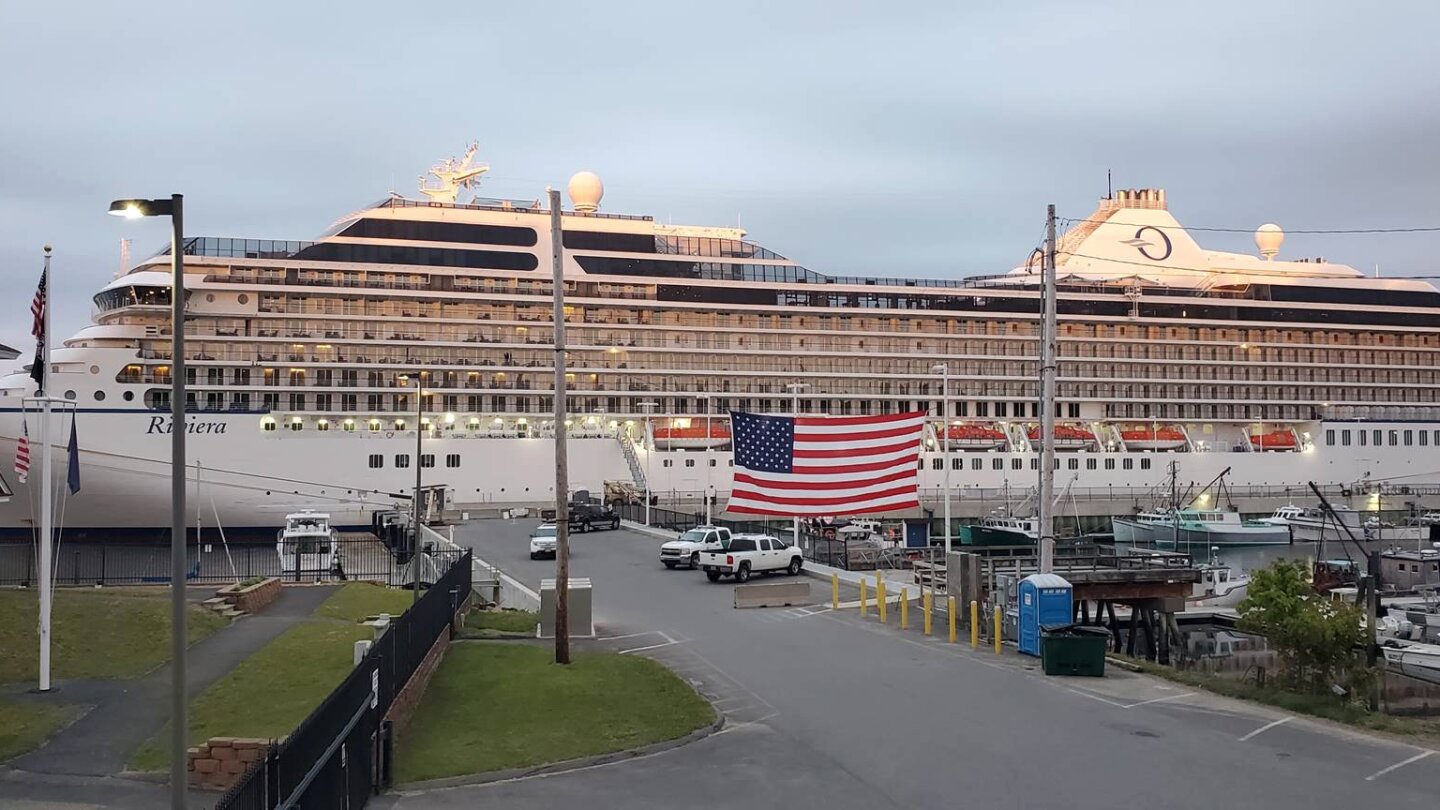
Tight bight, small city: Virus sidelines ship, creates buzz
The small coastal town of Eastport, Maine, with a population of just 1,300, has become the temporary home to the Oceania Riviera, a massive cruise ship that towers over the community. The ship’s arrival highlights the challenges cruise companies face in finding docking locations during the COVID-19 pandemic, which has halted global cruise operations since mid-March. Chris Gardner, director of the Port of Eastport, likened the situation to a game of musical chairs, questioning where these ships can go when the music stops. The U.S. Centers for Disease Control and Prevention has banned cruises in U.S. waters until July 24, leaving thousands of crew members stranded at sea. While some Eastport residents initially feared the ship’s crew might introduce the virus to the area, these concerns were alleviated as crew members are not permitted to disembark. The Oceania Riviera, nearly 800 feet long and accompanied by a crew of 131, is being kept in a “warm layup” state, meaning it remains operational but without passengers. Eastport’s maritime facility, rebuilt in 2017 after its Breakwater Pier collapsed, is uniquely suited to host such a large vessel. The town, once known as the nation’s sardine capital, is now embracing the ship’s presence. Local businesses, including a waterfront restaurant that sold out of fish due to increased visitors, are benefiting from the unexpected influx of attention. Kevin Raye, president of the local chamber of commerce, described the ship as “magnificent” and a potential lifeline for struggling small businesses. While some residents are less enthusiastic, many local leaders hope this visit will pave the way for future cruise ship tourism, generating goodwill and revenue for the town.