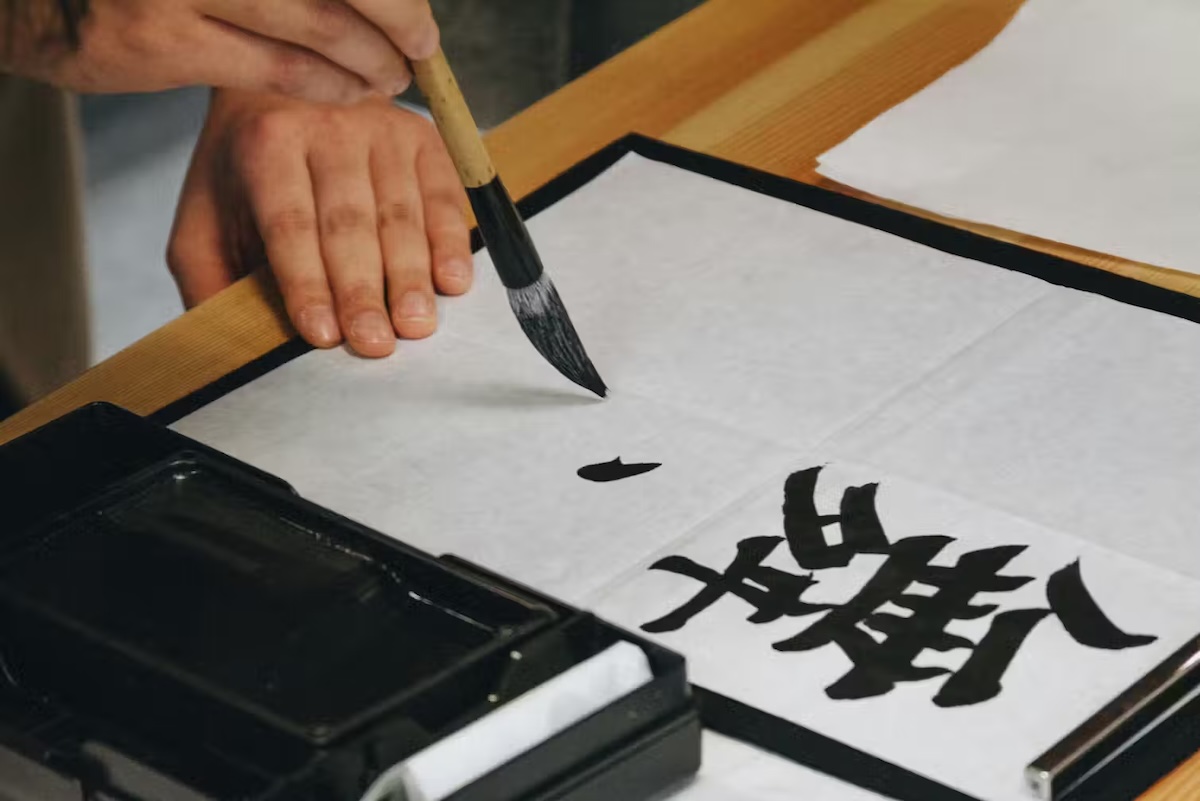
In an era dominated by digital devices, the act of handwriting has become increasingly rare. However, research reveals that handwriting engages the brain more extensively than typing, fostering intricate motor skills and enhanced visual processing. This practice not only influences our thinking and creativity but also offers a unique way to express ourselves and generate new ideas. One of the oldest and most profound forms of handwriting is Chinese calligraphy, a practice that has transcended centuries, blending cultural, philosophical, and artistic elements. Chinese calligraphy, with its emphasis on brushstrokes and composition, values both the inked and the empty spaces on the scroll, symbolizing balance and harmony. The tools of calligraphy—a soft brush, Xuan paper, and ink—are simple, yet the art demands a clear mind, sincerity, humility, and self-restraint. As generative AI takes over more writing tasks, there is a growing concern that humans are becoming disconnected from their creative ideas. The multi-sensory experience of handwritten calligraphy fosters a deeper connection with the writer’s emotions and surroundings, promoting patient introspection and grounding the practitioner in the physical world. This practice offers lasting benefits for our often overwhelmed and restless minds. Writers like Nicholas Carr and Aden Evens highlight the ongoing rewiring of our minds due to excessive online engagement, which can diminish attention spans and deep-reading abilities, leading to superficial information processing. Artist and author James Bridle warns of the dangers of tech-dependency and over-reliance on automated systems, which can blind us to bias and bad data. Ink artist Pan Jianfeng, based in Finland, has embraced handwriting with a brush as a modern pursuit of self-cultivation and creative freedom. Through his experimental use of paper and brush, Pan invites us to reconsider the meaning of ‘content generation,’ ‘human creativity,’ and ‘communication.’ His artworks, created with traditional organic materials, engage with concepts beyond our expectations and imagination, without adding to the environmental burden of generative AI. Pan’s ‘One Breath Workshops’ advocate for mindful handwriting that brings stillness and peace in an age saturated with information. His exhibitions, such as ‘Ink Roamings,’ encourage visitors to engage in imaginative discovery and contemplation, fostering a deeper understanding of the world and each other. As Pan aptly puts it, ‘We don’t need more content—we need a better understanding of the world with all its challenges, and of each other.’
分类: society
-
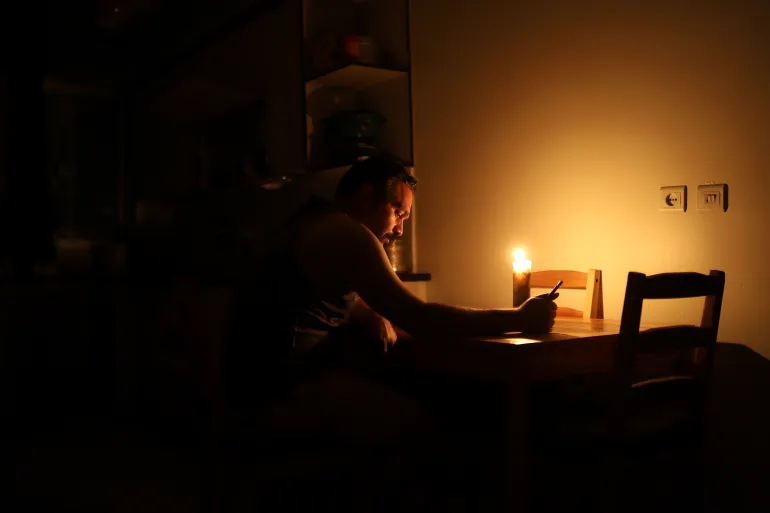
Why Iran can’t keep the lights on
For Iranians, the changing seasons bring not just weather shifts but also recurring energy crises. Scorching summers are plagued by rolling blackouts, while freezing winters are marked by toxic smog from burning low-grade fuel in power plants. These challenges are symptomatic of Iran’s chronic electricity imbalance, a structural crisis that has evolved into a significant economic and public welfare burden. Despite a nominal installed capacity of 94 gigawatts, Iran’s power grid is in systemic decay. Aging thermal plants, over-reliance on natural gas, recurring droughts crippling hydropower, and soaring demand have created a persistent gap between capacity and reliable output. This crisis is further exacerbated by geopolitical isolation, which hampers access to international finance and technology. A comparative analysis reveals Iran’s underperformance in electricity generation, lagging behind industrial economies and even Gulf neighbors. To address this, a four-point recovery plan has been proposed, emphasizing international contracts, budgetary realignment, fuel mix reformation, and regional power exchange agreements. However, the success of these measures hinges on resolving Iran’s geopolitical standoff with the West, as domestic reforms alone are insufficient. Without a sustainable solution, Iran risks further economic isolation, technological backwardness, and continued degradation of public health and industrial competitiveness.
-
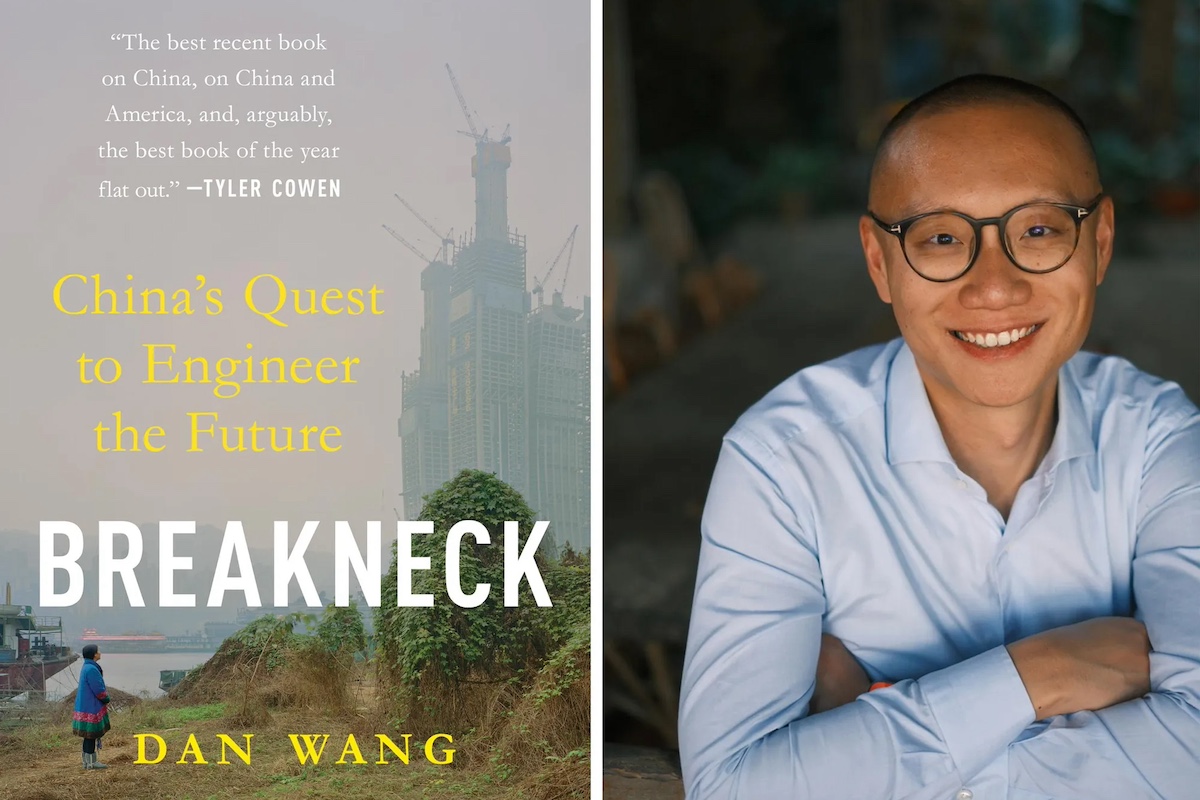
Breakneck divide: China’s builders vs America’s lawyers
Dan Wang’s forthcoming book, ‘Breakneck: China’s Quest to Engineer the Future,’ provides a groundbreaking perspective on the contrasting governance styles of China and the United States, as well as the barriers to mutual understanding between the two superpowers. Published by W.W. Norton & Company in 2025, the book merges Wang’s economic analysis from his years in China (2017–2023) with his personal experiences as a Canadian of Chinese descent educated in the US. Wang’s unique background allows him to offer a balanced view of the two nations, free from the hostility that often characterizes their relationship. He describes China as an ‘engineering state,’ driven by rapid construction and technological advancement, while portraying the US as a ‘lawyerly society,’ marked by legal obstructionism. Wang argues that both countries are deeply flawed yet fundamentally alike in their ambition and restlessness. Through vivid anecdotes, such as his cycling trip through Guizhou, Wang highlights China’s rapid modernization and cultural richness. He also critiques the inefficiencies of the US legal system, using the stalled California high-speed rail project as a case study. Wang’s work calls for mutual curiosity and a new lens to understand the China-US rivalry, moving beyond outdated ideological labels. ‘Breakneck’ is set to release on August 26, 2025.
-
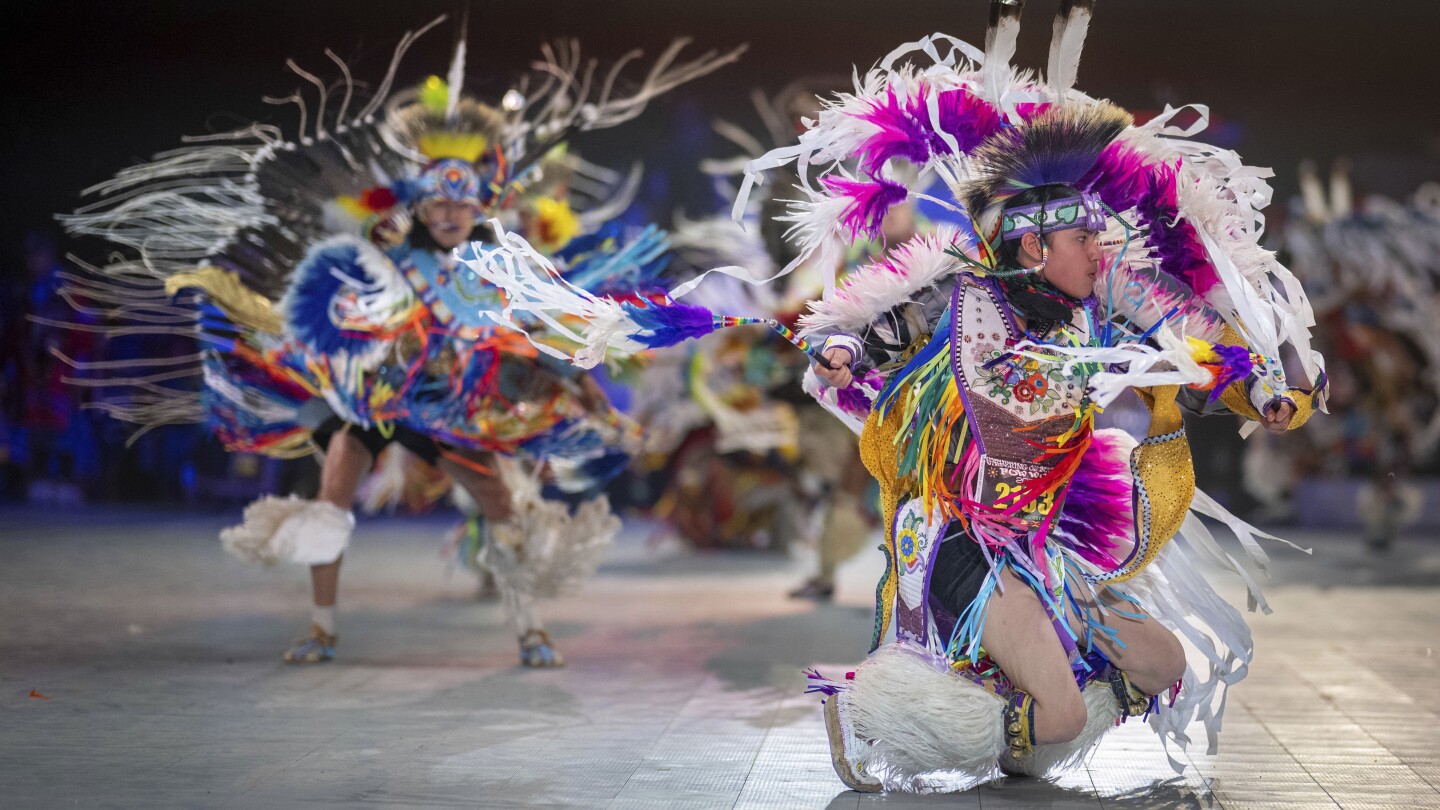
The last dance? Organizers of North America’s largest powwow say 2026 will be the event’s final year
For over four decades, Albuquerque, New Mexico, has been the epicenter of North America’s largest powwow, the Gathering of Nations. This vibrant cultural event has drawn tens of thousands of attendees annually, celebrating Indigenous dancers, musicians, and artisans from across the globe. However, in a surprising announcement made on Saturday, organizers revealed that the 2026 edition will mark the final chapter of this storied tradition. The decision, communicated via email and social media, cited no specific reasons but included a poignant statement: “There comes a time.” The official poster for the 2026 event bears the somber tagline, “The Last Dance.”
Since 2017, the New Mexico fairgrounds have served as the event’s venue, but its future availability remains uncertain due to potential redevelopment plans by the state. Additionally, the Gathering of Nations has faced criticism from some Native American communities, who accused organizers of commercializing Indigenous culture. Organizers have consistently refuted these claims, emphasizing that funds raised are reinvested into covering event expenses.
The powwow’s grand entry, a dazzling procession of dancers adorned in elaborate regalia, has been its hallmark. The event also includes the crowning of Miss Indian World and horse parades, where riders are judged on their craftsmanship and synergy with their steeds. Despite its grandeur, the commercialization of large powwows has sparked debates among Native American leaders, who advocate for smaller, community-focused gatherings to preserve traditional practices.
As the Gathering of Nations prepares for its final bow, it leaves behind a legacy of cultural celebration and a call for reflection on the balance between tradition and commercialization.
-
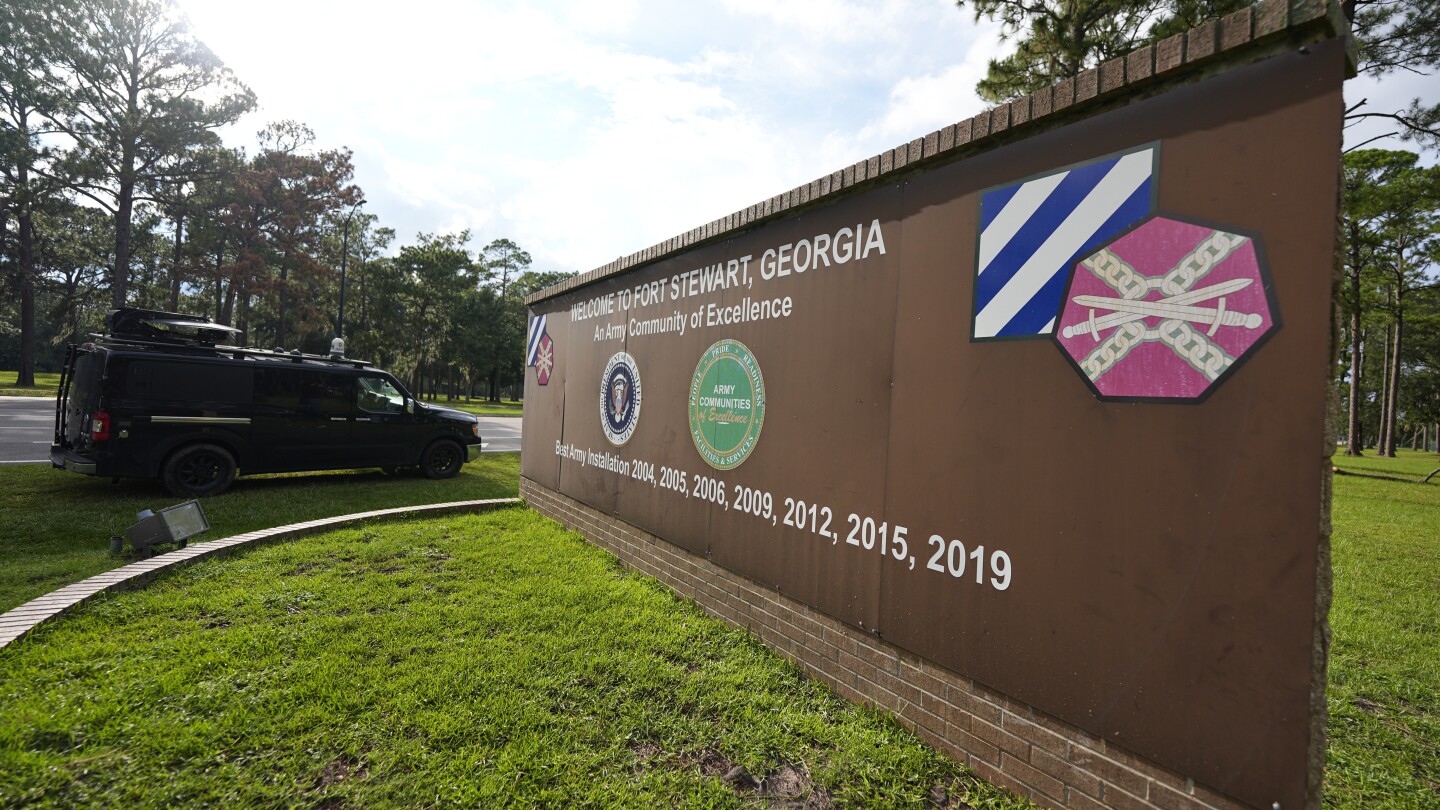
Fort Stewart army base shooting raises questions about military gun policies
A recent shooting at Fort Stewart, one of the largest military bases in the United States, has reignited debates over longstanding policies that restrict service members from carrying personal weapons on military installations. The incident, which left five soldiers injured, occurred on Wednesday and was swiftly addressed by soldiers who subdued the shooter before law enforcement arrived. However, the absence of firearms among the responding soldiers has sparked widespread discussion. The shooter, identified as logistics Sgt. Quornelius Radford, used a personal weapon, highlighting the limitations of current regulations. Videos circulating on social media show service members running for safety during the lockdown, raising questions about the effectiveness of existing policies. This incident adds to a growing list of violent episodes at U.S. military bases, some of which have resulted in significant casualties. Experts argue that while the strict gun policies on military bases are designed to protect national security, they may not be sufficient to prevent such incidents. The Department of Defense’s regulations, which have been in place for decades, require military personnel to store their firearms securely and only use them in designated areas. These rules leave little room for local commanders to exercise discretion, even in states like Georgia, which has some of the most lenient gun laws in the country. Robert Capovilla, a military law expert, emphasized that the heightened security measures are necessary due to the sensitive nature of military installations. However, former military prosecutor Eric Carpenter noted that these regulations mirror broader debates on gun control and do not entirely prevent service members from bringing weapons onto bases. The incident underscores the complexities of balancing security with individual rights within the military context.
-
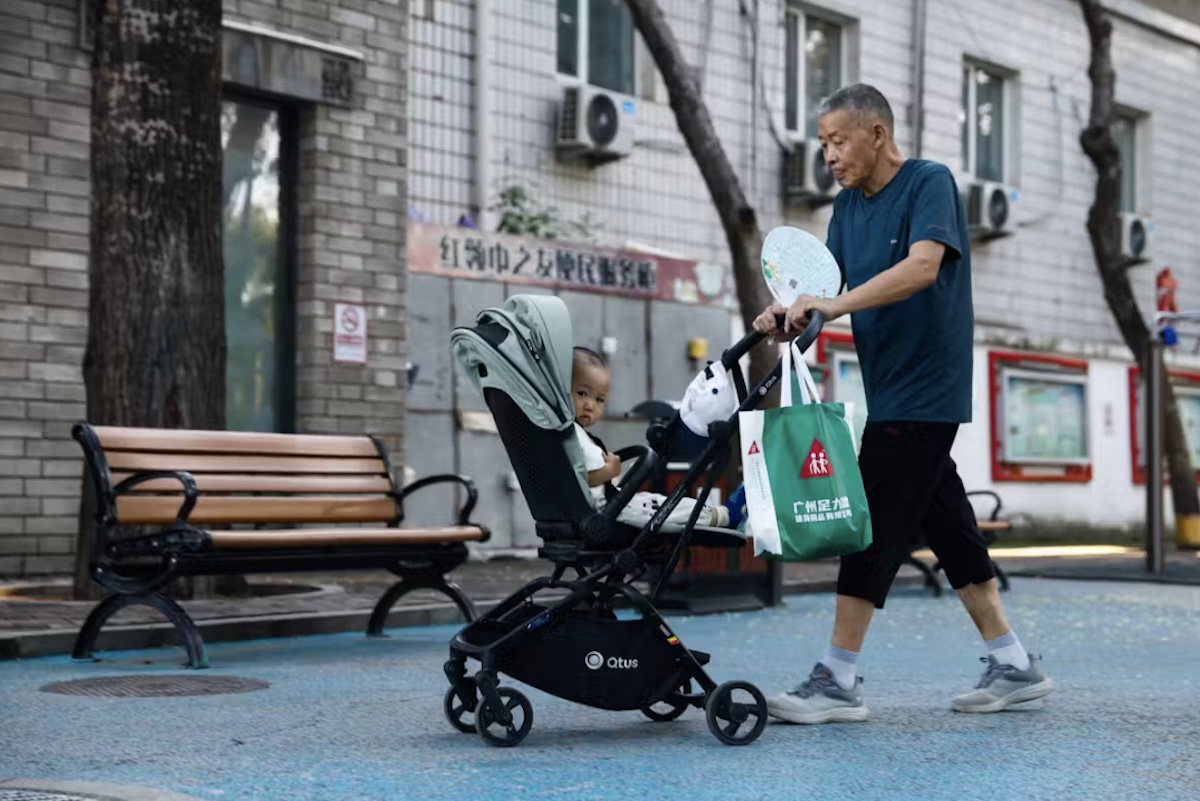
China can’t buy its way to a baby boom
In a significant move to combat China’s declining birth rate, the central government announced a new childcare subsidy on July 28, 2025. Families will receive 3,000 yuan ($417.76) annually for each child under three years old. This initiative follows the recent unveiling of plans to provide free preschool education nationwide, marking a shift from previous years when local authorities primarily handled such policies. Despite various local efforts, including cash incentives and housing subsidies, the national birth rate has continued to decline, with China’s population shrinking for the third consecutive year in 2024. The aging population and shrinking workforce pose long-term challenges for economic growth, healthcare, and pension systems. While some regions have seen slight increases in birth rates due to local policies, the overall impact remains minimal. The high cost of raising children, gender inequality, and structural issues like expensive housing and childcare shortages continue to deter many from starting families. The new measures reflect Beijing’s recognition of the urgency of the situation, but reversing the fertility decline may prove difficult, as seen in other countries like South Korea. To truly address the issue, comprehensive cultural and structural changes are needed, alongside financial support.
-

China’s arrests of boys’ love authors hardly a gay crackdown
Recent reports in Western media have painted a dramatic picture of China’s alleged ‘crackdown’ on the ‘boys’ love’ (BL) genre, a popular form of online fiction. However, a closer examination reveals a more nuanced reality. While Western outlets have framed the issue as a nationwide suppression of ‘gay erotica,’ Chinese media, such as the respected Southern Weekly, have highlighted localized law enforcement actions, particularly in Lanzhou and Jixi county, targeting individuals accused of profiting from obscene material. The narrative of a sweeping crackdown appears exaggerated, as these incidents are not representative of a broader national policy. Instead, they reflect specific legal disputes and jurisdictional challenges. The BL genre, which features romantic or erotic relationships between men, is primarily written by and for heterosexual women, complicating the characterization of it as ‘gay erotica.’ Scholars argue that the genre often presents an idealized version of male homosexuality, distinct from the lived experiences of gay men. In China, the genre’s popularity has inadvertently increased visibility for the LGBTQ+ community, but its conflation with homosexuality has also led to misunderstandings. The arrests of BL writers are more likely tied to China’s strict obscenity laws and its efforts to regulate the lucrative online literature industry, which generates billions in revenue. While Western media often portrays such actions as homophobic, the reality is more complex, involving economic, ideological, and legal factors. The disappearance of high-profile cases from public discourse further underscores the challenges of understanding censorship in China.
-
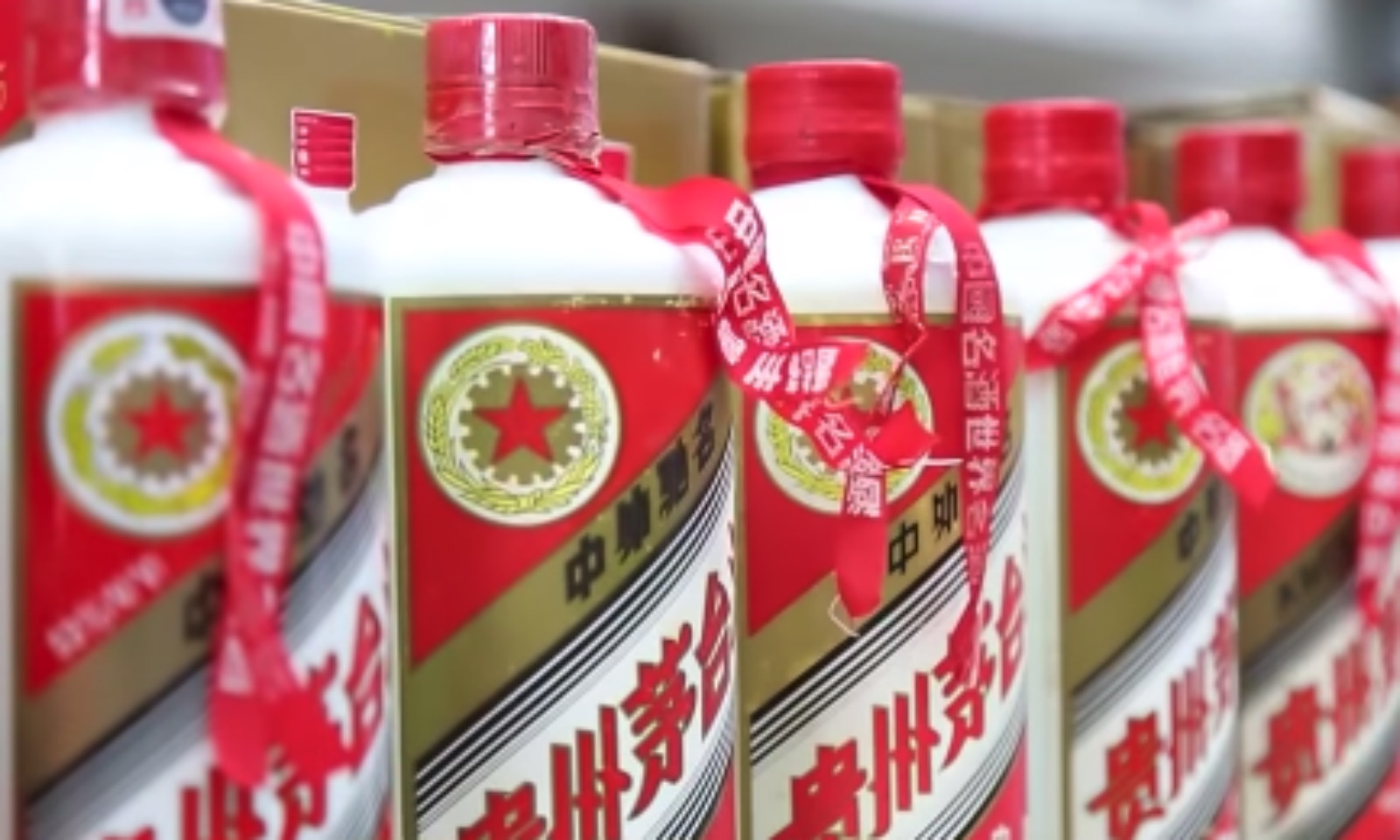
To drink or not to drink – the Party decides in China
China is implementing a dual approach to transform its spirits sector, prohibiting civil servants from drinking at official events while encouraging the public to consume alcohol during family gatherings. This strategy aims to curb corruption and reduce public expenses while fostering a healthier drinking culture among citizens. The central government first introduced the alcohol ban for civil servants in 2012 to improve their public image and limit extravagant spending. However, many officials found loopholes, rescheduling drinking sessions to dinners or private gatherings, often funded by businesspeople offering expensive spirits as gifts. This practice led to corruption and disciplinary issues. A recent incident in Inner Mongolia highlighted the severity of the problem. Wei Shuanshi, a senior official, hosted a dinner where excessive drinking led to the death of a colleague from alcohol poisoning. The incident prompted stricter enforcement of the alcohol ban, with the State Council and the CCP Central Committee announcing new rules prohibiting civil servants from drinking or smoking during work-related events. Officials must now seek approval for meal receptions and avoid unnecessary private gatherings. The new regulations have impacted the spirits market, causing significant stock declines for major brands like Kweichow Moutai and Wuliangye Yibin. However, the rules have also been criticized for their overzealous implementation, with local governments penalizing even harmless social interactions, harming the catering industry. To address this, state media clarified the guidelines, distinguishing between corrupt practices and everyday social drinking. Analysts suggest that while the alcohol ban targets civil servants, younger consumers and the general public can sustain the spirits market. Brands are adapting by launching lower-alcohol products to appeal to younger drinkers. Despite a decline in spirits production, the industry has seen modest revenue growth, indicating resilience amid regulatory changes.
-

Alaska Native woman, ‘everybody’s helper,’ is Orthodox church’s first female North American saint
In the remote Alaskan village of Kwethluk, Olga Michael, a Yup’ik woman known for her quiet generosity and compassion, has been canonized as the first female Orthodox saint from North America. Officially titled “St. Olga of Kwethluk, Matushka of All Alaska,” her sainthood marks a historic moment for the Orthodox Church, which has traditionally been led by male clergy. Olga, who passed away in 1979 at the age of 63, was a midwife, mother of 13, and a spiritual guide to many, particularly women who had endured abuse, miscarriage, or other personal traumas. Her legacy of kindness and piety has resonated far beyond her village, inspiring devotees across Alaska and beyond. Her canonization ceremony, held in her hometown, drew hundreds of worshippers from across the globe, celebrating her life and contributions. Metropolitan Tikhon, head of the Orthodox Church in America, emphasized the significance of recognizing women like St. Olga, stating that holiness is accessible to all, regardless of gender or background. St. Olga’s sainthood is especially meaningful as it highlights the role of lay women and mothers in the church, a departure from the traditional focus on nuns or ancient martyrs. Her canonization also underscores the deep connection between Orthodoxy and Alaska’s Indigenous cultures, where the faith has flourished since its introduction by Russian missionaries in the 18th century. St. Olga’s remains, now enshrined in Kwethluk’s St. Nicholas Orthodox Church, will serve as a pilgrimage site, honoring her enduring legacy as a beacon of hope and healing.
-

How social media divided and broke America
The United States, once a symbol of unity and resilience, has been grappling with deep societal fractures since the early 2010s. While the economy has shown remarkable strength, with wealth surpassing pre-Great Recession levels and wages steadily rising, American society remains deeply unsettled. This paradox raises a critical question: Why is a nation with such economic prosperity so plagued by division and discontent? The answer, it seems, lies in the transformative impact of smartphones and social media. The 2010s marked the widespread adoption of these technologies, which fundamentally altered how Americans interact, perceive each other, and engage with societal issues. Social media platforms like Twitter, Facebook, and Instagram created a virtual space where geographic and ideological boundaries dissolved, forcing Americans into a constant, often contentious, dialogue. This digital revolution amplified existing fault lines—racial tensions, political polarization, and cultural divides—while introducing new challenges, such as declining mental health and institutional distrust. The rise of smartphone-enabled social media coincided with a sharp decline in perceptions of race relations, workplace sexism, and overall societal trust. Videos of police shootings, for instance, went viral, sparking nationwide protests and reigniting debates about systemic racism. Similarly, the MeToo movement gained momentum as social media provided a platform for marginalized voices. However, these platforms also fostered echo chambers, where extreme views were amplified, and constructive dialogue became increasingly rare. The result has been a society where anger and mistrust overshadow economic progress. Americans, once able to geographically sort themselves into like-minded communities, now find themselves in a digital town square, constantly exposed to opposing views and ideologies. This has led to a decline in happiness, particularly among educated liberals, who feel increasingly alienated in this new social landscape. The collapse of geographic sorting, once a release valve for societal tensions, has left Americans struggling to coexist in a hyperconnected world. As the nation navigates this digital age, the challenge remains: How can a society built on diversity and freedom adapt to a reality where everyone is constantly in each other’s virtual space?