
In a dramatic turn of events, Sean ‘Diddy’ Combs, the renowned music mogul, was sentenced to over four years in prison in the same courtroom where he was acquitted of sex trafficking and racketeering charges just three months prior. The sentencing came after a judge found Combs guilty of using his influence to subjugate and abuse two women. During the hearing, Combs remained subdued, often looking down as the judge delivered a stern rebuke, stating, ‘This is the reality of what happened.’ This marked a stark contrast to his jubilant reaction following his previous acquittal, where he had confidently declared to his family, ‘I’m coming home.’ As the court adjourned, Combs turned to his family, appearing to mouth the words, ‘I love you, I’m sorry.’ The case has drawn significant attention, highlighting the complexities of power dynamics and accountability in high-profile legal battles.
分类: society
-
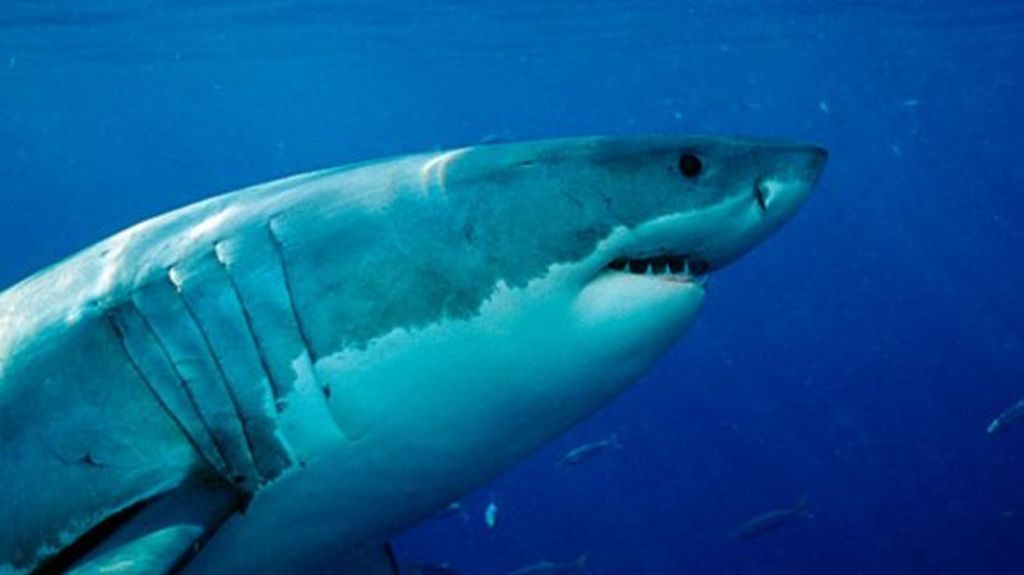
Fatal attack revives debate over controversial shark nets in Australia
The ocean has always been a central part of Glen Butler’s life. A seasoned surfer for over five decades, the 61-year-old rarely worried about sharks until a recent tragedy shook his confidence. Last month, while surfing at Long Reef in Sydney’s northern beaches, his friend Mercury Psillakis was fatally attacked by a great white shark just minutes after Butler had exited the water. This incident has reignited a contentious debate about how to safeguard beachgoers in Australia, particularly in New South Wales (NSW), where shark nets are a widely used but controversial measure. These nets, deployed each summer, aim to reduce shark encounters but have drawn criticism from conservationists for their indiscriminate harm to marine life. Despite their limitations, many beachgoers view them as a necessary layer of protection. Australia, home to some of the world’s most iconic beaches, sees over 80% of its population living along the coast, making shark safety a pressing concern. While shark attacks remain rare, the country ranks second globally for such incidents, trailing only the United States. Recent years have seen an increase in shark sightings, attributed by some to warming oceans and changing marine behaviors. However, experts caution that heightened awareness and social media may amplify perceptions of risk. Alternatives to shark nets, such as drumlines, eco-barriers, and drone surveillance, are gaining traction, though funding constraints limit their widespread adoption. The tragic death of Psillakis has prompted authorities to reconsider the use of nets, but the fear of subsequent attacks has stalled progress. As Australia grapples with balancing human safety and marine conservation, the debate over shark mitigation strategies continues to evolve.
-

Man charged with murder after body found in fishing town
A 57-year-old man, James Spendley, has been formally charged with the murder of 61-year-old Eddie Friel in County Donegal, Republic of Ireland. The incident dates back to April, when Mr. Friel’s body was discovered at his residence on Harbour View Drive in Killybegs on April 13. Spendley, a resident of St Cummin’s Hill in Killybegs, appeared before Ballyshannon District Court on Friday, where a prior charge of intentionally or recklessly causing serious harm was dismissed, and a murder charge was introduced instead, as reported by Irish broadcaster RTÉ. A detective from the Irish police (garda) informed the court that Spendley was re-arrested, charged, and cautioned at Ballyshannon Garda Station on Friday, to which the accused remained silent. The court was also informed that the Office of the Director of Public Prosecutions has directed the case to be handled by the Central Criminal Court. Spendley has been in custody since April 15. His solicitor, Gerry McGovern, indicated that the book of evidence would require approximately a month to be finalized. The judge has ordered Spendley to appear before Sligo District Court via video link on Thursday.
-
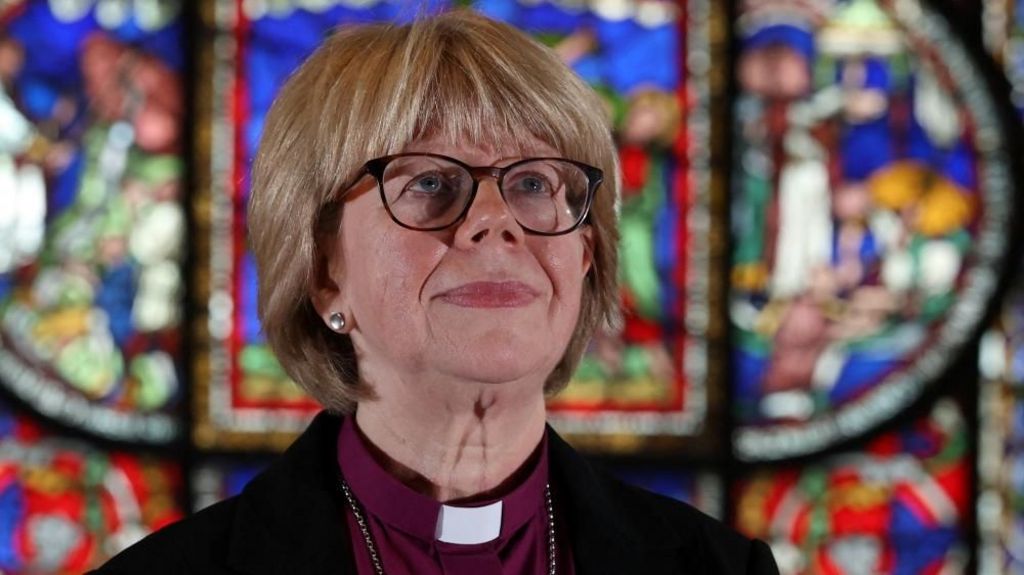
Conservative church group condemns choice of female Archbishop of Canterbury
In a historic move, Dame Sarah Mullally has been appointed as the first female Archbishop of Canterbury, marking a significant milestone for the Church of England and the global Anglican Communion. Her appointment, announced on Friday, has sparked both celebration and controversy within the religious community. In her inaugural address, Dame Sarah emphasized unity, quoting, ‘If you want to go fast, go alone – if you want to go far, go together.’ However, her selection has deepened existing divisions, particularly among conservative factions. The Global Fellowship of Confessing Anglicans (Gafcon), a network of conservative churches primarily in Africa and Asia, expressed ‘sorrow’ over the decision, citing theological objections to female leadership and same-sex blessings. Conversely, the Church of Southern Africa hailed the appointment as ‘historic,’ reflecting a broader liberal shift within the Church of England. The Anglican Communion has long been divided over issues such as the ordination of women bishops and the acceptance of same-sex relationships, with conservative leaders like Archbishop Laurent Mbanda of Rwanda arguing that ‘the majority of the Anglican Communion still believes in a male-only episcopacy.’ Despite these tensions, progressive voices, including Bishop Emily Onyango of Kenya, have welcomed Dame Sarah’s leadership, describing it as ‘a new dawn’ for the Church. As the first woman to hold this prestigious role, Dame Sarah faces the dual challenge of fostering unity and addressing pressing social issues, particularly in Africa, where women and children continue to suffer. Her leadership will undoubtedly shape the future of the Anglican Communion, as it navigates its complex and evolving identity.
-

Massive fire at Chevron refinery in California contained, officials say
A significant fire erupted at Chevron’s El Segundo refinery near Los Angeles, California, on Thursday night, turning the skies orange and prompting concerns among local residents. The blaze, which occurred at a jet fuel production unit, was reported around 21:30 local time (04:30 GMT). Despite the dramatic visuals, city officials confirmed there is no immediate public threat, and no evacuation orders have been issued. Chevron described the incident as an “isolated fire” and assured that all personnel and contractors were accounted for, with no injuries reported. The cause of the explosion remains under investigation. The refinery, located near Los Angeles International Airport (LAX), supplies jet fuel for airport operations, but Mayor Karen Bass confirmed no disruptions to flights. Built in 1911, the El Segundo refinery is Chevron’s second-largest in the U.S., producing 285,000 barrels of crude oil daily and supplying a significant portion of motor vehicle and jet fuel in Southern California. El Segundo Mayor Chris Pimentel praised the swift response of firefighters, who were stationed just a quarter-mile from the refinery. Residents reported feeling a powerful blast, with some mistaking it for a nuclear explosion or plane crash. Officials are monitoring air quality for potential pollution, while the extent of damage to the refinery remains unclear.
-
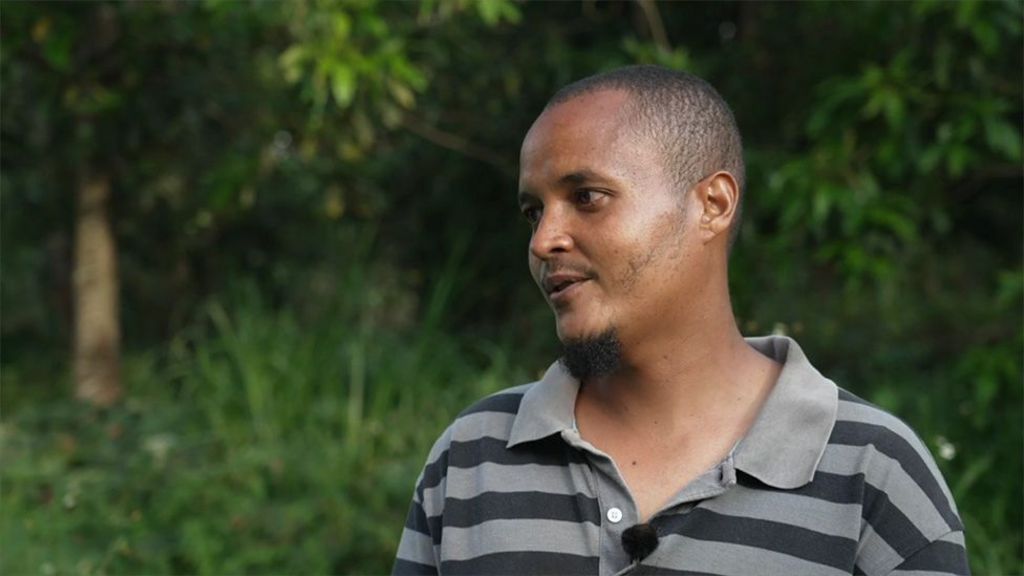
Kenyans prove paternity case against UK soldiers
In a groundbreaking legal decision, seven individuals from Kenya have successfully proven their paternity in a UK Family Court, establishing that their fathers were British men stationed at an army base in Kenya. This marks the first instance in UK legal history where paternity was confirmed through commercially available DNA databases. Six of the fathers had served at the British Army Training Unit in Kenya (Batuk), while one was a contractor. The ruling paves the way for the claimants to pursue British citizenship, offering them a long-awaited resolution to their identity struggles. The case was spearheaded by British lawyer James Netto and geneticist Denise Syndercombe Court, who collaborated on a project to collect DNA samples and testimonies from residents in Kenya’s Nanyuki region, near Batuk. Many individuals in the area had long suspected their fathers were British servicemen, but lacked concrete evidence. The project utilized public DNA databases to connect claimants with their UK-based relatives. Among the claimants is Peter Wambugu, a 33-year-old chef, who shared his emotional journey with the BBC. Peter grew up knowing his father was a British soldier but never met him. He endured childhood bullying due to his mixed-race heritage and carried the pain of abandonment for decades. After reuniting with his father, Peter expressed profound relief, stating that the pain of discrimination had transformed into joy. Another claimant, who remains anonymous for legal reasons, recounted meeting her father only once at age four and growing up feeling deeply abandoned. James Netto hailed the ruling as the culmination of an arduous journey for many families, emphasizing that it provides answers to long-standing questions. He noted that numerous others near Batuk face similar challenges, particularly those with limited information about their fathers. Andrew Macleod, a lawyer involved in the DNA project, hopes the case will prompt the UK Ministry of Defence to address paternity claims more proactively. The Ministry stated that while such claims are considered private matters, it cooperates with local child support authorities when necessary. This case is part of a broader investigation by the BBC, featured in an upcoming five-part podcast series, ‘World of Secrets,’ which explores the complexities of identity and paternity in Kenya.
-

Fathers entitled to equal parental leave, South Africa’s top court rules
In a historic decision, South Africa’s Constitutional Court has unanimously ruled that both parents of newborns are entitled to equal parental leave, marking a significant milestone in the fight for gender equality and family rights. The court declared parts of the existing legislation unconstitutional, stating that it discriminated against fathers. Under the current law, mothers are granted four months of leave, while fathers receive only 10 days. The ruling allows parents to share the total leave period as they see fit, promoting shared parenting responsibilities. Justice Zukisa Tshiqi, delivering the judgment, emphasized that the law unfairly burdened mothers and marginalized fathers, perpetuating outdated gender roles. The case was initiated by a married couple, the Commission for Gender Equality, and others, who argued that the legislation unfairly excluded fathers, adoptive parents, and parents of children born to surrogates. The court’s decision underscores the importance of protecting family dignity and ensuring children’s wellbeing by allowing both parents to be actively involved in their early development. Legal experts noted that the ruling will have profound implications for employers, who must now revise their leave policies. The court has suspended its declaration of invalidity for three years, giving parliament time to amend the laws accordingly. In the interim, parents can decide how to allocate the combined four months and 10 days of leave. If only one parent is employed, they may take the full leave entitlement. The judgment has been widely celebrated as a progressive step toward modernizing South Africa’s approach to parenting and gender equality.
-

Climbing star dies after falling from Yosemite’s El Capitan
A tragic accident has claimed the life of Balin Miller, a 23-year-old Alaskan climbing influencer, after he fell from El Capitan, the iconic vertical rock formation in California’s Yosemite National Park. The incident occurred on Wednesday while Miller was live-streaming his ascent on TikTok. His mother, Jeanine Girard-Moorman, shared her heartbreak in a poignant social media post, stating, ‘My heart is shattered in a million pieces. I don’t know how I will get through this. I love him so much. I want to wake up from this horrible nightmare.’
Miller was reportedly lead rope soloing—a technique that allows climbers to ascend alone while still being protected by a rope—on the 2,400-foot (730m) route known as Sea of Dreams. According to his brother Dylan, Miller had completed the climb and was hauling up equipment when he likely rappelled off the end of his rope. Witness Tom Evans, a Yosemite-based photographer, recounted that Miller had tried to free his stuck bag before the fall and immediately called 911.
Originally from Anchorage, Miller was a seasoned alpinist who gained international recognition for his solo ascent of Mount McKinley’s Slovak Direct, a feat that took him 56 hours to complete. Veteran climber Clint Helander praised Miller’s recent achievements, calling them ‘one of the most impressive last six months of climbing of anyone I can think of.’ Fellow climber Mark Westman even compared him to Alex Honnold, the first person to free solo a full route on El Capitan.
Miller’s death occurred on the first day of the federal government shutdown, which left national parks ‘generally’ open but with limited operations and closed visitor centers. The National Park Service has launched an investigation into the incident, confirming that ‘park rangers and emergency personnel responded immediately.’
Known affectionately as the ‘Orange Tent Guy’ for his distinctive campsite at the base of El Capitan, Miller had recently completed a notoriously difficult ice climb called Reality Bath in Patagonia, which had remained unrepeated for 37 years. His passing marks the third fatality at Yosemite National Park this year, following the deaths of an 18-year-old climber in June and a 29-year-old hiker in August.
El Capitan, a towering granite monolith standing at approximately 3,000 feet (915 meters), continues to draw climbers from around the globe, despite the inherent risks. Miller’s death serves as a somber reminder of the dangers associated with extreme sports and the fragility of life.
-

Blackout in Spain and Portugal ‘first of its kind’, report finds
A recent report has revealed that a massive power surge in April, which led to a widespread blackout across Spain and Portugal, was the most severe incident of its kind in Europe over the past two decades. This unprecedented event, caused by overvoltage—a condition where electrical voltage exceeds normal levels—resulted in significant disruptions, including the loss of internet and telephone connections, halted transport systems, and widespread darkness for nearly a day. The blackout also briefly affected southwestern France. Damian Cortinas, president of the association of electricity grid operators Entso-e, described the incident as uncharted territory, emphasizing that the organization’s role was not to assign blame but to analyze the event. The report, released on Friday, identified a series of cascading overvoltages as the primary cause of the outage. Overvoltage can result from network surges due to oversupply, lightning strikes, or insufficient protective equipment. Although automatic defense mechanisms were activated, they failed to prevent the system shutdown. The Spanish government has welcomed the Entso-e report, stating that it aligns with its own findings, which concluded that both the national grid provider Red Eléctrica and private electricity companies were at fault. However, Red Eléctrica and private firms have denied responsibility, with Redeia, the owner of Red Eléctrica, attributing the blackout to the failure of some coal, gas, and nuclear power plants to maintain appropriate voltage. The incident has sparked a broader political debate in Spain about the country’s energy model, with critics suggesting that the government’s heavy reliance on renewable energy and reduced nuclear capacity may have contributed to the crisis. The government has dismissed these claims, and the Entso-e report has refrained from taking sides. The blackout had far-reaching consequences, including the suspension of a Madrid Open tennis match, the shutdown of Spain’s nuclear power plants, and the halting of operations at oil refineries. Emergency services were called to rescue people trapped in elevators, and hospitals implemented emergency plans, postponing routine procedures. A final report, expected in the first quarter of next year, will delve deeper into the root causes of the overvoltage and the measures taken to control voltage in the system.
-
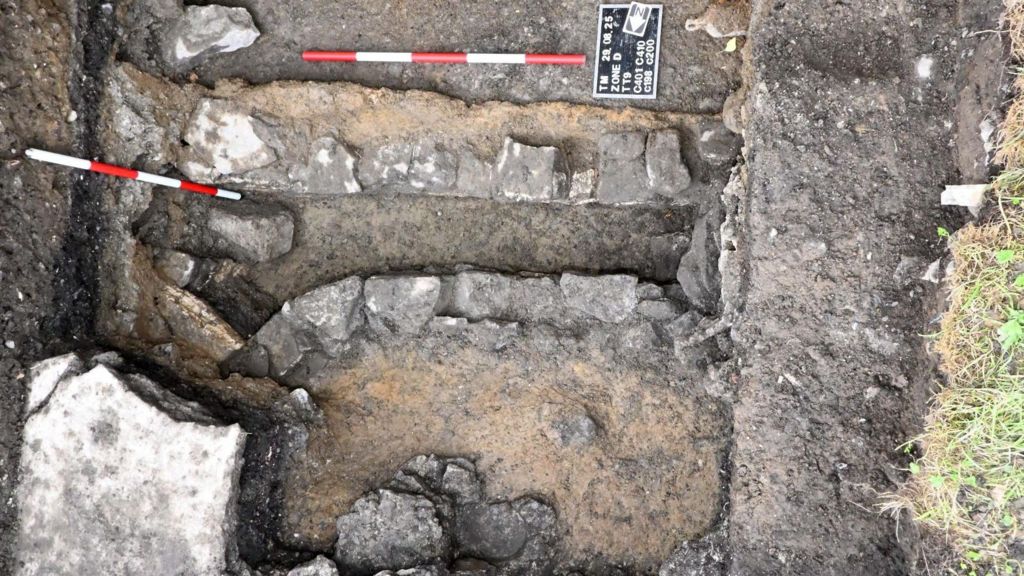
Personal items found at mass burial site
Archaeologists working at the site of the former St Mary’s mother-and-baby institution in Tuam, County Galway, have unearthed significant findings that offer a glimpse into the institution’s troubled history. The excavation, led by the Office of the Director of Authorised Intervention, Tuam (ODAIT), has revealed five sets of skeletal human remains believed to predate the institution’s operation. These remains were discovered near a 19th-century boundary wall during meticulous hand excavations. Additionally, the team has recovered a variety of personal and medicinal items from the ‘institutional era,’ including shoes, spectacles, and baby glass bottles. Notably, a window frame, a pathway, two drains, and an underground vaulted structure comprising at least three chambers were also uncovered. This structure, however, is distinct from the one where human remains were found in 2017. ODAIT, in collaboration with the National Museum of Ireland, continues its efforts to identify and honor the remains of children and babies believed to be buried in a mass grave at the site. The institution, which operated from 1925 to 1961 under the management of the Bon Secours Sisters and Galway County Council, gained international attention in 2014 when local historian Catherine Corless uncovered evidence of 796 death certificates for children and babies who died there, with no corresponding burial records. The ongoing excavation aims to bring closure to the families affected by this tragic chapter in Ireland’s history.