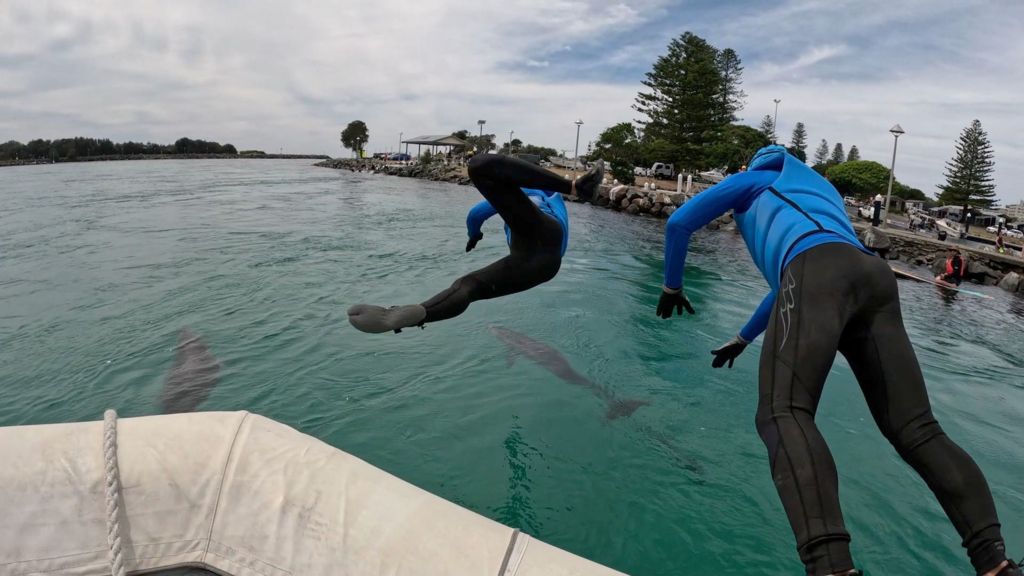
In a remarkable display of human compassion and wildlife conservation, a dolphin calf was successfully rescued after becoming entangled in a fishing line. The incident, which occurred in late September, involved a mother dolphin and her calf swimming off the coast. Observers noted that the young dolphin’s mobility was severely restricted due to the fishing line wrapped tightly around its tail. Marine rescue teams were promptly alerted and sprang into action. Using specialized equipment and techniques, they carefully approached the distressed pair, ensuring minimal stress to the animals. After a delicate operation, the fishing line was removed, allowing the calf to swim freely once again. This rescue highlights the ongoing challenges marine life faces due to human activities and underscores the importance of conservation efforts. Experts have urged the public to dispose of fishing gear responsibly to prevent similar incidents in the future.
分类: society
-

Venezuela mine collapse kills 14 after torrential rains
A devastating mine collapse in El Callao, Venezuela, has resulted in the deaths of at least 14 individuals, authorities confirmed on Monday. The incident, triggered by heavy rainfall in the southeast region, occurred in three separate shafts of the Cuatro Esquinas de Caratal gold mine, located approximately 850 kilometers (528 miles) southeast of Caracas. Brig. Gen. Gregory González Acevedo, head of the Operational Zones for Damage Assessment and Needs Analysis in Bolívar state, has been appointed to lead the recovery operations. Rescue efforts commenced with the pumping out of water from the flooded shafts to lower water levels, followed by an assessment of potential rescue strategies for those still trapped. The death toll was corroborated by testimonies from fellow miners and local firefighters, who attributed the collapse to flooding in the vertical mines, commonly referred to as ravines. El Callao, a town with a population of around 30,000, heavily relies on gold mining for its livelihood, with most residents directly or indirectly involved in the industry. Venezuela, rich in copper, diamonds, and other precious metals, frequently grapples with unsafe working conditions in its poorly regulated mining sector.
-
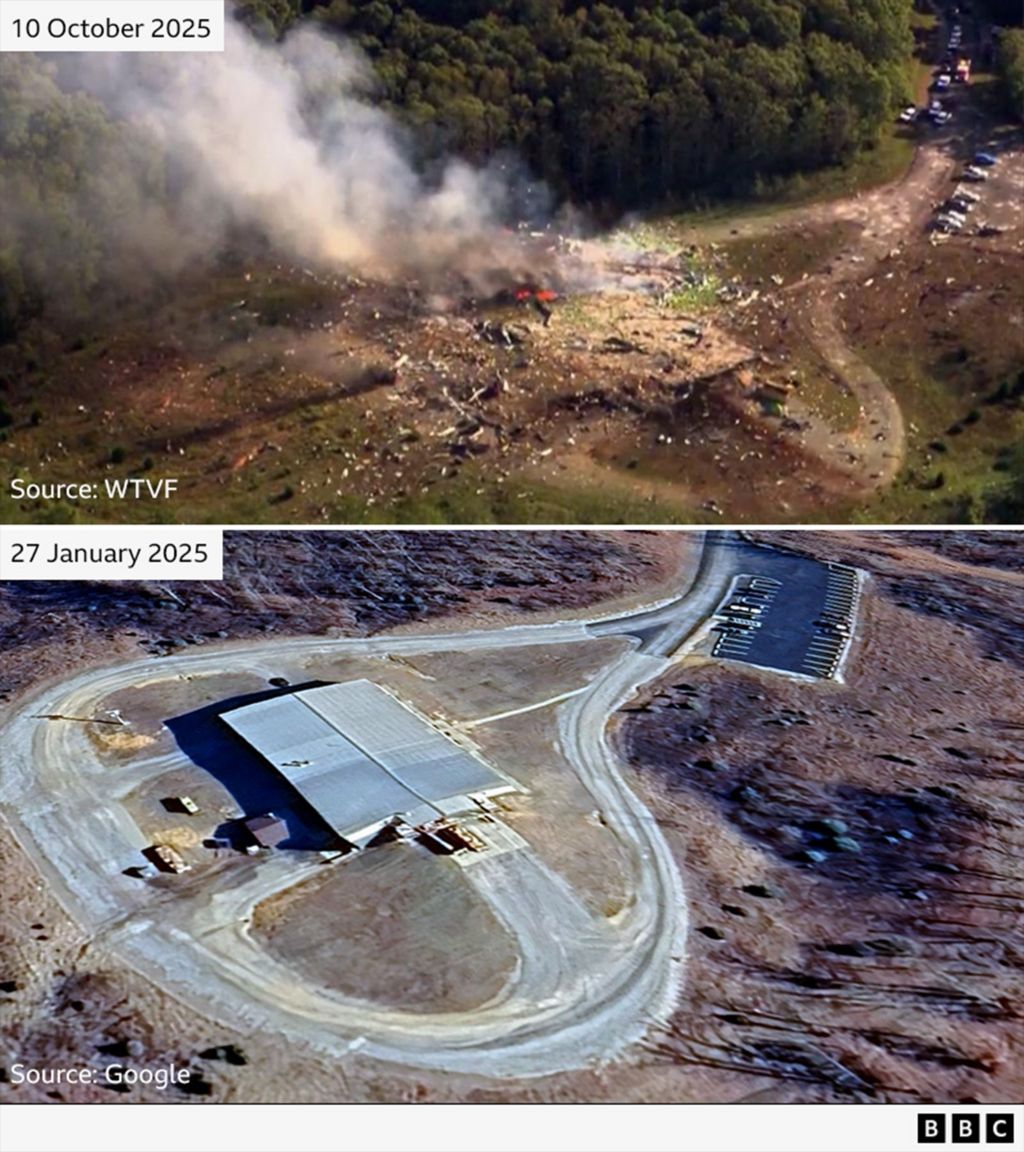
Authorities identify 16 victims in Tennessee munitions factory explosion
A devastating explosion at Accurate Energetic Systems, a munitions plant in Hickman County, Tennessee, has claimed the lives of 16 individuals. The incident occurred on the morning of October 10, 2025, completely leveling one of the company’s buildings. Law enforcement officials, including Sheriffs Chris Davis of Humphreys County and Jason Craft of Hickman County, released the names of the victims during a press briefing on Monday. The victims are Jason Adams, Erick Anderson, Billy Baker, Adam Boatman, Christopher Clark, Mindy Clifton, James Cook, Reyna Gillahan, LaTeisha Mays, Jeremy Moore, Melinda Rainey, Melissa Stanford, Trenton Stewart, Rachel Woodall, Steven Wright, and Donald Yowell. The sheriffs emphasized the need to support the families of the victims during this difficult time. The cause of the explosion remains unknown, and the Bureau of Alcohol, Tobacco, Firearms and Explosives (ATF) is conducting an investigation. Initially, authorities feared that 18 people had died, but two individuals believed to be on-site were later found elsewhere. The tragedy has deeply affected the close-knit community of Bucksnort, Tennessee, where the plant is located. Aerial footage of the scene revealed charred debris, smouldering vehicles, and little remaining of the facility but rubble. Residents shared heartfelt stories about the victims, highlighting the strong bonds within the community. The explosion has prompted a shift from rescue to recovery efforts, as the site remains too dangerous for first responders.
-
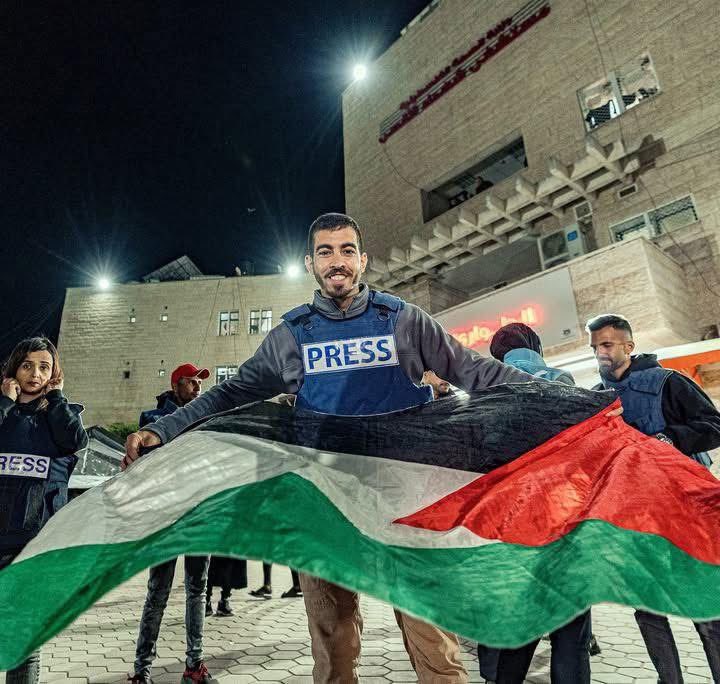
Gaza: Tributes pour in for slain Palestinian journalist Saleh al-Jafarawi
The tragic death of Palestinian journalist and activist Saleh al-Jafarawi has sparked an outpouring of grief and tributes across social media. Jafarawi, 28, was fatally shot multiple times on Sunday while covering clashes between an Israel-backed militia and Hamas fighters in Gaza City. His killing occurred just days after a ceasefire agreement was announced between Israel and Hamas, casting a shadow over hopes for peace in the region.
Al Jazeera reported that the armed militia sought to exploit the security vacuum following the ceasefire announcement. The clashes also claimed the lives of several displaced Palestinians, further escalating tensions in the besieged enclave.
Jafarawi, known for his courageous reporting and hopeful demeanor, had become a symbol of Palestinian resilience. Over the past two years, he documented the ongoing conflict in Gaza, earning widespread admiration for his dedication to truth and justice. Social media users and fellow journalists mourned his loss, with many highlighting his unwavering commitment to his people and his land.
‘He loved his people, he loved his religion, he loved his land. He covered the genocide for two years as the powers of the world tried to silence his voice,’ wrote a prominent pro-Palestine account on Instagram. ‘His voice will live on, even after the occupation ends.’
Jafarawi’s death has also reignited discussions about the dangers faced by journalists in Gaza. According to Brown University’s Watson Institute, Israel has killed more journalists in Gaza than in any other modern conflict, surpassing even the toll of major wars like World War II and the Vietnam War.
The tragedy is compounded by the fact that Jafarawi’s brother, Naji, was among the Palestinian prisoners released as part of the ceasefire agreement. Naji will now return home to bury his brother instead of celebrating their reunion.
Jafarawi’s legacy as a voice of truth and courage continues to inspire, even as the world mourns his untimely death. His work and sacrifice serve as a stark reminder of the human cost of conflict and the enduring struggle for justice in Palestine.
-
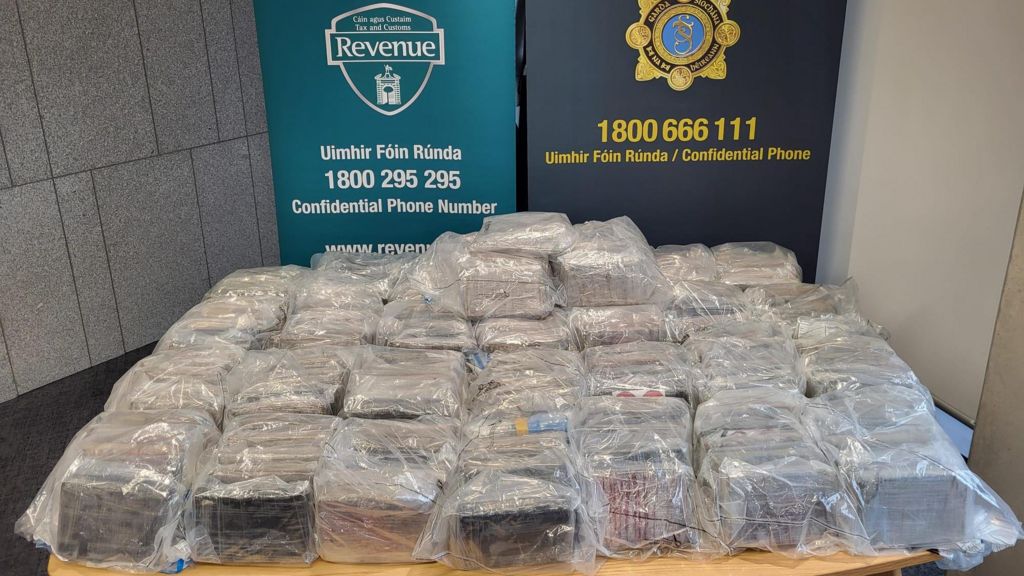
Cocaine worth €10.5m seized at Rosslare Europort
In a significant crackdown on organized crime, Irish authorities have intercepted a massive cocaine shipment valued at approximately €10.5 million (£9.1 million) at Rosslare Europort in County Wexford, Republic of Ireland. The operation, conducted by An Garda Síochána (Irish police) in collaboration with the Revenue’s customs service, was part of an intelligence-led initiative targeting serious criminal activities. During the search of a truck and trailer unit arriving from Europe, officials uncovered an intricate lead-lined compartment concealed within the vehicle’s fuel tank. Inside, they discovered around 150 kilograms of cocaine. A man in his 50s, believed to be involved in the drug trade, was arrested and remains in custody. This seizure highlights the ongoing efforts by Irish law enforcement to combat the illegal drugs trade and disrupt organized crime networks.
-

A voice that broke down barriers: Crowds fill Sarajevo to mourn beloved folk singer Halid Beslic
Sarajevo, Bosnia-Herzegovina — The streets of Sarajevo were filled with tens of thousands of mourners on Monday as they gathered to pay their final respects to Halid Beslic, a beloved Bosnian folk singer whose music and humanitarian efforts transcended ethnic divisions in a region historically plagued by conflict. Beslic, who passed away last week at the age of 71 after battling cancer, was celebrated not only for his artistic contributions but also for his unwavering commitment to peace and compassion during the turbulent 1992-95 Bosnian War. His concerts during the war raised critical funds for displaced Bosnians, while his songs about life and love resonated deeply across the Balkans. The funeral procession, led by Muslim cleric Muhamed Velic, saw mourners silently make their way to Sarajevo’s main cemetery, many visibly moved by the loss of a man whose voice and kindness bridged divides. Velic remarked that Beslic’s music “reached people’s hearts and his goodness broke barriers and crossed various borders.” Beslic’s career, which began in the former Yugoslavia, spanned decades, earning him reverence as a symbol of the peaceful prewar era. Over the weekend, tributes poured in from across the region, with thousands gathering in Bosnia, Croatia, Serbia, Slovenia, and Montenegro to sing his songs. Social media also showcased gatherings in Western Europe, Australia, Canada, and the United States, where diaspora communities from the former Yugoslavia honored his legacy. Bosnian actor Emir Hadzihafizbegovic, a close friend of Beslic, described him as the “personification of Bosnia and the former Yugoslavia,” crediting him with teaching “how to live without prejudice.” Beslic’s humanitarian work during the war, including organizing concerts abroad to support war victims, cemented his status as a unifying figure in a region still grappling with the scars of ethnic division. The Bosnian War, which erupted after Bosnian Serb nationalists opposed the country’s independence from Yugoslavia, claimed over 100,000 lives and displaced millions. Nearly three decades later, Bosnia remains ethnically fragmented and economically challenged, a stark reminder of the enduring impact of the conflict.
-

Teaching halted as Nigerian lecturers go on strike
Lecturers at Nigeria’s public universities have initiated a two-week strike, citing unresolved issues over pay and funding. The industrial action, announced by Professor Chris Piwuna, leader of the Academic Staff Union of Universities (ASUU), was described as ‘inevitable’ due to what he termed as government failures. The strike commenced shortly after universities reopened for the new academic year, raising concerns about potential disruptions to the academic calendar. The Nigerian government has urged lecturers to reconsider their decision, emphasizing the importance of constructive dialogue to resolve the crisis. It also warned that striking lecturers may not receive payment under the country’s ‘No Work, No Pay’ labor law. In a statement, the government claimed to have presented a comprehensive offer addressing key concerns such as working conditions, institutional governance, and staff welfare, but is still awaiting ASUU’s official response. This strike is part of a long-standing pattern of industrial actions by Nigerian university lecturers, who have repeatedly clashed with successive governments over issues of funding, salaries, and welfare. Historical agreements from 1992, 2009, and 2013 have often been unfulfilled, leading to repeated strikes. The most recent major strike in 2022 lasted eight months, severely disrupting the academic calendar and affecting millions of students nationwide. Observers argue that these recurring strikes highlight deeper structural challenges in Nigeria’s higher education sector, including chronic underfunding, politicized management, and a persistent lack of trust between the government and university unions.
-
German club condemns fan behaviour after tourists attacked
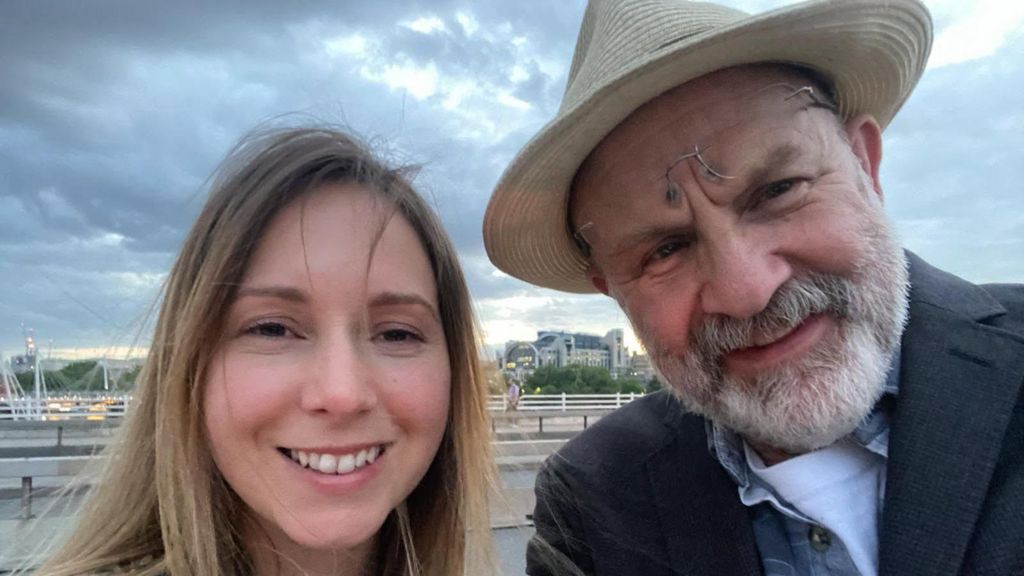
A distressing incident involving football fans in Dublin has drawn widespread condemnation after two tourists were reportedly assaulted. Carly Clarke, a photographer from Eastbourne, and Stephen Lovell-Davis, a 70-year-old photographer from London, were in Dublin for a photography exhibition when they encountered a group of FC Schalke 04 supporters parading through the city center. The event took a violent turn when one fan attempted to grab Clarke’s camera, leading to a physical altercation. Lovell-Davis intervened but was pushed to the ground and repeatedly kicked in the head. The incident occurred on Abbey Street on Saturday, October 11, as approximately 2,000 Schalke fans traveled to Dublin for a friendly match against Bohemians, which ended in a 3-2 loss for the German club. FC Schalke 04 released a statement condemning the actions of some of its supporters, describing the incidents as ‘completely unjustifiable’ and vowing to investigate rigorously. The club emphasized that such behavior ‘overshadowed’ what was intended to be a positive trip and expressed sympathy for the victims. Lovell-Davis, who sustained bruises and cuts, described the attack as ‘disappointing’ but noted that it was the actions of a ‘small minority.’ He also thanked three Irish women who assisted him after the assault. Both tourists have since returned to England, and the Irish police, An Garda Síochána, are investigating the alleged assault. The club has initiated an internal review and pledged to take appropriate action against those responsible.
-
Trial against famous ex-Jesuit artist, accused of abusing women, to start with judges named
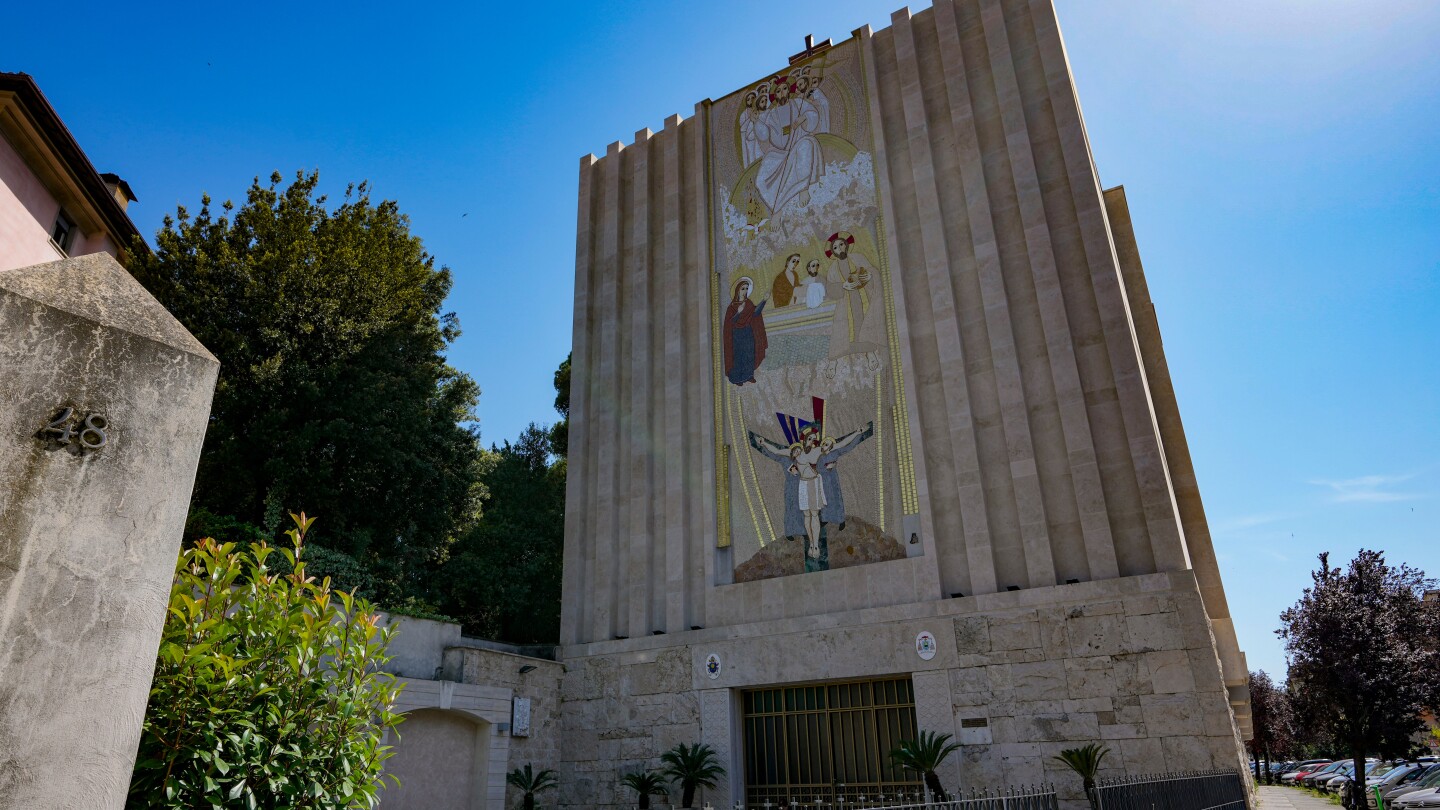
In a significant move, the Vatican announced on Monday the appointment of a panel of judges to adjudicate the case of former Jesuit artist Marko Ivan Rupnik, who stands accused of sexual, spiritual, and psychological abuse of women. This decision marks a pivotal moment in a scandal that has cast a shadow over Pope Francis’s legacy, amid allegations that the Vatican’s handling of the case lacked transparency and independence. The Congregation for the Doctrine of the Faith, responsible for overseeing clergy abuse cases, revealed that the five-member judicial panel includes both women and priests external to the Vatican bureaucracy, emphasizing the need for autonomy and impartiality in the proceedings. This development follows years of controversy surrounding Rupnik, whose mosaics adorn some of the Catholic Church’s most revered sites worldwide. The scandal first came to light in late 2022 when Italian blogs published allegations from nuns and adult women who claimed to have been abused by Rupnik during his artistic endeavors. Despite initial reluctance to prosecute due to the age of the claims, the Vatican eventually waived the statute of limitations under public pressure, paving the way for a canonical trial. Rupnik, who was briefly excommunicated in 2020 for exploiting the confessional, has consistently denied the allegations and refused to cooperate with Jesuit authorities. His supporters have decried the media coverage as a ‘lynching,’ while the Vatican’s latest action signals a renewed commitment to addressing the case with due process.
-
Why were Israeli flags erected along Hastings’ seafront?
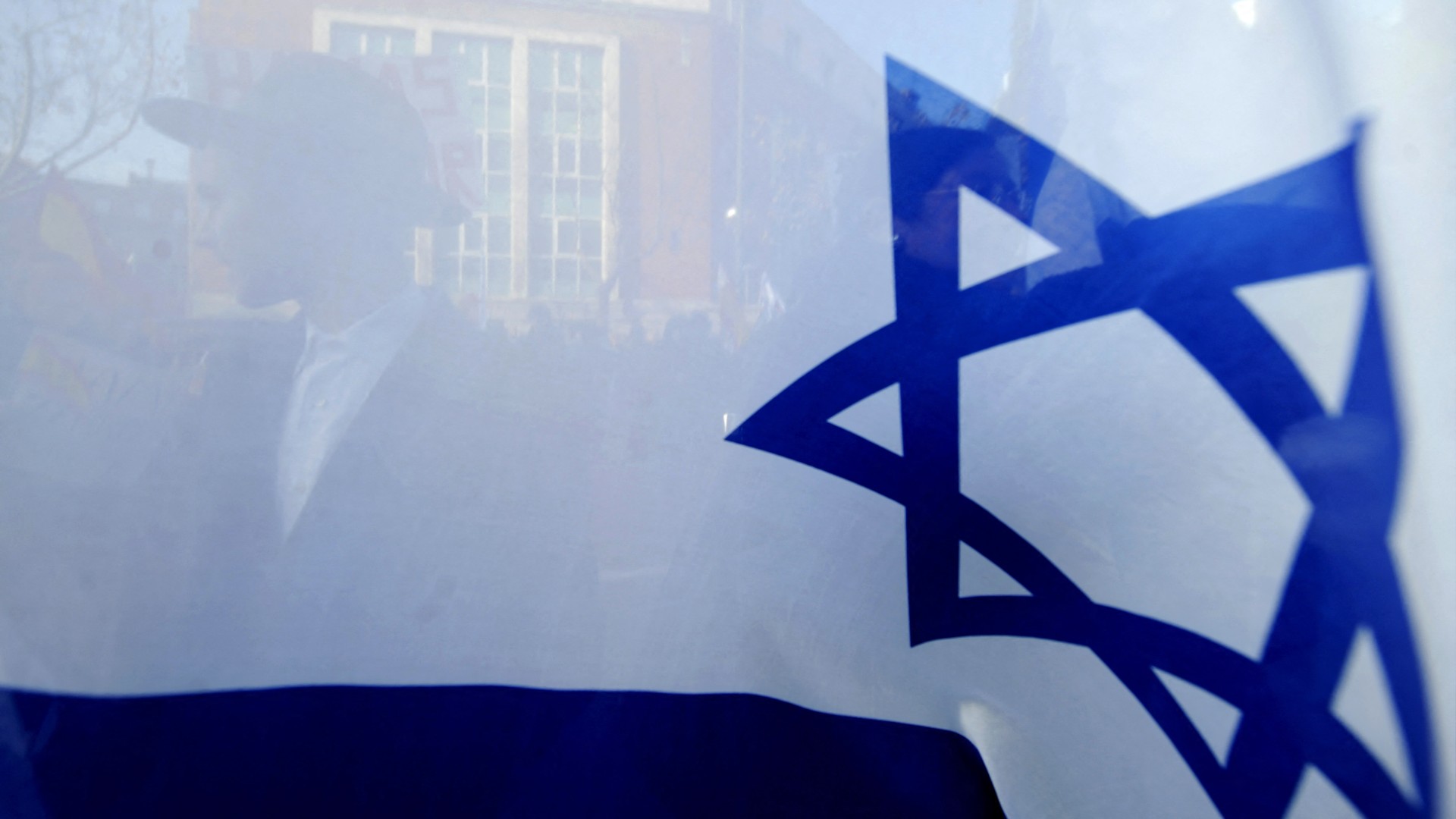
Residents of Hastings, a coastal town in southern England, were met with an unsettling sight on the morning of October 7: a nearly mile-long stretch of Israeli flags lining the seafront from Hastings Pier to the Marina near the town’s mosque. The display, which appeared on the second anniversary of the October 7 attacks in southern Israel, sparked immediate outrage and swift action from the community. The flags, which were hung overnight without authorization, were removed by local residents before authorities could intervene. The act was widely perceived as a deliberate provocation, given the ongoing conflict in Gaza and the town’s history of sanctuary and community solidarity. CCTV footage captured a figure stringing the flags between lampposts in the early hours of the morning. By sunrise, the display had become a focal point of heated discussion, with residents flooding local councillors with messages demanding answers. Councillor Yunis Smith of the Hastings Green Party confirmed that the flags were removed by residents themselves, reflecting a deep-seated frustration within the town. The incident has reignited debates about the use of public spaces for political messaging and the broader implications of rising nationalism in the UK. Hastings, known for its interfaith coalitions and refugee support networks, has long prided itself on being a sanctuary town. The community’s swift response to the flag display underscores its commitment to unity and resistance against divisive tactics. Sussex Friends of Israel later claimed responsibility for the stunt, but many residents viewed it as an attempt to exploit the Gaza crisis for political gain. The incident has further galvanized the town’s resolve to maintain its identity as a place of peace and inclusivity.