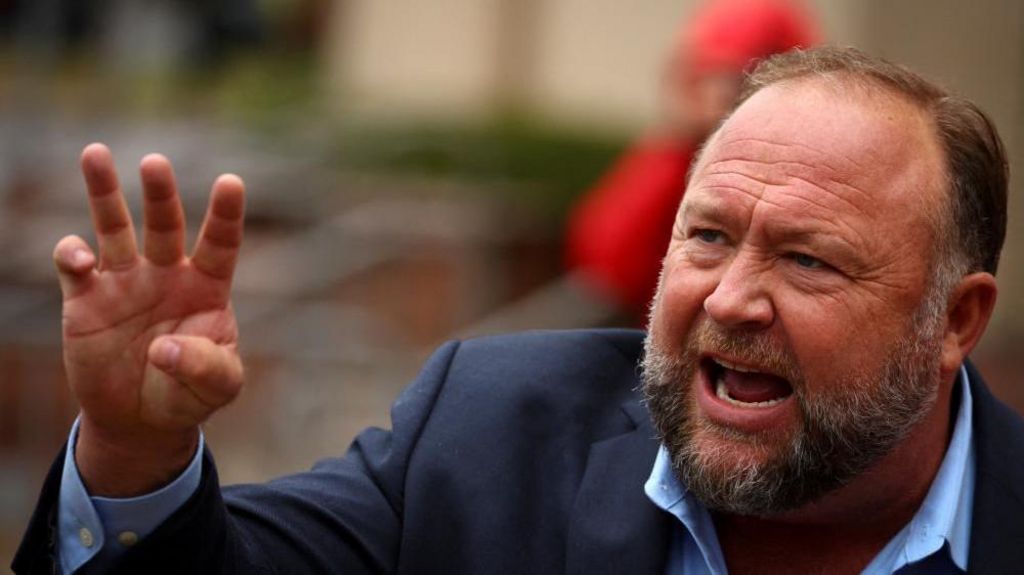
The US Supreme Court has declined to hear an appeal from controversial right-wing conspiracy theorist Alex Jones, who sought to overturn a nearly $1.5 billion defamation judgment against him. The ruling stems from Jones’ false claims that the 2012 Sandy Hook Elementary School shooting, which claimed the lives of 20 children and six educators, was a hoax. The judgment, issued in 2022, has forced Jones to sell his media company, Infowars, to satirical news outlet The Onion, a move he argued would cause irreparable harm to him and his 30 million followers. Despite the court’s decision, Jones has yet to pay any of the damages owed to the victims’ families. The Supreme Court did not provide an explanation for its refusal to hear the case. Jones’ legal team argued that his statements were protected under the First Amendment, akin to journalistic freedoms, and that the financial penalties were excessively punitive. In his appeal, Jones described the judgment as a ‘financial death penalty.’ While a bankruptcy judge previously blocked The Onion’s attempt to acquire Infowars, the media company may soon be back on the market, offering The Onion another opportunity. Legal challenges against Jones have intensified since two juries found him liable for defamation and emotional distress related to his false claims about the Sandy Hook tragedy. Following the initial verdict in Connecticut, Jones filed for bankruptcy in Texas, prompting the auction of Infowars to satisfy the judgment. During Texas court proceedings, Jones admitted the Sandy Hook attack was ‘100% real,’ a stark reversal from his earlier assertions that the event was staged as part of a government conspiracy to disarm Americans.
分类: society
-
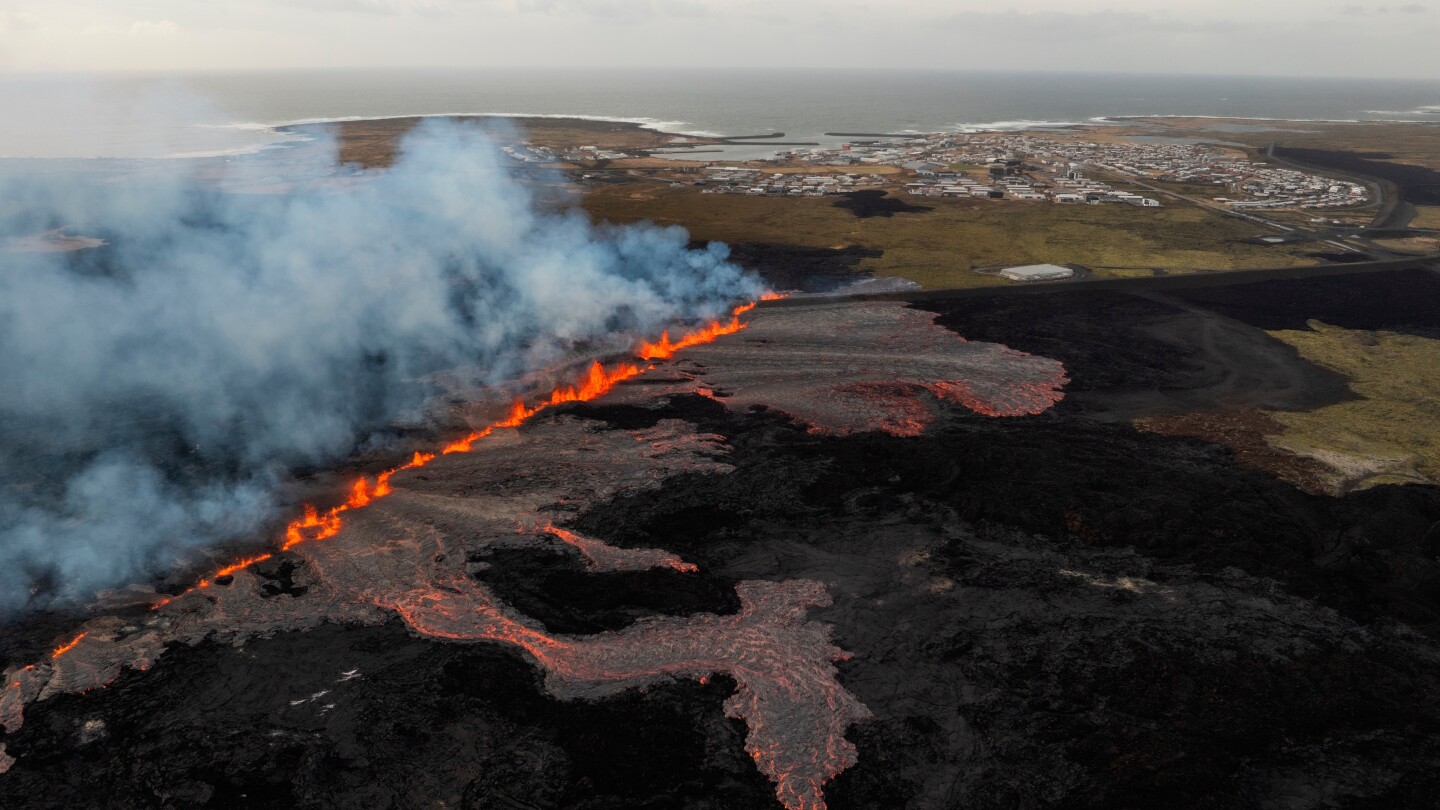
In Iceland, a town still shaken by volcanic eruptions tries to recover
In the coastal town of Grindavik, Iceland, Vignir Kristinsson’s gift shop, once bustling with customers, now sees only occasional visitors. The 64-year-old craftsman, who turned his passion for woodworking into a business five years ago, faces an uncertain future as volcanic eruptions have repeatedly forced evacuations since December 2023. The town, home to 3,800 residents, has been closed intermittently, leaving businesses like Kristinsson’s struggling to survive. ‘I’m supposed to run a business when people are told they should not come,’ he lamented. ‘How is that possible?’
Grindavik’s plight is emblematic of Iceland’s volatile relationship with its volcanic landscape. The eruptions, originating from the Sundhnuksgígar crater row, part of the Svartsengi volcanic system, have disrupted life in the Reykjanes Peninsula. Before the first eruption nearly two years ago, the system had been dormant for 783 years. Scientists predict that the volcanic activity is far from over, with the Icelandic Meteorological Office warning of a potential 10th eruption in the coming months.
Residents like Kristólína Ósk Guðjónsdóttir, an 18-year-old high school student, have grown accustomed to the constant stress. ‘When we had to leave, we had five minutes to get our stuff,’ she recalled, describing the first evacuation in November 2023. Since then, she has been attending school in Keflavik, 23 kilometers north of Grindavik, where maintaining a sense of community has been challenging.
Despite the devastation, there are glimmers of hope. The local professional basketball team has resumed games, and authorities are considering reopening schools next year. Some residents are returning, though the town remains largely empty. Tourists, drawn by the dramatic landscape, have become a rare source of activity, flying drones over vast lava fields and exploring the damaged town.
For many former residents, the decision to return is fraught with uncertainty. The government has offered to buy their homes, giving them three years to decide whether to repurchase them. Kristinsson, who now lives in Hafnarfjordur, 42 kilometers northeast of Grindavik, continues to operate his shop sporadically, relying on income from renting an apartment above the store. ‘People who live here now want to see things come back faster,’ he said.
Meanwhile, businesses like Herastubbur Bakari, a 30-year-old bakery, are fighting to stay afloat. Owner Sigurður Enoksson, 60, has no plans to return to his damaged home but remains committed to the town through his bakery. ‘There are not always customers each day,’ he admitted. ‘We are trying our best.’
As Grindavik grapples with the aftermath of the eruptions, its residents’ resilience shines through. While the road to recovery is long, their determination to rebuild offers a testament to the enduring spirit of this Icelandic town.
-
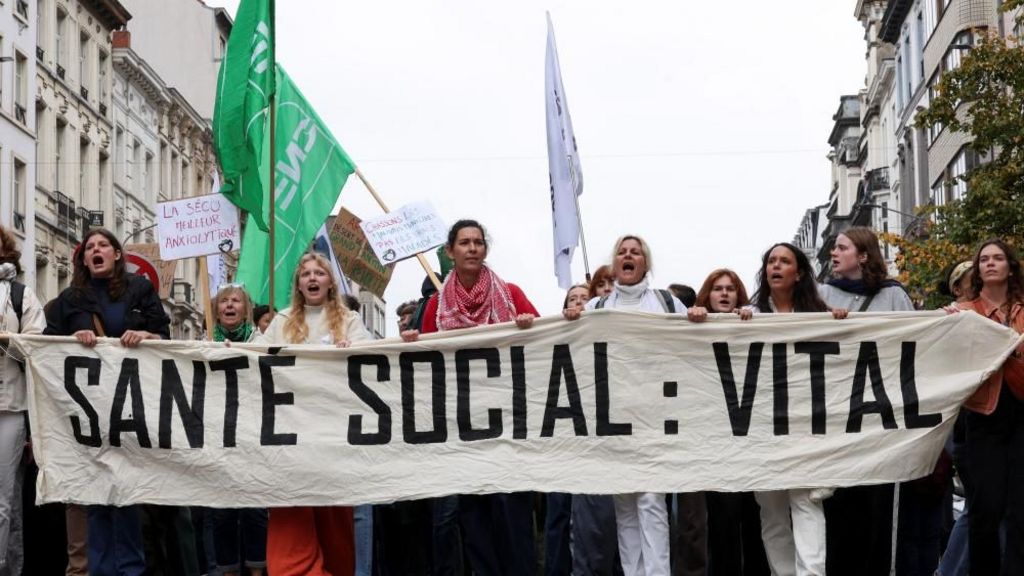
National strike by Belgium’s big unions hits public transport, airports and ships
Tens of thousands of Belgians flooded the streets of Brussels in a nationwide strike, protesting against sweeping government reforms and austerity measures. The demonstrations, organized by Belgium’s three major unions, brought significant disruptions to public transport, halted flights, and suspended operations at Europe’s second-largest port in Antwerp. The protests targeted Prime Minister Bart de Wever’s center-right government, which has introduced controversial measures to reduce the budget deficit, including pension reforms and cuts to unemployment benefits. At Brussels Airport, all departures and many arrivals were canceled, while Charleroi Airport saw a complete shutdown of services. Public transport in the capital was severely affected, with most buses, trams, and underground trains coming to a standstill. The unions are particularly opposed to the government’s plan to increase the number of working days required to qualify for pensions and the elimination of special schemes for sectors like the military and railway workers. Demonstrators, many clad in the red and green colors of the unions, voiced their frustrations over what they perceive as unfair burdens on the working class. ‘It’s always the same part of the population that has to tighten their belts,’ said 29-year-old Anaïs, who criticized the reforms for disproportionately affecting lower-income Belgians. The protests also highlighted broader concerns about the future, with many participants expressing fears for their children’s prospects. Despite the largely peaceful nature of the demonstrations, isolated incidents of vandalism and clashes with police were reported. The strike underscores the growing discontent with the government’s austerity agenda, which includes proposed cuts to child benefits and potential VAT increases. As Belgium grapples with its fiscal challenges, the protests signal a deepening divide between the government and its citizens.
-
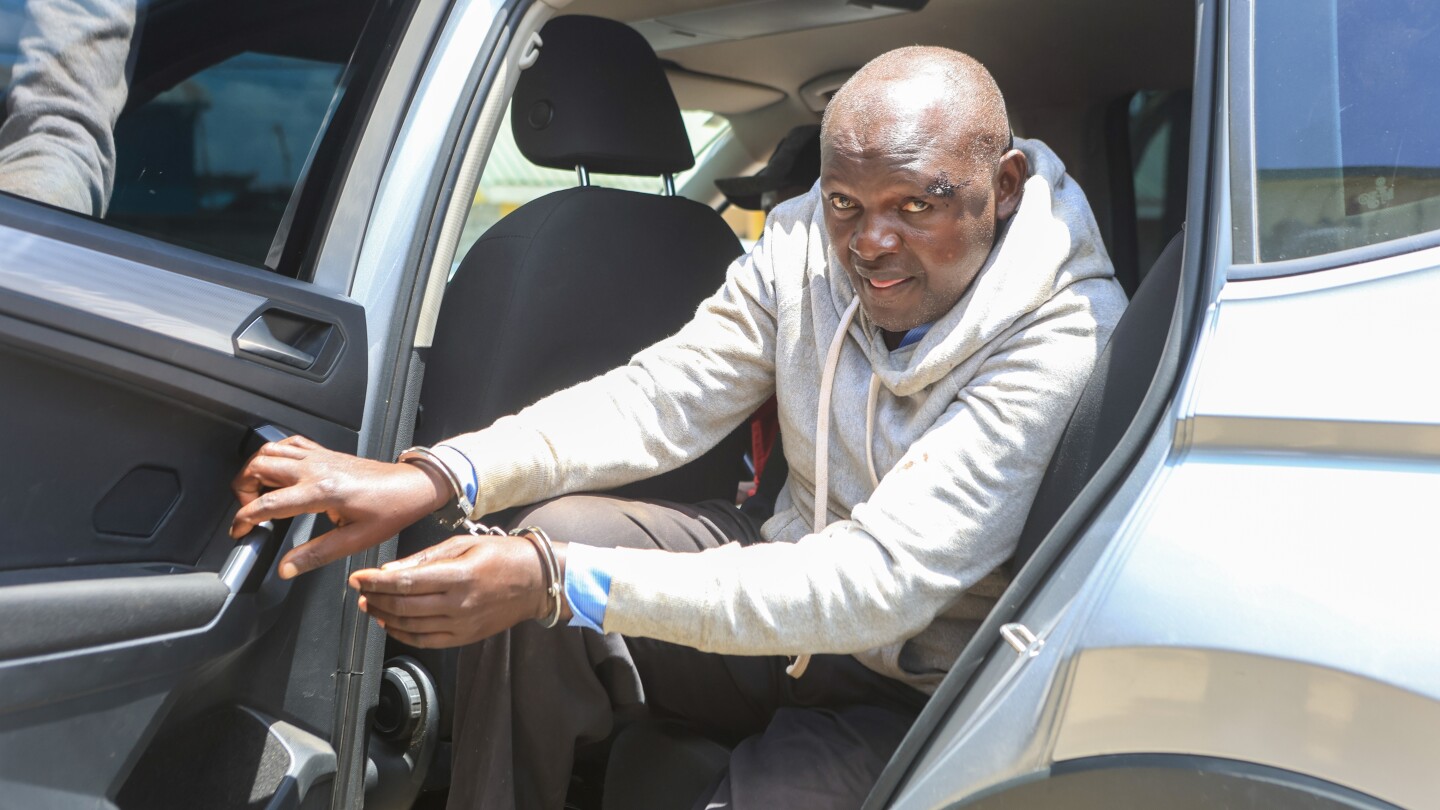
Suspect in the fatal stabbing of a Kenyan presidential guard will be assessed
NAIROBI, Kenya — A chilling security breach near Kenya’s presidential office has raised alarms after a man allegedly stabbed a guard to death on Monday. The suspect, Kithuka Kimunyi, reportedly approached the State House main gate disguised as a homeless person, armed with a bow and arrow. After fatally shooting the guard, Ramadhan Hamisi Matanka, Kimunyi was apprehended at the scene. The guard succumbed to his injuries at a nearby hospital.
-
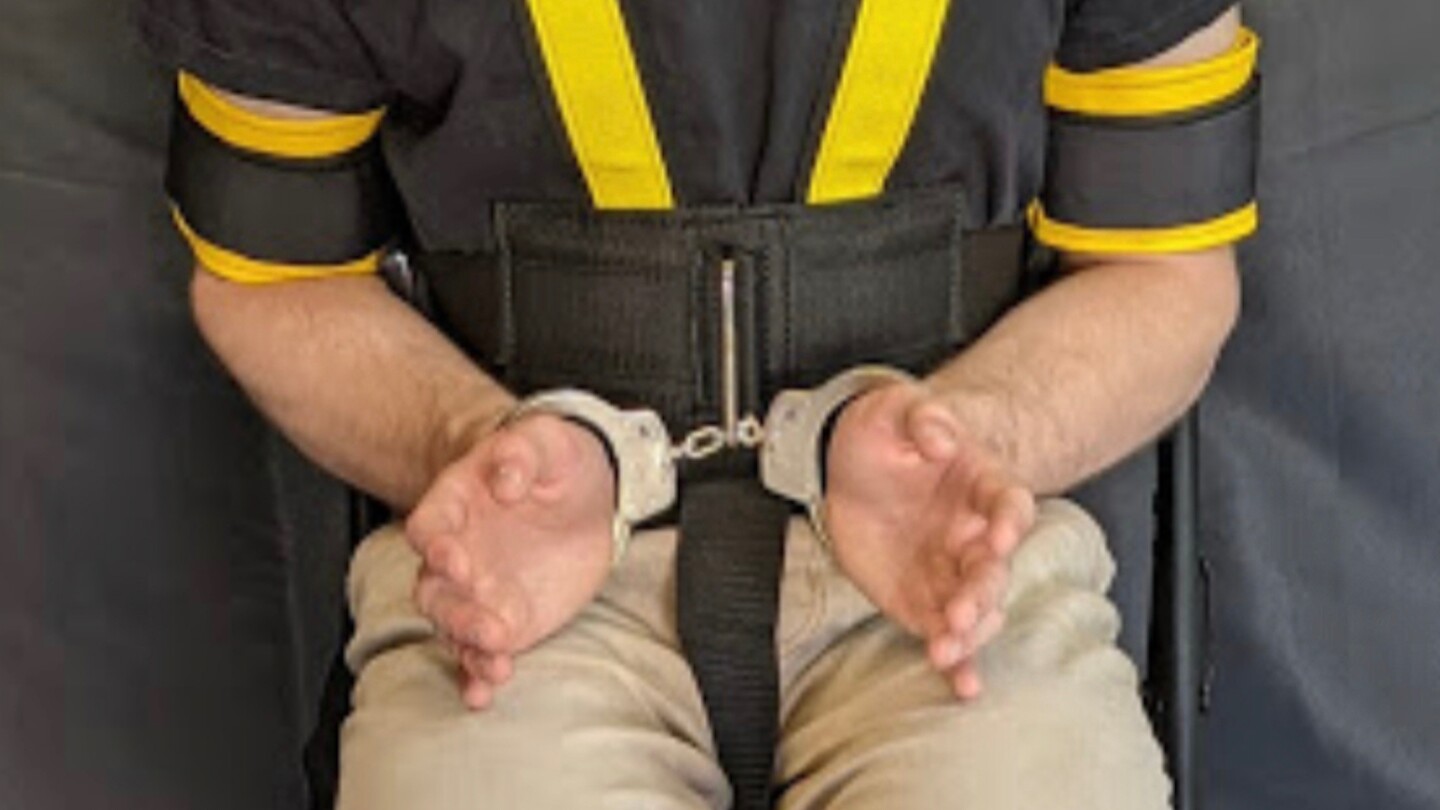
ICE’s use of full-body restraints during deportations raises concerns over inhumane treatment
A Nigerian man, part of a federal lawsuit, recounted a harrowing experience of being forcibly deported by U.S. Immigration and Customs Enforcement (ICE) officers in September. He described being awoken in the middle of the night, shackled, and strapped into a full-body restraint device known as the WRAP. Despite not being from Ghana, he and others were flown there on a 16-hour flight, denied access to their attorneys, and subjected to what he likened to a kidnapping. The WRAP, often referred to as “the burrito” or “the bag,” has become a controversial tool in ICE’s deportation process, with detainees alleging its use as a form of intimidation and punishment. The Associated Press (AP) investigation revealed multiple instances of ICE deploying the WRAP, despite internal concerns raised by the Department of Homeland Security’s (DHS) civil rights division. The device, originally designed as a safety measure for law enforcement, has been linked to fatalities and is now the subject of numerous lawsuits. Detainees claim they were restrained in the WRAP for hours, even when they posed no threat, leading to physical and psychological trauma. ICE and DHS have defended the use of restraints as standard protocol to ensure safety during deportations, but advocates argue the practice is inhumane and violates human rights. The AP’s findings highlight a growing debate over the ethical and legal implications of ICE’s deportation methods, particularly under the Trump administration’s aggressive immigration policies.
-
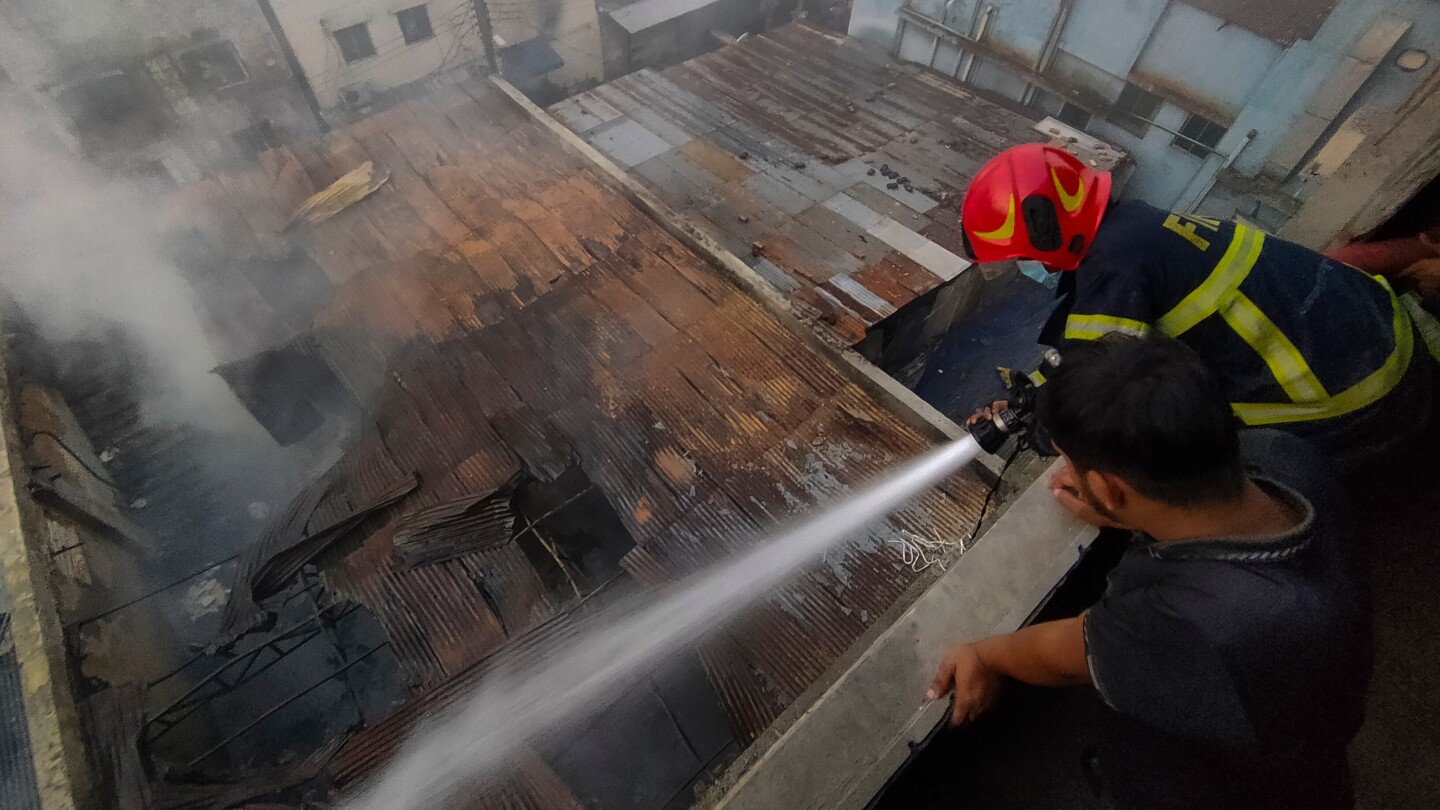
Death toll rises to 16 after factory fire in Bangladesh capital
A devastating fire broke out at a garment factory and adjacent chemical warehouse in Dhaka, Bangladesh, on Tuesday, claiming the lives of at least 16 people, according to the Fire Service and Civil Defense department. The blaze, which originated on the third floor of a seven-story building in the Mirpur area, left several others injured. Fire official Talha bin Jashim confirmed that rescue teams have recovered multiple bodies, and efforts to control the fire and complete the rescue operation continued into the evening. Bangladesh, the world’s second-largest garment exporter after China, employs approximately 4 million workers in this sector, predominantly women. The industry, which generates around $40 billion annually from exports to the United States and Europe, has a troubled history of industrial accidents and fires, often attributed to inadequate safety monitoring and violations of building codes. This incident underscores the urgent need for stricter safety regulations and enforcement in the country’s garment sector.
-
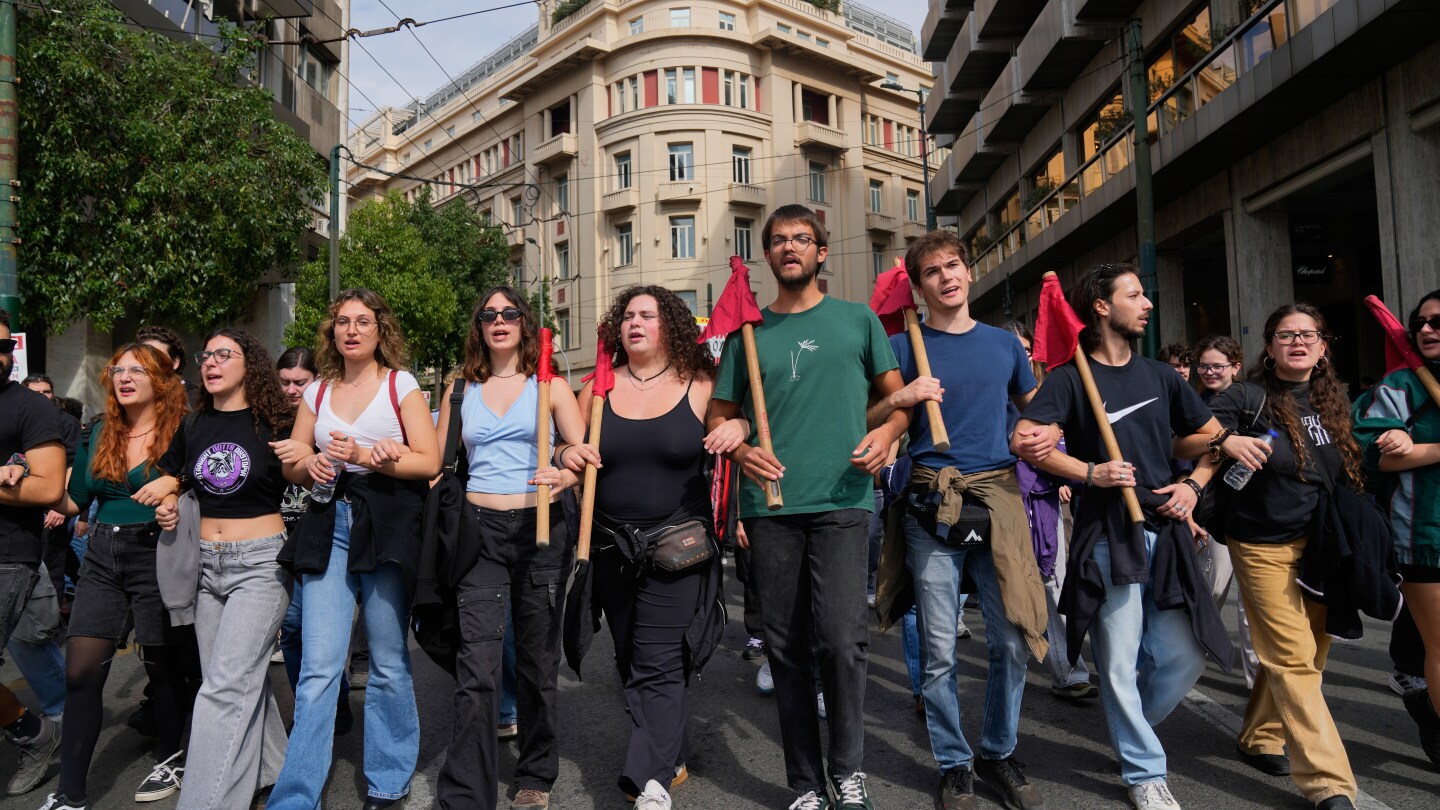
Greece sees 2nd general strike this month as unions protest new labor law
ATHENS, Greece — Tens of thousands of demonstrators flooded the streets of Athens on Tuesday as Greece’s labor unions organized the country’s second general strike this month to oppose a contentious new labor law. The 24-hour strike caused widespread disruptions, including ferry cancellations to and from the Greek islands and reduced public transport services in the capital, leading to severe traffic congestion. Train services were entirely suspended during the strike period. The unions, representing both private sector workers and civil servants, are protesting a proposed labor law that would introduce greater flexibility in working conditions, such as extending occasional shifts to 13 hours through overtime. Critics argue that the legislation, set for a parliamentary vote on Wednesday, could expose workers to potential exploitation by employers. ADEDY, the civil servants’ umbrella union, condemned the law, stating that flexible working hours would effectively dismantle the eight-hour workday, erode work-life balance, and legitimize over-exploitation. Unions are demanding the withdrawal of the legislation, a reduction in the standard workweek from 40 to 35 hours, pay raises, and the restoration of collective bargaining agreements.
-
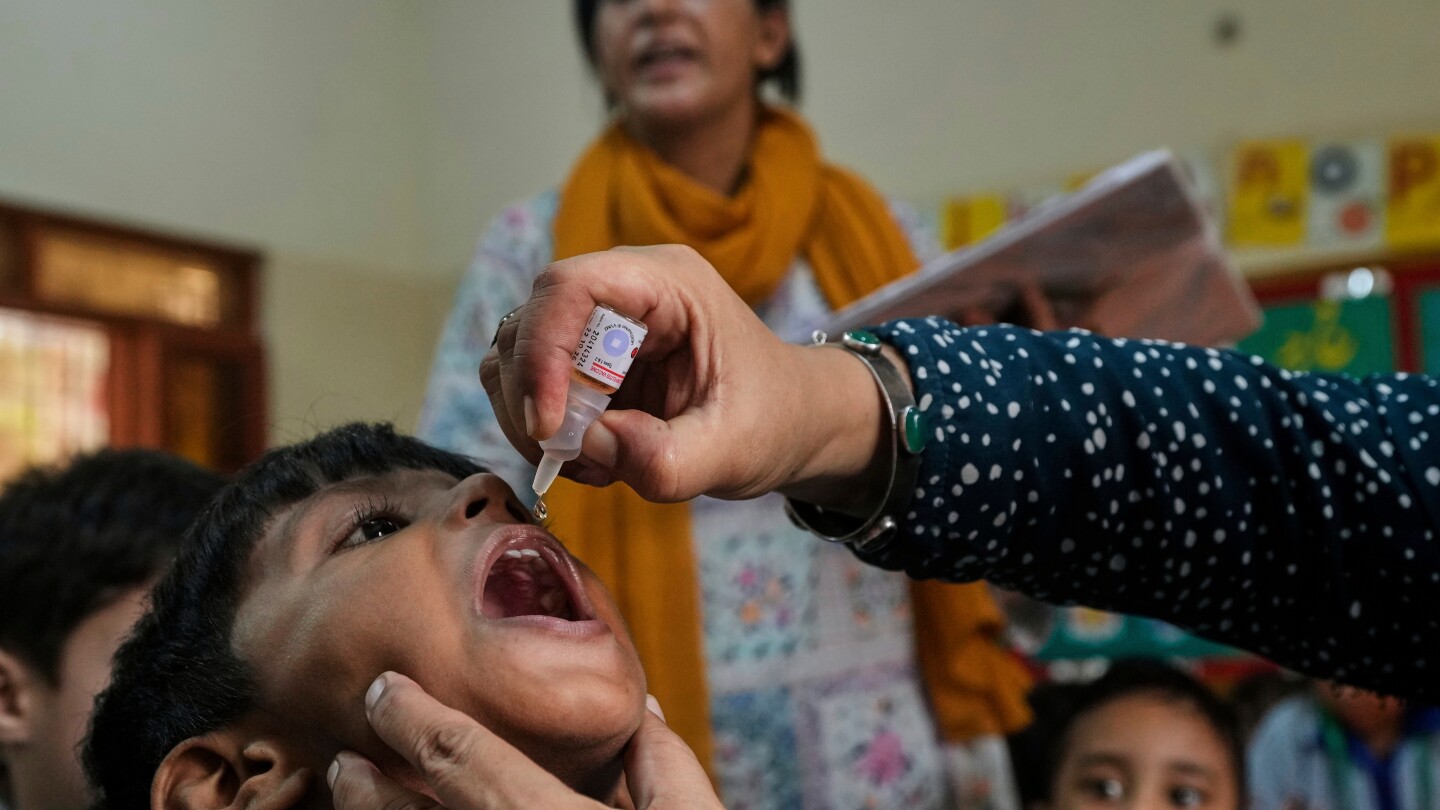
Pakistan police officer killed in attack by gunmen on a polio vaccine team
In a tragic incident on Tuesday, suspected militants targeted a polio vaccination team in the Matta area of Khyber Pakhtunkhwa province, northwestern Pakistan, resulting in the death of a police officer assigned to protect the health workers. The attack occurred amidst a nationwide weeklong campaign aimed at immunizing 45 million children against polio. According to local police official Javed Khan, the assailants, riding a motorcycle, opened fire on the team while they were administering polio drops to children in a residential area. A search operation has been launched to apprehend the attackers. Prime Minister Shehbaz Sharif condemned the attack, pledging strict action against those responsible. While no group has claimed responsibility, suspicion has fallen on militant factions that have historically targeted polio workers and their security escorts. Since the 1990s, over 200 polio workers and police officers have been killed in Pakistan, with militants often propagating false claims that vaccination campaigns are part of a Western conspiracy to sterilize Muslim children. Pakistan and Afghanistan remain the only countries where wild poliovirus transmission persists, according to the World Health Organization. Since January, Pakistan has reported 29 polio cases, and the ongoing campaign involves over 400,000 trained workers conducting door-to-door vaccinations.
-
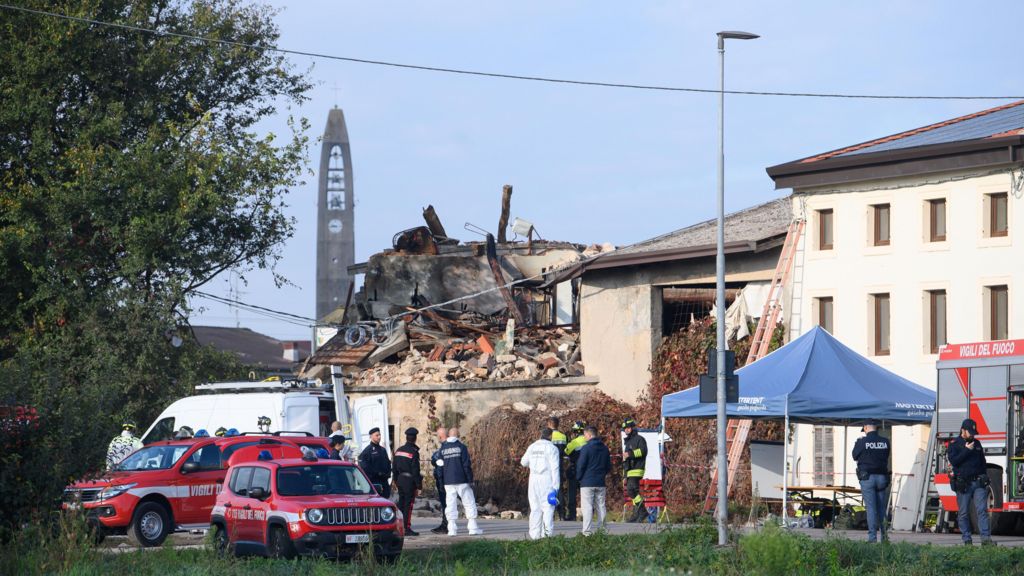
Blast kills three police officers trying to evict siblings from house in Italy
A tragic incident unfolded in northern Italy when a deliberate gas explosion at a farmhouse near Verona resulted in the deaths of three Carabinieri military police officers and left at least 15 others injured. The explosion occurred as police and firefighters were executing an eviction order for two brothers and a sister, aged in their late 50s and mid-60s, who had barricaded themselves in the property. The blast, which could be heard up to 5 kilometers away, reduced the building to rubble and caused widespread devastation. A man and a woman were arrested at the scene, while another suspect who fled was quickly apprehended. All three were hospitalized. The farmhouse had been under an eviction order due to debts accrued by the owners. Interior Minister Matteo Piantedosi described the incident as a time for grieving, noting that previous attempts to evict the siblings had been met with resistance. Mediators had been sent to negotiate with the siblings, but when Carabinieri officers arrived shortly after 3:00 AM, one of the siblings allegedly triggered the explosion. Provincial police commander Claudio Papagno described the act as ‘absolute madness,’ revealing that a gas cylinder had been ignited, directly hitting the officers. Petrol bombs were also found at the property. Among the injured were 11 Carabinieri officers, three state police officers, and a firefighter. Verona prosecutor Raffaele Tito stated that the farmhouse was in a derelict state with no electricity and described the explosion as a ‘premeditated and voluntary homicide.’ Neighbors reported that the siblings had previously threatened to ‘blow themselves up’ rather than leave the house. Defense Minister Guido Crosetto joined other political leaders in paying tribute to the fallen officers, who lost their lives in the line of duty.
-
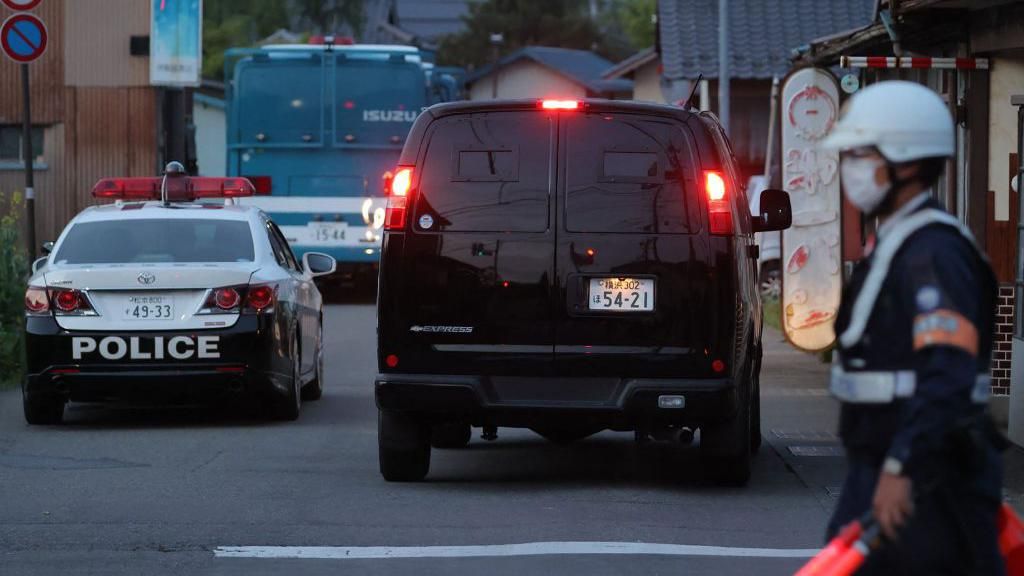
Death penalty for Japan man who killed four in gun and knife attack
In a landmark ruling, a Japanese court has handed down a death sentence to Masanori Aoki, a 34-year-old man responsible for a deadly rampage in Nakano city in 2023. Aoki’s violent spree began when he fatally stabbed two women who were out for a walk, followed by the fatal shooting of two police officers who responded to the scene. The officers were armed with a hunting rifle, a weapon rarely used in Japan due to the country’s stringent gun control laws. This incident marked one of the most shocking episodes of gun violence in Japan in over three decades. The defense argued that Aoki’s schizophrenia diminished his capacity, warranting a life sentence instead of capital punishment. However, prosecutors countered that Aoki acted with clear intent and demonstrated “exceptional cruelty and cold-bloodedness” during the attacks. According to reports, Aoki believed the women were speaking ill of him, though it remains unclear if he knew them personally. After the murders, he barricaded himself in his parents’ home for 12 hours before surrendering. His father, Masamichi Aoki, is a prominent figure in Nakano city’s assembly. The incident prompted authorities to tighten gun ownership laws, particularly for hunting rifles like the one used in the attack. Japan’s strict regulations on firearms make such violent acts exceedingly rare, adding to the shock and gravity of this case.