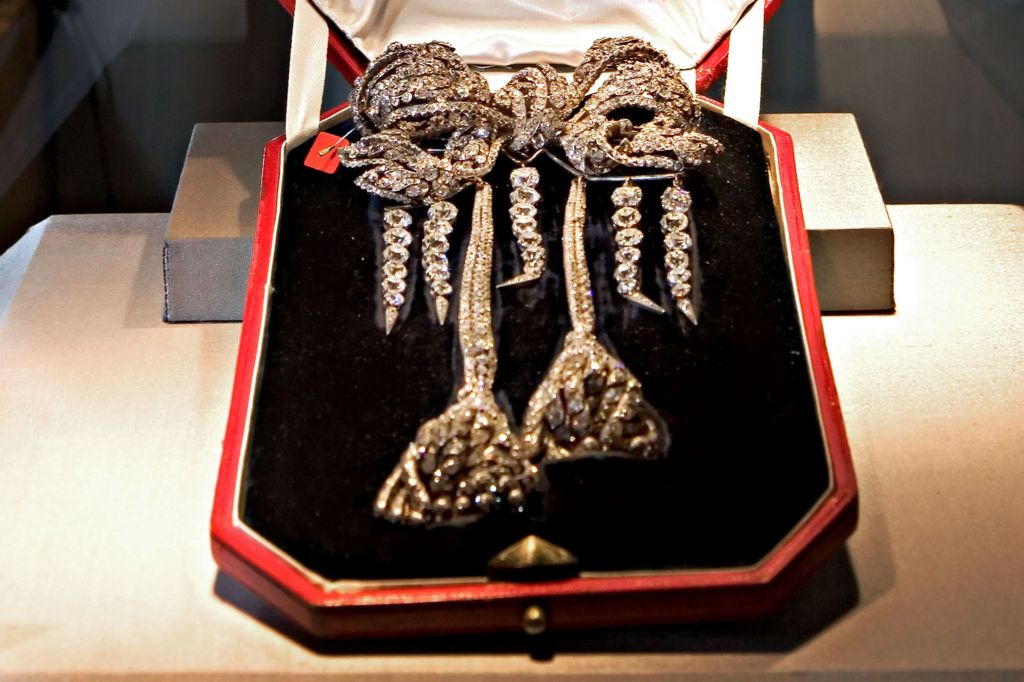
In a brazen act of theft that has shaken the art world, the Louvre Museum in Paris fell victim to a meticulously planned heist targeting the French crown jewels. The robbery, which occurred in the Apollo Gallery on Sunday morning, is being described as the most audacious since the infamous disappearance of the Mona Lisa in 1911. The gang, described by France’s new Interior Minister Laurent Nunez as highly professional, executed the theft in just seven minutes, leaving authorities grappling with serious questions about the security of French cultural treasures. The thieves used a truck equipped with an elevating platform to access the first floor, where they cut through a window to enter the gallery. Once inside, they targeted two display cases containing remnants of the French crown jewels, including diadems, necklaces, earrings, and brooches. Among the stolen items was the Empress Eugénie Brooch, a priceless artifact from the 19th century. The gang’s swift and calculated operation highlights the growing sophistication of criminal groups targeting museums. Despite the alarms sounding correctly and the prompt response of museum staff, the thieves managed to escape with their loot. The incident has reignited concerns about the vulnerability of French museums, particularly in light of recent thefts of gold and porcelain from other institutions. Authorities are now racing against time to recover the stolen jewels, which are at risk of being dismantled and sold on the black market. The Louvre, home to thousands of globally renowned artworks, has historically maintained tight security, making this heist all the more alarming. The investigation is ongoing, but the likelihood of recovering the jewels intact remains uncertain.
分类: society
-

How Abu Dhabi drivers can reduce 8 black points, get licences reinstated
Abu Dhabi authorities have introduced a new initiative aimed at assisting drivers in reducing traffic black points and reinstating their driving licences. The programme, which runs from October 20 to November 20, 2025, offers motorists the opportunity to remove up to eight black points from their records, provided they have accumulated fewer than 24 points. Drivers who have exceeded this threshold can reinstate their licences by enrolling in educational courses after paying the requisite fees. The workshops and courses will be held at the Abu Dhabi Police platform located on the first floor of Mushrif Mall Centre, operating daily from 4 pm to 10 pm. Black points are penalties issued for serious traffic violations, with the number of points reflecting the severity of the offence. Accumulating 24 points within a year typically results in licence suspension. This initiative follows a similar programme launched earlier this year during the Abu Dhabi International Hunting and Equestrian Exhibition (ADIHEX). The move underscores the authorities’ commitment to promoting road safety and encouraging responsible driving behaviour among motorists.
-

UAE: Firecracker restrictions for Diwali; 10 things to know ahead of Indian festival
As the Indian community in the UAE prepares to celebrate Diwali, authorities have issued a stern reminder about the strict restrictions on firecracker use. With over four million Indian expatriates in the country, the festive season is marked by vibrant celebrations, including laser shows, elaborate mall displays, and community gatherings. However, the use of fireworks remains prohibited without proper licensing, and violators face severe penalties, including imprisonment and hefty fines. The legal framework, established under Federal Decree Law No. 17 of 2019, classifies fireworks as explosives, requiring licenses for their possession, import, export, manufacture, or transport. Dubai Police and Dubai Municipality have intensified enforcement campaigns to confiscate illegal fireworks and ensure public safety. Residents are urged to report any suspicious activities through official channels. Authorities have also highlighted the dangers of fireworks, citing real-life accidents that have resulted in serious injuries. Parents are advised to educate children about the risks, as they can be held accountable for their children’s actions. Only licensed businesses are permitted to host fireworks displays, and they must obtain a No-Objection Certificate from the Dubai Civil Aviation Authority. The UAE’s strict measures aim to ensure that Diwali and other festive occasions are celebrated safely and responsibly.
-

Ex-Kenyan leader Raila Odinga buried after days of memorial events
Kenya laid to rest its former Prime Minister and long-standing opposition leader, Raila Odinga, in a solemn ceremony held in Bondo, western Kenya, on Sunday. The burial marked the culmination of a series of memorial events that drew thousands of mourners, including prominent politicians, family members, and devoted supporters. Odinga, who passed away at the age of 80 in an Indian hospital on Wednesday, was a towering figure in Kenyan politics, known for his unwavering commitment to democracy and justice. His son, Raila Odinga Jr., emotionally declared, ‘Now finally Baba is home,’ as the casket, draped in the Kenyan flag, was prepared for its final journey. The memorial service, held at a university in Bondo, was a poignant tribute to a man who, despite losing five presidential campaigns, remained a beloved figure in the region. Kenyan President William Ruto eulogized Odinga on Facebook, praising his ‘courage, vision, and unyielding faith in our collective destiny.’ Odinga was buried at his late father’s homestead, where a family mausoleum stands. The days leading up to the burial were marked by both reverence and turmoil. A public viewing in Kisumu on Saturday saw tens of thousands of mourners file past his open coffin, many lamenting, ‘we are orphans.’ However, the event turned chaotic, with police opening fire to disperse the crowd, resulting in at least three deaths and dozens injured. Similar incidents occurred during other memorial events, underscoring the deep emotional impact of Odinga’s passing. His legacy as a ‘true champion of democracy,’ as described by former US President Barack Obama, continues to resonate across Kenya and beyond.
-
Dubai bans delivery riders on fast lanes from November 1
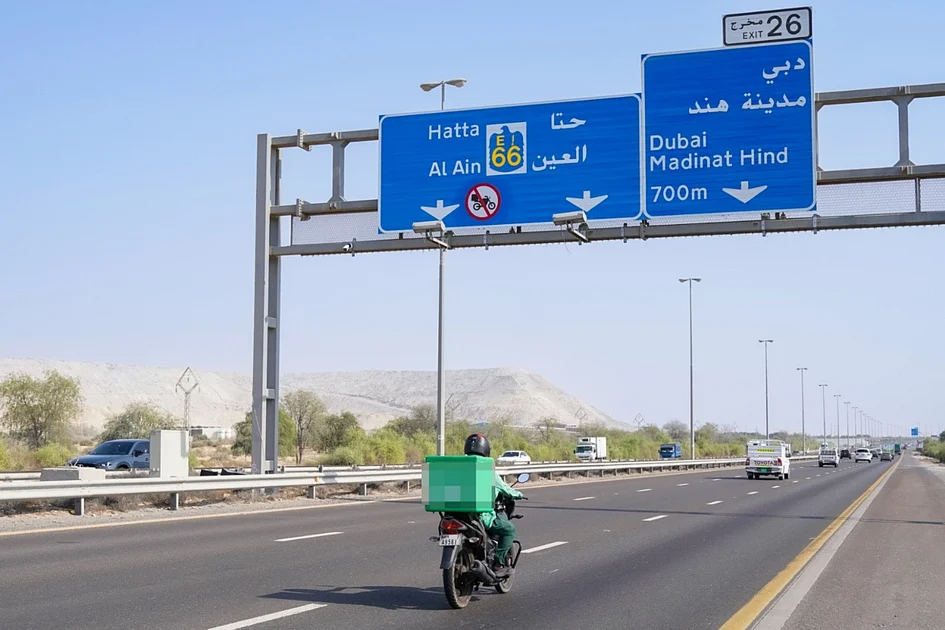
Starting November 1, 2025, delivery riders in Dubai will face new restrictions on their use of high-speed lanes, as announced by the Roads and Transport Authority (RTA) and Dubai Police. The regulations prohibit delivery motorcycles from using the two leftmost lanes on roads with five or more lanes and the leftmost lane on roads with three or four lanes. However, on roads with two lanes or fewer, riders are free to use any lane. These measures aim to address the rising number of traffic accidents involving delivery motorcycles, which have been attributed to reckless riding behavior.
-

6-year-old Dubai expat sets Guinness record for naming 16 composers by tune in 1 minute
In a remarkable display of musical genius, six-year-old Shivankh Varun, a Dubai-based expat, has etched his name in the Guinness World Records by identifying 16 classical music composers by their melodies in just one minute. This extraordinary feat is a testament to his exceptional auditory skills and deep connection with music, which began at the tender age of three. While most children were captivated by the antics of Tom and Jerry, Shivankh was engrossed in the background music, often identifying composers like Bach, Mozart, and Beethoven with ease. According to his mother, Yalini, music is not just a pastime for Shivankh; it’s a language through which he interprets and connects with the world. His ability to recognize over 65 classical compositions by ear has left many in awe. The journey to the Guinness World Record began as a playful idea but soon turned into a rigorous preparation process. With daily practice sessions in public spaces, Shivankh honed his skills to achieve both speed and precision. On September 14, amidst a supportive community and official witnesses, he successfully completed the record attempt, leaving everyone breathless. Life post-record has been a blend of normalcy and newfound recognition. While Shivankh continues to explore music with childlike curiosity, his mother envisions a future where he delves deeper into the world of classical compositions, perhaps even performing at the Dubai Opera. His dream of meeting Bach may remain unfulfilled, but in the realm of music, Shivankh has already connected with the maestro in his own unique way.
-
What we know about the Louvre jewellery heist
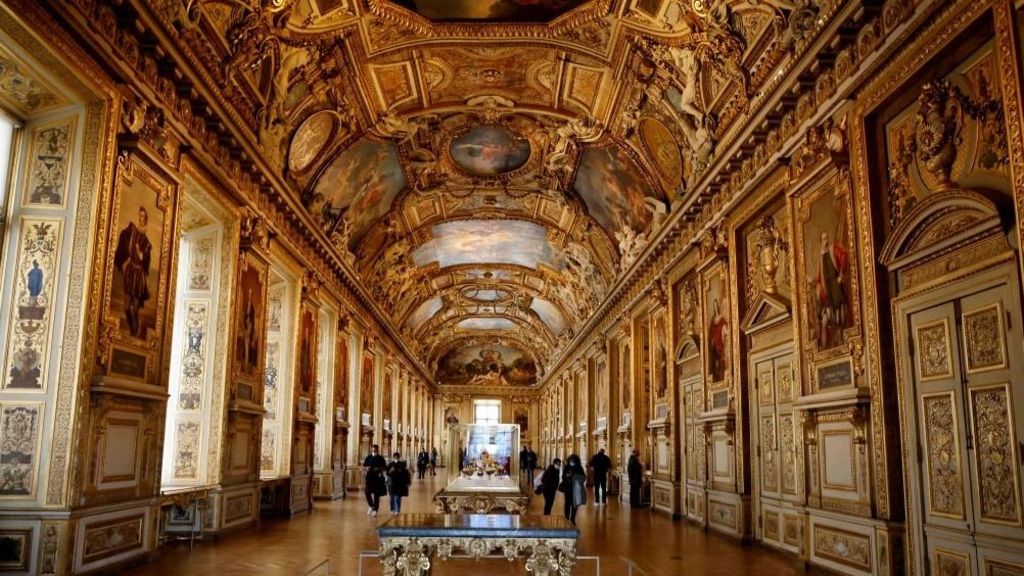
In a daring daylight robbery, the Louvre Museum in Paris was forced to shut down as thieves executed a meticulously planned heist targeting France’s invaluable crown jewels. The incident, which occurred on Sunday morning between 9:30 and 9:40 local time, has left the nation in shock. The perpetrators, armed with power tools, breached the museum’s security by using a mechanical ladder to access the Galerie d’Apollon via a balcony near the River Seine. They then cut through glass panes with an angle grinder or chainsaw to enter the museum. French Culture Minister Rachida Dati described the thieves as ‘experienced’ and ‘very professional,’ noting that they entered ‘calmly’ and smashed display cases containing the jewels. The thieves made their escape on scooters, leaving behind a scene of ‘total panic’ as the museum was evacuated. Authorities have not yet confirmed which items were stolen, but the targeted wing houses jewels from France’s royal past. One item, possibly the crown of Empress Eugénie, was found outside the museum, apparently dropped during the escape. The Regent Diamond, a 140-carat centerpiece of the gallery, was reportedly not stolen. Interior Minister Laurent Nuñez described the stolen jewels as ‘priceless’ and ‘of immeasurable heritage value.’ This incident is part of a recent spate of thefts targeting French museums, including the Adrien Dubouche Museum in Limoges and the Cognacq-Jay Museum in Paris. The Louvre, which has faced high-profile thefts in the past, including the infamous 1911 Mona Lisa heist, has since implemented stringent security measures. However, this latest breach raises questions about the effectiveness of current security protocols.
-

Dubai Police issue urgent warning against ‘burning evil dolls’ trend among children
Dubai Police have issued an urgent warning to residents, particularly parents, about the alarming ‘burning evil dolls’ trend circulating on social media. This viral challenge encourages children to set dolls on fire, mimicking horror scenes, which poses significant risks to safety. Authorities emphasized that burning materials such as fabric, plastic, or synthetic doll hair can release toxic fumes and cause fires to spread rapidly, especially in enclosed spaces. The warning is part of Dubai Police’s Cybersecurity Awareness Month campaign, aimed at educating the public about the dangers of such online trends. The alert follows a recent incident in Ras Al Khaimah, where a seven-year-old girl, Mouza Kaseb, suffered severe burns while attempting the challenge. Mouza and her cousin set a doll on fire, but the blaze quickly went out of control, igniting her clothing and causing extensive injuries. She was rushed to Sheikh Shakhbout Medical City in Abu Dhabi for urgent treatment. Dubai Police urged parents to monitor their children’s online activity closely and educate them about the risks of imitating unsafe challenges. They also called on the public to report any content promoting such behavior on social media or chat groups, as sharing dangerous videos is a legal offense that could lead to prosecution. Authorities stressed the importance of prioritizing safety and awareness over entertainment, reminding everyone to stay vigilant online and avoid trends that provoke curiosity or mimic horror scenes.
-
Thieves hit the Louvre again. Here’s a look at other famous heists in museums worldwide
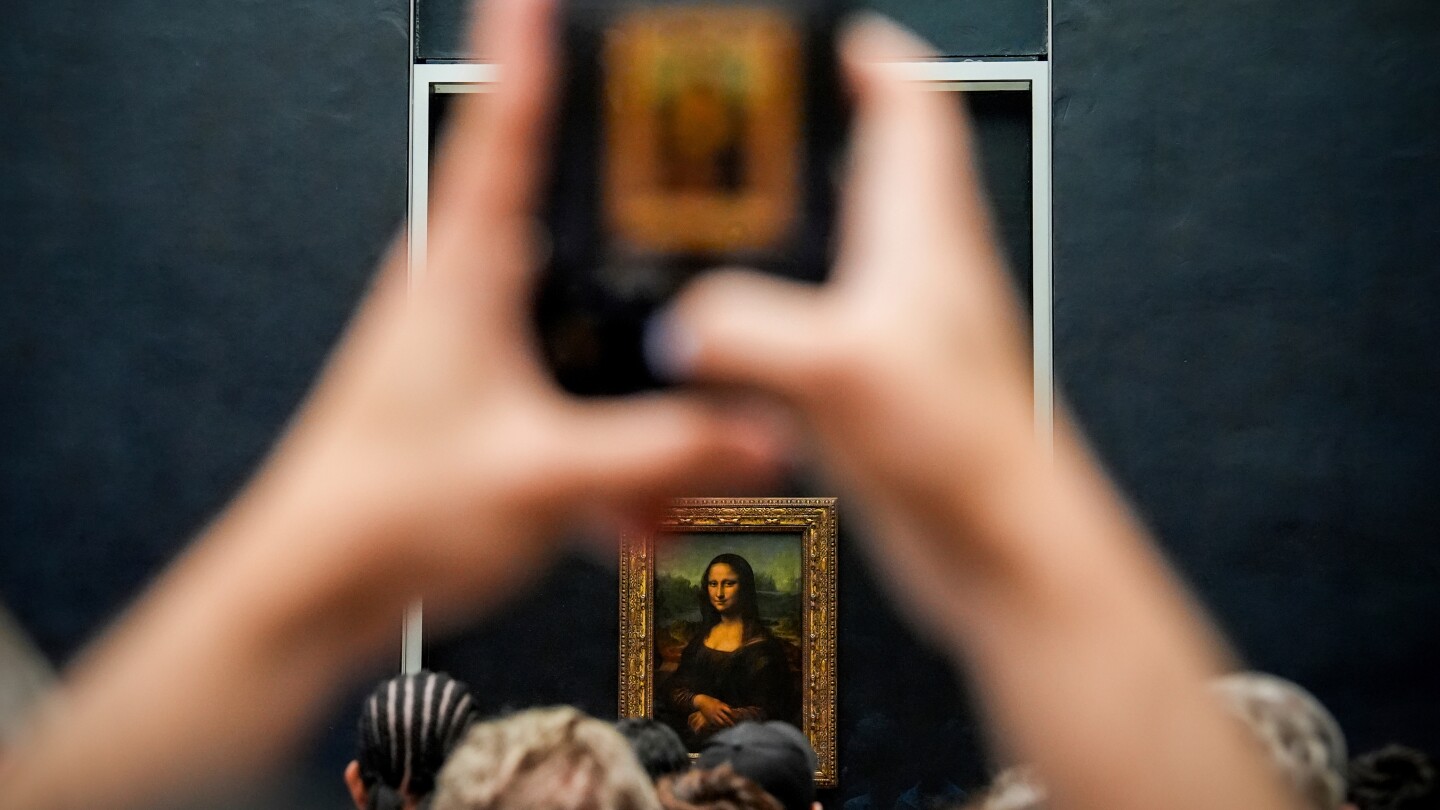
In a brazen act of theft, nine pieces from the historic jewelry collection of Napoleon and the Empress were stolen from the Louvre Museum in Paris on Sunday morning. The perpetrators reportedly used a basket lift to access the museum, targeting the Galerie d’Apollon, where part of the French Crown Jewels are displayed. The incident occurred while tourists were inside the gallery, prompting the museum to close for the day as police secured the premises and evacuated visitors. This heist adds to the Louvre’s long history of thefts, including the infamous 1911 disappearance of the Mona Lisa, which was stolen by a former worker and recovered two years later in Florence. The incident underscores the vulnerability of even the most secure cultural institutions. Meanwhile, other notable art heists include the unsolved 1990 theft of 13 works from Boston’s Isabella Stewart Gardner Museum, valued at half a billion dollars, and the 2017 theft of a 100-kilogram solid-gold coin from Berlin’s Bode Museum. These incidents highlight the ongoing challenges museums face in protecting priceless artifacts from determined thieves.
-

Madrid’s annual ‘Transhumance’ festival of sheep and goats draws huge crowds
Madrid’s bustling streets took on a pastoral charm this Sunday as a flock of sheep and goats paraded through the Spanish capital, marking the annual Transhumance Festival. This unique event, which honors the region’s rural heritage, drew thousands of spectators who marveled at the sight of 1,100 Merino sheep and 200 goats trotting past iconic landmarks, accompanied by the sounds of bells, bleats, and traditional horn music. The festival recreates the ancient practice of transhumance—moving livestock between seasonal grazing grounds—while highlighting its environmental benefits, such as reducing wildfire risks by clearing flammable undergrowth. Juan García Vicente, a long-time participant and environmentalist, emphasized the festival’s relevance amid Spain’s recent devastating wildfire season, calling for greater efforts to combat climate change and preserve rural traditions. The event also includes a symbolic payment of 50 maravedis, a medieval coin, to Madrid’s city hall, a tradition dating back to a 1418 agreement between the city and shepherds. Since its inception in 1994, the festival has become a cherished cultural event, celebrated not only in Madrid but also in towns across Italy, France, and California. Despite its modern decline due to industrialized farming, transhumance remains a vital practice for a small group of farmers who value its ecological and cultural significance. For attendees like American tourist Jennifer Granda, the festival offered a fascinating glimpse into Spain’s agricultural heritage, while locals like Ana Vásquez appreciated its nostalgic charm and connection to tradition.