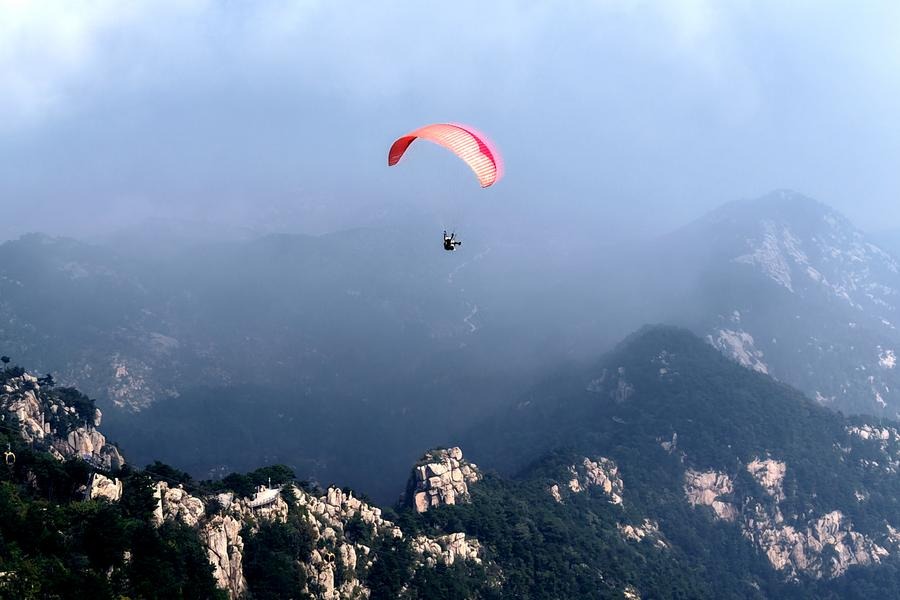
China’s tourism landscape is soaring to new heights with the rise of ‘CityFly,’ a trend that is transforming how travelers experience the country. Moving beyond traditional sightseeing, this innovative approach embraces low-altitude activities such as paragliding, skydiving, and scenic helicopter rides, offering thrill-seekers a vertical perspective of urban and natural landscapes. Emerging as a successor to the popular ‘Citywalk’ trend, CityFly is rapidly gaining traction among young Chinese travelers, driven by the nation’s booming low-altitude economy. In Zhejiang province, for instance, paragliding has evolved from a niche adventure to a mainstream attraction. Li Duo, a Shanghai resident in her early 20s, described her first paragliding experience as ‘breathtaking,’ gliding over bamboo forests and tea gardens on Mogan Mountain. Yang Aiping, manager of the paragliding base, reported a tenfold increase in visitors since 2019, with over 100,000 participants this year. The trend is not limited to Zhejiang. In Sanya, Hainan province, skydiving has become a major draw, with a 20% year-on-year increase in customers during the first quarter of 2025. Official data reveals that Sanya’s low-altitude tourism sector served 287,000 tourists in the first half of 2024, generating 730 million yuan in revenue and creating 2,300 jobs. Zhao Yuehua, an aviation industry expert, attributes this surge to China’s rapidly developing low-altitude economy, which has reduced flight costs from 3,000 yuan per person a decade ago to around 1,000 yuan today. The sector’s growth has been further bolstered by its inclusion in the 2024 government work report, positioning it as a key economic driver. Projections indicate that the low-altitude economy will reach a market size of 1.5 trillion yuan by 2025 and expand to 3.5 trillion yuan by 2035. With 89,000 active enterprises in the sector, including 11,700 new registrations in the first five months of 2025, CityFly is reshaping China’s tourism industry, offering travelers a three-dimensional experience and injecting new vitality into the market.
分类: society
-

Top court cracks down on firearms
China’s Supreme People’s Court has reinforced its commitment to stringent firearm and explosive control, highlighting the judiciary’s dedication to eradicating gun-related threats and ensuring public safety. In a recent announcement, the court unveiled six pivotal cases to underscore the necessity of combating gun-related crimes, particularly those involving modified weapons. The court has urged judges across the nation to prioritize the protection of citizens’ lives and property. The court emphasized that firearms, ammunition, and explosives can exacerbate criminal activities, potentially leading to severe violent incidents and widespread public fear. It stressed the importance of rigorous control over such items and a firm judicial stance against related offenses. The disclosed cases primarily involved nail guns, which have increasingly been modified into firearms in certain regions, resulting in serious injuries. Nail guns, commonly used in construction and renovation, are designed to drive fasteners into materials using compressed air, gas, or electricity. However, their ease of modification has led to their misuse as firearms, posing significant public safety risks. In one notable case, two hardware store operators in Qidong, Jiangsu province, knowingly modified and sold nail guns equipped with metal plates, enabling them to fire metal projectiles. The pair sold 36 such devices, earning a profit of 16,324 yuan ($2,290). The local court classified the modified nail guns as firearms under the Criminal Law, sentencing one defendant to 11 years and the other to 12 years in prison. The Supreme People’s Court affirmed that the ruling reflects the judiciary’s unwavering stance against firearm-related crimes, aiming to prevent gun violence, enhance public safety, and maintain social stability. While the court advocates severe penalties for such offenses, it also noted that individuals who collect firearms as a hobby and voluntarily surrender them may receive leniency if they have not engaged in illegal activities or caused harm. The court further encouraged public awareness and reporting of gun-related information to law enforcement.
-

Dive into the old world of Chinese martial arts
Jacob Brinnand’s journey into the world of Chinese martial arts is a tale of transformation, dedication, and cultural exchange. Growing up in the Bay Area, Brinnand was immersed in the Asian and Pacific Islander community, where martial arts played a significant role in shaping the local culture. Inspired by kung fu movies like *Drunken Master II*, he developed a deep fascination for the art form. However, his search for authenticity in martial arts remained unfulfilled until a pivotal encounter in 2005.
While attending college, Brinnand met Y.C. Wong, a fourth-generation disciple of the legendary Wong Fei-hung. Wong Fei-hung, a revered figure in Chinese martial arts, was renowned for his mastery of *hung gar* and *drunk boxing*, as well as his expertise in *dit da*, a traditional Chinese medicine practice for trauma and bone setting. Under Wong’s mentorship, Brinnand found not only a teacher but also a guiding light that steered him away from a self-destructive path.
Wong, who had dedicated his life to kung fu since the 1960s, took Brinnand under his wing, offering him lessons in both martial arts and life. ‘He showed me incredible kindness and strength without asking for anything in return,’ Brinnand recalled. Wong’s teachings extended beyond physical combat, emphasizing the holistic benefits of kung fu, including health, longevity, and community service.
In 2007, Brinnand traveled to China to participate in the 160th anniversary of Wong Fei-hung’s birth, an experience that deepened his connection to the lineage. He later relocated to Houston, Texas, where he now teaches kung fu full-time, passing on the wisdom and techniques he learned from Wong to a new generation of students. Brinnand’s story is a testament to the transformative power of martial arts and the enduring legacy of cultural exchange between China and the United States.
-
Clean river: It takes a family
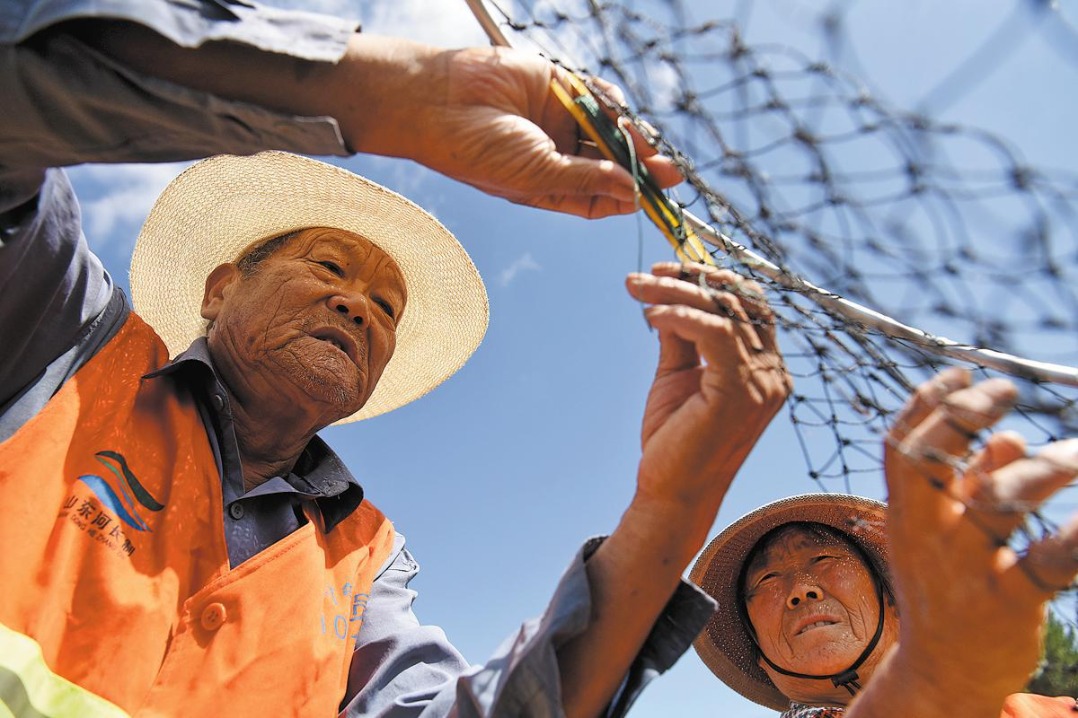
For over four decades, Song Hengchun and his family have dedicated their lives to maintaining the cleanliness of the Zhaozhuang reservoir in Dongzhaozhuang village, Yiyuan county, Shandong province. The reservoir, constructed in the 1960s, plays a vital role in irrigating local farms and sustaining surrounding communities. In the 1980s, Song, then 30 years old, left his urban job to return to his hometown and take on the responsibility of safeguarding the reservoir. His commitment soon became a family affair, with his wife and later his son joining him in this noble endeavor. Together, they conduct regular inspections of the water quality and, during flood seasons, navigate the reservoir by boat to remove debris and trash. In 2014, Song was officially appointed as the river chief, a role that further solidified his dedication to the reservoir. This past June, his son succeeded him as river chief, ensuring the family’s legacy of environmental stewardship continues for generations.
-

Farmers return to their roots to reap abundant profits
Zhaotong, a city in Yunnan province, has emerged as a beacon of rural revitalization, leveraging its unique agricultural products to drive economic growth and improve living standards. Once part of China’s 832 poverty-stricken counties, Yiliang, a county within Zhaotong, has transformed its fortunes through the cultivation of specialty crops such as gastrodia elata, apples, and Sichuan peppers. The city now leads Yunnan in agricultural output, with last year’s total value exceeding 150 billion yuan ($21.06 billion) and projected to reach 180 billion yuan this year.
-

Toxic haze in Delhi despite ‘green’ Diwali
Delhi, India’s capital, faced a severe air quality crisis following the Diwali festival, as firecrackers exacerbated the city’s already toxic atmosphere. Despite a Supreme Court directive to use less-polluting ‘green’ fireworks and restrict their use to specific time slots, residents defied the orders, bursting traditional firecrackers late into the night. On Tuesday, the Air Quality Index (AQI) in Delhi reached 360, categorizing the air as ‘very poor.’ The AQI measures PM 2.5 levels—fine particulate matter that can cause respiratory and other health issues. The World Health Organization recommends PM 2.5 levels should not exceed 15 micrograms per cubic meter over 24 hours, but Delhi’s levels were 24 times higher in some areas. The city’s pollution problem intensifies during winter due to crop stubble burning in neighboring states and low wind speeds that trap pollutants. Although firecrackers were banned in Delhi since 2020, enforcement has been lax, and traditional crackers were openly sold in shops. Critics argue that even ‘green’ crackers, which emit 20-30% fewer pollutants, still release harmful substances. Residents reported thick smog and poor visibility, with many expressing resignation over the recurring issue. Experts fear that relaxing rules around firecrackers could undermine efforts to raise awareness about air pollution dangers. Authorities have implemented measures under the Graded Response Action Plan (GRAP) to curb emissions, but the situation remains dire.
-

US chess grandmaster Daniel Naroditsky dies aged 29
The chess world is in mourning following the untimely death of Daniel Naroditsky, a renowned US chess grandmaster and online commentator, just two weeks before his 30th birthday. The Charlotte Chess Center, where Naroditsky was a cherished member, released a statement on Monday announcing his ‘unexpected’ passing, though no cause of death was disclosed. Naroditsky, affectionately known as ‘Danya’ by his online followers, was celebrated for his exceptional talent, insightful commentary, and dedication to chess education. Tributes have poured in from the US and International chess federations, as well as fellow players, including American world number two Hikaru Nakamura, who described the loss as ‘devastating.’ Naroditsky’s journey in chess began at the age of six, introduced to the game by his older brother Alan. His early talent was evident, and by 2007, he had won the under-12 boys world youth championship in Antalya, Turkey. At just 14, he authored ‘Mastering Positional Chess,’ becoming one of the youngest published chess authors. He achieved the title of grandmaster in 2013 after winning the US Junior Championship. Beyond his competitive achievements, Naroditsky made significant contributions to the online chess community, amassing nearly 500,000 YouTube subscribers and 340,000 Twitch followers. His engaging tutorials and livestreams earned him widespread admiration. In 2022, the New York Times recognized his expertise, naming him their ‘new chess columnist.’ Naroditsky’s legacy as a player, educator, and commentator will undoubtedly endure, leaving an indelible mark on the chess world.
-
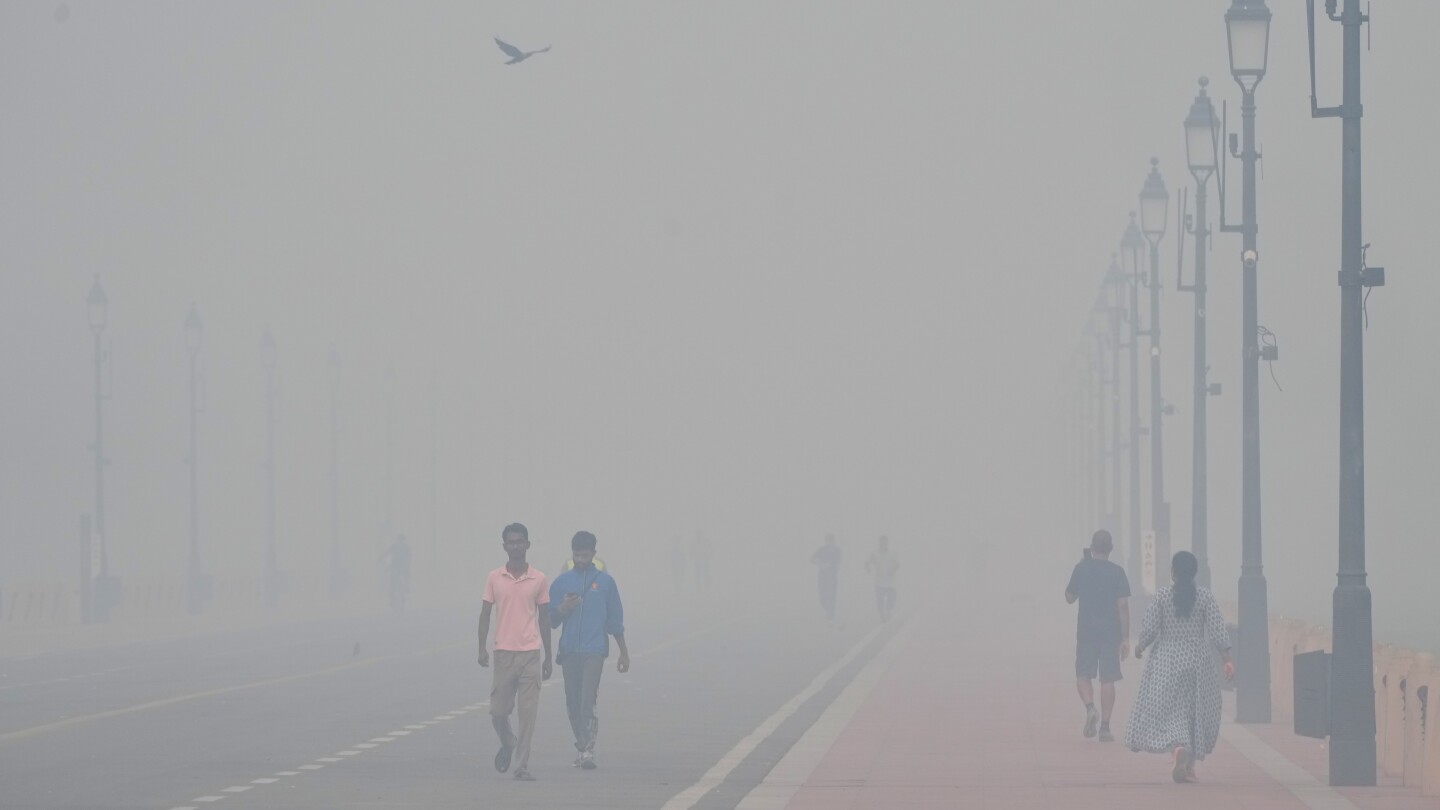
Thick smog blankets New Delhi after Diwali fireworks, pushing air quality to hazardous levels
New Delhi, India’s bustling capital, was shrouded in a thick layer of smog on Tuesday, following the vibrant celebrations of Diwali, the Hindu festival of lights. The revelry, marked by the widespread use of fireworks, exacerbated the city’s already precarious air quality, pushing pollution levels to hazardous heights. By Tuesday morning, the Air Quality Index (AQI) in several neighborhoods had soared above 350, a threshold classified as ‘severe’ by the World Health Organization (WHO), posing significant health risks to the city’s inhabitants. The dense haze reduced visibility, obscuring streets, high-rise buildings, and historical landmarks, leaving residents and tourists alike in dismay. ‘I have never seen anything like this before. We can’t see anything here because of pollution,’ remarked Vedant Pachkande, a visitor to the city. Despite the Indian Supreme Court’s recent decision to permit the use of ‘green firecrackers’—designed to reduce emissions by approximately 30%—during specific hours, the regulation was largely ignored, mirroring the pattern of previous years. New Delhi, home to over 30 million people, consistently ranks among the world’s most polluted cities, particularly during the winter months when Diwali fireworks, crop residue burning, and stagnant weather conditions converge. Authorities have implemented temporary measures, such as restricting construction activities and diesel generator usage, but environmentalists argue that long-term solutions, including cleaner energy sources and stricter vehicle emission controls, are imperative to address the annual pollution crisis. A recent study published in Scientific Reports highlighted the broader implications of rising air pollution, noting a steady decline in sunshine hours across India, which could adversely affect solar power generation, agricultural productivity, and public health.
-
Memoir by Prince Andrew’s and Epstein’s accuser reignites a scandal that long dogged UK royals
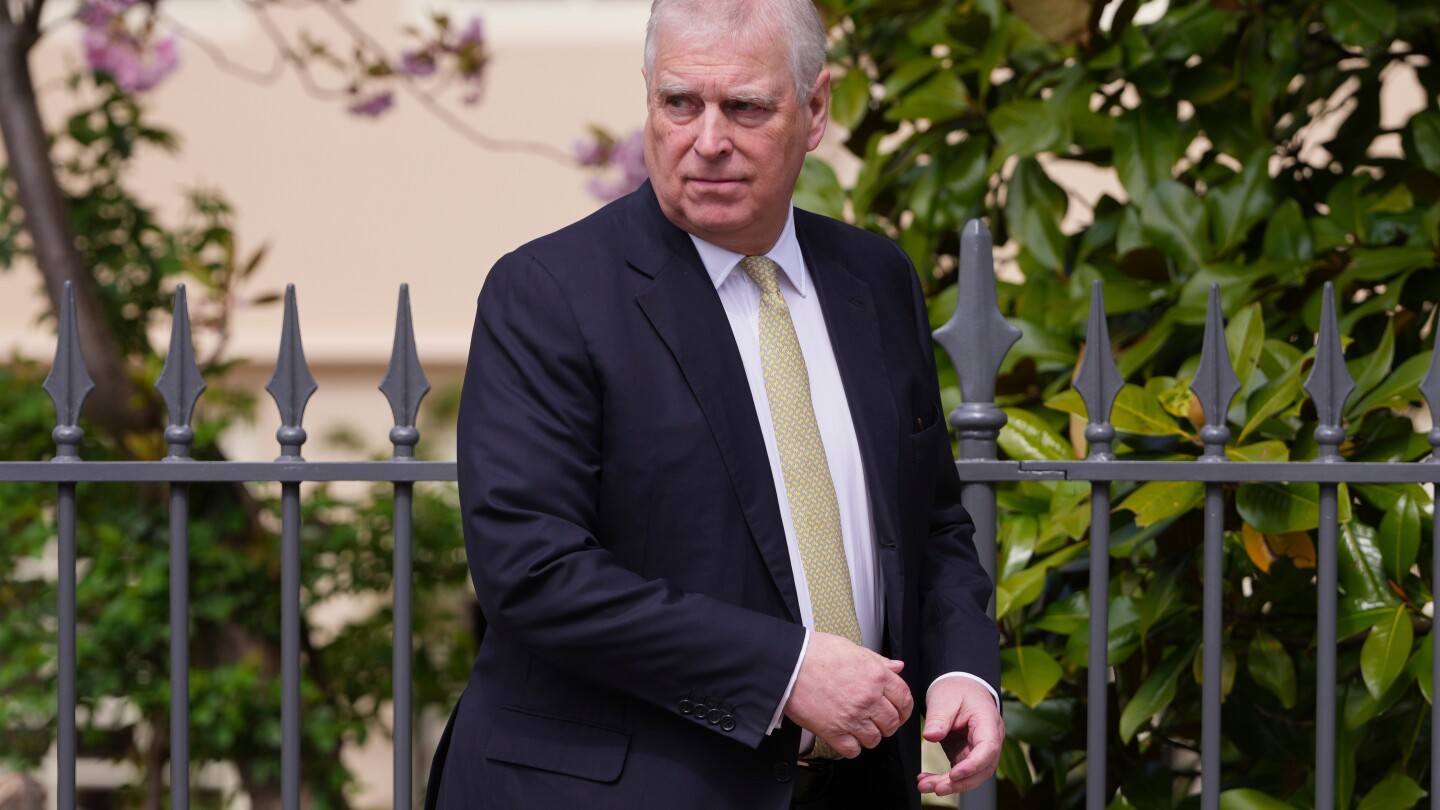
The British royal family is once again embroiled in controversy as Virginia Giuffre’s memoir, *Nobody’s Girl*, hits shelves, reigniting allegations against Prince Andrew. Published posthumously six months after Giuffre’s tragic suicide in April, the book delves into her claims of being sexually abused by Andrew while she was a minor and a victim of Jeffrey Epstein’s sex trafficking ring. Although the memoir does not introduce new evidence, it has amplified scrutiny of the prince’s actions and his ties to Epstein and Ghislaine Maxwell.
-
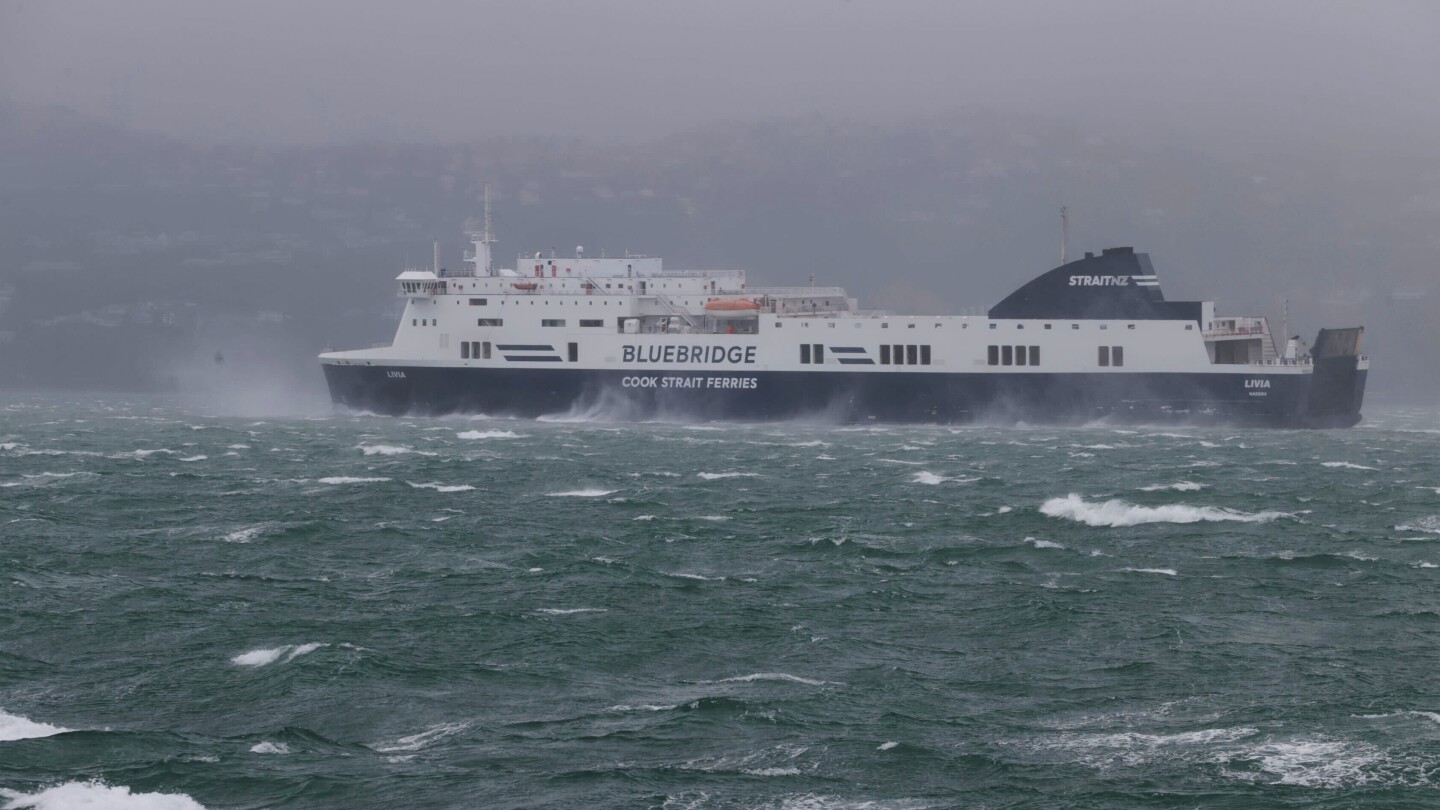
Man killed by tree branch, pedestrian blown into road as storm buffets Wellington, New Zealand
A tragic incident unfolded in Wellington, New Zealand, on Tuesday as a man lost his life after being struck by a falling tree branch amidst severe stormy weather. The victim, who was injured on Mount Victoria—a popular trail in the city—succumbed to his injuries, highlighting the dangers posed by the tempest. The storm, characterized by ferocious winds reaching speeds of up to 120 kph (75 mph) in Kelburn, wreaked havoc across the capital and neighboring regions. Wellington, already renowned for its gusty conditions, experienced winds that were exceptionally strong even by its standards. The adverse weather disrupted air travel, with flights into and out of Wellington canceled for several hours before resuming under turbulent conditions. Passenger ferry services were also suspended. Authorities issued warnings urging residents to avoid parks and reserves due to the risk of falling trees. A dashcam video captured a pedestrian being blown into the road by a powerful gust, narrowly escaping oncoming traffic. The storm’s impact extended beyond the capital, with approximately 10,000 properties in the rural Wairarapa region left without electricity. Schools and businesses in the area were forced to close for the day. The lower North Island, including Wellington, and much of the South Island were under wind or rain warnings throughout Tuesday. In Christchurch, gales disrupted flights in the afternoon. State highways on both islands faced closures due to flooding and landslides, while in Hawkes Bay, a truck was overturned by the wind, injuring one person and shutting down the road. New Zealand’s geographical location in the southern latitudes, coupled with its mountainous terrain, often leads to extreme weather conditions. MetService indicated that the storm would ease by Wednesday, but a more severe weather system was anticipated to hit on Thursday.