分类: society

  • Authorities zoom in on film piracy

    Authorities zoom in on film piracy

    Chinese authorities have initiated a comprehensive nationwide campaign targeting film piracy in anticipation of increased viewership during the upcoming Spring Festival holiday period. The multi-agency operation brings together the National Copyright Administration, China Film Administration, Ministry of Public Security, and Ministry of Culture and Tourism in a coordinated effort to combat copyright infringement across the film industry.

    The enforcement strategy employs a dual approach combining physical inspections of entertainment venues with sophisticated digital monitoring of online platforms. Primary targets include clandestine cinema recordings, unauthorized distribution channels, and the illicit trade of pirated intellectual property merchandise. Particular attention is being directed toward preventing the exploitation of minors who might be recruited for illegal recording activities.

    Beyond enforcement measures, the campaign incorporates significant educational components aimed at elevating public consciousness regarding intellectual property rights. Authorities are emphasizing the importance of industry integration and technological upgrades within the film sector to create sustainable copyright protection mechanisms.

    Recent enforcement data demonstrates the scale of the challenge: during last year’s comparable initiative, authorities disabled over 762,600 pirated movie web links and imposed restrictions on 1,667 online accounts. The current crackdown has already produced significant judicial outcomes, with twelve prominent cases highlighted as deterrent examples.

    In Zhejiang province, a criminal syndicate operating piracy websites received prison sentences ranging from three to seven years alongside substantial financial penalties. Separately, a Shanghai individual received a two-year-eight-month suspended sentence and a 1.2 million yuan fine for unauthorized distribution of more than 5.2 million copyrighted episodes. Lesser administrative punishments have been applied in cases involving the online sale of edited films through e-commerce platforms.

    This intensified anti-piracy effort reflects China’s continuing commitment to strengthening intellectual property protection frameworks and maintaining orderly market conditions within the rapidly expanding creative industries.


  • Opportunities, policies lure overseas talent back

    Opportunities, policies lure overseas talent back

    China is experiencing an unprecedented wave of overseas talent returning to the mainland, with 2025 marking a historic high in returnee employment numbers. This significant reverse brain drain phenomenon is primarily driven by China’s robust economic outlook, transformative industry upgrades, and favorable government policies targeting educated expatriates.

    According to data from Zhaopin, China’s leading recruitment platform, the number of overseas returnees seeking employment surged by 5% year-on-year in 2025, representing a remarkable 150% increase since 2018. Fresh graduate returnees demonstrated even more substantial growth, climbing 12% over the previous year and achieving a 225% expansion since 2018—reaching an eight-year peak.

    Geographic analysis reveals that approximately one-third of returnees originated from the United Kingdom, while Australia contributed around one-fifth of the total. The United States accounted for nearly 8% of returning professionals, indicating diverse global educational backgrounds among the talent pool.

    The driving forces behind this trend are multifaceted. Industry transformation toward advanced sectors has generated abundant opportunities, particularly in artificial intelligence, new energy, and high-end manufacturing. AI-related positions, such as AI product managers, witnessed explosive 178% growth in job postings during the first three quarters of 2025, accompanied by competitive compensation packages.

    Li Qiang, Vice-President of Zhaopin, highlighted that “Chinese companies increasingly value overseas educational backgrounds and language capabilities as they expand their global footprint.” Traditional strongholds for returnees—education, consultancy, and trade sectors—continue to prioritize cross-cultural communication skills and international experience.

    Emerging industries aligned with China’s ‘new quality productive forces’ initiative, including metal products and pharmaceutical manufacturing, are actively recruiting returnees to support their transition toward intelligent, environmentally sustainable operations and international market expansion.

    Returnees themselves demonstrate strong preference for cutting-edge fields with high technical barriers and global recognition. Resume submissions surged approximately 90% in new materials, 75% in robotics, and 35% in artificial intelligence sectors during 2025.

    International employment dynamics have also influenced return decisions. Shifting visa policies in some countries have intensified local job competition, while China offers stable living conditions and supportive policies including streamlined household registration (hukou) processes and entrepreneurship incentives for returnees.

    Wang Siqi, a 27-year-old who returned after postgraduate studies in the UK, exemplifies this trend: “I prefer the climate and convenient living environment here on the mainland.” Now employed at a Shenzhen consultancy firm, Wang joins numerous peers settling in major urban centers like Shanghai and Beijing.

    Professor Li Chang’an of the University of International Business and Economics cautions that while returnees bring international perspectives, they may underestimate the competitive domestic job market where elite university graduates demonstrate comparable capabilities, potentially creating adjustment challenges for returning professionals.

  • Police search Arizona home of person detained in connection to Nancy Guthrie disappearance

    Police search Arizona home of person detained in connection to Nancy Guthrie disappearance

    A significant development has emerged in the intensive search for Nancy Guthrie, the 84-year-old mother of NBC News anchor Savannah Guthrie, who was abducted from her Tucson-area residence on January 31st. Law enforcement authorities have taken an individual into custody following a traffic stop, with investigators currently executing a court-authorized search at a property in Rio Rico, Arizona.

    The case took a dramatic turn when the FBI released previously inaccessible surveillance footage showing an armed, masked individual approaching Guthrie’s doorstep on the night of her disappearance. The footage reveals the suspect tampering with the home security system, specifically using vegetation to obscure the camera lens. FBI Director Kash Patel confirmed these images were recovered after extensive forensic work on what appeared to be corrupted or compromised recording devices.

    White House involvement has elevated the case’s profile, with Press Secretary Karoline Leavitt confirming President Trump reviewed the surveillance footage and expressed ‘pure disgust’ at its contents. The President has directed federal resources to assist in the investigation, which he characterized as ‘very unusual.’

    The investigation has been complicated by the emergence of ransom notes containing specific deadlines, the most recent passing on February 9th. Medical concerns have intensified the urgency, as Guthrie requires essential medication for survival and manages chronic pain conditions. Authorities confirmed her pacemaker’s monitoring app disconnected from her phone on the night of the abduction, and forensic analysis identified her blood on the home’s porch.

    Savannah Guthrie and her siblings have maintained a relentless social media campaign, sharing emotional appeals and the newly released footage in hopes someone might recognize the distinctive movements of the masked individual. The FBI has offered a $50,000 reward for information leading to resolution in the case.

  • ‘Elderly drifters’ find homes away from home

    ‘Elderly drifters’ find homes away from home

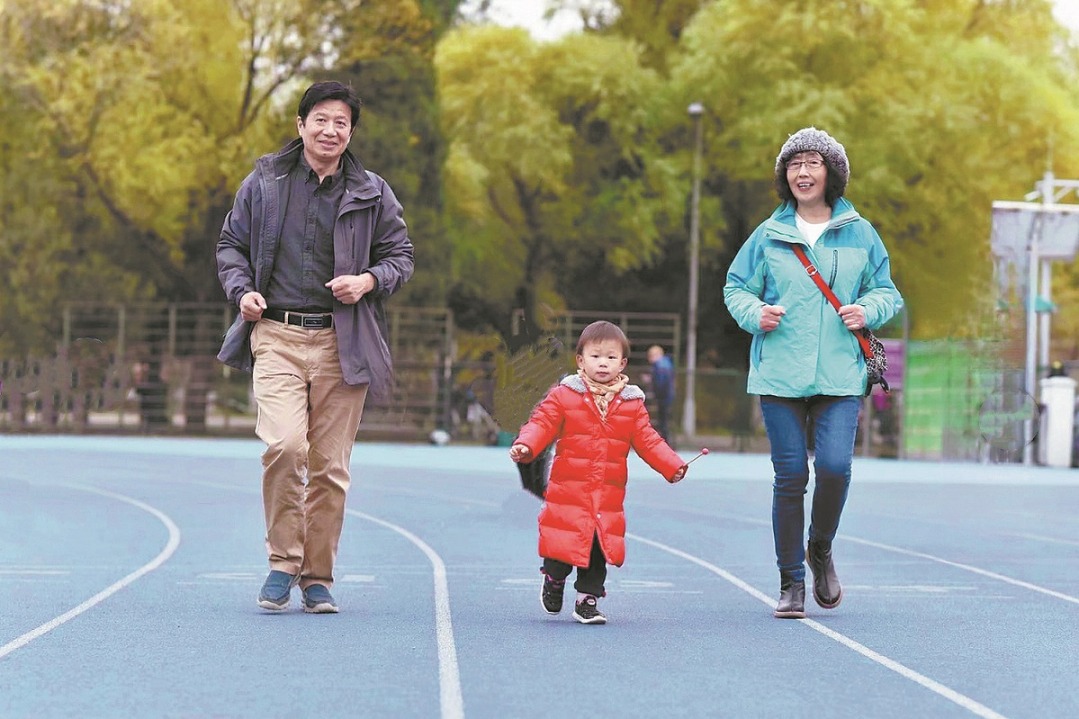
    Across China’s metropolitan centers, a significant demographic shift termed ‘Lao Piao’ (elderly drifters) is transforming urban family structures as senior citizens relocate from their hometowns to support their children’s households. This intergenerational migration pattern reflects both the evolving pressures of modern urban life and the enduring strength of family bonds in Chinese culture.

    The phenomenon particularly impacts dual-income professional couples like Wu Pei, a 33-year-old production manager in Guangzhou. Following her maternity leave in late 2021, both her mother from Anhui province and mother-in-law from Hunan province alternately provide childcare for her 4-year-old son, creating an unconventional multigenerational living arrangement that redefines traditional household dynamics.

    This living situation presents both challenges and adaptations. Generational differences in parenting approaches frequently surface, with scientific child-rearing methodologies sometimes conflicting with experience-based traditional methods. Disagreements may emerge regarding daily routines, nutritional preferences, or disciplinary measures, creating a complex negotiation of values within the household.

    Remarkably, these elderly drifters demonstrate extraordinary adaptability. Wu’s 65-year-old mother pursued formal childcare education during her retirement, obtaining professional certification, while her 63-year-old mother-in-law mastered contemporary nutritional cooking techniques specifically for her grandson. These efforts represent not merely practical adjustments but profound commitments to family welfare.

    ‘The willingness of our parents’ generation to continuously learn and adapt at their stage of life is both humbling and inspiring,’ Wu acknowledged. ‘Their dedication generates immense gratitude while simultaneously highlighting the substantial personal sacrifices they make—abandoning familiar communities, social networks, and comfortable routines to support our family.’

    A critical incident underscored their indispensable role when Wu’s son developed a high fever during both grandmothers’ temporary absence. The couple’s struggle to manage the situation alone revealed their fundamental dependence on this intergenerational support system. ‘That nighttime emergency made us confront the reality that without their assistance, managing childcare alongside professional responsibilities would be overwhelmingly difficult,’ Wu confessed.

    This urban phenomenon reflects broader socioeconomic transformations including rising living costs, intense workplace pressures, and inadequate public childcare infrastructure, compelling many families to rely on intergenerational solutions that reshape urban demographics and family relationships across China.

  • Chewy rice cakes embody wishes for good fortune

    Chewy rice cakes embody wishes for good fortune

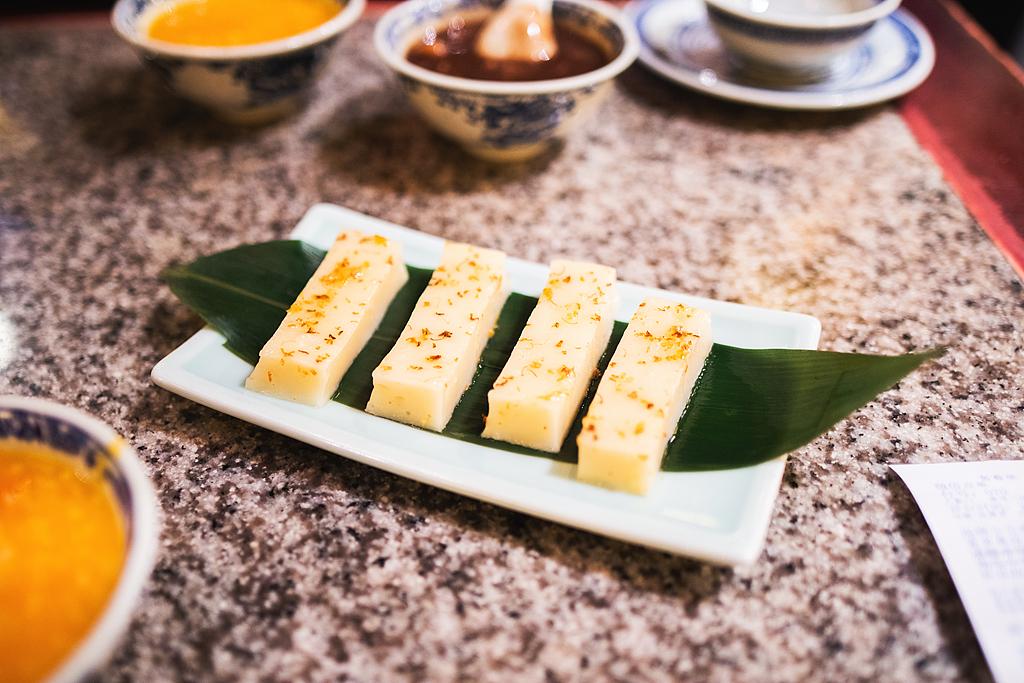
    Across Chinese households during Lunar New Year celebrations, kitchen counters transform into miniature exhibitions of edible art. Fish-shaped creations appear mid-swim, golden ingots sit plumply arranged, and symbolic “gold bricks” stand prominently at the center of festive platters. These are not mere decorations but nian gao—traditional Chinese rice cakes—each carefully crafted form representing deeply encoded wishes for prosperity and abundance.

    For countless generations, these chewy rice cakes have served as the most tangible expression of hope for the coming year. The phrase “nian nian gao”—meaning “rising higher year after year”—transcends verbal expression to become something molded, steamed, and shared among families. What begins as simple grains transforms into edible blessings that can be touched, tasted, and remembered.

    The historical significance of nian gao stretches back millennia, when sticky grain cakes were originally prepared as ritual offerings to ancestors and prayers for bountiful harvests. Over centuries, as the word “gao” (cake) came to phonetically echo “gao” (high), these rice cakes developed their enduring association with progress and aspiration.

    Regional variations showcase remarkable diversity in preparation techniques and flavors. In northern China, yellow millet and glutinous rice combine to create firm cakes that release a toasted aroma when pan-fried. Southern regions prefer pure glutinous rice stone-ground into fine paste, producing snow-white cakes adaptable to both sweet and savory dishes.

    Linhai, a county-level city in Zhejiang province’s Taizhou region, preserves particularly ancient methods with its hand-pounded nian gao. Using a dry-grinding technique without added water or auxiliary ingredients, artisans repeatedly pound rice with traditional tools. “Each round of pounding is followed by meticulous inspection,” explained Li Xiaohui, brand director of Qianli Taizhou Yushi restaurant. “The result retains the pure aroma of the grain while achieving remarkable chewiness and elasticity.”

    This contrasts with Ningbo’s water-ground rice cakes (softer and smoother) and Suzhou’s varieties often enriched with pork lard. Together, these differences reflect the rich diversity of Jiangnan food culture.

    Beyond technical variations, nian gao preparation has historically served as communal ritual. As Spring Festival approached, neighbors traditionally gathered to help pound rice cakes together, transforming food preparation into shared celebration. Though such scenes have become less common today, the symbolism of reunion remains deeply ingrained in the tradition.

    Contemporary preparations continue to honor seasonal rhythms and respect for original flavors. Steamed nian gao paired with traditional Taizhou handmade brown sugar offers winter warmth and simplicity. Stir-fried with pickled mustard greens, it becomes a popular staple, while braised with East China Sea yellow croaker showcases coastal bounty with fish juices coating the chewy cake.

    As modern lifestyles increasingly favor ready-made options, many families still participate in making nian gao during the twelfth lunar month. The process remains slow, the techniques familiar, and in kitchens across China, this ancient practice quietly carries forward the hopes of generations.

  • Anti-drug activist campaigns in French election despite threats, 2 brothers lost to gang violence

    Anti-drug activist campaigns in French election despite threats, 2 brothers lost to gang violence

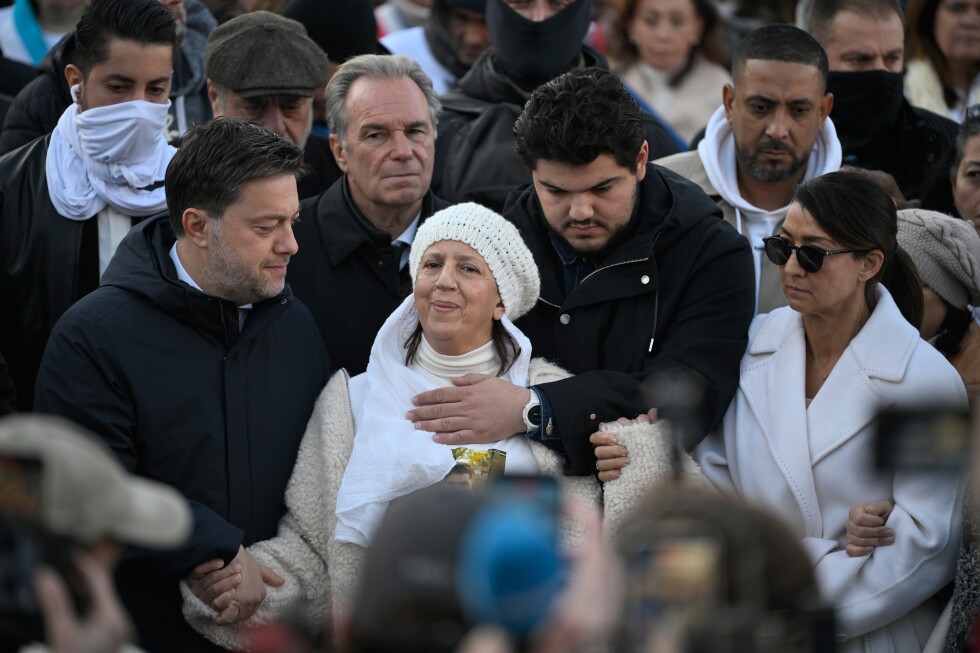
    In the gritty housing projects of Marseille, a 22-year-old activist is challenging the narcotics empires that control his community while mourning the loss of two brothers to drug-related violence. Amine Kessaci, son of Algerian immigrants, has become the face of resistance against organized crime in France’s second-largest city, where he’s running in municipal elections on an uncompromising anti-drug platform.

    Kessaci’s personal tragedy fuels his political mission: his older brother Brahim was found burned in a car in 2020, and his younger brother Mehdi was killed just three months ago in what authorities believe was a targeted hit to intimidate the activist. Despite receiving death threats and requiring constant police protection—including wearing a bulletproof vest at his brother’s funeral—Kessaci refuses to be silenced.

    The Frais Vallon housing project where Kessaci grew up exemplifies Marseille’s struggle: 6,000 residents living in 1960s-era concrete towers controlled by drug gangs, representing some of France’s most crime-ridden neighborhoods. Here, Kessaci founded the nonprofit ‘Conscience’ at age 17 to support families affected by drug violence.

    France faces escalating narcotics problems, with cocaine trafficking at historic highs and 110 drug-related homicides recorded in 2024 alone. Particularly alarming is the recruitment of minors—19% of drug trafficking suspects were teenagers in 2023, some as young as 12. The Interior Ministry reports teenagers constituted a quarter of murder and attempted murder arrests in 2024.

    Kessaci, now a law student, advocates a dual approach: strengthening police presence while addressing root causes through education, job training, and urban renewal. He proposes doubling Marseille’s police force to 1,600 officers and establishing local precincts in every district. His platform also includes practical improvements like replacing mobile dumpsters with fixed bins to eliminate barriers drug gangs use to block access.

    Running on outgoing left-wing mayor Benoît Payan’s ticket, Kessaci distinguishes his grassroots approach from far-right solutions, focusing on community empowerment rather than mere enforcement. He aims to dismantle what he calls ‘narcocracy’—the systemic power drug traffickers wield over neighborhoods through intimidation and economic coercion.

    Despite recent security improvements (homicides dropped from 49 to 24 between 2023-2024), Kessaci remains determined: ‘In this campaign, my only enemy is drug trafficking.’ His candidacy represents a new generation’s attempt to reclaim their communities from the violent grip of organized crime.

  • Shaheen Malik: An acid attack survivor’s fight for justice and dignity

    Shaheen Malik: An acid attack survivor’s fight for justice and dignity

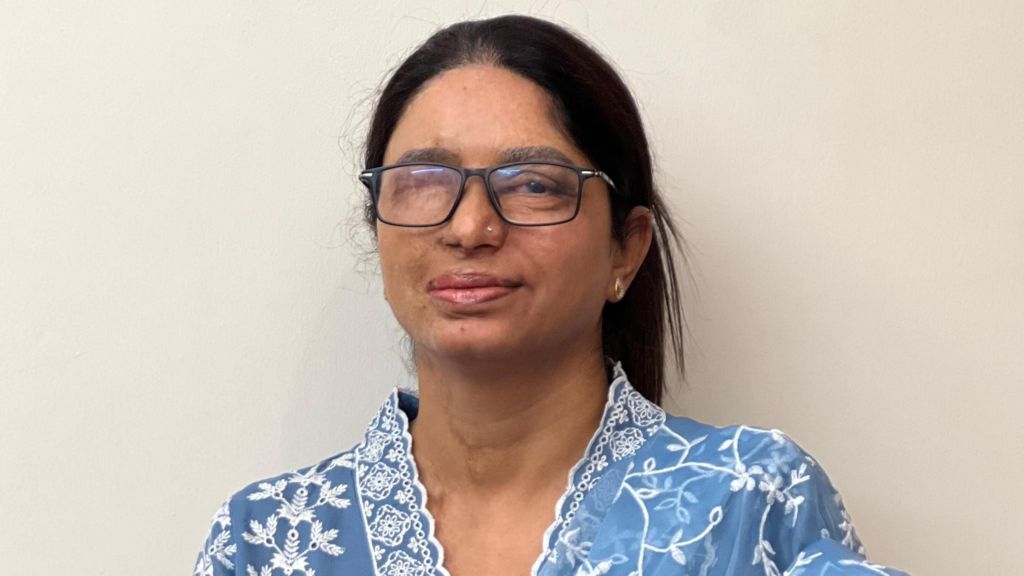
    In a courageous fight against systemic injustice, Indian acid attack survivors are confronting legal limitations and deep-rooted social stigma. Shaheen Malik, a prominent disability rights activist who has endured 25 surgeries since her 2009 attack, leads this battle through her Brave Souls Foundation.

    The critical legal gap centers on India’s 2016 Rights of Persons with Disabilities Act, which currently recognizes only survivors with visible disfigurement from externally applied acid. This exclusion leaves victims like Ruman (name changed), who was forced to ingest acid during domestic violence in 2019, without access to compensation and rehabilitation benefits. At 28 years old, Ruman weighs merely 21kg due to severe internal injuries and requires constant medical supervision.

    Malik’s petition to the Supreme Court in December seeks to amend this legislation to include internal injuries from forced acid ingestion. “For these survivors,” Malik explains, “the disfigurement is internal but their lives are extremely challenging as they struggle to breathe, speak and swallow despite numerous surgeries.”

    The legal landscape remains grim. Conviction rates in acid attack cases are alarmingly low, with National Crime Records Bureau data showing only 43 of 703 pending cases disposed in 2023, resulting in just 16 convictions. Meanwhile, reported cases have increased from 176 in 2021 to 207 in 2023.

    In a significant development, the Supreme Court recently directed all states to provide yearly reports on acid attacks, case dispositions, and rehabilitation schemes. The court strongly condemned these attacks and called for extraordinary measures including auctioning attackers’ assets to compensate victims and shifting the burden of proof onto the accused.

    Despite legal mandates requiring free treatment, survivors face practical barriers. “Many private hospitals refuse admission without court orders,” Malik reports, “and even then, treatment is often delayed or discontinued midway.”

    Social isolation compounds these challenges. Survivors face discrimination in housing and daily life, with many landlords refusing to rent properties due to superstitions or discomfort with visible scars. Malik herself currently struggles to find new office space for her foundation amid this prejudice.

    Through the Brave Souls Foundation, established with fellow survivor Laxmi Agarwal in 2021, approximately 50 survivors receive shelter, legal aid, and economic support. The organization serves as a critical lifeline for those shunned by society and their families.

    Malik, despite recently facing the acquittal of her own attackers after a 16-year legal battle, remains determined: “I fought for justice for myself. But now I’m fighting for other survivors. I want my case to be an example that perpetrators won’t walk free.”

  • Gaza’s displaced girls channel war pain through boxing in makeshift ring

    Gaza’s displaced girls channel war pain through boxing in makeshift ring

    In the sprawling displacement camps of southern Gaza, an unconventional form of therapy is taking root amid the rubble of conflict. Dozens of young Palestinian girls, aged 8 to 19, are channeling their wartime trauma through disciplined boxing training in a remarkably improvised athletic facility.

    Osama Ayub, a former boxing coach whose Gaza City club and home were obliterated during the Israel-Hamas conflict, has established a unique sanctuary for displaced youth. Now residing in Khan Yunis, Ayub conducts free training sessions three times weekly for 45 aspiring boxers, using equipment crafted from scavenged materials. The training ring, constructed from wooden planks without protective mats or safety measures, stands as a testament to both resourcefulness and desperation.

    ‘These girls carry profound psychological wounds from continuous bombardment and personal loss,’ Ayub explained. ‘Through boxing, they discover an emotional outlet to express their pent-up pain and frustration.’ The sessions provide crucial psychological relief for children who have endured unimaginable trauma, with many having lost family members and homes.

    Among the participants, 14-year-old Ghazal Radwan aspires to become an international champion who will ‘raise the Palestinian flag worldwide.’ Her teammate Rimas, 16, continues training despite the ongoing conflict, though she acknowledges the severe equipment shortages: ‘We train on sand and need proper gloves, shoes, and punching bags.’

    The initiative faces substantial challenges due to Israel’s strict blockade on Gaza, which severely restricts construction materials and sports equipment. Building supplies are routinely denied entry by Israeli officials, complicating even basic facility maintenance. In January, Palestinian authorities reported that Israel blocked a shipment of artificial turf donated by China for sporting facilities.

    Ayub has appealed to the international community for support, emphasizing that proper training equipment and opportunities for international competition would provide vital psychological reinforcement for Gaza’s traumatized youth. The boxing program represents one of many grassroots efforts emerging across Gaza to address the massive mental health crisis among children affected by prolonged conflict and displacement.

  • Palestinian citizens of Israel rally against state inaction as crime surges

    Palestinian citizens of Israel rally against state inaction as crime surges

    Thousands of Israeli citizens of Palestinian descent converged on Jerusalem in a motorized procession this Sunday, staging one of the largest demonstrations in recent history to protest escalating violent crime and perceived state indifference toward their communities. The protest marks the culmination of weeks of nationwide activism that began last month in Sakhnin and Tamra before gaining momentum across the country. Last week’s gathering in Tel Aviv drew approximately 100,000 participants—an unprecedented mobilization highlighting the community’s growing desperation.

    The crisis has reached alarming proportions with at least 36 Palestinian citizens of Israel killed in crime-related incidents since January, maintaining a near-daily fatality rate. This disturbing trend follows 2025’s record violence that claimed 252 lives across 218 separate incidents according to monitoring by the Abraham Initiatives NGO. Criminologist Dr. Walid Haddad notes that fatalities have quadrupled over the past decade, with 2016 recording approximately 50 victims compared to projections exceeding 300 this year.

    Protesters and experts alike accuse Israeli authorities of systematic neglect and discriminatory enforcement. They argue that law enforcement agencies respond decisively to criminal networks in Jewish communities while demonstrating ineffective interventions in Palestinian areas. National Security Minister Itamar Ben Gvir—previously convicted of inciting racism against Arabs—has overseen continued violence since assuming office in 2023. The community also recalls former police commissioner Kobi Shabtai’s controversial 2023 statement suggesting crime in Arab communities was “in their nature.”

    Beyond organized crime, many perceive the violence as part of broader systemic discrimination. Palestinian citizens of Israel—descendants of those who remained after the 1948 Nakba—constitute approximately 20% of Israel’s population yet face decades of discriminatory practices. During Israel’s recent military operations in Gaza, expressions of solidarity were heavily restricted, and historical precedents show violent state responses to Palestinian protests.

    Human rights advocate Ahmed Khalifa describes the situation as “deliberate negligence” aimed at internally dismantling the community. Rawyah Handaqlu, founder of the Center for Advancing Security in Arab Society, warns that the crisis threatens to displace families seeking safety, potentially creating lasting social fragmentation. As armed gangs operate with impunity and illegal weapons proliferate, many neighborhoods have transformed into virtual battlefields, forcing citizens to confront both criminal elements and what they perceive as institutional complicity.

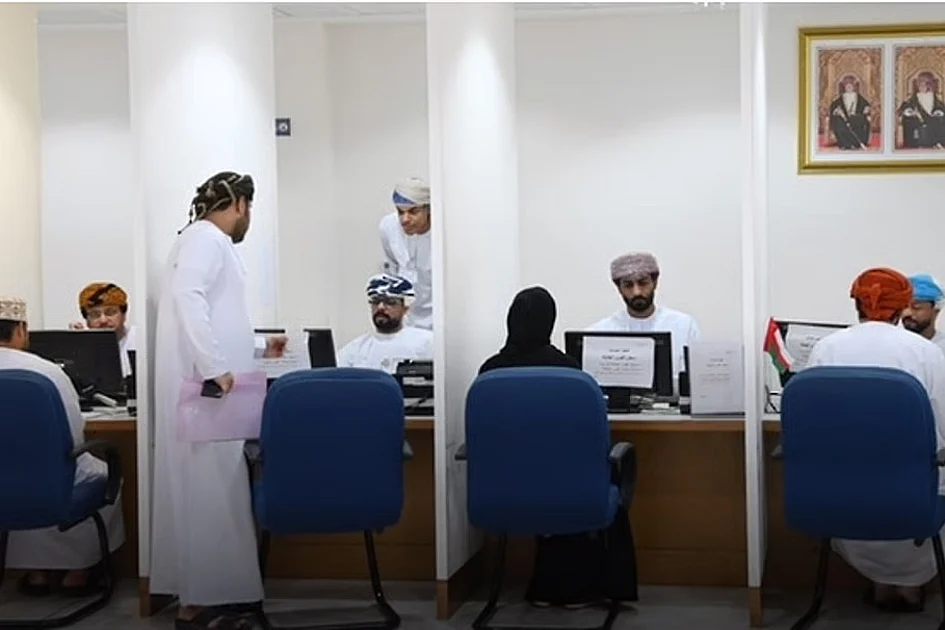
  • Oman announces working hours of public, private sector employees in Ramadan

    Oman announces working hours of public, private sector employees in Ramadan

    The Sultanate of Oman has officially unveiled its revised work schedule for both public and private sector employees in anticipation of Ramadan 2026. The holy month is projected to commence on either February 18 or 19, contingent upon the sighting of the crescent moon on February 17.

    In alignment with practices across the Muslim world, which commonly adjust professional schedules to accommodate spiritual observances and family time during fasting, Oman has implemented specific guidelines. For administrative personnel within the State apparatus, the official daily work period will be condensed to five hours, effective from 9:00 AM to 2:00 PM.

    Entities operating under a flexible hours system will grant unit heads the autonomy to designate employee attendance and departure times. This scheduling must align with operational requirements, with a permissible window spanning from 7:00 AM to 3:00 PM. Work hours will be calculated based on actual attendance.

    Regarding remote work arrangements, unit leaders are authorized to select employees eligible for telecommuting, ensuring no disruption to workflow. A mandatory stipulation requires that at least 50% of the total workforce be physically present at their workplaces at any given time.

    A significant directive for the private sector mandates a reduction to a maximum of six working hours per day for Muslim employees. This translates to a weekly cap of 30 hours for the duration of Ramadan, facilitating greater participation in religious and familial activities.