分类: society

  • China unveils regulation on water supply

    China unveils regulation on water supply

    The Chinese government has enacted landmark legislation to standardize water supply management nationwide. Premier Li Qiang formally signed the State Council decree on February 14, 2026, establishing a comprehensive regulatory framework that will become effective on June 1, 2026.

    This significant policy development addresses growing concerns about water security and resource management amid increasing urbanization and climate challenges. The regulation establishes uniform standards for water quality monitoring, infrastructure maintenance, and service delivery across China’s diverse regions.

    Government officials indicate the legislation will prioritize sustainable water resource allocation, emergency response protocols for supply disruptions, and transparency requirements for water quality reporting. The framework specifically addresses needs in both densely populated urban centers and rural communities where water access has historically been inconsistent.

    Environmental experts have welcomed the regulation as a critical step toward addressing water scarcity issues that have emerged in northern regions and seasonal drought-affected areas. The legislation also establishes accountability mechanisms for water management authorities and outlines public participation processes for community input on water resource decisions.

    Implementation will involve coordinated efforts between national ministries, provincial governments, and municipal authorities to ensure compliance with the new standards. The regulation represents China’s most comprehensive effort to date to create a unified national approach to water supply management and conservation.

  • Flipped in Hainan: Embrace a better you

    Flipped in Hainan: Embrace a better you

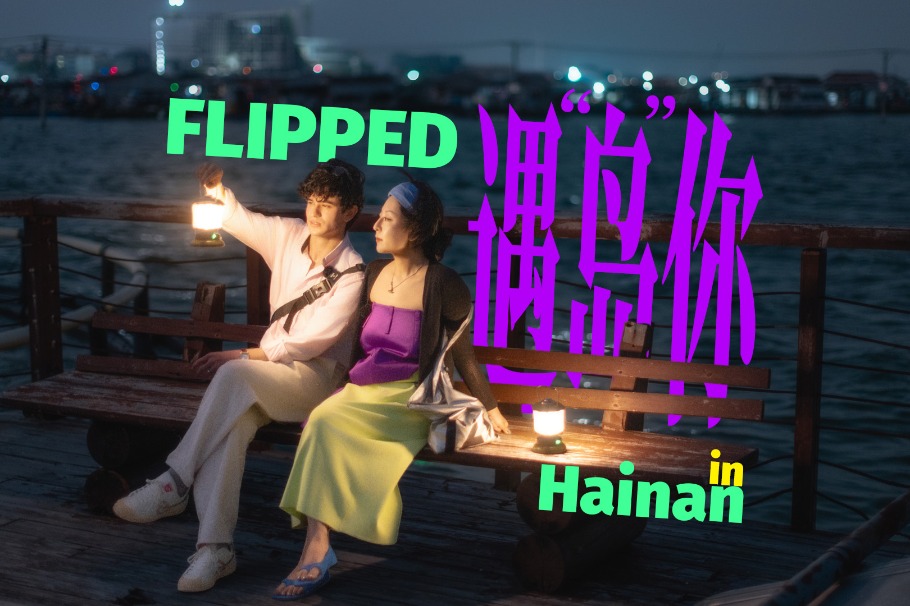
    Amidst the tranquil landscapes of Hainan, a chance encounter unfolds into a profound journey of self-discovery. Two strangers find themselves walking along the island’s pristine shores, where the rhythmic cadence of rising and falling tides provides the soundtrack to their connection. Under the expansive tropical sky, their conversations weave through moments of laughter and quiet contemplation, creating a tapestry of shared experience that lingers long after their paths diverge.

    The island’s unhurried pace stretches days into a soothing balm for the soul, blurring the lines between what transpired and what might have been. Her voice remains etched in memory, carrying the gentle resonance of ocean waves that accompanied their time together. Though she remains on the island, it is not in anticipation of another’s return, but rather because Hainan has revealed itself as a sanctuary where one might naturally choose to extend their stay.

    As the Year of the Horse approaches with its symbolic energy for movement and progress, the narrative turns to the broader journey ahead. This Hainan interlude becomes a metaphorical crossroads where travelers are encouraged to embrace the road forward with renewed purpose. The island experience serves as a catalyst for personal growth, inviting all who visit to discover enhanced versions of themselves through the transformative power of place and human connection.

  • Rio Carnival street party dogs parade as humans protest against pet killers

    Rio Carnival street party dogs parade as humans protest against pet killers

    RIO DE JANEIRO — In a vibrant display of compassion and celebration, hundreds of dog owners transformed a traditional Carnival street party into a powerful demonstration against animal cruelty this Saturday. The event, known as “Blocao” (a portmanteau of “bloco” meaning street party and “cão” meaning dog in Portuguese), saw approximately 300 participants and their creatively costumed pets gather in Barra da Tijuca neighborhood.

    Despite Rio’s scorching 30°C (86°F) temperatures, organizers implemented extensive protective measures for the canine attendees. Paws were shielded from hot pavement, hydration stations provided continuous refreshment, and shaded areas ensured comfort throughout the two-hour celebration. The dogs—adorned as alligators, fairies, and superheroes—wagged their tails to samba rhythms while enjoying special breakfast bowls and making new furry friends.

    The gathering took on profound significance as participants waved white ribbons and performed musical tributes to Orelha, a dog whose brutal killing in southern Brazil January sparked national outrage. A 15-year-old has been charged in the case, which remains pending in the juvenile justice system.

    Marco Antonio Marinho, 72, the event’s chief organizer, emphasized the deep bond between pets and families: “Dogs are integral family members who share our emotions—when we’re sad, they comfort us; when we celebrate, they deserve to join our happiness.” The sentiment resonated with attendees like Natalia Reis, 28, who attended with her 11-year-old dog Theo, expressing that Orelha’s tragedy “could have happened to any of us.”

    Now in its twentieth year, Blocao traditionally featured street parades but adapted to stationary celebrations to prioritize animal safety. Passing motorists honked in support of the demonstration, highlighting growing public awareness about animal welfare issues in Brazilian society.

  • Family reunion turns tragic as Indian toddler visiting father in UAE dies in accident

    Family reunion turns tragic as Indian toddler visiting father in UAE dies in accident

    A heartrending incident in Sharjah’s Muweilah area has cut short what was meant to be a joyous family reunion, claiming the life of a 19-month-old Indian toddler. The child, who had arrived in the United Arab Emirates just one month earlier with his mother to visit his father, tragically died after being struck by a vehicle on Wednesday evening.

    The accident occurred approximately at 7 PM while the boy was walking with his mother beneath their residential building. According to family friend M.K., a colleague of the father, the mother was momentarily disposing of garbage when the child abruptly broke free and darted onto the roadway. The driver of the approaching vehicle was unable to stop in time to prevent the collision.

    The father, employed as a salesperson at a local company and originally from Kerala, India, was working in Qusais at the time of the incident. Despite the challenging evening traffic between Dubai and Sharjah, he immediately coordinated with colleagues to transport the child to medical facilities. Emergency services rushed the toddler to the hospital, but medical intervention proved unsuccessful.

    Local authorities demonstrated exceptional compassion by expediting administrative procedures, enabling the family to conduct burial services following Asr prayers in Dubai on Thursday. The funeral proceedings were marked by profound grief, with the mother collapsing upon viewing her son’s body and the father comforting her through shared anguish.

    The couple, who had welcomed their only child after six years of marriage, had anticipated this reunion as a celebration of family togetherness. The father had specifically taken time off work to greet his wife and son upon their arrival at Abu Dhabi International Airport just weeks earlier.

    Following the funeral, the grieving parents returned to their hometown in Kerala. Their employer has offered unlimited leave and comprehensive support, emphasizing the community’s commitment to helping the family navigate this profound loss. Friends report that the mother is gradually showing signs of emotional recovery through ongoing communication with supportive networks.

  • Spring Festival joy takes over Hainan

    Spring Festival joy takes over Hainan

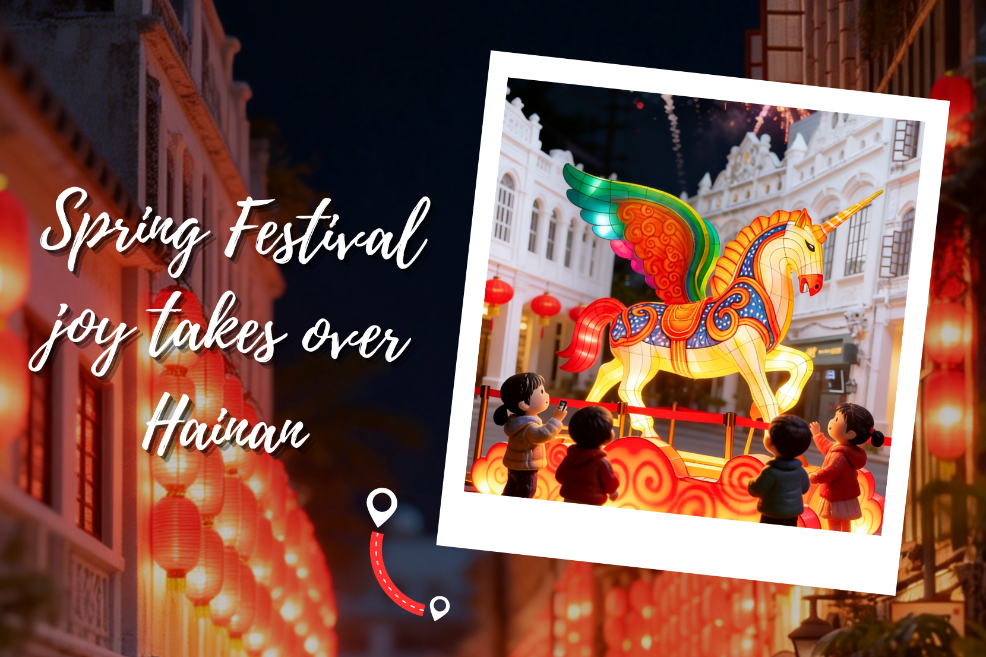
    Hainan Province has transformed into a spectacular showcase of cultural jubilation as Spring Festival celebrations engulf the tropical island in a wave of traditional merriment. The Chinese New Year period has ignited an atmosphere of collective excitement across Hainan, with every region demonstrating unique festive expressions that highlight both ancient customs and contemporary celebrations.

    The island’s public spaces and communities have become living canvases of cultural display, where residents and visitors alike immerse themselves in the rich tapestry of Lunar New Year traditions. From vibrant street decorations to community gatherings, Hainan radiates with the distinctive energy that characterizes China’s most significant annual festival.

    This year’s celebrations carry particular significance as they represent the first major festive period following recent tourism infrastructure developments across the province. The festivities not only honor traditional Chinese cultural heritage but also demonstrate Hainan’s growing prominence as a premier destination for experiencing authentic Chinese celebrations amidst its tropical landscape.

    The provincial government has coordinated numerous public events and cultural exhibitions that showcase the diversity of Spring Festival traditions while incorporating Hainan’s distinctive local characteristics. These celebrations have fostered a strong sense of community optimism and shared hope for prosperity in the coming lunar year, reflecting the universal themes of renewal and family unity that define the Spring Festival experience across China.

  • Ramadan 2026: Karama’s street food festival back with 100 restaurants, Dh5 dishes

    Ramadan 2026: Karama’s street food festival back with 100 restaurants, Dh5 dishes

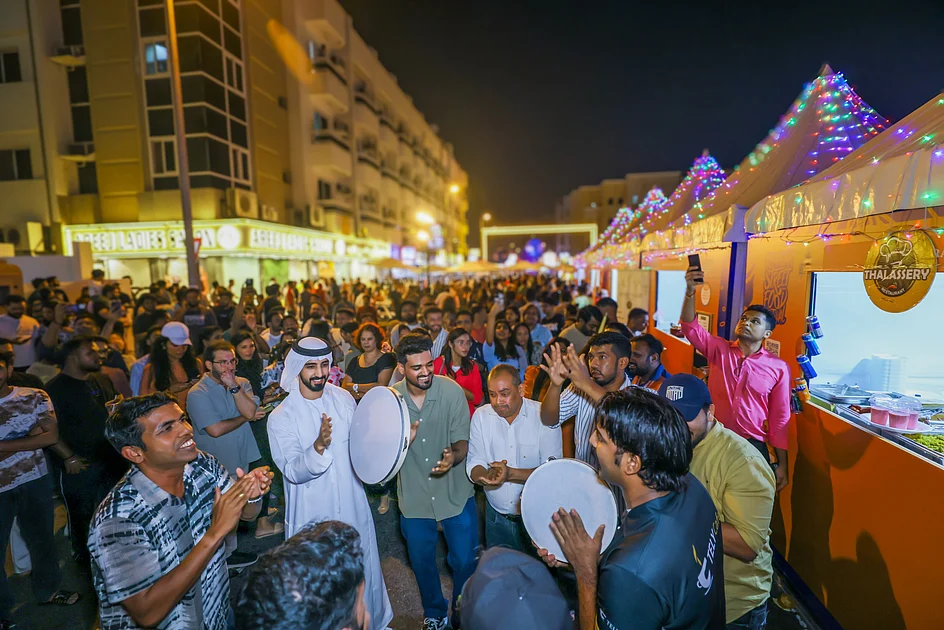
    Dubai’s Sheikh Hamdan Colony in Karama is set to undergo a remarkable transformation during Ramadan 2026, evolving into an expansive open-air culinary destination for the fourth annual Ramadan Street Food Festival. Scheduled from February 19 to March 18, this beloved community event promises an enhanced experience with unprecedented scale and diversity.

    The festival will unfold across two distinct zones—Flavour Lane and Culinary Crossroads at Karama Park—connected by an immersive food trail that invites exploration. This year’s edition introduces several innovative elements including communal long-table iftars, mobile entertainment units, and a dedicated carnival zone designed for family enjoyment. Organizers anticipate welcoming over 70,000 visitors throughout the holy month.

    Accessibility remains central to the festival’s ethos, with free admission and dishes starting at just Dh5. The culinary offerings span global street food traditions, featuring everything from aromatic biryanis and savory beef tapioca to fresh samosas, pickled mangoes, passionfruit juices, and traditional Sulaimani tea.

    The event will operate in two distinct phases: initial restaurant decorations from February 19-28, followed by a full carnival activation from March 1 featuring live musicians, LED stilt walkers, and main stage programming. Evening performances will include MC-led storytelling, children’s entertainment, and cultural music from 9:15 PM until 11:00 PM on weekends.

    A highlight of this year’s programming includes 18 community iftar gatherings with capacity for 150 participants each, operating on a first-come, first-served basis. Additional Friday long-table dinners will encourage intercultural dialogue and community bonding among residents and visitors.

    Cultural immersion continues with roaming artisans practicing Arabic calligraphy, henna application, and live caricature drawing from March 1 onward. Between 9:30 PM and 10:00 PM nightly, the festival grounds will come alive with tanoura dancers, jugglers, mascots, and human statues moving through the crowds.

    The festival forms part of the broader ‘Ramadan in Dubai’ program under the ‘Season of Wulfa’ initiative, which coordinates cultural experiences across the emirate including Ramadan by the Bay, Ramadan Reflections, and Hai Ramadan at Expo City Dubai. These citywide activations collectively create an atmosphere of reflection, connection, and cultural celebration throughout the holy month.

  • How UAE’s ‘Madbasa’ traps heat in windowless room to create date syrup with no machine

    How UAE’s ‘Madbasa’ traps heat in windowless room to create date syrup with no machine

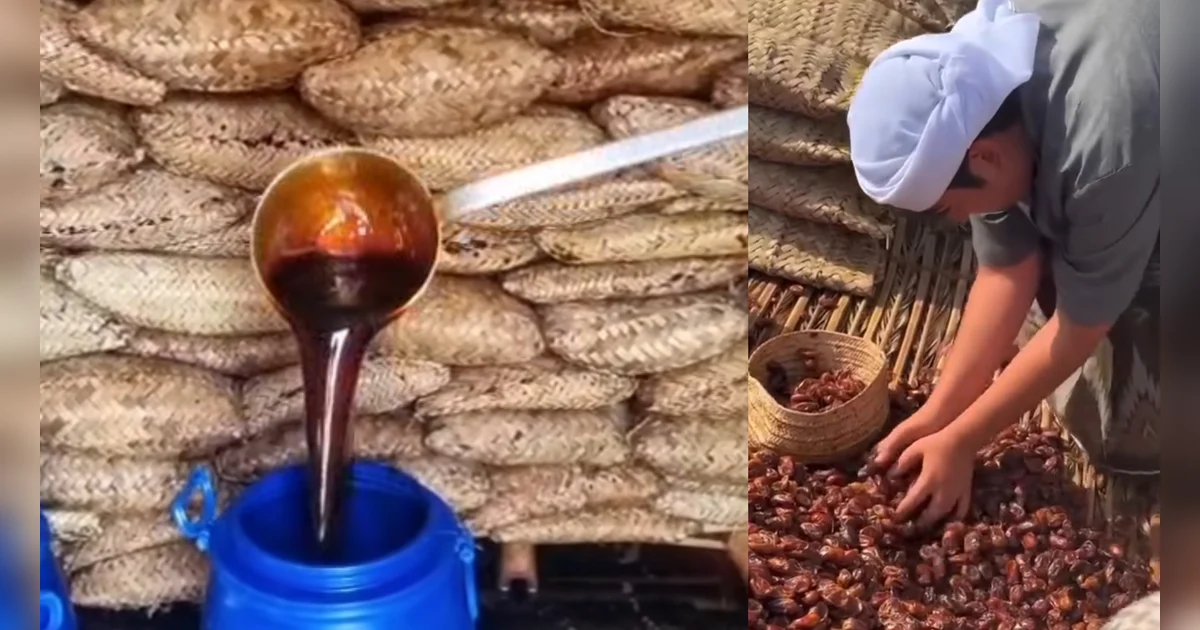
    Across the Emirates, from Ras Al Khaimah to Fujairah, a centuries-old culinary tradition is being meticulously preserved by passionate elders who serve as living bridges to the UAE’s rich heritage. The ancient ‘Madbasa’ technique—a remarkable example of pre-industrial food preservation—transforms sun-ripened dates into rich, golden syrup known as ‘dibs’ through nothing more than trapped summer heat and gravitational pressure.

    This sustainable practice represents a masterpiece of traditional engineering. The Madbasa itself is a sealed, windowless chamber specifically designed to maximize thermal retention while excluding dust. Constructed originally from gypsum and Jandal wood (with modern adaptations using cement and tile), these specialized rooms function as natural hydraulic presses where woven palm-frond sacks (Yirab) or pottery containers (Khurus) filled with dates are carefully stacked.

    The meticulous process begins long before the dates enter the Madbasa. During the ‘Al-Mistah’ preparation phase, harvested dates are sun-dried and sorted, with only specific high-syrup varieties selected for production. “The dates must be ripe. They must be dry,” emphasizes 83-year-old Salem bin Abdulla Al Shamsi of Ras Al Khaimah, who has dedicated decades to preserving this method at his son’s farm.

    Inside the Madbasa, the stacked date-filled sacks undergo a 90-day transformation where intense heat and immense pressure work in concert to naturally extract the dense syrup. The chamber’s ingeniously designed floor features indented channels that guide the flowing dibs to a collection pit (jabia) traditionally lined with leak-proof clay.

    The resulting syrup possesses exceptional density and richness—darker and thicker than conventional honey—with a container holding 3kg of water capable of containing 4.5kg of this artisanal product. “The drier the dates, the greater the thickness,” Al Shamsi notes, highlighting the precise science behind this traditional craft.

    For heritage experts like Ali Al-Dhanhani of Dibba Al Fujairah—an award-winning farmer and cultural ambassador—the Madbasa represents more than food production; it serves as a living classroom connecting generations. “This is our environment and our homeland, and it is our duty to preserve these treasures,” Al-Dhanhani states, describing how he involves children and relatives in the annual September harvest tradition.

    Historically, dibs served as a vital nutritional resource and natural sweetener in the Emirati diet, featuring prominently in dishes from Luqaimat dumplings to Khameer bread. In an era before refrigeration, this method ensured year-round food security while embodying principles of community sharing—families often collectively maintained Madbasa facilities with strict hygiene protocols requiring foot washing before entry.

    Despite commercial factory production now available, traditional practitioners like Al Shamsi maintain small businesses selling artisanal dibs in jars ranging from 1.5kg to 4kg. Through their dedication, these cultural guardians ensure that this sweet embodiment of Emirati heritage continues to flow for generations to come.

  • A taste of tradition: Jinjiang’s Spring Festival delights

    A taste of tradition: Jinjiang’s Spring Festival delights

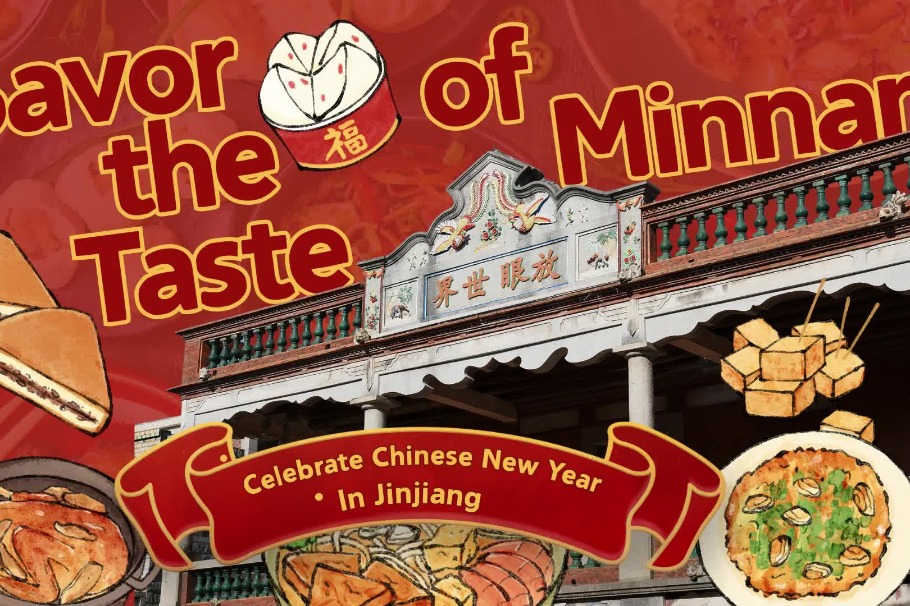
    In the heart of Fujian province, the city of Jinjiang transforms into a vibrant tapestry of culinary tradition during the Spring Festival season. The air becomes imbued with aromatic whispers of reunion, as generations gather to celebrate with time-honored delicacies that define the Minnan cultural identity.

    Beyond mere sustenance, these traditional foods serve as edible monuments to heritage. Steamed rice cake (wangao) emerges as a symbolic centerpiece, representing prosperity and elevation. Pan-fried oysters in scrambled egg (hailijian) brings coastal abundance to the festive table, while four-herb old duck soup offers medicinal balance according to traditional Chinese principles. The robust flavors of beef steak noodles provide substantial comfort, and sweet peanut soup concludes feasts with nostalgic simplicity.

    These culinary traditions are deeply rooted in the Minnan people’s historical narrative of perseverance and determination—qualities that shaped their migration patterns and cultural resilience. Jinjiang’s approach to the Spring Festival demonstrates how food functions as both cultural preservation and invitation. The city extends this culinary heritage to global visitors, offering immersive experiences into the Minnan way of life through taste, aroma, and communal celebration.

    The preservation of these practices represents more than culinary tradition; it embodies the living memory of a people who maintain cultural continuity through intentional culinary practices. Each dish tells a story of geographical adaptation, historical development, and cultural values that have been refined across centuries.

  • Casey Wasserman to sell talent agency after Epstein fallout – reports

    Casey Wasserman to sell talent agency after Epstein fallout – reports

    Casey Wasserman, the influential American sports and entertainment agent, has announced plans to sell his prominent talent agency following revelations of his past connections to convicted sex offenders Jeffrey Epstein and Ghislaine Maxwell. The decision comes after multiple high-profile clients severed ties with Wasserman Media Group this week.

    The controversy erupted when court documents revealed Wasserman had flown on Epstein’s private aircraft and engaged in flirtatious email exchanges with Maxwell in 2003. While Wasserman maintains he had no substantial relationship with Epstein, the disclosures prompted immediate backlash across the entertainment industry.

    In a memo to staff obtained by the Wall Street Journal, Wasserman acknowledged his past actions had become a distraction, stating: ‘I’m deeply sorry that my past personal mistakes have caused you so much discomfort. It’s not fair to you, and it’s not fair to the clients and partners we represent so vigorously.’

    The 51-year-old executive expressed particular regret over his communications with Maxwell, who is currently serving a 20-year prison sentence for facilitating Epstein’s sexual abuse of minors. Wasserman emphasized these exchanges occurred ‘over two decades ago, long before her horrific crimes came to light.’

    Notable departures from the agency include rising singer Chappell Roan, who announced on Instagram that ‘no artist, agent or employee should ever be expected to defend or overlook actions that conflict so deeply with our own moral values.’ Former US soccer star Abby Wambach similarly terminated her representation, citing her need to ‘follow my gut and values.’

    Despite the professional fallout, Wasserman will retain his position as chairman of the 2028 Los Angeles Olympics organizing committee. LA28 conducted an internal review concluding that Wasserman’s interaction with Epstein was limited to a single humanitarian flight to Africa in 2003, arranged through the Clinton Foundation. The board stated this occurred before ‘Wasserman or the public knew of Epstein and Maxwell’s deplorable crimes.’

    No allegations of wrongdoing have been made against Wasserman by any of Epstein’s victims, and his appearance in court documents does not imply criminal activity.

  • Ramadan under open skies: Why iftar hikes are drawing UAE residents into the mountains

    Ramadan under open skies: Why iftar hikes are drawing UAE residents into the mountains

    As the sun dips below the mountainous horizons of the United Arab Emirates, a growing spiritual movement transforms traditional Ramadan observances. Instead of gathering around lavish dining tables, residents increasingly embark on iftar hikes—communal treks that culminate in breaking the fast amid nature’s tranquility. This emerging tradition combines physical activity with spiritual reflection, creating unique Ramadan experiences far from urban distractions.

    Organized hiking groups across the Emirates report significant participation during the holy month, with carefully structured programs accommodating different fitness levels and spiritual preferences. UAE Adventures Team, founded by Mohammed Al Kaabi, has developed formal iftar hiking initiatives over five years, evolving from casual gatherings into well-organized events prioritizing both safety and religious observance.

    “We offer multiple options because fasting experiences vary,” Al Kaabi explained. Some groups hike after evening prayers, while others undertake lighter afternoon treaks to break their fasts modestly on mountain trails before descending for full meals. The most popular time proves to be after taraweeh prayers, when trails fill with energetic participants.

    Outdoorzy Adventures founder Alaa Masood emphasizes accessibility in their Ramadan programming. “We select locations manageable for all skill levels, like Fossil Rock in Mleiha with its panoramic views,” Masood noted. Their iftar hikes incorporate safety measures including group size limitations and paced walking to prevent fatigue among fasting participants.

    For Grasp the Adventure founder Yousuf Elabbasy, these mountain iftars provide meaningful disconnection from modern stressors. “Hiking removes us from visual and noise pollution, work pressures, and social demands,” Elabbasy reflected. His groups typically pause at scenic overlooks or canyon pools precisely at sunset, sharing dates, nuts, and simple foods in spontaneous acts of generosity that capture Ramadan’s essence.

    Post-iftar, many groups continue hiking or gather for suhoor barbecues under the stars. Participants consistently report feeling spiritually renewed and community-connected through these experiences. While Ramadan hiking participation numbers may be slightly lower than other seasons, organizers note attendees demonstrate deeper commitment to the spiritual dimensions of these outdoor rituals.

    This trend reflects a broader cultural shift toward finding Ramadan’s core values—generosity, reflection, and togetherness—through simplified experiences that contrast with increasingly commercialized urban celebrations. The mountain iftar movement continues gaining momentum as UAE residents seek authentic spiritual connections during Islam’s holiest month.