分类: society

  • Look: From ancient forts to desert rock art, 5 UAE sites added to Islamic heritage list

    Look: From ancient forts to desert rock art, 5 UAE sites added to Islamic heritage list

    In a significant achievement for cultural preservation, the United Arab Emirates has secured international recognition for five historically significant sites through their inscription on the Islamic World Educational, Scientific and Cultural Organization’s (ICESCO) List of Islamic World Tangible Heritage. The announcement came during the 13th session of the Islamic World Heritage Committee convened in Uzbekistan.

    The newly designated locations span the emirates of Dubai and Sharjah, representing diverse aspects of the region’s rich historical tapestry. The recognition underscores the UAE’s commitment to safeguarding its cultural legacy while promoting global awareness of its archaeological wealth.

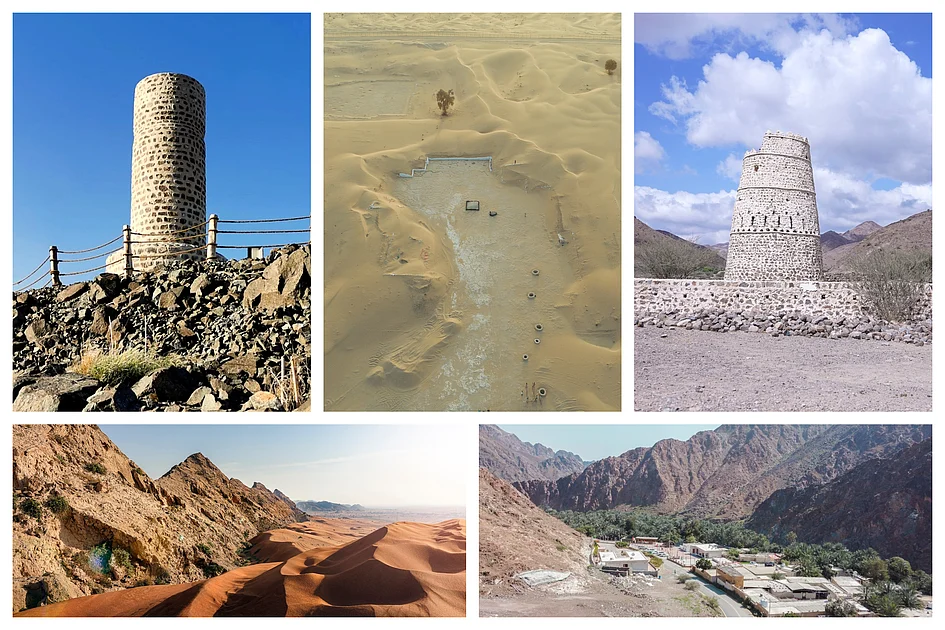
    Among the honored sites is Saruq Al Hadid, an archaeological marvel located approximately 95 kilometers from Dubai. Discovered in 2002 following aerial observations by His Highness Sheikh Mohammed bin Rashid Al Maktoum, Ruler of Dubai, the site features distinctive dark patches subsequently identified as metallurgical slag from ancient smelting operations. Research indicates continuous human activity from the Early Bronze Age (2600 BCE) through the Late Iron Age (550 BCE), with excavations yielding bronze artifacts, pottery, stone tools, weaponry, and exquisite gold and silver ornaments.

    The historic defensive structures of Khor Fakkan, including the Portuguese Fort and Al Adwani Tower, received recognition for their role in coastal protection from the 14th to the 20th centuries. The Portuguese Fort stands as the sole surviving triangular-shaped fortification in the eastern Arabian Peninsula.

    Al Nahwa, situated south of Khor Fakkan, earned inclusion for its remarkable collection of rock carvings spanning from the Bronze Age to contemporary times. Preservation efforts have employed advanced three-dimensional digital technologies to document these artistic expressions.

    Sharjah’s Faya Palaeolandscape gained recognition as a critical record of early human settlement patterns, containing archaeological evidence that documents human presence across multiple historical epochs.

    Wadi Al Helo in the Eastern Region was honored for its evidence of copper mining activities during the Neolithic transition period. The valley features remnants of copper extraction technological development, Bronze Age rock art, and historic village remains, illustrating the enduring relationship between inhabitants and their environment.

    Sheikh Salem bin Khalid Al Qassimi, Minister of Culture and Chairperson of the National Commission for Education, Culture and Science, described the inscriptions as “a significant milestone that reflects the depth and richness of the UAE’s cultural heritage.” The minister further emphasized the nation’s ongoing commitment to “strengthening the presence of Emirati heritage on international heritage lists” through comprehensive documentation and sustainable preservation initiatives for future generations.

  • Off-trail avalanche kills 2 skiers and injures 1 in northern Italy

    Off-trail avalanche kills 2 skiers and injures 1 in northern Italy

    A deadly off-piste avalanche struck the Mont Blanc massif near the Italy-France-Switzerland border on Sunday, resulting in two fatalities and one critical injury. The incident occurred in the renowned Couloir Vesses freeride zone within Courmayeur’s upper Val Veny region, according to official reports from Italy’s Alpine Rescue service.

    Emergency responders mobilized fifteen rescue specialists, three dog units, and two helicopter teams in a comprehensive search operation. Despite being transported to a medical facility in serious condition, one of the initially injured skiers succumbed to injuries sustained in the avalanche.

    This tragedy coincides with a separate avalanche event in Trentino where another skier experienced partial burial but was successfully extricated by fellow group members. These incidents follow a disturbing pattern of mountain accidents, with Alpine Rescue reporting thirteen fatalities among backcountry enthusiasts during the first week of February alone.

    Meteorological conditions have created particularly hazardous circumstances across the Alpine region. Recent storm systems have deposited fresh snow atop weak foundational layers, while powerful winds have formed unstable snowcaps along the mountain crescent spanning France, Switzerland, and Austria. Courmayeur, the picturesque Olympic venue town of approximately 2,900 residents located 200 kilometers northwest of Milan, now faces renewed scrutiny regarding mountain safety protocols during high-risk periods.

  • Saudi Arabia suspends Umrah agency over accommodation lapse for pilgrims

    Saudi Arabia suspends Umrah agency over accommodation lapse for pilgrims

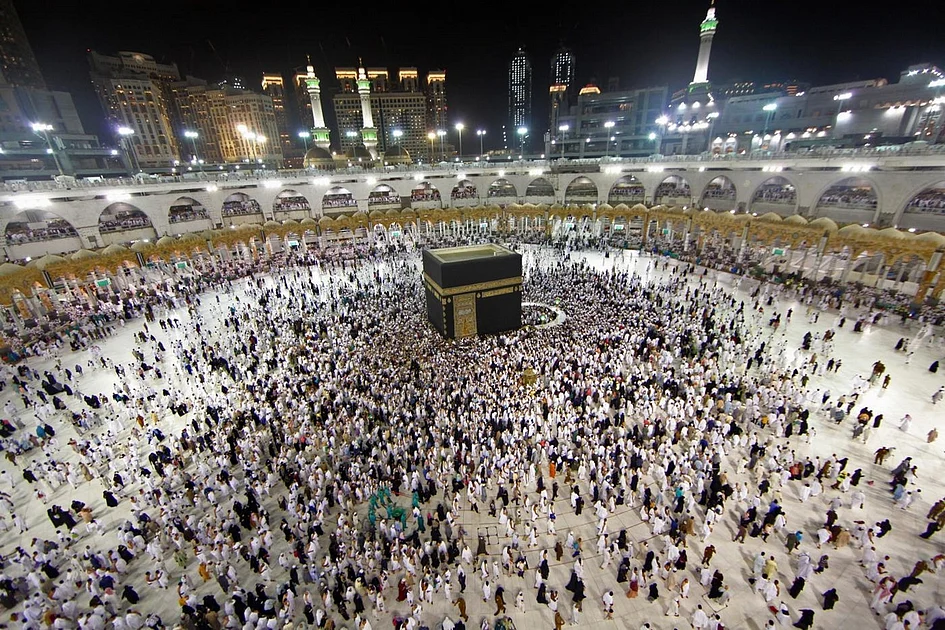
    Saudi authorities have imposed regulatory sanctions against an Umrah travel agency following confirmed failures in providing mandatory accommodation services to Egyptian pilgrims. The Makkah Region Governorate confirmed the suspension on February 14, 2026, noting that immediate alternative lodging arrangements were secured for affected pilgrims.

    This enforcement action represents the latest development in Saudi Arabia’s comprehensive quality control campaign within the religious tourism sector. The Kingdom recently suspended approximately 1,800 foreign travel agencies for service quality violations, granting a 10-day remediation window exclusively addressing new visa issuance limitations.

    The Saudi government maintains rigorous oversight of pilgrim activities through integrated monitoring systems tracking all aspects of religious travel—from visa processing and transportation logistics to accommodation standards. This holistic approach ensures operational efficiency, crowd management optimization, and enhanced pilgrim safety throughout their spiritual journey.

    Industry professionals from the UAE have observed increasing regulatory scrutiny targeting agencies that offer visa processing without comprehensive service packages including approved hotel accommodations and transportation. Saudi regulations explicitly require pilgrims to utilize government-approved hotels specifically designated for Umrah travelers, with strict compliance enforcement mechanisms.

    This regulatory environment reflects Saudi Arabia’s commitment to elevating service quality standards within its multi-billion dollar religious tourism industry, which hosts millions of pilgrims annually undertaking the Islamic pilgrimage to Mecca.

  • ‘Adopt a Statue’ program for Milan’s iconic Duomo restores centuries-old marbles

    ‘Adopt a Statue’ program for Milan’s iconic Duomo restores centuries-old marbles

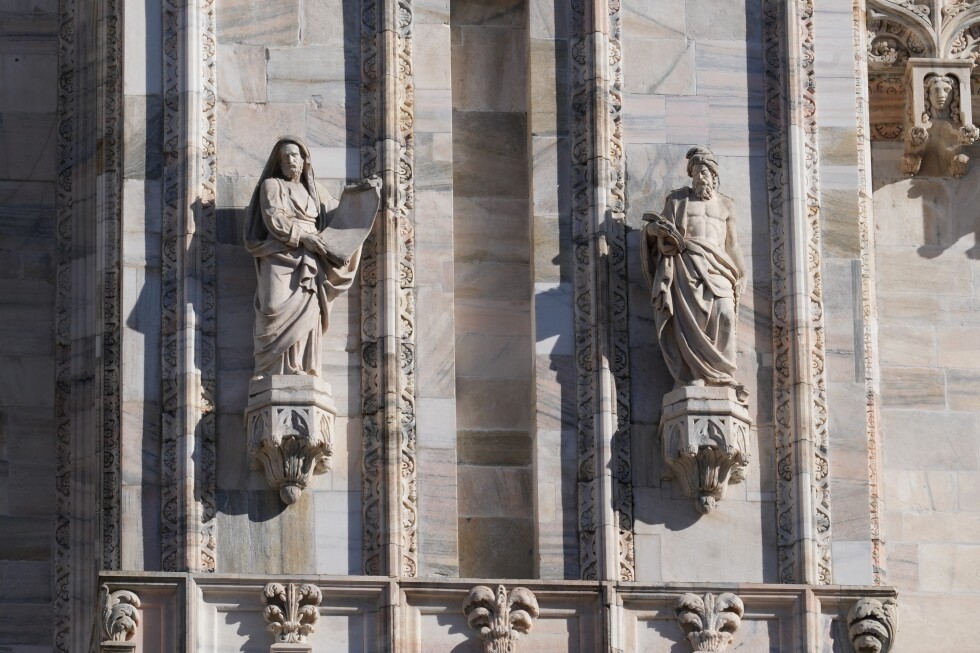
    MILAN — A remarkable cultural preservation initiative has brought a 15th-century marble sculpture from storage into public view through an innovative adoption scheme. The ‘Bearded Saint with Book,’ originally crafted for Milan’s iconic Duomo cathedral, now stands proudly displayed behind protective glass at Piazzale Cadorna, headquarters of Lombardy transport company FNM.

    The sculpture’s restoration and relocation mark the success of the ‘Adopt a Statue’ program launched in 2020 by Veneranda Fabbrica del Duomo, the centuries-old institution overseeing the cathedral’s conservation. This visionary program connects corporate and individual donors with historical artworks requiring restoration, creating a sustainable model for cultural preservation.

    Elisa Mantia, the program’s project manager, explained the significance: ‘This project’s uniqueness lies in restoring statues that would otherwise remain in our deposits, bringing them back to their original beauty. They can continue telling the Duomo’s story even in locations distant from the monument itself.’

    The adoption process involves formal loan agreements, typically beginning with one-year terms that may be renewed. Each restoration requires authorization from Italy’s cultural heritage authorities, with strict adherence to conservation, insurance, and transport regulations.

    The Duomo’s construction history reveals why such programs are necessary. Beginning in 1386 under Gian Galeazzo Visconti’s rule, the cathedral took over five centuries to complete, with artists from different regions and periods contributing statues that now represent a timeline of evolving artistic styles.

    FNM President Andrea Gibelli emphasized the broader mission during the February 13 unveiling: ‘Culture can save the world. We want to spread the cultural riches we are fortunate to have, which are often overlooked or not fully appreciated.’

    Other successfully adopted sculptures include a 16th-century David, a depiction of Samson and the Lion, and a statue of Saint Matthew the Apostle. The program has preselected approximately thirty additional sculptures eligible for restoration, each chosen for both artistic merit and structural integrity.

    The ‘Bearded Saint with Book’ required primarily surface cleaning to remove pollution-based black crust, having sustained no structural damage during its centuries outdoors. All Duomo sculptures originate from Candoglia quarries in Piedmont, with the same marble used consistently since the late 14th century.

    As Mantia reflects, ‘Beyond being Milan’s symbol, the Duomo represents its history—a monument that grew with the city, telling its entire story through statues and decorative styles.’

  • Classic vehicles in Sharjah to get new licence plates starting February 16

    Classic vehicles in Sharjah to get new licence plates starting February 16

    Sharjah authorities have unveiled a specialized licensing initiative for vintage automobiles and motorcycles, with implementation commencing February 16, 2026. The Sharjah Police Force confirmed that designated venues across the emirate will facilitate the transition from conventional plates to newly designed registrations exclusively created for classic vehicles.

    The innovative licensing category, initially announced on December 23, 2025, encompasses First Category and private registration plates for historic automobiles alongside First Category designations for classic motorcycles. Vehicle enthusiasts can complete the plate replacement process at three authorized locations: Sharjah Registration Village, the Sharjah Classic Car Club, and Khor Fakkan Registration Village.

    This premium service initiative emerged through collaborative efforts between transportation authorities and Emirates Auction, which previously conducted exclusive sales of these distinctive plates. The program aims to deliver enhanced and specialized services for collectors and owners of vintage transportation, recognizing the unique cultural and historical value of these vehicles.

    The introduction of specialized licensing reflects Sharjah’s growing emphasis on preserving automotive heritage while implementing modern regulatory frameworks. This approach aligns with similar premium registration services recently introduced in other UAE emirates, including Dubai’s luxury plate auctions and Abu Dhabi’s special identity cards for distinctive number plates.

  • Can teenagers get summer jobs in UAE? What law says

    Can teenagers get summer jobs in UAE? What law says

    The United Arab Emirates maintains a structured legal framework governing juvenile employment, providing clear pathways for teenagers seeking temporary work during summer breaks while prioritizing their welfare and development. Federal legislation establishes comprehensive safeguards for minors between 15 and 18 years old who wish to enter the workforce under regulated conditions.

    According to Federal Decree Law No. 33 of 2021 and its implementing regulations, employment of individuals under 15 remains strictly prohibited. Eligible juveniles must obtain written parental consent and present a medical fitness certificate from authorized institutions before commencing employment. The law imposes specific protective measures including a maximum six-hour daily work period with mandatory breaks, prohibiting work between 7 PM and 7 AM, and banning hazardous occupations that might compromise health, safety, or moral development.

    The regulatory framework offers exemptions for recognized charitable, educational, and training institutions conducting professional development programs. These entities may be exempted from certain provisions when providing vocational training or volunteer opportunities, provided they maintain proper registration with relevant authorities.

    Employers must secure a Juvenile Work Permit from the Ministry of Human Resources and Emiratisation before engaging minor workers. This permit specifically applies to individuals aged 15-18 employed at establishments registered with the Ministry. The combination of parental authorization, medical clearance, and ministerial oversight creates a protective ecosystem for young workers.

    For families considering summer employment, these regulations mean that 16-year-olds may legally work provided all requirements are met, while 14-year-olds remain ineligible until reaching the minimum age threshold. The system balances workforce participation opportunities with robust protections for juvenile development, reflecting the UAE’s commitment to responsible youth employment practices.

  • How long can you stay in the UAE after work visa is cancelled?

    How long can you stay in the UAE after work visa is cancelled?

    Foreign employees in Dubai’s mainland face critical immigration deadlines following job termination, with specific legal provisions governing their stay duration after visa cancellation. According to UAE immigration regulations, employers must initiate work permit cancellation procedures through the Ministry of Human Resources and Emiratisation (MOHRE) channels when employment concludes.

    The cancellation process, mandated by Cabinet Resolution No. 1 of 2022, requires employers to: submit applications through designated channels, complete necessary documentation, settle outstanding penalties, and formally acknowledge settlement of all employee entitlements. These procedures ensure proper termination of the employment relationship under UAE law.

    Crucially, terminated employees receive a government-defined grace period following residency visa cancellation, during which they may legally remain in the country. This period is explicitly stated on the visa cancellation documentation provided to the individual. Remaining in the UAE beyond this allotted timeframe triggers administrative penalties under Federal Decree Law No. 29 of 2021, which imposes daily fines for illegal residence.

    During the grace period, individuals have two primary options: secure new employment and process a status change without exiting the country, or depart the UAE before the grace period expires. Those obtaining new employment may have their new employer apply for a work permit and residency visa conversion internally. Alternatively, individuals may explore converting to visit or tourist visas without departure, though this requires consultation with Dubai’s General Directorate of Residency and Foreigners Affairs.

    The legal framework emphasizes that exceeding the grace period constitutes illegal residence subject to escalating penalties. Professionals recommend seeking specific guidance from immigration authorities regarding individual circumstances, particularly when considering visa conversion options rather than departure.

  • Look: 130-year-old kerosene fan, radio designed in Braille; rare items at Sharjah festival

    Look: 130-year-old kerosene fan, radio designed in Braille; rare items at Sharjah festival

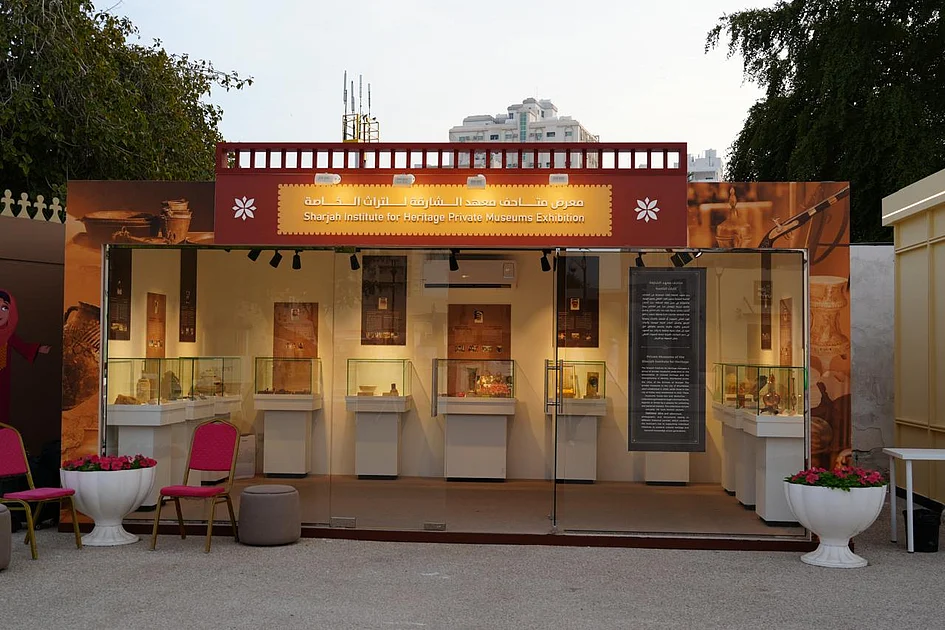
    A remarkable collection of historical artifacts spanning more than a century is currently captivating visitors at the Sharjah Heritage Days festival in the United Arab Emirates. The exhibition, intriguingly titled ‘Heard of It, Never Seen It’ (known in Arabic as ‘Samait wa Ma Shuft’), showcases rare technological marvels from a private Emirati collection that many have only encountered through stories or historical accounts.

    The display features extraordinary items including a 130-year-old kerosene-powered fan, a Braille-adapted radio from the early 20th century, and Thomas Edison’s pioneering 1877 phonograph—one of the first devices capable of recording and reproducing sound. Other notable exhibits include a 1956 aircraft black box, manual calculators, telegraph telex machines, vintage music cartridges, and one of the earliest portable computers dating back to 1981.

    Collector Hassan Ahmed Bu Sabar, whose childhood passion evolved into this comprehensive collection, explained the exhibition’s profound purpose: “Most people have heard of these devices from their parents or in books, but they have never actually seen them. When visitors walk into this hall, I want them to feel surprise—and then connection. These objects demonstrate the step-by-step evolution of human intelligence.”

    The current festival display represents merely a fraction of Bu Sabar’s complete collection, which he has organized into a 20-section private museum featuring themed rooms that recreate historical settings including a traditional coffee majlis, vintage grocery shop, barber’s corner, and pearl merchant’s section. His collecting journey began at age 12 with coins from the pre-Union era, gradually expanding to include Indian swords, stamps, and black-and-white cameras.

    This exhibition forms part of a broader cultural preservation effort supported by the Sharjah Institute for Heritage, which has nurtured numerous private museums across the emirate since the early 2000s. These collections, often built through family inheritance and personal passion, serve as vital bridges between generations—transforming individual memories into shared cultural knowledge and ensuring that heritage remains accessible beyond formal institutions.

  • Whether it’s a mini-sabbatical or an adult gap year, more people are taking extended work breaks

    Whether it’s a mini-sabbatical or an adult gap year, more people are taking extended work breaks

    While traditional vacations offer brief respites from work, a growing movement of professionals are embracing extended career breaks known as mini-sabbaticals, adult gap years, or micro-retirements. These transformative pauses—whether taken between jobs, through employer-approved leaves, or as digital nomad adventures—provide substantial mental, physical, and spiritual resets that go far beyond conventional time off.

    According to sabbatical experts and individuals who have taken extended breaks, significant barriers prevent many from pursuing this path. Financial constraints, personal responsibilities, and fears of social judgment from colleagues and family members often deter people from hitting pause on their careers to gain new perspectives.

    American attitudes toward extended time off differ markedly from European approaches, where rest and free time are culturally prioritized. Kira Schrabram, University of Washington management professor and researcher of meaningful work, notes that EU workers are legally entitled to at least 20 paid vacation days annually. However, more US companies are now offering weeks or months of paid or unpaid leave as retention strategies for valued employees.

    Schrabram brought her expertise on burnout to the Sabbatical Project, an initiative founded by Harvard Business School’s DJ DiDonna that promotes sabbaticals as “a sacred human ritual” deserving broader accessibility. Their research with University of Notre Dame’s Matt Bloom identified three distinct sabbatical types through interviews with 50 US professionals: working holidays pursuing passion projects; “free dives” combining adventure with rest periods; and transformative quests undertaken by burned-out individuals.

    Despite more than half of interviewees self-funding their breaks, the researchers advocate in Harvard Business Review for employer-sponsored sabbaticals as tools for recruiting, retaining, and developing talented workers. The Sabbatical Project has created coaching networks to support those considering extended leaves, challenging the notion that sabbaticals require employer sponsorship.

    Real-world examples demonstrate the transformative potential of extended breaks. Corporate lawyer Roshida Dowe, laid off at 39, spent a year traveling before co-founding ExodUS Summit with Stephanie Perry—a virtual conference helping Black women navigate sabbaticals and international relocation. Their initiative addresses both practical considerations (finances, safety, healthcare) and philosophical aspects (rest value, overcoming intergenerational trauma).

    Financial planning expert Taylor Anderson of Vancouver advises clients on sabbatical preparation, noting similar principles apply to retirement savings. She observes that while not everyone can afford extended unpaid time, many potential sabbatical-takers have savings but fear spending them—what she calls understanding “money breathing” patterns of accumulation and expenditure.

    For some, sabbaticals catalyze profound life changes. Artists Eric Rewitzer and Annie Galvin discovered their San Francisco gallery break led to permanent relocation after gaining new perspective on work-life balance. Similarly, Gregory Du Bois incorporated regular mini-sabbaticals throughout his IT career by negotiating extended time off with each new employer, ultimately finding these breaks essential for spiritual regeneration and peak performance.

    As these experiences demonstrate, extended career breaks are evolving from rare luxuries to strategic tools for personal and professional renewal in an increasingly burnout-prone workforce.

  • Cannabis smoke fills the air as Nepal marks Shivaratri festival

    Cannabis smoke fills the air as Nepal marks Shivaratri festival

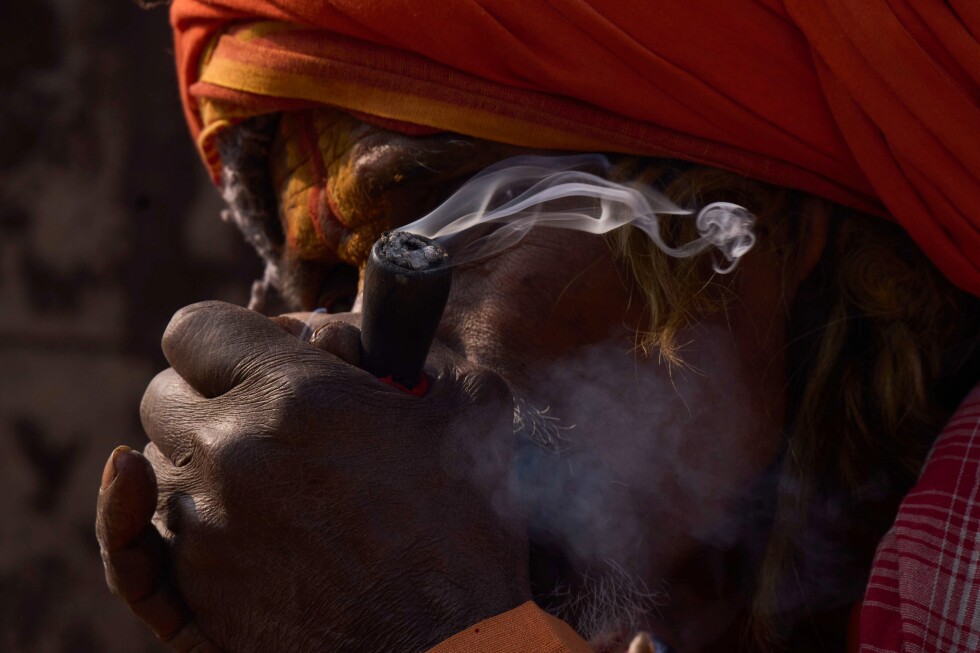
    KATHMANDU, Nepal — In a remarkable annual display of religious exception, tens of thousands of Hindu devotees participated in traditional cannabis consumption during the Shivaratri festival at Kathmandu’s sacred Pashupatinath Temple on Sunday. The event represents one of Nepal’s most significant religious gatherings, drawing both local worshippers and pilgrims from neighboring India.

    Against the backdrop of normally strict anti-drug laws, participants openly engaged in cannabis smoking as part of their devotional practices honoring Lord Shiva, the Hindu deity strongly associated with the plant’s ritual use. Holy men adorned with sacred ashes joined predominantly young devotees along the forested Bankali hills overlooking the Bagmati River, creating a vivid scene of religious celebration that contrasts sharply with Nepal’s typical drug enforcement policies.

    This ceremonial exception occurs despite Nepal’s general prohibition on marijuana, which carries penalties of up to one month imprisonment for personal use and decade-long sentences for trafficking offenses. The country’s relationship with cannabis has evolved significantly since the 1960s, when Nepal gained international recognition as a destination for psychoactive substances during the hippie movement era. Legal sales ended abruptly with the 1976 nationwide ban.

    Contemporary efforts to decriminalize marijuana have emerged from both activist campaigns and parliamentary initiatives seeking to legalize cultivation and consumption. However, these legislative movements have encountered substantial political obstacles, leaving the Shivaratri festival as one of the few legally sanctioned contexts for cannabis use in the predominantly Hindu nation, where approximately 81% of the population practices Hinduism.