分类: society

  • Chinese American restaurants question why Chinese cuisine can’t get the chef’s table treatment

    Chinese American restaurants question why Chinese cuisine can’t get the chef’s table treatment

    SAN FRANCISCO — The transformation of Chinese cuisine in America represents both a cultural reclamation and a culinary revolution. Taiwan-born chef George Chen, who once concealed his school lunches from mocking classmates, now stands at the helm of China Live—a sophisticated culinary complex showcasing dumpling stations, Peking duck ovens, and artisanal noodle crafts. His journey from childhood embarrassment to culinary authority mirrors a broader movement reshaping perceptions of Chinese gastronomy.

    Across the nation, a new generation of chefs is challenging decades-old stereotypes. In New York’s Hell’s Kitchen, Bolun and Linette Yao’s Michelin-starred Yingtao offers a $150 tasting menu celebrating ‘contemporary Chinese’ elegance. Meanwhile, San Francisco’s culinary landscape features establishments like Empress by Boon and Mister Jiu’s, where traditional techniques meet modern presentation.

    These chefs confront a persistent bias: the expectation that Chinese food must be inexpensive. ‘Why shouldn’t I charge comparable prices?’ Chen challenges, referencing his $188 tasting menus. ‘Just because we’re in Chinatown?’

    The movement draws from deep historical roots. As NYU food studies director Krishnendu Ray explains, Western perceptions of Chinese cuisine have fluctuated with China’s global standing—from coveted luxury goods in the 18th century to stigmatized ‘ethnic food’ during periods of immigration.

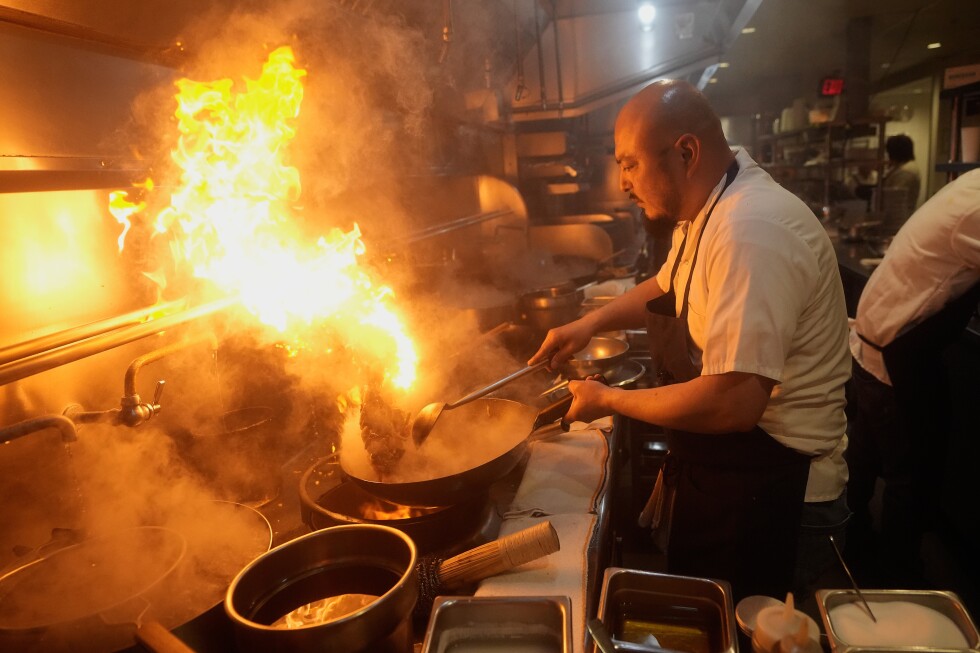
    Modern practitioners emphasize technical authenticity over fusion. At Empress by Boon, chef Ho Chee Boon maintains four traditional wok stations with equipment imported from Hong Kong. ‘We keep traditional methods but present them modernly,’ he explains. Emily Yuen, Yingtao’s executive chef, reimagines classic dishes like Cantonese egg tarts with caviar and quail eggs while maintaining culinary integrity.

    This culinary renaissance represents more than gastronomic innovation—it’s a cultural statement about value, identity, and the evolving place of Chinese culture in American society.

  • Search under way for Irish women missing since 1990s

    Search under way for Irish women missing since 1990s

    Irish law enforcement authorities have initiated a comprehensive forensic search operation in the Wicklow-Kildare border region as part of ongoing investigations into the historical disappearances and suspected murders of two young women from the 1990s. The Gardaí (Irish police) confirmed that specialized units would conduct meticulous examinations of designated open terrain, including technical analysis and potential excavation work over subsequent days.

    Josephine “Jo Jo” Dullard, aged 21, vanished on November 9, 1995, after socializing in Dublin and was last seen in Moone, County Kildare. Her case was reclassified from missing persons to murder investigation in 2020. Deirdre Jacob, aged 18, disappeared on July 28, 1998, shortly after being observed crossing the road toward her family residence in Newbridge, County Kildare. Her case received similar reclassification in 2018.

    The operation is being coordinated by the Garda Serious Crime Review Team in collaboration with the National Bureau of Criminal Investigation, supported by forensic specialists from the Garda National Technical Bureau and local Kildare Division resources. Authorities emphasize maintaining open investigative approaches while utilizing contemporary forensic technologies not previously available during initial investigations.

    Police officials have reiterated appeals for public assistance, urging individuals with potentially relevant information—however insignificant it might appear—to come forward. Families of both victims continue to receive regular updates regarding investigative developments, according to official statements.

  • From chicken nuggets to fries: List of banned foods from Abu Dhabi schools

    From chicken nuggets to fries: List of banned foods from Abu Dhabi schools

    Abu Dhabi’s education authority has enacted comprehensive nutritional restrictions across early education institutions, prohibiting numerous food and beverage items deemed detrimental to children’s health. The Department of Education and Knowledge (ADEK) has issued updated healthy eating guidelines that apply to both school-provided meals and packed lunches brought from home.

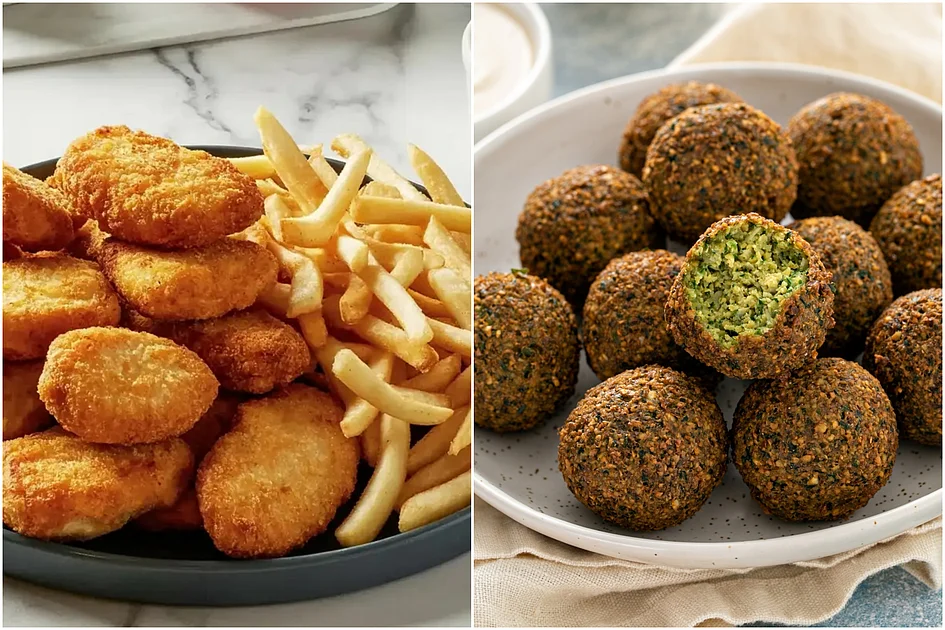
    The extensive banned items list includes sugar-sweetened beverages, caffeinated drinks, processed meats, fried foods, artificial additives, and specific chemical preservatives. Notably prohibited are chicken nuggets, french fries, processed frozen desserts, chocolates (except dark chocolate), and numerous sauces including mayonnaise and ketchup unless low-salt and low-sugar alternatives. The policy also restricts pork products, alcohol-containing foods, hydrogenated fats, and unpasteurized items.

    Educational institutions must establish clear communication channels with parents and implement rigorous monitoring mechanisms. Designated staff members, such as nurses or health safety officers, are required to conduct regular checks to ensure compliance. Schools must maintain violation records and implement corrective measures for repeated non-compliance, with ADEK possessing authority to intervene when institutions fail to meet their responsibilities.

    The policy framework extends beyond restrictions, establishing guidelines for age-appropriate nutrition, bottle-feeding protocols, and breastfeeding support. Institutions must provide appropriately sized utensils and furniture while ensuring food is never used as punishment or reward. Growth monitoring through regular height and weight measurements is mandated for children over two years old.

    This initiative aims to reduce health risks, support healthy development, and create consistent nutritional standards across all early education environments. The regulations formalize Abu Dhabi’s commitment to combating childhood obesity and promoting long-term wellbeing from infancy through school years.

  • Ramadan at the races: Iftar, Emirates Super Saturday and more

    Ramadan at the races: Iftar, Emirates Super Saturday and more

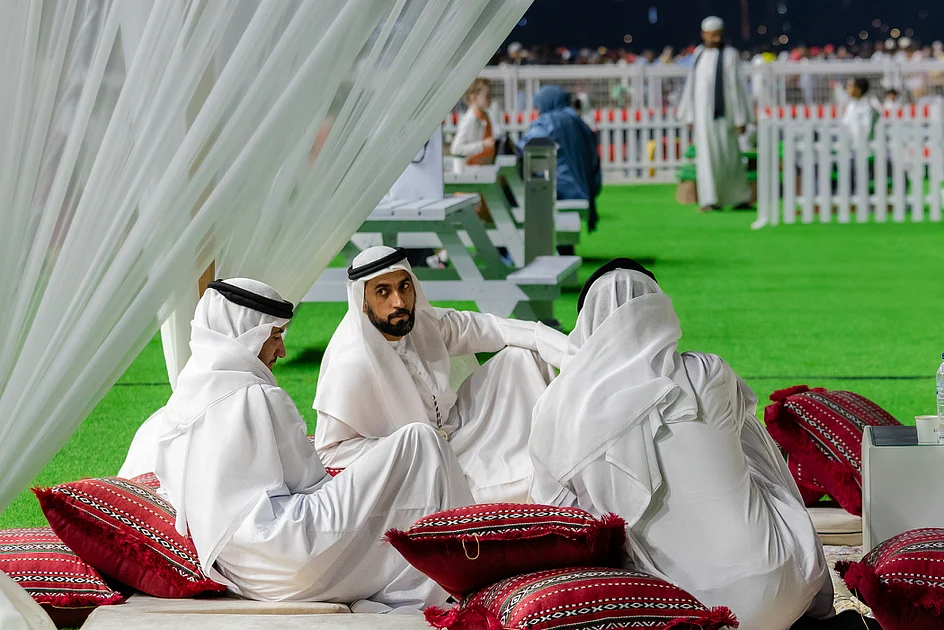
    The Dubai Racing Club has unveiled an innovative cultural experience for Ramadan 2026, seamlessly integrating spiritual observance with elite horseracing at Meydan Racecourse. Throughout four select evenings in February and March, the venue transforms into a multi-sensory destination where traditional Iftar celebrations converge with the excitement of the Dubai Racing Carnival.

    The experience centers around Suite 304, where guests can break their fast overlooking the illuminated track as live racing unfolds below. The carefully orchestrated evening begins at Maghrib and continues until 10pm, featuring extended race intervals during Iftar to ensure comfortable observance of religious traditions. Dedicated prayer facilities are conveniently located adjacent to hospitality areas.

    Culinary offerings highlight authentic regional specialties including ouzi, harees, and traditional Ramadan beverages such as qamar el dein and jallab. The Dh350 adult package provides access to both the racing program and elevated dining experience.

    Beyond the track, the racecourse immerses visitors in cultural elements including live Arabic calligraphy demonstrations, traditional Oud performances, and Ramadan-themed décor throughout the venue. The program also showcases Emirati artists, with visual artist Mona Mohammed Amin Al Khaja exhibiting on February 20, followed by contemporary artists Hamad Al Shamsi and Faris Alhammadi presenting equestrian-inspired works during the prestigious Emirates Super Saturday event on February 28.

    This signature race night serves as the primary precursor to the Dubai World Cup, attracting international racing elites and often revealing future champions. Organizers note that while designed for corporate and social gatherings, current demand predominantly comes from individual guests and small groups seeking a distinctive Ramadan experience within a dynamic sporting environment.

  • UAE weather: Alerts issued for rough seas; chance of rain amid dusty conditions

    UAE weather: Alerts issued for rough seas; chance of rain amid dusty conditions

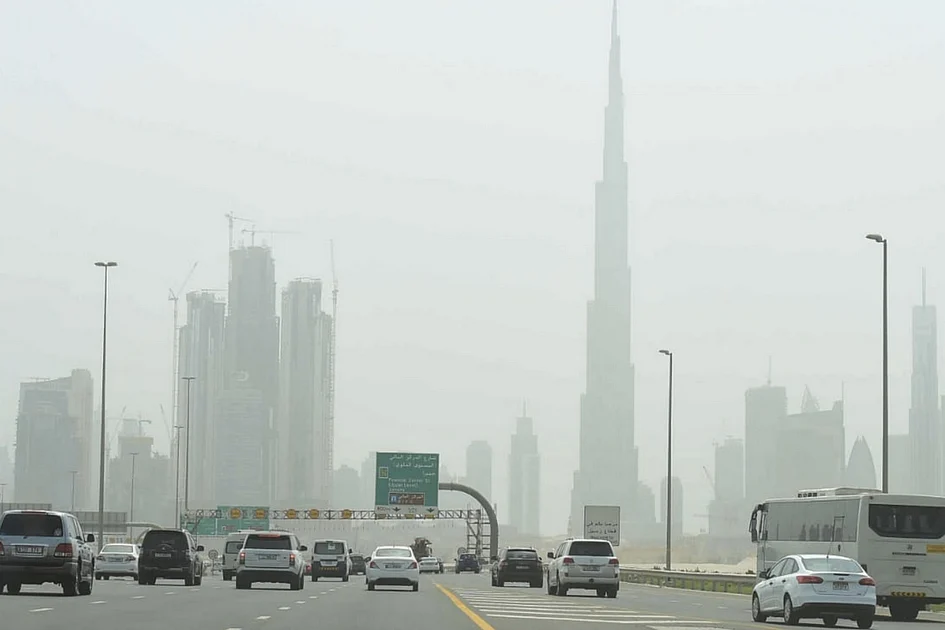
    Meteorological authorities in the United Arab Emirates have issued significant weather advisories for Monday, February 16, 2026, warning residents of challenging conditions both on land and at sea. The National Centre of Meteorology (NCM) activated alert systems as unpredictable weather patterns developed across the region.

    The day’s forecast indicates persistently dusty atmospheres with intermittent partly cloudy conditions. Eastern territories may experience light precipitation as cloud formations develop throughout the day. Maritime conditions have raised particular concern, with initially moderate winds expected to intensify progressively, creating hazardous sea states in both the Arabian Gulf and Oman Sea.

    Temperatures have registered a notable decline across urban centers. Maximum temperatures in Abu Dhabi, Dubai, and Sharjah are projected to reach 26°C, while overnight lows will vary between 18°C in Sharjah and 20°C in the capital and Dubai.

    The NCM’s orange alert designation, indicating hazardous weather activities, remains effective until 8:30 PM local time. Authorities have advised beachgoers and maritime operators to exercise extreme caution due to dangerously rough sea conditions.

    Meteorologists additionally predict increased humidity levels overnight into Tuesday morning, with probable fog or mist formation in interior and coastal zones. Residents are advised to monitor official channels for updates regarding visibility concerns during early morning travel.

  • Celebrate Chinese New Year in Shandong style

    Celebrate Chinese New Year in Shandong style

    As the Year of the Horse dawns, Shandong province emerges as a premier destination for experiencing authentic Chinese New Year celebrations. The eastern Chinese region transforms into a vibrant tapestry of cultural festivities, combining ancient traditions with contemporary energy.

    The provincial celebrations feature spectacular night markets buzzing with activity, where visitors can immerse themselves in local culinary delights and traditional crafts. Heritage folk arts take center stage, showcasing Shandong’s rich cultural legacy through performances and interactive experiences. Ancient cities throughout the province undergo a magical transformation, illuminated by thousands of traditional lanterns that create breathtaking nocturnal landscapes.

    Beyond mere observation, the celebrations offer participatory experiences that engage all senses. The festival atmosphere represents more than seasonal observance—it embodies a continuous celebration of culinary excellence, cultural heritage, and communal energy that defines Shandong’s unique approach to Spring Festival traditions.

    The provincial tourism authorities emphasize that these celebrations provide both domestic and international visitors with unparalleled access to authentic Chinese New Year experiences, positioning Shandong as a cultural hub during the most important festival in the Chinese calendar.

  • Our shared festival: How do Malaysian Chinese celebrate the Chinese New Year?

    Our shared festival: How do Malaysian Chinese celebrate the Chinese New Year?

    As the Year of the Horse commenced across Malaysia, the nation’s Chinese community demonstrated remarkable cultural preservation during Spring Festival celebrations. The festival, recognized as an official statutory holiday in the multicultural Southeast Asian nation, continues to serve as a powerful connective tissue for families and cultural identity.

    Fourth-generation Malaysian Chinese Jess Lee provided exclusive insights to China Daily regarding the enduring traditions maintained within her community. Despite generations of settlement in Malaysia, Lee expressed both surprise and delight at how comprehensively numerous customs originating from China have been maintained within Malaysian Chinese households.

    The preservation effort extends beyond superficial rituals to encompass profound family values and intergenerational bonding. Lee emphasized that regardless of geographical displacement from the cultural homeland, the fundamental significance of traditional festivals remains unchanged: family reunification and cultural transmission across generations. This perspective highlights the adaptive resilience of cultural practices within diaspora communities while maintaining core values.

    The Malaysian Chinese approach to Spring Festival illustrates how traditional customs can flourish outside their country of origin, developing unique characteristics while preserving essential elements. The community’s dedication to maintaining these practices demonstrates the powerful role of cultural heritage in maintaining identity within multicultural societies.

  • Ramadan 2026: Rediscover Manila’s Islamic origins as Quiapo prepares for the holy month

    Ramadan 2026: Rediscover Manila’s Islamic origins as Quiapo prepares for the holy month

    As Ramadan 2026 approaches, Manila’s Quiapo district reveals a hidden historical narrative that contrasts sharply with its contemporary identity as Asia’s epicenter of Catholic devotion. This bustling urban quarter, now preparing for Islamic celebrations, was originally a thriving Muslim community before Spanish colonization.

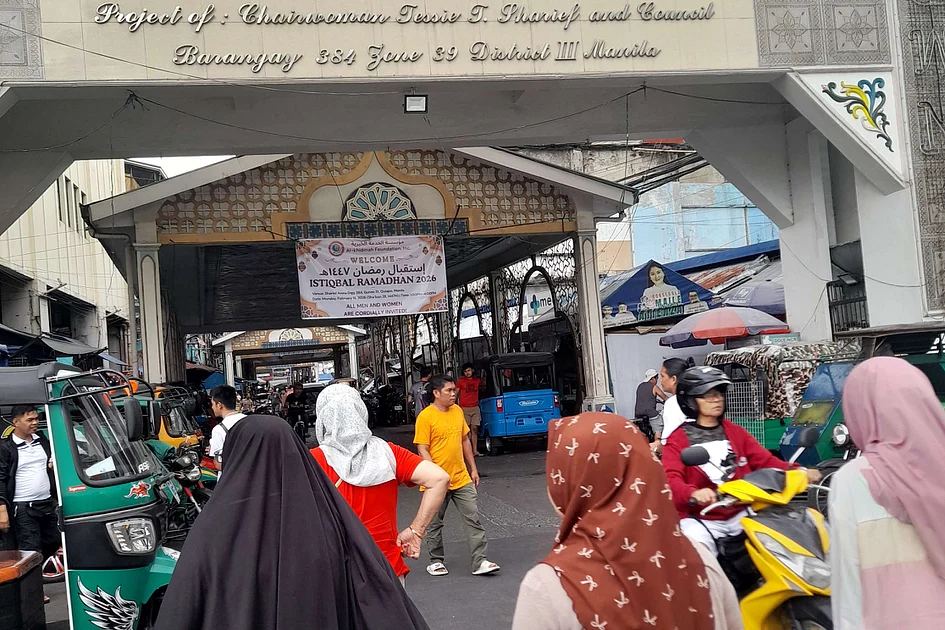
    Community leader Hadji Ali Alawi, founder of Quiapo’s Arabic School, extends an open invitation for all to participate in the Istiqbal celebrations marking Ramadan’s commencement. The district has adorned itself with welcome banners and erected reception tents around the Golden Mosque, creating an atmosphere of inclusive religious celebration.

    The historical significance of Quiapo traces back to the pre-colonial Rajahnate of Manila, which functioned as a coalition of barangays (indigenous communities) heavily influenced by Islamic traditions, particularly along the Pasig River. Spanish conquest eventually dismantled these Muslim-ruled kingdoms that once stretched from Batangas to Pampanga.

    The etymology of ‘Quiapo’ itself reflects this cultural intersection. While commonly believed to derive from ‘kiyapo’ water plants, an alternative oral history suggests the name originated when a Muslim resident responded ‘Kay Apo’ (I am going to the old man’s house) to Spanish inquiries, which colonizers subsequently heard as ‘kiyapo’ and spelled according to Spanish conventions.

    Modern Quiapo presents a unique religious dichotomy: the western portion dominated by the Minor Basilica housing the venerated Black Nazarene (which attracted 10 million Catholic devotees in January 2026), while the eastern sector has reemerged as a Muslim community since postwar migration from Mindanao began in the 1940s. Quezon Boulevard now neatly divides these two religious spheres.

    The district has gained culinary prominence through social media vlogging, with its Muslim section offering halal cuisine influenced by global Islamic traditions. Alawi particularly highlights palapa, an indigenous Maranao sauce made from Lanao del Sur’s unique sakurab onions, turmeric, chili, and ginger, which he describes as ‘potent in waking up one’s blood and mind.’

    This Ramadan celebration symbolizes both religious devotion and cultural reclamation, as Quiapo’s Muslim community invites all Manileños to rediscover the district’s Islamic origins and participate in their spiritual traditions.

  • Kenya strike delays flights at international hub airport

    Kenya strike delays flights at international hub airport

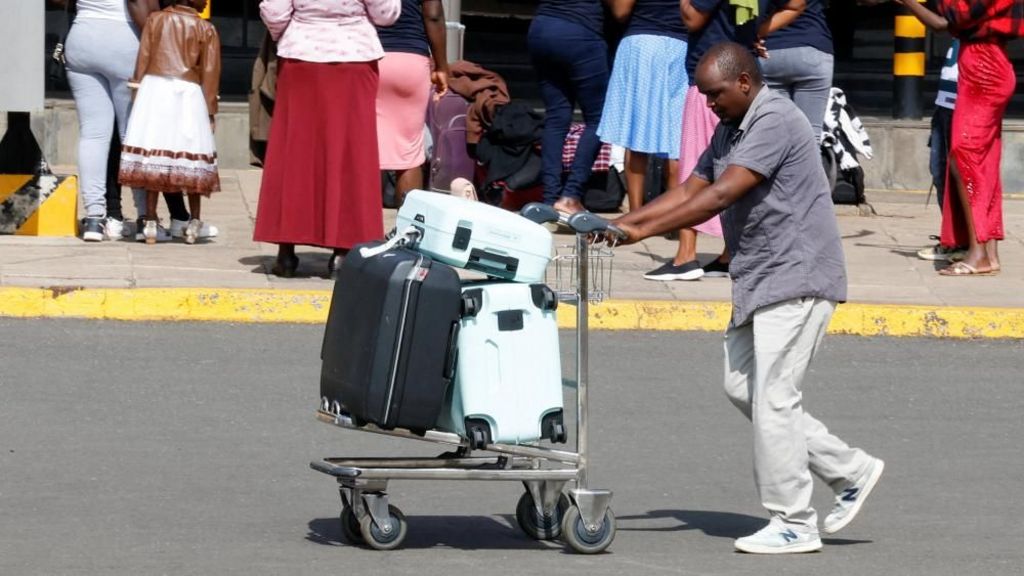
    Nairobi’s Jomo Kenyatta International Airport (JKIA), a critical aviation gateway connecting Africa with Europe, North America, and the Middle East, is experiencing severe operational disruptions due to a coordinated strike by aviation workers. The industrial action, which commenced at 06:00 local time (03:00 GMT), has resulted in flight delays exceeding four hours, creating a significant backlog of both departures and arrivals.

    Passengers aboard multiple aircraft have reported being confined to their seats for extended periods as pilots await air traffic control clearance. Kenya Airways confirmed in an official statement that it was grappling with ‘air traffic control operational delays,’ advising travelers to anticipate further schedule adjustments and apologizing for the resultant inconvenience.

    The Kenya Airports Authority (KAA) has activated contingency protocols, urging affected passengers to seek direct updates from their respective airlines. This widespread disruption stems from a labor dispute spearheaded by the Kenya Aviation Workers Union (KAWU). Union Secretary-General Moss Ndiema attributed the strike to protracted failures in salary negotiations, alleged discrimination, and systemic delays in union remittances by the Kenya Civil Aviation Authority (KCAA).

    KCAA had previously sought judicial intervention to prevent the strike, resulting in a temporary suspension ordered by a labor court pending further deliberations scheduled for next week. Despite this, workers proceeded with industrial action. In response, KCAA issued a statement affirming its commitment to engage all relevant parties in accordance with labor regulations and court directives, while simultaneously implementing measures to preserve aviation safety and operational stability during the dispute.

  • Obama clarifies views on aliens after saying ‘they’re real’ on podcast

    Obama clarifies views on aliens after saying ‘they’re real’ on podcast

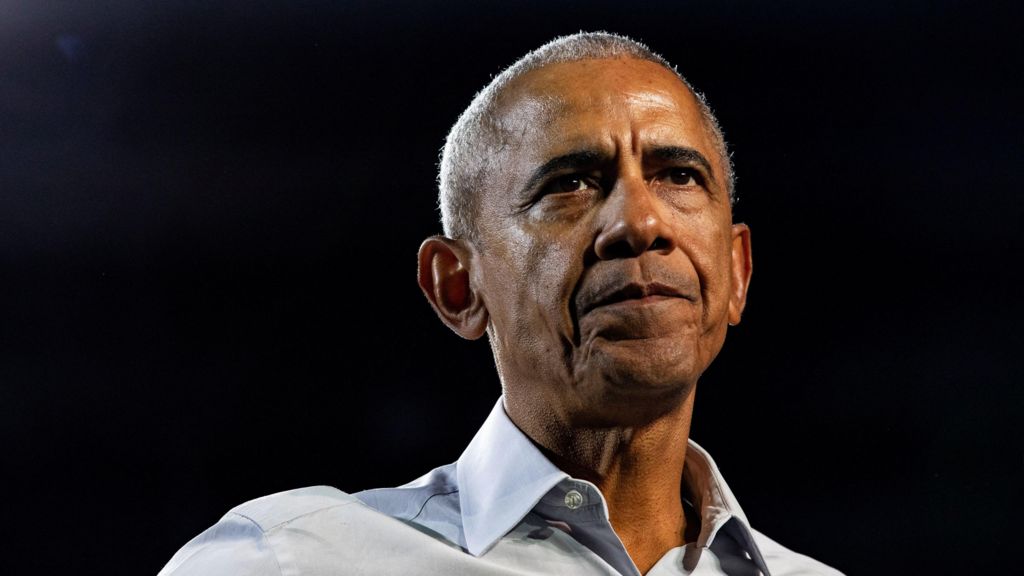
    Former U.S. President Barack Obama has provided clarifying remarks regarding extraterrestrial life after his initial podcast comments sparked widespread online speculation. During a rapid-fire question segment on Brian Tyler Cohen’s podcast published Saturday, Obama initially responded to “Are aliens real?” with ambiguous remarks that subsequently went viral across media platforms.

    In a follow-up statement posted to his official Instagram account on Sunday, the 44th U.S. president elaborated on his position with scientific precision. “I was trying to stick with the spirit of the speed round, but since it’s gotten attention let me clarify,” Obama wrote alongside the podcast clip.

    The former president presented a nuanced perspective grounded in astronomical reality: “Statistically, the universe is so vast that the odds are good there’s life out there. But the distances between solar systems are so great that the chances we’ve been visited by aliens is low, and I saw no evidence during my presidency that extraterrestrials have made contact with us. Really!”

    Obama specifically addressed conspiracy theories about hidden alien facilities, stating unequivocally that “They’re not being kept in Area 51. There’s no underground facility unless there’s this enormous conspiracy and they hid it from the president of the United States.”

    This isn’t the first time Obama has addressed the topic publicly. During a 2021 appearance on James Corden’s late-night show, he revealed that upon assuming office in 2009, he actually inquired about potential alien specimens or spacecraft in government possession. The administration’s research concluded no such materials existed, though Obama acknowledged unexplained aerial phenomena documented in government records.

    The recent clarification highlights the challenge of discussing complex scientific topics in abbreviated formats while demonstrating how presidential statements—even during informal interviews—continue to generate significant public interest and require careful contextualization.