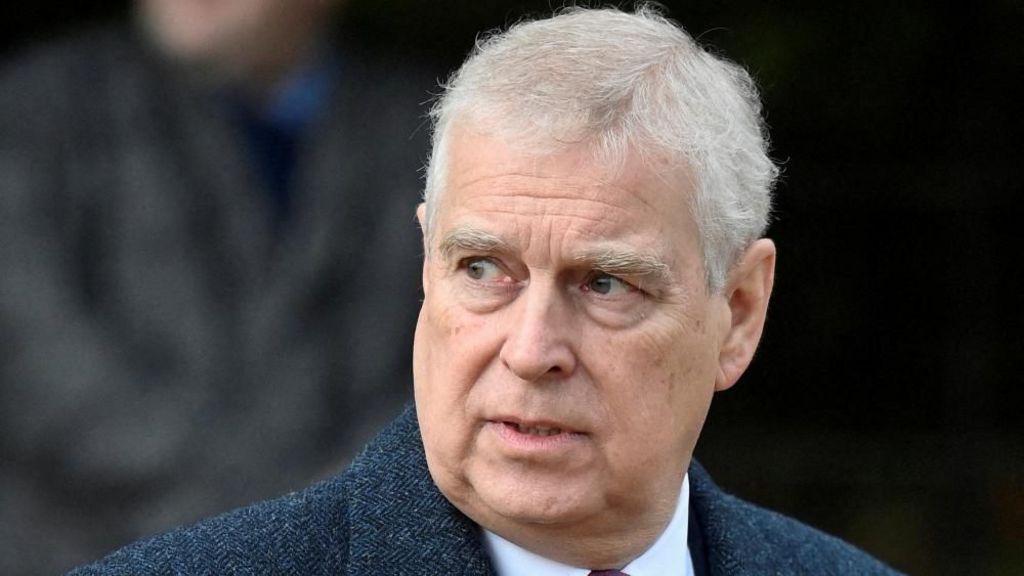
Newly released documents from the estate of convicted sex offender Jeffrey Epstein have shed further light on the connections between Prince Andrew, Epstein, and Ghislaine Maxwell. Among the revelations is an email exchange from 2011, in which Prince Andrew expressed frustration after being informed that a British newspaper was about to publish a report linking him to Epstein and Maxwell. Andrew’s email, sent to Epstein and Maxwell, reads: “What’s all this? I don’t know anything about this! You must SAY so please. This has NOTHING to do with me. I can’t take any more of this.” The documents were released by Democrats on the Congressional House Oversight Committee as part of an ongoing investigation into Epstein’s network. The files also mention former U.S. President Donald Trump, with one email from Epstein to Maxwell claiming that Trump spent hours at Epstein’s house with an unnamed individual. The White House later clarified that the individual referenced was Virginia Giuffre, a prominent accuser of Epstein, who has repeatedly stated that Trump was not involved in any wrongdoing. Giuffre, who died by suicide earlier this year, had previously accused Prince Andrew of sexual abuse, allegations he has consistently denied. Andrew reached an out-of-court settlement with Giuffre in 2022, which included no admission of liability. The latest documents also include emails between Epstein and Lord Mandelson, a former UK ambassador to the U.S., who has expressed regret over his association with Epstein. The release of these documents has sparked a political battle in the U.S., with House Republicans accusing Democrats of selectively releasing files to create a negative narrative. Meanwhile, a petition signed by Democratic Congresswoman Adelita Grijalva has gained enough support to force a House vote on the release of all Epstein-related files.
分类: society
-
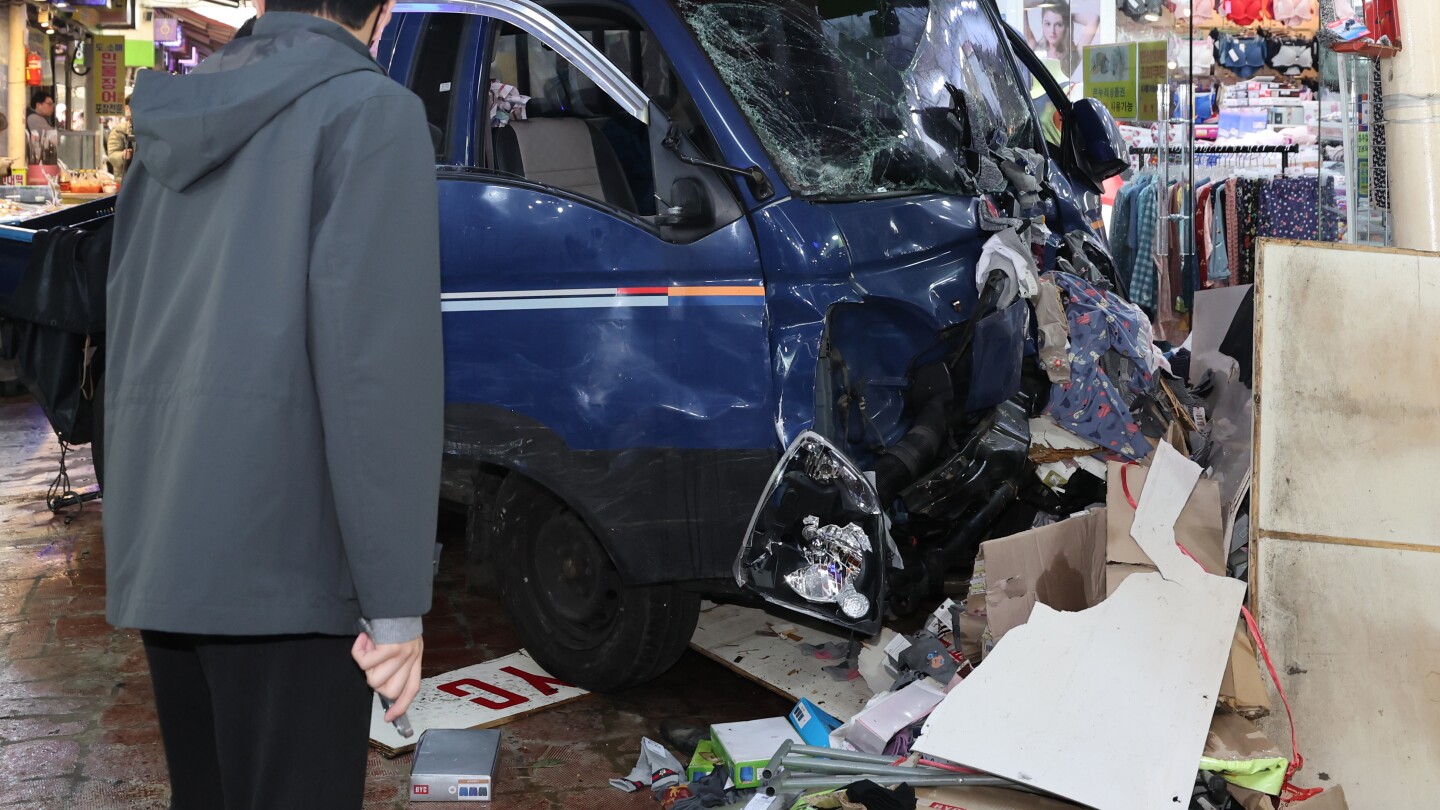
Truck crash in South Korea market kills 2 people and injures 18, officials say
A tragic incident unfolded in Bucheon, South Korea, on Thursday when a truck collided with pedestrians at a bustling outdoor market, resulting in two fatalities and 18 injuries, according to local fire and police authorities. The driver, a man in his 60s whose identity remains undisclosed, was promptly taken into custody for questioning. Preliminary investigations revealed that he was neither under the influence of alcohol nor drugs, as confirmed by Bucheon police official Son Byeong-sam. Witnesses recounted that the vehicle initially reversed approximately 28 meters (92 feet) before accelerating forward for about 150 meters (492 feet), striking numerous pedestrians along its path. The driver attributed the incident to a mechanical malfunction, a claim currently under scrutiny as officials analyze security camera footage. Among the injured, 11 sustained severe injuries, though the extent of their conditions remains unclear. The chaotic aftermath of the crash was captured in photographs, depicting the truck lodged into a storefront amidst scattered debris, including overturned boxes, clothing, and shattered signboards. The vehicle’s front left side was severely damaged, and its windows were completely broken. Authorities later removed the truck from the scene to conduct a thorough investigation into the cause of the accident.
-
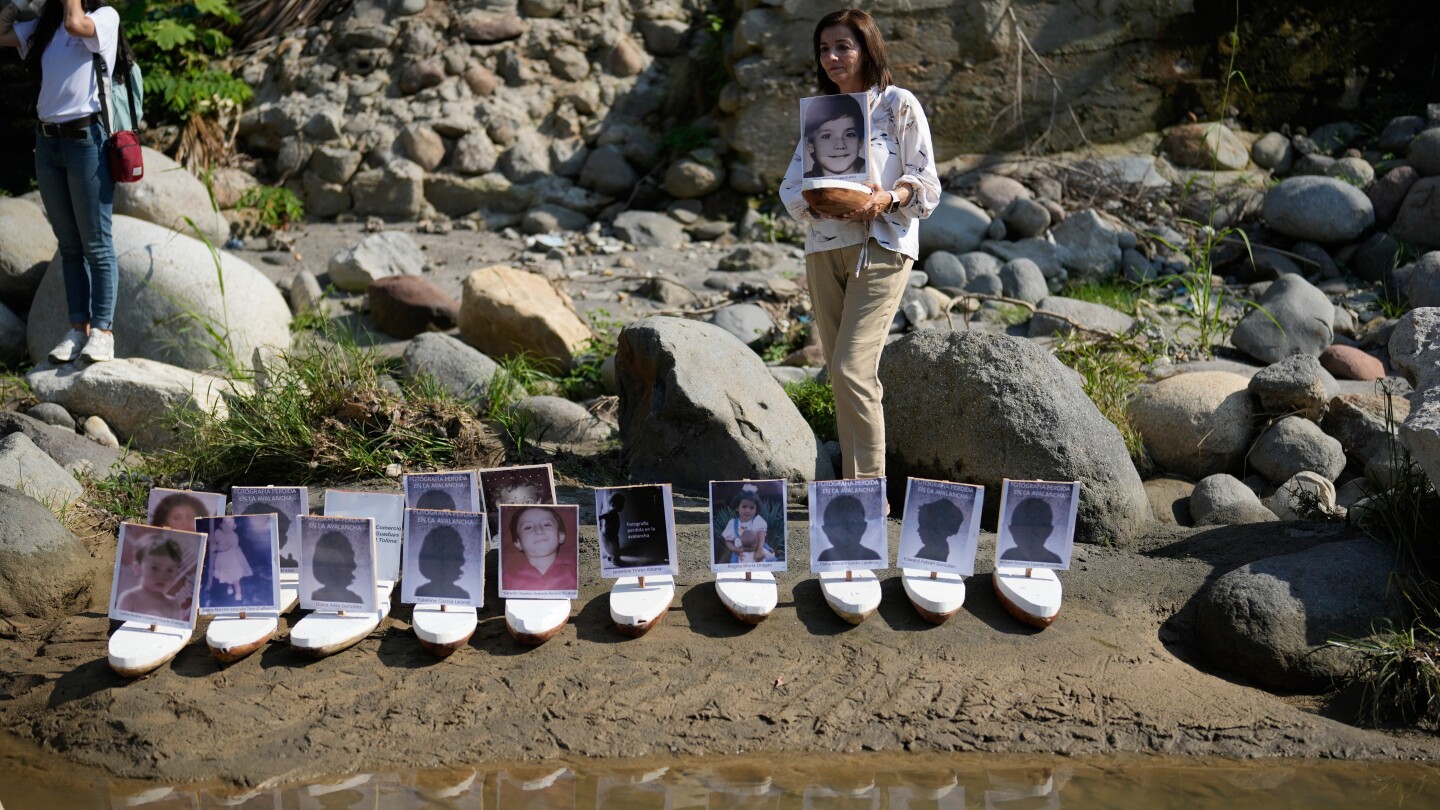
Parents search for children missing since a volcanic eruption in Colombia 40 years ago
In the wake of the catastrophic eruption of the Nevado del Ruiz volcano on November 13, 1985, which obliterated the Colombian town of Armero and claimed approximately 25,000 lives, hundreds of children were separated from their families. Among them was Sergio Melendro, whose mother, Martha Lucía López, continues her relentless search for her son nearly four decades later. López, now 67, recently participated in a symbolic act of releasing a boat into the river, adorned with images of missing children, in a poignant plea for their return. ‘The only option we have is for them, the people who adopted them, to tell the true story and for them to come to us,’ López expressed. The tragedy, Colombia’s deadliest natural disaster, left Armero uninhabited and plunged countless families into a lifelong quest to reunite with their lost loved ones. On the night of the eruption, López and her husband were swept away by the torrential flow of lava and debris, leaving their five-year-old son Sergio behind. Despite years of searching and unverified leads, including a potential sighting in New Orleans, Sergio’s fate remains a mystery. The Armando Armero Foundation has documented 580 missing children, with 71 reportedly adopted. So far, only four have been located through DNA testing. Francisco González, the foundation’s director, emphasized the complexity of the situation, stating that children were taken by various means, including by civilians who acted out of compassion. The Colombian Institute of Family Welfare (ICBF) has acknowledged receiving 170 children from Armero but is still investigating the number of adoptions, which were court-mandated at the time. Families have long relied on the ICBF’s ‘red book,’ a recently declassified record of some of the missing children, though it remains incomplete. Despite the passage of time, the families’ resolve remains unshaken. ‘It’s been 40 years of hope,’ said Benjamín Herrera, father of Óscar Fernando, who was just 14 months old at the time of the tragedy. ‘And we will wait as long as it takes.’
-

‘Fortune teller’ and daughter allegedly behind A$70m fraud in Australia
A mother and daughter, allegedly part of a highly sophisticated criminal syndicate, have been arrested in Sydney, Australia, for orchestrating a massive fraud scheme targeting vulnerable members of the Vietnamese community. The duo, aged 53 and 25 respectively, are accused of scamming nearly A$70 million (approximately $46 million) through deceptive practices, including posing as a fortune teller and feng shui master. The mother allegedly convinced victims to take out loans by promising them a future as billionaires, while keeping a significant portion of the funds for herself. The pair were arrested at their multi-million-dollar mansion in the exclusive suburb of Dover Heights, where police seized luxury items, financial documents, and a 40-gram gold bar worth A$10,000. The mother faces 39 charges, including directing a criminal group and obtaining financial advantage by deception, while her daughter faces seven charges related to money laundering and involvement in criminal activities. The investigation, led by NSW Police’s Strike Force Myddleton, has uncovered a broader syndicate involved in large-scale fraud and money laundering, with assets worth A$75 million already frozen. The case, dubbed the Penthouse Syndicate, is believed to be one of the largest financial crime operations in Australia, involving corrupt bank staff and fraudulent loans to purchase luxury properties.
-
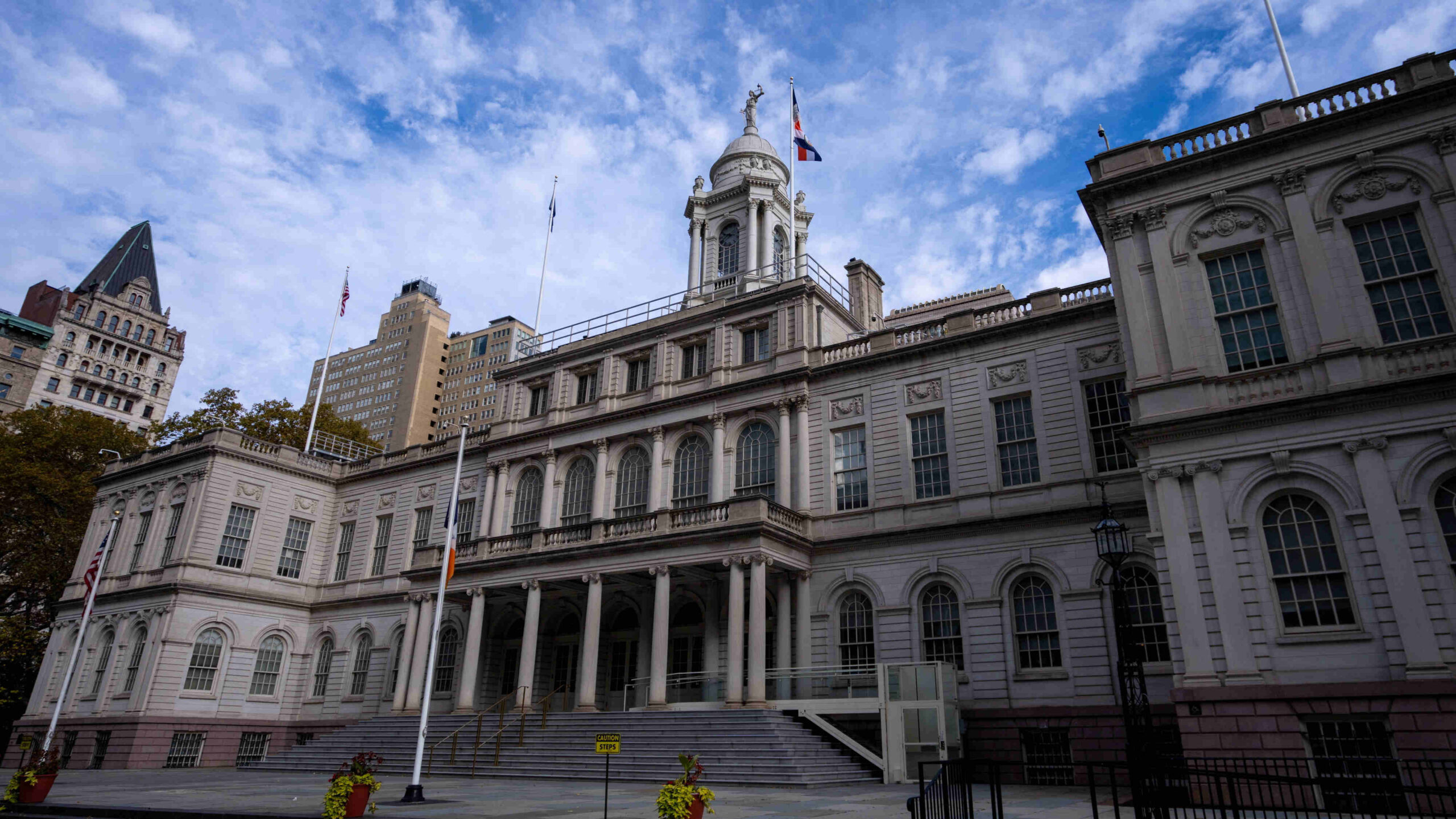
Jewish groups condemn ADL’s Mamdani Monitor as ‘blatant Islamophobia’
A coalition of Jewish organizations has strongly criticized the Anti-Defamation League (ADL) for its creation of the ‘Mamdani Monitor,’ labeling it as a blatantly Islamophobic and racist initiative targeting New York City mayor-elect Zohran Mamdani. The coalition, which includes groups such as IfNotNow, Bend the Arc: Jewish Action, and J Street NYC, released a letter on Tuesday condemning the project, stating that it undermines the collective fight against antisemitism and Islamophobia in the city. The letter emphasized unity with Mamdani and rejected the ADL’s claim to represent all Jewish communities. It also highlighted Mamdani’s commitment to combating hate violence and his outreach to Jewish communities during his campaign. The ADL, however, defended its initiative, with CEO Jonathan Greenblatt asserting that Mamdani has promoted antisemitic narratives and demonstrated animosity toward Israel. The tracker has faced widespread backlash, with critics accusing the ADL of scaremongering and conflating criticism of Israel with antisemitism. Despite the controversy, Greenblatt stated that the monitor would also share positive news if Mamdani’s administration takes steps to ensure the safety and inclusion of Jewish New Yorkers.
-
The fallout from Nigeria’s spectacular $25m museum and the Benin Bronzes
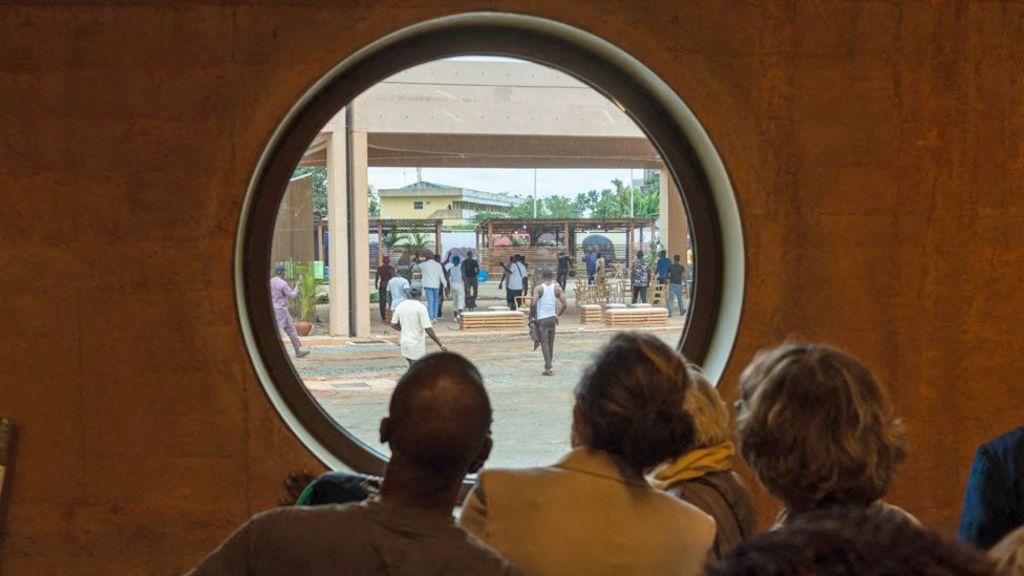
The much-anticipated opening of Nigeria’s Museum of West African Art (Mowaa) in Benin City has been marred by political disputes and protests, casting a shadow over what was meant to be a celebration of regional creativity. The six-hectare campus, designed by renowned British-Ghanaian architect Sir David Adjaye, was envisioned as a cultural hub to honor the legacy of the Benin Bronzes and foster contemporary African art. However, tensions escalated when the Edo state government revoked the museum’s land use rights, citing a name change from ‘Edo Museum of West African Art’ to simply ‘Mowaa.’ This decision followed protests demanding the museum be renamed the Benin Royal Museum and placed under the control of the local traditional ruler, Oba Ewuare II. The controversy highlights deeper political rivalries, with the new governor’s administration seeking greater influence over the project, which was championed by the previous governor, Godwin Obaseki. The museum, a $25 million initiative funded by international donors and the Edo state government, aims to create over 30,000 jobs and contribute $80 million annually to the regional creative economy. Despite its ambitious goals, the absence of the Benin Bronzes—looted by British soldiers in 1897 and now scattered across Western museums—remains a contentious issue. Mowaa’s executive director, Phillip Ihenacho, emphasized the museum’s broader vision to inspire contemporary African creativity across various art forms, rather than focusing solely on historical artifacts. As the government works to resolve the dispute, Mowaa’s staff remain committed to redefining the role of a modern African museum, even in the face of political and logistical challenges.
-

The case for and against counting castes in India
India’s caste system, a deeply entrenched social hierarchy, continues to shape the nation’s socio-political landscape. The upcoming 2027 national census will mark a historic shift by including a full enumeration of castes for the first time in nearly a century. This move, driven by political pressure and demands for equitable distribution of government benefits, aims to provide a clearer picture of who benefits from affirmative action and who remains marginalized. However, the initiative has sparked intense debate among scholars and activists. Anand Teltumbde, a prominent scholar-activist, warns that counting castes risks legitimizing and perpetuating the very system it seeks to address. In his provocative book, *The Caste Con Census*, Teltumbde argues that caste is inherently hierarchical and defies measurement, echoing B.R. Ambedkar’s call for the annihilation of caste rather than its management. Critics like Teltumbde fear that the census could be exploited by political parties to redraw quotas or fuel caste-based resentment, further entrenching inequality. On the other hand, proponents such as sociologist Satish Deshpande and economist Mary E John view the census as a necessary tool for achieving social justice. They argue that reliable caste data can expose both privilege and deprivation, enabling more targeted welfare policies. Political scientist Sudha Pai suggests that linking caste data to income and educational indicators could shift India from a caste-based to a rights-based welfare system. Yet, challenges abound, from the complexity of data collection to the risk of solidifying caste identities. As India prepares for this monumental exercise, the question remains: Will the caste census pave the way for social justice, or will it deepen the divisions it seeks to address?
-
Thirteen hours by touch – inside one of the world’s longest exam days
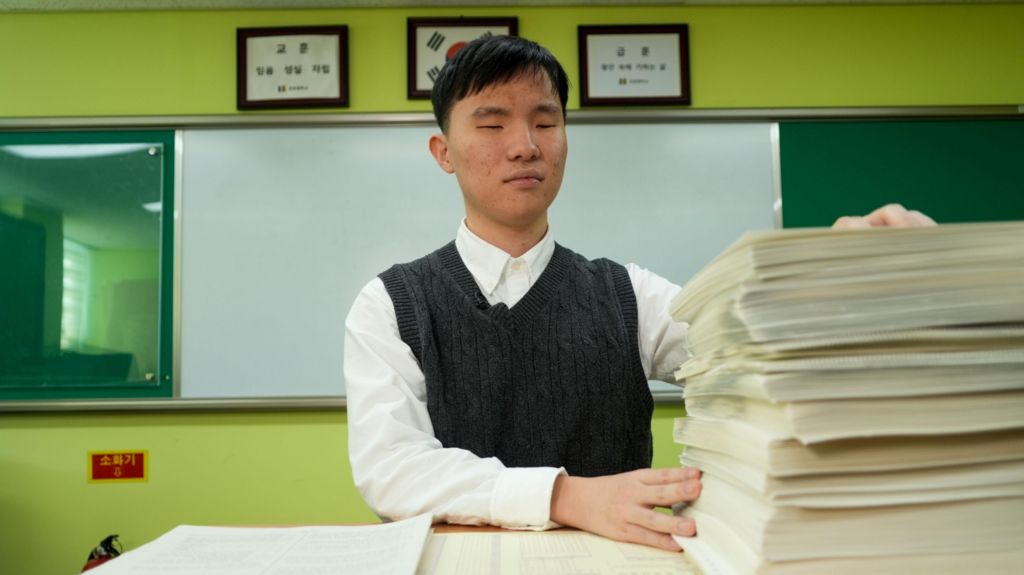
Every November, South Korea halts its usual pace for the Suneung, the nation’s rigorous college entrance exam. While most students complete the test by late afternoon, blind students often endure a grueling 13-hour marathon, finishing close to 10 p.m. This year, over 550,000 students are taking the Suneung, marking the highest number of applicants in seven years. Among them are 111 blind test-takers, including Han Dong-hyun and Oh Jeong-won from Seoul Hanbit School for the Blind. The Suneung, short for College Scholastic Ability Test (CSAT), is a pivotal moment in South Korean education, determining university admissions, job prospects, and even future relationships. For most students, the exam spans eight hours, covering subjects like Korean, mathematics, English, and social or natural sciences. However, blind students are granted 1.7 times the standard duration, extending their test day significantly. The physical demands of reading braille, coupled with the lack of dinner breaks, make the exam particularly exhausting. Braille test booklets are six to nine times thicker than standard ones, as every sentence, symbol, and diagram must be converted into tactile form. Additionally, blind students face challenges in accessing study materials, often receiving braille versions of state-produced EBS preparation books months later than their sighted peers. Despite these hurdles, students like Dong-hyun and Jeong-won remain determined. Dong-hyun, who was born completely blind, uses braille and screen-reading software to navigate the exam. He finds the Korean language section particularly challenging due to the extensive braille pages. Jeong-won, on the other hand, struggles with the late afternoon fatigue, as the exam continues without a dinner break. Both students emphasize the importance of perseverance, viewing the Suneung as a test of their resilience. Their teacher, Kang Seok-ju, praises their endurance, noting the physical toll of reading braille for hours. While the Suneung is a high-stakes exam, Mr. Kang reminds his students that it is not the sole measure of their worth. For these blind students, the Suneung is not just an academic challenge—it is a testament to their years of hard work and determination.
-
National Games showcase Guangdong, Hong Kong, Macao cuisine
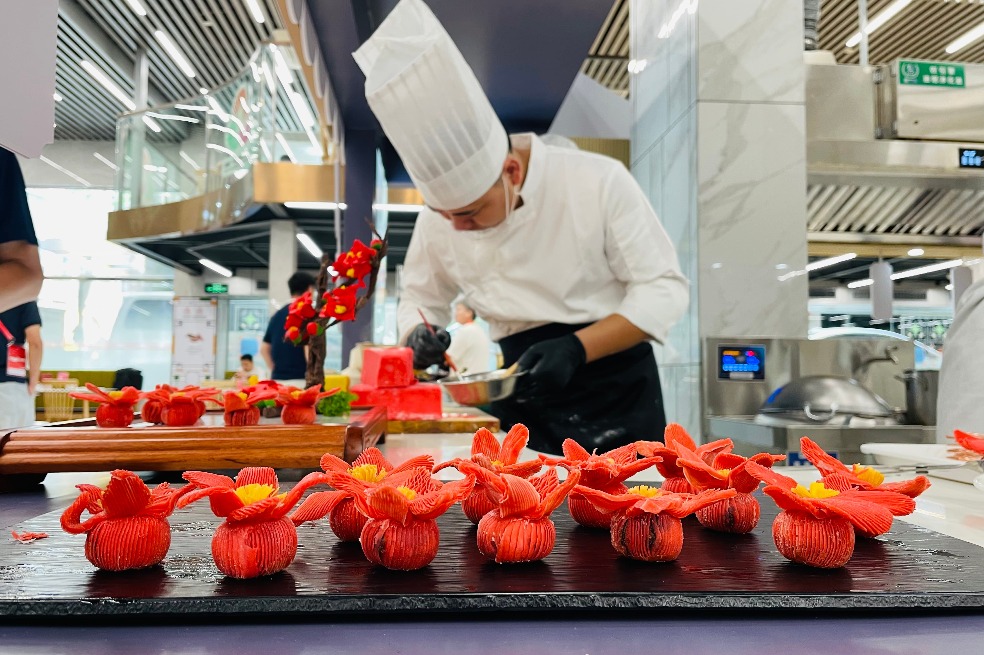
The 15th National Games, currently underway, is not only a prestigious platform for athletes to compete for gold medals but also a celebration of the rich culinary heritage of Guangdong province, Hong Kong, and Macao. The event has become a gastronomic journey for thousands of spectators and journalists alike. At the main press center in Guangzhou, the capital of Guangdong, organizers have curated a diverse menu featuring iconic dishes from across the province. Highlights include shrimp dumplings, rice noodle rolls, braised goose, and beef balls, showcasing the region’s culinary expertise. Since November 9, 21 cities in Guangdong have taken turns hosting food-themed days at the press center’s restaurant, presenting a total of 168 specialty dishes. During Shantou’s themed day, dishes like braised goose and beef balls left both domestic and international journalists impressed by the city’s unique rice noodle preparations. This edition of the National Games, jointly hosted by Guangdong, Hong Kong, and Macao for the first time, has drawn over 3,200 registered journalists from media outlets worldwide, further amplifying the cultural and culinary exchange.
-

How Dubai’s Future Loop project will connect iconic landmarks, ease traffic
Dubai is taking a monumental leap towards becoming a pedestrian-friendly, future-ready city with its ambitious Future Loop project. Launched as part of the Dubai Walk Master Plan in December 2024, this initiative aims to transform urban mobility by connecting iconic landmarks and easing traffic congestion. The Future Loop, a 2km elevated pathway, will be implemented in the Museum of the Future area, offering a climate-controlled walkway for year-round pedestrian use. This innovative project will link 10 key locations, including the Dubai World Trade Centre, Emirates Towers, and the Dubai International Financial Centre (DIFC), while integrating seamlessly with Dubai’s existing transport network, including metro and tram stations, cycling tracks, and future transportation systems. The pathway will feature 30,000 square metres of air-conditioned spaces, shaded structures, and green areas designed to enhance comfort and reduce temperatures. Additionally, the Future Loop will include commercial spaces developed through public-private partnerships, further enriching the urban experience. This project is a cornerstone of Dubai’s 20-Minute City goal, which aims to enable 80% of residents to access essential services within a 20-minute commute. By prioritizing pedestrian safety, connectivity, and sustainability, the Future Loop aligns with Dubai’s Quality of Life Strategy 2033, making the city more liveable and people-centred. The project is already underway, with active progress reviewed by Sheikh Hamdan bin Mohammed bin Rashid Al Maktoum, Crown Prince of Dubai, as part of the emirate’s major infrastructure initiatives.