
A tragic incident unfolded off the coast of County Donegal, Republic of Ireland, when a fisherman in his 40s lost his life after falling overboard. The event occurred at approximately 13:25 local time near Arranmore on Tuesday. Despite being airlifted to Sligo University Hospital by the Garda (Irish Police), the man was pronounced dead upon arrival. According to Irish broadcaster RTÉ, the deceased was not originally from Ireland but had been a long-term resident of Greencastle, Inishowen. A spokesperson from the Department of Transport revealed that the Coast Guard marine rescue coordination centre in Malin swiftly responded to a mayday call from the vessel. The crew of the fishing vessel managed to recover the man from the water. In the aftermath, a technical examination of the vessel has been conducted, and both the Marine Casualty Investigation Board and the Health and Safety Authority have been notified to investigate the incident further.
分类: society
-

UAE: National Day or Christmas, which holiday is cheaper to travel on?
As the year draws to a close, UAE residents planning their holiday getaways face a crucial decision: Should they travel during the National Day weekend or wait for the Christmas-New Year period? A detailed analysis of current airfares and travel packages reveals significant cost differences between the two holiday seasons. While National Day offers more affordable short-haul trips, Christmas travel, especially to long-haul destinations, is proving to be substantially more expensive. Travel industry executives highlight that short-haul destinations remain budget-friendly during National Day, with packages averaging around Dh2,700. Popular choices include the Caucasus, Southeast Asia, and newly accessible routes like Krabi in Thailand. In contrast, Christmas travel is dominated by long-haul trips to Europe and Scandinavia, with fares surging up to 90% in some sectors. For instance, a flight from Dubai to Helsinki jumps from Dh2,198 in late November to Dh4,000 during Christmas week. The demand for festive destinations like Finland’s Santa Claus Village is so high that bookings are made a year in advance. Travel agents emphasize that Christmas packages are at least 30% costlier than National Day deals, driven by extended family vacations and fixed school holidays. However, some destinations, such as Baku, offer cheaper flights during Christmas, while India-bound fares spike due to residents returning home. Hotel rates also vary, with Tbilisi offering cheaper nightly stays over Christmas compared to National Day, while Helsinki sees a significant increase. Visa-free and e-visa destinations like Georgia, Armenia, and Thailand remain attractive for quick escapes. To secure the best deals, agents recommend booking weekday flights and finalizing plans before official holiday announcements. In summary, National Day is ideal for short, spontaneous trips, while Christmas caters to those seeking festive experiences or family reunions, albeit at a higher cost.
-
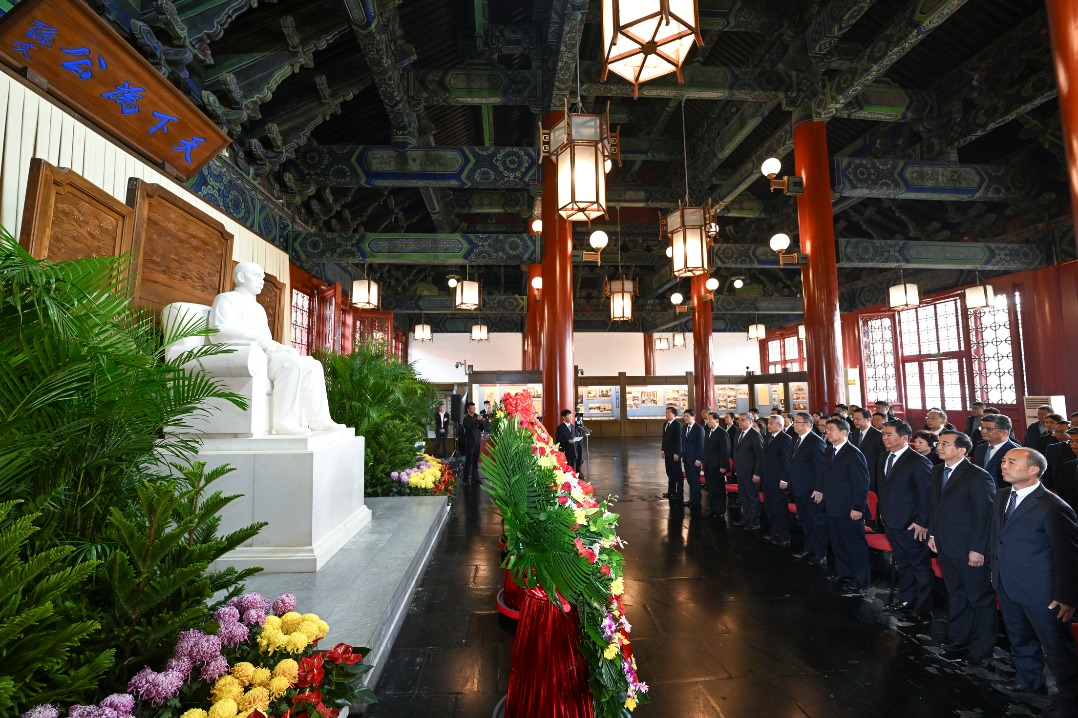
China commemorates 159th birth anniversary of Sun Yat-sen
On November 12, 2025, China commemorated the 159th birth anniversary of Sun Yat-sen, a revered national hero, patriot, and pioneer of China’s democratic revolution. The ceremony, held at Zhongshan Park in central Beijing—a location named in his honor—was organized by the National Committee of the Chinese People’s Political Consultative Conference (CPPCC). Attendees, including senior officials from the CPPCC National Committee, the Central Committee of the Revolutionary Committee of the Chinese Kuomintang, the United Front Work Department of the Communist Party of China Central Committee, and the Beijing municipal government, paid their respects with floral tributes and bows before Sun’s statue. The event also saw participation from representatives of non-Communist parties, prominent non-affiliated figures, Sun’s descendants, and other organizations. Born in 1866 in Guangdong province, Sun Yat-sen was instrumental in the 1911 Revolution, which ended the Qing Dynasty and over two millennia of feudal rule in China, marking a pivotal moment in the nation’s history.
-

Japanese students obtain firsthand insight in China
A group of Japanese students who participated in an exchange program to China shared their transformative experiences at an event in Tokyo on Tuesday. The program, titled ‘100 Japanese University Students Visiting China,’ provided participants with a unique opportunity to explore China’s cultural heritage, technological advancements, and urban modernization. Koharu Hayakawa, a student from Chuo University, spent a year studying in Tianjin and was particularly struck by China’s ability to balance modernization with the preservation of its cultural identity. During visits to Hongcun and Xidi villages in Anhui province, Hayakawa observed that these popular tourist destinations maintained a strong sense of everyday life, dispelling his earlier assumptions of over-commercialization. He also noted regional differences in lifestyle, cuisine, and technology use, which deepened his appreciation for China’s diversity. The program included trips to Anhui and Henan provinces, where students explored Mount Huangshan, Huizhou culture, and innovative companies like Mixue Ice Cream and Tea. Reiji Nomachi, a student at Nihon University, was impressed by China’s rapid technological advancements, particularly in the electric vehicle sector. He highlighted the affordability, fast-charging capabilities, and longevity of Chinese EVs, noting that China’s adoption of this technology far surpasses that of Japan. Both Hayakawa and Nomachi emphasized the importance of firsthand experience in understanding China, encouraging others to share their experiences to foster friendly relations between Japan and China. Otohiko Endo, head of the Japan-China New Century Association, stressed the need for fresh and creative perspectives in youth exchanges, urging young people to face differences bravely and turn brief encounters into lasting relationships. Zhao Baogang, minister counselor at the Chinese embassy in Tokyo, underscored the significance of firsthand experience, especially in light of the 80th anniversary of the victory in the Chinese People’s War of Resistance Against Japanese Aggression. Despite media speculation about ‘anti-Japanese sentiment,’ students encountered genuine warmth and friendliness from the Chinese people. Sun Ran, editor-in-chief of Live Japan and head of the visiting delegation, announced the establishment of a youth friendship association to provide a long-term platform for continued exchange and mutual understanding.
-
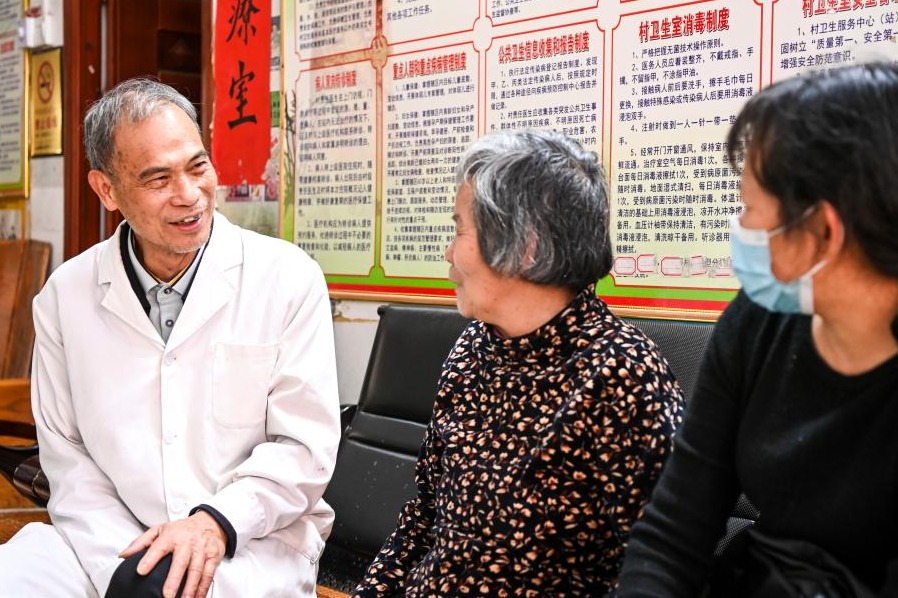
Retired medical workers urged to support seniors
In response to the escalating demands of an aging population, Chinese authorities have introduced a nationwide initiative to engage retired medical workers in integrated medical and elderly care institutions. This program, spearheaded by the National Health Commission and four other government bodies, aims to leverage the expertise of retired professionals to enhance the quality of care for seniors. Ten provincial-level regions, including Beijing, Chongqing, Hebei, Jilin, and Jiangsu, have been selected as pilot zones to develop scalable models for nationwide implementation. The initiative operates on a voluntary basis, allowing retired doctors, nurses, pharmacists, technicians, and administrative staff to contribute their skills in areas such as diagnosis, rehabilitation, nursing, and mental health support. With China’s elderly population surpassing 310 million in 2024, accounting for 22% of the total population, the integration of medical and elderly care has become a critical strategy. The program also encourages partnerships between care facilities and local hospitals, particularly those specializing in geriatric medicine, rehabilitation, and hospice care. Retired professionals will be offered flexible working hours, competitive remuneration, and additional benefits, ensuring their rights and well-being are protected. The initiative not only addresses the growing care needs but also provides retirees with meaningful opportunities to remain active in their field. Wei Qingzhuo, a retired medical professional from Shandong province, shared his positive experience working at a private elderly care center in Beijing, highlighting the convenience and harmonious work environment. By 2027, authorities aim to establish at least one integrated medical and elderly care institution in every county-level region, marking a significant step forward in addressing China’s demographic challenges.
-
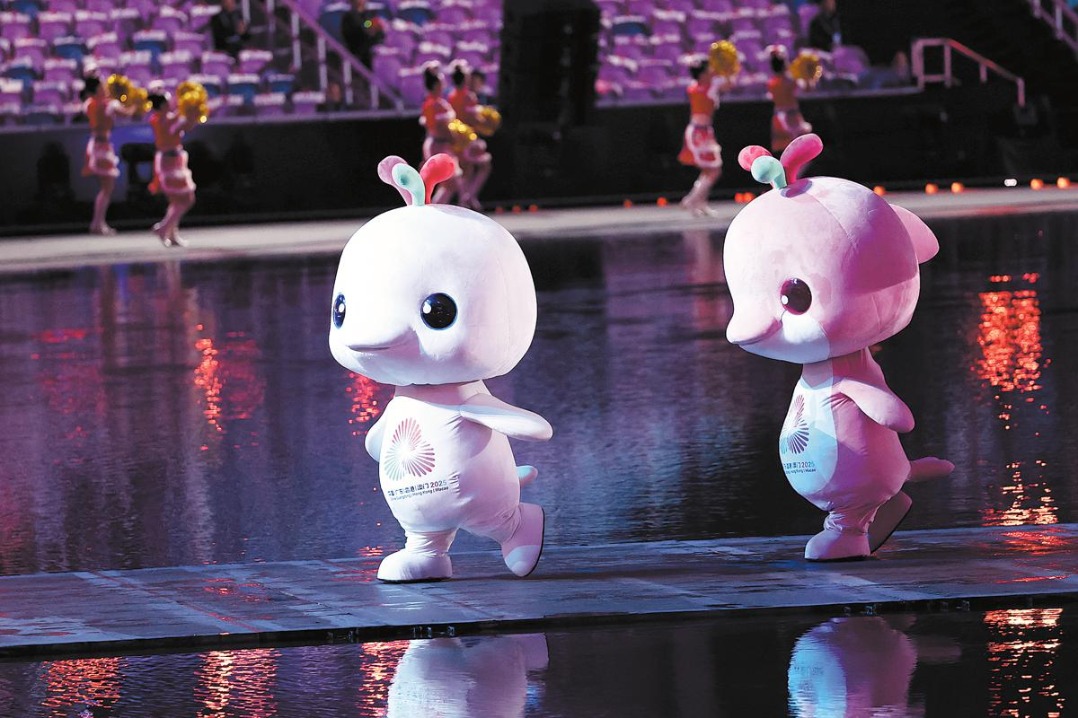
Games mascots steal the spotlight with their athletic fin-esse
The 15th National Games has witnessed an unexpected phenomenon as the mascots, Xi Yangyang and Le Rongrong, inspired by the Chinese white dolphin, have captured the hearts of audiences across the three host regions. Designed by Liu Pingyun, the creative mind behind the Beijing Winter Olympics’ Bing Dwen Dwen, these mascots showcase a significant evolution in athletic expressiveness. Unlike Bing Dwen Dwen’s limited mobility, Xi Yangyang and Le Rongrong feature a two-heads-tall proportion, enabling smoother and more dynamic movements. This design enhancement not only allows for versatile graphic depictions of various sports but also provides live performers inside the costumes with greater flexibility. Their energetic performances, including break dancing, rapid tail spins, and headstands, have electrified venues like the Dongguan Basketball Center, driving the crowd into a frenzy of cheers. Social media has been ablaze with viral videos and memes of their antics, with many hailing them as the most energetic mascots ever seen. The performers, a group of 23 martial artists from the Foshan Huangfeihong International Martial Arts School, were selected for their physical prowess, discipline, and teamwork. Their rigorous training since late July has paid off, bringing the mascots to life with natural and lively portrayals. The Chinese white dolphin, the mascots’ biological inspiration, carries profound symbolic meaning. Known as the ‘giant panda of the sea,’ it represents the maritime culture of the Guangdong-Hong Kong-Macao Greater Bay Area and embodies unity, perseverance, and endeavor. The dolphins’ annual return to the Pearl River Estuary symbolizes a deep connection to their homeland, reflecting the strong bonds among the people of Guangdong, Hong Kong, and Macao. This symbolism is particularly relevant given the Games’ historic joint hosting, marking a new era of regional cooperation. Liu Pingyun emphasized the challenge of transforming the unfamiliar marine creature into approachable, engaging characters. The final design features rounded bodies, human-like limbs, and distinctive blue, green, and yellow adornments atop their heads, representing water spraying from their blowholes. Despite their design, the mascots have sparked a wave of online humor, with many affectionately dubbing them the ‘great bay chickens,’ a nod to Cantonese cuisine and culture. This grassroots rebranding has made the mascots more approachable, drawing people in and helping them connect more deeply with the cultural and athletic spirit they represent.
-
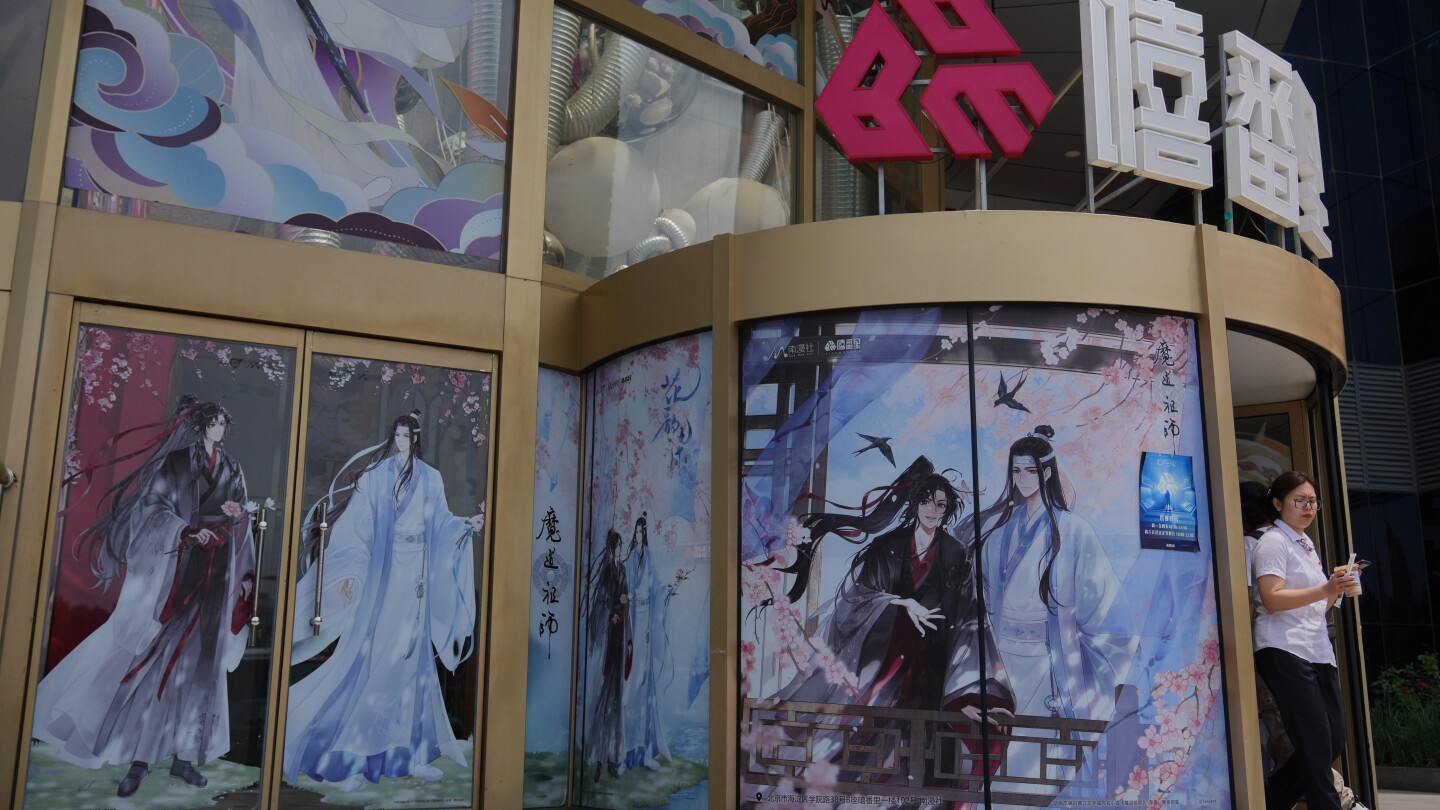
As China cracks down on stories about men in love, female fans mourn the idealized romances
For Cindy Zhong and countless young Chinese women, a quiet evening once meant immersing themselves in the world of Danmei, a genre of same-sex romance stories primarily written and consumed by straight women. However, this literary escape is now under threat as the Chinese government intensifies its crackdown on the genre, leading to the disappearance of beloved authors and their works. Danmei, often referred to as ‘Boys Love’ in English, has long served as a space for women to explore idealized relationships, free from the constraints of traditional gender roles. Scholars suggest that these stories resonate with Chinese women as a form of escapism from societal pressures to marry and conform. Aiqing Wang, a senior lecturer at the University of Liverpool, notes, ‘Women turn to Danmei for pure love, especially as they face pressure from families, peers, and society to get married and have kids.’ The genre, once a niche subculture, has seen a surge in popularity in recent years, with novels adapted into blockbuster TV series and translated into Western languages. However, its growing visibility has also drawn the attention of Chinese authorities. Over the past year, dozens of Danmei writers have been interrogated, arrested, and charged with producing and selling obscene materials. Many have stopped publishing, and websites hosting these stories have either shut down or removed content, leaving only the tamest narratives behind. ‘Chinese female readers can no longer find a safe, uncensored space to place our desires,’ lamented Zhong, an educator in her 30s. Despite the crackdown, Danmei’s influence persists, with some authors publishing their work abroad and readers finding creative ways to access it. Experts argue that the genre’s impact on female consciousness and the desire for unapologetic storytelling is irreversible. ‘The awakening of female consciousness, the desire of reading and not being ashamed of what they want to read is irreversible,’ said Xi Tian, an associate professor of East Asian Studies at Bucknell University.
-
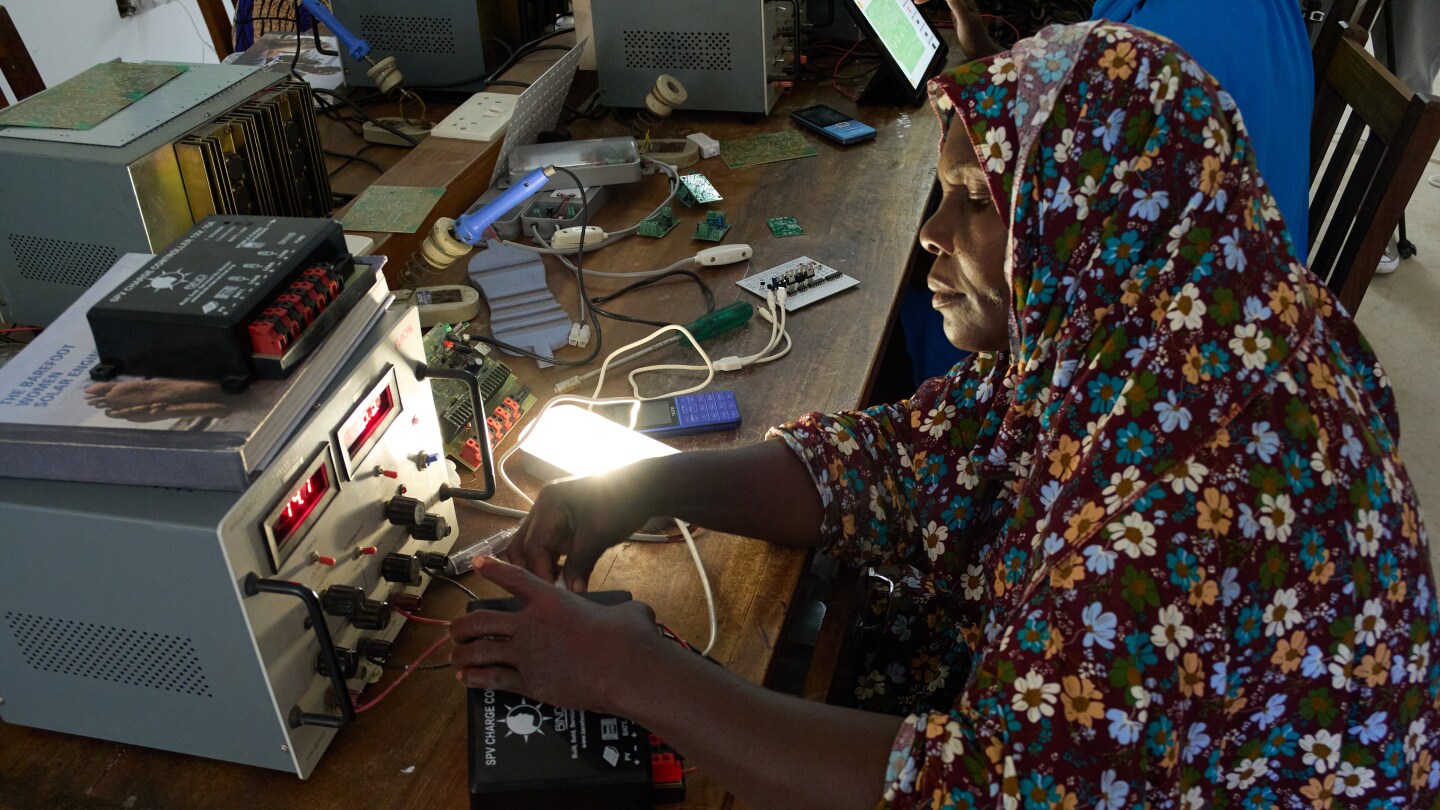
Zanzibar’s ‘solar mamas’ are trained as technicians to help light up communities
In the semi-autonomous archipelago of Zanzibar, Tanzania, the absence of electricity has long cast a shadow over daily life. For Hamna Silima Nyange and her eight children, the dim glow of smoky oil lamps was the only source of light after sunset. ‘The light was too weak,’ Nyange recalled. ‘And the smoke from the lamp hurt my eyes.’ However, a transformative change arrived when her neighbor, Tatu Omary Hamad, installed solar panels and bulbs, harnessing the abundant sunlight along the Indian Ocean coast. ‘Today we have enough light,’ Nyange said with relief.
Hamad is one of the many ‘solar mamas’ trained by Barefoot College International, a global nonprofit dedicated to bringing light to rural communities while empowering local women. Since its inception in Zanzibar, the program has illuminated 1,845 homes. The initiative focuses on middle-aged women, often with little or no formal education, who are trained over six months to become solar power technicians. These women return to their communities equipped with at least 50 sets of household solar panel kits and the skills to install and maintain them.
Brenda Geofrey, the director of Barefoot College International Zanzibar, emphasized the program’s mission: ‘We want to train women who become change makers.’ The Zanzibar campus, now in its 10th year, has become a beacon of hope. Previously, women were sent to India for training, where the organization was founded. Khazija Gharib Issa, once an unemployed widow, is now a master trainer. ‘I got a job. I got a place to stay. Before, I didn’t have one,’ she shared.
The program’s impact extends beyond lighting homes. It also addresses health concerns by replacing harmful light sources like kerosene, which can irritate eyes, damage lungs, and pose fire hazards. Jacob Dianga, a local healthcare worker, highlighted the importance of clean energy: ‘It helps protect our health.’ Additionally, Barefoot College International offers courses in tailoring, beekeeping, and sustainable agriculture, ensuring women are equipped with diverse skills and health knowledge to share with their communities.
Despite its successes, the program faces challenges. Funding is a persistent issue as major donors reduce foreign aid, and projects compete for limited resources. Resistance within local communities also poses a hurdle, with some husbands preventing their wives from participating. ‘In most African communities, women are pictured as somebody who is just at home,’ Geofrey noted. Yet, the solar mamas are breaking stereotypes and proving their worth. ‘People used to say this work is for men. They were surprised and laughed at me,’ Issa said. ‘But now they see how important my work is. I have become an example.’
Barefoot College International continues to expand across Africa, with campuses in Madagascar and Senegal, and plans to recruit women from the Central African Republic. The organization’s efforts underscore the transformative power of education, clean energy, and gender equality in driving sustainable development.
-
France honors the victims of the Paris attacks’ night of terror 10 years on
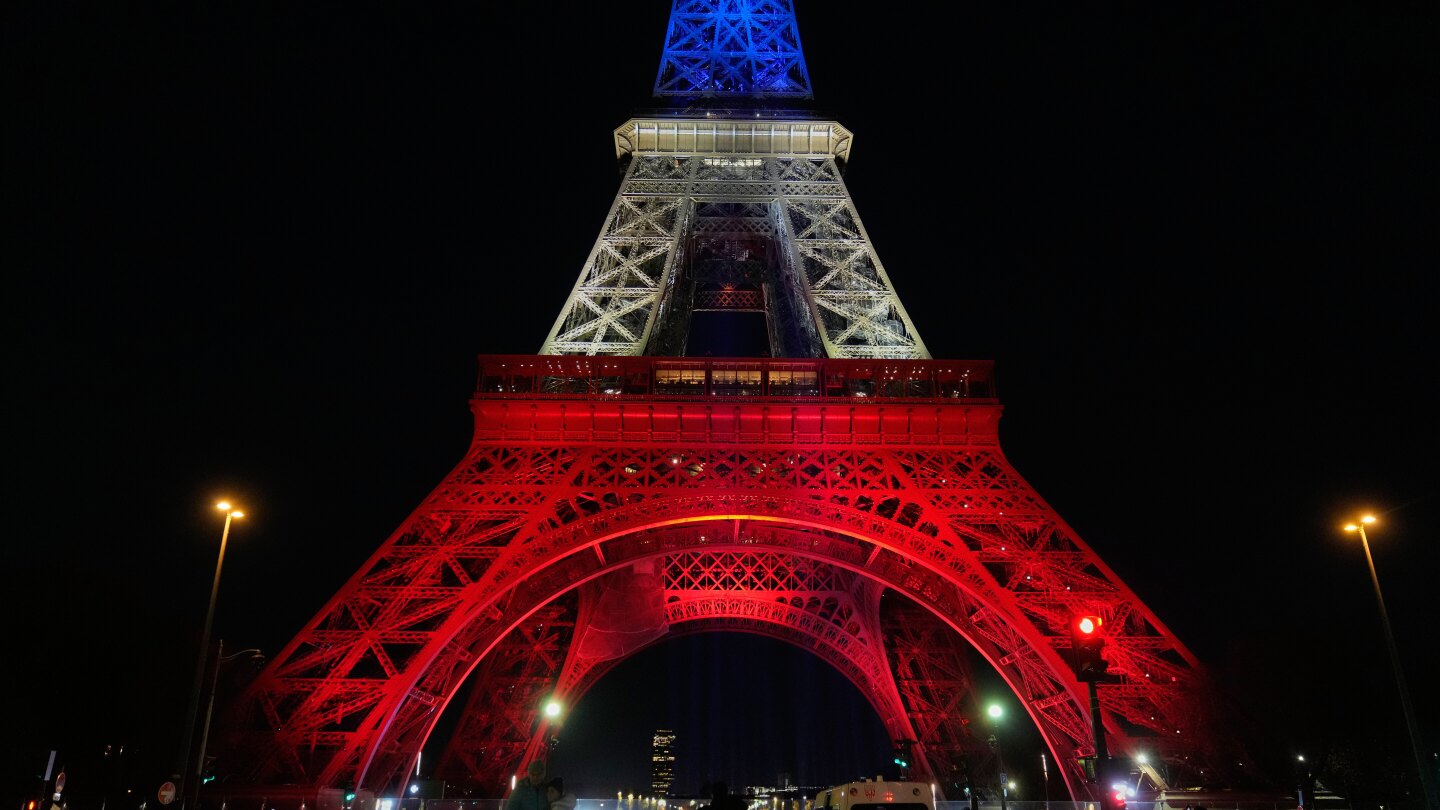
A decade after the harrowing terrorist attacks that shook Paris on November 13, 2015, the city paused to honor the 132 lives lost and the hundreds injured in a series of coordinated assaults. The attacks, carried out by nine Islamic State militants, targeted the Stade de France, café terraces, and the Bataclan concert hall, leaving indelible scars on the nation’s psyche. On Thursday, President Emmanuel Macron and Paris Mayor Anne Hidalgo led a series of commemorative events at each attack site, culminating in a moment of silence and the unveiling of a new memorial garden, the Jardin du 13-Novembre. The garden, designed in collaboration with victims’ associations, features granite stelae bearing the names of the deceased, alongside symbolic plantings and spaces for reflection. The Eiffel Tower was illuminated in the colors of the French flag, and a minute of silence was observed at France’s World Cup qualifier against Ukraine. Survivors, including Arthur Dénouveaux, who escaped the Bataclan, spoke of the enduring emotional toll, emphasizing the ongoing struggle to rebuild lives while preserving the memory of those lost. The 2021–2022 trial of the attackers, which resulted in life imprisonment for Salah Abdeslam and convictions for 19 others, provided a measure of accountability but underscored the lasting impact of the tragedy. The commemorations aimed to honor the victims, celebrate the resilience of survivors, and protect the ordinary joys of life that the attackers sought to destroy.
-
Drugs disguised as tea keep washing up on this S Korean holiday island
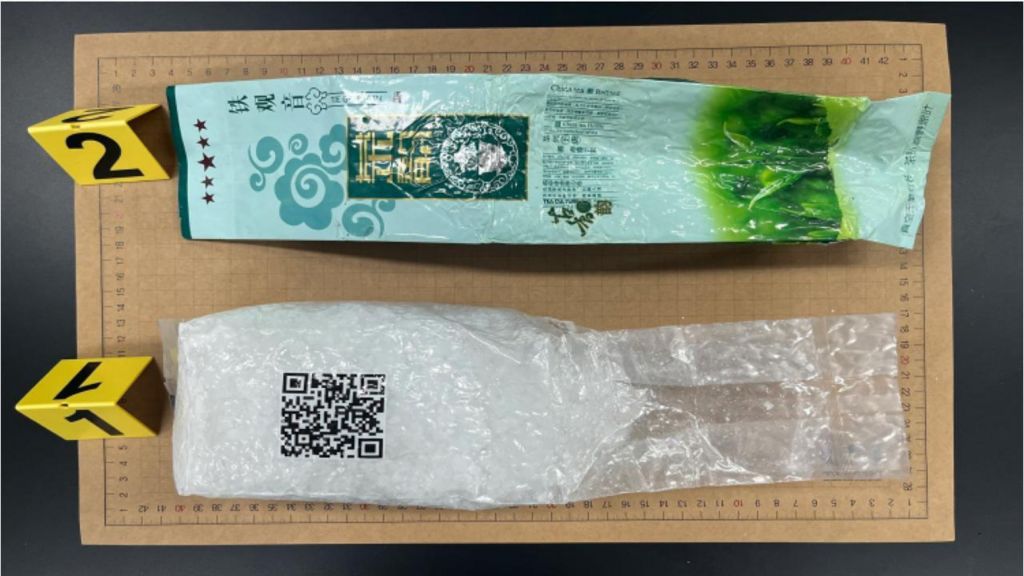
In a startling discovery, South Korea’s Jeju Island has become the focal point of a significant drug smuggling operation involving ketamine disguised as Chinese tea. Since September, residents have reported finding small foil-wrapped packages labeled with the Chinese character for ‘tea’ washed ashore. Upon investigation, authorities confirmed these packages contained ketamine, a potent anesthetic with severe health risks when misused. Approximately 28kg (62 lbs) of the drug have been recovered in at least eight separate incidents, with the largest haul—20kg—discovered by a beach cleaner in Seogwipo on October 15. The Jeju Coast Guard has mobilized a specialized team to trace potential sea and land routes used for smuggling. Authorities have issued warnings to residents, urging them to avoid touching suspicious objects and to report findings to the police. A massive search operation involving over 800 soldiers, police officers, and civilian volunteers was conducted this week along Jeju City’s northern coast. Investigators are exploring the possibility that ocean currents carried the drugs to Jeju, with similar discoveries reported in Pohang, South Korea, and Tsushima Island, Japan. Professor Yoon Heung-hee of Hansung University suggested that criminal syndicates may be employing a ‘sea bump’ method, dropping drug bundles equipped with trackers into the ocean for later retrieval. Residents have expressed concern over the presence of illicit drugs on their coastlines, with one parent voicing fears about children accidentally encountering the substances. Authorities are under pressure to enhance inspections at airports and ports to prevent further smuggling attempts.