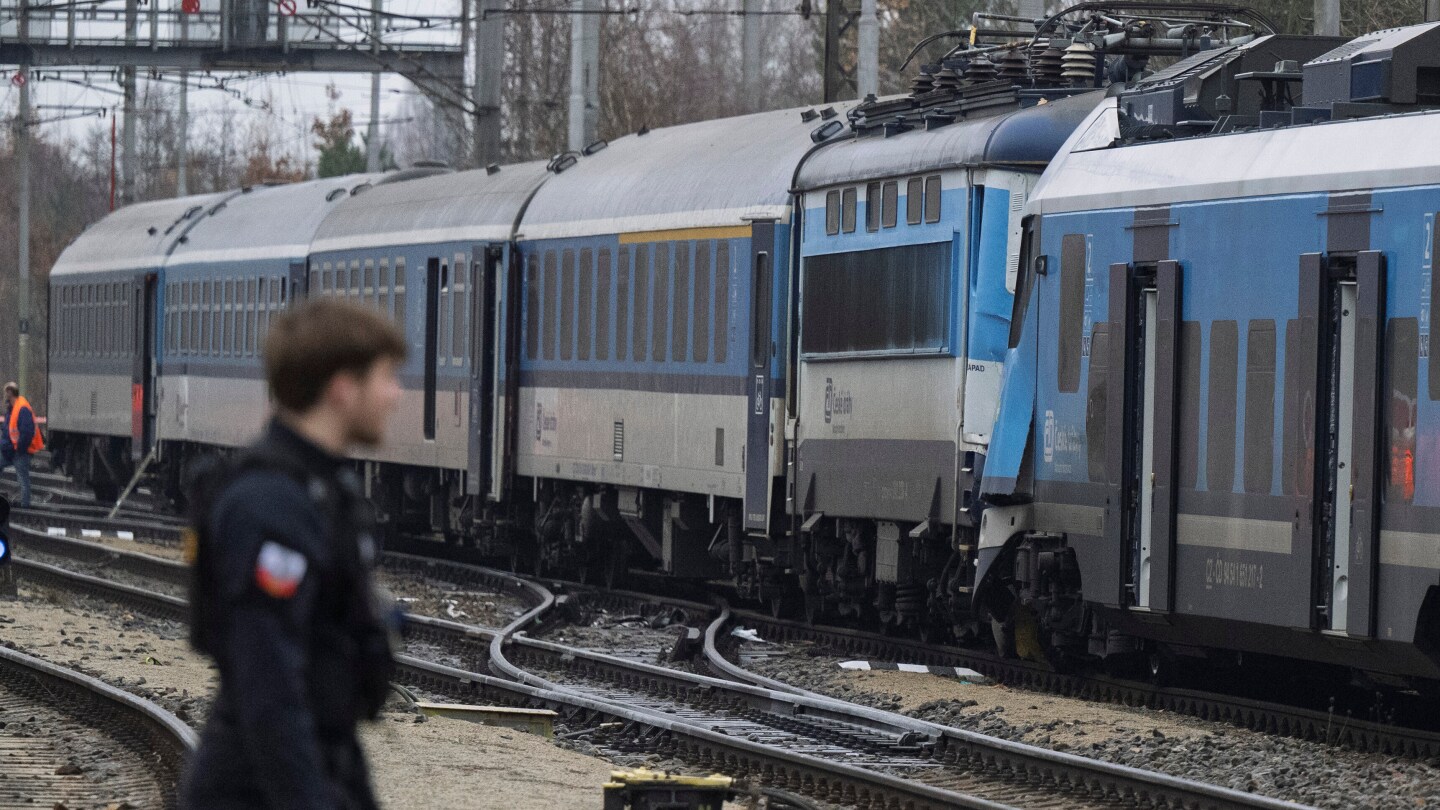
A significant train collision occurred in the southern Czech Republic on Thursday morning, resulting in multiple injuries and disrupted rail services. The incident took place near Ceske Budejovice at approximately 6:20 a.m., involving an express train and another passenger train. According to the regional rescue service, 57 individuals sustained injuries, with two reported to be in serious condition. However, a local hospital in Ceske Budejovice later revised this figure, stating that five of the admitted patients had serious injuries. The collision led to the suspension of rail traffic between Ceske Budejovice and Plzen, with services not expected to resume until the afternoon. Authorities have launched an investigation to determine the cause of the crash, which has raised concerns about rail safety in the region.
分类: society
-
Education on legal matters strengthened
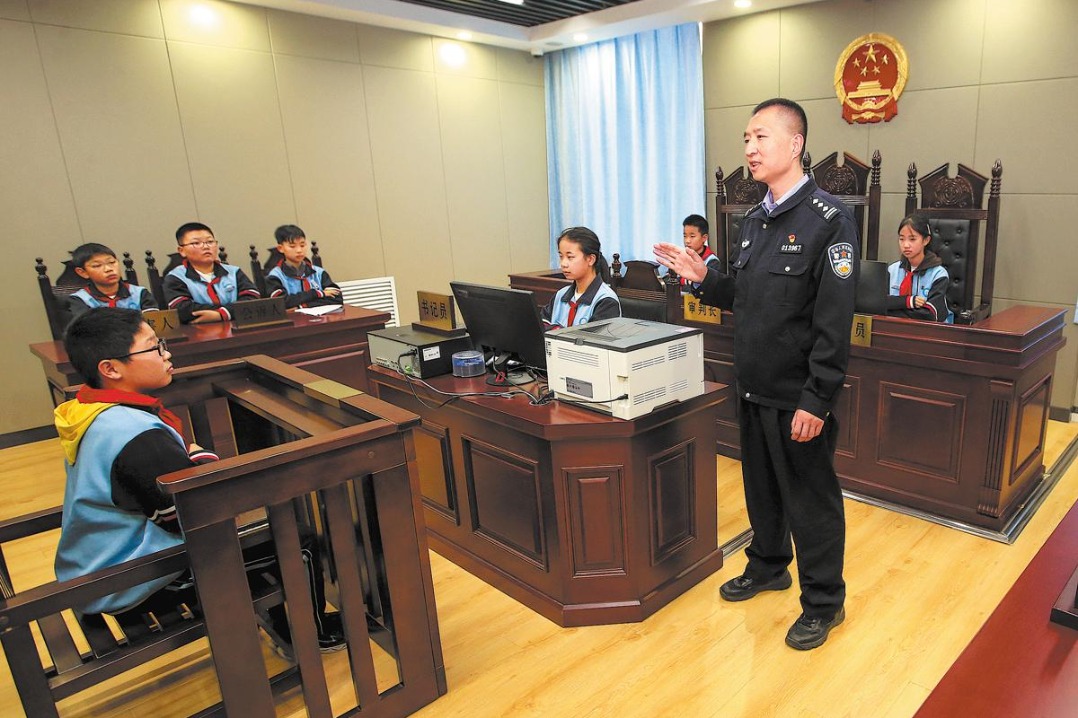
In a bid to make legal education more engaging and accessible, China has introduced innovative programs tailored for young students and the elderly. These initiatives aim to deepen public understanding of the law and foster a culture of legal awareness. One such program, organized by the Haidian District People’s Court in Beijing, recently saw high school students participate in an immersive legal workshop. Students took on roles as plaintiffs, defendants, and judges to navigate a simulated inheritance dispute, learning about the Civil Code and judicial procedures in the process. The workshop, guided by court assistant Sun Jiayun, emphasized the importance of hands-on learning to spark interest in legal concepts. This initiative is part of a broader transformation in China’s legal education system, driven by the implementation of Xi Jinping Thought on the Rule of Law. President Xi Jinping has called for intensified efforts to advance the rule of law across all sectors, emphasizing the need for society-wide observance of the law. The program’s success highlights the potential of interactive methods to make legal education more relatable and effective, particularly for younger audiences.
-
1,700 years ago, bishops and an emperor wrote a creed. Millions still recite it in church
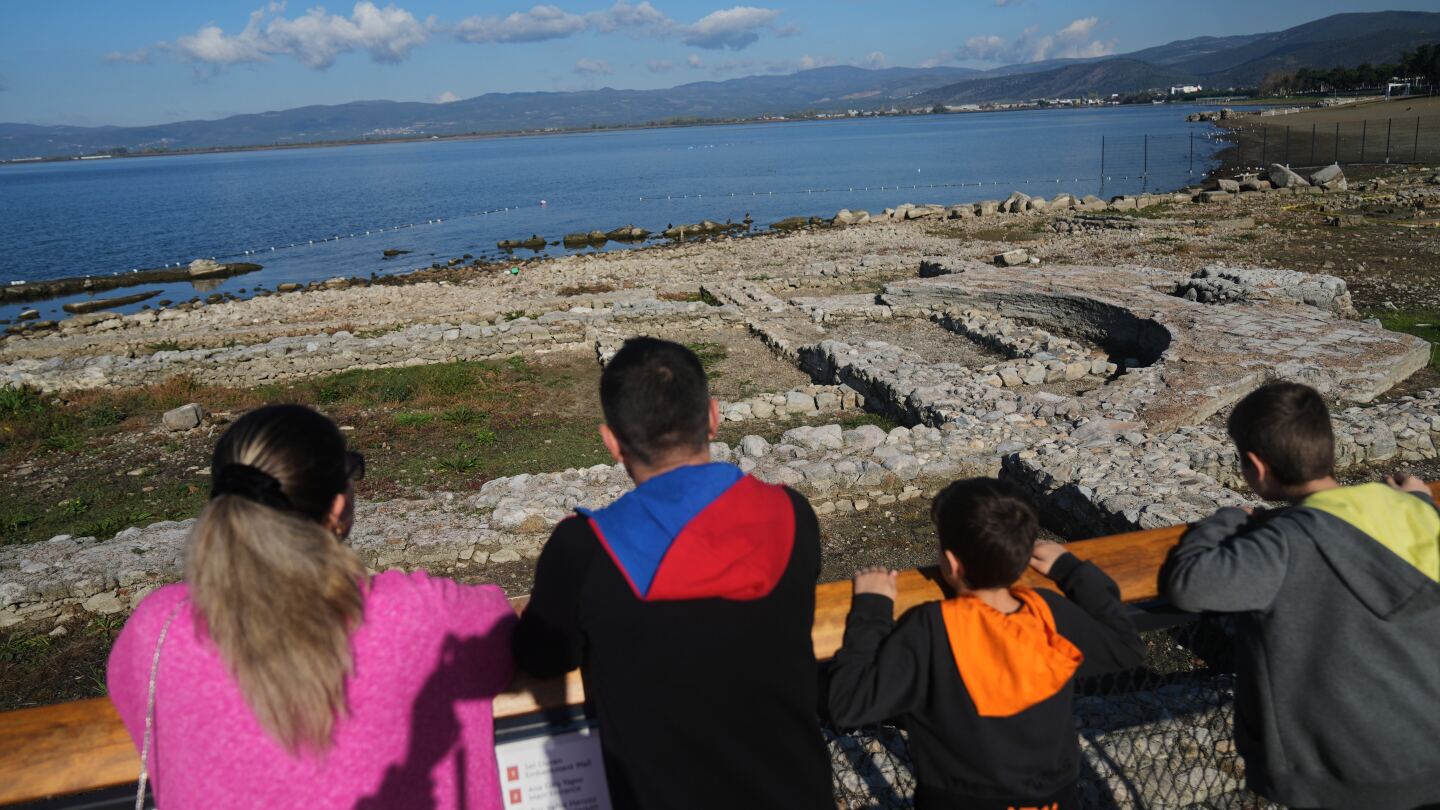
The Council of Nicaea, convened 1,700 years ago in present-day Turkey, remains a cornerstone of Christian history, symbolizing both unity and division within the faith. This historic gathering, orchestrated by Roman Emperor Constantine in 325 AD, produced the Nicene Creed, a foundational statement of Christian belief still recited by millions worldwide. Pope Leo XIV’s visit to the site on November 28, as part of his first major foreign trip, underscores its enduring significance. The council marked the first ecumenical meeting of bishops, addressing theological disputes, particularly the “Trinitarian Controversy,” which centered on the relationship between God the Father and Jesus the Son. Despite later schisms, the Nicene Creed remains a unifying document for Catholic, Orthodox, and most Protestant denominations. The anniversary has been commemorated globally, with events ranging from the World Council of Churches’ celebration in Egypt to local gatherings in the U.S. The council’s legacy, however, is complex. While it achieved theological compromise, it also institutionalized antisemitism and failed to permanently resolve doctrinal conflicts. Arius, whose teachings were condemned at Nicaea, later regained influence, and debates persisted for generations. Subsequent councils, such as the one in Constantinople in 381, expanded the creed, but divisions continued, including the Great Schism between the Catholic and Eastern Orthodox churches in the 11th century. Despite these fractures, the anniversary serves as a reminder of Christianity’s call to unity, offering hope for reconciliation in a divided church.
-
Passport delay saved wife of UAE expat who died in Saudi bus crash
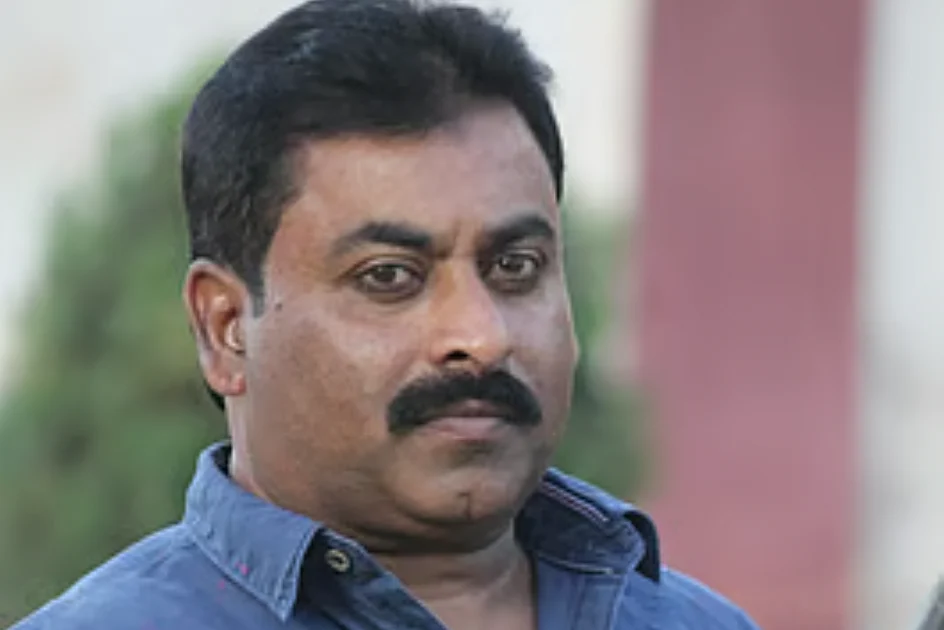
In a tragic yet fateful turn of events, Abdul Gani Shirahatti, an Indian expatriate who had lived and worked in Abu Dhabi for nearly two decades, was among the 45 pilgrims who lost their lives in a devastating bus crash in Saudi Arabia. The accident occurred on Monday during a journey from Makkah to Madinah, where the bus collided with a tanker. Gani, a dedicated hotel driver for 18 years, had embarked on a short Umrah pilgrimage, a journey he had undertaken alone after his wife’s passport delay prevented her from accompanying him. His son and elder brother, Farook, traveled to Madinah to provide DNA samples to identify Gani’s remains, a process that has left the family in profound grief. Gani’s wife, who narrowly escaped the tragedy due to the passport delay, is now grappling with the loss of her husband. The family, supported by friends and authorities, awaits the completion of formal identification procedures. Gani, described as a hardworking and devoted family man, had planned to return to India for a long-awaited reunion with his loved ones after completing his pilgrimage and work responsibilities. Instead, his family now mourns his untimely death, remembering his unwavering commitment to providing for his wife, three daughters, and son.
-
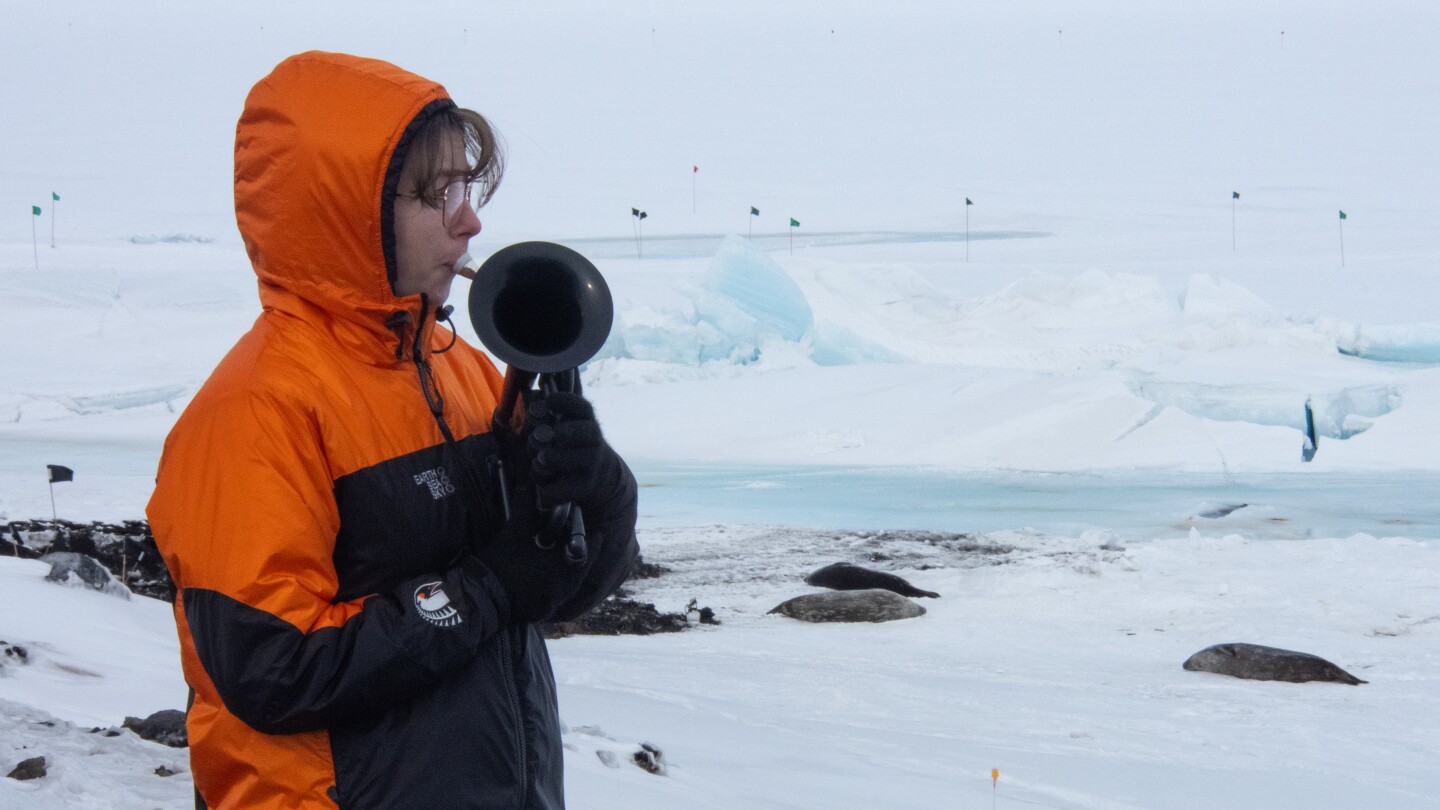
She plays ‘Amazing Grace’ in the most remote practice room on Earth
In the icy expanse of Antarctica, where the frigid air bites at exposed skin, Natalie Paine, a French horn player in New Zealand’s navy, has found an unlikely stage. Since October, Paine has been stationed at Scott Base, one of 21 military members supporting scientific research on the frozen continent. Her melodies, carried across the Ross Sea, emerge from what might be the most remote practice room on Earth. ‘It’s beautiful and very inspiring,’ Paine shared with the Associated Press. ‘I’ll sit by the window, play music in my limited free time, and let the surroundings fuel my creativity.’
Paine’s journey to Antarctica is as unconventional as her current role. Growing up in the arid climate of Adelaide, Australia, she once dreamed of visiting the frozen continent as a scientist. However, her path led her to study music at university, temporarily shelving her Antarctic aspirations. Years later, as a musician in New Zealand’s navy, she discovered that military personnel, including musicians, could be stationed in Antarctica. ‘My eyes lit up,’ Paine recalled. ‘I asked, even a musician? And my instructor said, heck yeah, why not?’
Realizing this dream was no easy feat. It took four years of persistent applications before Paine secured a posting as a communications operator. Her demanding job, involving six-day shifts monitoring radio, phone, and email communications, leaves little time for music. Yet, Paine carves out moments to practice, often retreating to a historic hut built in 1957 under the leadership of explorer Sir Edmund Hillary. There, she plays her jHorn, a lightweight, durable plastic instrument designed for children, which is better suited to the harsh Antarctic climate than her traditional French horn.
Despite the challenges, Paine’s presence has brought joy to Scott Base. She has performed live at ceremonies, replacing the usual recorded music, and even braved sub-zero temperatures to deliver a solo concert at minus 21 degrees Celsius. ‘Music is the universal language,’ Paine reflected. ‘It reminds us that we’re all connected, whether we’re on the ice or back home.’ Her story is a testament to the power of perseverance, adaptability, and the unifying force of music in even the most extreme environments.
-
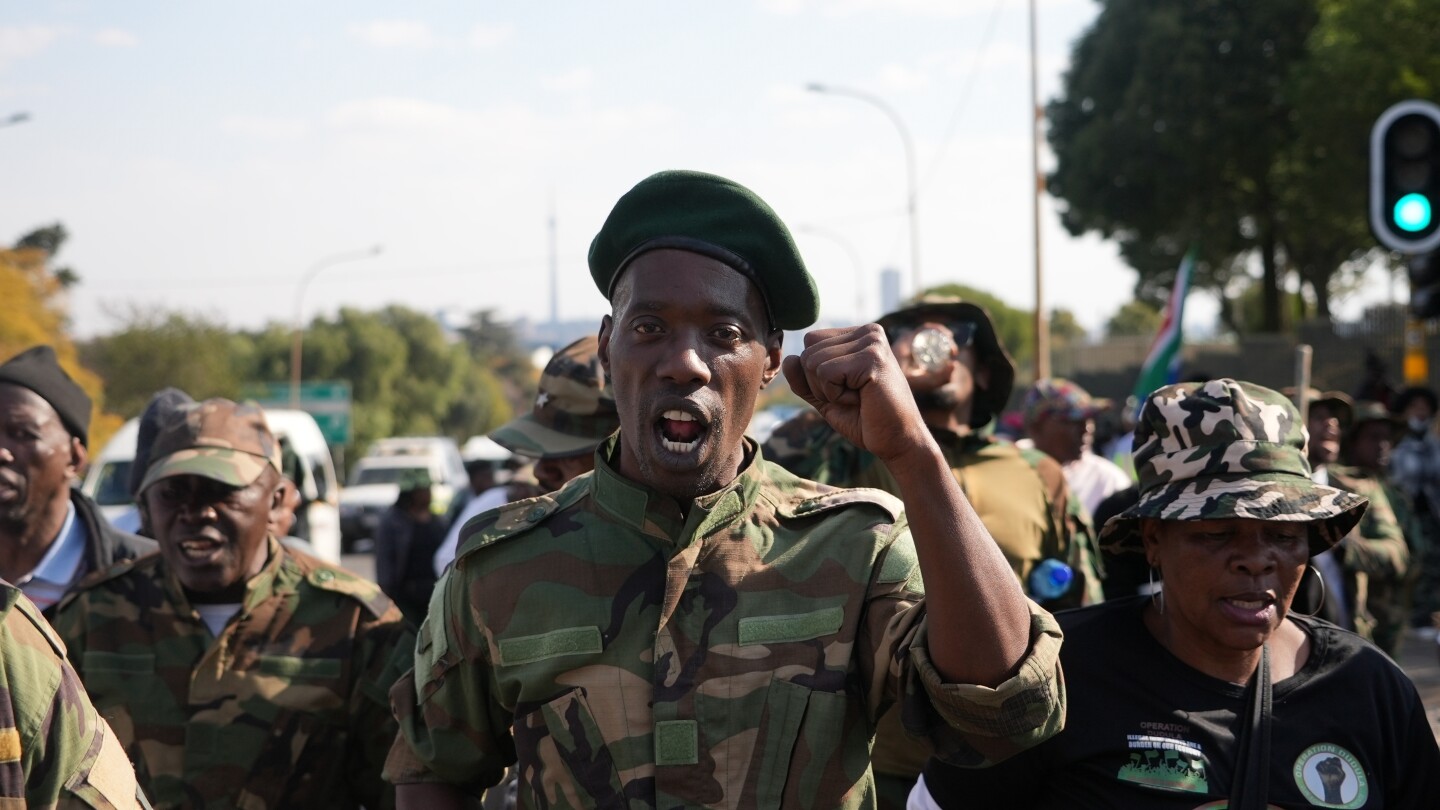
An anti-migrant group in South Africa is blocking foreigners from health clinics
In the early hours of the morning, Tholakele Nkwanyana and members of Operation Dudula, a South African anti-immigrant group, gather at the Diepsloot public health clinic in Johannesburg. Their mission is not to seek medical care but to prevent foreigners from accessing it. Dressed in military-style attire, they block the clinic’s entrance, demanding identity documents and turning away mothers with children and the sick, directing them to private hospitals that charge fees. This scene has become increasingly common across Gauteng, South Africa’s most populous province, as healthcare becomes the latest flashpoint in the nation’s contentious immigration debate. Despite a Johannesburg High Court order to cease harassing migrants, Operation Dudula vows to appeal, claiming their actions prioritize South Africans amid a perceived overburdening of resources. South Africa, Africa’s most developed economy, attracts migrants from neighboring countries like Zimbabwe, Mozambique, and Lesotho, as well as from Nigeria and Ethiopia. In the year ending March 31, nearly 47,000 undocumented migrants were deported, an 18% increase from the previous year. Operation Dudula, which has grown in visibility, has also targeted foreign-owned businesses and schools, accusing migrants of exacerbating South Africa’s 31% unemployment rate. The group’s organized structure, including regional leaders and public engagements, hints at potential political ambitions. South Africa’s government condemns these actions, emphasizing that healthcare is a universal right. However, police resources are stretched thin in a country with high crime rates, limiting their ability to protect clinics. Recent arrests of Operation Dudula members in Soweto highlight the group’s aggressive tactics. The South African Human Rights Commission warns of a global rise in anti-immigrant sentiment, urging against scapegoating migrants for systemic healthcare failures. South Africa spends 8.5% of its GDP on healthcare, yet faces overcrowded hospitals, medication shortages, and crumbling infrastructure. Meanwhile, migrants like Blessing Tizirai and Nonhlanhla Moyo, who fled Zimbabwe’s collapsed public health system, face life-threatening barriers to care. As tensions escalate, Zimbabwe’s government refuses to fund its citizens’ treatment in South Africa, even as its political elite seek medical care abroad.
-

Algerian ‘Hirak poet’ facing death sentence begins hunger strike
International human rights organizations and activists are rallying for the immediate release of Algerian poet and activist Mohamed Tadjadit, who faces a potential death sentence in Algeria. Tadjadit, known as ‘the poet of the Hirak’ for his influential role in the 2019 pro-democracy protests, has been arbitrarily detained since January and recently began a hunger strike to protest his treatment in prison. On November 11, he was sentenced to five years in prison on charges including ‘condoning terrorism’ and ‘spreading extremist ideas,’ which rights groups have condemned as baseless. A new trial on November 30 could see him charged with ‘conspiring to incite citizens against the state,’ a crime punishable by death. Algeria has not carried out executions since 1993, but the threat remains. Tadjadit will be tried alongside 12 other activists, including whistleblowers and former military members. Rights groups, including Amnesty International and PEN America, have decried his prosecution as a crackdown on free expression. Index on Censorship awarded Tadjadit its Freedom of Expression Award, calling him ‘truly inspiring’ and urging his release. Tadjadit has been imprisoned multiple times since 2019, reflecting Algeria’s broader suppression of dissent. The Hirak movement, which forced the resignation of former President Abdelaziz Bouteflika, has been largely repressed, but sporadic protests continue. Critics accuse the ruling National Liberation Front of corruption and undemocratic practices. The government has also targeted individuals using the hashtag #Manich_Radhi (‘I am not happy’) to express discontent. Human rights defenders estimate there are 200–250 prisoners of conscience in Algeria, many linked to the 2019 protests. The case highlights ongoing tensions between the Algerian government and its critics.
-

Melania Trump and Usha Vance meet with military families in first joint visit
In a significant display of solidarity and support, Melania Trump, former First Lady, and Usha Vance, wife of Vice President-elect, made their inaugural joint appearance at Camp Lejeune, North Carolina. The visit, marked by heartfelt interactions, aimed to honor and uplift military families, including active-duty personnel and their children. The duo engaged in meaningful conversations, expressing gratitude for the sacrifices made by service members and their loved ones. This collaborative effort underscores the enduring commitment of political families to the well-being of those who serve the nation. The event not only highlighted the importance of military support systems but also fostered a sense of community and appreciation among attendees.
-
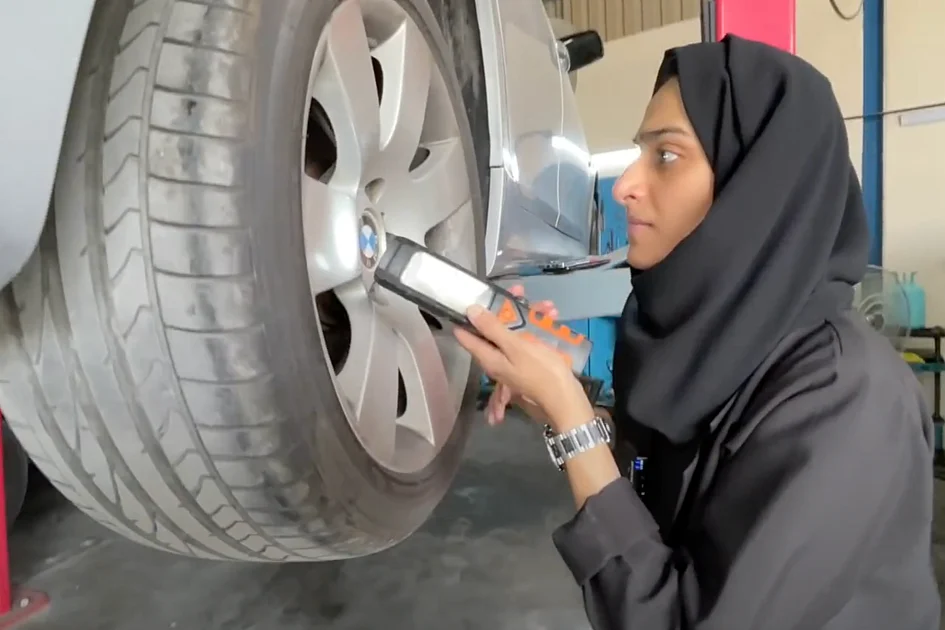
Meet UAE’s first female mechanic, the woman the President asked to fix his car
In a traditionally male-dominated industry, Huda Al Matroushi has emerged as a trailblazer, becoming the UAE’s first female car mechanic. Her journey, fueled by a childhood passion for automobiles, has transformed into a thriving business that challenges societal norms and inspires countless individuals. Huda’s story gained national prominence when UAE President Sheikh Mohamed bin Zayed Al Nahyan humorously requested her to repair his car during a congratulatory phone call. This moment underscored the significance of her achievements and the pride the nation takes in her success. Huda’s journey began in 2006, driven by curiosity and a desire to understand the mechanics of cars. She spent her university breaks in garages, even intentionally damaging her own vehicle to learn repair techniques. What started as a hobby—fixing cars for friends and family—has now evolved into a full-fledged garage in Sharjah. Despite facing skepticism and challenges, Huda’s determination has never wavered. She recalls instances where customers doubted her expertise, only to return satisfied with her work. Her commitment to excellence and community service has earned her widespread recognition. Huda’s story was recently shared at the 10th Knowledge Summit in Dubai, where she emphasized the importance of modernizing traditional professions and inspiring the next generation to embrace manual skills. Her vision extends beyond her garage; she aims to empower individuals to take charge of their vehicles and break free from gender stereotypes. Huda’s journey is a testament to the UAE’s progressive spirit and its commitment to fostering innovation and inclusivity.
-

Gangs expand to nearly half the towns in the Brazilian Amazon, report finds
Criminal organizations have significantly expanded their operations in the Brazilian Amazon, now active in nearly half of the region’s municipalities, according to a recent report by the Brazilian Forum on Public Safety. The study reveals that these groups, including notorious gangs like Red Command and First Capital Command, are operating in 344 out of 772 municipalities—a 32% increase from last year and more than double the presence two years ago. This surge in organized crime is exacerbating violence and posing a severe threat to the preservation of the world’s largest tropical rainforest, especially as the region hosts critical U.N. climate talks. The Red Command, a dominant drug trafficking gang, has more than doubled its footprint since 2023, despite being targeted in Rio de Janeiro’s deadliest police operation on October 28, which resulted in 121 fatalities. The incident has sparked a national debate on organized crime, leading Brazil’s lower house to approve a bill proposing harsher penalties for gang-related offenses. The legislation aims to increase sentences for crimes committed by gang members, allow asset seizures before final judgments, and mandate maximum-security imprisonment for gang leaders. However, President Luiz Inácio Lula da Silva has expressed concerns over budget cuts to federal police, which could weaken enforcement efforts. The bill now moves to the Senate, where further modifications are expected. Experts warn that the gangs are diversifying their illegal activities, engaging in extortion, illegal logging, and mining, which fuels territorial disputes and violence. With 8,047 homicides recorded in the region in 2024—31% higher than the national average—the situation underscores the urgent need for comprehensive strategies to combat organized crime and promote sustainable development in the Amazon.