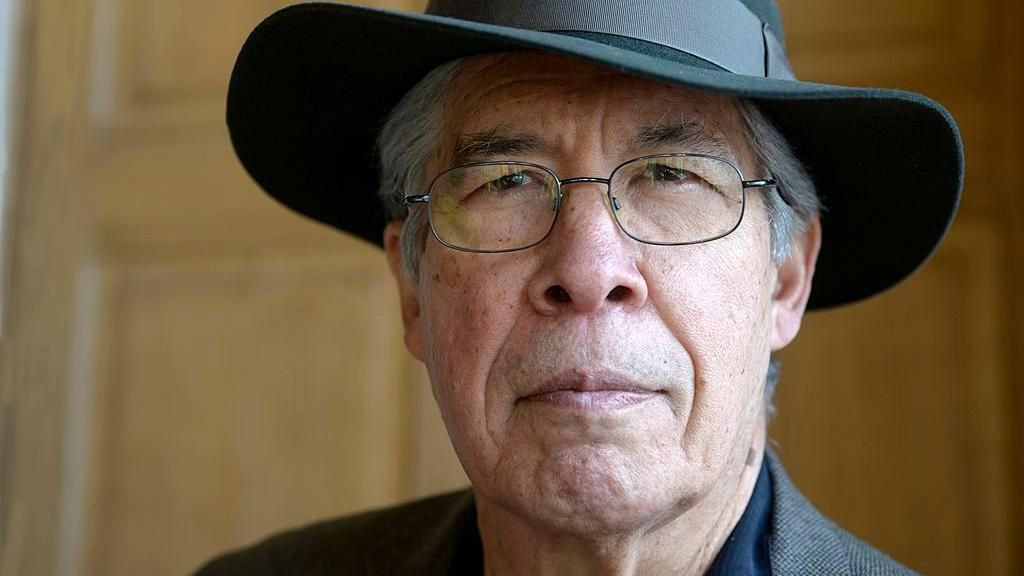
Thomas King, a celebrated Canadian-American author whose literary career has been deeply intertwined with his presumed Indigenous heritage, has recently discovered that he has no Cherokee ancestry. This revelation came to light in an opinion piece published in the Globe and Mail on Monday, following a mid-November meeting with the Tribal Alliance Against Frauds (Taaf), a U.S.-based organization dedicated to exposing individuals who falsely claim Native American lineage. The 82-year-old author, known for his award-winning works such as *The Inconvenient Indian* and *Indians on Vacation*, expressed profound personal turmoil, stating, ‘I feel as though I’ve been ripped in half.’ King, who grew up believing his paternal grandfather was part Cherokee, acknowledged that he never intended to mislead anyone, operating under the sincere belief in his mixed-blood heritage. Despite rumors about his ancestry persisting over the years, he had largely ignored them until this year, when he sought to uncover their origins. A genealogist with Taaf found no evidence of Cherokee ancestry in King’s family lineage. While Taaf suggested an apology might be in order, King argued that an apology implies wrongdoing, which he does not believe applies in this case. Born in California and a resident of Canada since 1980, King has built a distinguished career as an Indigenous studies professor at the University of Lethbridge. He has announced plans to return the National Aboriginal Achievement Award he received in 2003, emphasizing that his other accolades are based on his writing, not his ethnicity.
分类: society
-
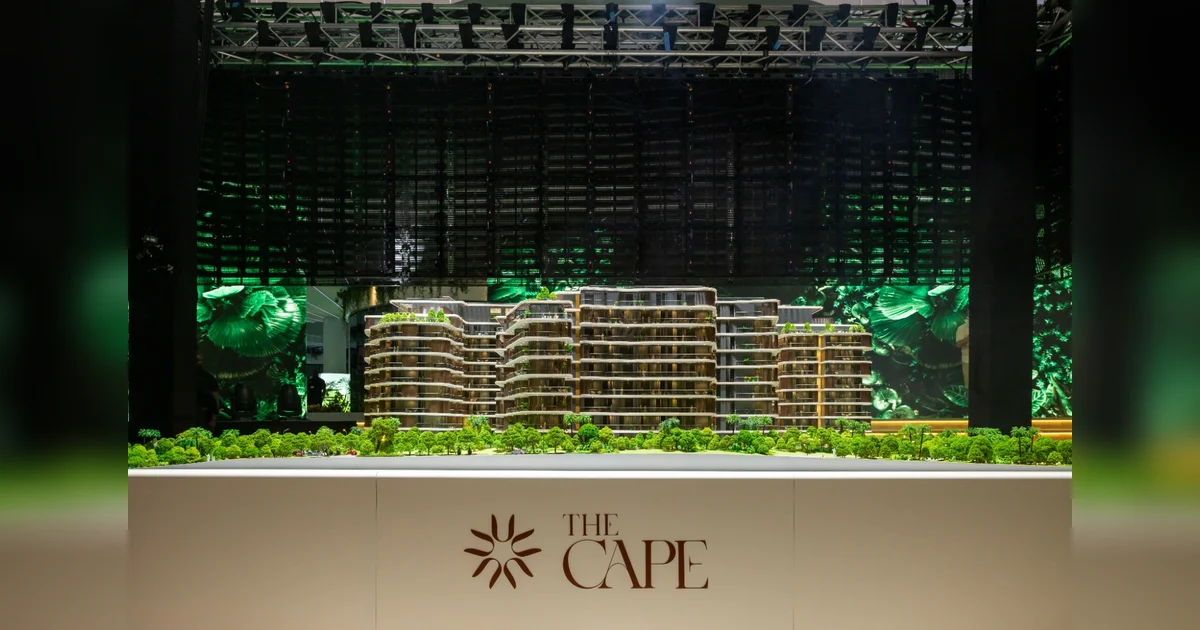
Al Barari unveils The Cape, marking a new era of inspired living
Al Barari, Dubai’s renowned nature-centric community, has unveiled its latest residential masterpiece, The Cape, marking a significant milestone in its two-decade journey of crafting harmonious living spaces. Inspired by the elegance of the Cape Jasmine flower, this development embodies intentional living, blending natural beauty, sophisticated design, and tranquility. Each residence features soft tones, organic textures, and architectural elements that seamlessly integrate light and landscape, offering a serene and timeless living experience. Nestled in Dubai’s green heart, The Cape boasts lush botanical surroundings, water features, and wellness spaces, complemented by resort-style pools, fitness facilities, co-working areas, and family zones. Every detail has been meticulously designed to foster connection, balance, and well-being. The launch event celebrated Al Barari’s evolution and its unwavering mission to enrich lives through nature-driven design. Hazza Zaal, CEO of Al Barari, reflected on the journey, emphasizing the brand’s commitment to creating sanctuaries where people can live with peace, beauty, and purpose. The Cape stands as a testament to Al Barari’s legacy, offering a rare opportunity to experience a life rooted in harmony, elegance, and authenticity. For more details, visit www.albarari.com/thecape.
-
United Arab Emirates: Three Eras of Nation-Building and Community Development
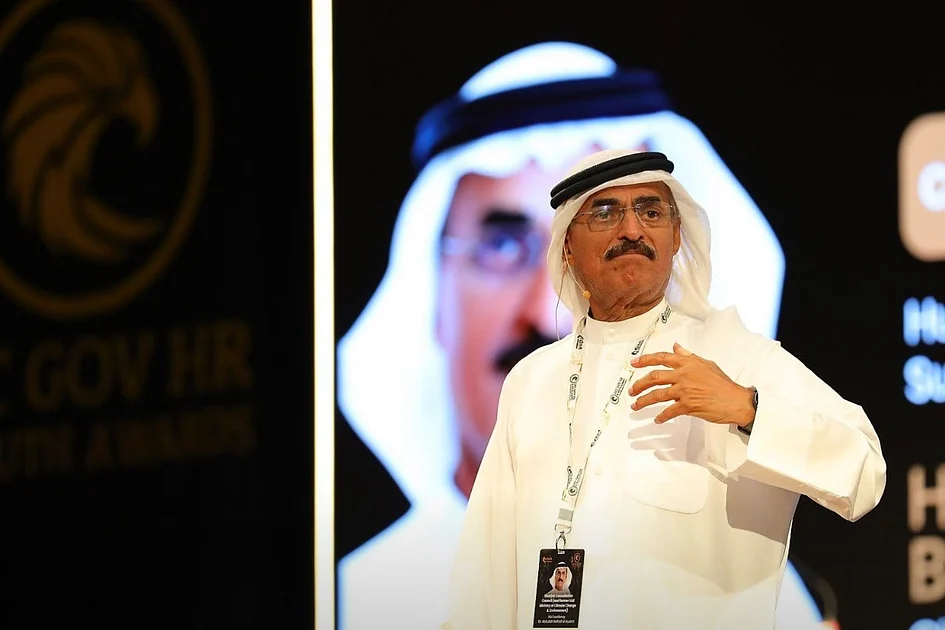
The United Arab Emirates (UAE) has undergone a remarkable transformation since its founding in 1971, evolving through three distinct phases of nation-building and community development. Guided by visionary leadership, the UAE has prioritized human-centered progress, innovation, and sustainability, emerging as a global model for development. This article delves into the UAE’s journey, highlighting its unique approach to shaping infrastructure, identity, and institutional growth. The UAE’s story is one of collective consciousness, strategic vision, and a commitment to fostering resilient, inclusive communities. Phase One (1971–1980): The Union and Identity Formation The UAE’s journey began on December 2, 1971, when seven emirates united under the leadership of the late Sheikh Zayed bin Sultan Al Nahyan and his fellow rulers. This union was not merely a political agreement but a promise of a shared future, grounded in justice, solidarity, and belonging. Despite limited resources, the UAE laid the foundation for modern governance and infrastructure. Key achievements included the establishment of over 140 public schools, 15 hospitals, 43 health centers, and 1,200 kilometers of paved roads. Federal ministries for education, health, public works, and media were also founded, marking the beginning of a modern state. Phase Two (1980–2000): Infrastructure and Institutional Development As resources grew, the UAE focused on building an integrated system of infrastructure and public institutions. This phase saw the expansion of cities, the rise of ambitious projects, and the diversification of the economy. By 2000, the UAE had over 1,000 schools, 65 hospitals, and 150 health centers. National universities such as UAE University, University of Sharjah, and Zayed University became centers of learning and research. The development of airports, ports, and highways further connected remote areas to urban centers. Specialized authorities were established to enhance sustainability and public services, reflecting a shift from basic provision to institutional efficiency. Phase Three (2000–Present): Innovation and Global Leadership Today, the UAE is a global leader in innovation, sustainability, and comprehensive development. National visions like “UAE Vision 2021” and the “Centennial Plan 2071” have driven advancements in smart education, remote healthcare, and digital governance. Over 90% of public schools have adopted smart systems, and more than 70 healthcare facilities have implemented remote care platforms. The UAE is also a regional academic hub, hosting over 40 international university branches. Sustainable cities like Masdar City and “Green Neighborhoods” reflect the nation’s environmental commitment, while over 3,000 e-government services streamline public administration. Personal Reflection Dr. Abdullah Belhaif Alnuaimi, a prominent Emirati leader, reflects on the UAE’s journey, emphasizing that community development is a shared national responsibility. He highlights the evolution of public service from delivery to human development and the UAE’s holistic approach to sustainability. The UAE’s success lies in its vision, partnership, and belief in the human being as the cornerstone of progress.
-

Man accused of driving into crowds at Liverpool soccer parade appears in court for trial
A 54-year-old man, Paul Doyle, appeared in court on Tuesday as his trial commenced for allegedly injuring more than 100 Liverpool soccer fans by driving his vehicle into a crowd celebrating their team’s Premier League victory. The incident occurred on May 26 when a Ford minivan ploughed into a street filled with jubilant fans. Over 130 individuals reported injuries, including several children. Authorities have stated that the driver acted alone and that terrorism is not suspected, although the motive remains undisclosed. Doyle faces 31 charges, including dangerous driving and causing or attempting to cause grievous bodily harm with intent, which could result in a life sentence if convicted. Dressed in a suit and tie, Doyle wept as potential jurors were selected in a packed courtroom. Twelve jurors were sworn in, and the trial, expected to last three to four weeks, will proceed with the prosecution’s opening statement on Wednesday.
-
Thai woman’s cremation stopped after knocking heard on coffin
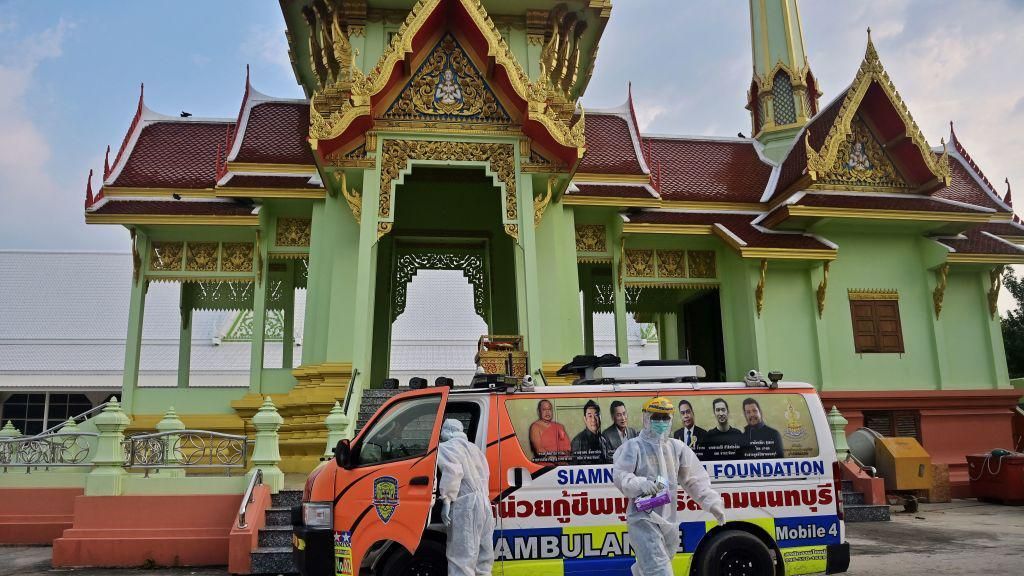
In a startling turn of events, a 65-year-old woman presumed dead was discovered alive just moments before her scheduled cremation at the Wat Rat Prakhong Tham Buddhist temple on the outskirts of Bangkok, Thailand. The temple’s general manager, Pairat Soodthoop, recounted to the Associated Press that he was ‘startled’ to hear faint knocking from the coffin. Upon opening it, he found the woman slightly opening her eyes and knocking on the side of the coffin. ‘She must have been knocking for quite some time,’ Soodthoop added. The woman’s brother had been informed by local officials that his sister had passed away, but the temple manager noted that no death certificate had been provided. As Soodthoop was explaining the process of obtaining a death certificate, the faint knocking was heard. The temple’s abbot immediately instructed that the woman be taken to a hospital. Medical examinations later revealed that the woman had been suffering from severe hypoglycemia, a condition characterized by critically low blood sugar levels. The doctor confirmed that she had not experienced respiratory failure or cardiac arrest. According to the temple manager, the woman had been bedridden for two years, and her health had deteriorated to the point where she appeared to have stopped breathing on Saturday. The family had traveled nearly 500 kilometers from Phitsanulok province for the cremation ceremony. This incident has sparked widespread attention and relief, highlighting the importance of thorough medical verification before proceeding with such ceremonies.
-

Four more arrested in $102M Louvre jewel heist, Paris prosecutor says
In a significant development in the investigation of the high-profile Louvre Museum heist, Paris prosecutors revealed on Tuesday that four additional individuals have been apprehended. The suspects, comprising two men and two women aged between 31 and 40, are residents of the Paris region. Laure Beccuau, the Paris prosecutor leading the probe, disclosed the arrests but did not specify the roles these individuals allegedly played in the October 19 theft. The stolen artifacts, valued at an astonishing $102 million, remain missing. Among the loot are priceless historical treasures, including a diamond-and-emerald necklace gifted by Napoleon to Empress Marie-Louise, jewels associated with 19th-century Queens Marie-Amélie and Hortense, and Empress Eugénie’s pearl-and-diamond tiara. This latest round of arrests follows the earlier capture of other suspected members of the four-man gang believed to have executed the audacious robbery. Preliminary charges have already been filed against three men and one woman detained in October, as the investigation continues to unfold.
-

EU’s top court tells Poland to recognize same-sex marriages registered elsewhere in Europe
In a landmark decision, the Court of Justice of the European Union (CJEU) has ruled that Poland must recognize same-sex marriages legally conducted in other EU member states, despite Polish law not permitting such unions. The ruling emerged from a case involving a Polish couple who married in Berlin in 2018 and later sought to return to Poland, only to have their marriage certificate rejected by Polish authorities. The CJEU emphasized that EU countries are obligated to acknowledge marriages between same-sex EU citizens lawfully concluded in another member state, citing violations of the ‘freedom to move and reside’ and the ‘fundamental right to respect for private and family life.’ However, the court clarified that the ruling does not compel Poland to legalize same-sex marriage domestically. Hubert Sobecki of the LGBTQ+ advocacy group Love Does Not Exclude noted that the Polish government must comply with the ruling, as non-compliance could result in fines or political pressure from the EU. The decision comes amid ongoing struggles for LGBTQ+ rights in Poland, where same-sex marriage and civil partnerships remain illegal. Prime Minister Donald Tusk’s government has faced resistance from conservative factions and President Karol Nawrocki over proposals to grant limited rights to same-sex couples, such as access to medical records and joint tax statements. The ruling marks a significant step toward marriage equality in Poland, though its full implementation remains uncertain.
-
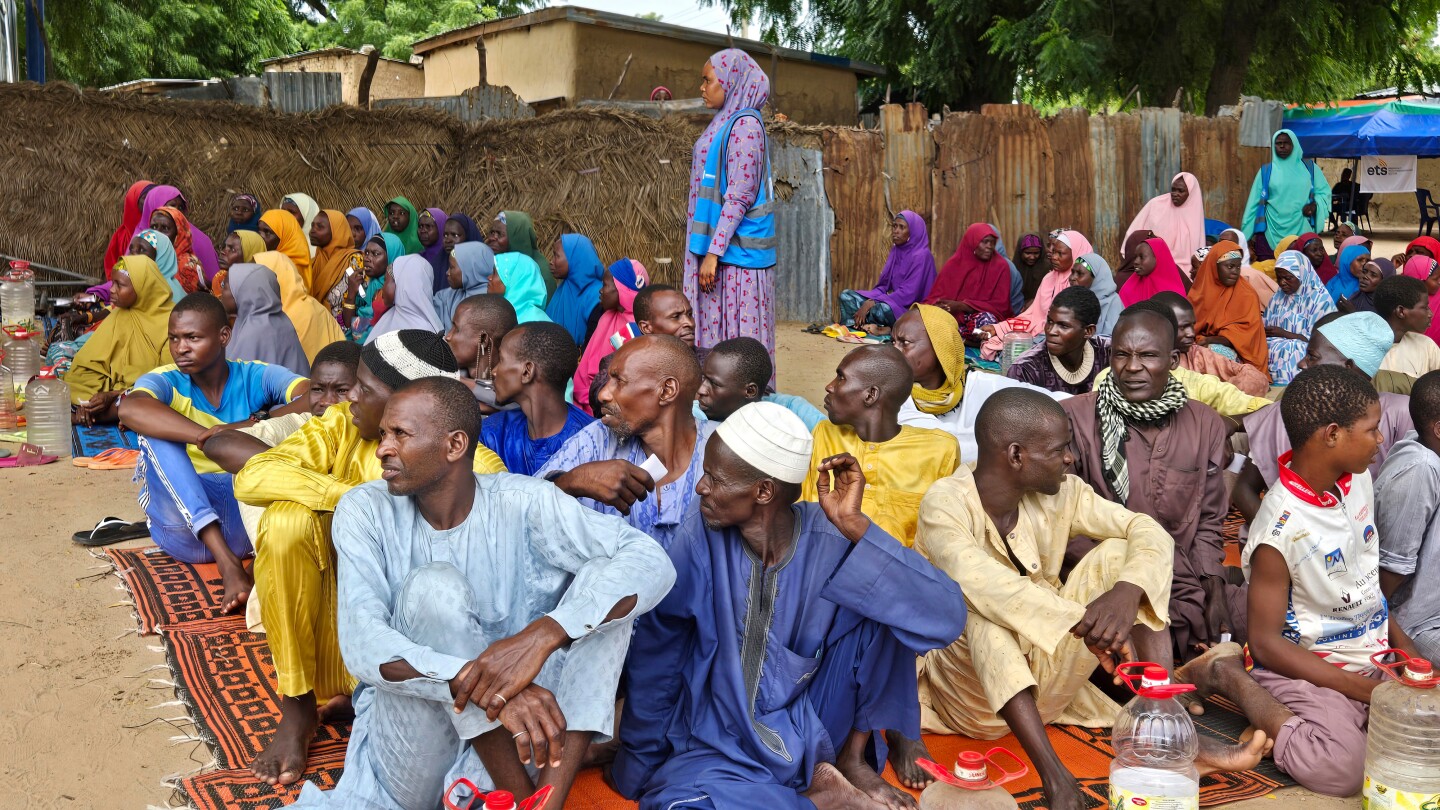
UN food agency projects northern Nigeria to experience hunger at unprecedented level in 2026
A recent report by the World Food Programme (WFP) has highlighted a dire escalation in food insecurity across northern Nigeria, driven by a surge in militant attacks. The region is grappling with the most severe hunger crisis in a decade, with rural farming communities bearing the brunt of the devastation. According to the WFP, 35 million Nigerians are projected to face severe hunger by 2026, marking the highest level of food insecurity on the African continent since the agency began recording data in the country. Borno state, the epicenter of Nigeria’s security crisis, is expected to experience catastrophic hunger, with at least 15,000 people facing famine-like conditions next year. The state will be classified as Phase 5, the WFP’s highest level of food insecurity, comparable to conditions in parts of Gaza and Sudan. Armed groups, including the al-Qaeda-affiliated Jama’at Nusrat al-Islam wal-Muslimin, have intensified attacks, forcing farmers to abandon their lands and exacerbating the crisis. Compounding the issue, a significant reduction in U.N. food assistance, following the U.S. decision to cut funding to USAID, has left the WFP without resources for emergency aid. The agency warns that without immediate funding, millions will be left without support, fueling instability and deepening a crisis that demands global attention.
-
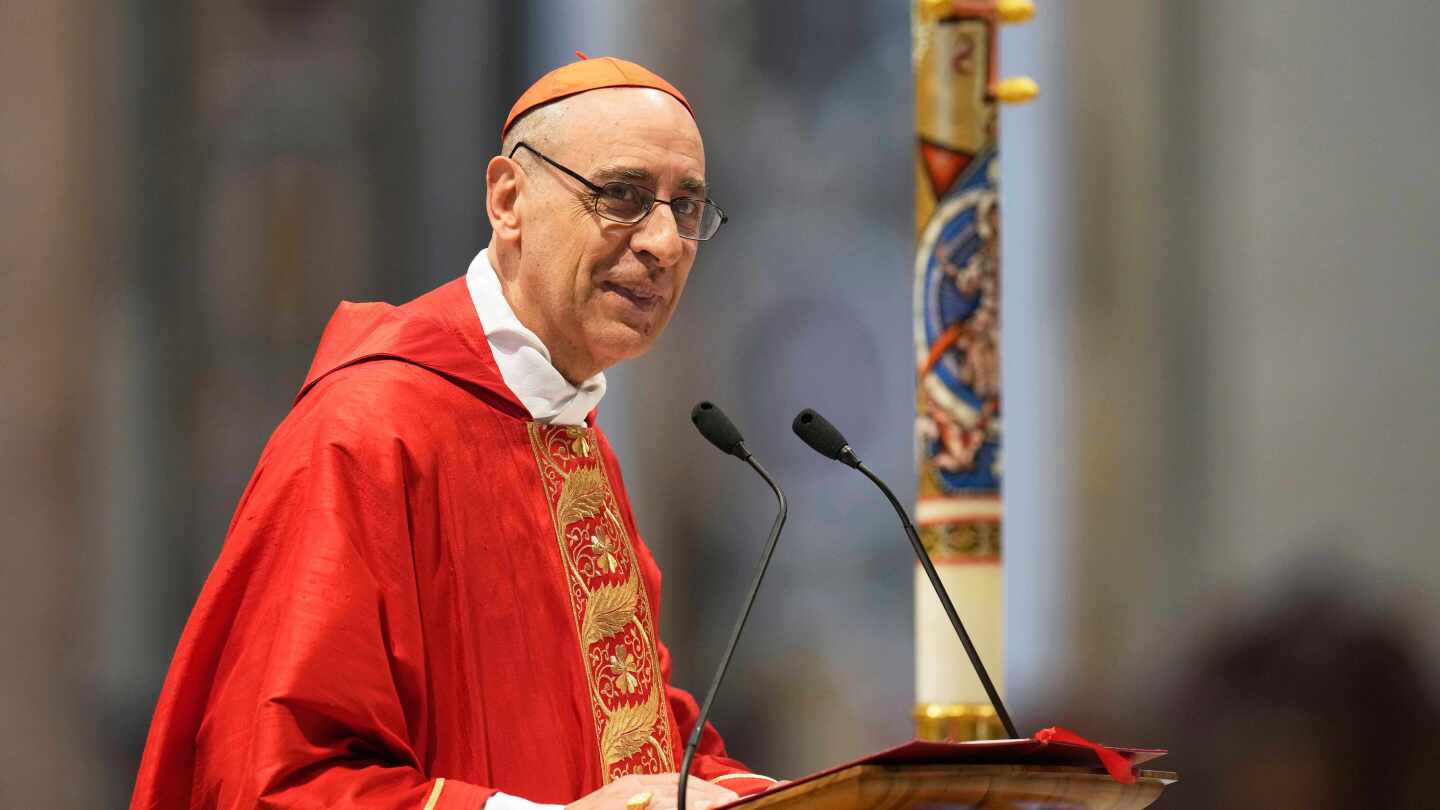
Vatican answers African bishops concerned about polygamy with document praising monogamous marriage
The Vatican has issued a robust reaffirmation of the Catholic Church’s stance on monogamous marriage, addressing concerns raised by African bishops regarding the widespread practice of polygamy in their congregations. The 40-page doctrinal document, titled ‘A Dear One: In Praise of Monogamy,’ was released by the Vatican’s Dicastery for the Doctrine of the Faith and authored by Argentine Cardinal Víctor Manuel Fernández. It emphasizes the Church’s long-standing position on marriage as an indissoluble, lifelong union between a man and a woman, open to procreation. The document traces the theological, biblical, and historical foundations of monogamy, drawing from scripture, Christian philosophy, and papal teachings. While the Church’s opposition to polygamy is not new, the document aims to clarify and reinforce this doctrine, particularly in regions where polygamy remains culturally prevalent. Cardinal Fernández suggested that readers focus on the final chapter, which discusses ‘conjugal charity,’ to grasp the document’s core message. The release comes amid ongoing debates within the Church, including recent controversies over Fernández’s past writings on sexuality and his role in authorizing blessings for same-sex couples, which faced significant pushback from African bishops.
-
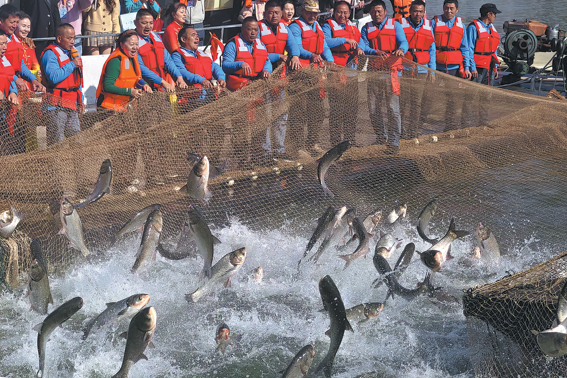
Innovation crucial to agri development
China is intensifying its efforts to achieve comprehensive agricultural and rural modernization during the 15th Five-Year Plan (2026-30), addressing critical issues such as self-reliance, sustainability, and food security. The nation’s strategy emphasizes technological innovation, mechanization, and infrastructure development to transform the agricultural sector while reducing urban-rural disparities in public services, income, and governance.