分类: society

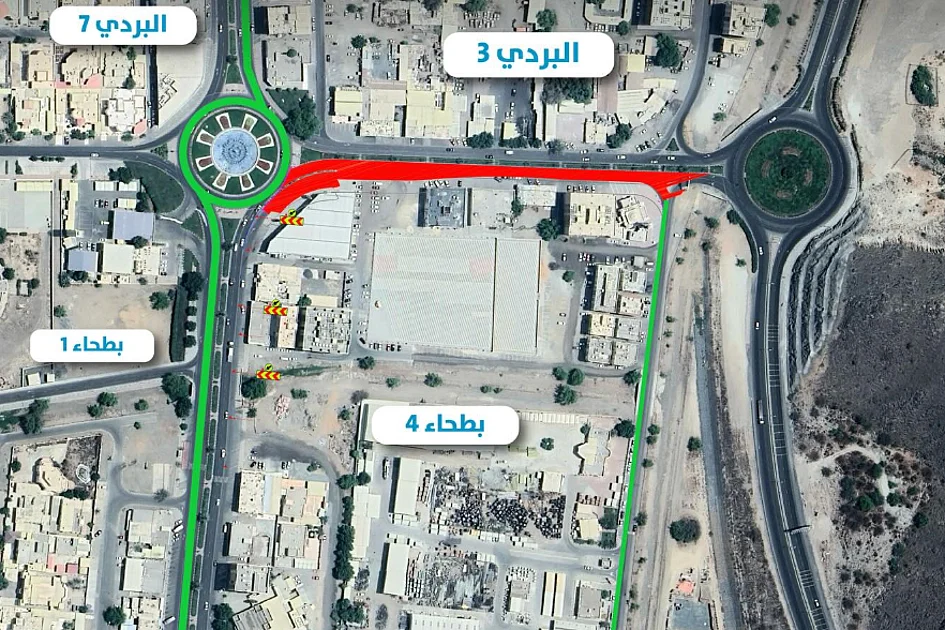
  • Sharjah announces temporary road closure in Khorfakkan

    Sharjah announces temporary road closure in Khorfakkan

    In a spectacular display of national pride and corporate unity, Design Infinity commemorated the UAE National Day through a monumental gathering of its entire 1,400-member workforce at the company’s Glass, Metal & Signage Factory. The event transcended conventional celebrations, transforming the industrial facility into a vibrant tableau of patriotic fervor and collective spirit.

    The celebration served as a powerful testament to the nation’s progressive journey, with employees from diverse backgrounds and specializations uniting under the banner of national identity. Against the backdrop of the factory’s industrial landscape—a symbol of the UAE’s manufacturing prowess and economic diversification—the massive team formation created a living mosaic representing the country’s unity and ambition.

    This unprecedented gathering not only honored the UAE’s rich heritage but also highlighted the critical role of industrial sectors in nation-building. The Glass, Metal & Signage Factory, typically associated with precision manufacturing, temporarily became a stage for cultural expression and corporate citizenship. The event demonstrated how industrial organizations are increasingly integrating national values into their operational ethos, fostering workplace cohesion while contributing to the broader social fabric.

    The scale of participation—encompassing every tier of the organization from skilled artisans to executive leadership—reflected a deeply institutionalized commitment to national values. Such coordinated displays of patriotism by major employers represent an emerging trend where corporate celebrations become meaningful expressions of civic engagement, potentially setting new standards for how businesses participate in national milestones.
  • Rainforest-themed activities launched in Hainan

    Rainforest-themed activities launched in Hainan

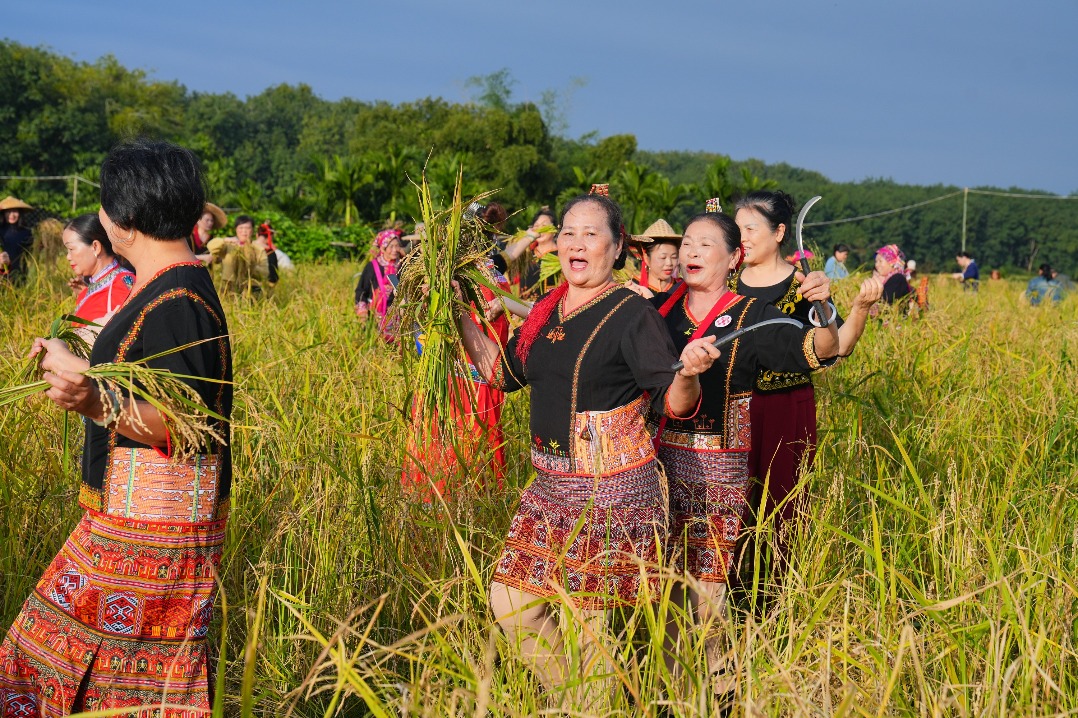
    The lush landscapes of Wangxia village in Hainan’s Changjiang Li Autonomous County transformed into an environmental celebration hub as the province launched an extensive rainforest-themed festival on November 29, 2025. This multi-faceted event, spanning the entire month of December, showcases 23 distinct activities spanning public welfare initiatives, educational programs, competitive events, and academic exchanges.

    The inauguration ceremony, orchestrated under the theme ‘Dreaming Rainforest,’ presented an immersive live performance harmoniously integrated within the natural environment. This artistic presentation highlighted the region’s extraordinary biodiversity while offering glimpses into the cultural traditions of the Li ethnic community. A particularly notable performance, ‘Echoes of the Apes,’ drew inspiration from the critically endangered Hainan gibbon, symbolizing one of China’s most remarkable conservation success stories. Through dedicated protection efforts, the gibbon population has now reached 42 individuals across seven distinct groups.

    The event’s design philosophy emphasized environmental respect through minimal intervention principles. Organizers utilized exclusively eco-friendly materials and implemented reversible stage constructions to ensure zero permanent impact on the delicate ecosystem.

    On December 1st, the Olympic Champion public sports experience activated the Tropical Rainforest National Park Tourist Highway. Sporting legends Zhang Hui (short track speed skating), Yang Xiuli (judo), and Guo Weiyang (gymnastics) volunteered as national park ambassadors, leading approximately 1,000 participants through a 10-kilometer recreational walk amidst breathtaking rainforest scenery.

    Simultaneously, the ‘Changjiang Cup’ Ten-Mile Gallery Rock Climbing Competition commenced, attracting around 60 elite climbers nationwide. Athletes competed across youth, men’s, and women’s categories on the region’s spectacular natural rock formations, demonstrating the successful integration of adventure sports with ecological tourism.

    The academic component featured the 2025 International Symposium on Tropical Rainforest National Park, convening from December 1-2. This gathering recognized significant achievements in gibbon conservation and ecosystem service enhancements while facilitating knowledge exchange on forest management, national park operations, and climate change adaptation strategies.

  • Pakistani expat celebrating UAE National Day since its first anniversary

    Pakistani expat celebrating UAE National Day since its first anniversary

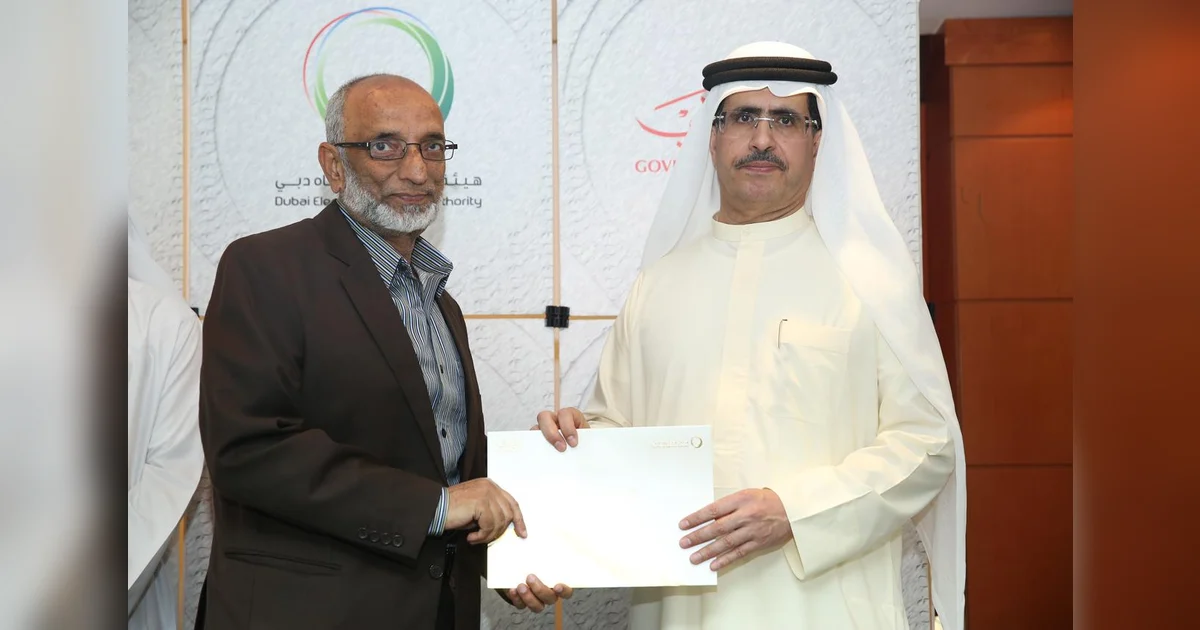
    As the United Arab Emirates marks its 54th National Day, the remarkable journey of Saeedullah Mian Muhammad Saeed stands as a testament to the nation’s transformative growth. Arriving from Pakistan on December 2, 1972—exactly one year after the UAE’s formation—the 24-year-old accountant brought with him dreams and determination that would become woven into the very fabric of the emerging nation.

    Saeedullah’s professional odyssey began at International Trading Limited before he joined Dubai Electricity Company (DEC) as an accounts clerk in November 1973. His career trajectory mirrored Dubai’s spectacular development: he witnessed and contributed to the historic 1992 merger of DEC and Dubai Water Department that created the Dubai Electricity and Water Authority (DEWA). Through decades of dedicated service, Saeedullah played pivotal roles in financial coordination with the Kanoo Group and spearheaded DEWA’s critical transition to SAP systems that revolutionized billing operations.

    Beyond his professional contributions, Saeedullah built a rich family life in the UAE. His 1975 marriage to Shahnaz blossomed into a family of seven children, all born in UAE hospitals benefiting from Sheikh Rashid’s free medical services. The family resided across Dubai’s evolving neighborhoods—from Deira and Karama to Al Qusais and Sheikh Zayed Road’s Blue Tower—their household eventually expanding to include sons-in-law, a daughter-in-law, and grandchildren living together in a vibrant multigenerational home.

    The COVID-19 pandemic brought changes as four children relocated abroad, but Saeedullah’s connection to the UAE remained unshaken. After 47 years of service, he retired in April 2021 as Senior Manager of DEWA’s Billing Department, receiving the ultimate recognition: the UAE Golden Visa honoring his lifetime contribution to the nation’s development.

    Now residing in Jumeirah with his wife, Saeedullah reflects on five decades that transformed sandy roads into a global metropolis. His story embodies the UAE’s spirit of opportunity, stability, and community—a foreign national who found not just employment but a true homeland, participating in one of the modern era’s most extraordinary national transformations.

  • Ecuador’s Otavalo Indigenous people use anime to inspire pride in their ancient culture and language

    Ecuador’s Otavalo Indigenous people use anime to inspire pride in their ancient culture and language

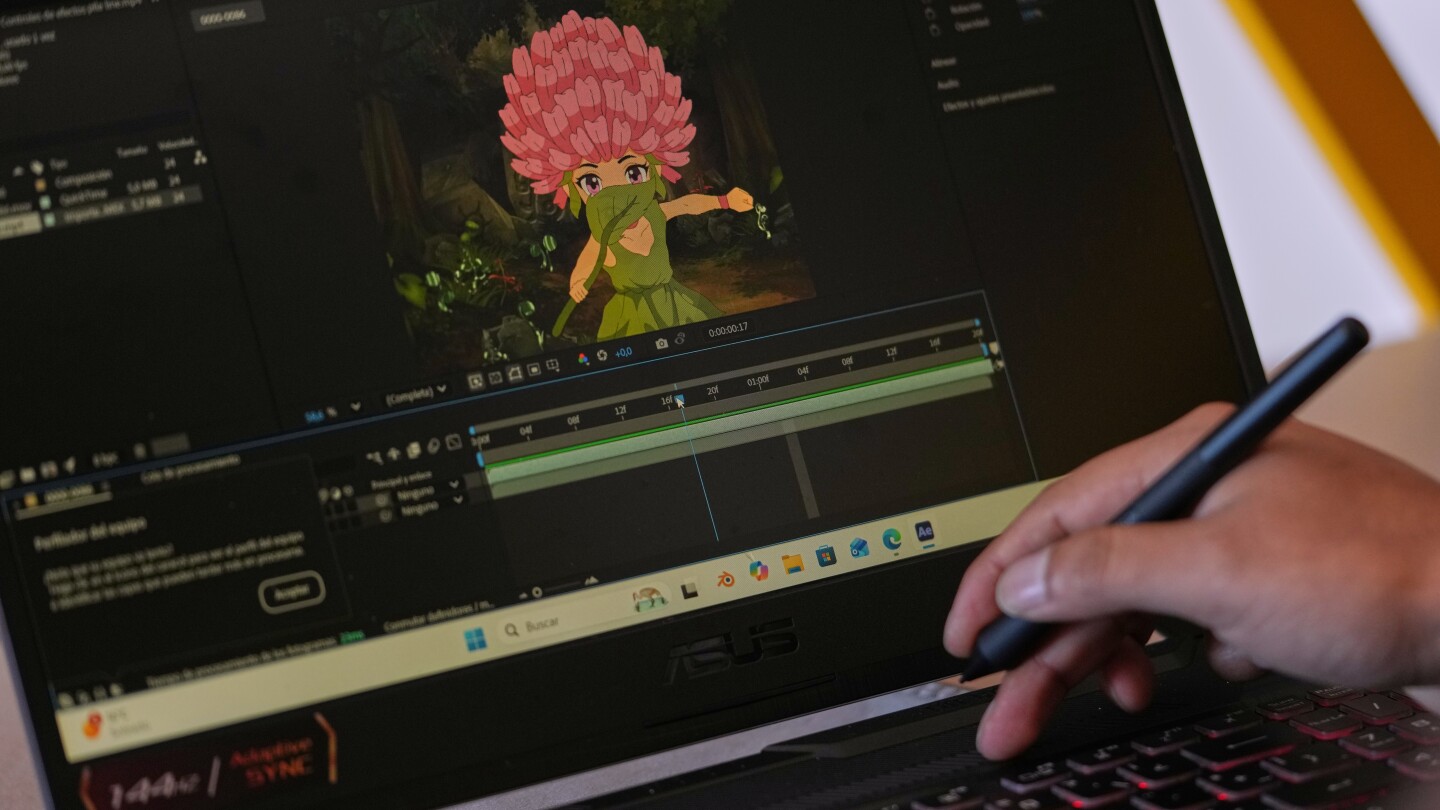
    In the high-altitude terrain of Ecuador’s Imbabura province, a creative renaissance is unfolding as young Otavalo Indigenous filmmakers employ Japanese anime aesthetics to revitalize their cultural legacy. Their groundbreaking animated short film, “We’re Aya,” represents a innovative fusion of traditional Quechua storytelling with contemporary animation techniques, drawing direct inspiration from Hayao Miyazaki’s legendary works.

    The cinematic project centers on the mythological adventures of Aya, an Otavalo warrior, and her companions who operate under the symbolic protection of the condor—a sacred avian emblem representing power in Andean cosmology. Director Tupac Amaru characterizes the production as a cultural counteroffensive against globalization’s erosive effects on Indigenous traditions, noting that his community faced a critical choice between cultural isolation or creative resistance.

    What distinguishes this nine-minute narrative is its exclusive use of Quichua dialogue among its twelve characters—a deliberate linguistic preservation strategy targeting younger generations who increasingly communicate primarily in Spanish. Creative manager Yarik Sisa explains the film incorporates ancestral rituals, including the ceremonial placement of musical instruments at energetic terrestrial points to imbue them with spiritual essence.

    The allegorical journey follows characters representing Indigenous archetypes—Ayaruku (indomitable spirit), Ayawa (feminine sublime), and Ayaku (childlike tenderness)—as they perform rhythmic dances through a cavern symbolizing globalization. Here, they receive their mission to become cultural seeds for their people. The narrative culminates in an intergenerational exchange where a granddaughter pledges to her grandfather to become a steadfast guardian of their traditions.

    Looking beyond this initial production, the creative team envisions expanding into Quichua-language video games and international digital media markets. Creative director Malkik Arango articulates their ambition to establish a media ecosystem “made by Quichuas in a Quichua environment,” signaling a new paradigm in Indigenous-led cultural production.

  • Trash everywhere: UAE residents take action against National Day litter

    Trash everywhere: UAE residents take action against National Day litter

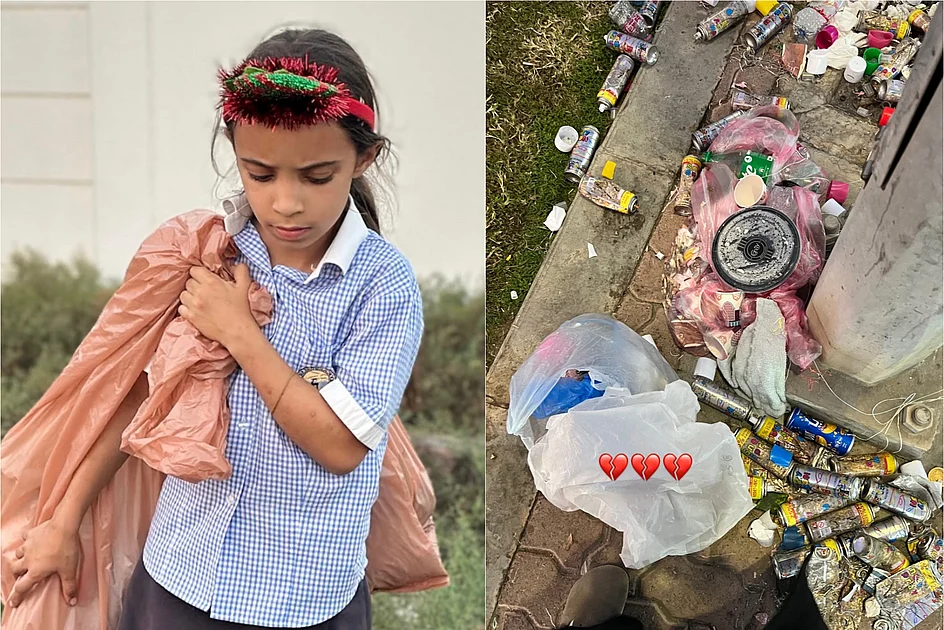
    In an inspiring display of civic responsibility, UAE residents launched a nationwide cleanup campaign on December 3rd to address extensive littering left after the country’s 54th National Day celebrations. The movement gained momentum following a social media appeal by Sheikha Shamma Al Nahyan, President and CEO of Frontier25, who expressed heartfelt disappointment at the state of public spaces.

    The initiative, dubbed “Pride into Action,” was rapidly organized in collaboration with Tadweer (Abu Dhabi Waste Management Company) and saw remarkable community participation. Volunteers from diverse backgrounds—including citizens, expatriates, families, and corporate teams—converged at designated assembly points equipped with gloves and garbage bags to tackle the stubborn remnants of party sprays and silly string that had adhered to roads and public areas.

    Sheikha Shamma documented the effort on Instagram, highlighting particularly touching moments such as a young schoolgirl who joined the cleanup directly after classes, whom she praised as “a young eco warrior.” The business community also contributed significantly by encouraging employee participation, demonstrating widespread commitment to environmental stewardship.

    The cleanup operation, which commenced at 5 PM, addressed not only conventional waste but also the challenging residue from festive materials that required dedicated effort to remove. Sheikha Shamma emphasized that even those unable to join organized locations could contribute by cleaning their immediate surroundings, reinforcing the message that civic responsibility extends to all residents.

  • Colours of pride: The deeper meaning behind the UAE flag

    Colours of pride: The deeper meaning behind the UAE flag

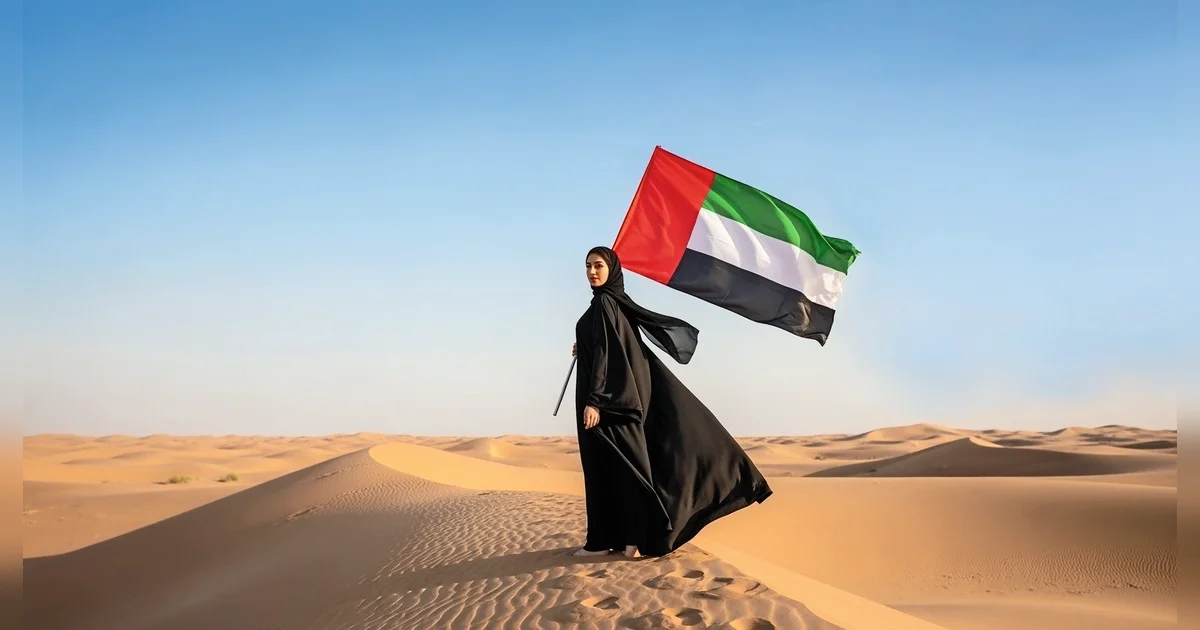
    Across the United Arab Emirates, from towering skyscrapers to local mosques, the national flag stands as a powerful symbol of identity and unity. Adopted on December 2, 1971, during the nation’s formation, this iconic banner carries profound meaning through its four distinctive colors that embody the country’s historical legacy and future aspirations.

    The vertical red band at the hoist represents the immense sacrifices made by earlier generations who protected the land long before modern statehood. This crimson hue symbolizes both the physical courage displayed by ancestors and the unifying force that brought together seven distinct emirates into a single, powerful nation. The red stripe visually connects all other colors, emphasizing how unity remains fundamental to the UAE’s continued strength and resilience.

    Green embodies the nation’s remarkable transformation from desert landscapes to a thriving modern society. This color signifies growth, prosperity, and hope—reflected in the UAE’s commitment to sustainable development and environmental innovation. Beyond representing agricultural achievements, green captures the spirit of renewal that drives the country’s ambitious vision for the future, including extensive renewable energy projects and urban green spaces.

    White stands as a testament to the UAE’s dedication to peace, honesty, and moral integrity. This color reflects the nation’s ongoing humanitarian efforts, charitable initiatives, and role as a global advocate for tolerance and dialogue. The white band serves as a constant reminder of the country’s commitment to maintaining harmonious relations both domestically and internationally through ethical leadership and generous spirit.

    Contrary to common associations with darkness, the black stripe symbolizes formidable strength, determination, and resilience. This color represents the mental fortitude and unwavering willpower that enabled the Emirati people to overcome historical challenges and build a nation that commands global respect. Black signifies the courage to defend national values and confront obstacles with united confidence.

    Together, these four colors create more than a national emblem—they form a visual narrative of a country that honors its past while steadily progressing toward an innovative future. The flag’s symbolism continues to inspire citizens and residents alike, serving as a daily reminder of the shared values and collective journey that define the UAE’s unique identity on the world stage.

  • Oxford Union’s new president says pro-Palestine voices face ‘disproportionate scrutiny’

    Oxford Union’s new president says pro-Palestine voices face ‘disproportionate scrutiny’

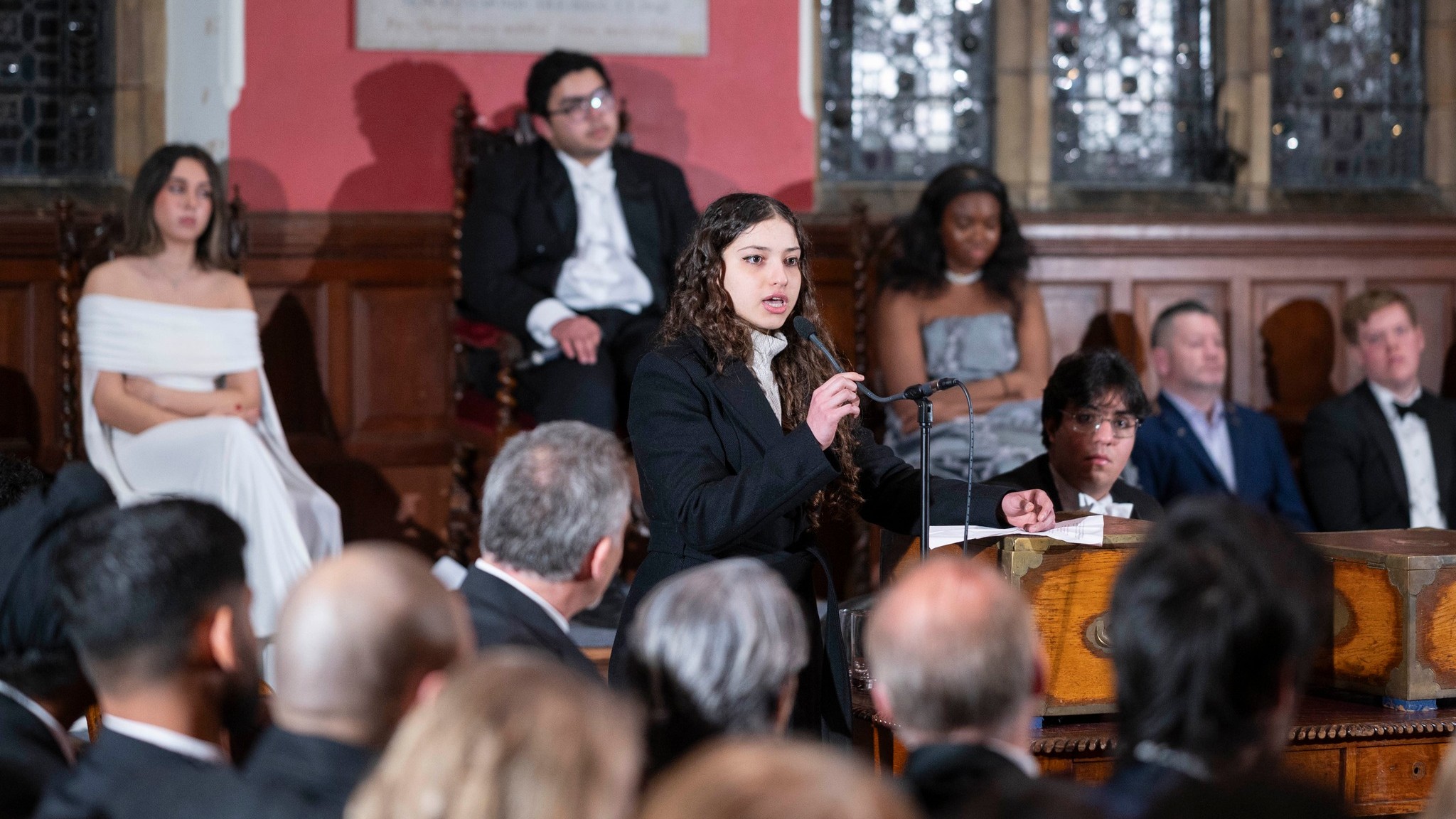
    In a groundbreaking electoral victory, Arwa Hanin Elrayess has become the first Palestinian, first Arab woman, and first Algerian to assume the presidency of the prestigious Oxford Union. However, her triumph is shadowed by revelations of systematic targeting of pro-Palestinian candidates within the influential debating society.

    Elrayess, a second-year Philosophy, Politics, and Economics student from Gaza, disclosed to Middle East Eye that her campaign faced unprecedented opposition characterized by smear tactics and institutional pushback. She reported being labeled an extremist, accused of supporting terrorist organizations, and subjected to baseless counter-terrorism investigations that discouraged potential allies from joining her campaign.

    This pattern of discrimination mirrors the experience of her predecessor, Ebrahim Osman-Mowafy, the Union’s first Arab president, who was temporarily removed from office after organizing a debate on Israeli apartheid and genocide allegations. Osman-Mowafy was only reinstated following significant student mobilization and intervention from former presidents who acknowledged the disproportionate targeting of individuals from ‘non-traditional’ backgrounds.

    Elrayess’s election occurs against a backdrop of escalating suppression of pro-Palestinian activism across UK universities. Since October 2023, student groups have faced increased surveillance, disciplinary actions, and police intervention for expressing solidarity with Gaza. Muslim and Arab students report being disproportionately targeted through Prevent strategy referrals and accusations of extremism.

    Despite these challenges, Elrayess views her presidency as a watershed moment for representation within an institution that has produced numerous members of Britain’s ruling class. She emphasizes the critical importance of ensuring Palestinian voices are included in conversations about self-determination and autonomy, particularly when these discussions have historically occurred without their participation.

    Elrayess remains committed to transforming the institution from within, arguing that withdrawal would concede vital spaces needed for meaningful change. Her leadership represents not just a victory for Palestinian representation but for all marginalized causes within influential institutions.

    The Oxford Union did not respond to requests for comment regarding these allegations.

  • Keeping teens safe in the digital world: A shared responsibility

    Keeping teens safe in the digital world: A shared responsibility

    In an era where adolescent development is increasingly intertwined with digital interactions, the United Arab Emirates has emerged as a global leader in promoting responsible online ecosystems. The nation’s pioneering initiatives, particularly the Digital Wellbeing Pact established in collaboration with the Digital Wellbeing Council, demonstrate a proactive approach to creating age-appropriate digital experiences for younger users.

    The convergence of physical and virtual worlds has created unprecedented challenges for modern parenting, with concerns ranging from cyberbullying and harmful content exposure to data privacy violations. Recent international studies indicate these apprehensions remain consistently high among caregivers worldwide, highlighting the critical need for embedded safety mechanisms within digital platforms rather than treating protection as an optional feature.

    Technology companies are responding with innovative solutions that balance parental oversight with adolescent autonomy. Snapchat’s recently introduced Home Alerts feature exemplifies this approach, enabling guardians to receive notifications when teens reach designated safe locations while requiring explicit consent from the young users. This dual emphasis on protection and independence aligns with the UAE’s vision of creating environments where families feel both empowered and secure.

    Beyond technical features, Snap’s enhanced Family Center provides comprehensive resources including step-by-step guides, frequently updated instructional videos, and region-specific materials adapted for cultural relevance. The platform’s quarterly refreshed materials and downloadable conversation starters facilitate meaningful family dialogues about digital citizenship.

    The complexity of online safety demands collaborative engagement across multiple sectors. The UAE’s multi-stakeholder approach brings together policymakers, technology platforms, and educational institutions through frameworks like the Digital Wellbeing Council and the Abu Dhabi Early Childhood Authority. This cooperative model recognizes that effective digital protection requires ongoing commitment rather than seasonal attention.

    While technological solutions provide critical safeguards, experts emphasize that open family communication remains fundamental to digital wellbeing. Continuous conversations about online risks—including misinformation, social pressure, and mental health impacts—build trust and resilience among young users. Educational resources such as Digital Wellness Toolkits and Family Safety Hubs equip both generations with necessary navigation skills.

    As digital landscapes continue evolving, the collective responsibility shared by families, technology companies, and governments will determine whether online spaces become environments where teenagers can genuinely thrive rather than merely exist. The UAE’s leadership in this arena offers a replicable model for global digital safety initiatives.

  • Why Gen-Z is rethinking failure and how to navigate it

    Why Gen-Z is rethinking failure and how to navigate it

    Generation Z finds itself at a critical crossroads, compelled to fundamentally redefine societal notions of failure and accountability in an era of unprecedented digital connectivity. Unlike previous generations, today’s youth navigate a world where global awareness amplifies personal anxieties about career aspirations and financial stability.

    The digital revolution has created what psychologists term ‘the comparison paradox’ – constant exposure to curated success stories worldwide has generated unprecedented pressure while simultaneously revealing systemic inequalities. This generation grapples with existential questions about meritocracy’s validity when confronting repeated setbacks in achieving promised lifestyles.

    Contemporary analysis reveals Gen Z’s distinctive approach to failure attribution. Where previous generations typically internalized setbacks, digital natives demonstrate heightened awareness of institutional and systemic barriers. This perspective shift represents both adaptive resilience and potential avoidance of personal accountability, creating complex psychological dynamics.

    Mental health experts identify this generational characteristic as ‘contextualized failure assessment’ – the ability to recognize how external factors contribute to personal outcomes without completely absolving individual responsibility. This balanced approach allows for constructive criticism of systems while maintaining personal agency.

    The article draws from personal narrative illustrating this evolution: from dishwashing positions to editorial mastheads, demonstrating how perceived failures transformed into foundational experiences. This journey exemplifies Gen Z’s emerging paradigm where setbacks become data points rather than destiny determinants.

    Professional psychologists note this generation’s development of ‘productive resilience’ – building support networks and self-empathy practices that acknowledge systemic challenges while cultivating personal growth. This represents a significant departure from traditional ‘pull yourself up by bootstraps’ mentality, incorporating both structural awareness and personal accountability.

    Ultimately, Generation Z’s redefinition of failure may represent the most significant psychological adaptation to digital transformation, creating new frameworks for success measurement that acknowledge both personal effort and systemic realities in our interconnected world.

  • Watch: Quebec debates stricter rules on religion in public spaces

    Watch: Quebec debates stricter rules on religion in public spaces

    A contentious legislative proposal in Quebec has sparked vigorous debate across the Canadian province, focusing on the proper place of religious expression within public institutions. The proposed bill, currently under consideration by provincial lawmakers, seeks to expand existing secularism laws by imposing stricter limitations on religious symbols and practices in government-funded spaces.

    The BBC’s recent documentary from Montreal captured diverse perspectives from Quebec residents amidst freezing temperatures, revealing deep divisions within society. Proponents argue the legislation reinforces state secularism and promotes cultural cohesion, while opponents contend it disproportionately targets religious minorities and infringes upon personal freedoms.

    This legislative initiative builds upon Quebec’s historical journey with secularism, notably through Bill 21 passed in 2019, which already restricted some public servants from wearing religious symbols at work. The new proposal would potentially extend these restrictions to additional public venues and situations, raising complex questions about the balance between state neutrality and individual rights.

    Legal experts anticipate constitutional challenges should the bill pass, as it would likely face scrutiny under Canada’s Charter of Rights and Freedoms. The debate reflects broader tensions between Quebec’s distinct cultural identity within the Canadian federation and evolving multicultural realities across the province.