分类: society

  • Chair of leading Turkish sports club Fenerbahce questioned in a drugs probe

    Chair of leading Turkish sports club Fenerbahce questioned in a drugs probe

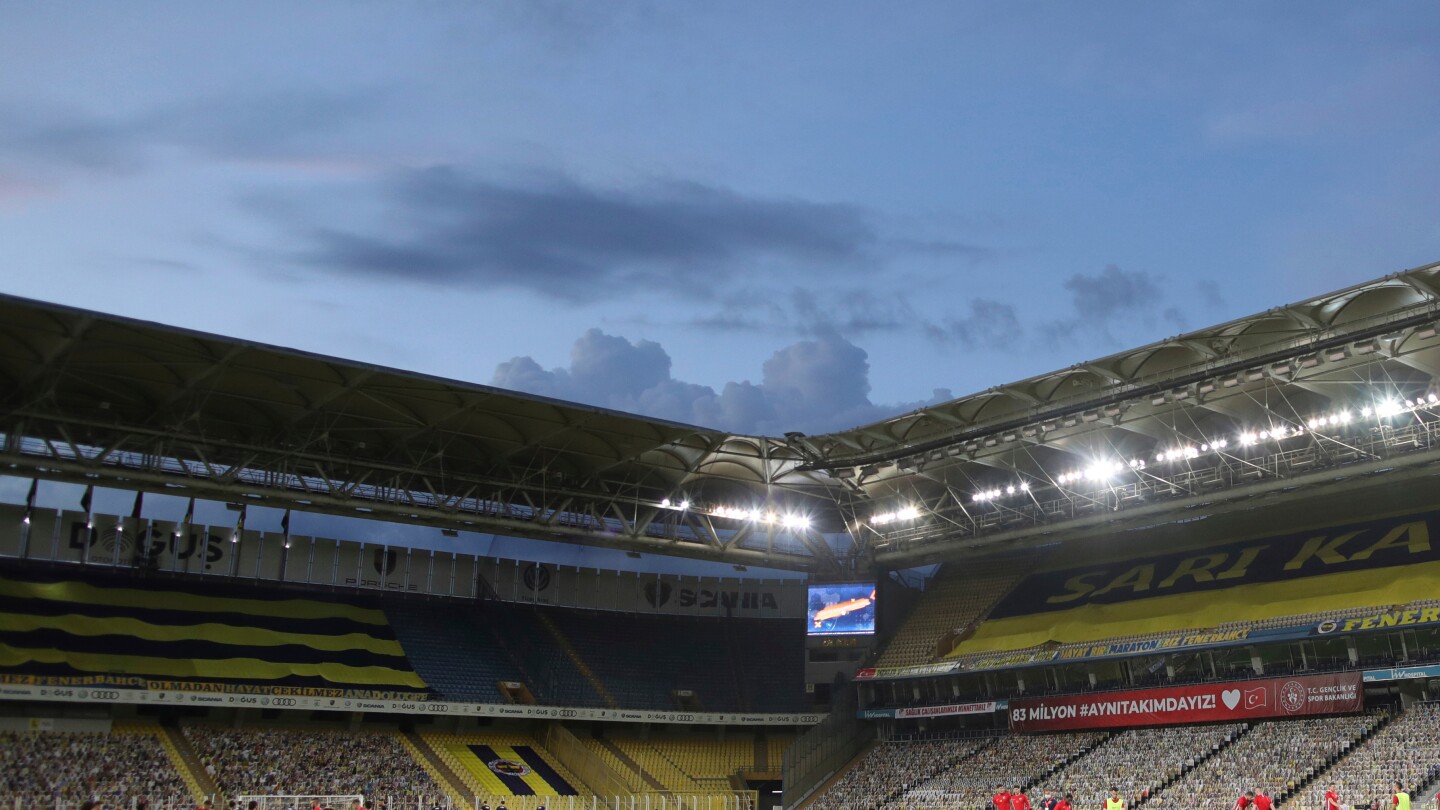
    ISTANBUL — Sadettin Saran, the high-profile chairman of Turkish sports giant Fenerbahce, underwent police interrogation Saturday as part of a sweeping narcotics investigation that has ensnared numerous celebrities and media personalities. The state-operated Anadolu Agency confirmed that Saran, who possesses dual Turkish-American citizenship, provided an official statement to authorities upon returning from international travel. Following his deposition, he was escorted to a medical facility for compulsory blood and hair sample collection to screen for illicit substances.

    This development represents the latest escalation in an extensive probe initiated by the Istanbul Chief Prosecutor’s Office earlier this December. The investigation has already resulted in the detention of over a dozen prominent figures from television journalism, music, acting, and social media influencing circles. Charges range from narcotics production and distribution to involvement in organized prostitution activities.

    According to judicial sources, Saran faced specific allegations related to enabling and supplying controlled substances. After completing forensic testing at the Caglayan Courthouse complex, the sports executive was released subject to ongoing judicial supervision requirements. The case continues to develop as prosecutors examine potential connections between entertainment industry elites and underground narcotics networks.

    Fenerbahce’s institutional history adds contextual significance to these developments. The club previously endured governance challenges when former president Aziz Yildirim served prison time between 2012-2013 regarding match-fixing allegations. Those convictions were ultimately overturned due to judicial corruption affecting the original proceedings. Separately, the organization remains connected to an ongoing inquiry into systemic match-fixing within Turkish professional football.


  • Rajab 1447 AH crescent on December 20: Will it be visible in UAE, other Islamic countries?

    Rajab 1447 AH crescent on December 20: Will it be visible in UAE, other Islamic countries?

    Astronomical authorities have indicated that the crescent moon marking the beginning of Islamic month Rajab 1447 AH presents significant viewing challenges across most Islamic nations on December 20, 2025. According to detailed analysis from the Astronomy Centre, visibility conditions vary dramatically across different geographical regions, creating substantial disparities in observational possibilities.

    The celestial mechanics indicate that while telescopic sightings might be feasible in certain African and South American territories, naked-eye visibility remains restricted to western South America and Pacific regions post-sunset. The Astronomy Centre’s comprehensive social media communications emphasized that despite potential visibility in some Islamic countries, official month commencement determinations rest exclusively with local authorities following careful review of crescent sighting reports.

    Technical analysis reveals particularly unfavorable conditions in major Islamic centers including Abu Dhabi, Riyadh, Cairo, and Jakarta. These cities experience moonset occurring merely 8-18 minutes after sunset, with lunar age ranging between 11-16 hours—significantly below the established thresholds for reliable naked-eye observation. The minimum requirements for unaided visual confirmation require the crescent to remain above the horizon for at least 29 minutes with a minimum age of 15 hours 33 minutes, though these conditions alone don’t guarantee successful sighting due to complicating factors including angular distance from the sun and altitude during observation.

    The astronomical event coincides with the central lunar conjunction occurring at 01:43 GMT (05:43 UAE time), representing the precise moment when Earth, Moon, and Sun achieve near-perfect alignment with the moon positioned centrally—a phase commonly recognized as the New Moon. This scientific precision underscores the complex interplay between astronomical phenomena and religious calendar determinations that characterize Islamic month commencements worldwide.

  • UAE weather: Orange alert issued for ‘thunder rain’; dusty conditions expected

    UAE weather: Orange alert issued for ‘thunder rain’; dusty conditions expected

    The United Arab Emirates’ meteorological authority has elevated weather warnings to an orange alert level as the nation braces for a period of severe atmospheric conditions. Forecasters predict the development of convective cloud formations that will likely generate thunderous precipitation and powerful winds capable of stirring significant dust and sand particles across affected regions.

    Meteorological projections indicate partly to fully overcast skies throughout Friday and Saturday, with precipitation expected particularly across northern and eastern territories. Accompanying these conditions will be moderate to fresh northwesterly and southwesterly winds maintaining velocities between 15-30 km/h, with potential gusts reaching intense speeds of 45 km/h.

    The combination of precipitation and strong winds will create challenging environmental conditions, including reduced visibility due to blowing dust and sand. Maritime advisories have been issued warning of turbulent seas in both the Arabian Gulf and Oman Sea, posing potential hazards to marine operations.

    Temperature readings are forecast to show notable variations, with minimums dropping to 13°C in Abu Dhabi and Sharjah, and 14°C in Dubai. Maximum temperatures will reach more moderate levels of 21°C in Abu Dhabi, 22°C in Sharjah, and 23°C in Dubai.

    This weather event follows two consecutive days of substantial rainfall that resulted in temporary closures of public parks, tourist attractions, and the implementation of remote work protocols. Emergency services and municipal authorities have been operating continuously to mitigate disruptions and restore normalcy as conditions gradually improve.

    Residents are advised to monitor official weather channels for updates and exercise caution during travel, particularly in areas experiencing reduced visibility due to dust conditions.

  • Everything you need to know about Christmas, and how it has evolved into a global holiday

    Everything you need to know about Christmas, and how it has evolved into a global holiday

    While Christmas stands as the Christian commemoration of Jesus Christ’s nativity, its historical journey reveals a complex tapestry of cultural adaptation and transformation. Contrary to modern assumptions, the earliest Christian communities did not annually observe Jesus’ birth, focusing instead on Easter resurrection celebrations, according to Dr. Christine Shepardson, University of Tennessee professor specializing in early Christianity.

    The selection of December 25th as the official celebration date emerged only in the fourth century during Emperor Constantine’s reign, coinciding with existing pagan winter solstice festivals like the Roman Sol Invictus observance. This period marked Christianity’s institutionalization through church gatherings rather than private home meetings.

    Medieval Christmas celebrations bore little resemblance to modern observances, characterized instead by raucous street festivities featuring excessive feasting and drinking. Professor Thomas Ruys Smith of the University of East Anglia notes that Christmas gained respectability only in the 19th century, transforming into the domestic, family-oriented celebration recognized today.

    The modern Christmas tradition owes much to German customs, with Christmas trees and gift-giving practices spreading to Britain and America in the late 19th century. Literary works like Charles Dickens’ “A Christmas Carol” (1843) and Washington Irving’s writings further popularized the holiday’s contemporary form.

    Santa Claus’ origins trace back to fourth-century Christian bishop St. Nicholas of Myra (modern-day Turkey), whose legendary generosity inspired the secular figure. After the Protestant Reformation diminished St. Nicholas devotion, Dutch settlers in New York preserved the tradition as Sinterklaas, which eventually evolved into America’s Santa Claus.

    Global variations abound: Italy celebrates with St. Lucy or Befana the witch, Iceland enjoys mischievous Yule Lads, while Japan has developed the unique tradition of Kentucky Fried Chicken Christmas dinners since 1974. This practice originated when a foreign customer in Tokyo remarked about substituting turkey with KFC, leading to an annual phenomenon requiring months-ahead orders.

    Christmas greenery traditions—holly, ivy, and evergreen trees—carry mixed heritage, with Professor Maria Kennedy of Rutgers University noting connections to both Christian symbolism (eternal life) and ancient Druid practices. Similarly, mistletoe represented immortality in pre-Christian traditions.

    Contemporary Christmas continues evolving, with public Nativity scenes sparking legal debates about church-state separation in the U.S., while caroling traditions maintain their community-building origins from European winter customs.

  • UAE records lowest temperature of 3.5°C in RAK’s Jebel Jais

    UAE records lowest temperature of 3.5°C in RAK’s Jebel Jais

    The United Arab Emirates experienced its coldest temperature of the winter season early Saturday, with the mercury dropping to 3.5°C (38.3°F) at Jebel Jais Mountain in Ras Al Khaimah. According to the National Centre of Meteorology (NCM), this record low was recorded precisely at midnight local time on December 20, 2025.

    Jebel Jais, standing as the UAE’s highest peak, consistently maintains cooler temperatures compared to the nation’s coastal and desert regions, particularly during winter months. This meteorological phenomenon occurs due to its elevated altitude, which creates distinctly different climate conditions from the urban heat typically associated with Emirates cities.

    The recent temperature drop follows a period of unstable weather patterns across the country, including rainfall that resulted in localized flooding and waterlogged roads in several areas. These conditions have presented transportation challenges and highlighted the region’s vulnerability to weather extremes.

    As winter firmly establishes itself across the UAE, meteorologists note that inland and mountainous regions continue to experience significantly cooler conditions, especially during early morning hours. The temperature variation between coastal cities and elevated terrain becomes particularly pronounced during this season, with differences often exceeding 10-15 degrees Celsius.

    The NCM continues to monitor weather patterns closely, providing updates to residents and authorities. While daytime conditions remain generally pleasant across most of the country, the substantial nighttime and early morning temperature drops in elevated areas serve as a reminder of the UAE’s diverse climatic geography beyond its famous desert landscapes.

  • Children at kindergarten in N China learn to make dumplings ahead of Winter Solstice

    Children at kindergarten in N China learn to make dumplings ahead of Winter Solstice

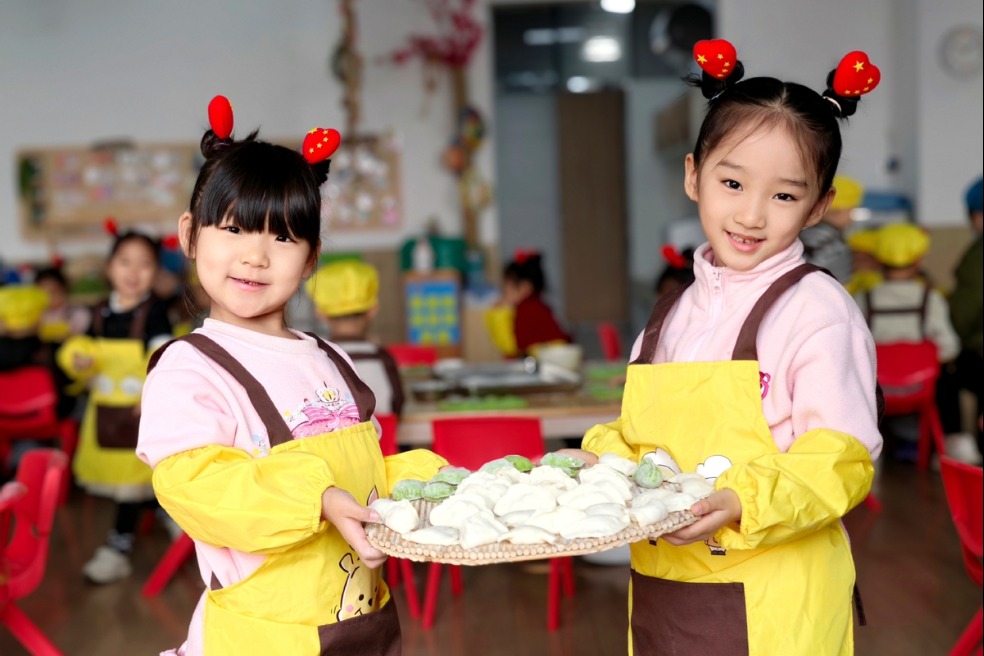
    In anticipation of the upcoming Winter Solstice, young students at a kindergarten in Jiyuan city, Shandong province, engaged in a hands-on cultural activity by learning to make traditional Chinese dumplings on December 19, 2025.

    The event, captured in photographs distributed by Xinhua News Agency, shows children proudly presenting their handmade dumplings while learning about this significant seasonal festival. Winter Solstice, occurring this year on December 21st, represents the shortest day of the year and historically marked the beginning of deep winter in traditional Chinese agricultural society.

    This educational initiative connects the younger generation with China’s rich cultural heritage surrounding the solar term. The tradition of consuming specific foods during Winter Solstice varies regionally across China, with northern provinces maintaining the custom of eating dumplings, while southern regions typically enjoy tangyuan (sweet glutinous rice balls).

    The kindergarten’s curriculum-integrated activity demonstrates how educational institutions are preserving cultural traditions through experiential learning. Children not only developed culinary skills but also gained understanding of seasonal changes and their significance in Chinese agricultural history and contemporary practices.

  • Museum’s donated painting in spotlight

    Museum’s donated painting in spotlight

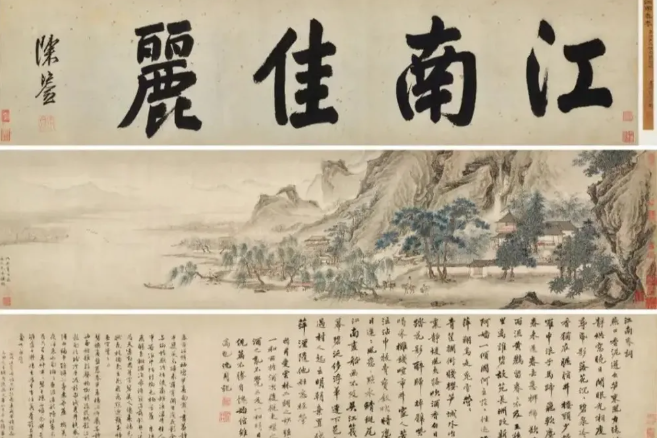
    Nanjing Museum has produced archival documents claiming a disputed 16th-century landscape painting at the center of a major donation controversy was officially classified as forged decades ago. The revelation comes amid escalating legal battles with the descendants of renowned collector Pang Laichen (1864-1949), who donated 137 artifacts to the institution in 1959.

    The conflict emerged when family members discovered ‘Jiangnan Spring’ – attributed to Ming Dynasty master Qiu Ying – was scheduled for auction in Beijing with an ¥88 million ($12.5 million) price tag. The painting was abruptly withdrawn after the Pangs protested, prompting investigations that revealed five artworks from their donation were missing from museum records.

    According to documents presented by the museum, a 1961 expert panel determined ‘Jiangnan Spring’ was duplicated, with a second panel confirming its forged status in 1964. Records indicate the painting was subsequently transferred to Jiangsu Cultural Relics Store in the 1990s under then-prevailing collection management regulations, with a 2001 invoice showing its eventual sale for merely ¥6,800 as ‘A Copy of Qiu Ying’s Jiangnan Spring’.

    Pang Shuling, the collector’s great-granddaughter, has filed a court enforcement application demanding full transparency regarding the transferred artifacts. ‘The donation made by my father to Nanjing Museum in 1959 are all precious works, they are not forged,’ she asserted.

    The museum maintains it acted within historical guidelines, with attorney Zhang Han noting ownership transferred completely upon donation. However, family attorney Yin Zhijun argues donors retain right-to-know privileges regarding their contributions’ preservation.

    Museology professor Pan Shouyong of Shanghai University contextualized the dispute: ‘People’s understanding of what a ‘cultural relic’ is has been constantly growing. It’s unfair to always use today’s guiding mindset to judge past deeds, but neither can we conceal a past blemish if we want to achieve more.’

    The case highlights evolving standards in China’s cultural heritage management, particularly since the National Cultural Heritage Administration’s 2018 interim measures requiring donor consultation for deaccessioning procedures.

  • American students immerse in Chinese culture in Chinatown

    American students immerse in Chinese culture in Chinatown

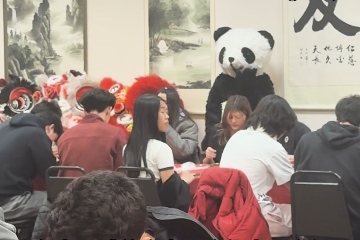
    WASHINGTON, DC – On December 17, 2025, students from Centennial High School’s Chinese language program participated in an immersive cultural experience at the Chinatown Community Cultural Center. The event, titled “The Touch of China in Chinatown,” represents the third consecutive year of this innovative cultural initiative designed to bridge cultural understanding between American youth and traditional Chinese heritage.

    The program provides hands-on exposure to various aspects of Chinese culture through interactive workshops, traditional art demonstrations, and cultural performances. Unlike conventional classroom learning, this experiential approach allows students to engage directly with cultural practices that have been preserved and celebrated within the DC Chinatown community for generations.

    Educators and community organizers collaborated to create an environment where American teenagers could not only observe but actively participate in cultural activities. The program’s structure emphasizes cultural exchange rather than passive observation, encouraging students to ask questions and participate in traditional practices under the guidance of cultural experts and community elders.

    The Chinatown Community Cultural Center has developed this program as part of its ongoing mission to promote cross-cultural understanding and preserve Chinese cultural traditions within an urban American context. The continued success and expansion of this initiative over three consecutive years demonstrates both the community’s commitment to cultural education and the growing interest among American youth in understanding global cultures.

    Participants reported increased appreciation for cultural diversity and expressed interest in further exploring Chinese language studies following their immersive experience. The program serves as a model for how urban cultural centers can facilitate meaningful cross-cultural exchanges that benefit both the local community and broader educational institutions.

  • HK bids farewell to Tai Po blaze’s fallen firefighter

    HK bids farewell to Tai Po blaze’s fallen firefighter

    Hong Kong observed a day of profound mourning on Friday as the city paid final respects to Firefighter Ho Wai-ho, who made the ultimate sacrifice during last month’s catastrophic Tai Po residential fire that claimed 160 lives. The solemn ceremonies brought together government leaders, emergency personnel, and grieving citizens in a powerful display of communal solidarity.

    The formal funeral service, organized by the Fire Services Department at Hung Hom’s Universal Funeral Parlour, commenced at 10 am with Chief Executive John Lee Ka-chiu joining senior officials, Ho’s heartbroken family, and his fellow firefighters. The 37-year-old hero sustained fatal injuries on November 26 while conducting rescue operations at Wang Fuk Court in Tai Po district.

    In recognition of his extraordinary bravery, the Fire Services Department posthumously promoted Ho to the honorary rank of senior fireman. Having joined the department in 2016 and stationed at Sha Tin, Ho built a distinguished nearly nine-year career marked by exceptional dedication and participation in numerous critical rescue missions.

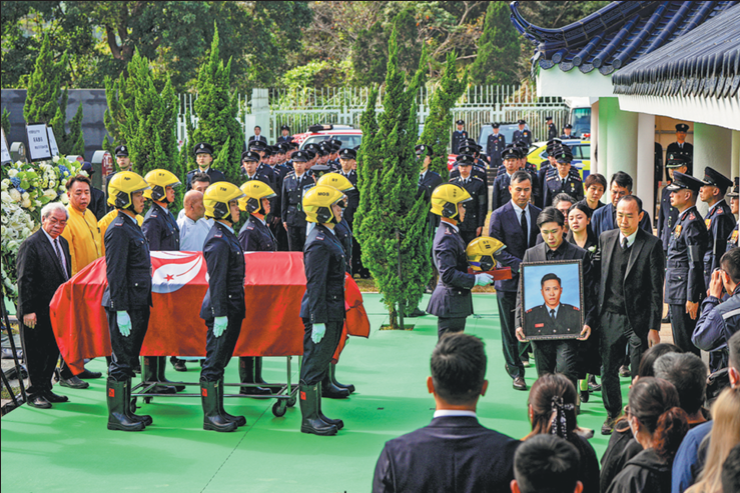
    Public admiration manifested early as residents began gathering outside the funeral parlor by 8 am, many bringing floral tributes to honor the fallen first responder. The subsequent procession featured a fire-truck-turned-hearse carrying Ho’s flag-draped coffin, which paused at approximately 11:10 am near the scene of the tragic blaze for a poignant memorial ceremony. Firefighters stood at solemn attention while officials bowed in respect, with nearby footbridges filled with mourning citizens.

    Among those paying respects was a Ms. Lee from adjacent Kwong Fuk Estate, who came to express gratitude for Ho’s sacrifice. She recounted how the acrid smoke from the November fire had permeated her home, creating an enduring sensory memory of the disaster.

    The procession then proceeded to Sha Tin Fire Station, where Ho had been based. There, personnel from across Hong Kong bowed collectively as a fire bell sounded four times—three short rings followed by one long—symbolically releasing Ho from his duties. The final journey concluded at Gallant Garden in Wo Hop Shek Cemetery, the resting place reserved for government servants who die in service to Hong Kong.

    At approximately 1:10 pm, six firefighters and two pallbearers carried Ho’s coffin to his final resting place, followed by his brother holding a portrait and his bereaved fiancée. In a touching final ritual, the flag covering the coffin was carefully folded and Ho’s service helmet was placed atop the lid, marking the formal end of his watch.

  • High-speed passenger train kills 7 elephants crossing railway tracks in northeast India

    High-speed passenger train kills 7 elephants crossing railway tracks in northeast India

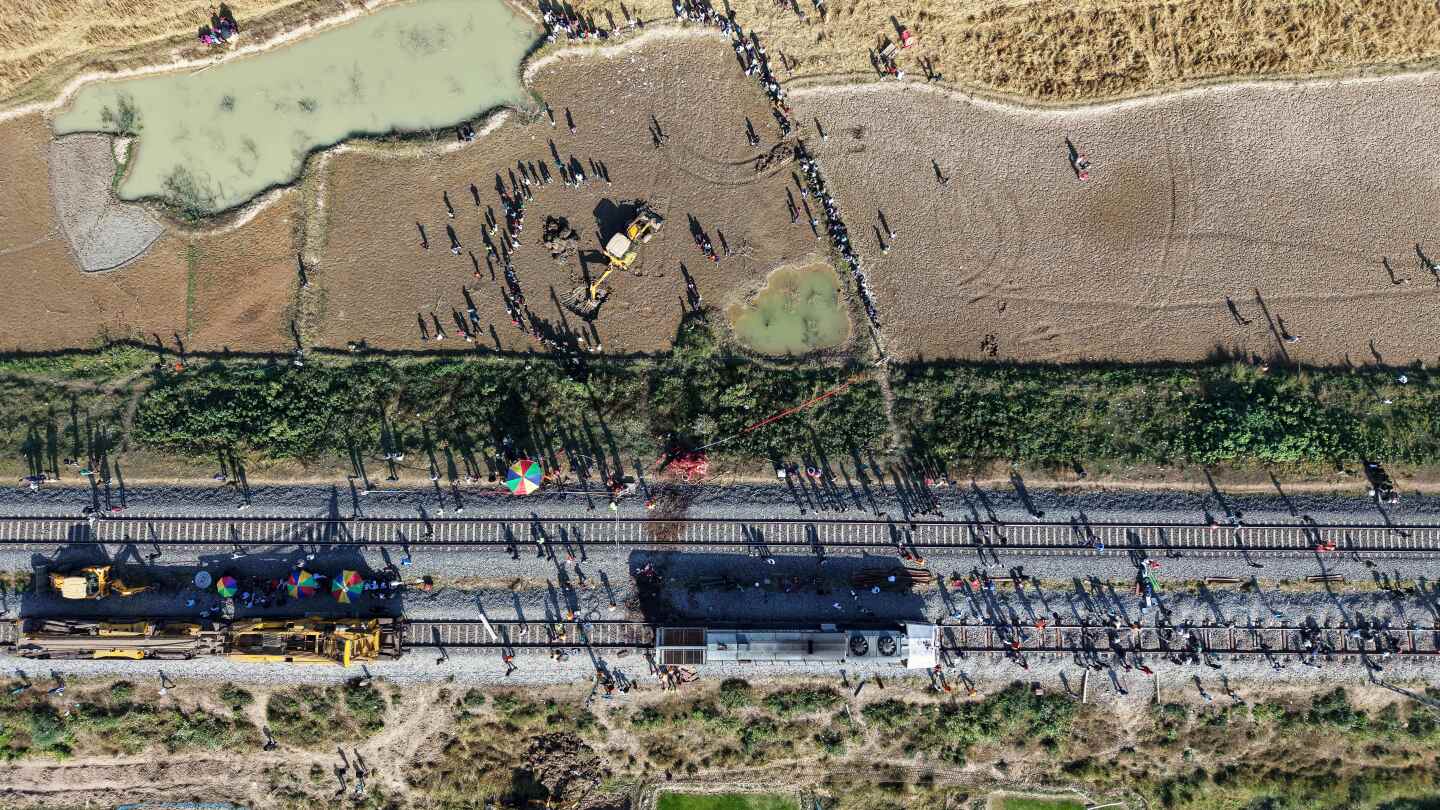
    A devastating railway collision claimed the lives of seven wild Asiatic elephants and injured a calf in northeastern India’s Assam state during the early hours of Saturday. The Rajdhani Express train, transporting 650 passengers from Sairang to New Delhi, struck the elephant herd while traversing through forested terrain approximately 78 miles southeast of Guwahati, Assam’s capital.

    According to Indian Railways spokesman Kapinjal Kishore Sharma, the locomotive operator detected the massive herd of approximately 100 elephants and immediately engaged emergency braking systems. Despite these preventive measures, the high-speed passenger train could not avoid impact with multiple animals. The collision resulted in the derailment of five coaches and the engine, though remarkably no human passengers sustained injuries.

    Veterinary specialists conducted postmortem examinations on the deceased elephants, with burial procedures scheduled for later the same day. Railway authorities confirmed that the accident occurred outside designated elephant crossing corridors, though the region is known for frequent elephant movements.

    Following the incident, railway personnel separated the unaffected coaches, allowing the main train to continue its journey to New Delhi. Approximately 200 passengers from the derailed compartments were transferred to Guwahati via alternative transportation.

    This tragedy highlights an ongoing conservation challenge in Assam, which hosts an estimated 7,000 wild Asiatic elephants—among India’s highest population densities for the species. Since 2020, train collisions have killed at least a dozen elephants statewide. The problem intensifies annually during harvest season, when elephants increasingly venture into human-occupied areas near railway tracks.